Are you looking for a short, beautiful hike in Nepal with your family and children as a beginner? There is no doubt that the Annapurna Panorama View Trek is the perfect trail to experience blooming rhododendron flowers with high snow-capped mountains with family and children.
Your Gateway to The Himalayas


Annapurna Panorama View Trek
Trip at a Glance
Duration10 Days
Trip GradeEasy
DestinationNepal
Maximum Altitude3,210 m
AccommodationHotel/Tea House
Starts/EndsKathmandu
ActivitiesTrekking
Best TimeFebruary to May and September to December
The 10-day Annapurna panorama view trek from Kathmandu perfectly introduces Nepal’s majestic Himalayas. This panorama trek is one of the best short treks in Nepal, explicitly designed for beginners and families seeking an authentic mountain adventure. With well-maintained trails and minimal altitude challenges, it’s the ideal beginner-friendly Himalayan trek for those with basic fitness levels.
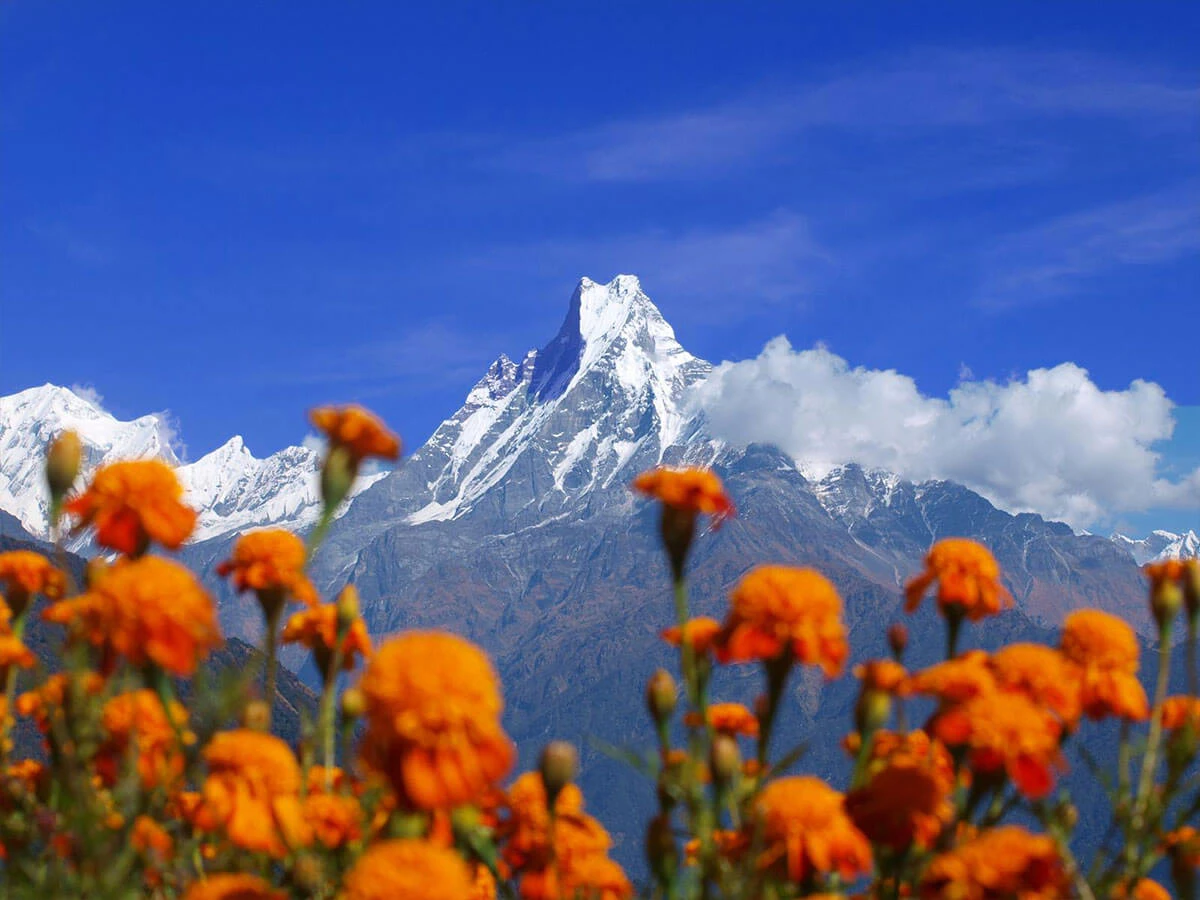
What makes this one of the most accessible, easy treks in the Annapurna region is its gentle difficulty level compared to other Annapurna treks. The path goes through the Annapurna Conservation Area, a natural wonderland with vibrant rhododendron forests. The trek's main highlight is the famed Poon Hill, from where you’ll witness impressive mountain sights of Annapurna, Dhaulagiri, and the iconic Machhapuchhare.
Along with enticing mountain panoramas, this trek provides a deep cultural immersion with the welcoming Gurung and Magar communities. While walking through traditional villages, you’ll discover authentic Himalayan hospitality and age-old customs. The diverse flora and fauna of the conservation area add another layer of discovery to your journey.
Perfect for time-conscious adventurers, this trek delivers the complete Himalayan experience without extreme physical demands or altitude risks. Whether you’re a first-time trekker or introducing family to mountain adventures, the short Annapurna view trek provides unforgettable memories.
The Major Highlights of Annapurna Panorama View Trek
- Witness breathtaking 360-degree panoramic vistas of Annapurna, Dhaulagiri, Machhapuchhare, and Hiunchuli peaks from Poon Hill, Nepal’s most famous sunrise viewpoint.
- Experience authentic Gurung culture, traditional architecture, and warm mountain hospitality in the picturesque hillside village of Ghandruk.
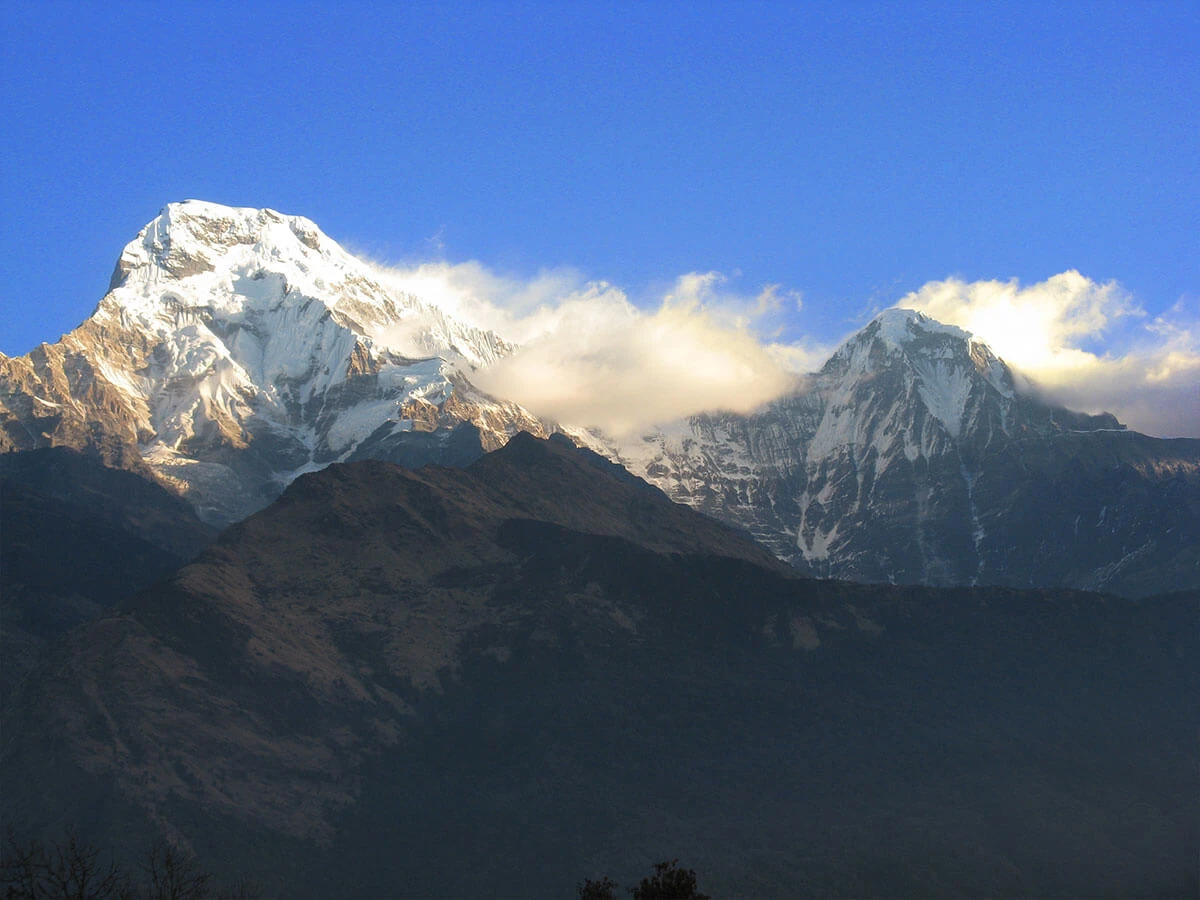
- Enjoy sublime close-up sights of the Annapurna range and surrounding peaks from the peaceful Australian Base Camp.
- Trek through diverse landscapes, including lush rhododendron forests, terraced farmlands, river valleys, and alpine meadows, showcasing Nepal’s natural beauty.
- Explore authentic mountain settlements like Ulleri, Birethanti, Banthanti, and Tadapani while experiencing rural Nepalese life and local customs firsthand.
- Experience the majesty of the Annapurna region without extreme altitude challenges, making it suitable for trekkers of various experience levels.
Route Overview of Annapurna Panorama Trek
Your Annapurna Panorama Trek 10-day adventure begins with a scenic drive from Kathmandu to Pokhara. This road trip provides striking views of river valleys, green hills, and traditional settlements with terraced fields. On clear days, you’ll glimpse the magnificent Annapurna and Dhaulagiri ranges.
To start the Annapurna short trek from Pokhara, you take a short drive to Nayapul. The trail follows the Modi River through lush valleys and terraced landscapes. On the way to the traditional Magar village of Ulleri, you’ll pass charming hamlets like Birethanti, Hile, and Tikhedhunga. After that, you'll traverse the famous 3,200 stone steps to get there. After passing through Banthanti and Nangethanti, the forest trail leads to Ghorepani village, your base for the iconic Poon Hill sunrise experience.
This Ghorepani Poon Hill trek highlights breathtaking 360-degree mountain panoramas. From the summit, you’ll witness spectacular sunrise views of the Annapurna range, Dhaulagiri, Machhapuchhare, Hiunchuli, and Tukuche peaks. Continuing from Ghorepani, the trail leads to Tadapani through forests decorated with cascading waterfalls and mountain streams. The path then descends toward Landruk via the culturally rich Gurung village of Ghandruk.
Ghandruk is a cultural highlight of your Annapurna panorama view trek, offering authentic local hospitality and traditional mountain architecture. From Landruk, the journey continues to Australian Base Camp, another astounding sunrise and sunset photography viewpoint. This base camp provides expansive sights of Annapurna South, Machhapuchhare, Hiunchuli, and Dhaulagiri. The forest setting of the camp offers tranquil moments away from crowds, ideal for reflection and mountain appreciation.
The Annapurna panorama trek package concluded with a descent to Kande village, where convenient transport waits for your return to Pokhara. This final stretch provides last glimpses of the majestic Himalayan landscape you’ve been exploring. After your trip in the mountains, you'll have some time to relax in Pokhara before getting back to Kathmandu.
Your Annapurna panorama view trek 2025 ends with your departure from Kathmandu, carrying unforgettable memories of Nepal’s stunning landscapes and warm mountain hospitality. This perfect introduction to Himalayan trekking combines natural beauty, cultural immersion, and achievable challenges for trekkers of all experience levels.
Why Choose Nepal Gateway Trekking for the Annapurna Panorama View Trek?
Expert Local Guides with Deep Knowledge: Our seasoned guides know every trail, viewpoint, and cultural story. They bring the mountains to life with insider insights you won’t find in guidebooks.
Safety Always Comes First: We follow strict safety protocols and carry emergency equipment on every trek. Your well-being is our top priority, so you can focus on enjoying the adventure.
Zero-Stress Planning: We handle all the logistics from permits to accommodations. Pack your bags and show up—we’ve covered everything else.
Supporting Local Communities: Your trek benefits local villages through fair wages and community projects. Feel good knowing your adventure makes a positive impact.
Tailored Just for You: Flexible itineraries adapt to your pace and preferences. We customize acclimatization schedules and provide round-the-clock personal support.
Honest, Upfront Pricing: No surprise fees or hidden costs ever. What you see is what you pay for, with unbeatable value for premium service.
VIP Treatment Included: Airport transfers, professional porter service, and authentic cultural experiences come free. We go the extra mile without extra charges.
Proven Track Record: Our glowing reviews speak for themselves. Join hundreds of satisfied trekkers who’ve experienced the Nepal Gateway Trekking.
Itinerary
This is our standard and recommended Annapurna Panorama View Trek itinerary.
Trip PlanExpand all
Welcome to Kathmandu, Nepal's lively capital full of life and heritage! Upon landing at Tribhuvan International Airport, a Nepal Gateway Trekking representative will greet you and transfer you to the hotel. Take time to rest and recover from your journey while soaking in the bustling atmosphere of this remarkable city.
After refreshing yourself, join us for an essential trip briefing session. You’ll meet a trek guide and review the complete Annapurna panorama view trek itinerary. During this meeting, you can ask questions, get more information, and ensure you’re fully prepared for the adventure.
Take a tourist bus from Kathmandu to Pokhara, one of Nepal's most beautiful road trips. The route treats you to stunning countryside scenery alongside the flowing Trishuli River. You may see lovely forests, rolling green hills, and charming hamlets adorned with terraced rice fields. Midway through the journey, there will be a refreshing stop for local snacks and authentic Nepali meals.
After a pleasant 6 to 7 hour drive, you’ll arrive in Pokhara and check into one of the beautiful hotels in the lakeside area. Once settled, explore the vibrant lakeside district with its cafes, shops, and gorgeous lake scenery. This relaxing evening prepared you perfectly for your upcoming short Annapurna trek adventure.
Begin your 10-day Annapurna Panorama trek with a scenic drive from Pokhara to Nayapul, the gateway to multiple Annapurna trekking routes. Your trekking journey starts along the Modi Khola riverside trail. En route, you'll encounter Gurung and Magar culture in the authentic hamlets like Birethanti, Hile, and Tikhedhunga.
Walking deeper into the mountains, you'll cross thrilling suspension bridges over rushing streams and the Bhurungdi Khola. The walk takes you through traditional settlements and gives you beautiful views of the lower Annapurna foothills.
Next, the day's highlight awaits you: the famous, challenging 3,000 stone-step climb from Tikhedhunga to Ulleri. This challenging ascent through forested hillsides tests your endurance but rewards you with incredible satisfaction. It’s considered one of the trek’s most memorable and difficult parts.
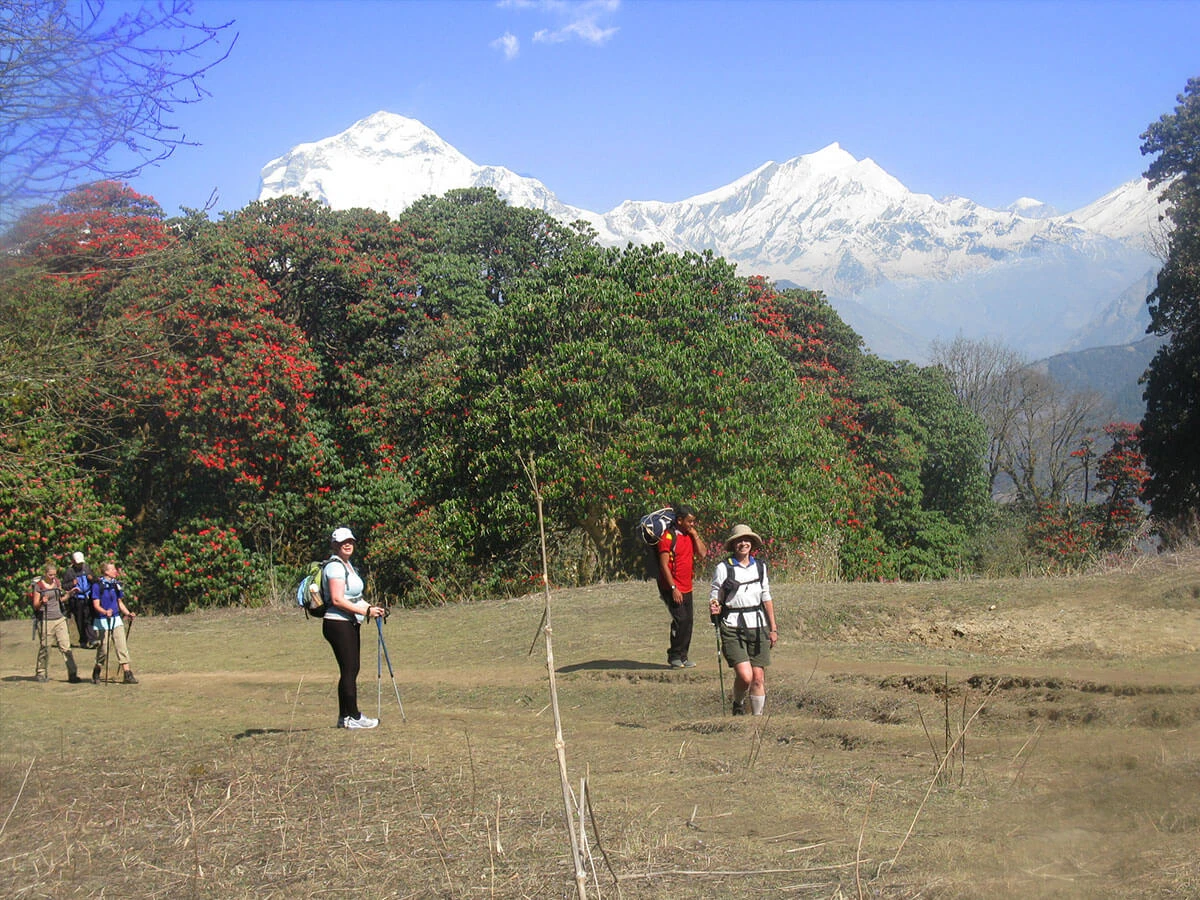
Continuing on the Poon Hill trail, you'll leave Ulleri behind and ascend through oak and rhododendron forests. These routes become more magical wonderlands with vibrant red and pink flowers in the spring. The path comes across picturesque hamlets like Banthanti and Nagethanti, perfect spots to rest and connect with fellow trekkers.
As you climb higher and the forest begins to thin, breathtaking panoramic sights emerge. Catch glimpses of Annapurna South, Hiunchuli, and the magnificent Dhaulagiri range stretching across the horizon. These occasional viewpoints preview the staggering scenery awaiting you at higher elevations.
Arrive at Ghorepani (2,850 m), your gateway to the famous Poon Hill sunrise experience. This bustling mountain hamlet is a meeting point for trekkers from various Annapurna routes. Tonight, you’ll rest in anticipation of tomorrow’s early morning hike to witness the glorious sunrise over the Annapurna and Dhaulagiri ranges.
Start your pre-dawn adventure on the Ghorepani Poon Hill trek with a 45 to 60-minute climb to the famous vantage point at 3,210 m. Watch in awe as the first rays of sunlight paint the Annapurna and Dhaulagiri massifs in golden hues, creating magical photo opportunities.
The 360-degree panorama showcases iconic peaks including Annapurna I, Machhapuchhare, Nilgiri, and countless others—truly one of the best Annapurna short treks in Nepal. After capturing an enthralling sunrise, go to Ghorepani for breakfast and walk to Tadapani.
Further, the path goes through enchanting rhododendron, oak, and pine forests. Cross the scenic Deurali Pass, where another breathtaking mountain panorama awaits your camera. En route, the path passes through the charming settlement of Banthanti, perfect for rest stops with mesmerizing scenery. Arrive at Tadapani, a cozy place with comfortable lodges on a forested hillside.
Start your trek from Tadapani through sublime rhododendron and oak woods. The trail rewards you with startling mountain vistas, showcasing prominent peaks like Annapurna II and Machhapuchhare. You get perfect photo opportunities as you approach the region's cultural heart.
Ghandruk (2,012m) is a traditional Gurung settlement that blends natural splendor with rich cultural heritage. While exploring the Gurung museum, you'll discover traditional crafts, clothing, and lifestyle artifacts that tell the story of local mountain communities. In addition, you get to experience warm Gurung hospitality.
Further, the hike continues toward Landruk through terraced fields and traditional farmlands. The mixed trail winds through pine and bamboo groves rich with birdlife, offering close-up scenes of the Annapurna foothills and Modi Khola Valley below. This varied terrain of uphill and downhill sections keeps the trek interesting as you traverse cultivated fields and scenic ridge paths.
Begin your journey from Landruk on one of the most rewarding short Himalayan treks near Pokhara, ascending gradually through the forest areas. Pass through peaceful settlements like Tolka and Pothana while watching for diverse wildlife, including the colorful Himalayan monal. The varied terrain offers satisfying physical challenges with steep ascents and descents through this biodiverse forest corridor.
As you approach your destination, the trail reveals magnificent vistas of the Annapurna range, Machhapuchhare, and Dhaulagiri. The Australian Base Camp trek rewards you with increasingly expansive mountain panoramas that become more breathtaking with each step. These phenomenal scenes make every challenging climb worthwhile as the peaks tower majestically above you.
Arrive at the Australian camp, nestled peacefully among rhododendron and oak forests away from the crowds. This serene location offers excellent opportunities for birdwatching and wildlife spotting in the surrounding forest. Cap off your day by witnessing the splendid and highly photogenic sunset over the mighty Himalayan peaks— a perfect finale for your mountain adventure.
Wake up to a spectacular sunrise over the majestic Annapurna range, Machhapuchhare, Hiunchuli, and Dhaulagiri peaks that glow brilliantly in the morning light. After this final mountain breakfast and photo session, begin your descent to conclude the Annapurna panorama trek at Kande. The well-maintained hamlet where you’ll encounter Gurung and Magar village life one last time during your Annapurna short trek.
Reach Kande in under three hours and drive back to the vibrant lakeside city of Pokhara. Your 10-day short Annapurna panorama view trek officially ends, but the adventure continues with exciting activities awaiting you. Try paragliding over epic Phewa Lake or experience the adrenaline rush of zip-lining with staggering mountain scenes as your backdrop.
As evening falls, celebrate your incredible trekking achievement in Pokhara. You can unwind in cozy bars and restaurants, tell stories, and raise a glass to a successful mountain adventure. The best way to end a trip you'll never forget through the Himalayas.
Return to Kathmandu along the magnificent Prithivi Highway, which follows the Trishuli River through photogenic landscapes. The 200 km route is considered one of Nepal’s most pleasant road trips, with fabulous sights of river valleys and lush green hills dotted with waterfalls. Pass through classic Himalayan towns like Dhading and Mugling, where you can savor authentic Nepali meals, including fresh river fish and traditional Dal Bhat.
Arrive in Kathmandu and check into the hotel after completing this memorable Annapurna panorama short trekking package. After freshening up, explore Thamel's lively streets with shops, cafes, and cultural attractions. After your incredible mountain trip, treat yourself to dinner at one of Kathmandu’s finest restaurants.
Your incredible Himalayan adventure comes to an end. You’ll departure for the airport three hours before flight time. If you have time before you go, check out the colorful markets in Thamel for last-minute souvenirs. Find handicrafts, traditional Nepali artifacts, prayer flags, and unique mementos that wonderfully reflect the spirit of your trip to the mountains.
As you prepare to go home with unforgettable memories, remember that this is just the beginning of your relationship with the Himalayas. Contact Nepal Gateway Trekking for future adventures exploring the dramatic landscapes of Nepal, Bhutan, and Tibet. Let us help you organize your next fantastic trip to the most alluring mountain areas globally.
If the above itinerary doesn’t meet your needs, we can design a Tailor-Made Program based on your travel plans and requirements,Reach our travel experts.
Dates & Availability
Private tripSelect Departure Dates
Oct 2026
Nov 2026
Dec 2026
Departure Date
Price
Status
Cost Includes
- Complimentary airport pick-up and drop-off services
- All ground transportation as per the program by tourist bus and private vehicle.
- Two nights' accommodation at a three-star category hotel in Kathmandu, including breakfast.
- Two nights' accommodation at a tourist-standard hotel in Pokhara, including breakfast.
- Your three meals (breakfast, lunch, and dinner) during the hike.
- Twins sharing common bathroom accommodations during the trekking.
- A highly experienced, well-trained government license holder, English-speaking trekking guide.
- Required porters (1 porter between 2 trekkers). Porter is not included for solo trekkers.
- Annapurna Conservation Area Project permit (please bring two passport-size photos).
- Annapurna Panorama View trekking map.
- Nepal Gateway Trekking Company T-shirt and duffle bags.
- Fresh local fruits (apples, bananas, oranges, pears, and pomegranates).
- First aid kit with oximeter.
- Emergency helicopter rescue assistance if it is needed.
- All government taxes.
- Office service charges.
Cost Excludes
- Lunches and dinners in Kathmandu and Pokhara.
- Travel insurance.
- International flight tickets to and from Kathmandu.
- Nepal Visa fees.
- Hot drinks (tea, coffee, hot water) during the trek.
- Cold drinks (mineral water, Coke, and Fanta) and alcoholic beverages.
- Your first aid kit, equipment, and items of a personal nature.
- Attached bathroom, hot showers unless it is free.
- Internet and battery charges for mobile phones and cameras.
- Tips for trekking staff and drivers. (Tipping is expected.).
- Extra accommodations in Kathmandu and Pokhara.
Route Map

Trip Gallery







Good To Know
Annapurna Panorama View Trek Cost for 2026
The Annapurna panorama view trek cost for 2026 typically ranges from USD 620 to USD 740 per person for standard packages. For groups, the prices for the Annapurna panorama trek become more affordable, often dropping to USD 620 per person when traveling with multiple people.
Several factors influence the overall trek expenses, including duration, season, and services. A budget trip Annapurna panorama view can be achieved during off-season months when operators offer significant discounts. Peak seasons like autumn and spring command higher prices due to perfect weather conditions and increased demand from international trekkers.
Most comprehensive packages include essential services like airport transfers, accommodation in Kathmandu and Pokhara, teahouse lodging during the trek, and all meals on the trail. Your package also covers trekking permits, licensed guide services, and porter support. This makes the Annapurna panorama view trek with family both convenient and hassle-free for groups of all ages.
Additional costs include international flights, Nepal visa fees, travel insurance, and personal expenses. Optional services like gear rental, private porters, deluxe hotel upgrades, or domestic flights add to your budget. Don’t forget to budget for tips for your guide and porter, which is customary in Nepal’s trekking culture.
Best Time for Annapurna Panorama View Trek
The best time for Annapurna panorama view trek falls during Nepal’s spring and autumn seasons. These two periods offer the most favorable weather conditions for trekking. They provide clear mountain vistas and comfortable temperatures for hikers.
Annapurna Panorama trek in spring (March to May) is absolutely magical. The weather remains warm and pleasant with temperatures ranging from 10-20°C. Rhododendron blooms in vibrant colors, creating stunning landscapes along the trails.
Annapurna Panorama trek in autumn (September to November) is equally outstanding. This season offers stable weather with crisp, clear skies perfect for mountain photography. The post-monsoon greenery and excellent visibility make it a favorite among trekkers.
The weather for Annapurna short treks during winter (December to February) can be challenging. Temperatures drop to -4°C at higher elevations at Poon Hill. However, the trails are quieter with fewer crowds, though teahouse availability may be limited.
The summer rainy season in Nepal lasts from June to August, which is less ideal. When it rains, the roads get muddy and slippery, raising landslide risks. During this period, clouds cover the mountain vistas.
For the ultimate Annapurna experience, schedule the hike for the spring or autumn. These seasons offer the perfect combination of clear weather, remarkable vistas, and comfortable trekking conditions. Your journey through the Annapurna region will be unforgettable during these prime months.
Annapurna Panorama View Trek Permits
The Annapurna panorama trek requires two essential permits for all trekkers. First, you need the Annapurna Conservation Area Permit (ACAP) costing $30, which allows you to trek inside the protected conservation area. Second, the Trekkers’ Information Management System (TIMS) card costs $20 and serves important safety purposes by maintaining detailed records of all trekkers for proper management and emergency assistance.
Getting your Nepal trekking permits is straightforward when you book with Nepal Gateway Trekking. We handle all the permits in Kathmandu or Pokhara as part of our trekking packages. The application process is hassle-free and straightforward, making it easy to focus on preparing for your journey.
Required documents for Annapurna trek permits
- Valid passport (minimum 6 months validity remaining)
- Nepal visa and two passport-sized photographs
- Short trekking itinerary (mainly needed for TIMS)
Important Note: Please get in touch with our experienced team for complete permit assistance. ACAP and TIMS permits are strictly checked at multiple checkpoints along the Annapurna panorama view trekking route. If you go hiking without the proper permits, you could get fined or have to stop your trip.
Difficulty Level of Annapurna Panorama View Trek
The Annapurna panorama difficulty level is rated as easy to moderate, making it perfect for first-time trekkers. Beginners can enjoy this easy trek in Nepal without any technical trekking experience. Families with children and seniors often choose this route because of its accessibility.
The trek reaches its highest point at Poon Hill (3,210m), which stays below serious altitude sickness zones. You won’t face extreme elevations or need a special acclimatization period. The difficulty level of the Annapurna panorama view trek remains manageable throughout the journey.
Daily walking takes 4 to 7 hours on well-maintained trails with clear signposts. Tea houses provide comfortable rest stops along the way. The paths are developed and safe, giving you confidence as you trek through beautiful landscapes.
Some sections challenge your legs, especially the famous Ulleri staircases with over 3,000 stone steps. The climb to Poon Hill also requires steady effort in the early morning hours. These uphill stretches are the main physical challenges you’ll encounter.
Basic fitness helps you enjoy the trek more, though no special training is needed. Trekking poles make downhill sections easier on your knees. With proper walking shoes and a positive attitude, this trek offers a fantastic introduction to Himalayan adventures.
Training for Annapurna Panorama View Trek
Training for Annapurna panorama view trek starts with building your cardio fitness 4-8 weeks before departure. To build stamina, you walk, jog, cycle, or swim 3.5 times per week. 30 to 60-minute sessions help you to prepare for 4 to 7-hour trekking days ahead.
Fitness preparation for Nepal hiking requires strong legs and core muscles for uphill climbs. Focus on squats, lunges, step-ups, and planks during your training routine. These exercises prepare your body for challenging uphill sections like Ulleri’s famous stone staircase.
Practice hikes become essential for physical preparation for the Annapurna trek success. Start with shorter local trails and gradually build up to 4 to 6-hour hikes. Try carrying a 6-10 kg backpack during practice walks to simulate real trekking conditions.
Flexibility and balance training through yoga or stretching prevents injuries on the trail. Simple breathing exercises also help you stay calm during challenging sections. Don’t forget to prepare mentally for basic mountain accommodations and changing weather.
Test all your gear during training hikes, especially your trekking shoes and backpack. For safety and comfort, make sure your gear fits right. Pack layers for weather conditions and always carry a basic first aid kit.
Altitude Sickness During Annapurna View Trek
Altitude sickness Annapurna trek is very low compared to other high-altitude routes in Nepal. The highest point on this trek is Poon Hill at 3,210m, which stays well below dangerous Acute Mountain Sickness (AMS) levels. Most overnight stops like Ghorepani (2,860m) fall within a safe trekking altitude in Nepal.
AMS typically becomes concerning above 2,500m, but severe symptoms usually occur when sleeping above 3,000m. Since this is one of the popular low-altitude treks Nepal offers, most healthy trekkers complete it without altitude problems. The gradual elevation gain makes it perfect for beginners worried about altitude risk Annapurna Panorama trek.
For effective AMS prevention, Nepal style, trek comfortably and stay hydrated throughout your journey. Avoid alcohol and rest immediately if you experience headaches or nausea, even mild ones. These simple AMS prevention short treks in Nepal guidelines help ensure a safe experience.
Listen to your body and don’t ignore warning signs, even on this relatively safe route. Mild fatigue or headaches can happen, but severe altitude sickness is rare here. If your symptoms worsen, get down immediately and seek help from your guide or local tea house owners.
Travel Insurance for Annapurna Panorama View Trek
Travel insurance for Annapurna panorama trek is mandatory for all trekkers in 2025. You need proper Nepal trekking coverage to obtain permits and complete your booking. This requirement ensures you’re protected before setting foot on the mountain trails.
Your travel insurance for trekking in Nepal must cover medical expenses, emergency evacuation, and helicopter rescue services. Even though the short Annapurna panorama trekking has low health risks, remote locations mean rescue costs can reach thousands of dollars. The best travel insurance for short treks in Nepal also covers trip cancellations, interruptions, and luggage theft.
Annapurna Panorama trek insurance requirements include comprehensive medical coverage and emergency repatriation. Don’t risk trekking without proper protection in Nepal’s unpredictable mountain environment. Emergencies can happen anywhere, and insurance gives you peace of mind to enjoy your adventure. Choose an insurance plan that covers hiking up to 4,000 meters. Check the fine print carefully because many policies don't cover adventurous sports.
Route Variations for Annapurna Panorama View Trek
Shortened Options–7 Days
This short version skips some villages perfectly for travelers with limited time while keeping the main highlights. Still, you'll reach Poon Hill to catch the famous sunrise and eye-catching mountain scenery. This shorter route focuses on essential stops without compromising the trek’s beauty. It’s ideal for beginners or those wanting a quick Himalayan adventure.
Extended with ABC–14 Days
If you want to make your journey more challenging, add Annapurna Base Camp (ABC). This Annapurna Panorama Trek with Annapurna Base Camp option makes your trip more exciting. You’ll go deeper into the Annapurna Sanctuary till you reach the base of tall peaks. This extended route covers many diverse landscapes from rhododendron woods to alpine areas.
Hot Spring Detour
Add relaxation to your adventure with a detour to Jhinu Danda’s natural hot springs. These therapeutic waters are great for sore muscles after multiple days of hiking. The hot spring route variation includes a scenic walk through terraced fields and small towns.
Luxury Annapurna Panorama Trek
Experience the mountains in comfort with premium accommodations and services. This luxury option has better lodges, quality meals, and more support staff. With enhanced comfort and convenience, you'll still enjoy the same enticing mountain vistas. These Ghorepani Poon Hill alternative routes cater to trekkers seeking luxury in the Himalayas.
Accommodation on Annapurna Panorama View Trekking
Accommodation on Annapurna panorama view trekking route offers a variety of comfortable lodging options for trekkers. The path has cozy teahouses, traditional lodges, guesthouses, and welcoming homestays. These accommodations provide essential amenities, including twin beds, clean bedding, and basic room facilities.
Teahouse accommodation is common in places like Ghandruk, Ulleri, and Ghorepani. Most teahouses feature rooms with twin beds, pillows, blankets, and mattresses for a good night’s rest. Many locations offer attached and shared bathroom facilities, depending on the settlement size.
Lodging on the Poon Hill route includes various bathroom and shower options to suit different needs. Shared toilets are standard in smaller teahouses, ranging from squat-style to Western-style facilities. Hot shower services are available at most places for a small additional fee, typically powered by solar energy or gas.
Teahouses in the Ghorepani Poon Hill route and other major stops often provide Wi-Fi connectivity and hot water facilities. Luxury lodges in popular villages offer en-suite bathrooms with reliable hot showers for extra comfort. However, simpler accommodations may only offer bucket showers or cold-water taps.
Accommodation facilities on the Annapurna trek require practical planning, especially during peak seasons. Room availability can be limited in high-demand locations, so advance reserve are recommended for Ghorepani and Ghandruk. Laundry facilities are typically do-it-yourself or hand-wash only.
Lodges on the Annapurna Panorama trek provide an authentic mountain experience with basic but adequate amenities. Don't forget to bring toilet paper with you because some places don't have it. The places to stay are just the right mix of ease and excitement for the Annapurna trip.
Food and Drinks on Annapurna View Trek
Food on Annapurna trek offers a delicious mix of local Nepali cuisine and international dishes. The most popular meal is Dal Bhat Tarkari, featuring rice, lentil soup, and vegetable curry with unlimited refills. You’ll also enjoy tasty momos (dumplings), Thukpa, and Thenduk, hearty Tibetan noodle soups perfect for mountain weather.
Breakfast options include eggs prepared in various styles, fluffy pancakes, and nutritious porridge to fuel your day. Tibetan bread served with honey or jam is another favorite among trekkers. These meals provide the energy you need for long hiking days ahead.
Food menu on Annapurna panorama view trek features Western options like pasta, pizza, and fried rice for familiar comfort food. Teahouses offer spaghetti, chowmein, and simple curries that satisfy international tastes. Sweet treats include rice, apple, and chocolate pudding for a perfect meal ending.
Vegetarian and vegan options are widely available at most teahouses along the route. Fresh local vegetables are commonly used in meal preparation. However, non-vegetarian meals require extra caution due to preservation challenges at high altitude.
Drinking options on the Annapurna Panorama trek typically include warm beverages like tea and hot lemon drinks to complement your hydration needs. These drinks also help maintain body temperature in the cool mountain climate. Coffee lovers can enjoy instant or traditional Nepali-brewed coffee. Hot chocolate, soft drinks, fresh fruit juices, and energy drinks are also available for refreshment.
Teahouses prefer guests to dine where they sleep, and meal plans are often available. It’s wise to carry snacks like energy bars and nuts for extra calories between meals. Menu options remain relatively consistent across different teahouses throughout the trek.
Drinking Water Facilities during Annapurna Panorama Trekking
Safe drinking water is readily available throughout the Annapurna panorama trek route. Local teahouses provide boiled water for a small fee, making it the safest option for trekkers. This choice helps reduce plastic waste while ensuring your health and safety.
Bottled water can be purchased at most stops along the trail, especially at lower elevations. However, prices increase significantly as you gain altitude due to transportation costs. Many trekkers prefer other drinking water options on Annapurna Panorama trek to avoid the expense and environmental impact.
Water refilling stations are becoming popular in the major trekking stops. These stations offer safe, filtered water for a nominal charge as part of sustainable trekking initiatives. You can easily refill your reusable bottles at these convenient locations.
Purifying water from natural resources is an excellent choice for those on a tight budget. Using water purification tablets or portable filters, you can fill bottles from taps, streams, or rivers. This method is the most cost-effective and environmentally friendly choice.
Staying properly hydrated is crucial for your health at high altitudes. Never drink untreated water directly from any natural source without proper purification. Always carry reusable water bottles to refill with safe, purified water throughout your journey.
Electricity and Communication on Annapurna Panorama View Trek
Electricity charging Annapurna trek is available in all major hamlets along the route. Settlements like Ghandruk, Ulleri, Ghorepani, and Australian Base Camp have reliable power from the national grid, micro-hydro, or solar panels. You can charge your phones, cameras, and power banks at most teahouses, sometimes for a small fee.
Power cuts can happen during storms or peak usage, especially in solar-powered areas. Carry a high-capacity power bank or solar charger as backup. Charging facilities at Ghorepani Poon Hill are generally dependable, but having your own power source gives you peace of mind.
Wi-Fi on Annapurna panorama trek is available at most teahouses and lodges in the main villages. The connection is usually provided for guests in dining halls or common areas. However, speeds are often slow and suitable mainly for messaging and basic emails rather than streaming or large file uploads.
Wi-Fi communication in Nepal mountains typically costs USD 2-5 per hour or daily, depending on the location. Lower altitude places may offer free Wi-Fi at upscale lodges, but prices increase with elevation. The connection becomes less reliable and more expensive as you climb higher into the mountains.
Mobile network Annapurna trekking works well with the lower villages' NTC (Nepal Telecom) and NCELL SIM cards. You’ll get 3G or 4G coverage in Pokhara, Ghandruk, and Ghorepani for calls, SMS, and mobile data. However, signal strength becomes patchy at higher altitudes and between remote village sections.
NTC generally offers the best network coverage throughout the Annapurna region compared to other providers. In most settlements, you can make calls and send messages reliably, though signals may drop in deep valleys. Purchase your SIM cards in Kathmandu or Pokhara before starting your trek. You need a passport and photos for registration.
Gear List for Annapurna Panorama View Trek
Here’s your complete packing list for the Annapurna panorama view trek covering 9-10 days. This gear for Nepal hiking on the Annapurna foothills balances comfort, safety, and lightweight travel for your adventure.
Essential Packing List
Bags
- Main backpack (40-50L capacity)
- Daypack for essentials: water, snacks, layers, documents
- Dry bags or waterproof stuff sacks for organization
Clothing (Layering System)
- Base layers– moisture-wicking thermal top and leggings
- Insulation layer– fleece or down jacket
- Outer layer– waterproof and windproof jacket + rain pants
- Trekking shirts– quick-dry, long-sleeve (2-3 pieces)
- Trekking pants/shorts for daytime comfort
- Underwear and sports bras
- Warm accessories– beanie, sun hat, scarf, buff, or neck gaiter
- Gloves– lightweight and waterproof pair
Footwear
- Trekking boots
- Trekking socks
- Camp shoes
- Gaiters
Sleeping Gear
- Sleeping bag
- Sleeping bag liner
- Travel pillow (optional)
Equipment & Accessories
- Trekking poles
- Water bottles
- Water purification
- Headlamp
- Sunglasses
- Sunscreen
- Personal first aid kit
Personal Items
- Basic toiletries– toothbrush, paste, soap, wet wipes
- Female hygiene products
- Ear plugs
- Important documents – passport, permits, insurance, money in a waterproof pouch
- Notebook and pen– for journaling your Annapurna short trek in Nepal experience
Electronics
- Mobile phone and charger
- Power bank
- Camera
- Universal adapter
Optional Extras
- Lightweight snacks
- Guidebook or maps
- Duct tape
- Personal medications
- Entertainment
- Trekking towel
- Hand sanitizer
Hire a Guide & Porter for Annapurna Panorama View Trek
Hiring a guide is now mandatory for all foreign trekkers visiting Nepal as of 2023. You must hire a guide for Annapurna panorama trek through a registered trekking agency to obtain entry permits. Your guide will take care of tea house bookings, help you navigate the trails, and handle all the complicated paperwork that solo trekkers mostly struggle with.
Guides are worth a lot more than merely meeting legal requirements. They share fascinating local history, cultural insights, and natural knowledge that transform your trek experience. When English is limited in remote areas, your guide becomes your bridge to authentic local interactions and ensures smooth communication throughout the journey.
While porters aren’t required by law, hiring one for your Annapurna short trek with a porter is highly recommended. Since they carry your hefty bag, you can hike comfortably and focus on the eye-catching Himalayan vistas. Plus, you’ll support local communities that depend on trekking for their income.
FAQs
The Annapurna panorama view trek, also known as the Poon Hill trek or Ghorepani Poon Hill trek, is a short, moderate-level trek in the Annapurna region of Nepal. It is famous for its panoramic mountain vistas and the iconic sunrise view from Poon Hill. The trek is an excellent option for beginners and those with limited time.
It’s easy to moderate, ideal for beginners and families, with 4-6 hours of daily hiking on straightforward trails. No technical skills needed, but expect some steep stone steps, suitable for all fitness levels, with low altitude sickness risk.
The best times are spring (March-May) for blooming rhododendrons and autumn (September-November) for clear skies and mild weather (10-20°C daytime). Avoid the monsoon (June-August) due to rain and winter (December-February) for snow.
The trek lasts 5-10 days, including travel from Kathmandu/Pokhara. Core trekking is 5-6 days, covering 20-40 km with daily hikes of 5-7 hours, depending on your starting point and pace.
Costs range from $720 to $600 per person for a guided package, covering permits, meals, lodging, guides, and transport. Solo trekkers pay more ($720); group discounts apply for 2+ people.
Yes, low risk as the max altitude is 3,210m at Poon Hill. Gradual ascent helps acclimatization; symptoms are rare below 3,500m. Stay hydrated and ascend slowly.
It’s beginner-friendly with easy trails, no prior experience required, and options for porters to carry kids. Great for families seeking short, scenic adventures with cultural immersion.
The Annapurna panorama view trek is shorter and easier, primarily focused on the panoramic mountain views from Poon Hill. The Annapurna Base Camp trek is more extended, 7-12 days, and more challenging, as it takes you into the heart of the Annapurna Sanctuary to an elevation of 4,30m. The ABC trek provides up-close views of the Annapurna Massif. In contrast, the Panorama trek offers wider, sweeping vistas from a distance.
While experienced trekkers can do it independently, hiring a local guide or porter is recommended for navigation, cultural insights, and safety, especially for first-time visitors.
Traveler’s Experience with Us?
Annapurna Panchese Trek
Our Panchese trek was amazing taking in incredible views, rainforest, temples, villages and excellent homestays. Our guides Ram and Krishna were outstanding, knowledgeable, helpful and...
Ms. Jennifer Langford- Australia
December 10, 2023M
Thank you all for a fabulous holiday
Hello Nepal Gateway Trekking Company,
We just wanted to thank you all for a fabulous holiday in Nepal . Our mountain guide Dinesh and other...
Valerie and Kevin- United Kingdom
December 20, 2018V
You May Also Like

Did not find the perfect trip? No worries!
Contact us to start planning your tailor-made dream trip!
Need Help? Call Us+977 98510 55520