tsum valley trekking
Manaslu Tsum Valley Trek
accommodation tsum valley trek

Tsum Valley Trek

310 reviews in TripAvisor
Trip at a Glance
Duration12 Days
Trip GradeStrenuous
?
DestinationNepal
Maximum Altitude5,093 m
AccommodationHotel/Teahouse
Starts/EndsKathmandu
ActivitiesTrekking
Best TimeMarch to May & September to November

Tsum Valley Trek has long been considered one of the Himalayas' most remote trekking destinations. Nestled in the shadows of Ganesh Himal, this Himalayan pilgrimage is locally called Beyul Kyimolung, which means "the hidden valley of happiness" in Tibetan Buddhist scripture.

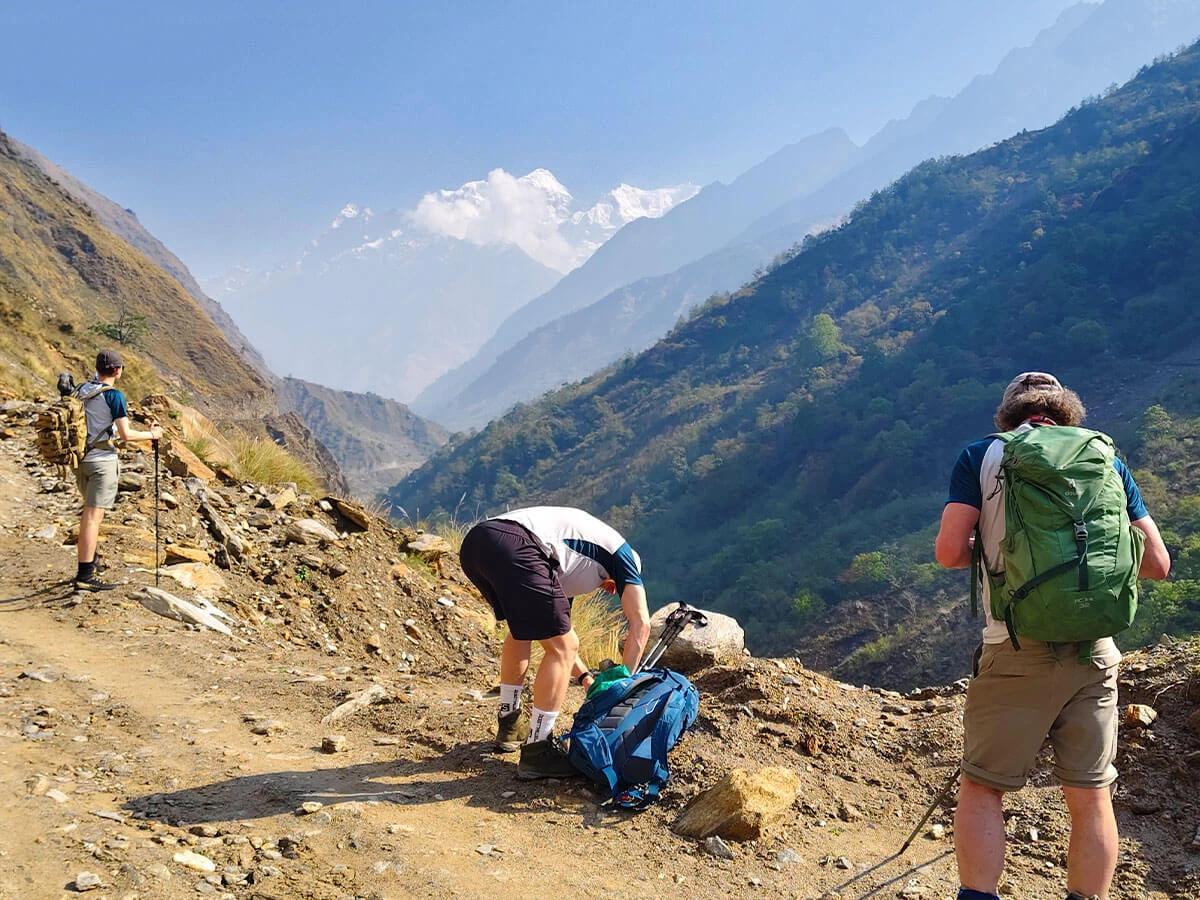
Starting in the subtropical river gorge of Machha Khola at 870 meters. This 12-day trek takes you through stone-built Tsumba villages, dense rhododendron forests, alpine meadows, and sacred pilgrimage sites, before reaching Ngula Dhojyang on the Nepal-Tibet border at 5,093 meters. The route offers breathtaking views of Ganesh Himal, Baudha Himal, Manaslu, Shringi Himal, Ngadi Chuli, and Himalchuli. 

The hidden valley of Tsum remained almost entirely closed off to outsiders until 2008. The government of Nepal has designated the region as a “restricted area” to protect its fragile ecosystems and the ancient Tibetan-Buddhist heritage of the Tsumba people.

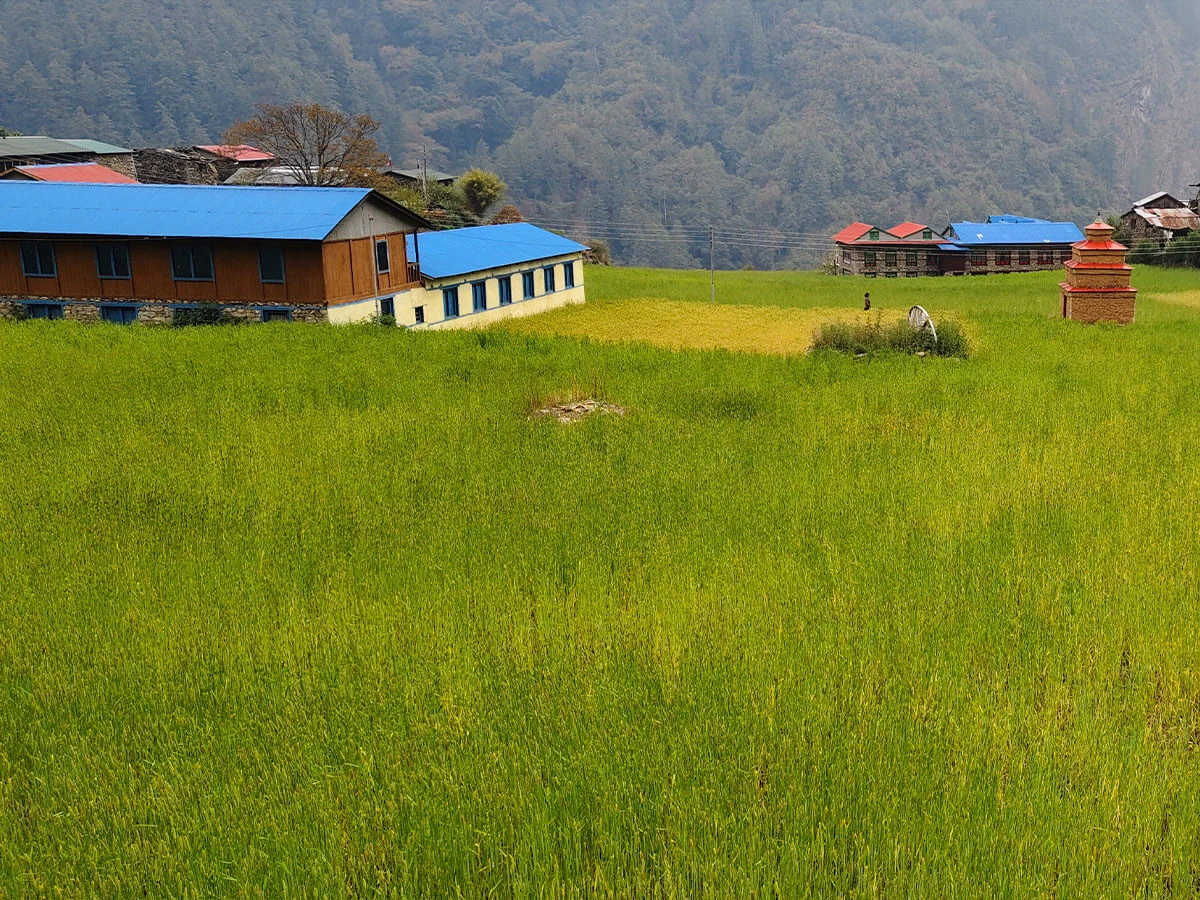
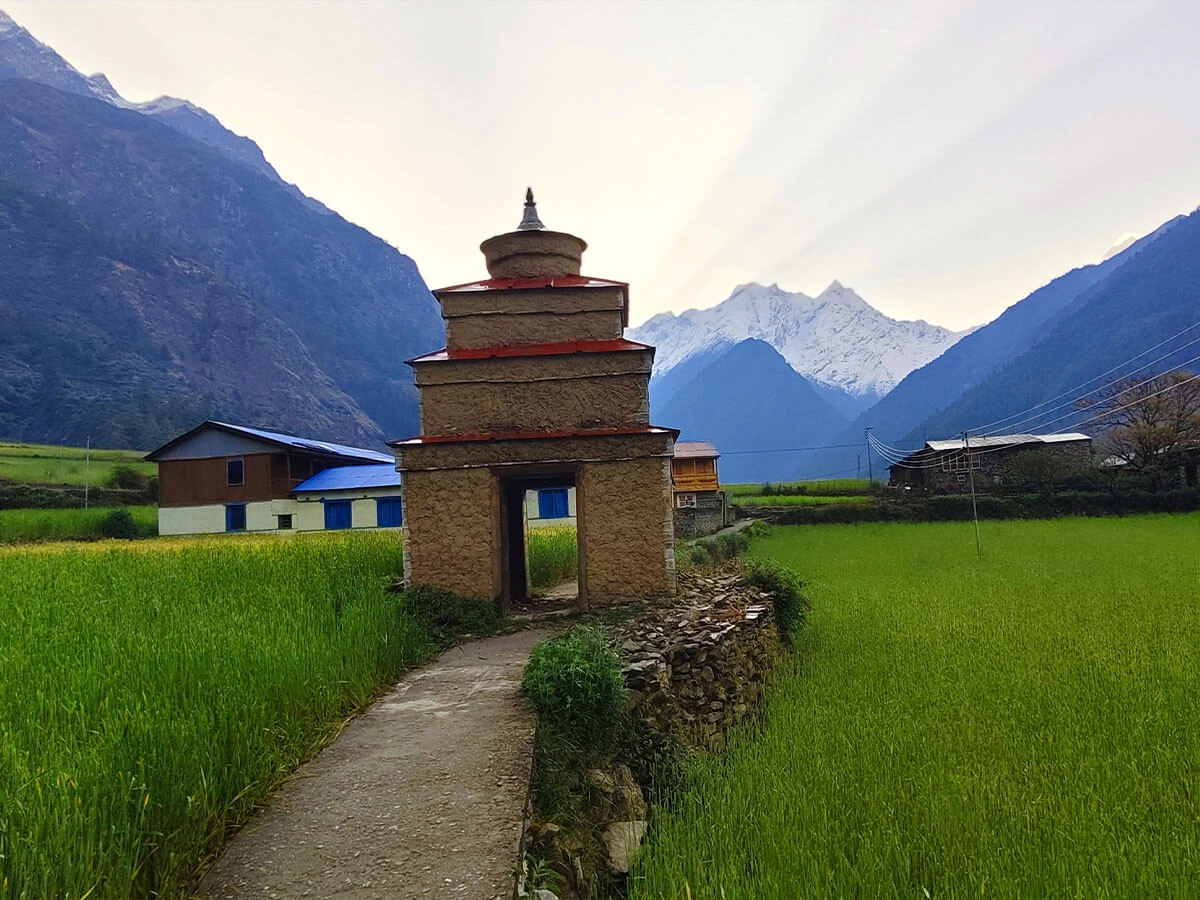
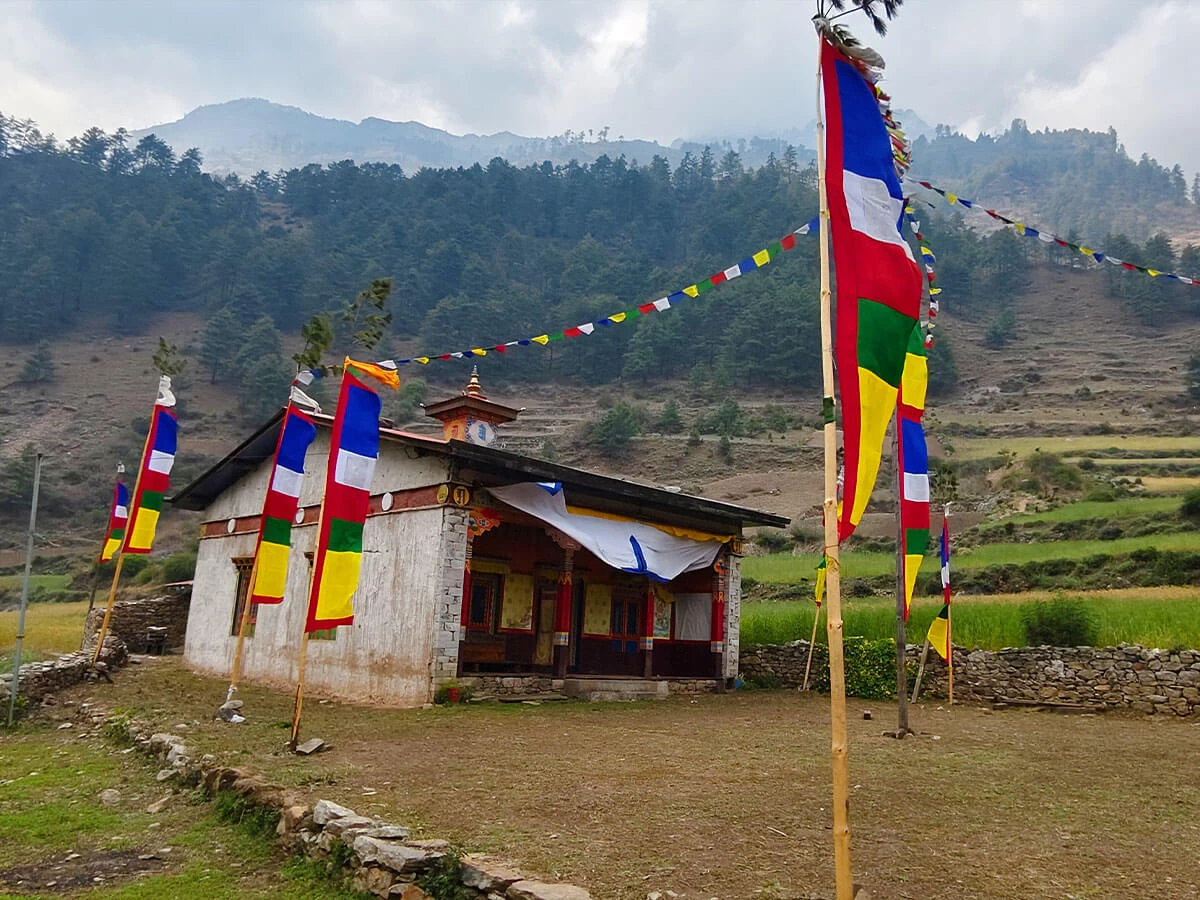
The Tsum Valley Trek passes through some of the most remote villages, including Chumling, Renjam, Gho, Chekampar, and Nile, which are predominantly inhabited by the indigenous Tsumba community. These isolated settlements showcase Tibetan roots and ancient Nyingmapa Buddhist tradition with flat-roofed stone houses, hand-carved doorframes, mani walls, chortens, prayer flags, and mani gates.

You’ll visit centuries-old Buddhist monasteries and sacred sites such as Mu Gompa, Rachen Gompa, Panago Gumba, and Milerapa Cave to experience the region’s spiritual and cultural richness.

Beyond the breathtaking landscapes and spiritual encounters, this remote trek passes one of Nepal's most biodiverse protected areas—Manaslu Conservation Area (MCA). It is home to many elusive wildlife species, including snow leopards, brown bears, Himalayan tahrs, musk deer, lynx, blue sheep, and Himalayan marmots.

Additionally, it hosts over 200 bird species, such as snow partridges, Tibetan snowcocks, chukor partridges, Himalayan griffons, and golden eagles.

Compared to Nepal’s classic trekking routes, the Tsum Valley Trek feels like a world of its own. It offers rich cultural heritage, strong spiritual connections, raw wilderness, and a sense of seclusion.

Highlights of Tsum Valley Trek

  • Trek entirely within the remote, restricted area of the Tsum Valley.
  • Visit Mu Gompa at 3,700 meters, the largest and most significant Buddhist monastery in the Tsum Valley.
  • Visit the centuries-old Milerapa Cave (Piren Phu Cave) and Rachen Gompa.
  • Hike to the Nepal-Tibet border at Ngula Dhojyang for sweeping views of the Tibetan Plateau and its snow-capped peaks.
  • Enjoy the finest mountain panorama of Himalchuli, Ngadi Chuli, Shringi Himal, Ganesh Himal, and Manaslu along the trail.
  • Experience the centuries-old Buddhist tradition, rich culture, and warm hospitality of the indigenous Tsumba community in the Upper Tsum Valley.
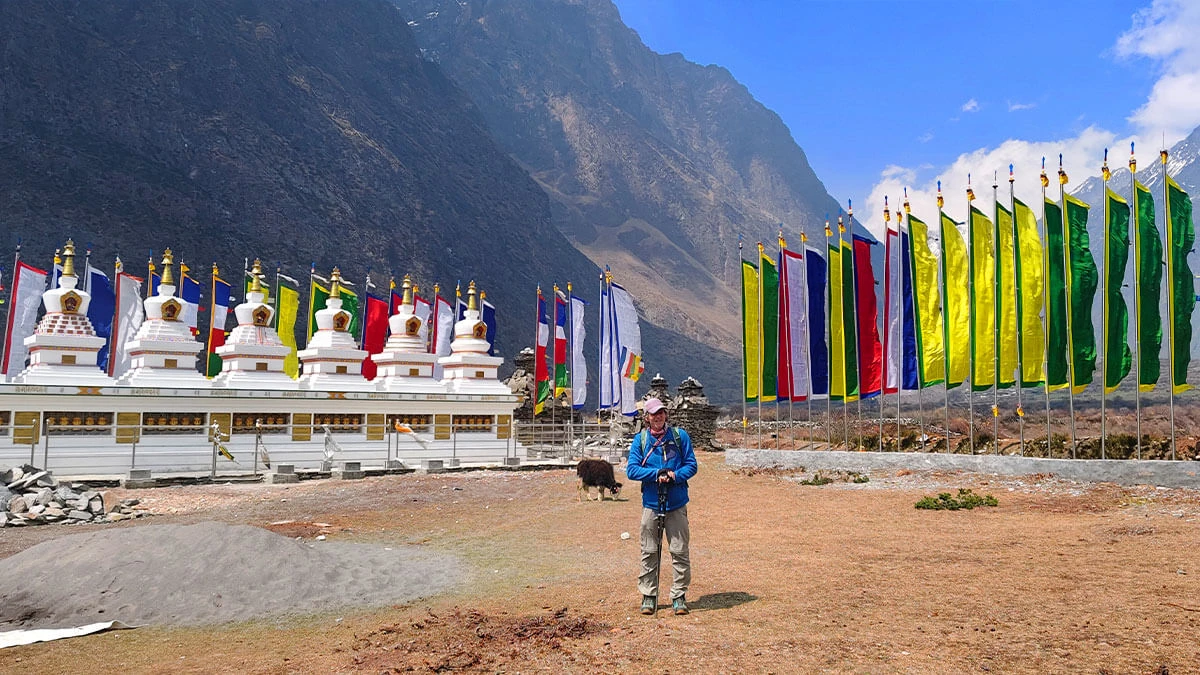
  • Walk past several hand-carved mani walls, chortens, prayer wheels, and Buddhist stupas along the trail.
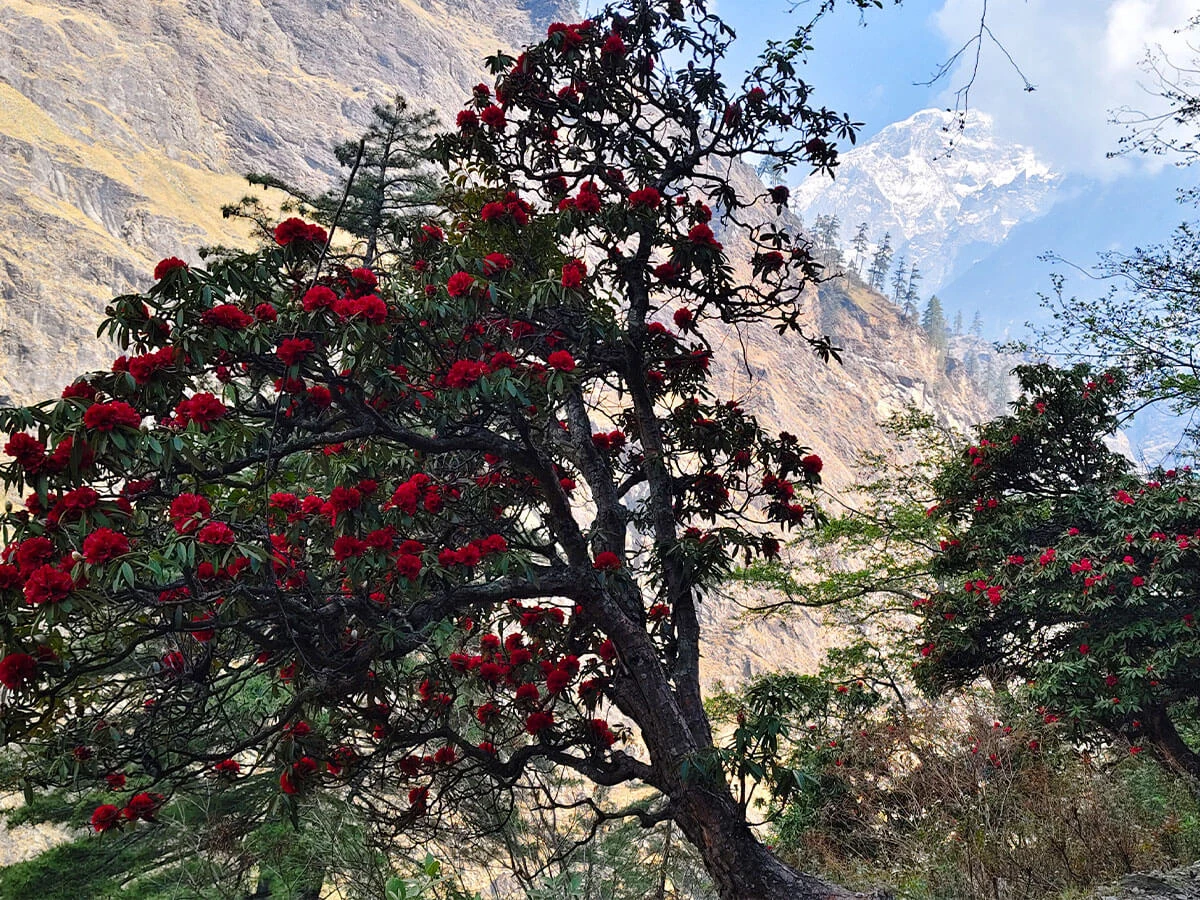
  • Walk through dense rhododendron forests in the lower Tsum Valley, where the entire section bursts into full bloom during the spring season.

Manaslu Tsum Valley Route Overview

The Manaslu Tsum Valley Trek follows an out-and-back route through one of Nepal's most remote mountain regions. The trip starts with a scenic, 9-hour local bus ride from Kathmandu to Machha Khola. From there, you'll take a shared local jeep and drive about two hours to reach the trailhead at Jagat.

You'll begin the on-foot journey with a gradual climb through traditional Gurung villages, river gorges, and rhododendron forests to reach Lokpa. Leaving Lokpa, the route goes deeper into the valley along Chumling and continues into the Upper Tsum Valley via Chekampar.

Leaving Chekampar, the trail climbs through alpine meadows and yak pastures toward the village of Nile. If time permits, you'll make a brief stop at the sacred Milarepa Cave along the way. Beyond Nile, the route becomes increasingly rocky and rugged toward Mu Gompa, the largest monastery in the Tsum Valley.

The next day, you'll hike to Ngula Dhojyang at the Nepal-Tibet border. At 5,093 meters, the high pass of Ngula Dhojyang marks the highest elevation point of the Tsum Valley Trek. The summit offers expansive views of the Tibetan Plateau and its snow-capped mountains.

You'll retrace the route to Mu Gompa and continue down to Chekampar. Along the way, you'll visit the sacred Milarepa Cave (if you haven't already!) and the nunnery at Rachen Gompa. From there, you'll continue through Lower Tsum Valley, passing familiar settlements like Chumling, Lokpa, Ekle Bhatti, and Philim before reaching Jagat.

You'll catch a shared local jeep at Jagat and drive to Machha Khola. You'll conclude the Tsum Valley Trek with a 9-hour bus ride from Machha Khola to Kathmandu.

Why Tsum Valley Trekking with Nepal Gateway Trekking?

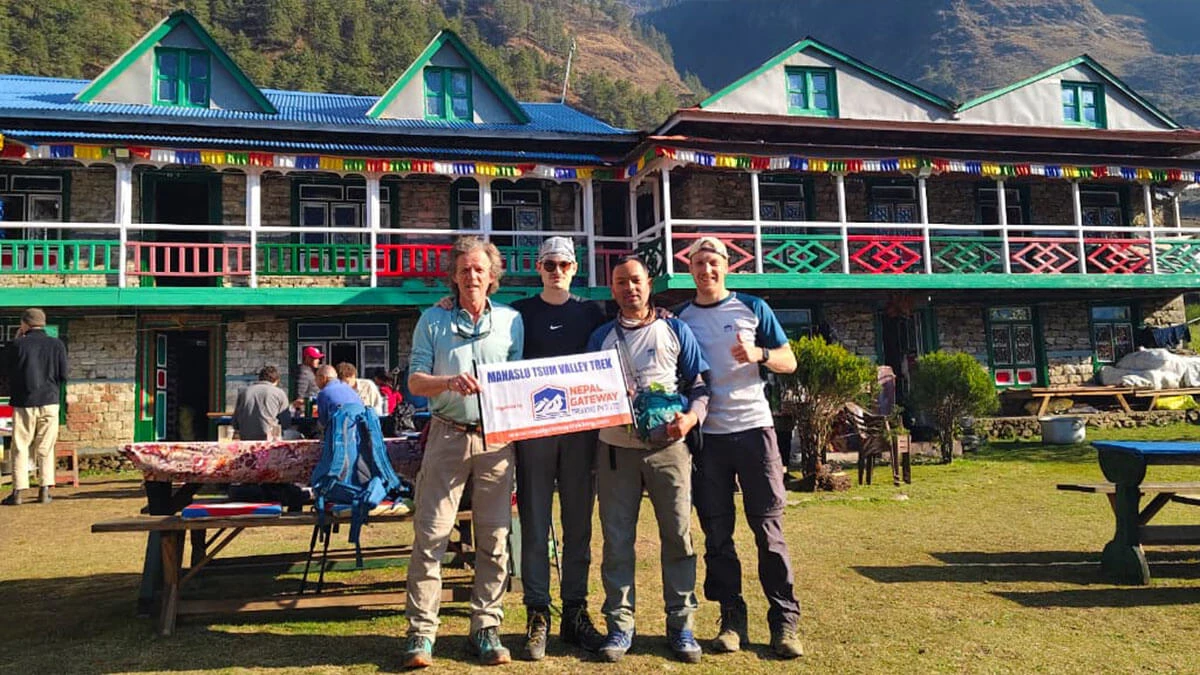
  • Nepal Gateway Trekking is a registered trekking company with decades of firsthand experience operating trips in the remote route of the Tsum Valley. Over the years, we have established relationships with local communities, teahouse owners, permit authorities, and monastery caretakers across the region. This allows us to ensure better teahouse selection, genuine cultural connection, safer experience, and in-depth local knowledge. 
  • Our team handles every logistical detail on your behalf from the moment you confirm your booking to your departure from Kathmandu Airport. We take care of the hotel, meals, permits, airport transfers, local bus, jeep transport, teahouse reservations, and pre-trek briefing.
  • Every guide in Nepal Gateway Trekking is a highly experienced professional with more than a decade of leading high-altitude treks and expeditions. They are trained and certified in Wilderness First Responder (WFR) to handle medical emergencies, make critical safety decisions, and recognize early signs of altitude sickness.
  • Our team maintains an impeccable safety record through strict protocols. Our safety measures include routine health monitoring, a well-equipped medical kit, gradual pacing, well-planned acclimatization schedules, and emergency communication equipment throughout the trek.
  • Our Kathmandu-based operations team remains on standby 24/7 throughout the trek. In the event of a medical emergency or the need for helicopter evacuation, your lead guide will coordinate directly with the team to arrange assistance as quickly as possible.
  • We are committed to the ethical treatment of every member of our field team. All guides, porters, and crew members receive wages above industry standards, comprehensive insurance, appropriate equipment for high-altitude trekking, and daily allowances for food and lodging. We strictly maintain maximum weight limits and porter-to-trekker ratios to ensure the safety and well-being of our porters.
  • As a fragile and restricted region, we carry a strong responsibility to protect the landscapes, heritage, and communities of the Tsum Valley. We are fully dedicated to carrying reusable water bottles, avoiding single-use plastics, respecting cultural protocols, and following “Leave No Trace” principles throughout the trek.
  • We give an exclusive Nepal Gateway Trekking duffel bag and T-shirt as a souvenir.

Itinerary

This is our standard and recommended itinerary for the Tsum Valley Trek.

Trip PlanExpand all

Your adventure holiday begins with a touchdown at Tribhuvan International Airport in Kathmandu. After clearing customs, our airport representative will meet you in the arrivals hall and transfer you to your hotel in Thamel.

You'll have a free afternoon in Kathmandu to freshen up, relax, and recover from jet lag. Depending on your flight schedule, you might have time to explore the city and get used to its fast-paced life. We suggest walking through the narrow streets of Thamel and visiting Kathmandu Durbar Square to see centuries-old pagoda temples, royal courtyards, ancient markets, and historic sites.

In the evening, return to your hotel for a pre-trek briefing with your trek manager and senior guide. During this session, your senior guide will discuss the route, trail conditions, packing essentials, and safety protocols. If you have any questions or concerns about the trek, this is the perfect time to ask and get them cleared up.

At the end of the session, your guide will distribute complimentary Nepal Gateway Trekking duffel bags and T-shirts to each team member.

Accommodation: Hotel

After an early breakfast, your guide will meet you in the hotel lobby and escort you to Gangabu Bus Park. From there, you'll board a local bus and set off on a long, scenic drive westward to Machha Khola.

Initially, the bus follows Prithvi Highway along the banks of the Trishuli River. The journey passes through lush valleys, terraced hills, roadside markets, small streams, and rural settlements. The road from Kathmandu to Dhading Besi is in decent condition, with few bumps and cracks due to ongoing road expansion.

From Dhading Besi, the tarmac turns to gravel as the journey continues along the steep banks of the Budhi Gandaki River. You'll drive past the gorge settlement of Arughat and Sotikhola, enjoying the breathtaking views of Manaslu, Ganesh Himal, and Shringi Himal.

You'll arrive at the small settlement of Machha Khola by late afternoon. Settle into your teahouses, enjoy warm meals, and relax by the fireplace in the dining hall.

Meals: Breakfast, lunch and dinnerAccommodation: Teahouse

You'll start your day with a two-hour drive from Machha Khola to Jagat in a shared local jeep. The road is rough, unpaved, and carved into cliff faces just above the Budhi Gandaki River. At Jagat, you'll register your trek permits at the tourist checkpoint and officially enter the Manaslu Conservation Area.

After a short tea break at Jagat, you'll gear up and begin the trek. You'll cross a small suspension bridge and ascend a ridge past the settlements of Salleri and Sirdibas. These traditional villages greet you with colorful prayer flags, stone-built houses, and ancient gompas. You'll continue walking along the riverbanks before crossing a long suspension bridge over the Budhi Gandaki River to reach Philim.

Once your trek permits are verified and registered at the Philim checkpoint, you'll walk through the bamboo forest toward Ekle Bhatti. A little further from the village, you'll reach a crossroad that diverges the route of the Manaslu Circuit from the Tsum Valley. You'll take the right-hand path leading toward Tsum Valley. After a short, steep climb through an uninhabited forest, you'll arrive at your overnight stop in Lokpa.

Meals: Breakfast, lunch and dinnerAccommodation: Teahouse

Begin the day with majestic views of Baudha Himal and Ganesh Himal from the village. Leaving Lokpa, the trail gradually descends into the Lungwa River Valley through lush forests of pine, juniper, and rhododendron.

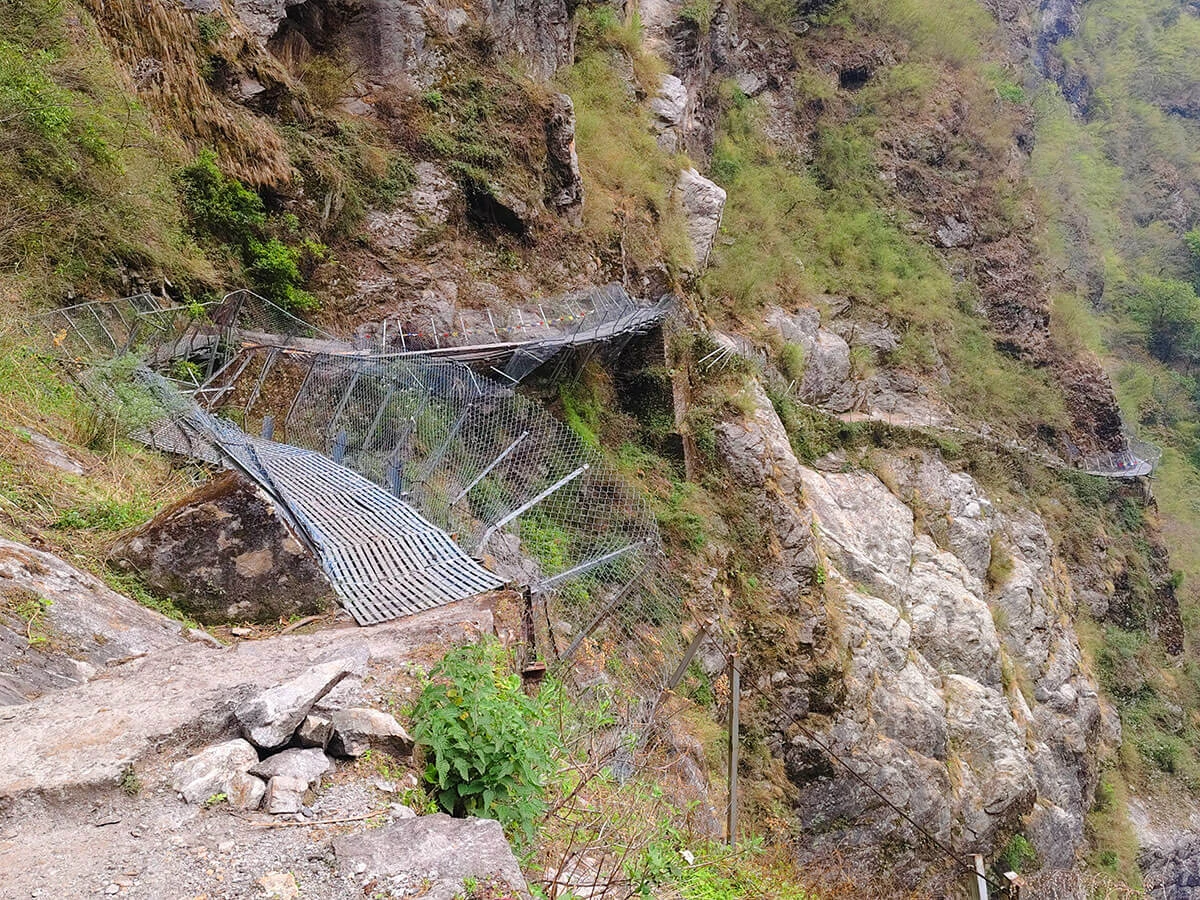
The path winds gently through peaceful, quiet forests, with some sections prone to landslides. Along the way, you'll catch occasional glimpses of mountains peeking through small gaps between the trees. You'll walk past several small settlements before crossing a long suspension bridge over the Syar Khola to reach Chumling village.

Nestled in the Lower Tsum Valley, Chumling is the first village that truly reflects Tsumba tradition, with its flat-roofed stone houses, fluttering prayer flags, and stone-paved streets. Arriving in Chumling by early afternoon gives you plenty of time to explore the traditional village and visit the three centuries-old monasteries, including Panago Gumba, Mani Dhungyur, and Gurwa Gumba.

Meals: Breakfast, lunch and dinnerAccommodation: Teahouse

oday marks the entry into the Upper Tsum Valley. Heading out of Chumling, the trail passes alongside the Syar Khola under the shades of pine, juniper, and rhododendron trees. You'll pass through several traditional villages where lifestyles remain untouched by modern influences, including Renjam and Gho.

After lunch in Gho, you'll continue the gentle climb toward Chekampar. With each step, the forests thin and the valley widens dramatically, offering stunning views of Ganesh Himal and Shringi Himal on the horizon. After nearly 3 hours of climbing, you'll arrive at the serene village of Chekampar (locally known as Chhokangparo).

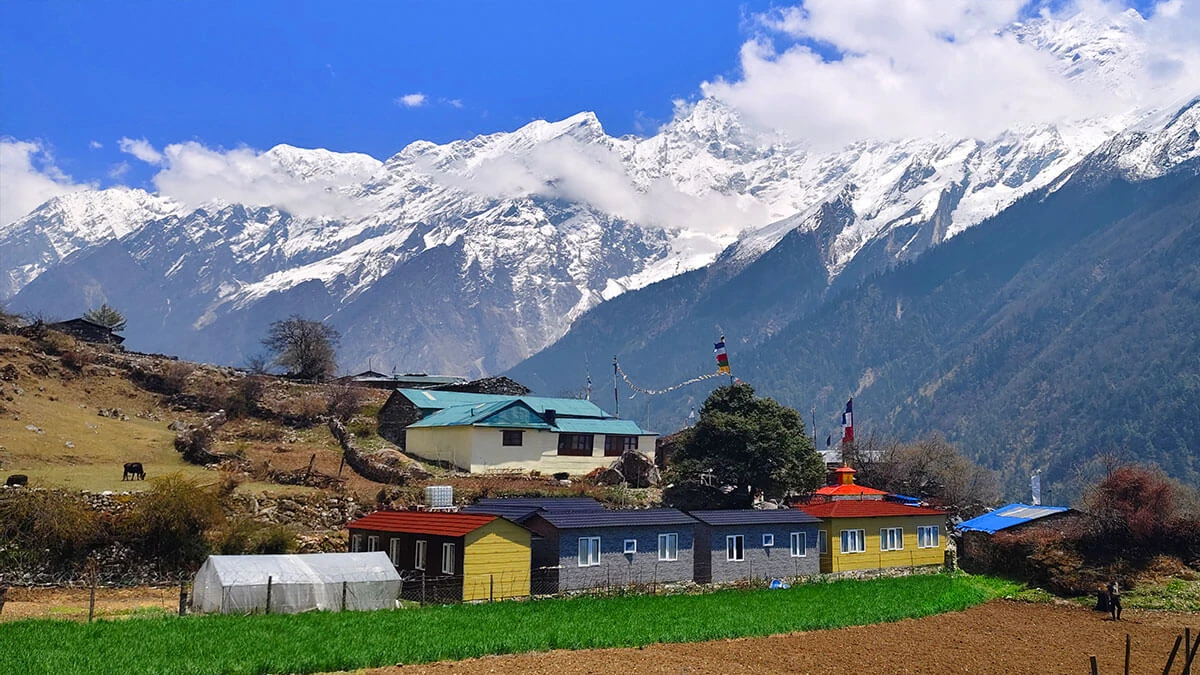
Situated at 3,030 meters, Chekampar is the largest village in Tsum Valley. The architecture and lifestyle are strongly influenced by Tibetan culture, with flat-roofed stone houses, carved wooden doorframes, fluttering prayer flags, chortens, and ancient monasteries. On a clear day, you'll get to relish the breathtaking views of Ganesh Himal and Himalchuli from the village.

Meals: Breakfast, lunch and dinnerAccommodation: Teahouse

Today marks a challenging yet rewarding ascent from Chekampar to Mu Gompa. After an early breakfast, you'll begin the day on a relatively gentle trail through high-altitude meadows and yak pastures.

After a few hours, you'll arrive at the small settlement of Lamagaon, where you'll visit the Milarepa Cave (locally known as Piren Phu Cave). Perched on a small hilltop, this sacred site holds a centuries-old rock imprint believed to be Milarepa's footprint. The trail slowly winds along the western banks of Syar Khola toward Nile, the last permanent settlement in the Tsum Valley.

Beyond Nile, the landscape becomes dry, rocky, and arid. The final part of the day includes a steep section leading to the top of a rocky shelf. The complex of Mu Gompa sits atop a hill at 3,700 meters, surrounded by deep valleys, mountains, and glaciers.

Mu Gompa is the largest Buddhist monastery in Tsum Valley, housing both monks and nuns of the Nyingmapa tradition. This centuries-old gompa contains many ancient treasures, including a 125-year-old stone sculpture, antique thangkas, and old Tibetan books. The outer premises of this red-walled monastic building offer a breathtaking panorama of Ganesh Himal I, Ganesh Himal II, Himalchuli, and Manaslu.

Meals: Breakfast, lunch and dinnerAccommodation: Teahouse/Monastery

Early in the morning, you can observe the monastery's puja ceremony, where monks gather in the prayer hall for monastic chants accompanied by horns and crashing cymbals. After the ceremony, you'll hike from Mu Gompa to the Nepal-Tibet border at Ngula Dhojyang.

Heading out of Mu Gompa, the trail ascends through glacial moraine toward Dupchet. Here, you'll encounter a two-way intersection— the western trail leads to Thapla Bhanjyang and the eastern trail heads to Ngula Dhojyang. You will take the eastern route and climb past the high pastures of Kalung and Bhajyo to reach the summit of Ngula Dhojyang.

The high pass of Ngula Dhojyang is marked by colorful prayer flags and stone cairns. On the other side, the Tibetan Plateau and its peaks stretch to the horizon. After spending some time at the top, you'll return to Mu Gompa to settle in for the night.

Meals: Breakfast, lunch and dinnerAccommodation: Teahouse/Monsatery

After exploring the Upper Tsum Valley, it's time to descend to a lower elevation. After breakfast, you'll begin your return trip to Chekampar. Although you'll be retracing your steps, you'll see completely different perspectives of the valleys and mountains you missed during the ascent. More importantly, you'll make a few cultural detours on your way down to Chekampar.

If you didn't visit the Milarepa Cave during the ascent, you'll get a chance to explore this sacred site today. In addition, you'll visit the historic nunnery of Rachen Gompa. Founded by Lama Kunga Tsultrim Dorje in 1905, Rachen Gompa is one of Tsum Valley's largest nunneries, housing about 100 Buddhist scholars.

After visiting these sacred sites, you'll continue retracing the steps to Chekampar for the overnight stay.

Meals: Breakfast, lunch and dinnerAccommodation: Teahouse

Today is a long but refreshing day as the trail steadily descends from Upper Tsum to Lower Tsum Valley. Leaving Chekampar, the trail gently drops through high, alpine meadows toward the village of Gho. The valley gradually narrows, and the vegetation thickens as the arid landscape gives way to rhododendrons and pine trees. On a clear day, you'll be greeted with stunning views of Ganesh Himal and Baudha Himal in the background.

The route retraces the same path up, alongside the riverbanks of Syar Khola. As you continue on the gentle downhill, you'll pass the settlements of Renjam and Chumling before reaching the overnight stop at Lokpa. After the long descent, settle beside the fireplace in the dining room and give your legs a well-earned rest.

Meals: Breakfast, lunch and dinerAccommodation: Teahouse

Start your last day in the mountains with a hearty breakfast at the teahouse. After breakfast, you'll begin the gradual descent from Lokpa to Jagat. You'll retrace your steps along the Budhi Gandaki River, passing through the Gurung settlements of Ekle Bhatti, Philim, and Sirdibas. You'll reach Jagat after about four to five hours of descent.

You'll have time for a proper lunch at one of the teahouses in Jagat, while your guide arranges your shared jeep back to Machha Khola. After lunch, you'll take a two-hour drive over rough, unpaved, and cliff-edge roads to reach the overnight stop at Machha Khola. Once there, you can either spend the evening relaxing or host a small celebration in the teahouse with your guides and trekking crew.

Meals: Breakfast, lunch and dinnerAccommodation: Teahouse

Prepare for an early morning departure as the local bus from Machha Khola to Kathmandu leaves around 6 AM. You can either have an early breakfast (by 5:30 AM) or bring a packed breakfast if you're not used to eating super early.

The first section of the road is unpaved, rough, and bumpy along the banks of the Budhi Gandaki River. You'll pass through the gorge settlement of Lapubesi, Soti Khola, and Aarughat to arrive at Dhading Besi. If the weather is clear, you may catch glimpses of Manaslu, Ganesh Himal, and Shringi Himal from the bus window.

After reaching Dhading Besi, the drive continues on a relatively comfortable tarmac road with occasional bumps and rough patches. You'll pass through the familiar lush valleys, rural settlements, roadside bazaars, and terrace hills to reach Gongabu Bus Park. Upon arrival, your lead guide will arrange a private transfer to your hotel and help you with the check-in formalities. You have the rest of the evening to enjoy a well-deserved shower and explore around Thamel.

Meals: Breakfast & lunchAccommodation: Hotel

Today marks the final day of your Tsum Valley Trek. Start the day at your own pace and enjoy a delicious breakfast at the hotel. After breakfast, pack your belongings and get your documents ready for your flight.

Depending on your departure time, you might have the morning available for the final walk around Thamel and Kathmandu Durbar Square. Our representative will arrive at your hotel about 3.5 hours before your flight to provide a private transfer to Tribhuvan International Airport. Be sure to return to the hotel by the scheduled time for your airport transfer.

On behalf of everyone at Nepal Gateway Trekking, thank you for choosing to travel with us. We wish you a safe flight and hope to welcome you back to Nepal again in the future. Until our next adventure!

Meals: Breakfast
If the above itinerary doesn’t meet your needs, we can design a Tailor-Made Program based on your travel plans and requirements,Reach our travel experts.
Customize Trip

Dates & Availability

Private trip
Select Departure Dates
Jun 2026
Jul 2026
Aug 2026
Sep 2026
Oct 2026
Nov 2026
Dec 2026
Departure Date
Price
Status
Departure Date
Begin: 10 Jun, 2026Finish: 21 Jun, 2026
Price
US$1020
Status
Guaranteed
Departure Date
Begin: 17 Jun, 2026Finish: 28 Jun, 2026
Price
US$1020
Status
Guaranteed
Departure Date
Begin: 24 Jun, 2026Finish: 05 Jul, 2026
Price
US$1020
Status
Guaranteed

Cost Includes

  • All ground transportation as per the program.
  • Three nights’ accommodation in Kathmandu, inclusive of breakfast.
  • Three meals (breakfast, lunch, and dinner)
  • Twin-sharing accommodations during the trekking.
  • One highly experienced English-speaking & friendly trekking guide
  • Required porters (one porter between two trekkers), including their expenses. A porter is not included for solo hiker. 
  • Tsum Valley trekking special permit fee. 
  • Manaslu conservation area permits. Please bring two passport-size photos for the permit.
  • Tsum Valley Trekking Map.
  • Nepal Gateway Company T-shirts and duffle bags. 
  • Local fresh fruits as dessert after dinner.
  • First aid kit with an oximeter. 
  • Evacuation assistance, if needed.
  • All government taxes.
  • Office service charge.

Cost Excludes

  • Lunches and dinners in Kathmandu.
  • Your travel insurance.
  • Nepal entry visa fee. 
  • Your international flight ticket to/from Kathmandu.
  • All kinds of hot drinks (teas, coffees, and hot waters) during the Manaslu Circuit Tsum Valley Trek.
  • Cold drinks (mineral water, Coke, Sprite, and Fanta) and alcoholic beverages on trekking.
  • Your personal nature expenses, equipment, and medical kit.
  • Hot shower, internet, and phone call unless it is free.
  • Donations to schools, monasteries, etc. 
  • Battery charging fees for cameras, mobile phones, laptops, etc. 
  • Snacks and desserts (apple pies, chocolate pies, chocolate bars, etc.).
  • Tipping to field staff. (Tipping is not mandatory but expected.).
  • Extra accommodations in Kathmandu.

Good To Know

Tsum Valley Trek Cost

Our standard Tsum Valley Trek package costs USD 1020 per person. It covers everything you need for a comfortable, well-supported adventure, including accommodations, transportation, meals, permits, and logistical support.

The package includes two nights of 3-star accommodation in Kathmandu with breakfast, plus nine nights of full-board teahouse accommodation during the trek. Additionally, it covers airport transfers and all transportation to and from the trailhead by local bus and shared jeep.

The package fee covers all necessary permits and documentation, including the Tsum Valley Restricted Area Permit (RAP) and the Manaslu Conservation Area Project (MCAP) permit. Moreover, it also includes a government-licensed lead guide, porters, and support staff. It covers their salaries, accommodations, meals, insurance, and emergency support.

Please note that the package cost does not include your international airfare, visa fees, travel insurance, customary tips, or personal expenses along the trail. We recommend budgeting an additional USD 20-30 per day for expenses such as snacks, hot showers, Wi-Fi, or battery charging.

If you're planning the Tsum Valley Trek with a group, we offer a special group discount of up to USD 100 per person, depending on your group size. If our standard package doesn't fit your comfort and travel needs, you can customize the trip with hotel upgrades, private jeep transfers, additional acclimatization days, and guided cultural tours.

Best Time for Manaslu Tsum Valley Trek

Although the Manaslu Tsum Valley is accessible year-round, autumn and spring are regarded as the best times for trekking in the area. These classic trekking windows provide the most reliable weather, the clearest mountain views, and the most comfortable walking conditions.

Autumn (September to November)

Autumn is considered the best time for trekking in the Tsum Valley. Post-monsoon weather brings crisp air, stable conditions, clear skies, and unobstructed mountain views.

During the day, temperatures on the trail are usually ideal for long-distance walks, ranging from 10°C to 16°C at lower altitudes and from 0°C to 10°C at higher elevations. At night, temperatures can drop between 0°C and -10°C, depending on elevation.

During this season, villages in Tsum Valley come alive with post-harvest activities, as locals thresh buckwheat and barley on the flat rooftops of their homes. Even during peak trekking season, the remote trails and teahouses of Tsum Valley remain quieter and less crowded than those in the Everest and Annapurna regions.

Spring (March to May)

Spring is the second-best season for the Tsum Valley Trek. As temperatures rise through March and April, the rhododendron forests along the lower Tsum Valley and Budhi Gandaki corridor burst into full bloom. The high pastures and alpine meadows of the Upper Tsum Valley are also covered in vibrant wildflowers. This is the best time of year for bloom chasers and wildlife spotters.

Most spring days start with clear skies and unobstructed mountain views. However, afternoon clouds and light rain become frequent in May, disrupting the visibility. Spring also offers longer daylight hours, allowing you to maintain a steady pace during your ascent to Mu Gompa and Ngula Dhojyang.

Spring days are a bit warmer in the lower elevations and comfortable at higher altitudes. At night, temperatures can fall to between 0°C and -5°C, depending on elevation.

Monsoon (June to August)

Due to its rain-shadow position, Tsum Valley remains one of the few trekking regions in Nepal that stays relatively accessible during the monsoon season. The monsoon turns the lower Tsum Valley into a lush, green paradise. Even though the mountains are mostly hidden behind thick clouds, waterfalls are at their absolute best during this time. The best part? You'll almost have the trail to yourself.

However, the trails at lower elevations can still be muddy and slippery due to persistent rain. Many parts of the forested trail are infested with leeches. Some sections in the lower valleys are also prone to landslides, making them more dangerous during heavy rain.

If you're planning a trek to Tsum Valley during the monsoon, early June or late August are ideal times to avoid the heaviest rain and harshest conditions. While the region can be accessed during the monsoon with the right gear and preparation, we only recommend it for experienced trekkers who can handle extreme weather.

Winter (December to February)

Winter trekking in Tsum Valley can be tough due to freezing temperatures, persistent snowfall, strong winds, and occasional snowstorms. During severe weather, the trails to Mu Gompa and Ngula Dhojyang might become impassable.

Early December and late February can still provide good trekking conditions in Tsum Valley. Outside these short periods, winter temperatures often drop below -10°C, causing many teahouses in Upper Tsum to close for the season. Therefore, if you plan to visit the upper valleys of Tsum, we strongly advise against trekking during these months, even for experienced trekkers.

Winter trekking in the Tsum Valley requires a serious commitment to endure the harsh conditions and the possibility of cold-weather camping.

Tsum Valley Trekking Permit

Tsum Valley is designated as a restricted area by the Nepal government to protect its fragile ecosystems, national borders, and unique cultures of the Tsumba people from mass tourism. Therefore, trekking in this region requires two mandatory permits — the Tsum Valley Restricted Area Permit (RAP) and the Manaslu Conservation Area Project Permit (MCAP).

At Nepal Gateway Trekking, we handle the entire permit process, ensuring all documents and checkpoint requirements are arranged before your trek begins.

Tsum Valley Restricted Area Permit (RAP)

You will need the Tsum Valley Restricted Area Permit to enter and trek in the restricted areas of Tsum Valley. It covers the trekking regions of both lower and upper Tsum Valley, including the villages of Sirdibas, Lokpa, Chumling, Chekampar, Nile, Chhule, and Mu Gompa. This permit can only be obtained through a government-registered trekking agency and requires a minimum group of two trekkers.

Cost

Autumn (September to November): USD40 per person for the first week, plus USD7 for each additional day.

Other Seasons (December to August): USD30 per person for the first week, plus USD7 per additional day.

Manaslu Conservation Area Project (MCAP)

Since the Tsum Valley Trek passes through the northeastern regions of the Manaslu Conservation Area, you need to obtain a valid Manaslu Conservation Area Project (MCAP) permit. This permit was established to support the conservation and management of biodiversity, forests, and high-altitude ecosystems in the Manaslu region. A portion of the permit fees is used directly for conservation programs and community development projects within the area.

Cost: NPR 3,000 per person for foreigners and NPR 1,000 for SAARC nationals.

Manaslu Tsum Valley Trekking Difficulty

The Manaslu Tsum Valley Trekking is considered a moderate-to-challenging adventure, suitable for both experienced trekkers and well-prepared beginners. Starting at 870 meters in Machha Khola, the trail gradually climbs to Ngula Dhojyang at 5,093 meters.

Although the trek does not involve technical climbing or glacier crossings, it does include long hours of walking through remote villages, suspension bridges, uneven paths, steep ridgelines, and narrow gorges.

On average, the Tsum Valley Trek requires 6 to 8 hours of walking each day over nine consecutive days. While most of the route in the lower section is well-maintained, the upper sections involve significant elevation gains and long distances.

Additionally, the teahouses and mountain lodges in the area are quite basic and limited. Most teahouses include small rooms, shared toilets, no in-room heating, and frequent power outages.

Besides that, altitude is a significant concern on the Tsum Valley Trek. You'll spend several nights above 3,000 meters and reach up to 5,093 meters at Ngula Dhojyang. Therefore, it is essential to acclimate properly, keep a steady pace, and stay hydrated throughout the trek.

Given the remote nature of the trek, helicopter rescue and emergency evacuation can take considerably longer than on more established routes, such as the Everest Base Camp or Annapurna Circuit.

Training for Tsum Valley Trek

Tsum Valley Trek demands good physical and mental fitness to handle rugged terrain, long days, steep climbs, and high altitude. While you don't need to train like an elite athlete, proper preparation is essential for a successful and enjoyable experience.

If you're physically active, eight weeks of training is generally enough. However, if you're starting from a lower fitness level, you should aim for at least a 12-week preparation plan to build a solid foundation. The goal is to progress gradually and arrive at the trailhead feeling confident, strong, and well prepared.

Cardiovascular Endurance

Building strong cardiovascular endurance is the most crucial part of trek preparation. You can start with a 30-minute session of low-impact activities like running, cycling, swimming, brisk walking, or stair climbing.

Aim for 3 to 4 sessions per week in the beginning. Gradually increase the duration, intensity, and frequency of your cardio workouts. The goal is to train your heart and lungs to perform efficiently for longer periods. This will give you a major advantage on long, uphill days, especially on segments between Chekampar and Ngula Dhojyang.

Leg Strength and Stability

Strong legs are crucial for the Tsum Valley Trek. The route involves long climbs and steep descents, which put significant stress on your knees, ankles, and back. Focus on exercises that strengthen your legs, core, and hips to improve balance, reduce joint strain, and support carrying a heavy backpack during the trek.

Add at least 2 to 3 strength and stability workouts each week, with 3 sets of 15-20 reps. Start with light exercises like squats, lunges, calf raises, step-ups, and single-leg movements, and increase the intensity as you go.

Conditioning Hikes

There is no better way to prepare for a long-distance trek than spending time on the trail itself. Look for similar trails near your home and go on weekly or biweekly hikes while carrying a loaded daypack to simulate real trekking conditions. Start with easy, half-day hikes and gradually increase to full-day hikes of six to eight hours.

Conditioning hikes also provide a great opportunity to break in your trekking boots and test your gear in real-world conditions before the trek. If there are no trails near your home, we recommend doing regular aerobic workouts.

Stretching and Flexibility

Although often overlooked, good flexibility and joint mobility give you a clear edge on high-altitude treks. Most people experience discomfort or pain after consecutive days of long-distance walking on uneven terrain. Dedicate 15 to 20 minutes to dynamic stretches and yoga after each training session.

Your stretches should target the hip flexors, quads, hamstrings, calves, and lower back. Besides improving flexibility and balance, these exercises also boost agility, enhance blood flow, and support muscle recovery.

Mental Preparation

The upper parts of the Tsum Valley Trek can really test your mental resilience and patience. You must develop the right mindset and prepare to handle formidable situations, including high altitude, disrupted sleep, cold temperatures, basic amenities, long days, and repetitive meals.

Reading guidebooks and articles can help you understand the trek and set realistic expectations. We recommend practicing mindfulness, breathing exercises, and meditation to foster a positive mindset, stay calm, and develop effective coping strategies.

If you're feeling anxious about the trek, visualization exercises can be helpful. Imagine the challenges you may encounter on the trail and mentally rehearse how you will handle them with confidence.

Rest and Recovery

Rest and recovery are key parts of the training process. During recovery, your muscles strengthen, and your cardiovascular system adapts more than it does during the workout. Also, your body tends to break down much faster during overtraining than during undertraining.

Add at least two full rest days to your weekly training schedule. Instead of complete rest, we recommend engaging in light activities such as mindful movement, yoga, stretching, and meditation to stay focused. Additionally, prioritize quality sleep, stay hydrated, and eat a balanced diet to enhance your training and recovery.

Acclimatization and Safety

The Tsum Valley Trek is a remote, high-altitude adventure that starts at 870 meters in Machha Khola and ascends to 5,093 meters at Ngula Dhojyang. Altitude-related symptoms can occur anywhere above 2,500 meters. At these elevations, most trekkers experience mild symptoms like persistent headaches, shortness of breath, loss of appetite, poor sleep, and fatigue.

Understanding how altitude affects your body, recognizing early signs of altitude sickness, and knowing how to respond if symptoms appear can significantly influence the success or failure of the trek. 

At Nepal Gateway Trekking, the safety of every trekker is our top priority. That's why our Tsum Valley Trek itinerary is thoughtfully designed with gradual ascents and acclimatization days to support safe altitude adjustment.

Things You Should Do to Acclimatize

  • Maintain a steady, comfortable pace throughout the trek. On shorter days, go for a short acclimatization walk above your sleeping altitude to help your body acclimate naturally.
  • Drink at least 4-5 liters of water per day, even on days when you don't feel thirsty. We recommend keeping a water bottle within reach so you can sip a small amount on each break. Add electrolyte powders or tablets to improve hydration and support energy levels during long trekking days.
  • Although loss of appetite is common at high altitudes, you should eat regularly during the trek to keep your body fueled and sustain your energy. At high altitudes, carbohydrate-rich foods like dal bhat, pasta, and potatoes offer quick energy and help your body perform better in low-oxygen conditions.
  • Even though sleep can be lighter at altitude, you should always prioritize it. Adequate rest plays a crucial role in recovery and acclimatization.
  • Avoid or strictly limit alcohol, tobacco, and sedatives at high altitude. These substances are known to hinder acclimatization by promoting dehydration and disrupting breathing.
  • Always wear a three-layer system to regulate your body temperature and protect against harsh weather. It is recommended to wear UV-protective sunglasses and cover exposed skin (head, neck, arms) to guard against cold winds and intense sun at high altitude.
  • Develop a habit of regularly checking in with yourself. If you notice any early signs, such as a persistent headache, shortness of breath, or nausea, inform your senior guide immediately, no matter how mild they seem.

Travel Insurance

Travel insurance is a mandatory requirement when booking the Tsum Valley Trek with Nepal Gateway Trekking. You must provide proof of valid travel insurance during the booking process to ensure your safety and financial protection throughout the trek.

The Tsum Valley Trek is a remote, high-altitude adventure with limited road access and medical facilities. In cases of serious injuries, altitude sickness, or medical emergencies, helicopter evacuation is the only viable option given the region's remoteness. A helicopter evacuation in Nepal can cost thousands of dollars, depending on the location and weather conditions.

Before booking this trek, please make sure that your travel insurance policy explicitly covers all of the following requirements.

  • Your travel insurance must cover high-altitude trekking up to at least 5,500 meters above sea level. Many standard policies exclude trekking activities or have altitude limits of only 3,000 meters. Make sure that your policy explicitly covers both the activity and the altitude limit.
  • Your travel insurance must cover the entire cost of an emergency helicopter evacuation from remote mountain areas (up to 5,500 meters) to Kathmandu. This has to be the single most critical clause in your travel insurance to prevent financial burden, as a helicopter evacuation can cost between USD 3,000 and 10,000.
  • Considering the physical demands and altitude risks, your insurance policy must cover medical expenses for accidental injuries and altitude sickness. It should include the full cost of treatment and hospitalization at private hospitals in Kathmandu, as well as medical repatriation to your home country if necessary.
  • Your insurance policy should include coverage for trip cancellation caused by illness, injury, family emergencies, or other unexpected events.
  • Your insurance policy should also cover loss, theft, or damage to trekking gear, personal belongings, and travel documents.

Pro Tip: Send us a digital copy of your insurance certificate at least two weeks before your arrival so our operations team can coordinate with your insurer and rescue teams in case of an emergency.

Accommodation

The standard package includes accommodation at a comfortable 3-star hotel in Kathmandu for your arrival and departure nights. The hotel provides an excellent base for both pre-trek preparation and post-trek recovery, with comfortable bedding, en-suite bathrooms, hot showers, Wi-Fi, and air conditioning.

On the trail, accommodation is usually a traditional teahouse or mountain lodge at each overnight stop. These family-run places typically have simple rooms with twin or triple wooden beds, foam mattresses, pillows, and mink blankets.

Most teahouses in the lower valleys offer attached bathrooms with basic squat toilets and solar-heated water. In Upper Tsum, however, facilities are more basic, with shared bathrooms and bucket showers.

These facilities usually have a communal dining hall, where trekkers mostly gather for meals and relaxation. The dining hall is usually kept warm and inviting by a traditional wood-burning stove at its center.

Note: Although all teahouses provide blankets, we highly recommend bringing a lightweight sleeping bag or liner for the nights at Chekampar, Mu Gompa, and Ngula Dhojyang. Temperatures in the upper valleys drop quickly after sunset, and the blankets provided by teahouses are not always enough for a comfortable night's sleep.

Meals

The standard package includes only breakfast during your stay in Kathmandu and all meals during the trek. Breakfast and dinner are served at the teahouse where you stay overnight, while lunch is provided at rest stops along the route.

Teahouse menus in the Tsum Valley are fairly limited. Most teahouses and mountain lodges serve a mix of traditional Nepali and Tibetan dishes. Dal Bhat (Nepal's iconic combination of steamed rice, lentil soup, and seasonal vegetables) is the main staple in the mountains and is readily available at most teahouses.

Besides Dal Bhat, teahouse menus usually include noodle soups, momo, fried rice, potato dishes, chowmein, thukpa, Sherpa stew, and pasta for lunch and dinner. Breakfast options include porridge, chapati, muesli, omelets, toast, and Tibetan bread, often served with a cup of tea or coffee.

Compared to other trekking regions in Nepal, you'll have limited access to shops selling snacks and energy bars in the Tsum Valley. We strongly recommend bringing your own snacks and energy bars to supplement meals during long trekking days.

Drinking Water

Teahouses in Tsum Valley serve boiled and filtered tap water. While most locals, guides, and porters drink tap water, we strongly advise against doing so. Untreated water can cause serious stomach illnesses and potentially spoil your trek. 

We recommend bringing a filtered water bottle to refill with boiled water at teahouses and rest stops along the trail. The teahouses often charge about USD 1-5 per liter for boiled water in the Tsum Valley. For extra safety, add purification tablets or drops to treat the water before drinking. It's also a good idea to carry a few packets of electrolyte powder to improve taste and help you stay hydrated.

Teahouses and local shops in Tsum Valley also sell bottled water. However, we strongly encourage trekkers to avoid buying bottled water to reduce plastic waste and help protect the fragile mountain environment.

Hot Shower

Almost every teahouse in the Tsum Valley provides hot showers. In the lower sections, teahouses typically offer electric or gas-powered hot showers for an additional cost of around USD 2–5.

In the upper sections, you'll likely have to settle for a bucket of water heated by a wood-fired stove at best. They'll provide a single bucket of hot water for a small fee of USD 3-6. It's best to avoid showers above 3,000 meters because of the risk of extreme cold and hypothermia. If you can't go a few days without showers, we recommend using wet wipes or damp towels to clean up at the end of the day.

Mobile Network and Internet Connectivity

Tsum Valley is one of Nepal's most remote trekking regions. Due to its remoteness, mobile network and internet access along this trail are limited and often unreliable. In the lower Tsum Valley, you'll find decent mobile coverage and 4G service from Nepal Telecom (NTC). As you ascend to Upper Tsum, the mobile network becomes increasingly unreliable, with little to no coverage.

Wi-Fi is available in most teahouses for USD 2-5 per device. While the lower valleys offer decent connections, it can often be slow and unreliable in the upper valleys due to heavy usage.

Above Mu Gompa, you're mostly disconnected from the digital world since mobile networks and internet access are almost nonexistent. We recommend informing your family and friends about the lack of connectivity before the trek.

Electricity

Despite the remoteness, electricity is available in nearly every village in the Tsum Valley. Access to electricity has improved significantly in recent years, with hydropower now reaching much of the region.

Teahouses in the Lower Tsum Valley generally provide in-room charging facilities at an accommodation rate. In the Upper Tsum Valley, however, teahouses have a communal charging station in the dining area with limited charging sockets. They typically charge around USD 1-5 per device for charging.

Regardless of the availability, it is highly advisable to carry a portable power bank, ideally 20,000 mAh or higher, to charge essential devices like phones, cameras, and headlamps. We also recommend buying a universal travel adaptor compatible with Type-C, Type-D, and Type-M plug sockets.

ATMs and Money Exchange

Although a few teahouses and shops in the Tsum Valley accept foreign currencies, most prefer Nepali Rupees (NPR). Therefore, you should carry enough cash in Nepali Rupees for personal expenses, such as snacks, drinks, Wi-Fi, hot showers, and battery charging.

Kathmandu is the best place to manage your cash before the trek. If you need to exchange your foreign currencies, you can find plenty of money exchange counters in Thamel. While most exchange centers in Thamel are reliable and offer competitive rates, we recommend visiting a few to find the best deals.

Similarly, for cash withdrawals, you'll find plenty of ATMs around Thamel and other commercial areas of Kathmandu. Most ATMs now accept major international cards, including Visa and Mastercard. However, international transactions usually cost about USD 4-5 per transaction.

Guide and Porter Information

Our standard package includes an experienced team of guides, porters, and crew members tailored to your group's size to ensure a safe, successful, and hassle-free adventure. Every Nepal Gateway Trekking guide is a government-licensed professional with over a decade of field experience on various trekking routes throughout Nepal.

For the Tsum Valley Trek, we'll assign a senior guide with extensive high-altitude trekking experience and a proven track record of leading treks in the region. Beyond navigation and logistics, they also serve as the primary safety resource on the trek. They are WFR-certified professionals trained in first aid, altitude sickness management, and mountain rescue protocols.

They also make critical safety decisions on the trail, such as weather evaluations, trail assessments, pace adjustments, and routine health checks.

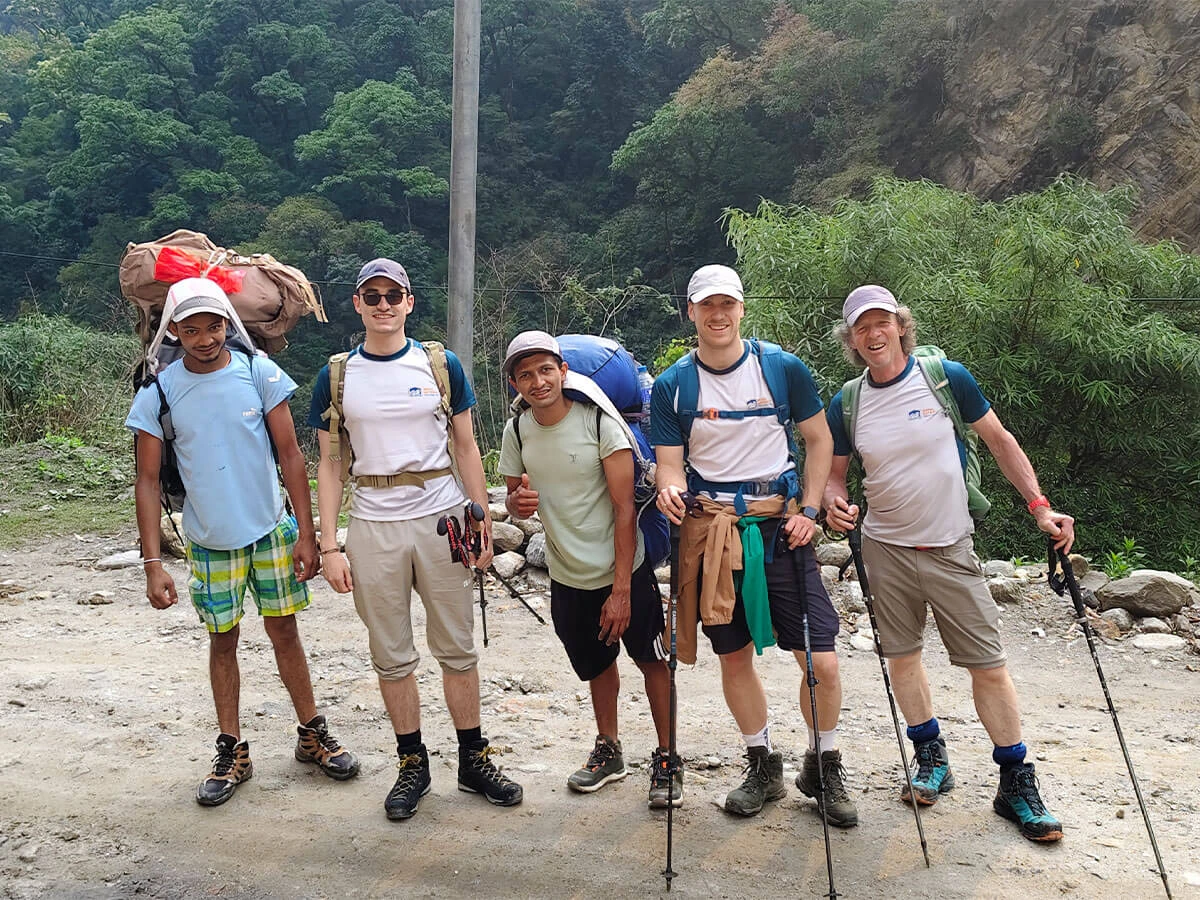
Similarly, we assign one porter for every two trekkers to ensure the proper porter-to-trekker ratio. These dedicated individuals carry luggage and essential supplies across the remote terrains of Tsum Valley so you can travel light. We strictly enforce a weight limit of 20-24 kg per porter to protect their health.

At Nepal Gateway Trekking, we are dedicated to treating every member of our field team fairly and ethically. Our guides and porters receive wages above industry standards, appropriate clothing and equipment for high-altitude trekking, daily allowances for food and lodging, and comprehensive insurance.

Gratitude for the Trekking Crew

Tipping is a common way to show gratitude to your guides, porters, and crew members. While tipping is not mandatory, it is a tradition in Nepal's trekking industry, where the hard work of the field staff is celebrated at the end of the trek.

There is no fixed amount for tipping. It entirely depends on the service quality of the field staff, the length of your trek, and the group size. However, a general guideline is to budget around 15% of the trek cost to the guide and around 10% to the porters and crew members.

A common practice is to tip the field members in separate envelopes during the farewell ceremony in Machha Khola, preferably in Nepali Rupees or any major currencies like USD, pounds, or euros.

Besides cash tips, porters and field staff also accept non-monetary tips. You can donate your trekking gear and accessories, including trekking boots, down jackets, sunglasses, trekking poles, and headlamps, after the trek. You can also share reviews and experiences on online platforms and personal blogs to help them find more clients in the future.
FAQs

Tsum Valley Trek is graded as a moderate-to-challenging adventure, accessible to both beginners and seasoned trekkers. Although the trek does not require any technical skills, it demands serious fitness and preparedness.

It involves several days of long walking hours on remote, mountain terrain and high-altitude settlements. The section from Mu Gompa to Ngula Dhojyang is the most challenging day on the itinerary. We recommend completing at least eight weeks of fitness training before the trek to build a solid foundation of strength and endurance.

The highest point of the Tsum Valley Trek is the summit of Ngula Dhojyang at 5,093 meters. The full-day hike from Mu Gompa covers 19.5 kilometers with over 1,300 meters of elevation gain. That said, the highest overnight accommodation on the trek is at Mu Gompa, which sits at an altitude of 3,700 meters.

Yes, the Tsum Valley Trek is suitable for first-time trekkers who are willing to prepare well and set realistic expectations about the trek. Having prior high-altitude experience can be a significant advantage, but it is not mandatory. However, if you've never done multi-day trekking in the Himalayas of Nepal, we recommend building a strong physical and mental foundation with 8-12 weeks of focused training. 

Autumn and spring are the two best seasons for the Tsum Valley Trek. Autumn offers the most stable weather, crystal clear mountain views, and comfortable trekking conditions of the year. Spring brings the stunning rhododendron blooms in the Lower Tsum Valley and vibrant wildflowers in the upper meadows.

Due to its rain-shadow position, Tsum Valley is accessible during parts of the monsoon and winter seasons. However, we do not recommend these months unless you're an experienced trekker. These seasons bring challenging trail conditions, poor visibility, slippery paths, and limited mountain views.

Yes, altitude is a serious concern on the Tsum Valley Trek. The trek begins at 870 meters in Machha Khola and climbs all the way to 5.093 meters at Ngula Dhojyang. The highest overnight accommodation is at Mu Gompa at 3,700 meters. Altitude-related symptoms can occur anywhere above 2,500 meters, regardless of age, experience, and fitness level.

Therefore, you should always maintain a steady pace, stay hydrated, eat a balanced diet, and get enough rest to help your body acclimatize properly. If you experience any symptoms, such as persistent headache, nausea, dizziness, loss of appetite, or disrupted sleep, inform your trekking guide immediately.

Yes, travel insurance is a mandatory requirement for booking the Tsum Valley Trek with us. Your insurance policy must explicitly include coverage of high-altitude trekking and emergency helicopter evacuation up to 5,500 meters. Additionally, your policy should include coverage for medical treatment in Kathmandu, emergency medical repatriation, trip cancellation, and protection of personal belongings.

Accommodation on the trek is provided in traditional, family-run teahouses. Compared to the Everest or Annapurna regions, the teahouses and mountain lodges on the Tsum Valley Trek are basic. These facilities include private boxed rooms, shared bathrooms, and communal dining halls.

Rooms are simple with twin or triple wooden beds, foam mattresses, mink blankets, and pillows. Wi-Fi, hot showers, and charging facilities are available at most teahouses for an additional fee.

Teahouse menus are simple and mostly limited to Nepali and Tibetan dishes. Dal Bhat is the staple among locals, guides, porters, and trekkers alike. Other meal options include momo, thukpa, chowmein, noodle soups, fried rice, potato dishes, and Sherpa stew. The teahouses also offer several drink options, such as bottled water, tea, instant coffee, and soft drinks for an additional fee.

When packing for the Tsum Valley Trek, you should aim for the right balance between weight, warmth, and weather protection. The packing essentials include well-worn trekking boots, a down-insulated jacket, waterproof shell layers, a thermal base layer, a sleeping bag, trekking poles, a headtorch with spare batteries, a water bottle, purification tablets, a universal travel adaptor, and a high-capacity power bank.

While the lead guide will carry a comprehensive first-aid kit, we strongly recommend you carry a basic personal kit with prescribed medications.

Your lead guide will conduct routine health checks each evening at the teahouse to monitor your well-being throughout the trek. These checks include monitoring altitude-related symptoms, heart rate, oxygen saturation levels, signs of exhaustion, and blister formation.

For mild symptoms, your guide will stop further ascent and monitor your condition. If symptoms do not improve or begin to worsen, the guide will arrange an immediate descent to a lower altitude. For severe cases, helicopter evacuation is often the only viable option in the remote valley of Tsum. Your guide will immediately contact our Kathmandu operations team to coordinate an evacuation at the earliest opportunity.

Most teahouses and shops in the Tsum Valley do not accept card payments or foreign currencies. Therefore, you must carry enough cash in Nepali Rupees for extra expenses and emergencies during the trek. As a general guideline, we suggest carrying about NPR 2,500-3,000 per day for Wi-Fi, hot showers, battery charging, and snacks.

Video Reviews

trek to Manaslu tsum valley in Nepal

We really enjoy our time in Tsum Valley Trek

Mr Mathis Heller - Germany
Tsum Valley Trek Review

nice experience I had in Tsum Valley trek Nepal

Mr Raimund Federle - Germany
Did not find the perfect trip? No worries!
Contact us to start planning your tailor-made dream trip!
Need Help? Call Us+977 98510 55520