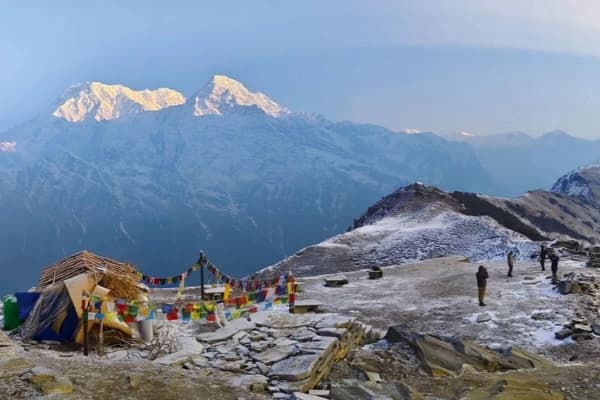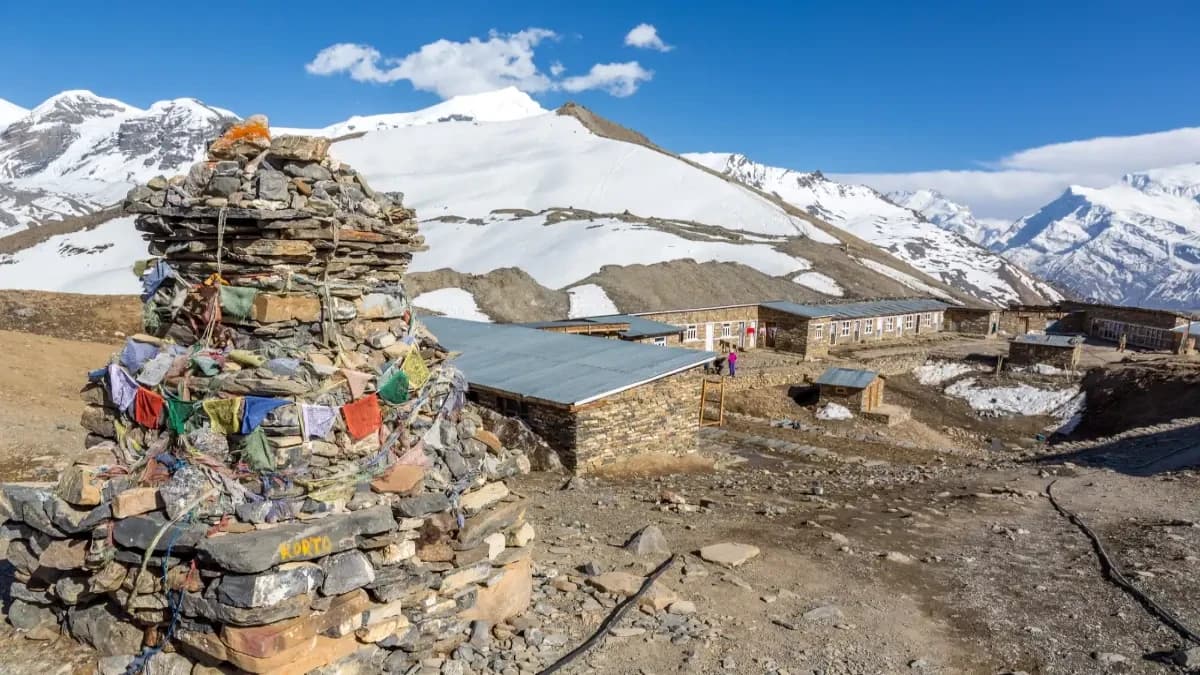
In Nepal, anyone who plans to trek the Annapurna Circuit must have an Annapurna Circuit Trek Permit. This permit lets you trek legally and safely in the Annapurna region. It also helps protect the environment and supports local communities. Trekking without a permit can cause fines, being stopped on the trail, and problems getting help during emergencies.
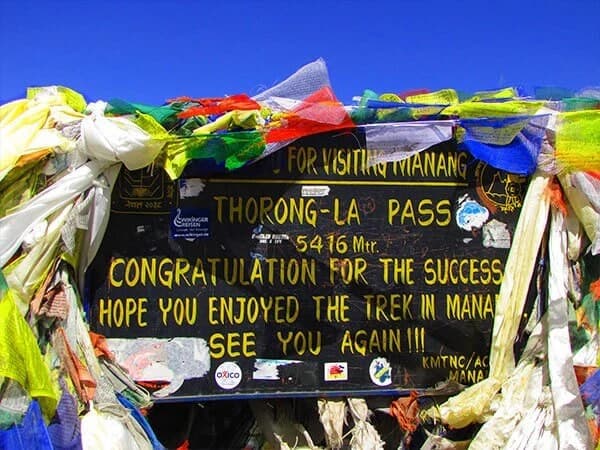
The Annapurna Circuit is one of the most famous trekking routes in the world. Beginning close to Besisahar, the route winds through terraced fields, lush green forests, lively villages, traditional huts, and the high highland Thorong La Pass (5,416 m). The trek generally concludes in Jomsom or Muktinath. If you have the correct permits, you can do the trek without hassle and also help protect the region’s natural beauty and culture.
Money collected by way of permit fees is spent on local communities by funding schools and health posts as well as clean water systems and waste management. Obtaining the Annapurna Circuit Trek Permit not only protects the environment but also supports local livelihoods.
Importance of Annapurna Circuit Trek Permits
Every trekker must have an Annapurna Circuit Trek Permit. It means you make the trip safely, legally, and responsibly, while helping the environment and local communities. The area’s natural beauty is monitored, and safety regulations for trekkers are observed through an effective permit system.
- Supports Environmental Protection: The money from the permit fees helps pay for trail maintenance, waste management, and protecting forests and wildlife in the Annapurna region.
- Helps Local Communities: Local communities get benefits from the money collected from permits. This money helps pay for schools, health posts, clean water, and other projects that make life better for people living there.
- Ensures Trekker Safety: The authorities keep track of trekkers using the permit and TIMS system to make sure they are safe. This helps them take action in case of altitude sickness, injuries, or other emergencies.
- Legal Compliance: You must have a valid permit while trekking in Nepal to follow the law and avoid fines, being stopped, or other legal problems.
- Promotes Sustainable Tourism: The permit system encourages responsible trekking so tourism does not harm nature and can continue for a long time.
The system helps make sure trekking is safe, legal, and good for the environment.
Types and Costs of Permits for the Annapurna Circuit
Before you start the Annapurna Circuit trek, it’s important to know what permits you need. These permits let you enter protected areas safely and legally. Each permit has its own purpose, and the fees help take care of nature and support local communities. Knowing the types and costs will help you plan your trek and avoid problems later.
Annapurna Conservation Area Permit (ACAP)
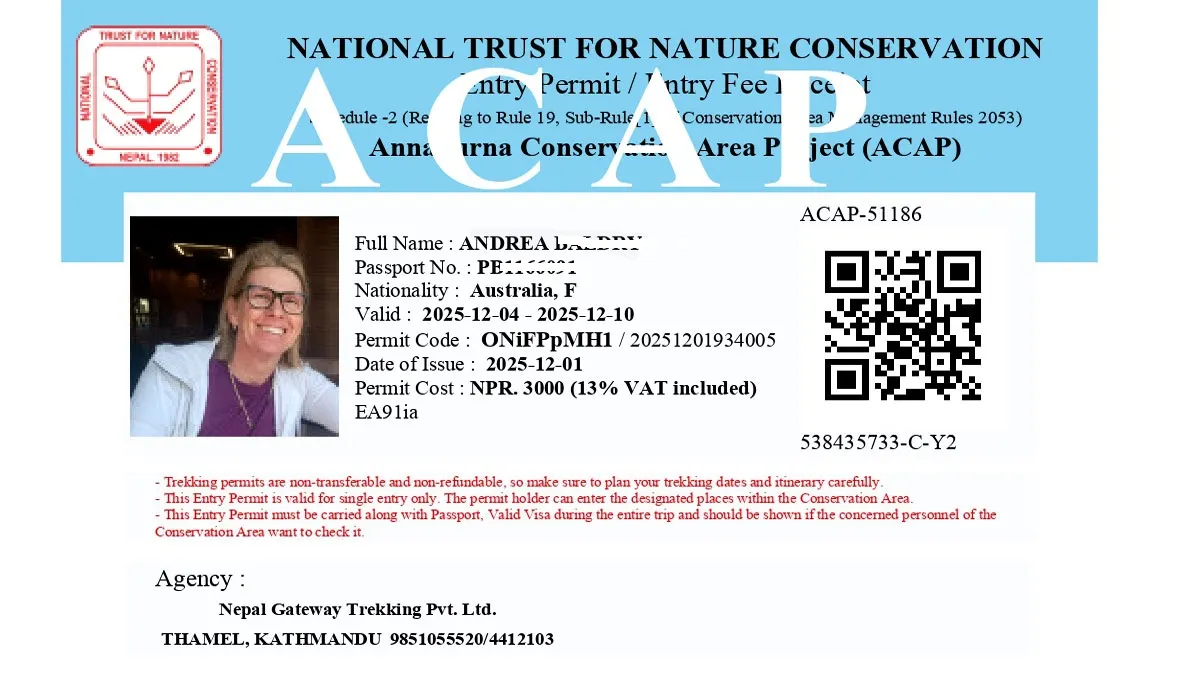
The Annapurna Conservation Area Permit (ACAP) is the main permit for trekking in the Annapurna region. ACAP covers Nepal’s largest protected area. It makes sure trekking is done responsibly, protecting the environment, animals, and local people. The permit also helps pay for trail maintenance, conservation projects, and village and school programs in the area.
Purpose: Lets you legally enter the Annapurna Conservation Area, supports community and environmental projects, and keeps trails managed properly.
Fee Structure:
- Foreign Nationals: NPR 3,000 (~USD 25–30)
- SAARC Nationals: NPR 1,000 (~USD 8)
- Children under 10: Free, but registration is needed
- Nepali Citizens: Free
TIMS Card for Annapurna Circuit Trek
The TIMS card (Trekkers’ Information Management System) is needed for trekkers in Nepal. It tracks trekkers to keep them safe. Since 2023, individual TIMS cards have mostly been replaced by agency-assisted TIMS, which makes it easier for trekkers booking through licensed agencies. At some checkpoints, group or agency TIMS cards may still be checked.
- Updated Rules (2023): Individual TIMS cards are mostly replaced by agency-assisted TIMS and are processed automatically through agencies.
- Group Checks: Some checkpoints still check group or agency TIMS cards.
- Purpose: Helps authorities keep track of trekkers and act quickly in emergencies.
Fee Structure:
- Foreign Nationals: NPR 2,000 (~USD 17–20)
- SAARC Nationals: NPR 300 (~USD 2.5)
- Children under 10: Free, but registration needed
- Nepali Citizens: Free
Restricted Area Permit (RAP)
If your trek goes into restricted areas like Upper Mustang or Nar-Phu Valley, you need a Restricted Area Permit (RAP). These areas are sensitive or high-security, and the permit makes sure trekking is safe and does not harm the culture or environment. RAPs also let authorities track trekkers. It’s usually easier to apply through a licensed agency.
- Purpose: Lets you enter high-security or sensitive areas.
- Requirement: Usually needs extra documents and agency help.
- Fees: Depend on the region and how long you stay.
Fee Structure:
Varies depending on region and stay
- Children under 10: Free, but registration needed
- Nepali Citizens: Free
Optional Permits
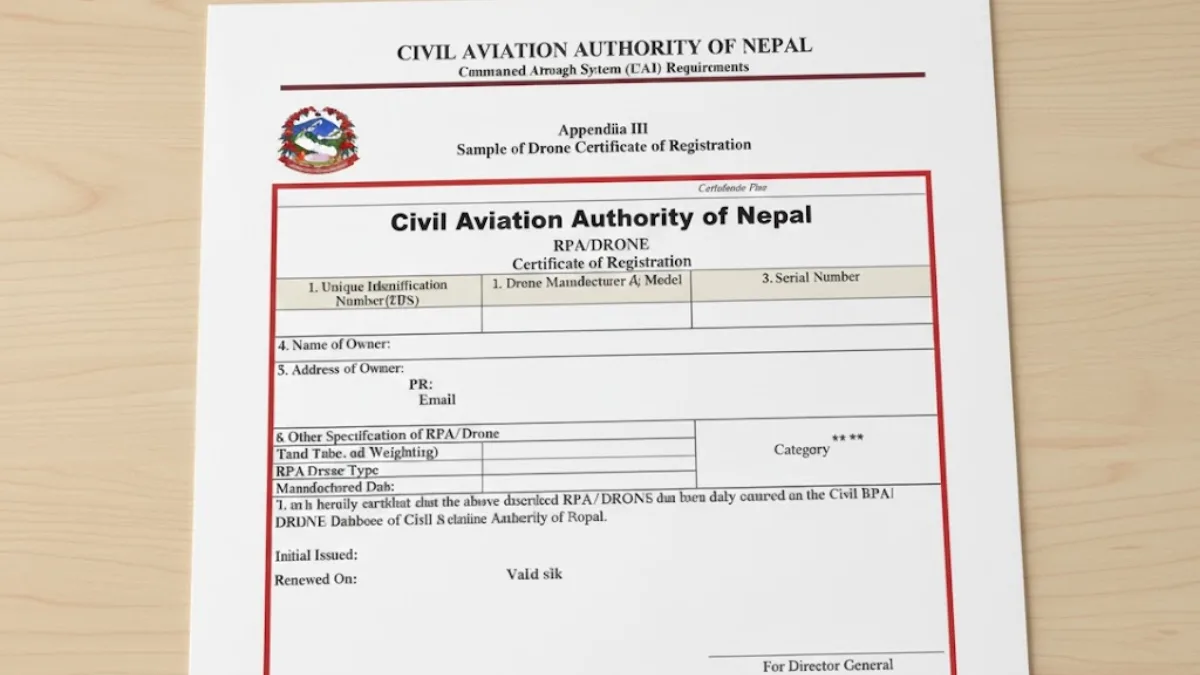
Some activities in the Annapurna region need extra permits beyond ACAP, TIMS, or RAP. These make sure your activities don’t harm the environment, local people, or cultural sites. Trekkers who want to take professional photos, use drones, do research, or film should check these optional permits.
- Photography/Drones: Some places need extra permits for professional photography or drones.
- Special Access: Research or filming may need prior approval from local authorities.
Annapurna Circuit Permit Requirements
Before starting the Annapurna Circuit trek, you need to follow all the permit rules. This keeps your trek safe, legal, and smooth. Officials check documents at many entry points and checkpoints along the trail, so being prepared can save you time and prevent fines or delays. These rules also protect trekkers and the fragile environment of the Annapurna region.
Essential Documents:
To get the Annapurna Circuit Trek Permit, all trekkers, especially foreigners, need:
- Valid Passport: Must be valid for at least six months from your entry date.
- Passport-Sized Photos: Usually 2–4 copies for forms and registration.
- Nepal Tourist Visa: A valid visa, which you can get at the airport or from a Nepalese embassy or consulate before your trip.
- Detailed Itinerary: Shows your trekking route, how long you’ll be trekking, and checkpoints to help authorities track your journey.
Travel Insurance:
Travel insurance is recommended, especially for high-altitude trekking, even if it’s not always needed for the permit. It should cover:
- High-altitude evacuation
- Emergency medical care
- Trip cancellations due to natural problems
Health Declaration:
Some offices may ask for a health form because trekking rules have changed. It’s optional, but giving this information can:
- Help authorities respond quickly if you get altitude sickness or another emergency
- Keep you safer in high-altitude areas
Special Note for Foreigners:
- The Annapurna Circuit permit for foreigners must include all the documents above. Without them, you might not be allowed in, or your application could take longer.
Following all the rules makes sure your trek is safe, legal, and supported by local authorities. Before you go, check the latest rules and carry both original documents and copies with you.
How to Get an Annapurna Circuit Trek Permit?
Obtaining the Annapurna Circuit Trek Permit is a crucial step before beginning your trek. Ensuring all documentation is complete and fees are paid will make your journey smoother and avoid complications at checkpoints along the trail. You can get permits directly from government offices or through licensed trekking companies. The latter is frequently more convenient and efficient.
Where to Apply:
Before starting the Annapurna Circuit trek, it is essential to obtain the Annapurna Circuit Trek Permit from official offices in Nepal. These offices check all the necessary paperwork, collect the fees, and give out stamped permits that are needed to go trekking legally. Going to the right office makes sure that your application is processed quickly and helps you avoid delays at checkpoints along the trail.
Trekkers can obtain permits from official offices in Nepal:
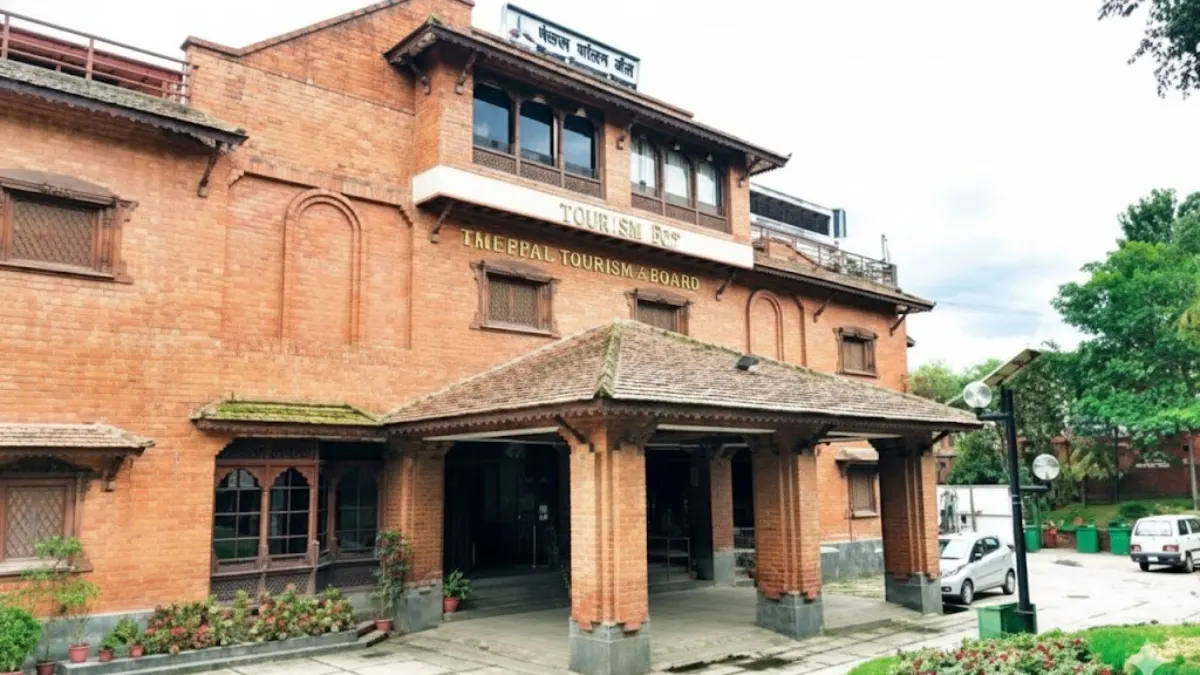
- Kathmandu: Nepal Tourism Board (NTB) office at Bhrikutimandap
- Pokhara: NTB office or Trekking Agencies’ Association of Nepal (TAAN) office at Damside/Lakeside
Application Process:
Once you know where to apply, the next step is to complete the official application process for your Annapurna Circuit Trek Permit. This process makes sure that all of your documents are checked, your costs are paid, and your permit is officially stamped, so you can trek legally and safely. Following the right steps helps you go through checkpoints faster and makes sure you follow local laws.
To secure your Annapurna Circuit Trek Permit, follow these steps:
- Visit the NTB or TAAN office during business hours (typically Sun–Fri, 10 AM–5 PM).
- Fill out the official permit application forms with personal and trekking details.
- Submit required documents, including passport and passport-sized photos.
- Pay the applicable permit fees in cash (Nepali Rupees).
- Collect the printed and stamped permits, ensuring all information is accurate.
Agency Assistance:
Many foreign trekkers prefer to obtain their Annapurna Circuit Trek Permit through licensed trekking agencies. Using an agency makes things easier, cuts down on paperwork, and makes sure you follow all local laws. Companies like Nepal Gateway Trekking offer professional help, which makes getting a permit and going on a trip easier and less stressful.
- Handle all permit paperwork on your behalf
- Provide licensed guides as required by updated regulations
- Ensure compliance with local rules, especially for high-altitude or restricted areas
RAP Application:
If your trek extends into restricted areas such as Upper Mustang, Nar-Phu Valley, or other sensitive zones, obtaining a Restricted Area Permit (RAP) is mandatory. These permits are designed to protect the fragile environment, preserve local culture, and ensure the safety of trekkers in high-security or environmentally sensitive regions.
- Applying for a RAP often requires additional documentation, including:
- A detailed itinerary that shows the location you want to visit that is off-limits
- Copies of your passport and other travel papers
- Proof of booking through an agency or a professional guide, if necessary
- Paying extra fees, which depend on where you are and how long you remain
By following these steps or using a trusted agency, you can obtain your Annapurna Circuit Trek Permit hassle-free and ensure a legal and safe trekking experience.
Let Nepal Gateway Trekking handle your Annapurna Circuit Trek Permit, guides, and paperwork, so you can trek with confidence and peace of mind. Contact us today!
Annapurna Circuit Trek Permit Online
You can start some parts of getting your Annapurna Circuit Trek Permit online now, mostly through licensed trekking agencies. But even if you fill out forms or pre-register online, you still need to go to the government office in person. This makes sure your documents are correct, fees are paid, and the permit is officially stamped.
- Pre-Registration via Agencies: If you book your trek through a licensed agency, you can send your personal details, passport info, and trekking plan online before your trip.
- Physical Verification Required: You need to visit the NTB or TAAN office in Kathmandu or Pokhara to get your official stamped permit.
- Carry Printed Permits: Always carry printed copies of your permit while trekking. Checkpoints may not accept digital copies alone.
- Agency Support: Agencies like Nepal Gateway Trekking can help with online pre-registration and pick up your permit in person, which saves time and avoids mistakes.
Online pre-registration can make the process easier, but the official, stamped Annapurna Circuit Trek Permit is still needed to trek legally.
Major Permit Checkpoints Along the Trail
While trekking the Annapurna Circuit, authorities regularly check permits to make sure everyone is registered and following the rules. You should always carry your Annapurna Circuit Trek Permit and, if needed, your TIMS card for Annapurna Circuit trek. Not showing your permits at checkpoints could lead to fines, being denied entry, or even having to turn back.
Key Checkpoints:
- Besisahar: The main entry point to the Annapurna region. This is where your permit is first registered and checked.
- Dharapani/Chame: Midway checkpoints where authorities check permits and itineraries, especially for trekkers heading to Manang and Thorong La Pass.
- Manang: A high-altitude checkpoint where permits, itineraries, and sometimes health information are verified before entering alpine areas.
- Thorong Phedi: The last checkpoint before Thorong La Pass. Authorities check permits to make sure rules for solo and high-altitude trekking are followed.
- Muktinath/Jomsom: Exit checkpoints for trekkers finishing the circuit, where officials may check permits for final paperwork.
Practical Tips for Trekkers:
- Bring extra copies of your permits and passport.
- Keep your permits in a waterproof pouch so they don’t get ruined by rain or snow.
- Keep your documents easy to reach to make checkpoints faster and easier.
Carrying the right permits ensures your trek is safe, legal, and stress-free. It also helps protect the environment and support proper management of the Annapurna region.
Best Time and Season for Trekking Permits
Choosing the right season makes it easier to get your Annapurna Circuit Trek Permit and enjoy better trekking conditions. It also helps you avoid crowds, find accommodation, and get your permit without any problems.
- Peak Season: Spring (March to May) and fall (September to November) are the best times. The weather is good, and the trails are easier to walk.
- Off-Season: Fewer people and cheaper places to stay, but permit offices may open for shorter hours.
- Planning Tip: Check office hours and permit availability before your trek to avoid problems.
- Seasonal Advantage: Trails are safer and easier to walk in peak seasons.
- Permit Validity: You can get permits any time of the year, but choosing the right season makes trekking easier and more enjoyable.
What Happens if You Trek Without a Permit?
Trekking the Annapurna Circuit without a valid Annapurna Circuit Trek Permit is strictly prohibited. Authorities monitor trekkers at checkpoints, and failing to carry a permit can result in serious consequences that affect both your safety and legality on the trail.
- Heavy Fines: Fines given on the spot are often more than the cost of the permit.
- Denied Trail Access: Trekkers may be forced to return to the trailhead.
- Legal Complications: Unauthorized trekking can lead to warnings or legal action.
- Exclusion from Emergency Services: People who trek without permits may not be able to get official help in an emergency.
Things to Consider While Trekking Annapurna Circuit
Before starting the Annapurna Circuit trek, it’s important to understand the rules and guidelines related to permits. Following these rules will make sure that your trip is safe, legal, and easy. Always carry your Annapurna Circuit Trek Permit and, if applicable, other required documents for verification along the trail.
- Mandatory Guide: Solo or high-altitude trekking requires a licensed guide as per the 2023 regulations. Guides ensure safety, help with navigation, and assist in emergencies.
- Permit Validity: The Annapurna Circuit expedition Permit is good for one entry and lasts for the whole expedition. Ensure you do not overstay the permit validity to avoid fines.
- Non-Transferable: Permits are issued to the individual whose name appears on the document. They cannot be used by others or for a different trekking route. If you break this rule, you could get a fine or be turned away at a checkpoint.
- Age and Group Rules: Children under 10 are exempt from fees but must still be registered. Groups may require agency or guide assistance, especially for high-altitude or restricted areas.
Final Thoughts
Getting an Annapurna Circuit Trek Permit is necessary for a safe, legal, and fun trip. Permits not only ensure compliance with local regulations but also support environmental conservation, community projects, and the proper management of trekking trails.
Using licensed companies like Nepal Gateway Trekking is highly advised for a smooth experience, especially for foreign trekkers. Agencies can take care of all the paperwork, provide qualified guides, and help you get permits for restricted areas, so your Annapurna Circuit trip will go smoothly and without any problems.
Planning the Annapurna Circuit? Nepal Gateway Trekking can handle your permits and local requirements, making your trek smooth from day one. Reach out to us today.
FAQs
What is an ACAP permit?
The ACAP (Annapurna Conservation Area Permit) is an official permit needed to enter the Annapurna region. It lets trekkers legally go into protected areas and helps take care of nature, wildlife, and local people.
How much is the ACAP permit fee?
Foreign trekkers need to pay NPR 3,000 for the ACAP permit. SAARC nationals pay NPR 1,000. Children under 10 years old and Nepali citizens do not need to pay, but they still need to be registered.
Do I need a TIMS card for the Annapurna Circuit trek?
Yes. The TIMS card helps keep track of trekkers for safety. Under current rules, it is usually given through a licensed trekking agency and may be checked at different points along the trail.
Can I trek the Annapurna Circuit without a guide?
No. Trekking alone on the Annapurna Circuit is not allowed. A licensed guide is required to help with safety, route guidance, and emergencies.
How much does it cost to trek the Annapurna Circuit?
The total cost usually falls between USD 900 and USD 1,500. This depends on how long the trek is, guide and porter services, where you stay, food, and the trekking season.
Is the Annapurna Circuit trek difficult?
The trek is moderately challenging because of long walking days and high altitude. But with good fitness, proper rest, and a guide, most trekkers can finish it safely.
Which trek should I choose: Everest Base Camp or Annapurna Circuit?
Everest Base Camp is known for close views of Mount Everest, while the Annapurna Circuit has more different landscapes, mixed cultures, and fewer crowds in some areas.
Can I get the Annapurna Circuit Trek Permit online?
No, permits cannot be fully issued online. Some agencies allow pre-registration, but trekkers must collect printed and stamped permits from official offices in Nepal before starting the trek.