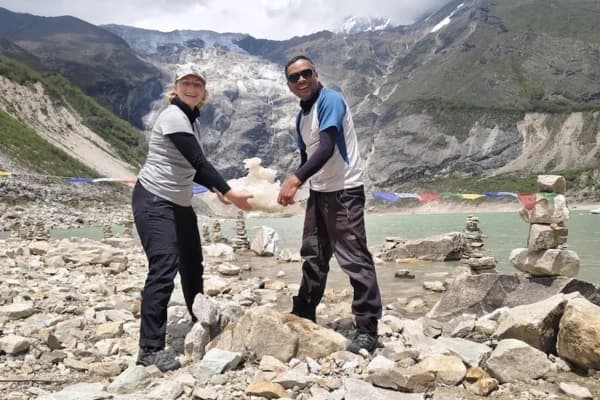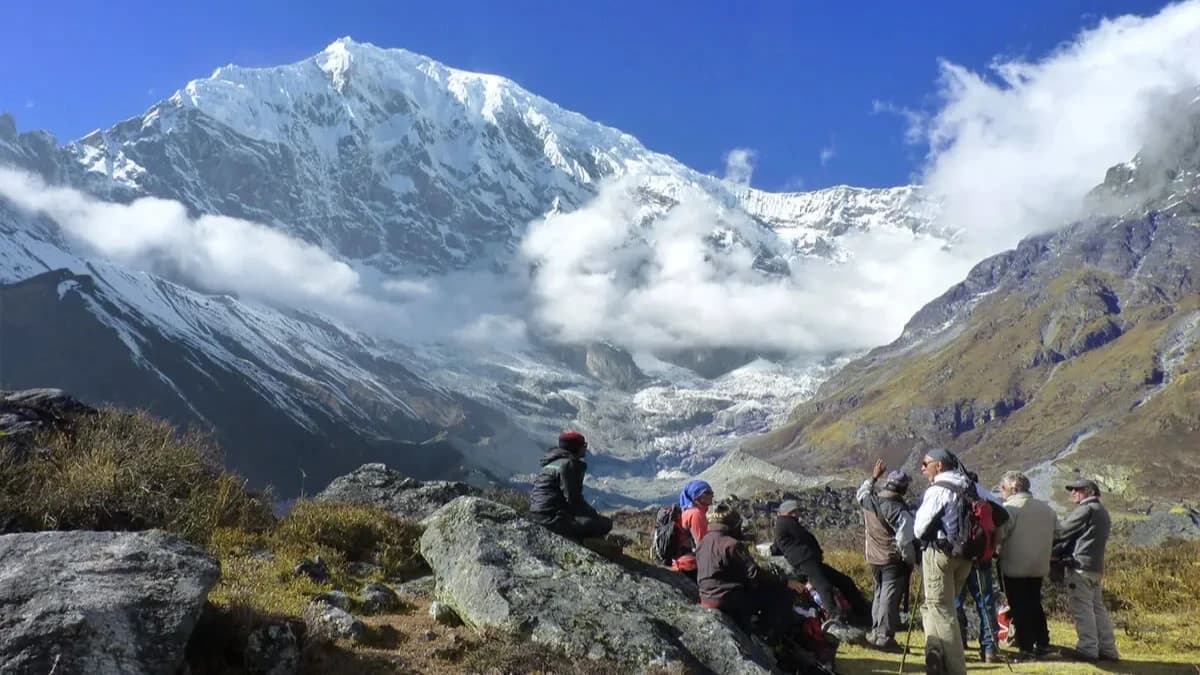
A lot of people planning a trek in Nepal usually start with the same question: how difficult is Langtang Valley Trek?
The short answer? It’s pretty straightforward. Most trekking guides describe the Langtang Valley Trek difficulty as moderate.
So yeah, it’s challenging enough to feel like a real Himalayan adventure. But at the same time, it’s still doable for people who have basic fitness and prepare properly.
The trek happens inside Langtang National Park, which is honestly one of the most beautiful mountain areas in Nepal. The trail starts from Syabrubesi, a small town north of Kathmandu. From there, the path slowly climbs through forests, rivers, and quiet mountain villages.
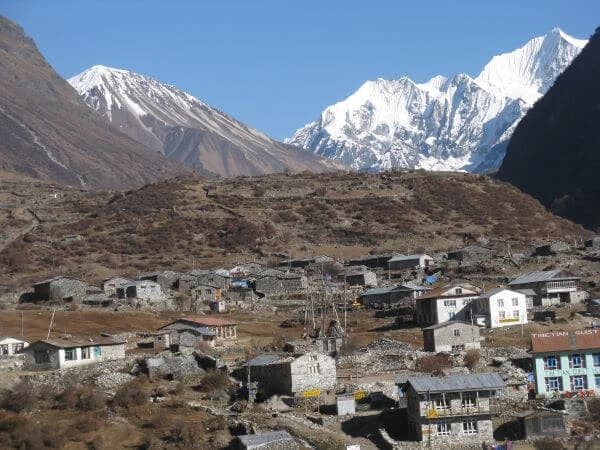
Along the way, trekkers pass places like Langtang Village before reaching Kyanjin Gompa, a peaceful alpine village surrounded by huge peaks. Towering above the valley is Langtang Lirung, the tallest mountain in the region.
Many trekkers also make the extra hike up to Tserko Ri. And honestly, the views from there are incredible, wide open Himalayan panoramas everywhere you look.
The good news is the Langtang Valley trek doesn’t need climbing gear or any mountaineering experience. But still, you should be ready to walk for several hours a day and deal with gradual altitude gain.
A few things mainly affect the difficulty:
- daily trekking distance
- altitude gain during the journey
- personal fitness level
If you keep a steady pace and prepare a little beforehand, most trekkers finish the route without major problems, and get to enjoy the amazing scenery of the Langtang Valley the whole way.
|
Quick Trek Facts Starting Point: Syabrubesi Trekking Days: 7–10 days Maximum Altitude: 4,984 m (Tserko Ri) Daily Walking: 5–7 hours Difficulty: Moderate |
Trekkers planning the journey often read a detailed Langtang Valley trekking guide to understand the trail, villages, daily walking distance, and what to expect along the route from Syabrubesi to Kyanjin Gompa.
Overview of Langtang Valley Trek Difficulty Level
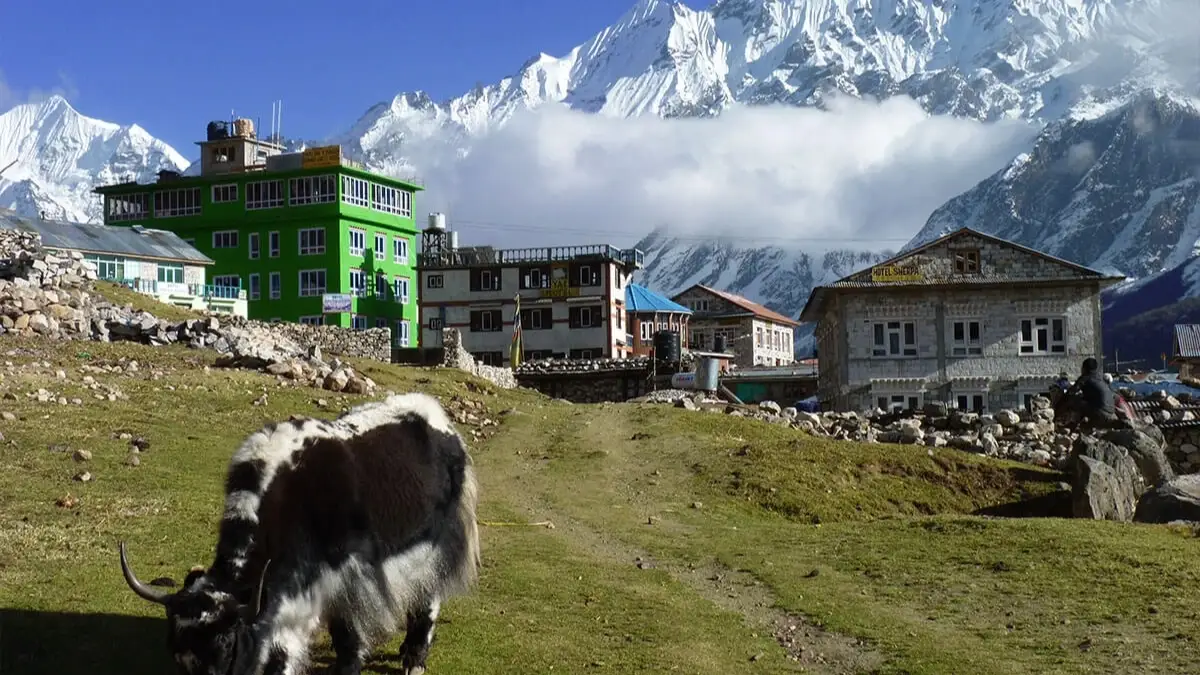
The Langtang Valley Trek difficulty level sits somewhere in the middle when you compare it with other treks in Nepal.
It’s more demanding than short day hikes. But honestly, it’s still easier than longer and tougher routes like Everest Base Camp or the Annapurna Circuit.
Most itineraries include around 7 to 10 Langtang Valley Trek trekking days. So it works well for travelers who want a real Himalayan trekking experience but don’t want to spend weeks in the mountains.
Along the trail, the scenery keeps changing. You walk through forests, cross glacial valleys, and pass traditional villages influenced by Tibetan culture and the Tamang community.
Places like Langtang Village and Kyanjin Gompa are common stops along the route. They give trekkers a comfortable place to rest and recharge during the journey.
One big reason people choose this trek is the gradual climb. The trail goes up steadily instead of hitting you with very steep sections right away. If trekkers want a clearer idea of the route, they often check a detailed Langtang Valley Trek map, which shows the villages and the altitude gain along the trail.
But once you cross about 3,000 meters, things start to feel different. The air gets thinner, and walking can feel a bit harder than before.
That’s why experienced guides usually keep the advice simple.
Walk slowly. Drink plenty of water. And give your body time to adjust.
Who Should Consider the Langtang Valley Trek?
The Langtang Valley Trek for beginners is a good option for people who want to experience the Himalayas without choosing an extremely difficult route.
This trek is ideal for travelers who:
- want a moderate Himalayan trek
- have basic fitness and enjoy hiking
- want a shorter alternative to Everest Base Camp
- want to experience Tamang culture and mountain villages
- are doing their first high-altitude trek in Nepal
Langtang Valley Trek Distance and Daily Walking Hours
The distance you cover each day in the Langtang Valley Trek plays a big role in understanding the Langtang Valley Trek difficulty.
Most trekkers walk around 5 to 7 hours a day. In terms of distance, that’s usually about 10 to 15 kilometers along the trail.
A typical trekking schedule may look like this:
- Syabrubesi → Lama Hotel: about 6 hours
- Lama Hotel → Langtang Village: about 6 hours
- Langtang Village → Kyanjin Gompa: about 4 hours
- Kyanjin Gompa → Tserko Ri hike: about 5–6 hours round trip
The trail itself passes through forest paths, stone steps, and open alpine areas. So the terrain keeps changing as you move higher.
The distance isn’t extremely long. But walking for several days in a row can still feel tiring, especially once you’re at higher elevations.
That’s where Langtang Valley Trek fitness level really matters.
People who prepare beforehand, things like regular walking, hiking, or even climbing stairs, usually find the trek much easier once they’re on the trail.
|
Average Trekking Distance Per Day Most trekkers walk 10–15 km per day in the Langtang Valley. |
Recommended Read Before Planning Solo Trek:Is Guide Compulsory for the Langtang Valley Trek?
Langtang Valley Trek Altitude, Difficulty, and Elevation Gain
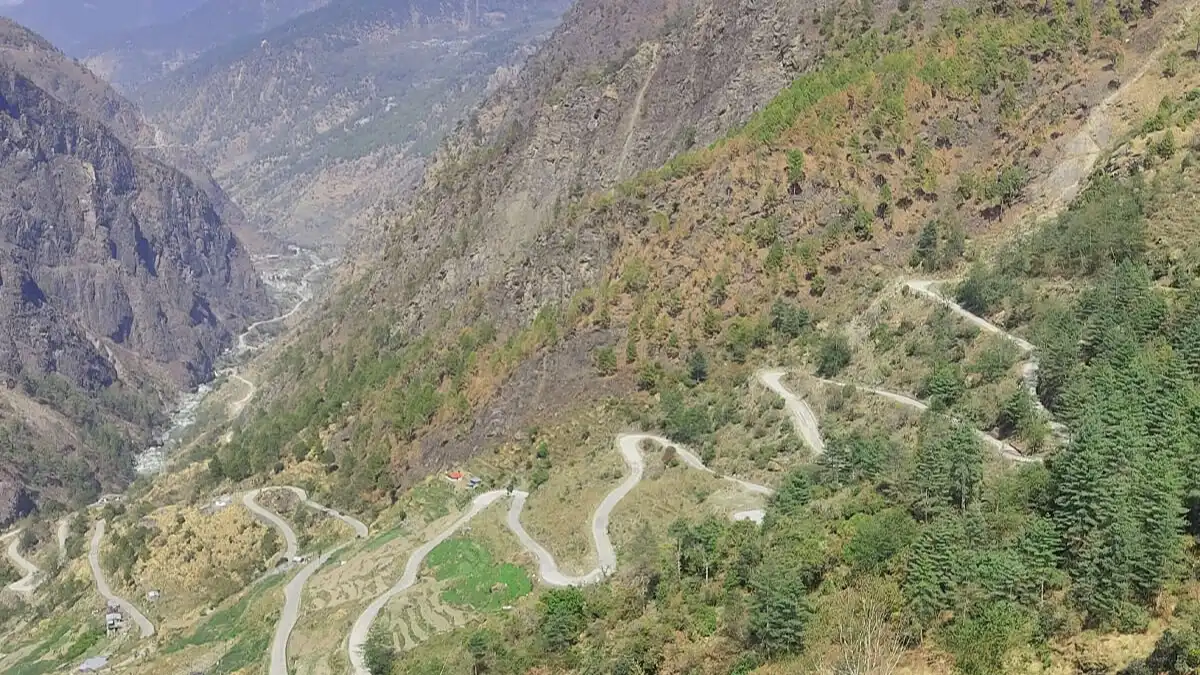
Altitude is one of the main reasons people ask if the Langtang Valley Trek is hard.
The trek begins at 1,460 meters in Syabrubesi and gradually climbs higher into the Himalayas.
Langtang Valley Trek Altitude Profile
The trek gradually climbs through the Langtang Valley:
- Syabrubesi – 1,460 m
- Lama Hotel – 2,470 m
- Langtang Village – 3,430 m
- Kyanjin Gompa – 3,870 m
- Tserko Ri – 4,984 m
At higher elevations, oxygen levels drop. Because of that, walking can start to feel slower and more tiring. Some trekkers notice mild symptoms like headaches or fatigue while their body adjusts to the altitude.
This is known as altitude sickness. The good thing is that the trail climbs gradually. That steady gain usually helps trekkers acclimatize more comfortably compared with some other Himalayan treks.
Simple habits help a lot. Walk slowly and drink enough water. Trekkers should know a bit about altitude sickness prevention before heading into the Himalayas.
Taking time to acclimatize and drinking plenty of water can really cut down the risk of altitude problems.
Also, spotting the early signs of altitude sickness is super important. It lets you act fast and avoid more serious health issues as you climb higher.
|
Altitude Tip Above 3,000 meters, always walk slowly. |
Langtang Valley Trek Fitness Level Required
Another important factor influencing Langtang Valley Trek difficulty level is physical fitness.
The trek does not require mountaineering skills, but trekkers should feel comfortable walking for several hours each day on uneven trails.
A suitable Langtang Valley Trek fitness level includes the ability to:
- walk 5–7 hours per day
- hike uphill and downhill trails
- carry a small day backpack
Preparing before the trek makes a big difference.
Good preparation may include:
- regular walking
- hiking on hills
- stair climbing
- light jogging or cycling
Many travelers choose this trek as their first Himalayan experience. With proper preparation, it is one of the most accessible routes for trekking in Langtang region Nepal. There are also many reasons to choose Langtang Valley Trek beyond the experience.
Is Langtang Valley Trek Suitable for Beginners?
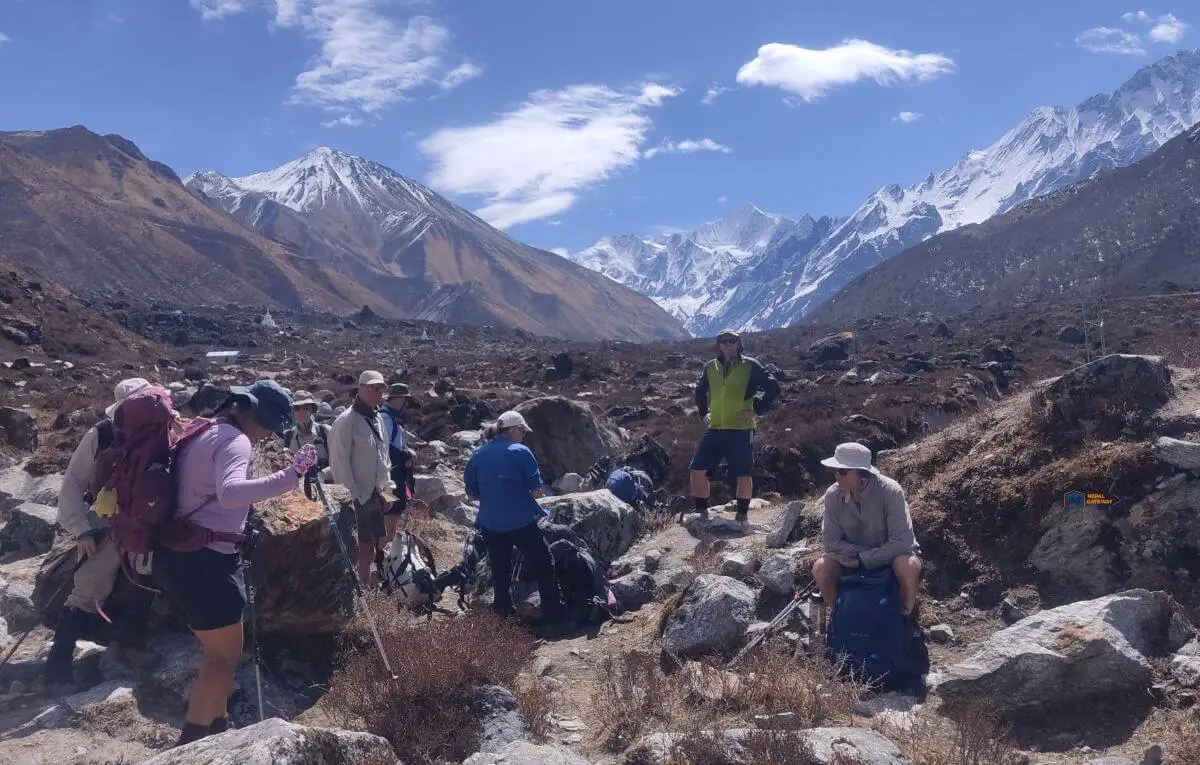
A lot of first-time trekkers often wonder: Is Langtang Valley Trek hard for beginners?
Honestly, it’s usually recommended for people who want to try trekking in the Himalayas without signing up for a super long expedition.
Here’s why it works well for first-time trekkers:
- The route is shorter than many famous Himalayan treks
- The trail climbs gradually through the valley
- There are plenty of teahouses along the way
- The trek is relatively close to Kathmandu
Walking through Langtang National Park also makes the experience more comfortable. You pass forests, mountain villages, and open alpine landscapes, with regular spots to rest and stay overnight.
That said, beginners still need to respect the mountains. Even though the Langtang Valley Trek difficulty is moderate, the altitude and daily walking hours can feel tough without some prep.
Those who walk slowly, stay hydrated, and follow their guides usually finish the trek without issues.
For many, it ends up being not just manageable, but also one of the most unforgettable adventures of their lives.
New trekkers often look into other reasons to pick the Langtang Valley Trek for beginners before deciding if it’s right for their experience level. And if you are foreigner, dont forget about Langtang Valley Trek permits.
|
Trekking Guide Insight Many experienced guides in the Langtang region say the biggest mistake trekkers make is walking too fast during the first two days. A slow pace from Syabrubesi to Lama Hotel helps the body adjust naturally to the altitude and makes the rest of the trek far more comfortable. |
Major Challenges During the Langtang Valley Trek
Even though the Langtang Valley Trek difficulty is considered moderate, trekkers still face a few challenges along the way. Understanding these challenges helps travelers prepare better and enjoy the journey with fewer problems.
High altitude
One of the biggest challenges is altitude. As trekkers move higher into the Langtang Valley, the air becomes thinner. This usually becomes noticeable after reaching Langtang Village and Kyanjin Gompa.
At higher elevation, the body receives less oxygen. Because of this, some trekkers may feel tired more quickly than usual. Mild altitude sickness symptoms can also appear, such as headache, dizziness, or loss of appetite.
This is why experienced guides recommend moving slowly and allowing the body enough time to adjust.
Long Walking Days
Another factor in Langtang Valley Trek difficulty is how many hours you’re on the trail each day. Most days involve around five to seven hours of walking.
Even at a steady, slow pace, several days in a row can feel tiring, especially if you’re not used to hiking in the mountains.
Those who get their bodies ready beforehand usually find these long walking days much easier to handle.
Steep Uphill Sections
Most of the Langtang Valley Trek elevation gain is pretty easy-going, but yeah, some parts get really steep. Just take it slow and steady, you’ll get there.
The climb up to Langtang Village and Tserko Ri can be tiring, but honestly, the views from the top make every step totally worth it.
Weather changes in the mountains
Weather in the Langtang region Nepal can change quickly. Mornings are often clear and calm, but clouds or wind may appear later in the day.
At higher places like Kyanjin Gompa or Tserko Ri, temperatures can drop quickly, especially in the early morning.
Because of this, trekkers should carry warm layers and be prepared for different weather conditions during the trek.
Even with these challenges, most trekkers finish the trek without any issues. Take it steady, rest when you need to, and keep a positive mindset, and the Langtang Valley Trek turns into an unforgettable Himalayan adventure.
Explore the difference between Langtang, Everest and Annapurna Treks
Tips to Make the Langtang Valley Trek Easier
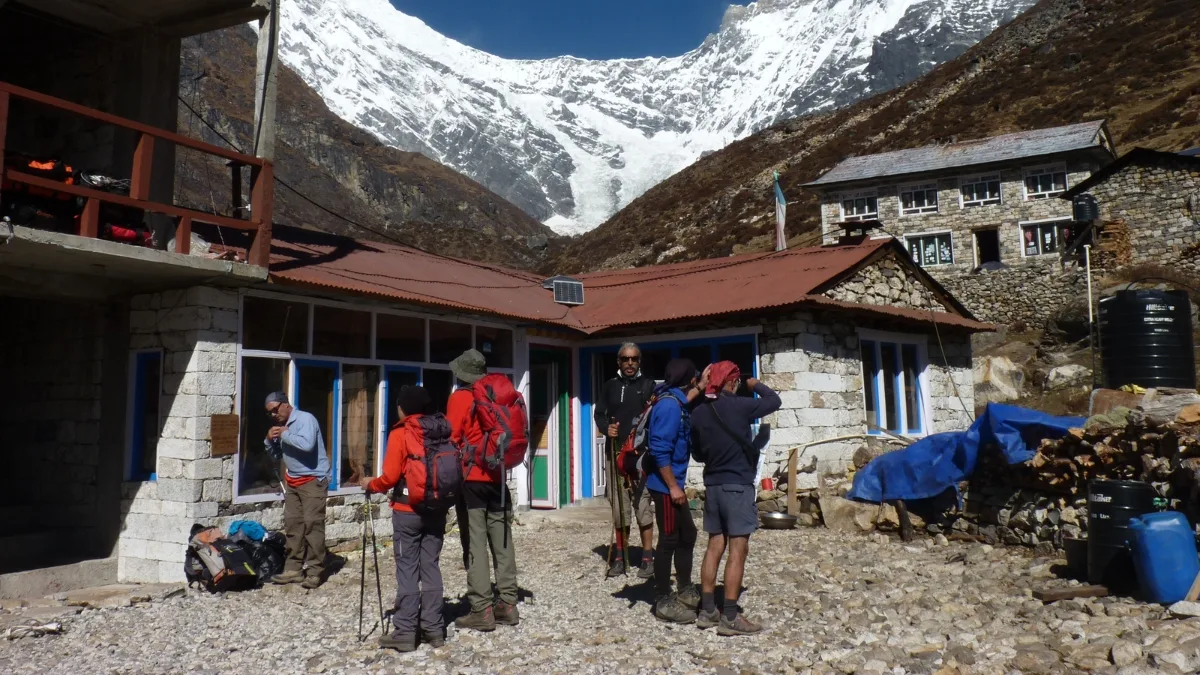
The Langtang Valley Trek difficulty can feel a lot easier if you plan a bit and follow some simple habits. Honestly, guides always say trekking isn’t about going fast, it’s about pacing yourself.
Walk slowly and keep a steady pace
Trying to rush up the trails just tires you out. Going slow helps your body adjust to the altitude and keeps your energy for the whole trek.
Drink enough water
Hydration is key at high altitudes. Sipping water regularly helps your body cope better and lowers the Langtang Valley Trek altitude sickness risk.
Take proper rest breaks
Stop for a few minutes here and there. Even little breaks for tea or snacks give your legs a chance to recover before moving on.
Prepare your body before the trek
A bit of prep goes a long way. Regular walking, hiking, or stair climbing builds stamina and strengthens your legs.
Pack smart and travel light
Carrying too much makes everything harder. Stick to the essentials and your backpack will feel way lighter on the trail.
Listen to your guide and your body
Guides know the region inside out. Following their advice on pace, water, and acclimatization keeps you safe and makes the trek more enjoyable.
Best Time to Trek Langtang Valley
The time of year can actually make a difference in Langtang Valley Trek difficulty. Nice weather makes the trek easier, while bad weather can make the trail a lot tougher.
Spring Season (March to May)
Spring is one of the best times to trek in the Langtang region. The weather is usually stable, and the forests inside Langtang National Park come alive with blooming rhododendrons.
The mountain views are often clear, and the temperatures are just right for trekking, comfortable without being too hot or cold.
Autumn season (September to November)
Autumn is the most popular trekking season in Nepal. After the monsoon rains clear the sky, the Himalayas appear very sharp and beautiful.
Trails are usually dry, visibility is excellent, and the overall trekking experience becomes more enjoyable.
Winter season (December to February)
Winter trekking is possible but can be more difficult. Temperatures drop significantly at higher elevations, especially around Kyanjin Gompa and Tserko Ri.
Snowfall may also cover parts of the trail, which can slow down trekking.
Monsoon Season (June to August)
During the monsoon, Nepal gets a lot of rain. Trails can get muddy or slippery, and clouds often block the mountain views.
For these reasons, this is usually the least favorite time to trek in Langtang Valley. Picking the right season can make the trek way more enjoyable and take a lot of the difficulty out of the journey.
Final Thoughts on Langtang Valley Trek Difficulty
The Langtang Valley Trek difficulty is moderate, so it’s one of the easier Himalayan treks to try in Nepal.
The trek is a perfect mix of adventure, culture, and amazing mountain views. You walk through forests, stop by traditional villages, and cross open alpine areas, all while seeing peaks like Langtang Lirung up close.
Yeah, there are long walking days and higher altitudes, but if you pace yourself and take your time, most people get through it just fine.
For many, this trek ends up being more than just a hike. It’s a chance to really soak in the Himalayas, meet the warm and friendly Tamang people, and enjoy one of Nepal’s most unforgettable trekking experiences. Contact Nepal Gateway Trek for your Langtang trek.
Questions Trekkers Ask
How difficult is the Langtang Valley Trek?
The Langtang Valley Trek difficulty is usually rated as moderate. Most days involve walking 5–7 hours on mountain trails inside Langtang National Park. The trail climbs gradually from Syabrubesi to Kyanjin Gompa, so with basic fitness and some preparation, it’s very doable.
Is Langtang Valley Trek suitable for beginners?
Yes! The Langtang Valley Trek for beginners is a great choice if you have moderate fitness. The trail is well-marked and goes through villages with teahouses for overnight stays. Even though the trek reaches higher altitudes, pacing yourself and preparing ahead of time helps first-timers complete it comfortably.
What is the hardest part of the Langtang Valley Trek?
The toughest parts are usually the altitude and long walking days. Once you go above 3,000 meters near Langtang Village and Kyanjin Gompa, the air gets thinner. The optional hike to Tserko Ri, which is nearly 5,000 meters, can also feel pretty demanding physically.
How many days does the Langtang Valley Trek take?
The trek usually takes 7 to 10 days. It starts in Syabrubesi and passes through Lama Hotel, Langtang Village, and Kyanjin Gompa. Many trekkers also add the Tserko Ri hike for panoramic Himalayan views before returning the same way.
What fitness level is required for Langtang Valley Trek?
A moderate fitness level is enough. You should be comfortable walking several hours a day on uneven mountain trails. Doing some prep, like hiking, long walks, or stair climbing, before the trek makes it much easier.