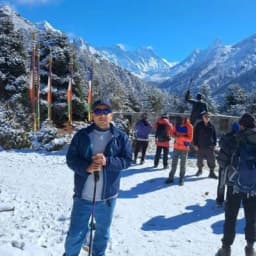
Lo Manthang is a historic walled town in Upper Mustang, near the Tibetan border. It served as the capital of the former Kingdom of Mustang. Because Upper Mustang was closed to foreign visitors until the early 1990s, the region retained much of its traditional town layout, monasteries, and way of life.
Lo Manthang Nepal offers something unique for travellers who want a quieter and more meaningful journey. Instead of crowded trails, the trek focuses on culture, history, and steady walking at high altitude. Therefore, this blog provides information on Lo Manthang's location, the ideal time to visit, trekking routes, altitude, culture, and key highlights. With proper planning and the correct permits, you can explore Lo Manthang safely, legally, and with confidence.
Key Highlights of Lo Manthang
Lo Manthang is the ancient walled capital of the former Mustang Kingdom in Upper Mustang, Nepal, known for its royal palace, historic monasteries, desert landscape, and preserved Tibetan Buddhist culture.
- The Lo Manthang Royal Palace is located at the centre of the walled city and served as the residence of the Mustang kings.
- Jampa Lhakhang and Thubchen monasteries are the main religious sites in Lo Manthang and represent centuries of Tibetan Buddhist worship and tradition.
- The ancient walled city and traditional homes show how Lo Manthang was built for protection, with narrow lanes and flat-roofed houses adapted to a dry, windy climate.
- Near Lo Manthang, the Chhoser sky caves serve as ancient cliff caves for shelter, storage, and religious activities.
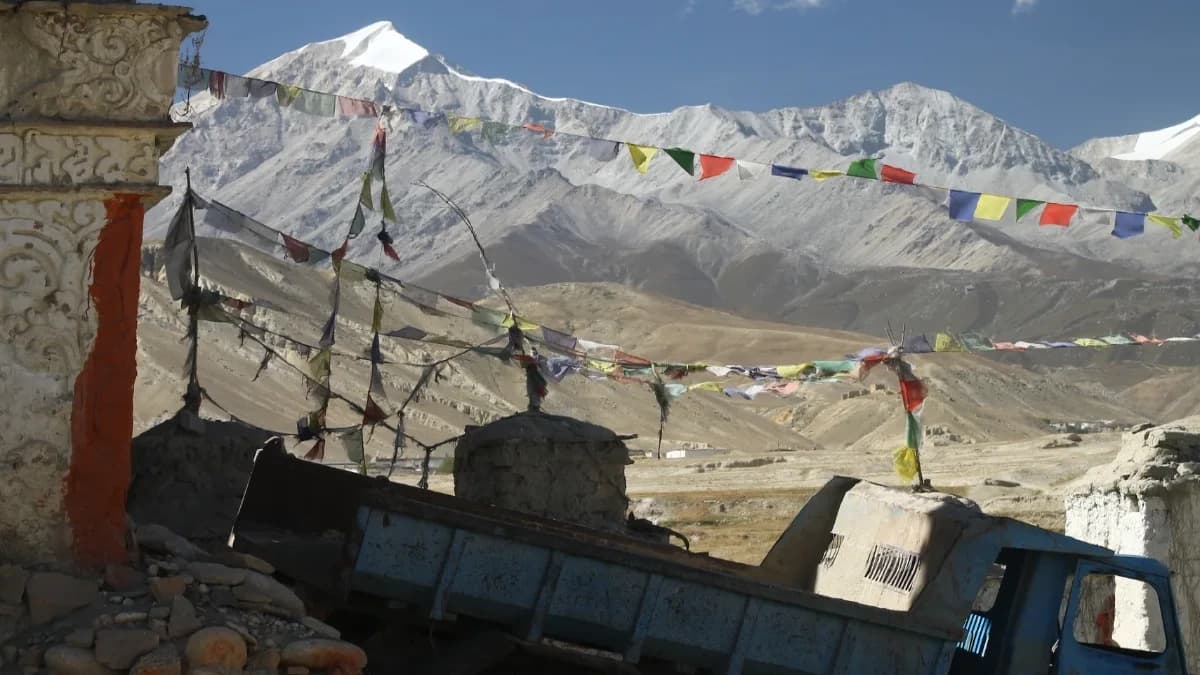
- Upper Mustang's desert landscapes and viewpoints are unique to this area. They include wide valleys, eroded cliffs, and open high-altitude terrain.
- Mustang wine is a local apple-based product that reflects farming practices shaped by the cold climate of the Mustang region.
- Local handicrafts, including wool items and religious objects, represent traditional skills passed down through generations and support the local community.
Where Is Lo Manthang Located?
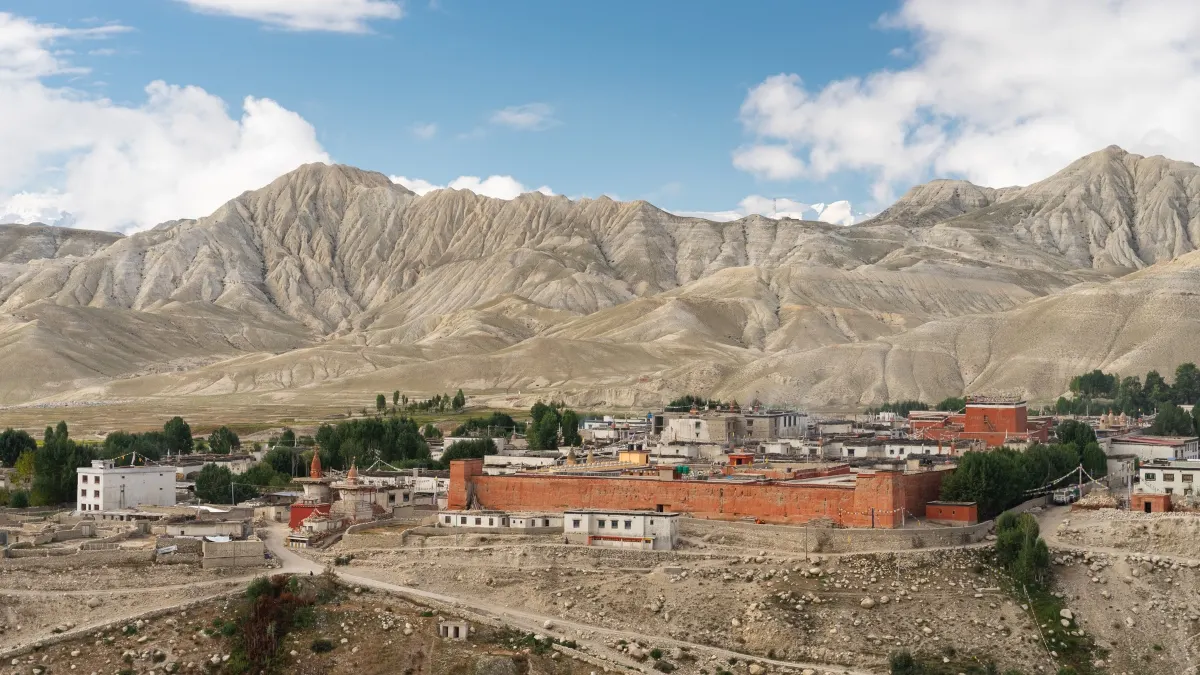
Lo Manthang is located in Upper Mustang, in northern Nepal, close to the Tibetan border. It lies beyond Kagbeni, the gateway village to Upper Mustang. The town is around 700 kilometers from Kathmandu and is usually reached via Pokhara and Jomsom. From Jomsom, travellers continue north by trekking or jeep.
In addition, the region lies in the rain-shadow of the Himalayas. As a result, the landscape is dry, which has helped preserve Lo Manthang culture and traditional village life.
Lo Manthang Geography
The geography of Lo Manthang shapes everything in the region, from village life to trekking conditions. Because Lo Manthang lies in a remote part of Upper Mustang, its location and altitude create a dry, open landscape that feels very different from other parts of Nepal.
Lo Manthang is located in Upper Mustang, in northern Nepal, close to the Tibet border. In the past, this position placed the region along ancient trade routes, while also limiting outside access. Because of this isolation, settlements developed in compact and protected forms.
As a result, tradition closely influenced village layout, farming patterns, and daily life. This is one reason Lo Manthang Nepal has kept its unique character.
Lo Manthang Altitude and High-Altitude Terrain
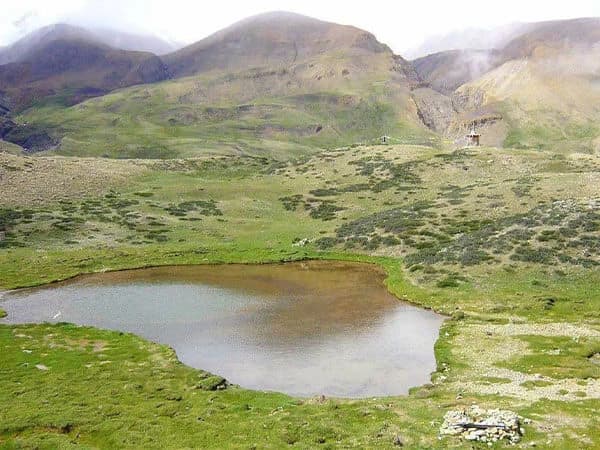
The Lo Manthang altitude is around 3,800 metres above sea level, placing it in a high-altitude desert zone. Unlike greener trekking regions, the land here is dry, rocky, and shaped by wind and erosion.
The terrain includes wide valleys, open trails, and very little forest. Because of the altitude and dry air, daily life moves slowly. These same conditions also affect trekking, which is why steady walking and proper acclimatization are important during the Lo Manthang trek.
Every traveller is unique. Instead of a fixed Lo Manthang package, Nepal Gateway Trekking offers multiple Mustang trekking categories, allowing you to select a route and pace that suits your preferences. Reach out to their team to explore the best choice for you.
Lo Manthang History: The Living Story of Upper Mustang’s Walled Kingdom
Lo Manthang is the historic capital of the former Kingdom of Lo, located in Upper Mustang, Nepal. It was founded in the fourteenth century by King Ame Pal, who built the city as a walled capital to protect his people, religion, and important trade routes between Nepal and Tibet. Because of this location, Lo Manthang Upper Mustang became a key point in trans-Himalayan trade and cultural exchange.
For centuries, Lo Manthang remained a working royal city rather than a forgotten settlement. Kings ruled from the palace inside the walls, and daily life followed traditions shaped by Tibetan influence. Language, architecture, clothing, and customs all reflect these roots, while Tibetan Buddhism guided education, festivals, and leadership. This deep connection between religion and daily life defines Lo Manthang culture.
Unlike many ancient cities, Lo Manthang Nepal never turned into ruins. Even today, it remains a living historical city where monasteries are active, traditions continue, and people follow ways of life passed down for generations. Although Lo Manthang is now open to travellers, strict rules still exist to protect its cultural and historical values.
Lo Manthang Village Life, Culture & Festivals
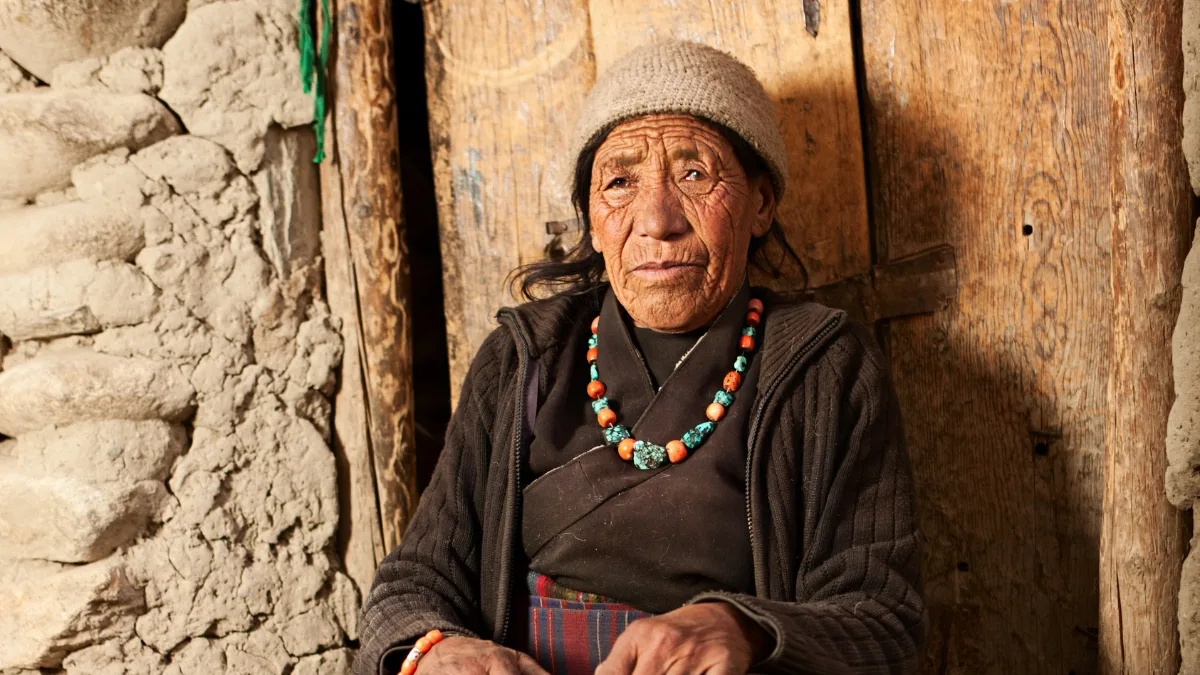
Life in Lo Manthang village is slow and follows long-held traditions. Because the village is in a remote area of Upper Mustang, daily life is reliant on the land, seasons, and community support. People here live close to nature and make their living primarily through farming, animal herding, and small-scale local trade.
Homes are built within the ancient walls, close to each other. Thick stone walls and flat roofs provide protection from strong winds and cold weather. As a result, the village feels compact, secure, and well-connected. Neighbours help each other during agricultural seasons and religious events, fostering strong community bonds.
Daily Life in Lo Manthang Village
Daily life in Lo Manthang is straightforward and practical. Most mornings start early, particularly during farming seasons. Families care for animals, work in fields, and manage household tasks. Children attend local schools, and elders maintain family traditions.
Because modern facilities are limited, people value cooperation and self-sufficiency. As a result, visitors frequently notice a relaxed pace of life that differs greatly from that of busy cities. This daily routine represents the true spirit of Lo Manthang Nepal.
Tibetan Buddhist Traditions and Customs
Tibetan Buddhism heavily influences Lo Manthang culture. Religion is not separate from everyday life. Instead, it influences behaviour, values, and societal decisions.
Throughout the village, visitors commonly see:
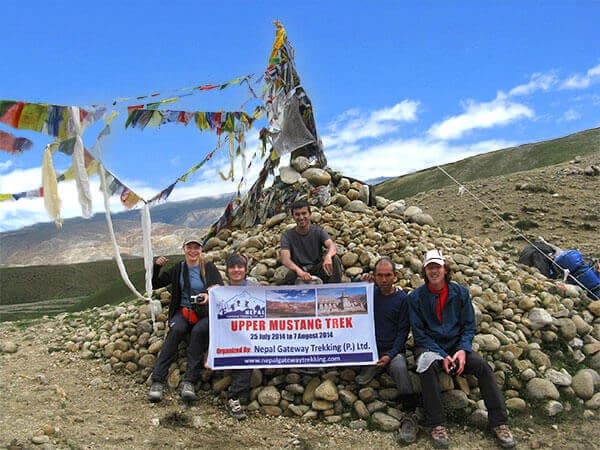
- Prayer flags on rooftops and hills
- Mani walls carved with sacred texts
- Locals spinning prayer wheels while walking
Monasteries serve as spiritual and social centres. Monks and elders are also highly respected. Visitors are expected to dress modestly, speak softly near religious sites, and observe local customs.
Tiji Festival and Local Celebrations
The Tiji Festival is Lo Manthang's most important cultural event and a highlight of Upper Mustang. It is a three-day religious festival held once a year within the walled city. During Tiji, monks perform masked dances to represent the triumph of good over evil and the protection of the land. Villagers dress in traditional attire, and monasteries become the hub of activity.
As a result, the entire community feels united during the celebration. In addition to Tiji, smaller religious ceremonies occur throughout the year. These events help to preserve traditions and transmit cultural values to future generations.
If understanding people and culture matters to you, Nepal Gateway Trekking can help you plan a trip that goes beyond sightseeing and connects with local life.
How to reach Lo manthang: Route, Difficulty, Duration & Travel Options
Most itineraries for the Lo Manthang trek last 12 to 14 days. On average, trekkers walk 5 to 7 hours a day, depending on the terrain and altitude. The Lo Manthang trek difficulty is considered moderate. The trails are wide and mostly non-technical, with fewer steep climbs than many Himalayan treks. However, because the trek stays above 3,000 metres for several days, altitude still needs attention.
Lo Manthang Trekking Route
The standard Lo Manthang trekking route begins in Jomsom and enters Upper Mustang at Kagbeni, where permits are checked. Jomsom acts as the main starting point for journeys into Upper Mustang.
- Jomsom to Kagbeni: official gateway to Upper Mustang
- Kagbeni to Chele and Ghami: steady walking through dry valleys
- Ghami to Tsarang: historic villages and open views
- Tsarang to Lo Manthang village: final walk to the walled capital
Because the route gains altitude gradually, most trekkers adjust well when they walk at a steady pace.
Routes to Lo Manthang: Trekking, Jeep & Flight Comparison
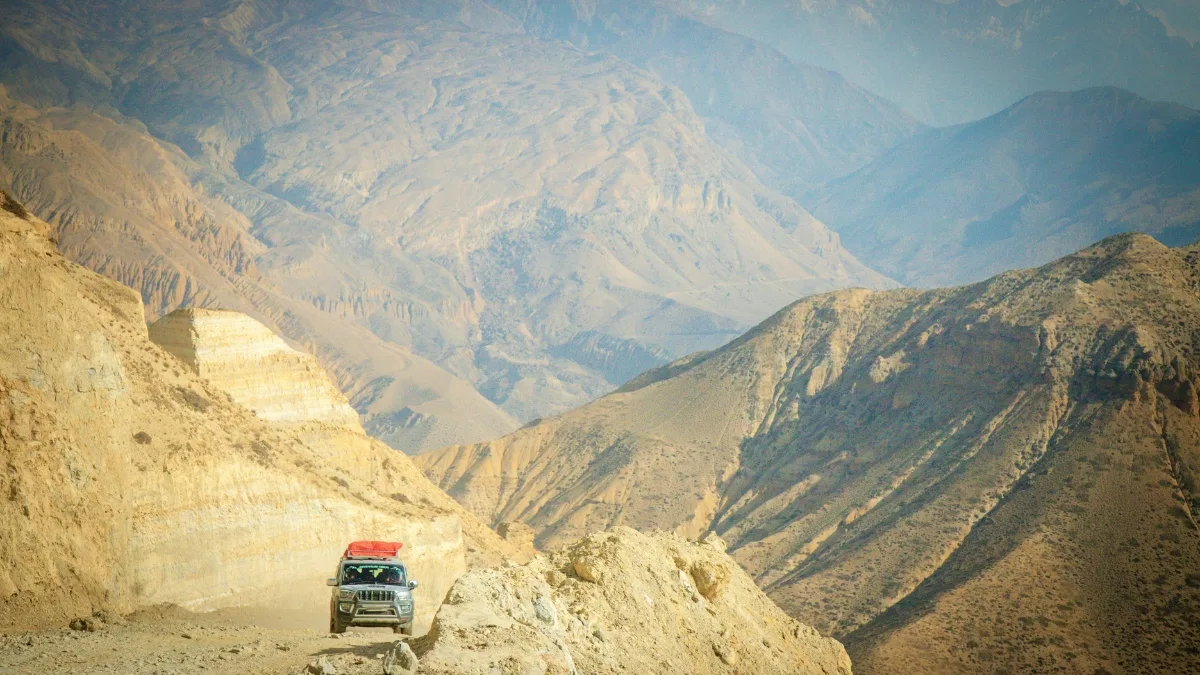
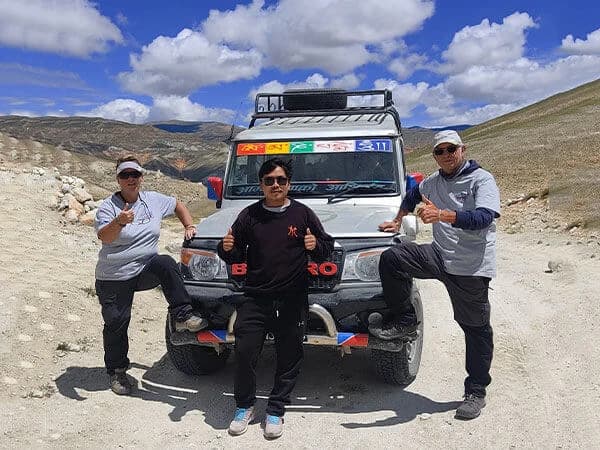
Travellers can reach Lo Manthang either by trekking or by jeep, and each option offers a different experience. Trekking allows for gradual altitude gain and time spent in villages, which helps with acclimatisation and cultural understanding.
|
Route option |
Travel style |
Distance covered |
Total time |
Suitable for |
|
Trekking route |
You walk village to village with gradual altitude gain. |
About 120 km on foot. |
12–14 days. |
Travellers who want culture and better acclimatization. |
|
Jeep route |
You travel mainly by jeep with short walks. |
About 160 km by road. |
6–8 days. |
Travellers with limited time. |
|
Flight-assisted route |
You fly to Jomsom and continue by jeep. |
Flight plus road distance. |
5–7 days. |
Travellers who prefer comfort and speed. |
Reaching Upper Mustang and Lo Manthang can feel confusing at first, especially with permits and route choices. Our Upper Mustang trek guide explains the best ways to get there, step by step, so you can plan with confidence.
Why Permits Are Required for Lo Manthang?
Since Lo Manthang Nepal lies inside a restricted border area, most visitors must carry official permits and valid documents. Without them, entry is not allowed, even if you have already reached nearby trekking routes.
Permits also help authorities keep an eye on travellers in an isolated, high-altitude area with few roads, medical facilities, and rescue services. As a result, the permit system promotes traveler safety and cultural preservation.
How to Secure Permits for Lo Manthang?
Permits for Lo Manthang Upper Mustang cannot be obtained independently. Travellers must apply through a registered trekking agency in Nepal. The agency submits passport details, travel dates, and the planned Lo Manthang trekking route to the immigration department.
Restricted Area Permit (Upper Mustang) – Estimated Cost
The Restricted Area Permit is the main permit required for the Lo Manthang trek.
For most foreign travellers, the estimated cost is:
- USD 500 per person for the first 10 days
- USD 50 per extra day beyond the initial period
Nepali citizens do not require this permit, while SAARC nationals may follow different cost rules. Because permit fees can change, these prices should always be treated as estimates and confirmed through a trekking agency.
Annapurna Conservation Area Permit (ACAP) – Estimated Cost
Along with the restricted permit, ACAP is also required because Lo Manthang Nepal falls within the Annapurna Conservation Area.
Estimated ACAP cost:
- Foreign nationals: NPR 3,000 per person
- SAARC nationals: NPR 1,000 per person
- Nepali citizens: Not required
This permit helps fund trail maintenance, environmental protection, and local community projects across the Annapurna region
If you want a better idea of the real cost of trekking to Lo Manthang Upper Mustang, our Upper Mustang trekking fee update blog breaks down expenses so you can plan your budget with confidence.
Why a Licensed Guide Is Mandatory in Lo Manthang?
Upper Mustang regulations require all visitors to travel with a licensed trekking guide. Independent trekking is not allowed.
Guides help manage permits, support safety in remote areas, and ensure respectful travel in local communities. For this reason, trips to Lo Manthang must be arranged through a registered trekking company.
Best Time to Visit Lo Manthang (Season, Weather & Temperature)
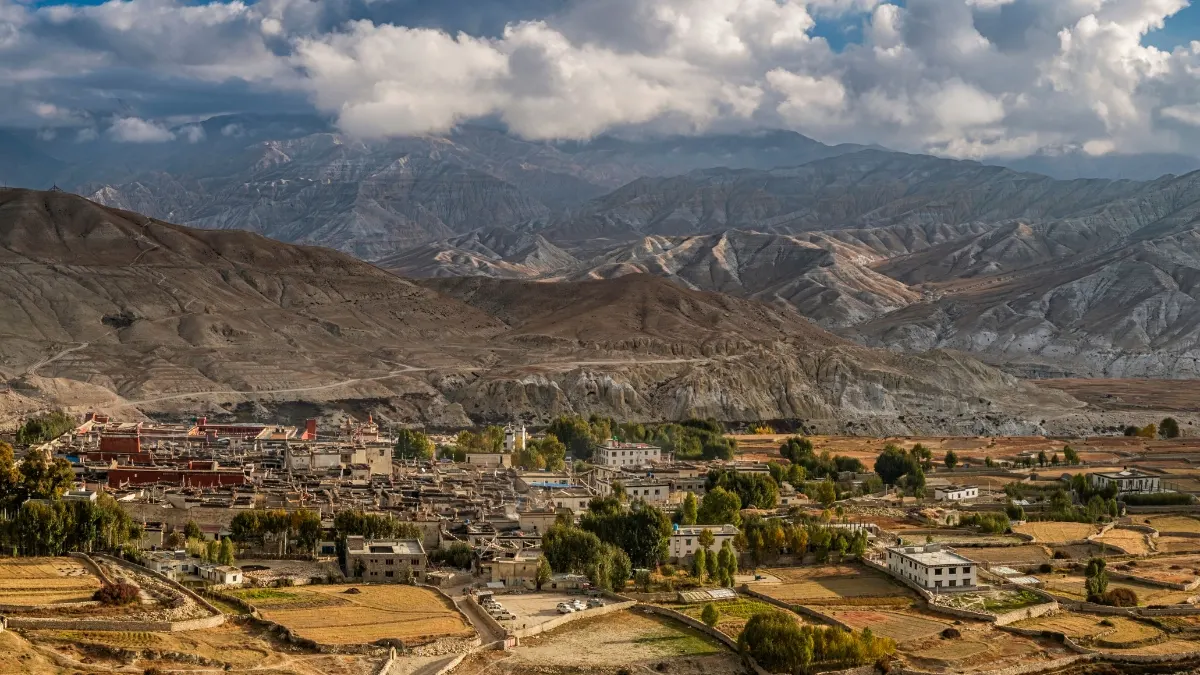
Choosing the right season is important when planning a trip to Lo Manthang. Because Lo Manthang Upper Mustang lies in a rain-shadow area, its climate is drier than most trekking regions in Nepal.
Spring (March–May)
Spring is one of the best times to visit Lo Manthang. During this season, Lo Manthang weather stays stable, daytime temperatures are mild, and walking conditions are comfortable. Trails are clear, and the journey feels balanced and enjoyable.
Summer (June–August)
Summer is suitable in Upper Mustang. While most parts of Nepal receive heavy rain, Lo Manthang temperature remains mostly dry due to its location. As a result, trails are quieter, making this a good choice for travellers who prefer fewer crowds.
Autumn (September–November)
Autumn is the most popular trekking season. Weather conditions are steady, skies are often clear, and temperatures are pleasant. This time of year is also great for getting to know the culture of Lo Manthang Nepal.
Winter (December–February)
Winter is cold, especially at night. Snow and low temperatures can make travel challenging, and some services may be limited. Therefore, winter travel is best suited for well-prepared and experienced trekkers.
Overall, spring and autumn offer the safest and most comfortable conditions to explore Lo Manthang Upper Mustang.
Visiting Lo Manthang Upper Mustang feels very different in each season. Our Best Time to Visit Upper Mustang blog explains what to expect month by month.
Responsible Travel in Lo Manthang: Safety, Altitude & Tips
Safety and responsible travel matter because Lo Manthang is both fragile and remote. Medical facilities are limited, and traditions are deeply valued. When travellers prepare well, walk slowly, and respect local rules, they protect their own health and the region’s heritage.
Responsible Travel and Respect for Local Culture
Responsible travel is essential in Lo Manthang, as the region is culturally sensitive and protected. Visitors are guests in a living community, not just tourists. Responsible behavior includes:
- Respecting monasteries and religious practices
- Dressing modestly in villages and sacred places
- Asking permission before taking photos of people
- Following restricted area rules and permit regulations
- Travelling only with a licensed guide, as required
As a result, respectful travel helps protect Lo Manthang culture and supports local communities.
Health, Packing & Weather Safety Tips
On the Lo Manthang trek, packing decisions and health are crucial to safety. Being ready is crucial because Upper Mustang experiences dust, cold winds, and intense sunlight.
The key safety tips include:
- Carry warm layers, even in warmer months
- Use sun protection such as hats and sunscreen
- Bring personal medication and a basic first-aid kit
- Protect eyes and face from wind and dust
In addition, mountain weather can change quickly. Therefore, checking daily conditions helps adjust walking hours safely.
Responsible travel begins with the right guidance. Get in contact with Nepal Gateway Trekking to plan a journey that respects culture, community, and nature.
Final Thoughts
Lo Manthang is not just a destination; it is a living museum of history, culture, and tradition in Upper Mustang. From the ancient walled city and monasteries to daily village life shaped by Tibetan Buddhist beliefs, Lo Manthang offers an experience that feels untouched and deeply meaningful. When traveling responsibly and at a slow pace, the journey becomes both safe and rewarding.
Although Nepal Gateway Trekking does not offer separate Lo Manthang-only packages, our Upper Mustang trek packages include trekking to Lo Manthang and exploring its villages, monasteries, and surrounding landscapes as part of a complete journey.
Ready to explore the hidden kingdom of Upper Mustang and walk through Lo Manthang?Travel with Nepal Gateway Trekking for safe planning, expert guidance, and a smooth Upper Mustang trek. Contact us Now!
For official tourism information and general guidance, readers can also consult the Nepal Tourism Board for Lo Manthang Upper Mustang.
FAQs
What is the meaning of Lo Manthang?
Lo Manthang means the “walled city of Lo” and refers to the historic capital of the former Mustang Kingdom in Upper Mustang.
Why is Lo Manthang called the forbidden city?
Lo Manthang is called the forbidden city because it remained closed to foreign travellers for many years due to restricted travel regulations.
Is Lo Manthang located in Upper Mustang?
Yes, Lo Manthang is located in the Upper Mustang region of northern Nepal near the Tibetan border.
What can travellers do in Lo Manthang?
Travellers in Lo Manthang can explore monasteries, walk inside the walled city, experience village life, and enjoy the unique desert landscape.
How high is Lo Manthang village?
Lo Manthang village lies at an altitude of around 3,800 metres above sea level.
Do you need special permits to visit Lo Manthang?
Yes, visitors need a Restricted Area Permit for Upper Mustang along with an Annapurna Conservation Area Permit.
Is the Lo Manthang trek suitable for beginners?
The Lo Manthang trek is suitable for beginners with basic fitness, proper acclimatization, and guided support.
When is the best time to visit Lo Manthang?
The best time to visit Lo Manthang is during spring and autumn when weather conditions are more stable for trekking.