Hitting the Manaslu Circuit Trek is one of the best adventures you can find in the Nepal Himalayas. But since the trail goes through protected spots and restricted zones right by Mount Manaslu, you can't just show up and walk. You’ve got to sort out a few permits before you even start.
The whole Manaslu Circuit Trek permit setup is basically there to keep the trekking numbers in check, protect the nature, and help out the local people living there. To do the trek the right way, you actually need four different permits: the Restricted Area Permit (RAP), the Manaslu Conservation Area Permit (MCAP), the Annapurna Conservation Area Permit for the Manaslu trek, and a permit from the Chumnubri Rural Municipality.
This guide breaks down all the permits required for the Manaslu Circuit Trek, what the Manaslu Circuit Trek permit costs, and how to get a Manaslu Circuit Trek permit without a headache. We’ll also cover the documents required for the Manaslu permit, so you’re actually ready for the mountains.
What Permits Are Required for the Manaslu Circuit Trek?
If you’re planning to head out into the Manaslu region, you’re going to need four different permits. Basically, you need three main permits: the Manaslu Restricted Area Permit (RAP), the Manaslu Conservation Area Permit (MCAP), and the Annapurna Conservation Area Permit (ACAP). There’s also a local Chumnubri Rural Municipality Permit you have to pick up along the way.
Restricted Area Permit (RAP)
The Restricted Area Permit is the big one. It’s the most important permit for the Manaslu trek by far. The stretch between Jagat and Sama Gaun is officially a restricted trekking area, which basically means you can't just go wandering off by yourself, independent trekking is not allowed here.
The main reason for this permit is to control how many people are heading into the region. It helps keep the local culture and the environment from getting overwhelmed by too many tourists at once.
Manaslu Conservation Area Permit (MCAP)
Then you’ve got the Manaslu Conservation Area Permit. This one is what lets you actually enter the protected forests and the villages inside the conservation area. It’s a pretty cool spot with tons of wildlife, old-school Himalayan villages, and some of the best mountain views you’ll ever see.
Plus, the money from this permit goes straight into protecting the environment and helping out with projects for the local communities.
Annapurna Conservation Area Permit (ACAP)
Now, this is where it gets a little tricky. Even though you’re on the Manaslu Circuit Trek, the trail eventually drops you into the Annapurna Conservation Area once you get over the Larkya La Pass.
Because of that, you also have to grab an Annapurna conservation area permit(ACAP) for the Manaslu trek. It’s what lets you finish the journey down through Dharapani and the other villages on that side.
Chumnubri Rural Municipality Permit
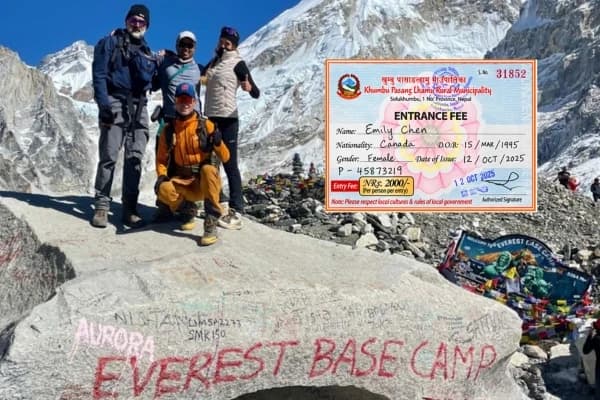
This is a local permit from the Chumnubri municipality. They’re the ones who look after a lot of the villages you’ll be walking through. You’ll usually have this checked at local stops like Jagat. It’s not just paperwork, the fees go right into fixing up local trails and bridges.
Optional Tsum Valley Permit
If you’re thinking about taking a detour to Tsum Valley while you’re out there, you’re going to need an extra Tsum Valley permit. That area is super unique and feels like it hasn't changed in centuries, so they keep it even more restricted than the main circuit.
Manaslu Circuit Trek Permit Cost
The Manaslu Circuit Trek permit cost mostly depends on when you decide to go and what your nationality is. For the most part, the prices stay the same all year, but the Manaslu restricted area permit actually changes its price based on the season.
Restricted Area Permit Cost
If you’re trekking in the autumn (September to November), it’ll cost you USD 100 per person for the first 7 days, and then USD 15 for every extra day you’re out there. If you go during winter, spring, or summer (December to August), it’s a bit cheaper at USD 75 for the first week and USD 10 for each day after that.
Conservation Area Permit Fees
You also have to factor in the Manaslu Conservation Area Permit (MCAP) and the Annapurna Conservation Area Permit (ACAP). Both of these cost about USD 30 (or NPR 3,000) for foreigners and NPR 1,000 if you’re from a SAARC country. These Manaslu trekking permit fees are basically what pay for the conservation work and help out the local villages along the way.
Local Municipality Permit Fee
Then there’s the Chumnubri Rural Municipality Permit. This one is around NPR 2000 (approx. USD 15) for foreigners. It’s a local fee that goes straight into keeping the trails and bridges in good shape for everyone.
Optional Tsum Valley Permit Cost
If you want to add Tsum Valley to your trip, you’re looking at another permit. In the busy autumn season, it’s USD 40 for the first week. Any other time of year, it drops down to USD 30.
You should know the best time for Manaslu Circuit Trek before preparing your journey.
Manaslu Circuit Trek Permit Cost
The Manaslu Circuit Trek permit cost is mostly driven by the RAP since that’s the one that fluctuates. Here’s a quick look at the breakdown:
|
Permit Type |
Cost (Foreigners) |
Cost (SAARC) |
|
RAP (Sept – Nov) |
$100 (1st week) + $15/day |
Same as Foreigners |
|
RAP (Dec – Aug) |
$75 (1st week) + $10/day |
Same as Foreigners |
|
MCAP |
NPR 3,000 (approx. $23) |
NPR 1,000 |
|
ACAP |
NPR 3,000 (approx. $23) |
NPR 1,000 |
|
Chumnubri Local Fee |
NPR 2,000 (approx. $15) |
NPR 1,000 |
Pro Tip: The local municipality fee is now consistently NPR 2,000 for foreigners and is typically collected in cash at the Jagat checkpoint.
How to Get a Manaslu Circuit Trek Permit?
Getting your hands on a Manaslu permit is a little different than other treks because the government classifies this as a restricted area. You can't just handle the paperwork yourself; the process is set up so you have to go through the right channels.
Apply via an Agency
First off, you absolutely have to use a registered trekking agency in Nepal. Since solo trekking isn't allowed, the agency acts as your middleman. They take your documents and submit everything to the Department of Immigration in Kathmandu for you. You also need a group of at least two trekkers (not including the guide) to even get the restricted area permit approved.
Plan for "Kathmandu Days"
One thing people often forget is that the Department of Immigration isn't open 24/7. They’re closed on Saturdays and during public holidays. Because of that, you need to make sure your itinerary has at least one full working day (Sunday to Friday) in Kathmandu. This gives your agency enough time to get the permits processed before you head out.
Digital Tracking
As of 2026, things have gotten a bit more high-tech. Major checkpoints like Jagat and Namrung are now using digital tracking systems. Your guide will handle the actual scanning at these posts, but it’s a smart move to keep a digital scan of all your permits on your phone just in case the paper copies get soggy or lost.
No TIMS Required
For the standard Manaslu Circuit Trek, you don't actually need a TIMS card. The Restricted Area Permit (RAP) basically does the same job of tracking where you are. The only time you’d need a TIMS card is if you decide to keep going deep into the Annapurna Circuit past Besisahar once you finish the Manaslu loop.
What are the Documents Required for Manaslu Trek Permits?

To get your permits sorted, you’re going to need to send a few things over to your trekking agency. Since the Manaslu restricted area permit is processed through the Department of Immigration, they’re pretty strict about having the right paperwork.
Here’s the basic list of documents required for Manaslu permit applications:
- A valid passport: It needs to have at least six months of validity left, or they won't even look at it.
- A copy of your Nepal visa: Your agency needs to see that your entry into the country is all legal.
- Two passport-sized photographs: These are for the physical permit cards you’ll carry with you.
- Travel insurance details: Make sure your policy covers high-altitude trekking and emergency helicopter evacuation. They’ll ask for the policy number and the emergency contact for your insurance provider.
One thing to keep in mind is that as of 2026, many agencies prefer these as high-quality digital scans for the online application system. Also, your agency will eventually need your original passport for a few hours in Kathmandu to get the final verification stamp from the Department of Immigration.
How to Apply for the Manaslu Restricted Permit Online?
A common point of confusion for trekkers is whether they can apply for the Manaslu permit on their own through a website.
- The Short Answer: You cannot apply for the Restricted Area Permit (RAP) personally.
- The Process: While the application is processed through the Department of Immigration’s online portal, access to this system is restricted to government-authorized trekking agencies.
To "apply online," you simply send digital copies of your documents (Passport scan, visa, and photo) to your chosen trekking agency. They will then:
- Upload your details to the Immigration Trekking Agency Portal.
- Visit the Department in person with your original passport to verify the visa and collect the physical permit.
Note: You can, however, apply for the MCAP and ACAP permits yourself via the NTNC Online Permit portal, but most trekkers find it easier to let their agency handle all four permits at once.
Can You Trek Without the Manaslu Permit?
No, you cannot trek Manaslu without a permit. It is completely illegal and honestly impossible to pull off because of the high security near the border. Since 2023, the rules have stayed strict, and as of 2026, those digital tracking systems at the checkpoints make it even harder to slip through.
Strict Checkpoints
Starting at Jagat, you’ll hit at least five major checkpoints where your RAP and conservation permits get logged into a central system. They check your paperwork against your passport every time, so there’s really no way to bypass it.
Legal Consequences
If you’re caught without the right permits, you’re looking at immediate deportation from the trail and some pretty heavy fines. You might even get a long-term ban from trekking in Nepal altogether, which just isn't worth the risk.
The Guide Factor
Because a licensed guide is mandatory for the Manaslu Circuit Trek, no professional is going to risk their career or their license to take someone out there without legal paperwork. It’s a group-based system now, so everything has to be done by the book through an agency.
Since many trekking destinations in Nepal need guides, you must be worry about the legal establishment of them. Nepal Gateway Trekking is a trusted agency in Nepal whom you can trust and start your planning for Nepal.
Checkpoints for the Manaslu Trek Permit
As you move along the circuit, your permits will be verified at specific intervals. Your guide will handle the "signing in" process, but you should have your physical permits and passport handy.
- Jagat: This is the most critical entry point. Your RAP is first registered here, and the local municipality fee is collected.
- Philim: A secondary check where both the RAP and MCAP are verified.
- Namrung: A mid-region checkpost that monitors all trekkers heading toward the higher villages of Lho and Samagaun.
- Samagaun: The final check before you enter the high-altitude acclimatization zone and prepare for the Larkya La Pass.
- Dharapani: The exit point. Here, your Manaslu logs are officially closed, and your ACAP permit is checked as you join the Annapurna Circuit trail.
Manaslu Trek Permit Requirements and Rules
Because the Manaslu region is a restricted zone, you’ve got to follow some specific government regulations. These aren’t just suggestions; they are strictly enforced at checkpoints like Jagat to make sure everyone stays safe and the local culture stays protected.
Mandatory Rules at a Glance
To even get your permits processed, you have to meet these three non-negotiable points:
- Minimum of Two Trekkers: You can't actually get a Manaslu Restricted Area Permit if you’re travelling solo. The rule is that at least two trekkers have to travel together to get the permit approved.
- Licensed Guide Requirement: It is 100% mandatory to be accompanied by a guide requirement for Manaslu trek]for the entire trip. You can't just hire a random local or go it alone; they have to be a professional with a government license.
- Registered Agency: You cannot apply for the RAP yourself. All the paperwork has to be filed by a registered Nepali trekking agency.
Restricted Area Regulations
The rules go beyond just the paperwork. While you’re on the trail, you’ve got to keep these things in mind:
- Check-in Protocol: Your guide has to present your original permits and passport at every major checkpoint, like Jagat, Deng, and Samagaun.
- Strict Itinerary: You need to stick to the entry and exit dates listed on your permit. If you want to spend extra time acclimatizing in a village, your agency needs to account for that when they first apply.
- No Solo Detours: Even if you’re with a group, you aren't allowed to wander off into side valleys or toward the border alone. This is especially true for the sensitive areas between Samdo and the Larkya La Pass.
Environmental and Cultural Rules
Since you’re walking through a conservation area, there are a few extra guidelines to follow:
- Waste Management: You're expected to carry out whatever trash you bring in, don't leave anything behind.
- Respect Local Customs: The Manaslu region is deeply spiritual. Always walk to the left of Mani walls and prayer wheels, and it's always polite to ask before taking photos inside monasteries.
- Drone Restrictions: If you’re planning on bringing a drone, you’ll need a separate set of permits. Flying one without the right paperwork can lead to your gear getting confiscated.
Final Thoughts
The permit system for the Manaslu Circuit Trek is there to keep the region’s natural beauty and local culture protected while making sure things stay regulated. Even though the process involves balancing four different permits, it’s not something you have to stress over, most trekking agencies will handle the entire stack of paperwork for you.
Once those permits are in your pocket, you can stop worrying about the red tape and focus on the trek itself. Between the massive mountain views, the quiet Himalayan villages, and the push to get over the Larkya La Pass, it’s easily one of the most spectacular routes in Nepal. If you’re looking for a smooth experience, booking with Nepal Gateway Trekking makes it even easier to just show up and enjoy the adventure.
FAQs About Manaslu Circuit Trek Permits
How many permits are required for the Manaslu Circuit Trek?
Trekkers need four permits: the Restricted Area Permit (RAP), Manaslu Conservation Area Permit (MCAP), Annapurna Conservation Area Permit (ACAP), and the Chumnubri Rural Municipality permit.
Do you need a guide for the Manaslu trek?
Yes. The Manaslu region is restricted, so you must be accompanied by a licensed guide. Solo trekking isn’t allowed.
Can you trek Manaslu independently?
No. Independent trekking isn’t permitted in the restricted sections. Your trekking agency must arrange the Manaslu Circuit Trek permit and guide.
Is a TIMS card required for the Manaslu Circuit Trek?
Not usually. A TIMS card is only needed if you continue into the Annapurna Circuit after Dharapani.
What documents are needed for the Manaslu trek permit?
You generally need a valid passport, passport-size photos, and sometimes proof of your trekking agency booking for the Manaslu Trek Permit.
Can SAARC nationals pay in local currency for permits?
Yes. SAARC nationals can pay in NPR for most permits, like MCAP, ACAP, and the local municipality fee.