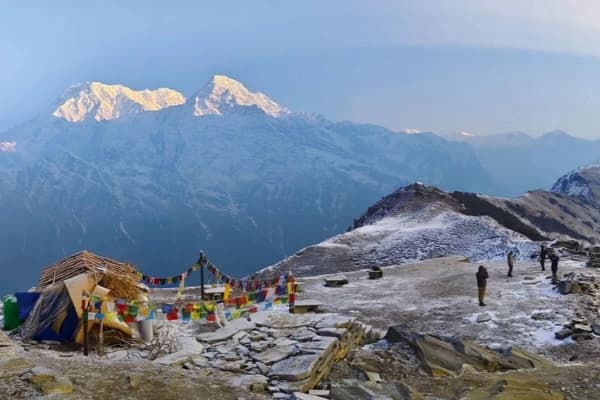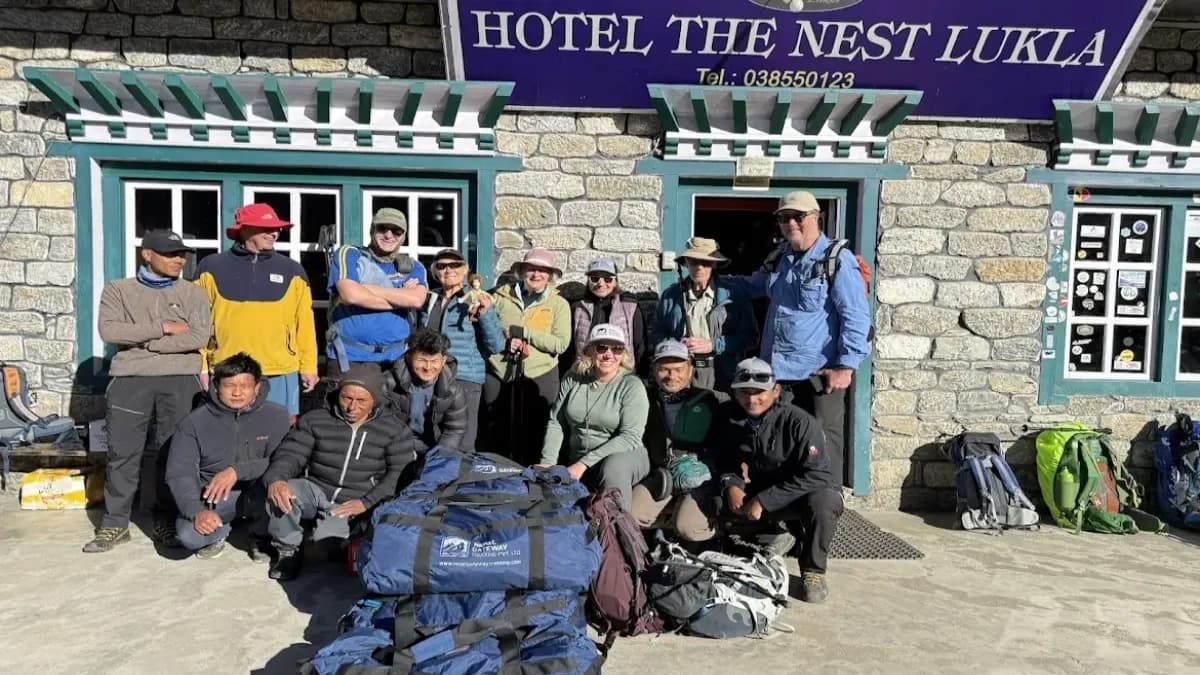
When planning the journey to Everest Base Camp, most trekkers focus on the mountains, the altitude, and the famous trail that leads toward Mount Everest.
But before stepping onto the trail, two practical questions always come up.
What will trekkers eat every day?
And where do trekkers stay during the trek?
The good news is that the Everest Base Camp route is one of the best-supported trekking trails in the Himalayas. Over the years, a reliable tea house system has developed along the route. These small mountain lodges provide food, shelter, and warmth to trekkers walking through the Khumbu region.
From Lukla all the way to Gorak Shep, trekkers will find tea houses in every village along the trail.
The experience is simple, local, and welcoming. After a long day of hiking in the mountains, a warm meal and a comfortable bed often feel better than any luxury hotel.
How the Tea House System Works?
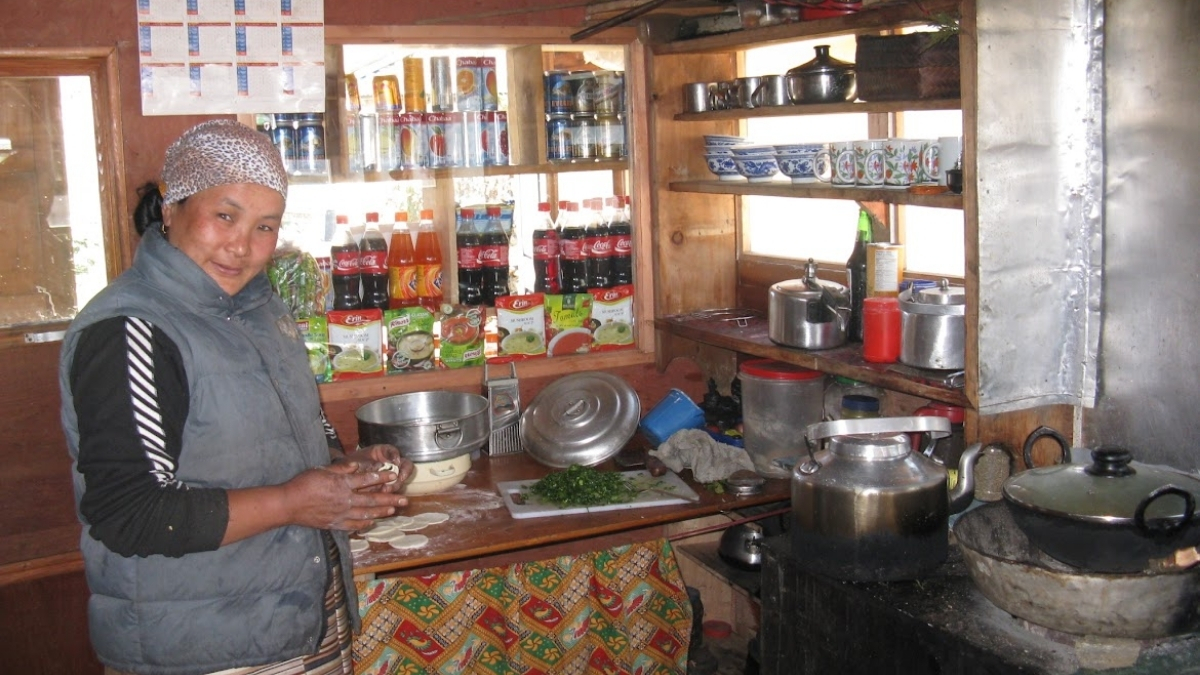
The Everest Base Camp trek relies on the tea house trekking system. Instead of hauling tents and camping equipment, you’ll stay in small, cozy lodges run by local families.
Many of these spots are managed by the Sherpa community, who have been the backbone of trekking and mountaineering expeditions in this region for decades.
Life Inside a Tea House
A typical lodge serves as your base of operations, usually offering:
- A shared dining room warmed by a central stove
- Simple bedrooms with twin beds
- A kitchen preparing fresh, hearty meals
- Shared bathrooms
The dining room is the heart of every tea house. In the evening, trekkers naturally drift toward the stove to eat dinner, thaw out, and swap stories about the day’s hike. It’s a social hub where guides check in on how everyone is adjusting to the altitude and map out the next day’s route.
Villages Along the Trail
You’ll find tea houses tucked into almost every village, including:
- Namche Bazaar
- Tengboche
- Dingboche
- Lobuche
- Gorak Shep
While the level of comfort shifts slightly from village to village, they all provide the essential warmth and hospitality trekkers need to keep moving forward.
You can experience the living example of tea house trekking in Nepal with the help of registered trekking agency, Nepal Gateway Trekking. You dont have to worry about unknown trials while booking with us.
Eating on the Everest Base Camp Trek
Food on the Everest Base Camp trek is simple, hearty, and specifically designed to fuel you through long trekking days.
Because every supply must be hauled into the mountains by porters or yaks, meals rely on ingredients that are easy to transport and quick to prepare. Despite these remote conditions, the variety of food you'll find on the trail often comes as a pleasant surprise to first-time trekkers.
The Most Popular Trekking Meal: Dal Bhat
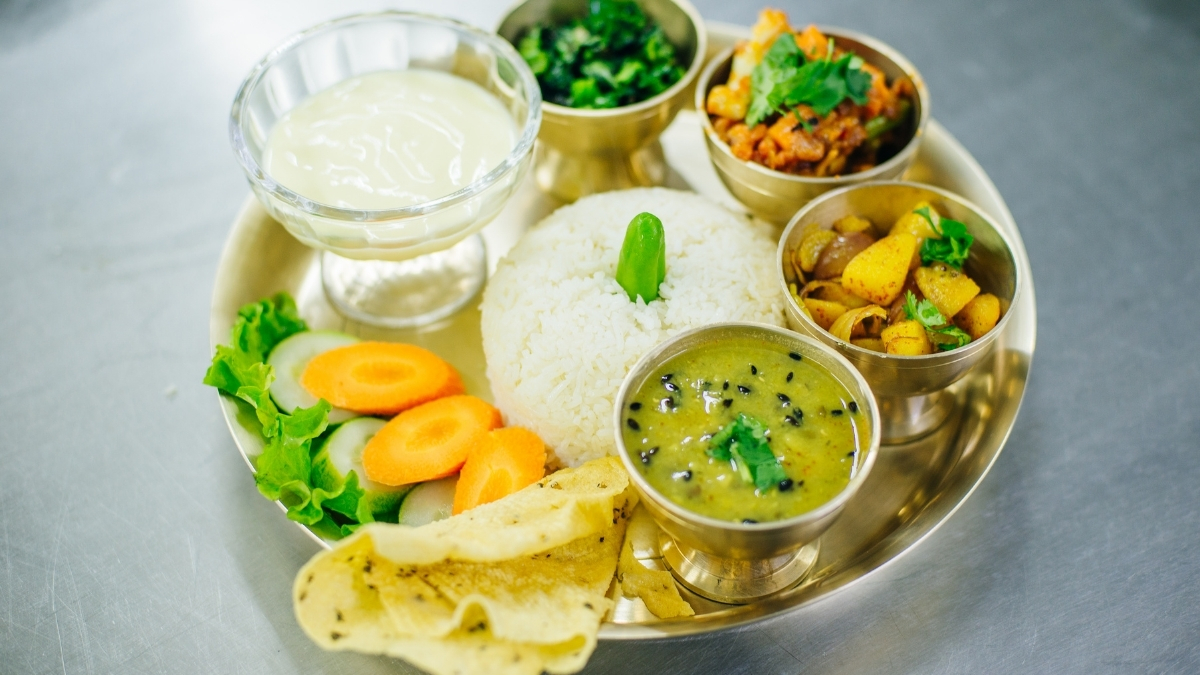
The absolute staple of the trail is Dal Bhat. This traditional Nepali meal is a hearty platter that typically includes:
- Steamed rice
- Lentil soup
- Vegetable curry
- Pickles (achar)
- Occasionally potatoes or spinach
You’ll quickly hear a favorite saying among guides and locals: “Dal Bhat power, 24 hour.” While it sounds like a catchy joke, there’s real truth to it. Dal Bhat delivers the steady energy and essential nutrients required for trekking at high altitudes.
Another major perk? Most tea houses offer free refills, making it hands-down the best value for hungry trekkers looking to fuel up for the next climb.
Trekking guide insight
Experienced guides usually recommend eating dal bhat at least once a day during the trek. It is freshly prepared, warm, and less likely to cause stomach problems compared to heavier or imported foods.
Other Common Meals on the EBC Trek
Besides dal bhat, tea house menus include many other famous Nepali food and drinks that trekkers enjoy after a long day on the trail.
Popular meals on EBC Trek include:
- Momo
- Egg
- Bread / Jam
- Thukpa
- Sherpa Stew
- Fried rice
- Noodle soup
- Spaghetti or pasta
- Vegetable curry
Menus are surprisingly international. Some tea houses even serve:
- Pizza
- Pancakes
- Burgers
Trekking guide insight
Most experienced trekkers choose simple meals as the altitude increases. Local dishes are easier to digest and usually prepared with fresh ingredients available in the region.
Starting Your Day: Breakfast on the Trail
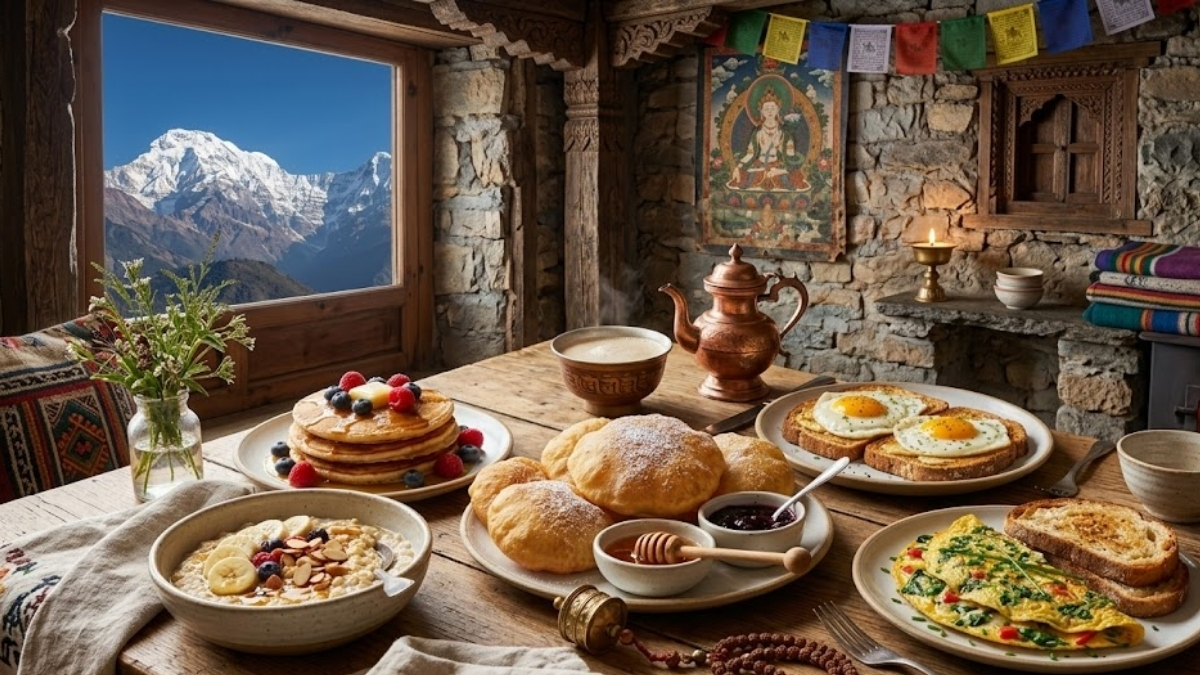
Breakfast is usually a cozy, early-morning ritual served before the day’s trek truly begins. Most trekkers aim to hit the trail between 7 AM and 8 AM, so a solid meal is essential for fueling those long, uphill stretches ahead.
On a typical tea house menu, you’ll find classic mountain fuel like:
- Tibetan Bread (deep-fried and delicious with honey or jam)
- Warm Porridge
- Pancakes
- Omelets
- Toast and eggs
In the crisp mountain air, a hot drink is more than just a beverage, it’s a way to thaw out. You’ll often see trekkers clutching mugs of:
- Masala Chai
- Traditional Butter Tea
- Ginger Tea
- Fresh Coffee
A Note from the Guides:
You’ll likely hear your guide suggest garlic soup or ginger tea quite often. Local expertise points to these as secret weapons for circulation and staying hydrated, which can make a world of difference as the altitude starts to climb.
Dinner Experience in Tea Houses
Dinner usually comes around between 6 PM and 8 PM. By this time, most of us have finally made it to the tea house, shed our heavy trekking boots, and bundled up in warm layers for the evening.
The dining room slowly starts to buzz as trekkers from all over the world drift in. Everyone gathers around the central stove to soak up the heat and share a meal. You’ll usually find those reliable, comforting favorites on the menu:
- Soup
- Rice dishes
- Noodles
- Dal bhat
Guides are always there to encourage you to finish your plate, even if the altitude is messing with your appetite. Your body is working overtime to stay warm in the cold temperatures and thin air, so these meals are actually vital for keeping your strength up.
At the end of the day, the food is simple but so satisfying, it’s exactly what you need to recharge for the next day's adventure in the Himalayas.
Experience cannot be explained in blog, better live it. Contact Nepal Gateway Trekking to spend your adventurous time in the Himalayas of Nepal.
Accommodation on the Everest Base Camp Trek
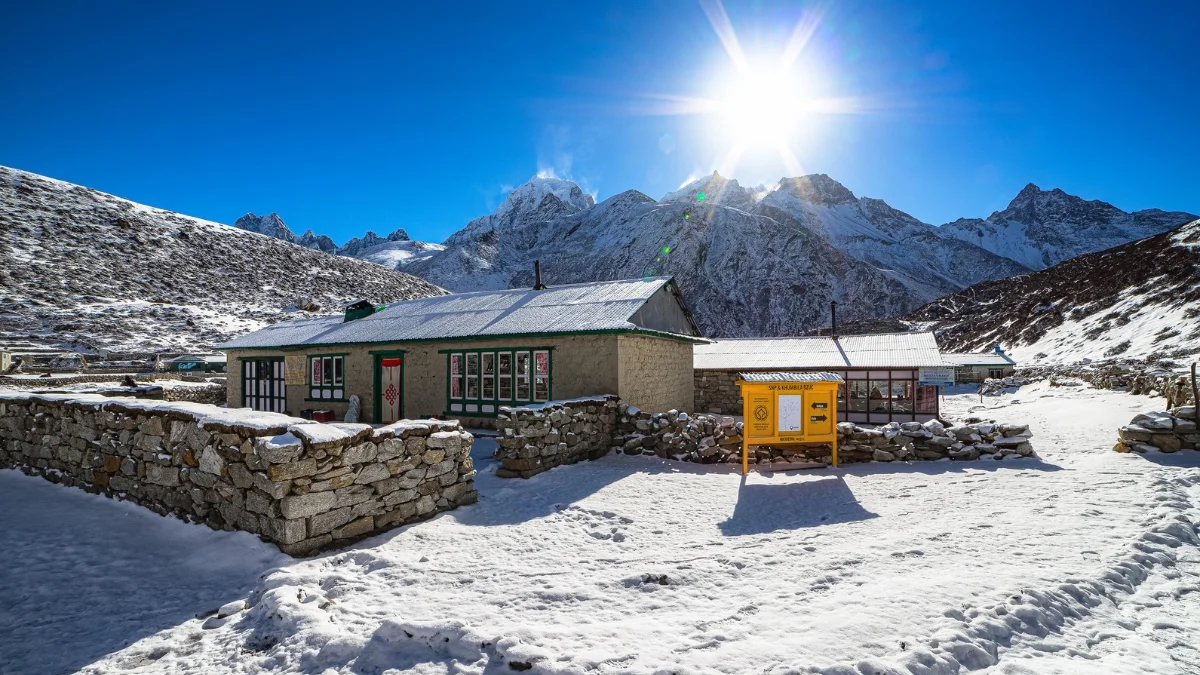
Finding a place to stay on the trek to Everest Base Camp is all about simplicity and practicality. These spots are built specifically for trekkers who spend long, grueling hours walking through the mountains. Along the trail, you’ll mostly be staying in tea houses, which are cozy little lodges run by local families.
These tea houses offer a much-needed warm spot to rest, grab a meal, and catch some sleep after a full day of trekking through the Khumbu region toward Mount Everest.
The comfort level isn't exactly what you’d find in city hotels, but after hours of hiking mountain trails, crossing suspension bridges, and tackling steep uphill paths, even the most basic bed feels like a luxury.
What Tea House Rooms Are Like?
Rooms in Everest tea houses are typically basic, but they get the job done. Most lodges provide twin-sharing rooms with very simple furniture.
In a typical room, you’ll find:
- Two single beds
- A mattress, pillow, and blanket
- Wooden walls or stone walls
- A small window
One thing to keep in mind is that the rooms aren’t heated, heating systems are just too difficult to maintain at such high altitudes. Instead, everyone hangs out in the dining room, which usually has a stove that makes it the warmest spot in the lodge during the evening.
Most trekkers spend their time in the dining hall before heading off to bed.
Guide tip: Carrying a warm sleeping bag is always recommended. While tea houses provide blankets, nights above 4,000 meters can become very cold.
Where Trekkers Stay Along the Route?
You’ll find a place to crash in almost every village along the Everest Base Camp route. Some of the most popular overnight stops where people usually pull up for the night include:
- Namche Bazaar
- Tengboche
- Dingboche
- Lobuche
- Gorak Shep
In the lower villages, the lodges are actually pretty well-developed; you might even snag a room with a private bathroom or better facilities. As the trail climbs higher, though, things get much simpler just because of how remote it is. But no matter where you are, every stop along the trail still covers the essentials you need to keep going.
Bathroom and Facilities in Tea Houses
The facilities you’ll run into really depend on the altitude and how big the village is. In a larger hub like Namche Bazaar, many tea houses are actually quite well-equipped with:
- Attached bathrooms
- Hot showers (sometimes for a small fee)
- Wi-Fi connection
- Charging stations
Once you hit those higher villages, things become more limited. You’ll usually be sharing bathrooms with others and paying a bit extra for a hot shower or to charge your phone.
Even with the limitations, tea houses do a great job of keeping things comfortable despite being in such a remote mountain environment.
Trekkers insight: Electricity is limited in higher villages. Charging phones, cameras, or power banks usually costs a small fee.
Why Tea Houses Are Such a Big Part of the Trek?
At the end of the day, tea houses are way more than just a spot to sleep. They’re actually a massive part of the whole trekking culture here in the Everest region.
Since these lodges are run by local families, many of them from the Sherpa community, there’s a level of hospitality that makes you feel welcome, even when you’re in a remote village miles from anywhere. Some of the best moments of the trip happen right in the dining room: grabbing a meal, huddled around the stove to thaw out, and just talking with other trekkers.
For a lot of people, those simple, quiet nights in a tea house end up feeling just as special as the moment they finally stand at Everest Base Camp.
Cost of Food and Accommodation on the Everest Base Camp Trek
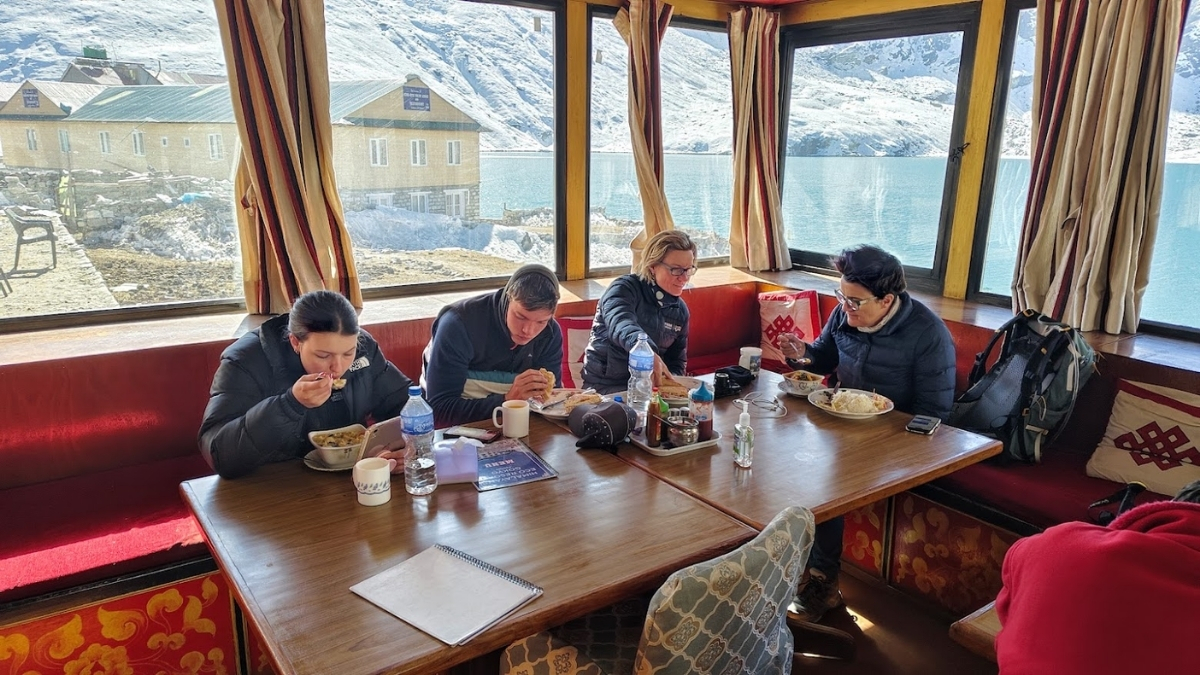
One of the most common questions trekkers ask before starting the journey to Everest Base Camp is how much they will spend on meals and lodging during the trek.
Prices increase as the trail climbs higher into the mountains. This happens because food supplies must be transported by porters, yaks, or mules from lower villages such as Lukla.
Below is a general price estimate trekkers can expect along the route.
Typical Food Prices
- Breakfast: $5 – $10
- Lunch: $6 – $12
- Dinner: $8 – $15
Meals become slightly more expensive in higher villages like Lobuche and Gorak Shep because supplies are harder to transport.
Accommodation Prices
- Lower villages: $5 – $10 per night
- Higher villages: $10 – $15 per night
Many tea houses offer free or discounted rooms if trekkers eat meals at the lodge.
Guide insight: Carrying enough cash is important during the trek because card payments are rarely available in remote villages.
What to Eat and Where to Stay on the Everest Base Camp Trek?
Picking the right meals and finding a good place to stay can honestly make or break your experience on the trail. As you hike through villages like Namche Bazaar, Tengboche, and Dingboche, you’ll notice most tea houses offer a fairly similar mix of food and a place to rest your head.
Most people who’ve spent a lot of time on these trails will tell you the same thing:
- Stick to freshly prepared meals.
- Keep your fluids up with plenty of tea and soup.
- Look for tea houses that have a warm dining room.
- Make sure you’re actually getting enough rest every single night.
The trek to Everest Base Camp is no joke, it’s physically demanding. Taking care of your body with proper food and a decent place to sleep is the only way to keep your energy up for the long haul.
Practical Tips for Food and Accommodation on the Everest Base Camp Trek
Experienced trekkers and guides usually have a few simple tricks up their sleeves that can make a massive difference once you're out on the trail.
Stick to Fresh Local Meals
Local dishes are almost always prepared fresh, and you'll find they are much easier on your stomach as the altitude starts to climb.
Keep the Fluids Moving
It sounds basic, but drinking plenty of water, tea, and soup is one of the best ways to fight off dehydration and help your body get used to the thin air.
Keep Energy Snacks Handy
Long trekking days can really drain you. Having things like energy bars, chocolate, or a handful of nuts in your pocket is a lifesaver when you need a quick boost between villages.
Skip the Alcohol at High Altitude
It might be tempting to celebrate a long day, but alcohol can actually slow down your acclimatization and make dehydration worse. It’s usually better to save the toast for when you're back down.
Pack Your Own Sleeping Bag
Even though tea houses provide blankets, having your own sleeping bag is a total game-changer. It adds that vital extra layer of warmth during those freezing nights above 4,000 meters.
Final Thoughts on Food and Accommodation on the Everest Base Camp Trek
Food and accommodation on the journey to Everest Base Camp are simple but reliable.
Tea houses along the trail provide warm meals, basic lodging, and welcoming hospitality for trekkers traveling through the Khumbu region toward Mount Everest.
From the lively streets of Namche Bazaar to the high-altitude lodges of Gorak Shep, trekkers will always find a place to rest and recharge.
Sharing meals in a mountain tea house, warming up beside the stove, and enjoying the hospitality of the local Sherpa community often become some of the most memorable parts of the entire Everest Base Camp trekking experience.
FAQs: Food and Accommodation on the Everest Base Camp Trek
What kind of food is available on the Everest Base Camp trek?
Trekkers will find a variety of meals along the Everest Base Camp route. Most tea houses serve dishes like dal bhat, fried rice, noodles, soups, pancakes, eggs, and bread. Local Nepali meals are the most common because they are fresh and provide good energy for trekking.
Is vegetarian food available on the Everest Base Camp trek?
Yes, vegetarian food is widely available throughout the trek. Many tea houses serve vegetable dal bhat, noodle soups, vegetable fried rice, potatoes, pancakes, and porridge. Vegetarian meals are often recommended because they are easier to digest at high altitude.
How much does food cost on the Everest Base Camp trek?
Food prices increase as the trek climbs higher into the mountains. On average, trekkers can expect to pay around $5–$10 for breakfast, $6–$12 for lunch, and $8–$15 for dinner. Prices are usually higher in villages like Lobuche and Gorak Shep.
What is the most popular food on the Everest Base Camp trek?
The most popular trekking meal is dal bhat, a traditional Nepali dish made with rice, lentil soup, vegetable curry, and pickles. Many tea houses offer free refills, which makes it a favorite among trekkers and guides.
Where do trekkers stay during the Everest Base Camp trek?
Trekkers usually stay in tea houses, which are small lodges run by local families along the trail. These lodges provide basic rooms, meals, and shared facilities. Tea houses can be found in villages such as Namche Bazaar, Tengboche, and Dingboche.
What are tea house rooms like on the Everest Base Camp trek?
Tea house rooms are simple and usually include two single beds, a mattress, pillow, and blanket. Most rooms are twin-sharing and unheated, so trekkers often bring a sleeping bag for extra warmth.
Do tea houses on the Everest Base Camp trek have hot showers?
Many tea houses offer hot showers, especially in lower villages such as Namche Bazaar. However, showers usually cost an additional fee and may be limited at higher altitudes.
Is Wi-Fi available during the Everest Base Camp trek?
Wi-Fi is available in many villages along the trail, but the connection can be slow or unreliable in higher areas. Some tea houses charge a small fee for internet access.
How much does accommodation cost on the Everest Base Camp trek?
Tea house accommodation usually costs between $5 and $15 per night depending on the village and altitude. In many cases, rooms are cheaper if trekkers eat their meals at the same lodge.
Can trekkers buy snacks and drinks along the trail?
Yes, small shops and tea houses along the trail sell snacks such as chocolate bars, biscuits, energy bars, and soft drinks. However, prices increase as the trek goes higher toward Everest Base Camp.