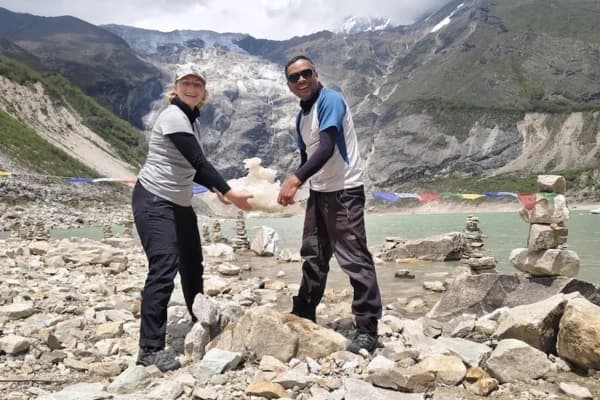
The Mardi Himal Trek in Spring is honestly one of those short treks that just hits the sweet spot in the Annapurna region. It’s perfect if you want that high-altitude vibe without going overboard on difficulty or missing out on comfort.
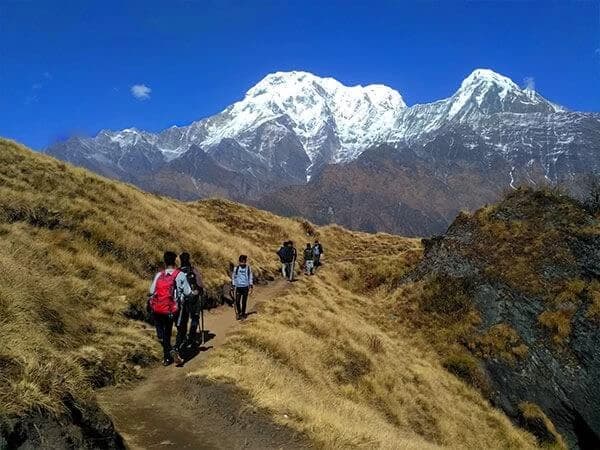
Spring is great because the weather usually behaves, the temps aren’t too crazy, and the rhododendron forests are in full bloom, which is just gorgeous, by the way. Plus, the views are insane: you’ve got Machhapuchhre, Annapurna South, Hiunchuli, and the whole Mardi Himal ridge laid out in front of you.
And unlike spots like Annapurna Base Camp that get super crowded, the Mardi Himal trek in March to May feels peaceful, quiet, and still totally Himalayan.
Why Trek Mardi Himal in Spring?
Spring (March, April, and May) is honestly the sweet spot for the Mardi Himal Trek. The weather’s usually chill, the trails are in good shape, and nature just goes all out with colors and life.
Floral and Natural Beauty
Hands down, the biggest draw is the rhododendron bloom Mardi Himal offers. The forests light up with red, pink, and white blossoms, turning the trail into this insane, rolling wave of color.
It starts at the lower elevations and slowly creeps higher as you climb. After the winter, everything feels fresh, the greenery, the vegetation, so the trek feels alive in a way that’s hard to beat.
Exceptional Visibility and Weather
- Crystal-Clear Views: Dry, sunny days mean you get unobstructed panoramas of the Annapurna range, think Machhapuchhre (Fishtail), Annapurna South, Hiunchuli, and the Mardi Himal ridge. Seriously, the photo ops are endless.
- Comfortable Temperatures: Daytime temps hover around 10°C to 20°C, which is perfect, warm enough for trekking but not that “sweaty summer” kind of heat or freezing winter vibe.
- Weather Stability: Spring tends to bring reliable dry days, so you’re less likely to get stuck in a storm like you might in the monsoon or winter seasons.
Enhanced Trail Safety and Accessibility
If you’re a beginner, spring is ideal:
- Trails are usually dry, clean, and free of snow or ice, so slipping is less of a worry.
- Longer daylight hours let you trek at a comfortable pace without rushing.
- Teahouses and lodges are open, meaning you can grab meals, warm up, and rest easily.
Wildlife and Tranquility
- Wildlife Activity: Animals start coming out of hibernation, so you might spot Himalayan tahr, langur monkeys, or all kinds of birds along the way.
- Fewer Crowds: Even though spring is popular, it’s still quieter than the peak autumn season. So, it feels peaceful, like you’re actually wandering in the mountains, not just following a herd.
At the end of the day, spring mixes bright landscapes, awesome views, comfy temps, and safe, accessible trails. It’s basically perfect for anyone doing their first Mardi Himal trek March to May, or anyone who’s just there for the nature vibes.
And if you go with a trusted agency like Nepal Gateway Trekking, you’ll have someone watching your back and helping make the trek smooth and memorable.
Rhododendron Bloom on the Mardi Himal Trail During Spring
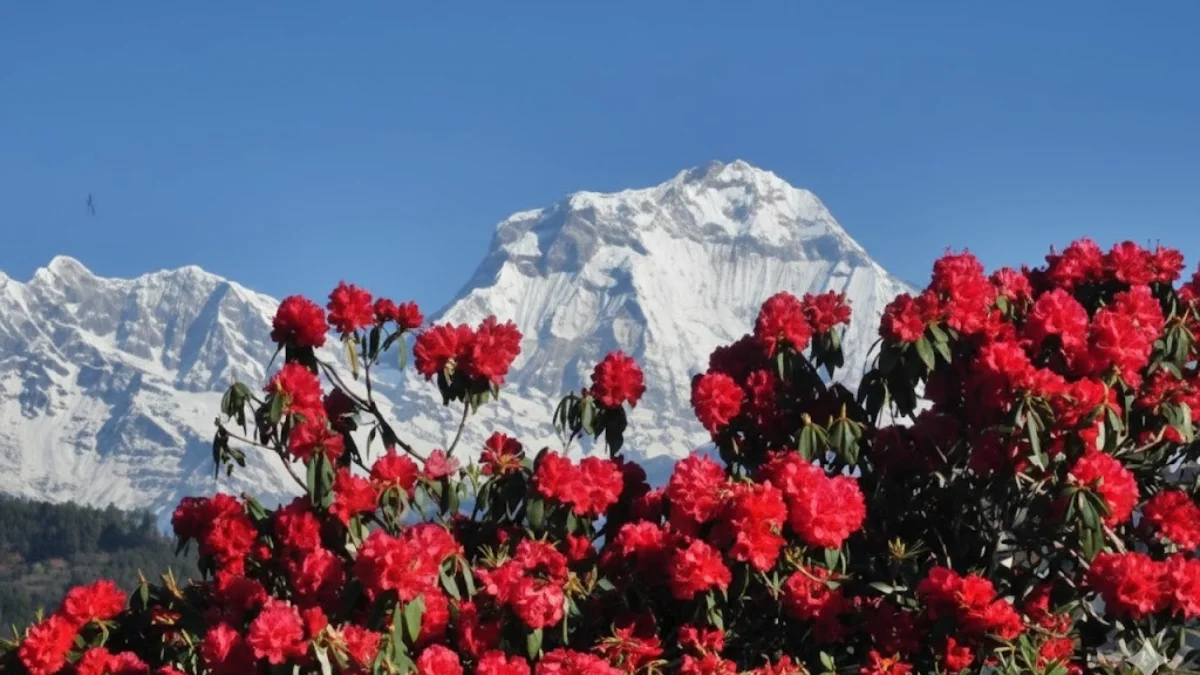
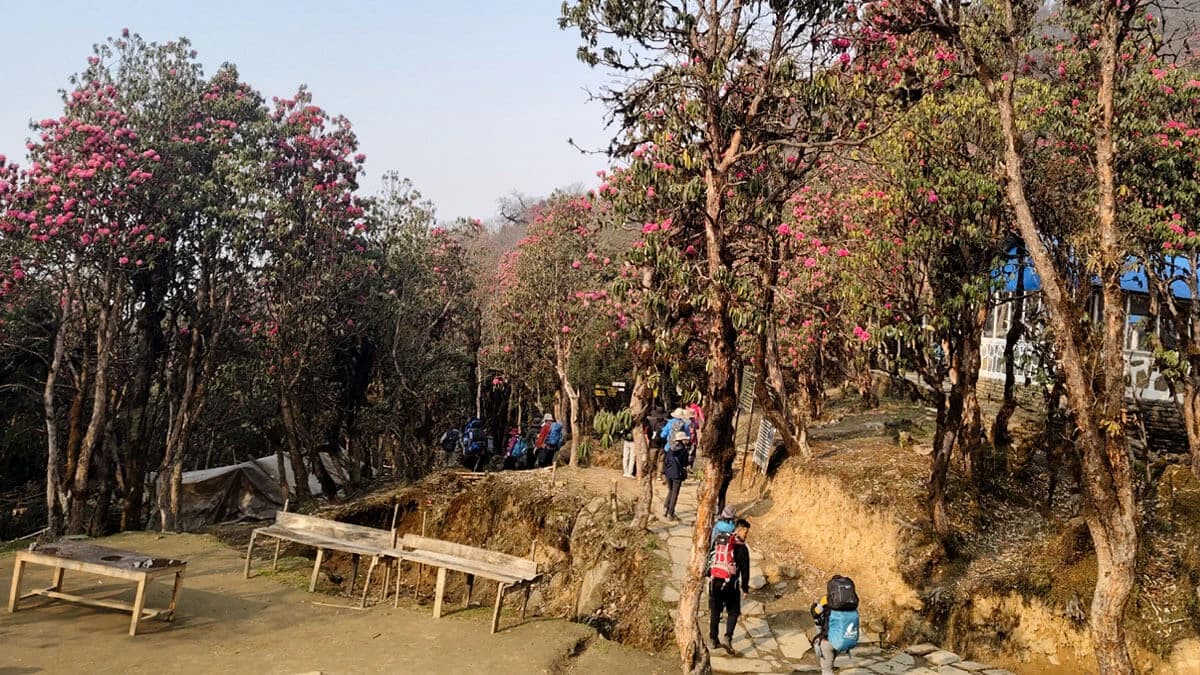
One of the absolute highlights of the Mardi Himal Trek in Spring is definitely the rhododendron bloom. You’ll really notice it on the trail between Forest Camp and Low Camp.
When it’s in peak bloom in April, this section turns into one of the most stunning forest walks in the Annapurna region. It’s peaceful, colorful, and just feels like you’re walking through a living painting.
During the spring bloom, you can expect:
- Dense rhododendron forests in full bloom from late March to April
- Deep red, soft pink, and white flowers lining the trail
- Moss-covered tree trunks and forest floors that give the landscape a rich, textured feel
- Soft sunlight filtering through the flowering canopies
- A quiet, fresh forest smell that’s lightly fragrant and really relaxing
This stretch is often called one of the best rhododendron trekking sections in the Annapurna region. The terrain is gentle, which makes it perfect for first-time high-altitude trekkers.
If you time your Mardi Himal trek from March to May right, you can catch this full bloom and experience the trail at its absolute best. So knowing the best time to trek Mardi Himal in spring really helps you plan an unforgettable adventure.
Spring Weather & Micro-Climates on the Mardi Himal Trail
The weather in the Annapurna foothills can be a bit crazy, like, four seasons in one day kind of crazy. In 2026, March is still nice and crisp, super clear mornings, but by May you’ll start seeing some pre-monsoon clouds creeping in the afternoons. Knowing this stuff helps you layer right and avoid going from sweaty on the trail to freezing at camp.
Forest Camp (2,550 m) vs Mardi Himal Base Camp (4,500 m): Spring Temperature Comparison
|
Month |
Location |
Day Temperature |
Night Temperature |
Weather & Trail Conditions |
|
March |
Forest Camp |
10–14°C |
3–5°C |
Cool, quiet, dry; fresh mountain air |
|
Mardi Base Camp |
-2 to 2°C |
-8 to -10°C |
Cold and windy; small snow patches above High Camp |
|
|
April |
Forest Camp |
14–18°C |
6–8°C |
Mild and stable; great for long trekking days |
|
Mardi Base Camp |
0–5°C |
-6 to -8°C |
Clear skies with amazing mountain visibility |
|
|
May |
Forest Camp |
18–22°C |
8–10°C |
Warm, lush, occasional afternoon clouds |
|
Mardi Base Camp |
3–7°C |
-3 to -5°C |
Warmer, with more pre-monsoon haze rolling in |
Pro Tip for 2026: If you’re trekking in May, try to start your push to the Upper View Point (4,250 m) by 4:30 AM. That way, you’re on the ridge before those pre-monsoon clouds start showing up around 10:00 AM. It makes a huge difference for photos and the views.
Mardi Himal Trek 2026: Standard 11-Day Itinerary for Spring
This 11-day Mardi Himal Trek itinerary is all about a steady climb, proper acclimatization, and soaking in the full Himalayan vibe from start to finish.
- Day 01: Arrive in Kathmandu and transfer to your hotel
- Day 02: Drive from Kathmandu to Pokhara (820 m) by tourist bus
- Day 03: Drive to Kande (1,770 m) and trek to Pothana via Australian Camp
- Day 04: Trek from Pothana to Forest Camp (2,520 m) via Pitam Deurali
- Day 05: Trek from Forest Camp to Low Camp (3,050 m)
- Day 06: Trek from Low Camp to High Camp (3,580 m)
- Day 07: Hike up to Mardi Himal View Point (4,200 m) and return to Low Camp
- Day 08: Trek from Low Camp down to Lwang Village (1,550 m)
- Day 09: Trek to Khora Muk and drive back to Pokhara
- Day 10: Drive from Pokhara back to Kathmandu by tourist bus
- Day 11: International departure
If you’re curious about the nitty-gritty, like where you’ll stay, what meals are included, and all the little extras, our Mardi Himal trek package has it all. Full day-by-day plan and booking options included so you don’t miss a thing.
Mardi Himal Permits: What Trekkers Need in Spring?
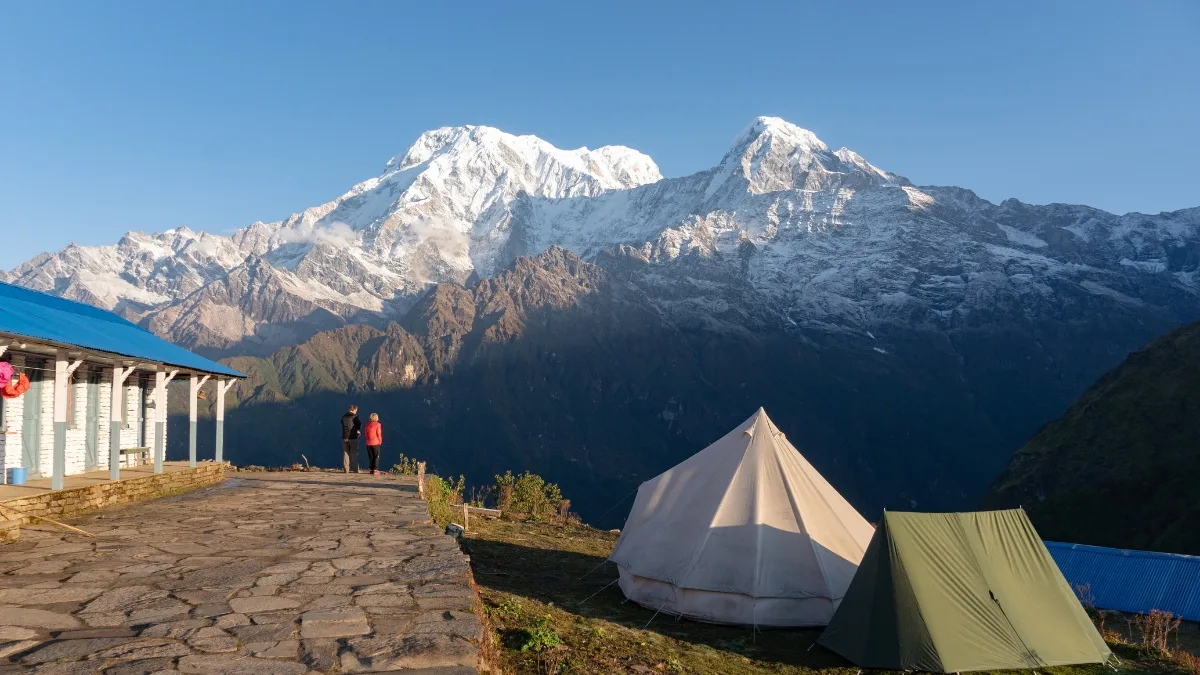 If you’re planning a spring trek on the Mardi Himal Trail, getting your permits sorted is a must. They help protect the delicate Himalayan environment and make sure your trek is safe. As of 2026, all foreign trekkers need two main permits:
- Annapurna Conservation Area Permit (ACAP): NPR 3,000
- Electronic Trekkers’ Information Management System (e-TIMS) Card: NPR 2,000
- Green Fee: NPR 1000
The 2026 Digital Process
- Agency-Led Registration: Since a guide is mandatory, your trekking agency (like Nepal Gateway Trekking) will handle the e-TIMS via the official Nepal Trek Mobile App.
- Verification: You must carry a printed copy of your ACAP and have your digital QR code ready on your phone for scanning at trail checkpoints.
- Insurance Check: Authorities now verify that your insurance covers high-altitude rescue before activating your e-TIMS at the trailhead.
Spring is basically perfect for Mardi Himal because of the rhododendron blooms and clear mountain views. Having your permits ready ahead of time means you can just start trekking without any delays.
You can even use the Mardi Himal map while on the trail. Proper registration also lets the authorities monitor traffic during the busy spring months, which keeps things safer for everyone.
From 2026 onward, the Nepal Trek mobile app is the official way to track your e-TIMS. Make sure your guide checks you in at the Pothana station so your insurance and rescue coverage are active while you’re on the trail.
Accommodation and Food on the Mardi Himal Trek – Spring 2026
Spring on Mardi Himal is really the perfect mix of cozy teahouses, filling meals, and epic ridge views. If you plan ahead, book your spots, and make smart food choices, the trek can be super safe, full of energy, and honestly unforgettable. You can manage Mardi Himal Trek cost easily with the help of following insights.
1. Accommodation: The “Ridge Lodge” Experience
This is a teahouse trek, so you’ll mostly stay in smaller, family-run lodges made of stone and wood. They’re nothing like the big Everest lodges, more intimate and homey, which is kind of the charm.
Room Quality:
- Lower sections (Pothana, Forest Camp): Twin-sharing rooms, sometimes with attached bathrooms.
- High Camp (3,580 m): Basic wooden cubicles built to block wind and keep you sheltered.
Badal Danda Advantage:
High Camp lodges can get crowded in spring. If you stay at Badal Danda lodges, like Hotel Lucky View, you’ll find newer rooms, fewer people, and insane 360° ridge views, often above the clouds.
Heating & Comfort:
- Bedrooms don’t have heaters.
- Dining halls are warm, heated by wood or dried yak dung stoves, perfect for cozying up after a long day.
2026 Pricing & Amenities:
|
Service |
Estimated Cost (NPR) |
Notes |
|
Standard Room |
800 – 1,500 |
The price goes up the higher you go |
|
Hot Shower |
300 – 500 |
Gas or solar-powered bucket showers |
|
WiFi Access |
300 – 500 |
Spotty above Low Camp; local SIMs or Everest Link help |
|
Device Charging |
200 – 400 |
Often free in lower lodges; per device or power bank |
Basically, if you plan ahead, the teahouse experience on the Mardi Himal trek March to May can be surprisingly comfy and adds a lot to the whole mountain adventure.
2. Food on Mardi During Spring Trek
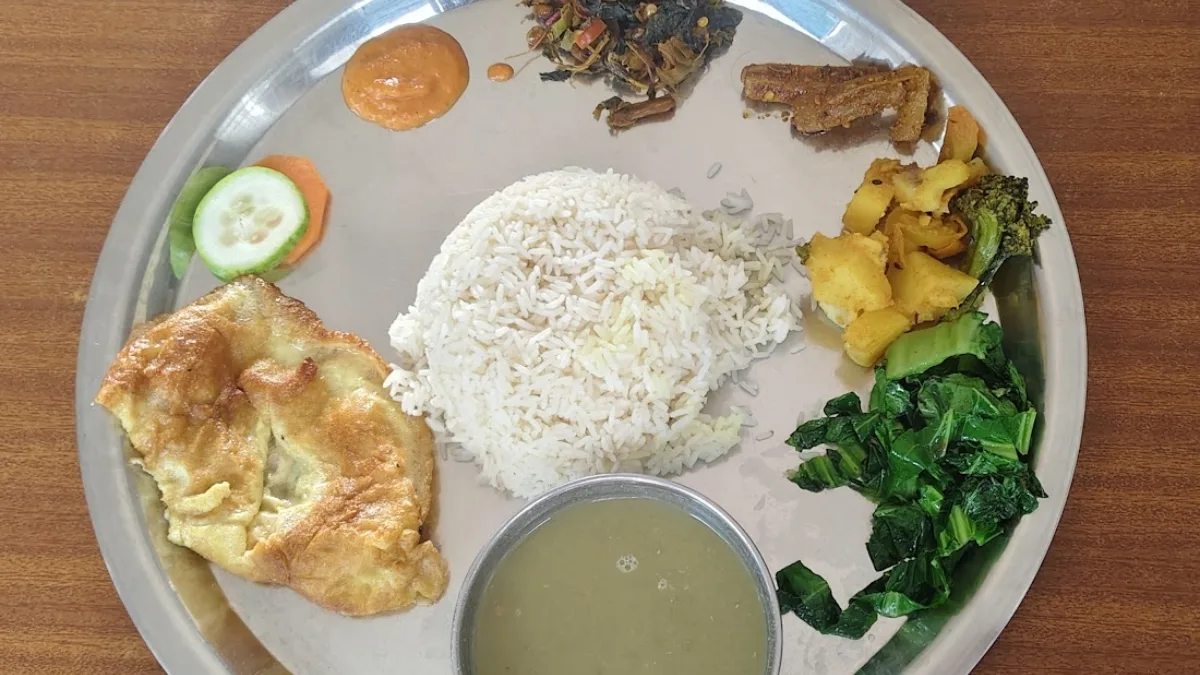
Meals on the Mardi Himal Trek in Spring are simple, but they really keep you going. You’re walking long ridges all day, so you want something that fills you up and gives you energy.
Dal Bhat:
- The classic lentil soup with rice, vegetables, and spinach.
- Honestly, it’s the go-to for that 7–9 hour round-trip hike to Base Camp. Keeps your stomach happy and your legs moving.
Breakfast Options:
- Tibetan bread, which is deep-fried and kinda indulgent, porridge with honey, or “Set Breakfasts” with eggs, hash browns, and toast. Grab what you like before a big day on the trail.
Spring Specials:
- Around April and May, you might get lucky and see fresh wild asparagus or local greens on the side. Makes the meals feel a bit more special while you’re trekking.
Hydration:
- Boiled water costs something like NPR 200–400 per liter, depending on the lodge.
Pro tip: Bring a filtered water bottle like a LifeStraw or Grayl. Saves you money and keeps plastic out of the mountains.
This is how food works on the Mardi Himal trek, March to May, fuel for your body, simple, and kind of part of the whole trekking vibe.
Packing Essentials for Spring Trekking
Packing smart is honestly a game-changer for the Mardi Himal Trek in Spring. Days might feel mild, but mornings, nights, and the higher camps get pretty chilly. Here’s what you really want to have:
- Lightweight trekking pants – breathable and easy for daytime hiking
- Thermal base layers – your best friend at higher altitudes
- Fleece and down jacket – can’t skip this for cold mornings and evenings
- Waterproof outer shell – just in case of rain or pre-monsoon drizzle
- Trekking poles – super helpful for balance on those ridge walks
- Sunglasses and sunscreen – the sun is bright up there, so protect yourself
- Sturdy hiking boots – durable, supportive, and ready for rocky trails
Optional stuff that can make life nicer: gloves, a warm hat, gaiters, and a daypack for snacks, water, and your camera. Basically, the right gear makes spring trekking in Annapurna way more enjoyable.
Expert Spring Mardi Himal Trekking Tips
Spring really lights up the Mardi Himal Trail with crazy colors and clear skies, but it also comes with its quirks. A little planning goes a long way if you want to make the most of your trek, stay safe, and snap killer photos during the Mardi Himal trek March to May. It is one of the best spring trek you will enjoy.
Dealing with Pre-Monsoon Haze (Late May)
- Start early, like before 7:00 AM, to catch the clearest skies
- Hit the viewpoints in the morning for those unobstructed mountain views
- After 2:00 PM, haze and clouds roll in, so don’t count on afternoon shots
- Best Time for Photography at High Camp
- 6:00–7:00 AM is golden for sunrise photos
- Machhapuchhre lights up just before the clouds arrive, perfect for epic shots
Following these little tricks means you’ll get vivid landscapes, jaw-dropping ridges, and plenty of memorable photos while trekking safely at higher altitudes.
Mardi Himal Trek: Spring vs Other Seasons
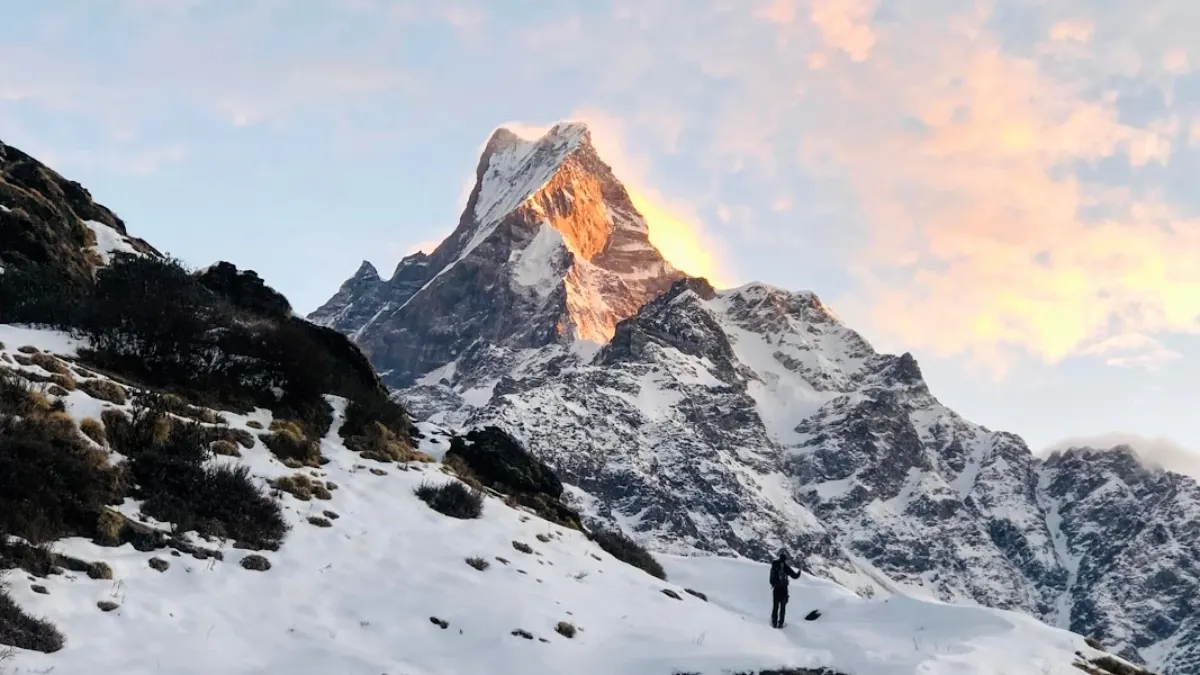
Picking the right season really changes your Mardi Himal trekking experience. Spring (March–May) is the favorite for most people because of the rhododendron blooms, clear mountain views, and manageable temps.
Other seasons have their own perks and challenges, though. Here’s a handy breakdown to help you figure out what works best for your trek:
|
Feature |
Spring (Mar–May) |
Autumn (Sept–Nov) |
Winter (Dec–Feb) |
Monsoon (Jun–Aug) |
|
Primary Draw |
Rhododendron Blooms |
Maximum Clarity |
Solitude & Snow |
Lush Greenery |
|
Visibility |
Excellent (Clear Mornings) |
Optimal (All Day) |
Crystal Clear |
Poor (Cloud/Fog) |
|
Day Temperature |
15°C to 22°C |
12°C to 18°C |
5°C to 12°C |
18°C to 25°C |
|
Night Temperature |
2°C to -5°C |
5°C to -8°C |
-5°C to -15°C |
10°C to 15°C |
|
Crowd Level |
Moderate to High |
Highest (Peak) |
Very Low |
Lowest |
|
Trail State |
Dry & Stable |
Dry & Dusty |
Icy / Snow-covered |
Muddy & Slippery |
|
Flora / Fauna |
Peak Wildflowers |
Golden Harvests |
Dormant |
Leeches / Insects |
|
Best For |
Nature Photographers |
First-time Trekkers |
Hardcore Adventurers |
Budget Explorers |
Spring basically gives you the best mix: clear skies, bright rhododendrons, comfy temperatures, and moderate crowds. That’s why it’s usually the most recommended time for anyone doing their first Mardi Himal trek March to May.
Final Thoughts
The Mardi Himal Trek in Spring is basically perfect for first-time high-altitude trekkers who want jaw-dropping Himalayan scenery without crazy difficulty or packed trails. From March to May, the weather is usually stable, the rhododendron forests are in full bloom, the teahouses are comfy, and the mountain views? Totally panoramic and unforgettable.
This trek strikes a nice balance between adventure and comfort. It’s great if you’re new to high-altitude trekking, but still gives you those “wow” moments that make the whole journey worth it.
Want to see the rhododendron bloom and the majestic peaks yourself? Reach out to Nepal Gateway Trekking to check out the full Mardi Himal trek March to May package and plan your spring adventure.
FAQ – Mardi Himal Trek in Spring
Is spring the best time for the Mardi Himal Trek?
Yes. March to May is hands-down the best time. The weather is stable, the mountain views are clear, and the rhododendrons are blooming. It’s the most scenic and popular season for the trek.
How cold is Mardi Himal in spring?
Lower camps, like Forest Camp, stay fairly mild during the day. Up at Mardi Himal Base Camp (4,500 m), nights can drop below freezing. So layering and warm gear are a must.
Is Mardi Himal suitable for beginners?
Yes, the Mardi Himal trek is highly suitable for beginners because the pace is gradual, there’s proper acclimatization, and with some preparation, it’s one of the most beginner-friendly high-altitude treks in Nepal.
Do I need a guide for the Mardi Himal Trek in 2026?
Yes. The Nepal Tourism Board (NTB) now requires all foreign trekkers to hire a licensed guide in most protected areas, including the Annapurna Conservation Area (ACAP).
How crowded is Mardi Himal in spring?
April is the busiest month, but even then, it’s far less crowded than Annapurna Base Camp. You can still enjoy peaceful trails and amazing viewpoints without the big crowds.