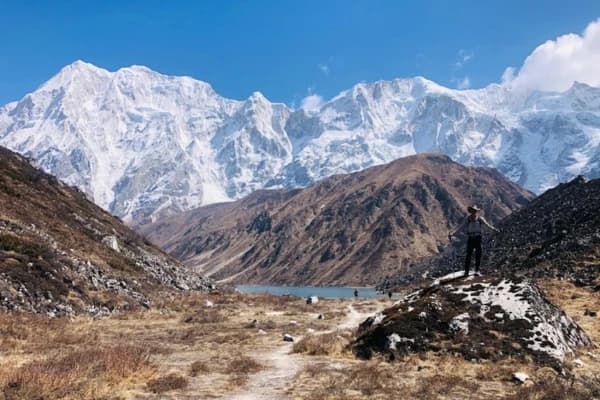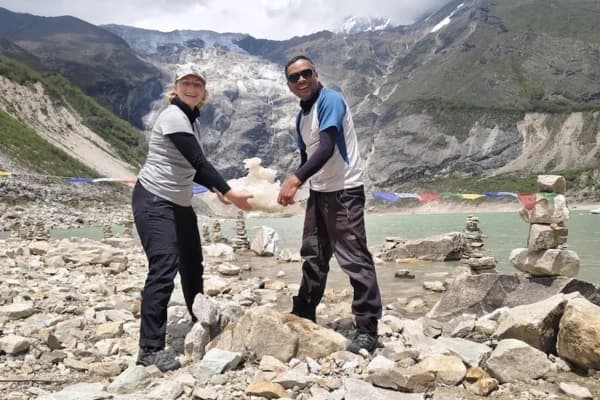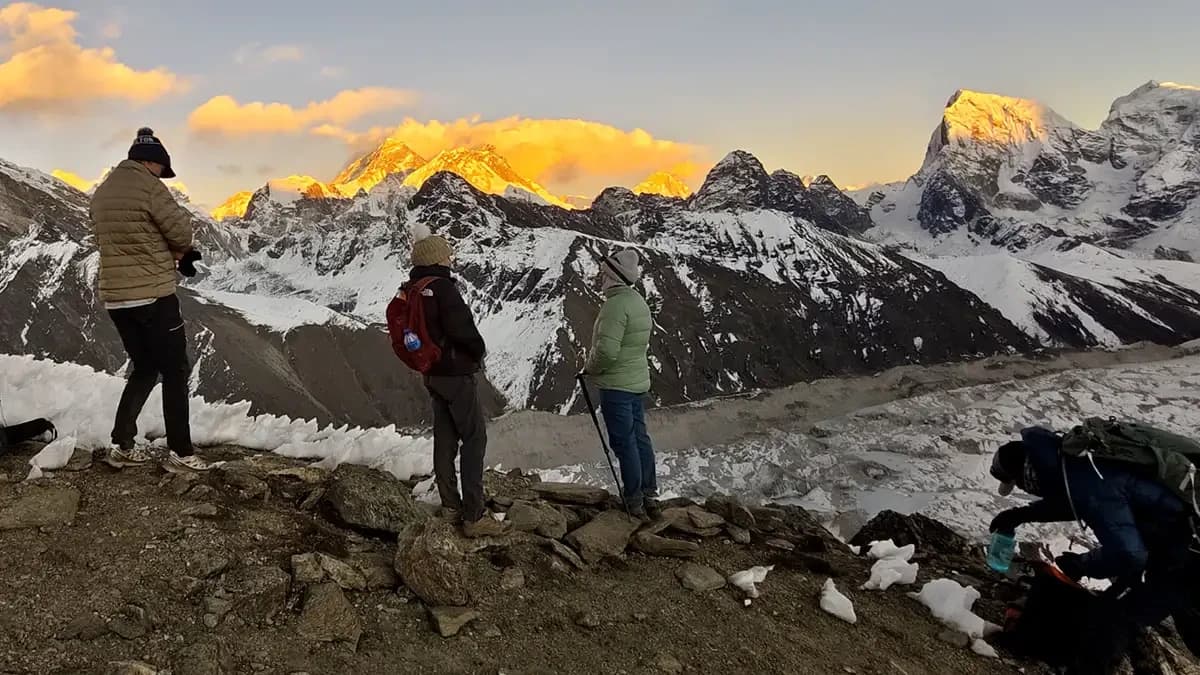
Nepal is not just a trekking destination: It is a true test ground for serious adventurers. For trekkers who dream of pushing beyond their comfort zone, the Himalayas offer trails that demand strength, patience, and respect. That is why Nepal is widely known as the home of the most challenging treks in the world.
We frequently encounter trekkers at Nepal Gateway Trekking who are looking for something different from the usual routes. Most of them fall under high-altitude treks in Nepal and should only be attempted with proper planning and local expertise. These risks have led to the designation of some trails in Nepal as "dangerous treks in Nepal." The most challenging treks in Nepal require more than physical strength.
That is why these treks are best suited for experienced trekkers in Nepal rather than beginners, as they require mountain experience, smart pacing, and the ability to remain calm in difficult situations. With the right mindset, proper acclimatization, and experienced local guidance, the most challenging treks in Nepal can become life-changing adventures that reward trekkers with unmatched Himalayan beauty and personal growth.
That is why trekking with experienced local guides, like the team at Nepal Gateway Trekking, becomes so important. In this blog, we will explain all the most challenging treks in Nepal and what makes them so challenging.
What Makes a Trek One of the Most Challenging in Nepal?
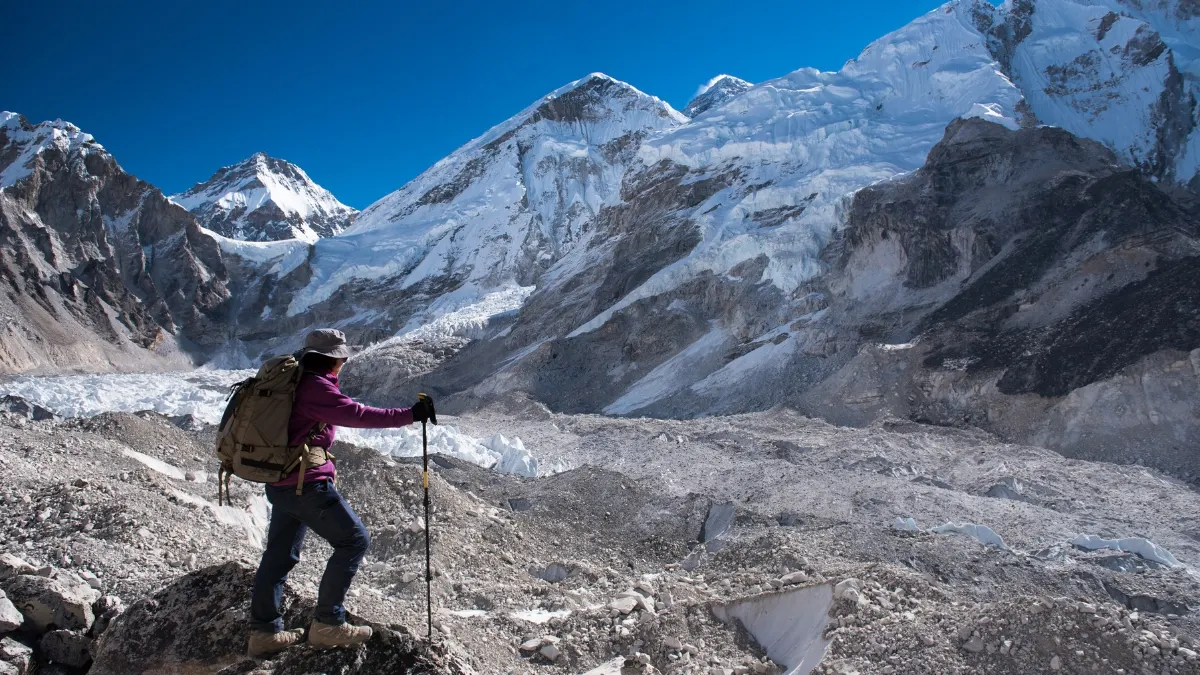
The most challenging treks in Nepal test your lungs, legs, mindset, and decision-making skills at the same time. Below is a deeper look at what really makes these routes so demanding.
High Altitude and Low Oxygen Levels
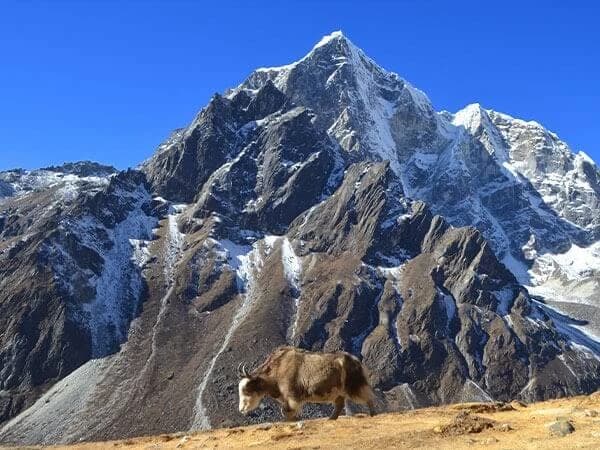
Many routes rank among the hardest treks in Nepal due to their high altitude. As you climb above 3,000 meters, the air starts to thin. Above 4,000 meters, oxygen levels drop sharply, and your body has to work harder just to function. On many high-altitude treks in Nepal, trekkers spend several days above this level. Walking, even at a leisurely pace, is thus tiring.
Altitude matters: Take a moment to read our tips on how to prevent altitude sickness on high-altitude treks and stay safe on the trail.
Long Duration and Continuous Ascents
Many of the most challenging treks in Nepal last between 18 and 30 days. There are very few easy days. Instead, trekkers face continuous ascents, steep descents, and long walking hours almost every day. On these toughest trekking routes Nepal offers, endurance matters more than speed, and mental discipline becomes just as important as physical strength.
Remoteness and Lack of Infrastructure
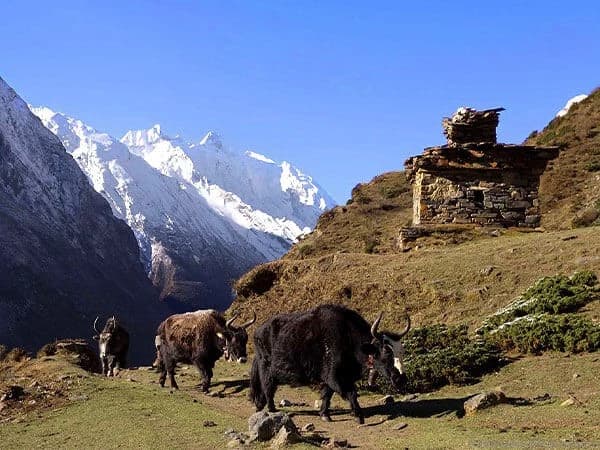
Remoteness adds another layer of difficulty. Many remote treks in Nepal pass through regions with no road access, limited lodges, and no mobile networks. Food is basic, medical assistance is distant, and there are limited options for rescue. This isolation often makes these routes feel harder than popular treks, even if the distance is similar.
Technical Terrain and High Mountain Passes
Several difficult trekking routes in Nepal involve technical terrain. Trails may cross glaciers, loose rock slopes, landslide areas, and snow-covered passes above 5,000 meters. In some sections, a single slip can be dangerous. You may need to know how to use crampons or ropes, which are basic mountaineering skills. These technical aspects are what classify certain treks as extreme treks in Nepal.
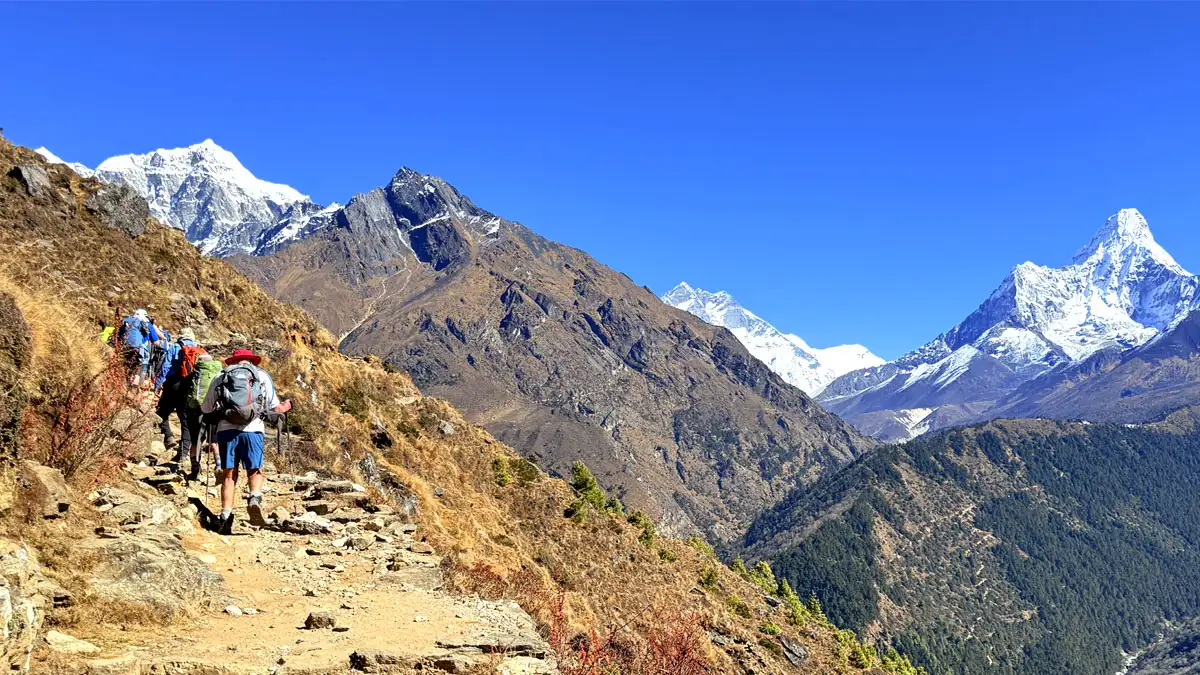
Mental Endurance and Isolation
Going on the dangerous treks in Nepal requires more than just physical fitness; it also requires mental strength. Long days, bad weather, simple food, and being far away from family can all slowly sap your motivation. Trekkers must remain calm in remote areas when faced with delays, discomfort, or unexpected weather changes. Fear, doubt, and homesickness can feel more intense at high altitude.
Altogether, these challenges are what make Nepal special for serious trekkers.
Challenging treks test your body and mind: Plan your trip with Nepal Gateway Trekking and face altitude, remoteness, and tough terrain with expert local support.
Top 13 Most Challenging Treks in Nepal You Should Consider
While many routes provide comfort and ease of access, the treks listed below require endurance, patience, and experience. These are the most challenging treks in Nepal, where altitude, remoteness, and long walking days come together.
At Nepal Gateway Trekking Nepal, we suggest these routes only to trekkers who are physically fit, mentally strong, and familiar with mountain conditions. Each of these falls among the hardest treks in Nepal and demands proper preparation and guidance.
1. Everest Three High Passes Trek
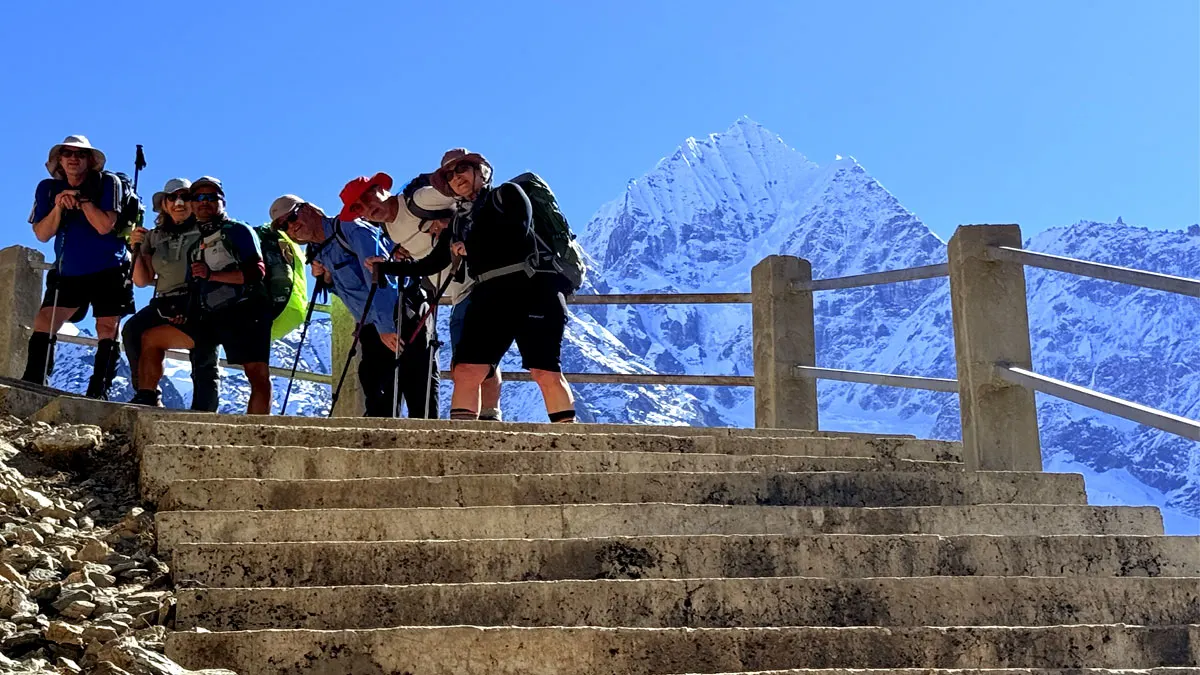
- Location: Everest Region
- Maximum Altitude: Over 5,400 m (Kongma La, Cho La, Renjo La)
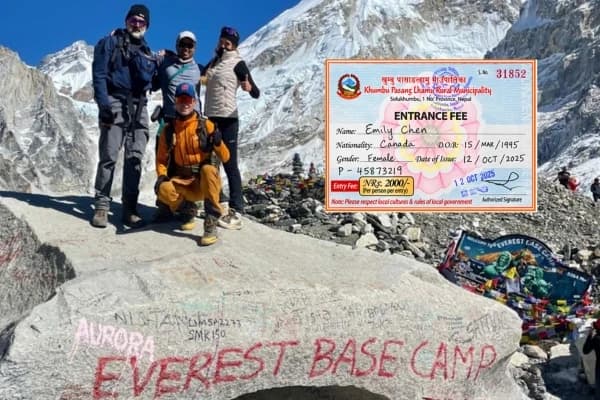
The Everest Three High Passes Trek is widely considered the toughest route in the Everest region. Unlike the standard Everest Base Camp trek, this journey crosses three major passes above 5,000 meters, each requiring long, steep climbs and careful descents.
Moreover, trekkers stay at high altitude for many days, which makes acclimatization crucial. Because of thin air, cold weather, and long distances, this trek is one of the most demanding high-altitude treks in Nepal and one of the most popular treks to consider in Nepal, best suited for seasoned trekkers only.
2. Dhaulagiri Circuit Trek
- Location: Western Nepal
- Maximum Altitude: Around 5,360 m (French Pass)
The Dhaulagiri Circuit is a real trek, like an expedition. It goes through deep valleys, high mountain passes, and big glaciers, and you camp in remote areas for several days.
In addition, the route includes technical sections and avalanche-prone zones. Due to its isolation and physical demands, it is often listed among the toughest trekking routes Nepal has to offer and is one of the most dangerous treks in Nepal without expert support.
3. Kanchenjunga Base Camp Trek
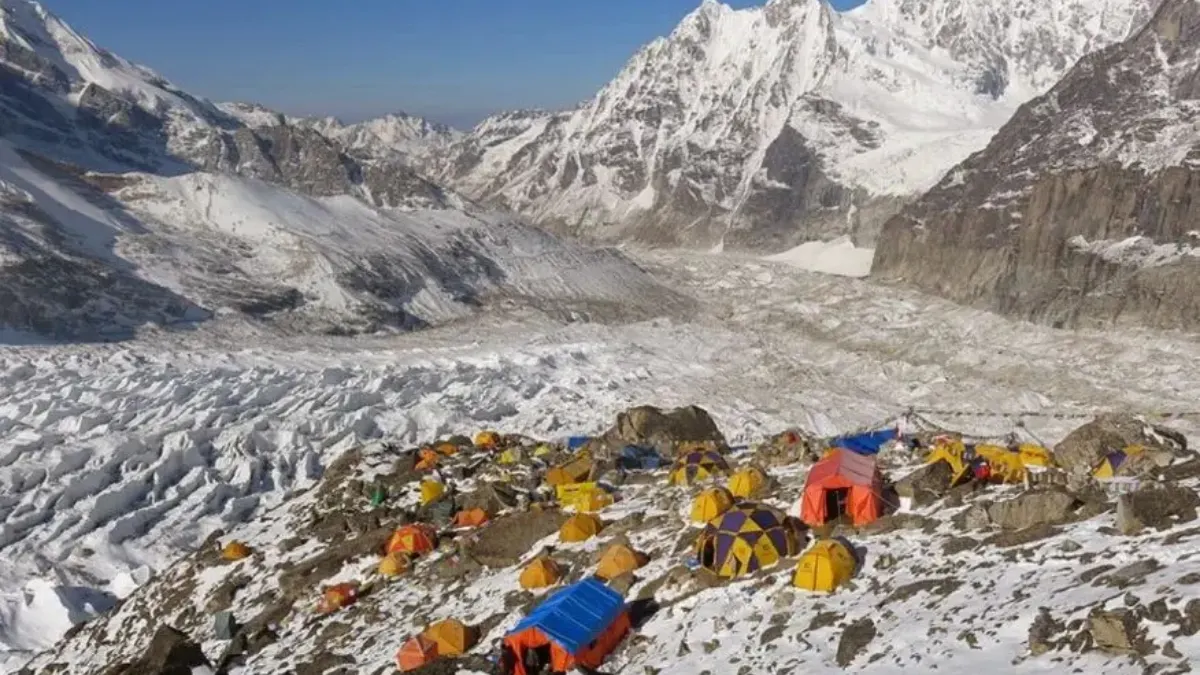
- Location: Eastern Nepal
- Maximum Altitude: About 5,143 m
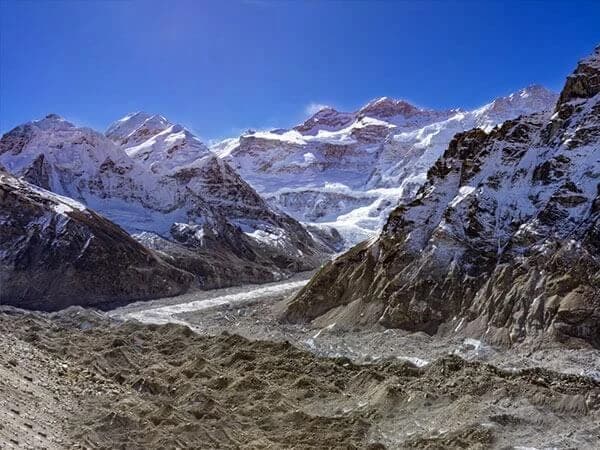
This trek leads to the base of Mount Kanchenjunga, the world’s third-highest peak. The trek to Kanchenjunga base camp is extremely remote, with very limited facilities and a long duration of 20 to 25 days.
Because it is a restricted area, permits and careful planning are required. As a result, it stands out as one of the best remote treks in Nepal, perfect for trekkers seeking isolation and raw Himalayan wilderness.
4. Upper Dolpo Trek
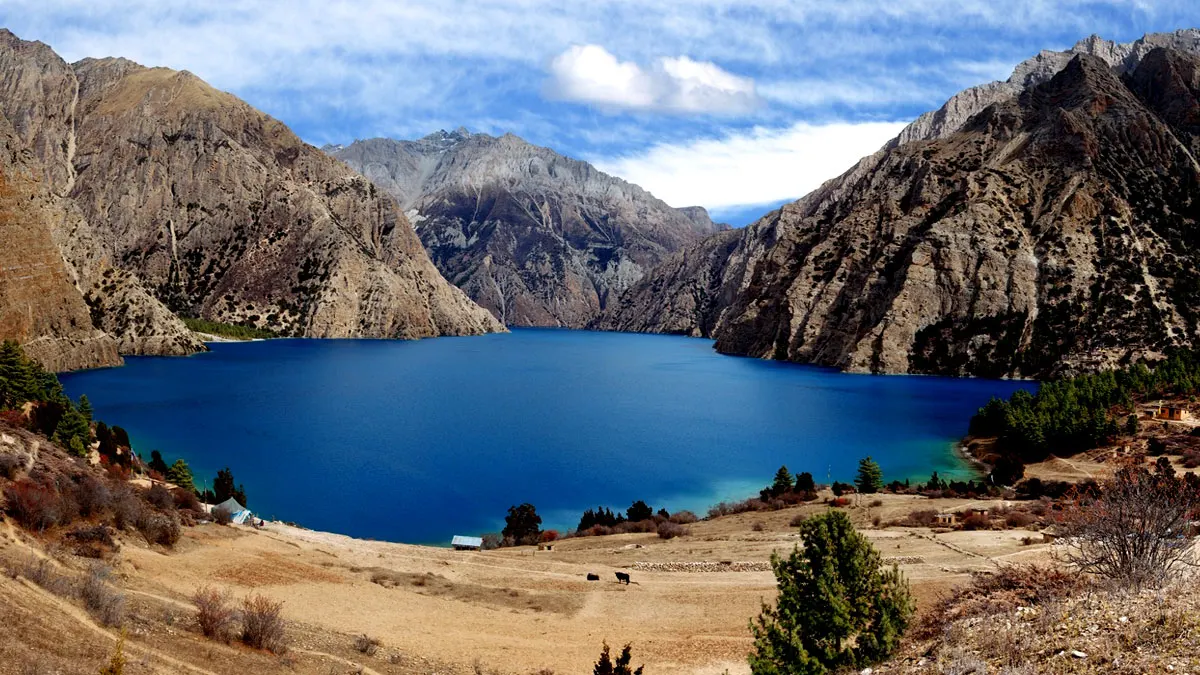
- Location: Far-Western Nepal
- Maximum Altitude: Over 5,000 m (multiple passes)
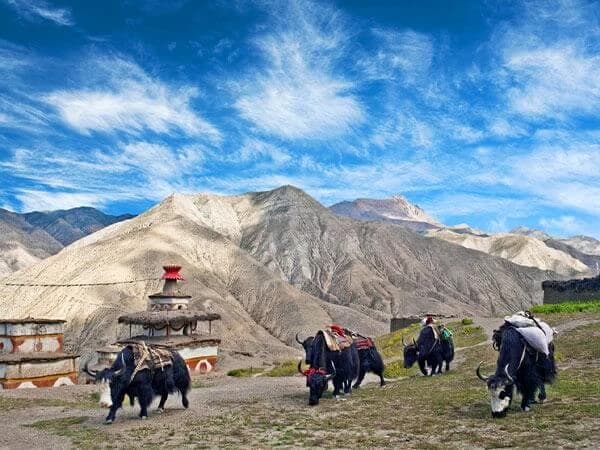
Upper Dolpo is one of Nepal’s wildest and most isolated trekking regions. The terrain is harsh, the days are long, and the facilities are minimal.
Furthermore, trekkers must cross several high passes while carrying supplies for extended periods. Due to these challenges, it is counted among the hardest treks in Nepal, requiring both strong physical stamina and mental resilience.
5. Makalu Base Camp Trek
- Location: Eastern Nepal
- Maximum Altitude: Around 5,000 m
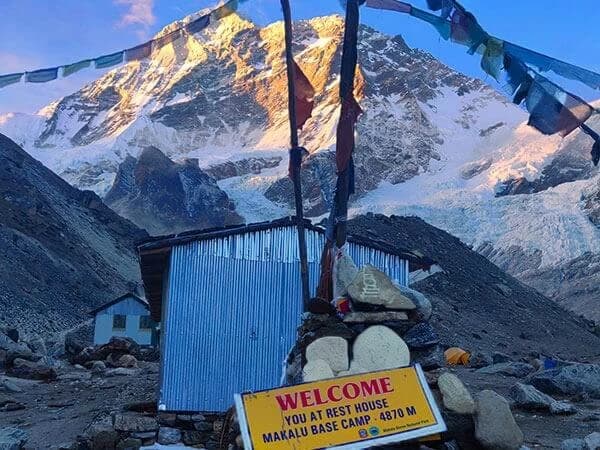
The Makalu Base Camp Trek is steep, remote, and rarely crowded. The trail passes through dense forests, rugged ridges, and open alpine landscapes.
Since there are very few teahouses and limited support along the way, logistics can be challenging. Therefore, it is considered one of the most difficult trekking routes in Nepal and is suitable only for experienced trekkers.
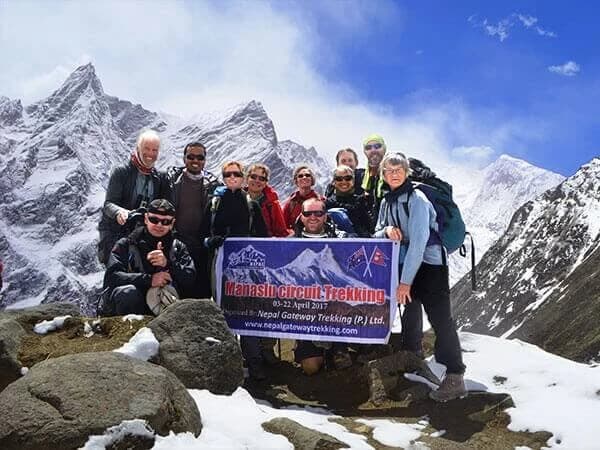
6. Manaslu Circuit Trek
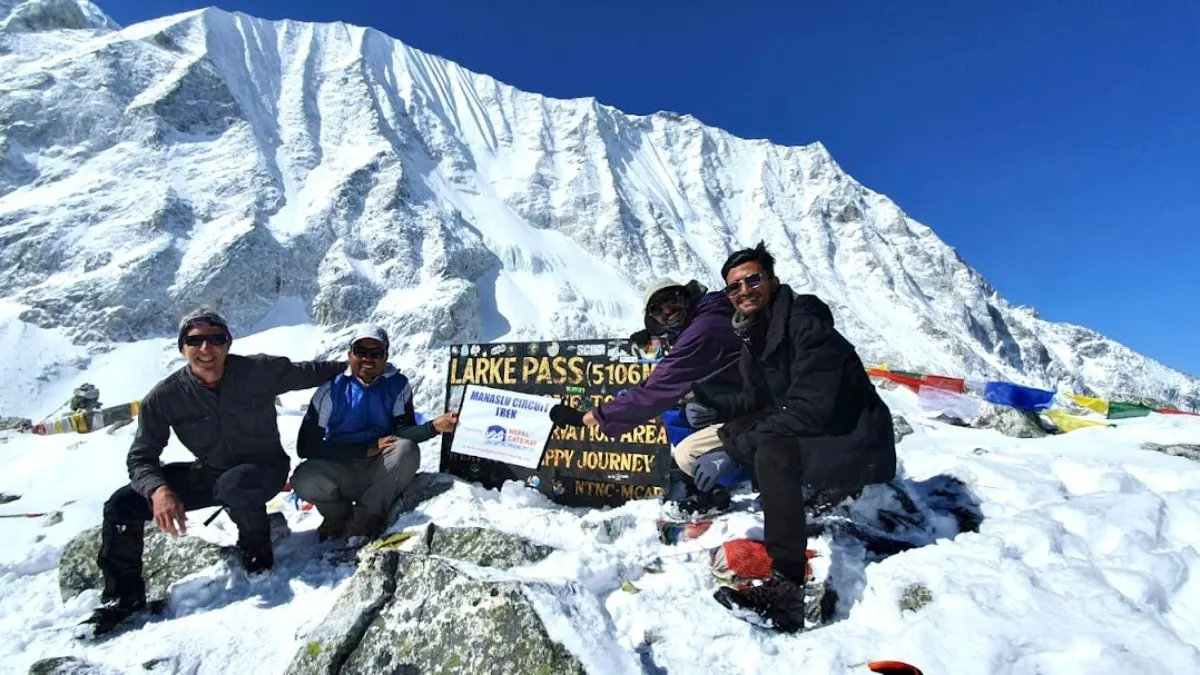
- Location: North Central Nepal
- Maximum Altitude: 5,160 m (Larkya La Pass)
The Manaslu Circuit Trek goes through thick forests, steep ridges, and open alpine areas. It can be difficult to get things because there aren't many teahouses and not much help along the way. Therefore, it's one of Nepal's hardest trails and is only for experienced hikers.
The length and altitude make it physically tiring, despite being less technical than expedition-style routes. For this reason, it remains one of the most popular but still most challenging treks in Nepal.
Ready to take on the most challenging treks in Nepal? Get in touch with Nepal Gateway Trekking today and plan your journey with expert local guides who know these routes inside out.
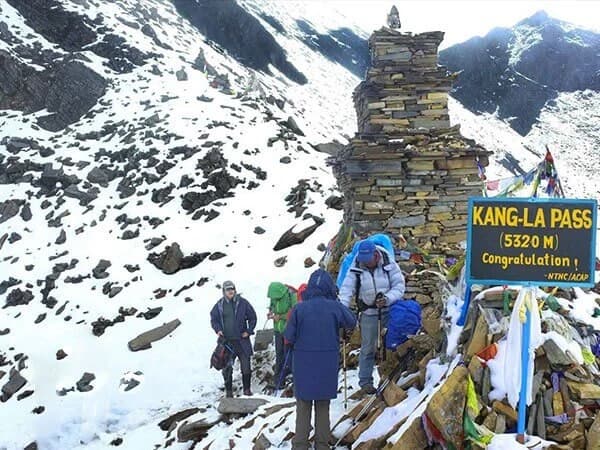
7. Nar Phu Valley Trek
- Location: Annapurna Region
- Maximum Altitude: 5,320 m (Kang La Pass)
The Nar Phu Valley Trek takes you into hidden Himalayan valleys beyond the main Annapurna trails. Along the way, you'll pass through narrow gorges, high plateaus, and traditional villages. Because it is in a remote area with few roads and other infrastructure, this trek is high in altitude, isolated, and culturally rich.
As a result, it is recognized as one of the true remote treks in Nepal, ideal for trekkers who value solitude and adventure.
Do you want memorable family moments in the Himalayas? If yes, explore the Top Seven Easy Treks for Families in Nepal with our expert guides.
8. Renjo La Pass Trek
- Location: Everest Region
- Maximum Altitude: 5,360 m
The Renjo La Pass Trek is one of the quieter yet more demanding routes in the Everest region. While it is less crowded than other Everest trails, it is technically tougher due to steep ascents, icy paths, and glacier sections.
Moreover, the trail often involves walking on snow and loose rocks, especially near the pass. For this reason, it's important to know the basics of mountaineering and have good balance, as this trek clearly falls under the hardest treks in Nepal and is not suitable for casual or first-time trekkers.

9. Rolwaling Valley & Tashi Lapcha Pass Trek
- Location: Eastern–Central Nepal
- Maximum Altitude: 5,755 m
The Rolwaling Valley and Tashi Lapcha Pass trek is considered one of the most technically demanding routes in the country. It includes glacier travel, rope-assisted sections, and steep snow climbs, making it closer to mountaineering than regular trekking.
In addition, the Tashi Lapcha Pass is often covered with ice and requires proper equipment and experience. Due to high risk and technical difficulty, this route is among the most dangerous treks in Nepal and is recommended only for advanced trekkers with strong high-altitude experience.
10. Tsum Valley Trek
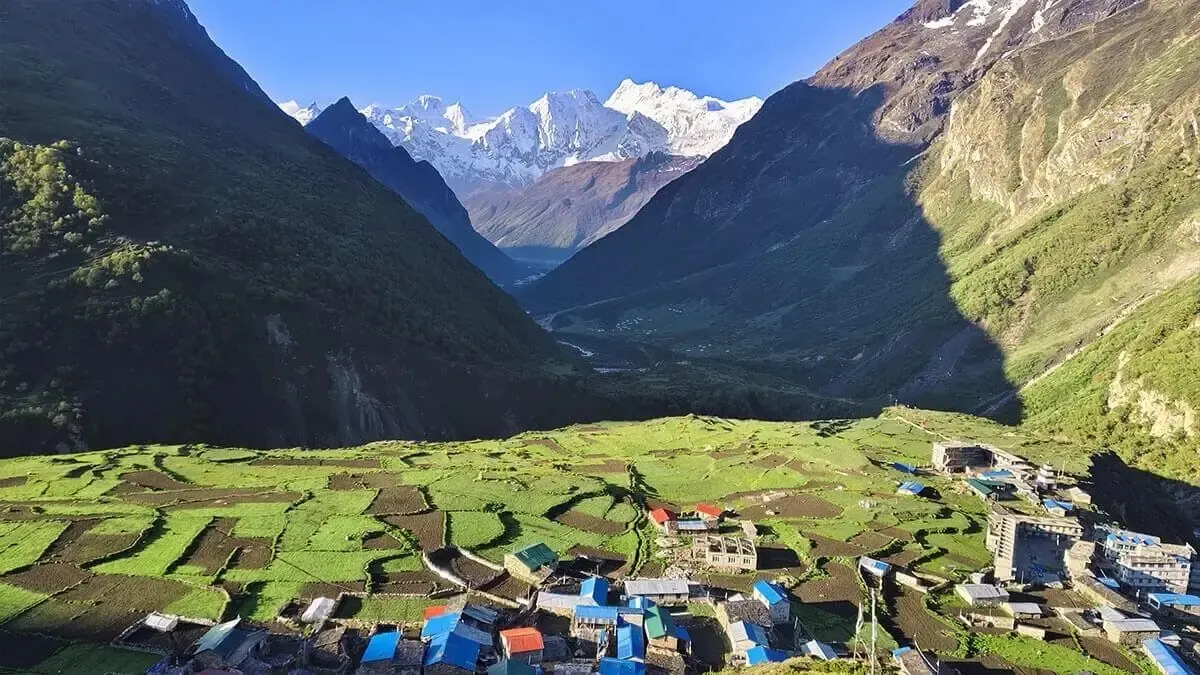
- Location: Manaslu Region
- Maximum Altitude: Around 3,700 m
Tsum Valley Trek is not extremely technical, but it is the most challenging treks in Nepal, differently. The trek is long, remote, and culturally isolated, with limited facilities along the route.
Furthermore, access is controlled through special permits, and daily walking hours can be long. Because of remoteness and duration, it remains one of the most difficult trekking routes in Nepal, especially for those not used to long journeys in isolated regions.
11. Upper Mustang Trek
- Location: Trans-Himalayan Nepal
- Maximum Altitude: Around 4,000 m
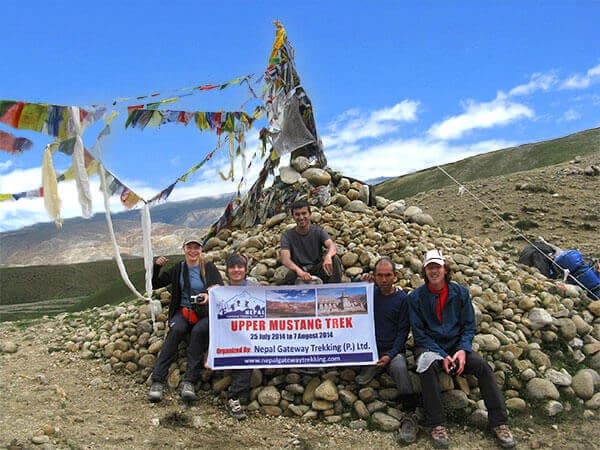
The Upper Mustang Trek offers a unique trekking experience in a high-altitude desert landscape. Although the trail itself is not highly technical, the environment adds difficulty.
Strong winds, dry air, and cold temperatures can quickly drain energy. In addition, restricted access and logistics make planning essential. Therefore, it is often grouped under high altitude treks in Nepal that require good acclimatization and preparation.
12. Ganesh Himal Trek
- Location: Central Northern Nepal
- Maximum Altitude: Around 4,200 m
Ganesh Himal Trek is one of the least developed trekking routes in Nepal. Trails are often rough, accommodation is basic, and signage is limited.
Because of this, trekkers must be self-sufficient and rely heavily on local guidance. For those seeking untouched landscapes and authentic village life, it is one of the true remote treks in Nepal, best done with experienced local teams like Nepal Gateway Trekking.
13. Rara Lake Trek
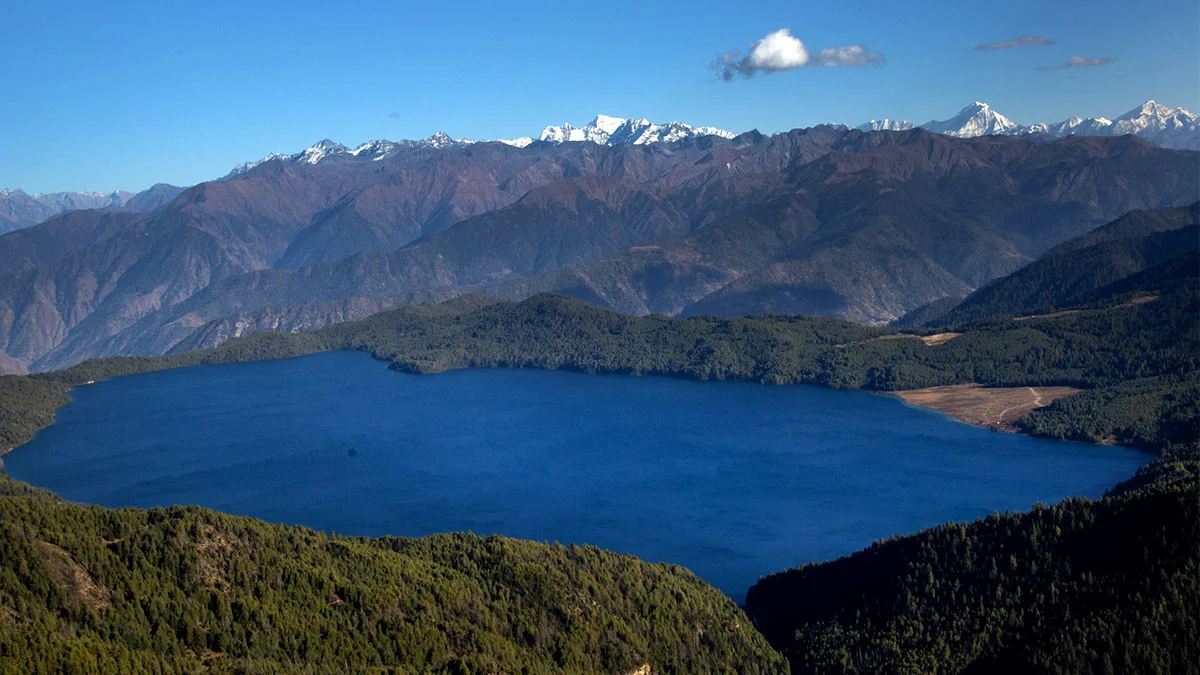
- Location: Western Nepal
- Maximum Altitude: 2,990 m
The Rara Lake Trek becomes challenging mainly because of its isolation rather than its altitude. Reaching the trailhead itself takes time, and travel conditions can be unpredictable.
Furthermore, this region offers minimal rescue and medical facilities. Because of long access routes and minimal infrastructure, this trek suits trekkers who are comfortable with isolation and slow travel, placing it among the lesser-known yet most challenging treks in Nepal.
These routes define the most challenging treks in Nepal, and with expert planning and guidance from Nepal Gateway Trekking Nepal, they can be trekked safely: contact us now and plan your adventure.
Final Thoughts: Are You Ready for Nepal’s Most Challenging Treks?
Nepal is home to some of the most challenging treks in Nepal, where high mountain passes and remote valleys push trekkers beyond their limits. These journeys are demanding, yet deeply rewarding for those who are well prepared.
Also, Beginners shouldn't try these challenging treks in Nepal as they need to be very fit, mentally strong, and used to trekking at high altitudes treks in Nepal. The right route for you depends on your experience and ability to handle tough conditions.
The most important thing is to plan. On tough trekking routes in Nepal, it's important to have good acclimatization, experienced guides, and safety measures.
Whether you aim to cross Everest’s high passes or explore hidden valleys like Dolpo and Nar Phu, these treks offer unforgettable Himalayan adventures. For safe planning and expert support, contact Nepal Gateway Trekking Nepal and trek with confidence in the mountains.
For official trekking rules, permits, and travel updates, visit the Nepal Tourism Board before planning challenging treks in Nepal.
FAQs
Which is the toughest trek in Nepal?
The Everest Three High Passes Trek is widely considered the toughest trek in Nepal due to its extreme altitude, multiple high passes, and long duration.
Which is the hardest trek?
Among the hardest treks in Nepal, the Dhaulagiri Circuit and Rolwaling–Tashi Lapcha Pass stand out because of glacier travel, technical terrain, and isolation.
Which is the most scenic trek in Nepal?
Many trekkers consider the Everest Three High Passes Trek and Upper Dolpo among the most scenic treks in Nepal for their dramatic Himalayan views and remote landscapes.
Which is harder, Everest or Annapurna?
Everest treks are generally harder than Annapurna routes because of higher altitude, colder conditions, and longer exposure to thin air.
Do I need a guide for challenging treks in Nepal?
Yes, a licensed guide is highly recommended for challenging treks in Nepal due to safety risks, navigation difficulty, and permit requirements.
What is the best season for challenging treks in Nepal?
Spring (March–May) and autumn (September–November) are the best seasons for high altitude treks in Nepal because of stable weather and clearer views.
Are permits required for these challenging treks?
Yes, you need special permits to go on most of the hardest trekking routes in Nepal, especially the ones that are off-limits or far away.
How long does it take to complete the challenging treks?
Depending on the route, how long it takes to get used to the altitude, and the weather, the hardest treks in Nepal can take anywhere from 18 to 30 days.
How long does it take to complete the most challenging treks?
Most challenging treks in Nepal take between 18 and 30 days, depending on the route, acclimatization needs, and weather conditions.