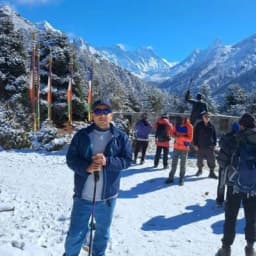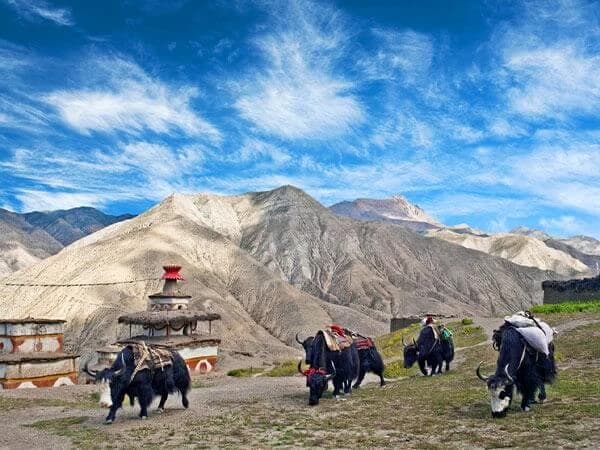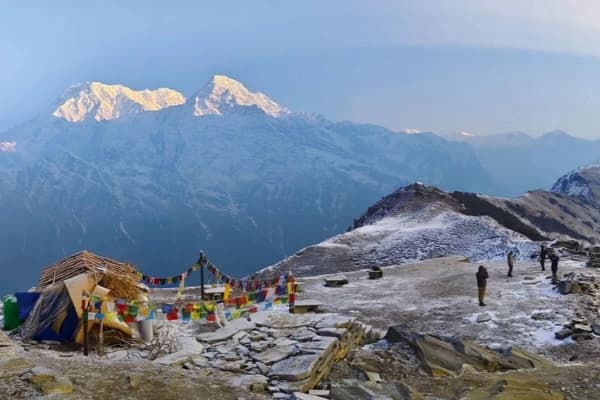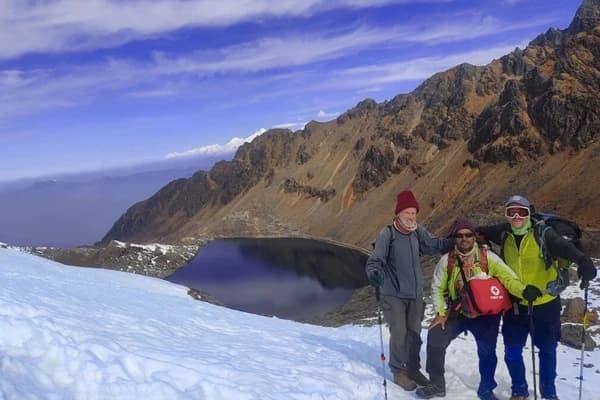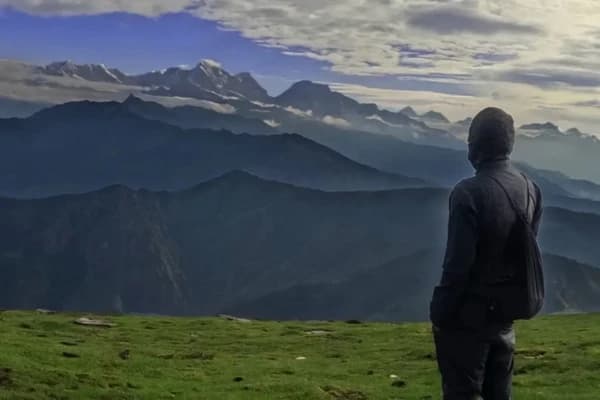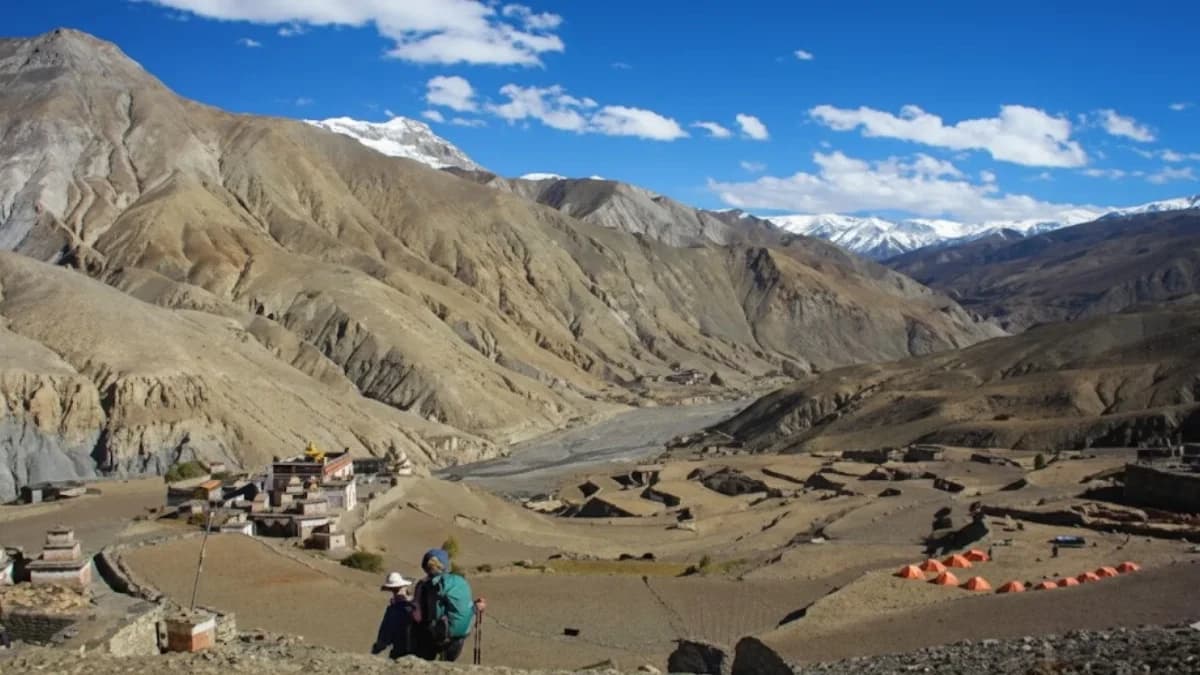
The best time for the Upper Dolpo Trek is spring (mid-April to May) and autumn (September to October) when the weather is stable, high passes are open, and visibility is clear. Upper Dolpo Trek in summer/monsoon (June to August) can also be good because it lies in the rain shadow of the Dhaulagiri Himal Range, so it gets much less rain than Everest or Annapurna.
Choosing the Best Time for the Upper Dolpo Trek affects:
- High pass crossings like Kang La Pass
- Access flights to Juphal
- Cultural experiences in villages
- Safety and acclimatization
- Overall trekking success
If you want to visit Shey Phoksundo Lake or explore monasteries like Shey Gompa, timing matters.
Why Season Matters in Upper Dolpo?
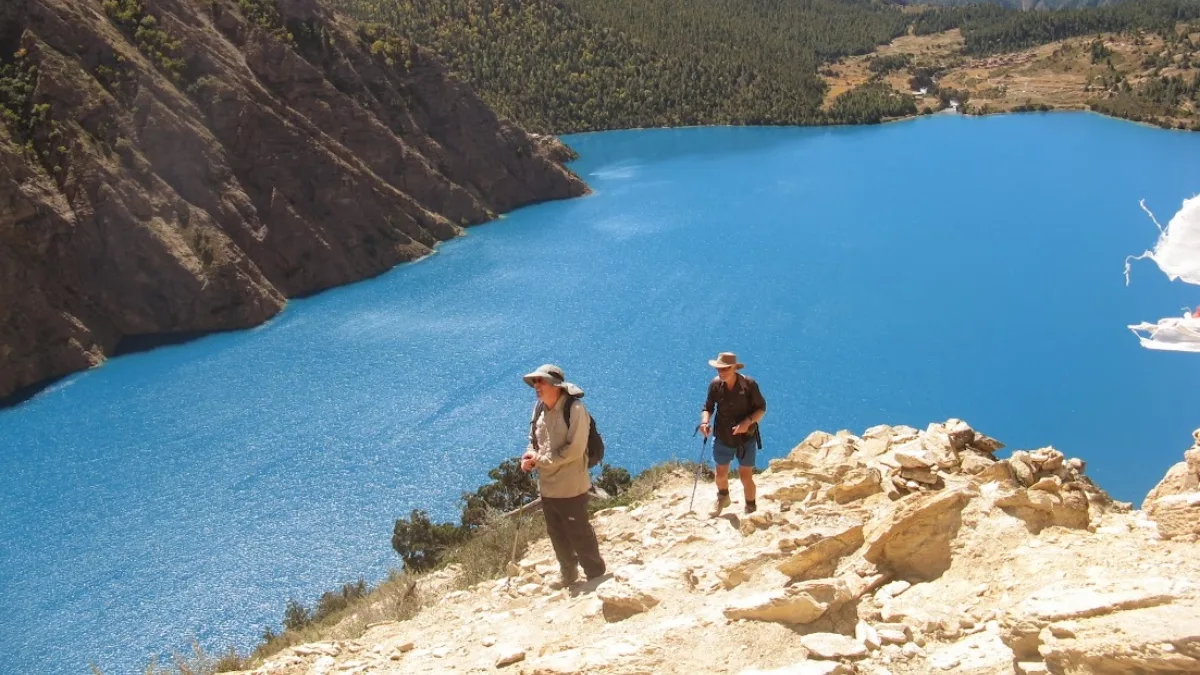
The season you pick for Upper Dolpo really matters because the weather can totally make or break your trek, things like high-pass accessibility, whether flights actually fly, trail safety, and just how smoothly the whole trip goes.
Quick Upper Dolpo Overview:
- Location: Northwestern Nepal, bordering Tibet, inside Shey Phoksundo National Park
- Altitude: 2,500 m – 5,300 m
- Highest Passes: Over 5,000 m (e.g., Kang La Pass, Shey La Pass)
- Trekking Difficulty: Strenuous to challenging
- Starting Point: Nepalgunj → Flight to Juphal
- Estimated Trekking Days: 20–25 days
- Best Season: Mid-April to May (Spring), September to October (Autumn)
- Avoid Season: December to February (Winter)
Upper Dolpo sits in the Trans-Himalayan belt behind the Dhaulagiri Himal Range, so it’s got this dry, almost desert-like vibe. Days can feel warm in the sun, but nights often drop way below freezing. With limited infrastructure, high passes, and wild temperature swings, picking the right season isn’t optional, it’s a must.
Go at the wrong time, and you could get stuck with snowed-in passes, canceled or delayed flights, frostbite or hypothermia, icy trails, frozen water spots, and logistical headaches in remote villages.
To dodge all that, Nepal Gateway Trekking offers experienced guides, solid support, and practical seasonal advice. You can just focus on enjoying Upper Dolpo’s hidden landscapes and sacred monasteries, without all the stress.
When Is the Ideal Time for the Upper Dolpo Trek?
The ideal time for trekking in Upper Dolpo is mid-April to May (spring) and September to October (autumn). Based on years of trekking patterns, high-pass conditions, and what local guides experience, these months generally offer the safest and most stable conditions for completing the full Upper Dolpo circuit.
During spring and autumn, you can expect:
- Stable and predictable weather
- Open high passes like Kang La Pass
- Clear views of landscapes and mountain peaks
- Moderate daytime temperatures, perfect for long walking hours
- Safer trail conditions above 4,000 meters
These seasons also cut down the risk of snow-blocked passes and extreme cold, which can be a real problem outside these windows.
Dolpo is split into Upper and Lower regions, so if you want to explore both, we have an Upper and Lower Dolpo trek guide ready for you.
To plan your trek more accurately, let’s break down what each season brings.
Upper Dolpo Trek in Autumn (September to October / Early November)
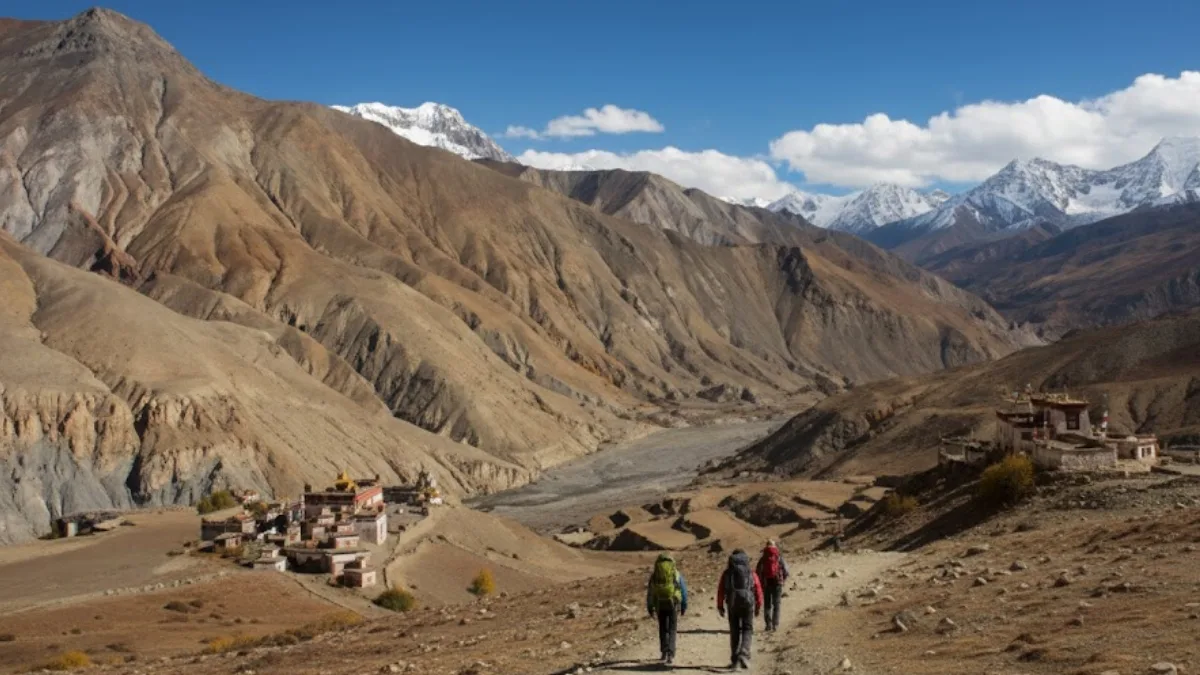
Autumn is often called the best season for the Upper Dolpo Trek. The weather is usually stable, dry, and clear, making it perfect for walking. After the monsoon, the dust settles and the air feels crisp, giving those sharp, dramatic mountain views that are amazing for photos.
Weather & Temperature:
- Dry climate with very little rain
- Stable atmospheric conditions
- Daytime: 5°C to 15°C
- Nighttime at high altitude: -11°C to -20°C
Landscape & Cultural Highlights:
- Villages are buzzing with harvest season
- Fields turn golden, and locals get ready for winter
- Rich cultural experiences near Shey Gompa and traditional settlements
Risks in Late Autumn:
- Early snowfall can block Kang La Pass
- Temperatures drop a lot
- Wind chill increases frostbite risk
Tip: Try to finish your trek by late October for safety and the best conditions. Also take help from Upper Dolpo route map for better experience.
Upper Dolpo Trek in Spring (Mid-April to May)
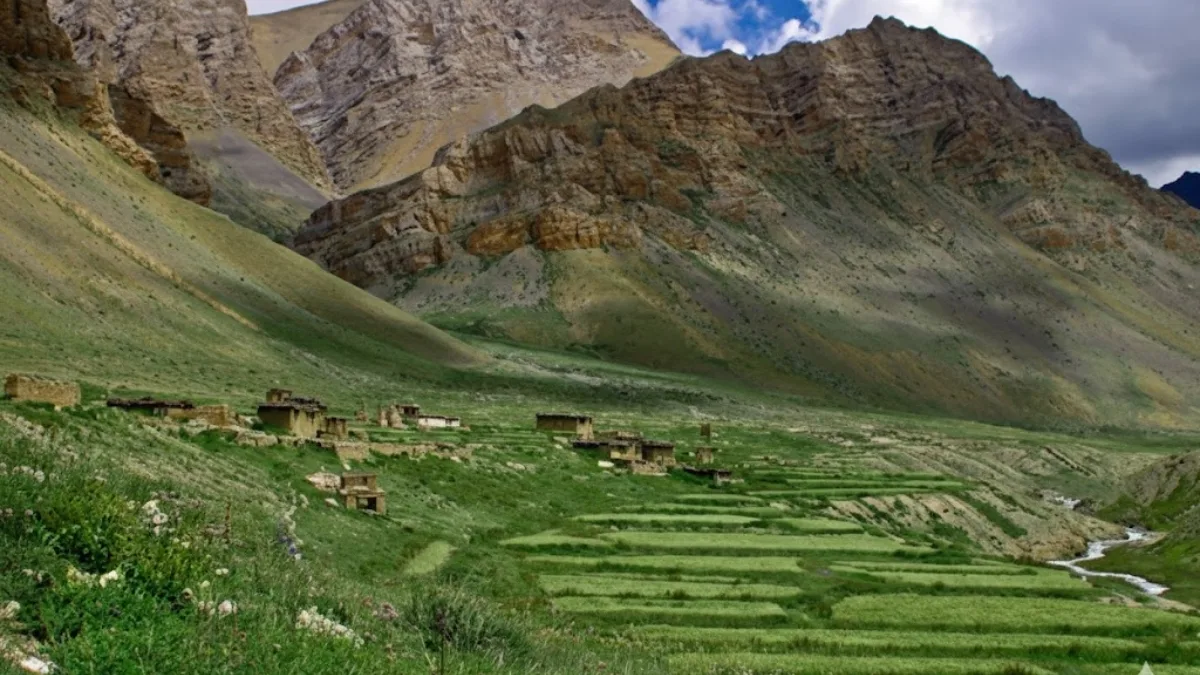
Spring is usually seen as the second-best time for the Upper Dolpo Trek, and honestly, it’s a really nice alternative to autumn. The weather starts warming up, the skies are mostly clear, and the lower regions explode with rhododendrons and fresh greenery. You might even catch glimpses of wildlife along the way, which makes the whole trek feel more alive.
Weather & Temperature:
- Days get gradually warmer, perfect for walking long hours
- Skies are mostly clear, with dry conditions
- Daytime: 10°C to 20°C
- Nighttime at higher altitudes: around -10°C
Wildlife You Might See:
- Himalayan blue sheep bouncing around the cliffs
- Snow leopards (rare, but if you’re lucky…)
- Lots of migratory birds passing through
If you want to know more about exotic animals of himalayas. You should visit Nepal.
Early Spring Risks:
- March to mid-April can still have snow-covered high passes
- Trails can be icy and slippery, so take it slow
- Going with a professional guide is highly recommended
Tip: Mid-April to May is really the sweet spot. Passes are open, trails are manageable, and you get to soak in all the blooming flowers and wildlife without worrying too much about snow or ice. It’s a fresh, colorful, and exciting time to explore Upper Dolpo.
Upper Dolpo Trek in Summer / Monsoon (June to August) – The Rain Shadow Advantage
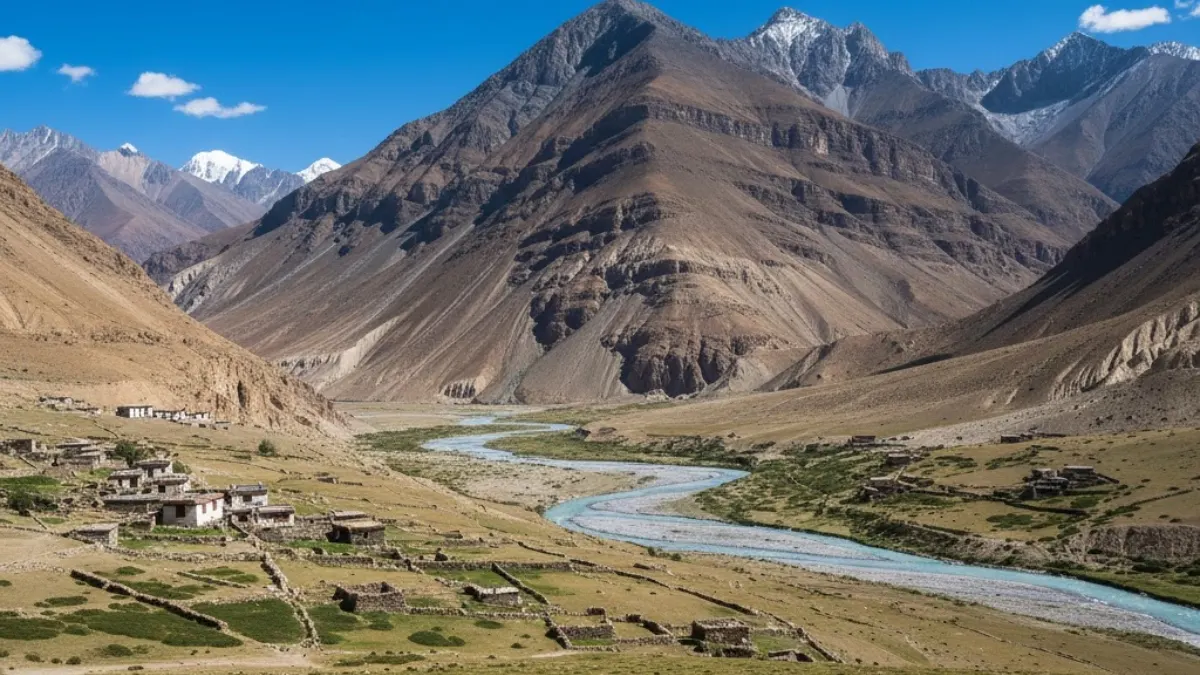
Upper Dolpo is actually pretty lucky during the monsoon. While most trekking areas in Nepal get hammered with rain, Dolpo stays mostly dry because the Dhaulagiri Himal Range blocks the heavy stuff. Trails stay dusty rather than muddy, there’s only a little rain, and sometimes the skies even clear up, so trekking here in summer can totally work.
Weather & Trail Conditions:
- Trails mostly stay dry
- Rain is minimal
- Skies can be clear for mountain views
- Way fewer people on the trails compared to spring or autumn
Upper Dolpo is already one of the less-crowed trekking spots in Nepal, so doing it in summer makes it feel even more peaceful.
Cultural Insights, Yarsagumba Season:
- Villagers head up to high pastures to collect Yarsagumba (caterpillar fungus)
- Some schools and local businesses might temporarily close
- You get a real peek at how locals live and work
Logistical Challenges:
- Flights from Nepalgunj to Juphal can get delayed because of rain in the lower regions
- It’s smart to keep a few extra days as a buffer
- Having backup transport plans helps a lot
Tip: If you don’t mind being flexible with your schedule, trekking Upper Dolpo in the monsoon can actually be amazing, less crowded trails, open paths, and a chance to experience local life in a way you wouldn’t in spring or autumn.
Upper Dolpo Trek in Winter (December to February) – Not Recommended
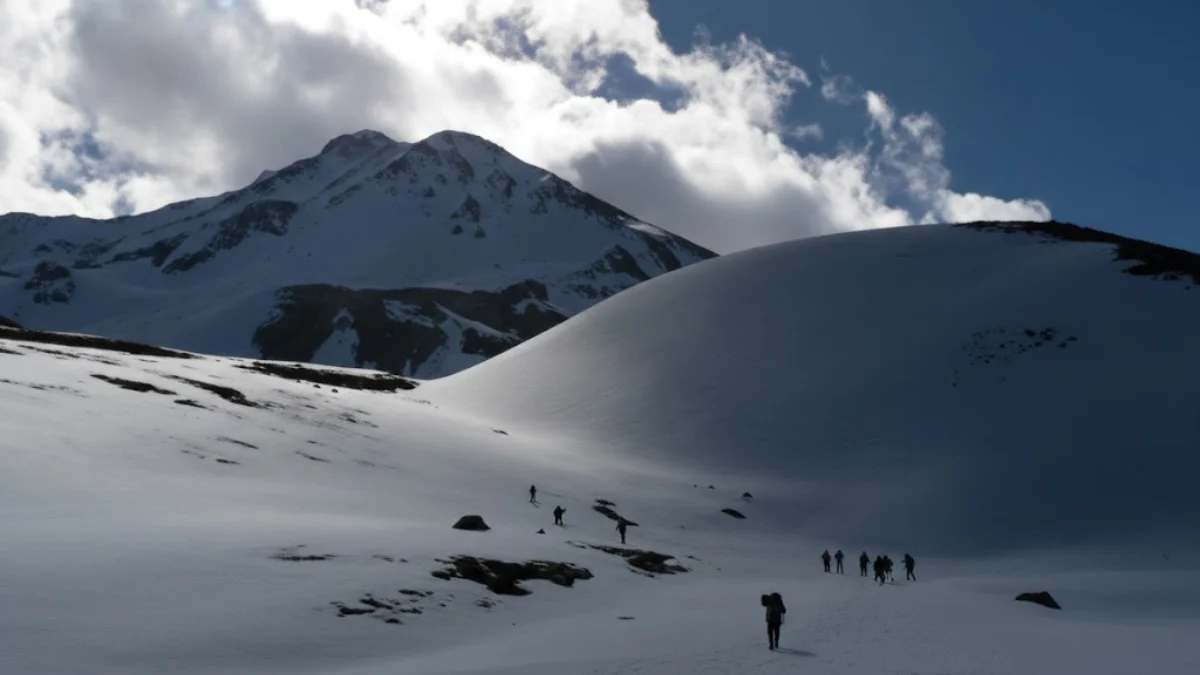
Honestly, winter isn’t the time to try Upper Dolpo. It gets super cold, snow piles up everywhere, and trails turn into slippery ice. The region can feel pretty cut off, and even experienced trekkers run into serious risks.
Major Obstacles:
- Heavy snow can block high passes completely
- Trails get icy and tricky to walk on
- Some villages might be hard to reach
- Extreme cold makes frostbite a real threat
Temperature:
- Often drops below -14°C at lower spots
- Can fall under -20°C at the high passes
- Strong winds just make the cold feel even worse
Tip: Winter trekking here is really only for hardcore expedition climbers with proper gear. For most people, it’s way safer to skip December to February.
Upper Dolpo Weather by Month
|
Month |
Conditions |
Pass Status |
Recommendation |
|
April |
Improving, cold nights |
Opening late month |
Good |
|
May |
Stable, clear |
Open |
Excellent |
|
June |
Dry upper region |
Open |
Very Good |
|
July |
Dry but flight risk |
Open |
Good |
|
August |
Similar to July |
Open |
Good |
|
September |
Clear and stable |
Open |
Excellent |
|
October |
Ideal conditions |
Open |
Best |
|
November |
Cold, early snow |
Risk of closure |
Moderate Risk |
Best Time Based on Trekking Goals
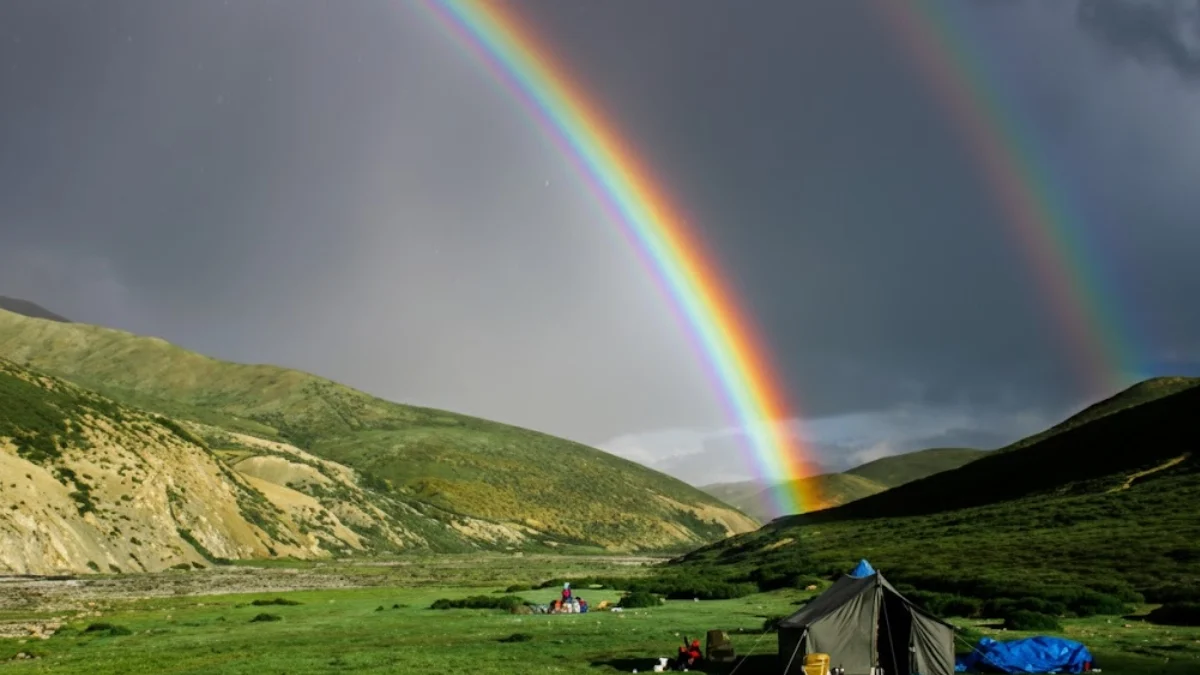
The best time for Upper Dolpo Trek really depends on what you want out of the trip, whether it’s snapping photos, diving into local culture, avoiding crowds, or just staying safe.
- For Clear Mountain Views: Late September to October gives you the clearest skies and awesome visibility after the monsoon. Perfect if you want sharp, dramatic mountain shots.
- For Cultural Immersion: Go in autumn during the harvest season or summer when locals collect Yarsagumba. You’ll see traditional village life, farming activities, and unique local customs up close.
- For Fewer Crowds: May or June are quieter months. Fewer trekkers than peak autumn, but still decent weather and open trails.
- For Safer High-Pass Crossings: Mid-April to October is your safest bet. High passes are usually open and trekking conditions are better. Winter and early spring? Not so much, snow and ice can make the passes risky.
Did you know: Solo trekking isn’t allowed here. You need a government-licensed guide and a Restricted Area Permit (around $500 for the first 10 days), which you can get through a registered agency.
How Season Affects Trek Difficulty?
Honestly, the time of year you choose for the Upper Dolpo Trek can totally change how hard it feels. The weather, trail conditions, whether passes are open, how cold it gets, and even logistics, all that stuff really matters. Pick the wrong season, and suddenly a “normal” trek can feel way tougher than it should.
Spring (Mid-April to May):
- Snow starts melting, so high passes are a lot easier to get across
- Daytime temperatures are pretty comfortable, perfect for long walking days
- Trails are mostly open, though early spring can still have some icy patches here and there
Autumn (September to October):
- Passes are stable and usually open, so you don’t have to worry much
- Higher up, cold winds can hit hard and make it a bit more tiring
- Great if you’re after clear trails and nice weather, especially for experienced trekkers
Monsoon / Summer (June to August):
- Trails stay mostly dry and dusty, which is kind of surprising for monsoon season
- Flights from Nepalgunj to Juphal might get delayed, so you’ll need to roll with the punches
- Trails are way less crowded, but planning things like transport can get tricky
Winter (December to February):
- High passes? Yeah, mostly blocked by snow
- Cold plus strong winds = real risk of frostbite or hypothermia
- Only attempt if you’re an expedition pro with serious gear
Tip: Picking the right season isn’t just about being comfy. It’s about safety, open passes, and actually being able to enjoy the trek without hitting a wall—or worse, running into danger.
Professional Recommendation
If you want a safe and smooth Upper Dolpo Trek, here’s the lowdown on the best seasons:
- Mid-April to May (Spring): Nice moderate temperatures, passes are open, and the landscapes are blooming, pretty much perfect for trekking.
- September to October (Autumn): Stable weather, clear skies, and those killer mountain views you’ve probably seen in photos.
If you don’t mind fewer people on the trail and can handle possible flight delays, monsoon (June to August) works too. Upper Dolpo stays pretty dry thanks to the rain-shadow effect, so it’s not as bad as other places.
Winter (December to February)? Honestly, skip it unless you’re a hardcore expedition climber. Snowed-in passes, frozen trails, and crazy cold make it unsafe for most trekkers.
Final Thoughts
Picking the right season really makes a huge difference for an Upper Dolpo Trek. Spring and autumn are the easiest bets, the weather’s reliable, passes are open, and temperatures are comfortable. Monsoon can be nice too if you want fewer crowds and a glimpse of local life, but you’ll need to be flexible with flights and schedules. Winter? Yeah… unless you’re a hardcore expedition climber, just skip it.
No matter when you go, planning ahead is a must. Expert guides, proper logistics, and good support make all the difference when you’re dealing with remote trails, high passes, and limited infrastructure.
For a smooth, well-supported adventure, Nepal Gateway Trekking has you covered. Our experienced guides and full-service planning let you focus on soaking in the sacred monasteries, jaw-dropping landscapes, and rich culture of Upper Dolpo, without stressing about the details. Go ahead, start planning your trek! Contact us today to book your trek.
Frequently Asked Questions (FAQ)
What’s the best time for the Upper Dolpo Trek?
Spring (mid-April to May) and autumn (September to October) are your best bets. The weather’s steady, passes are open, and the mountain views are crystal clear.
Can I trek Upper Dolpo during the monsoon?
Yeah, you can. June to August works because Upper Dolpo is in the rain-shadow, so it’s drier than most places. Just keep in mind flights can get delayed, so being flexible helps.
Is winter trekking safe in Upper Dolpo?
Not really. December to February is super cold, passes are blocked by snow, and access is limited. Only hardcore expedition climbers should think about it.
How tough is the Upper Dolpo Trek?
It’s definitely challenging. You’re talking high passes above 5,000 meters, long days walking, and really remote terrain.
Do I need a permit and a guide?
Yes. You need a Restricted Area Permit ($500 for the first 10 days) and a Shey Phoksundo National Park permit. Crucially, solo trekking is not allowed; you must be accompanied by a government-licensed guide.
How long does the Upper Dolpo Trek usually take?
Around 20–25 days, including time to get used to the altitude and cross the high passes safely.
Why does the season matter so much?
Weather can make or break the trek. It affects pass conditions, trail safety, flights, and basically your whole experience.