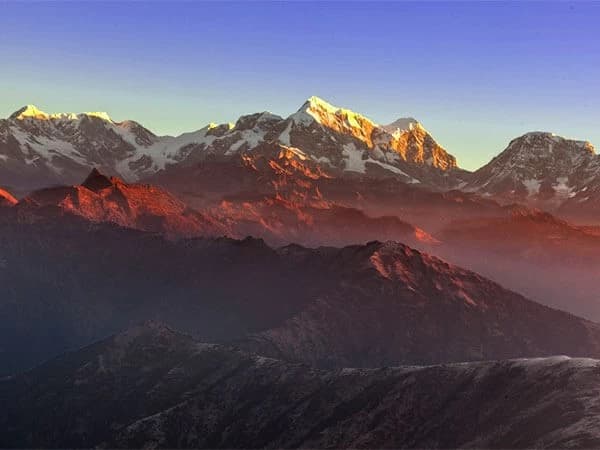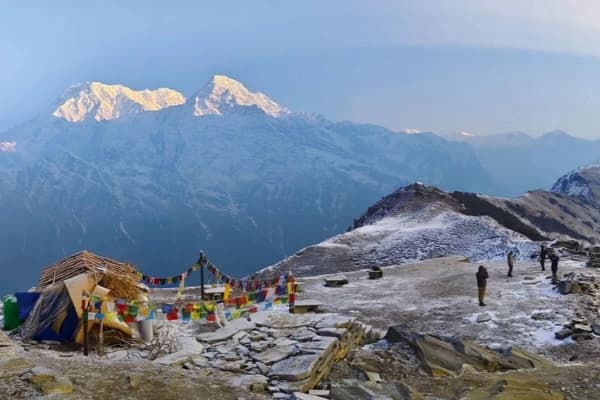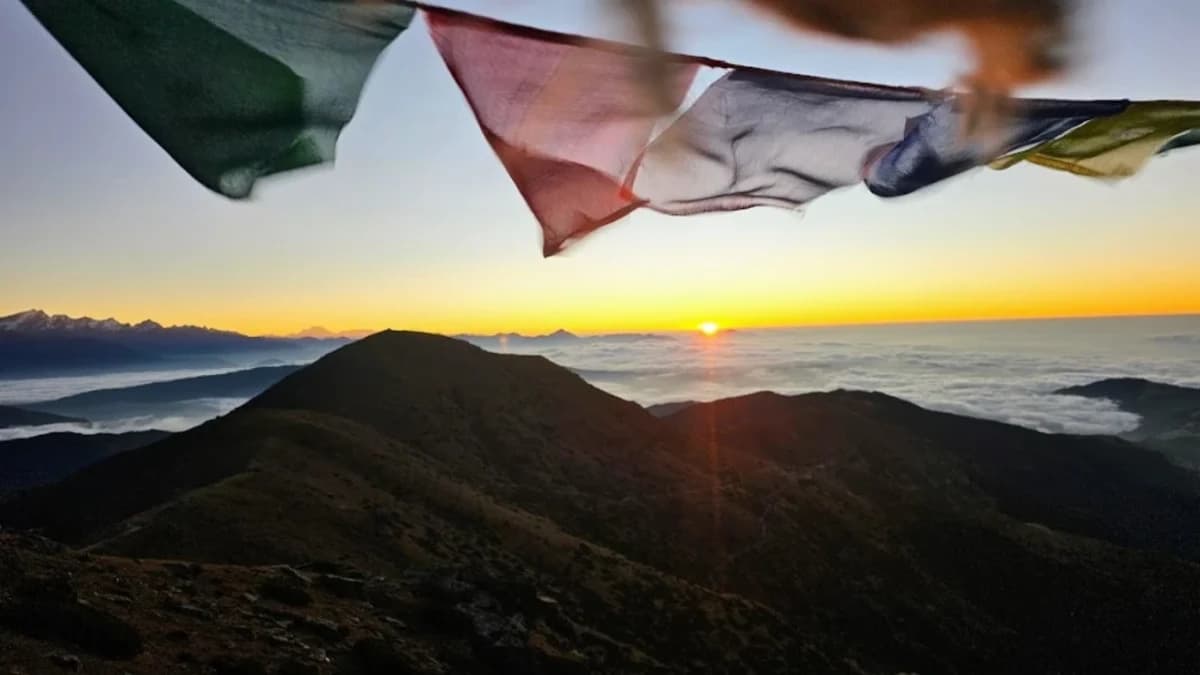
Watching the sunrise over Everest from Pikey Peak is a dream for many trekkers. The trail is quiet, the views are wide, and the journey feels special. But one small thing can stop your trek early, i.e., missing the right permits.
Pikey Peak trek permits are needed to trek legally in this part of Nepal. Without them, you may face delays at checkpoints, pay extra fees, or even be forced to go back the same way you came.
This blog explains Pikey Peak trek permits, including permit cost, rules, and where to get them. You will clearly understand who needs permits and how the permit process works for foreigners, SAARC nationals, and Nepali trekkers.
At Nepal Gateway Trekking, we handle permits every trekking season. Let us handle your Pikey Peak trekking permits in Nepal, so you can focus on enjoying the trail, the mountains, and a trek you will remember for a long time.
Who needs Pikey Peak Trek Permits?
The Pikey Peak trek passes through protected and locally managed areas. Because of this, the Nepal government requires trekkers to carry permits. Without permits, checkpoints may stop you or ask you to return. It is better to prepare early than face problems on the trail.
Below is a simple breakdown of who needs a Pikey Peak trek permit.
- Foreign Nationals
- SAARC Nationals
Nepali citizens usually do not need national park or conservation permits for the Pikey Peak trek. However, local area permits may still be required on certain routes, depending on local regulations.
Unsure about permits? Get in touch with Nepal Gateway Trekking to confirm the right permits for your route and handle everything for a smooth start.
Latest Trekking Rules for Pikey Peak Permits
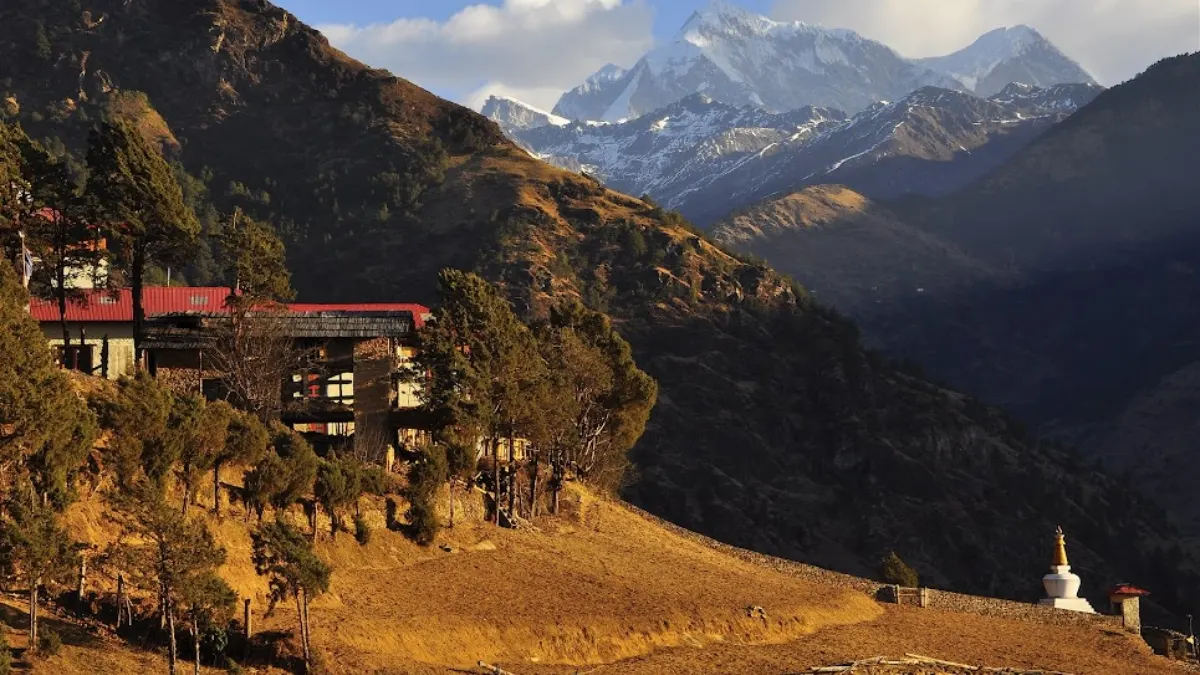
Before starting the trek, it is important to understand the latest trekking rules for Pikey Peak trek permits. These rules help protect nature, improve safety, and manage trekking routes properly. Missing or outdated information can lead to delays or problems on the trail.
Permit Rules by Nationality
Permit requirements for the Pikey Peak trek depend on nationality and route.
- Foreign nationals must carry valid Pikey Peak trek permits at all times. Permit checks are common on this route.
- SAARC nationals also need permits, but the pikey peak trek permits cost is usually lower than for other foreigners.
- Nepali citizens are mostly exempt from national permits; however, local area permits may still apply depending on the route.
Solo Trekking Rule (Guide Requirement)
One of the most important recent changes affects solo trekking.
- Foreign trekkers are now advised or required to trek with a licensed guide on routes like Pikey Peak.
- This rule exists because the area is quiet and remote, and help may not be nearby in emergencies.
- Trekking with a guide also makes the Peaky Peak trek permit process easier during checkpoint inspections.
Local guidance makes trekking easier. Trek with experienced locals at Nepal Gateway Trekking; plan your trip here.
Seasonal Rule Changes
Trekking rules can also change depending on the season.
- During spring and autumn, permit checks are stricter because more people are trekking.
- In monsoon and winter, safety rules may be stricter because of rain, snow, or bad trail conditions.
Local authorities may change permit checks or rules based on weather and trail safety.
So, it’s always a good idea to check the latest Pikey Peak trek permit requirements before you go. Before setting your dates, check out the best time for the Pikey Peak Trek in our blog at Nepal Gateway Trekking.
Types of Pikey Peak Trek Permits
The permits you need for Pikey Peak depend on where you start and the route you take. Some routes go through national parks, while others go through conservation or local areas. Knowing this early can help you avoid delays and extra costs on the trail.
Below are the main Pikey Peak trekking permits in Nepal, explained in a simple and clear way.
Sagarmatha National Park Entry Permit
Since the Pikey Peak Trek falls within the boundaries of the Sagarmatha National Park, you will need to obtain an entry permit. It protects wildlife, forests, and mountain ecosystems.
- Validity: Valid for a single entry during the trek
- Cost:
- Foreigners – NPR 3,000 ( approx $21 USD)
- SAARC nationals – NPR 1,500 (approx $ 10.5 USD)
- Where to get it: Kathmandu or at park entry points like Monjo
This permit is part of the Pikey Peak trek permit requirements for routes linked with the Everest region.
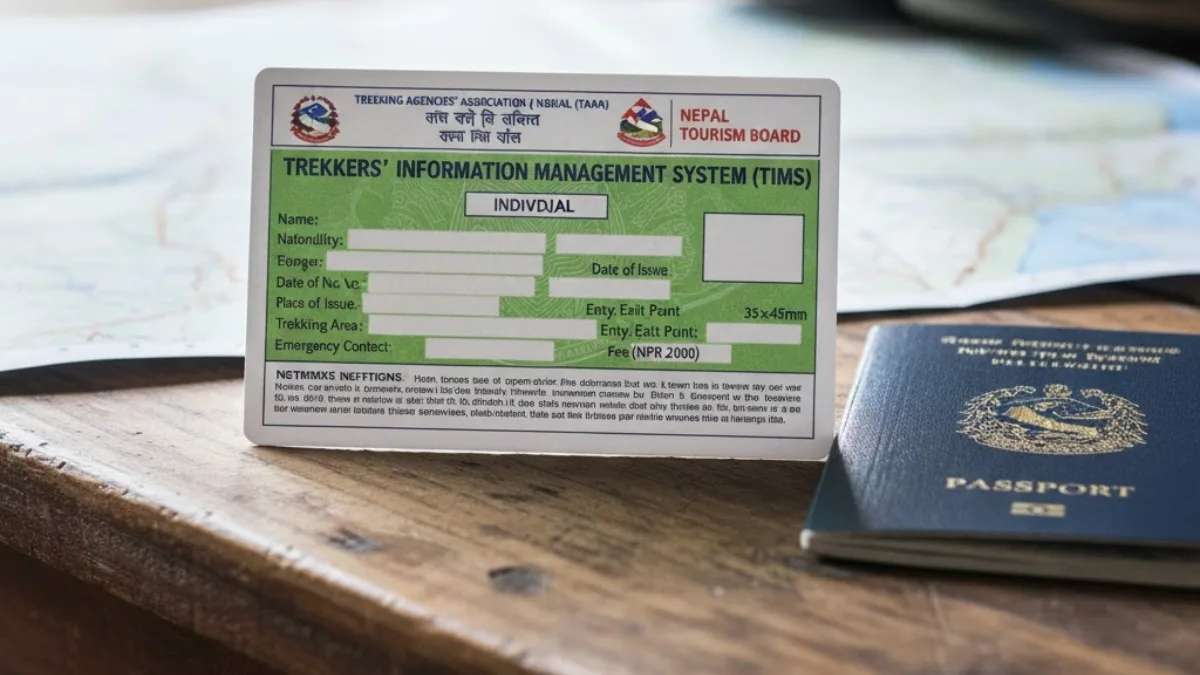
Trekker’s Information Management System (TIMS) Card
The TIMS card is used across Nepal to improve trekker safety. It records trekker details for monitoring and emergency support.
- Validity: Valid for one trekking itinerary
- TIMS cost:
- Foreigners (Individual/FIT): Around USD 20 (NPR 2,000) (approx. $14 USD)
- Foreigners (Group with Agency): Around USD 10 (NPR 1,000 (approx. $7 USD))
- SAARC Nationals (Groups): NPR 300 (approx. $3 USD)
- SARRC (Individuals): NPR 600 (approx. 4 USD)
- Where to apply:
- Nepal Tourism Board (NTB)
- Through a registered trekking agency like Nepal Gateway Trekking
Route choice affects permits and cost. Check our Pikey Peak trek map blog from Nepal Gateway Trekking to plan the right entry and exit points.
Gaurishankar Conservation Area Permit (GCAP)
For most routes, this is the main and most important Pikey Peak trek permit. Most Pikey Peak trails pass through the Gaurishankar Conservation Area, which is why GCAP permit is required. From on-trail checks, GCAP is often the first permit verified, making it a key Peaky Peak trek entry permit.
- Validity: Valid for the full trekking period
- Cost:
- Foreigners – NPR 3000 (approx. $21 USD)
- SAARC nationals – NPR 1000 ( approx $7 USD)
- Where to apply: NTNC offices in Kathmandu or local checkpoints
Local Area Permit
Some trekking routes also require a local permit issued by rural municipalities. This permit Supports local development and trail management.Local permits may be checked along the trail, so carrying them is important.
- Validity: Valid only for the specific local area
- Cost:
- Foreigners – standard fee
- SAARC nationals – reduced fee
- Where to get it: Trail checkpoints such as Shivalaya or Lukla
Pikey Peak Trek Permit Cost
The Pikey Peak trek permit cost depends on your route and nationality. Some trekkers need only one permit, while others need a combination. The table below shows the Pikey Peak trek permits price and fees clearly.
Pikey Peak Trek Permit Cost Table
|
Permit Type |
Cost for Foreigners |
Cost for SAARC Nationals |
Validity |
Where to Get |
|
Sagarmatha National Park Entry Permit |
NPR 3,000 (USD 21) |
NPR 1,500 (USD 10.5) |
Single entry |
Kathmandu / Monjo |
|
TIMS Card (Individual) |
NPR 2,000 (USD 14) |
NPR 600 (USD 4) |
One itinerary |
NTB office / Agency |
|
TIMS Card (Group with Agency) |
NPR 1,000 (USD 7) |
NPR 300 (USD 3) |
One itinerary |
NTB office / Agency |
|
Gaurishankar Conservation Area Permit (GCAP) |
NPR 3,000 (USD 21) |
NPR 1,000 (USD 7) |
Full trek |
NTNC office / Trail checkpoints |
|
Local Area Permit |
Standard fee (NPR) |
Reduced fee (NPR) |
Specific local area |
Shivalaya / Lukla |
Quick Notes
- Foreigners: Pay higher fees for most permits.
- SAARC nationals: Receive discounted permit costs.
- Nepali citizens: Generally exempt from national permits, but local permits may be required.
All amounts are rounded to the closest local exchange rate and may vary slightly based on government updates.
Start right from day one. Connect with Nepal Gateway Trekking for accurate Pikey Peak permit confirmation and processing.
How to Get Pikey Peak Trek Permits: Step-by-Step Guide
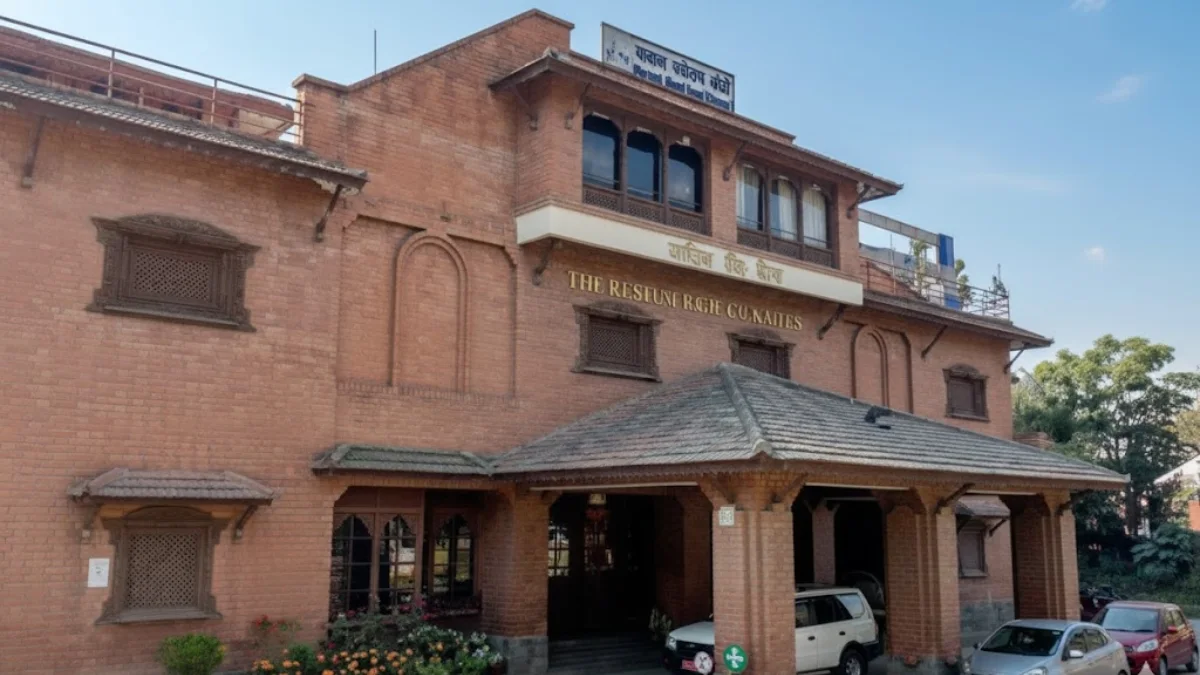
Getting Pikey Peak trek permits is easy when you follow the right steps. The permits you need depend on your route, so planning early helps avoid delays and extra fees.
These simple steps explain the Peaky Peak trek permit process clearly.
Step 1: Choose Your Trekking Route
- Your starting point determines the Pikey Peak trek permits that Nepal requires. Routes through protected areas require additional permits.
Step 2: Identify Required Permits
Based on your route, you may need:
- TIMS Card
- Gaurishankar Conservation Area Permit (GCAP) for Jiri or Shivalaya routes
- Sagarmatha National Park Entry Permit if extending toward the Everest region
These permits make up the Pikey Peak trek permit requirements and affect the Pikey Peak trek permits cost.
Step 3: Decide How to Apply
Choose between an agency or independent trekking.
- Option 1: Get Permits Through a Registered Trekking Agency
This is the safest and easiest option.- Book with a registered trekking agency
- Submit passport copy and photos
- The agency handles all Pikey Peak trek permits
- Receive permits before starting the trek
- Option 2: Independent Trekking (DIY Permits)
This option needs more time and care.- Apply in Kathmandu at the Nepal Tourism Board
- Carry required documents and itinerary
- Collect permits on the trail if needed at Shivalaya or Monjo
- Missing a permit can stop your trek. That is why many trekkers choose expert support.
Where to Apply for Pikey Peak Trek Permits?
Knowing the right place to apply for Pikey Peak trek permits can save you time, money, and stress. Permit offices depend on your trekking route and whether you apply in advance or on the trail.
Below is a clear guide to the main Peaky Peak trek permit office Nepal locations.
Kathmandu Permit Offices
- Nepal Tourism Board (NTB)
This is the main office for trekking permits and official guidance. Most trekkers apply here for Pikey Peak trekking permits Nepal or confirm which permits are required for their route. - Department of Immigration
Handles permits related to national parks or special trekking regulations when applicable.
Applying in Kathmandu is recommended if you want a smooth start and fewer issues on the trail.
Permit Offices on the Trail
- Shivalaya: Common checkpoint for routes starting from Jiri or Shivalaya.
- Monjo: Main checkpoint if your trek connects with the Everest or Sagarmatha region.
- Lukla: Local permit checks may apply depending on your itinerary.
These trail offices are useful for trekkers who start directly from the route or need to collect permits on the way.
Important Note: Permit rules can change due to route updates or seasonal conditions. Always reconfirm your permit requirements for the Pikey Peak trek before departure.
Online Application for Pikey Peak Trek Permits
Many trekkers ask if Pikey Peak trek permits can be applied online. The short answer is yes, but only partly. Online systems can help you register and submit details, but physical permits are usually collected in Nepal. Knowing this early saves time and avoids last-minute stress.
The online permit process is given below:
- Identify permits based on your route: Your route decides the Pikey Peak trek permit requirements, i.e., GCAP, TIMS, or the Sagarmatha National Park permit.
- Visit official portals: Use the National Trust for Nature Conservation (NTNC) portal for conservation permits or the Department of Immigration portal when applicable.
- Fill the application form: Enter personal details, dates, and itinerary carefully to avoid errors.
- Upload documents: Submit clear scans of your passport, photo, and required papers.
- Submit and track status: Keep the confirmation for final processing and collection.
Where Are Pikey Peak Trek Permits Checked?
Permit checks are a normal part of trekking in Nepal. On the Pikey Peak route, officials regularly check Pikey Peak trek permits to make sure trekkers follow the rules. Carrying valid permits all the time helps you avoid delays and fines.
Officials check permits mainly at these checkpoints:
- Monjo: If your route connects with the Everest or Sagarmatha area
- Shivalaya: A common checkpoint for routes entering conservation areas
- Lukla: Local checks may happen depending on your plan
- Random trail checks: Park rangers or local authorities may check permits anywhere on the trail
To trek smoothly, always carry your Pikey Peak trekking permits Nepal in both paper and digital form.
Easy Tips to Get Pikey Peak Trek Permits Without Stress
Getting Pikey Peak trek permits is easy when you plan ahead. These simple tips help you avoid common problems during the Peaky Peak trek permit process.
- Use a registered trekking agency for correct permits and updates
- Prepare documents early to avoid last-minute rush
- Keep extra days in Kathmandu for unexpected delays
- Carry physical and digital copies of all permits
- Carry Nepalese Rupees (NPR) for local fees and checkpoints
These steps also help control your pikey peak trek permits cost and save time on the trail.
Since Pikey Peak lies close to the Everest region, many trekkers choose to add the Everest Base Camp trek for a once-in-a-lifetime journey.
Essential Tips for Pikey Peak Trek Permits
A little preparation makes a big difference. These tips come from real trekking experience in the region.
- Best place to apply: Kathmandu permit offices before starting the trek
- Best time to visit offices: Early morning to avoid queues
- Online vs offline: Online helps with registration, but physical permits are usually required
- Importance of copies: Multiple checks mean copies are often needed
Following these tips makes meeting Pikey Peak trek permit requirements simple and stress-free.
Final Thoughts: Trek Legally & Safely
Pikey Peak trek is quiet, scenic, and deeply rewarding. However, this experience stays smooth only when you trek the right way. Pikey Peak trek permits are essential because they protect nature, support local villages, and keep trekkers safe. Therefore, understanding permit rules, costs, and application points is not optional, it is part of good planning.
Moreover, local trekking experience shows that most problems happen when permits are missing or unclear. As a result, trekkers face delays, fines, or route restrictions. By planning early and carrying the correct permits, you avoid these issues and enjoy the trek with confidence.
Finally, the easiest and safest option is to trek with a registered trekking agency like Nepal Gateway Trekking.
We manage the full permits process, confirm the latest rules, and arrange the best Pikey Peak trek permits for your route. Contact us today to trek legally, safely, and without worry.
For official confirmation on trekking rules, permits, and travel safety, refer to the latest updates from the Nepal Tourism Board.
Common Queries About Pikey Peak Trek Permits
Do I need permits for Pikey Peak trek?
Yes. Most trekkers need Pikey Peak trek permits, especially foreigners and SAARC nationals. Nepali citizens are usually exempt, but local area permits may still apply depending on the route.
Are permits different for foreigners and Nepali trekkers?
Yes. Pikey Peak trekking permits in Nepal are mandatory for foreigners and SAARC nationals. Nepali trekkers generally do not need national permits, though some routes require local permits.
Are permits checked more than once during the trek?
Yes. Pikey Peak trek permits are checked at main checkpoints and sometimes along the trail by local authorities or park staff.
Can I start trekking without permits and get them later?
No. This is risky. If you trek without valid permits, you might have to stop your journey early and could face fines or delays.
How much does the Pikey Peak trek permit cost?
The cost depends on your nationality and route, because some routes need more than one permit.
For foreigners:
- GCAP: NPR 3,000 (≈ USD 21)
- Sagarmatha National Park Permit (if needed): NPR 3,000 (≈ USD 21)
- TIMS Card: NPR 2,000 (≈ USD 14) per person
For SAARC nationals:
- GCAP: NPR 1,000 (≈ USD 7)
- Sagarmatha National Park Permit: NPR 1,500 (≈ USD 10.5)
- TIMS Card: NPR 600 (≈ USD 4) per person
Where can I get Pikey Peak trek permits?
You can get them in Kathmandu, at checkpoints like Monjo or Shivalaya, or through a trekking agency that handles the permits for you.