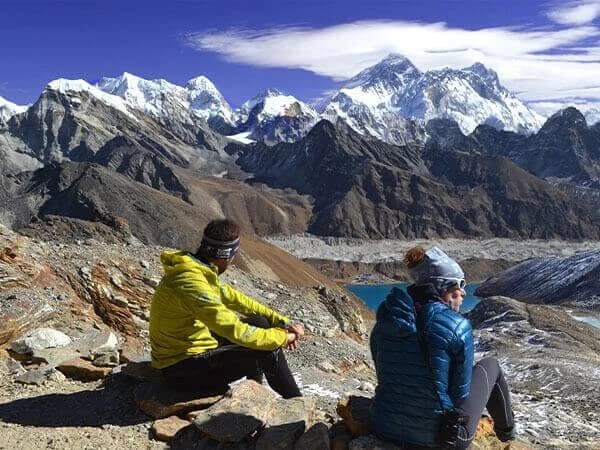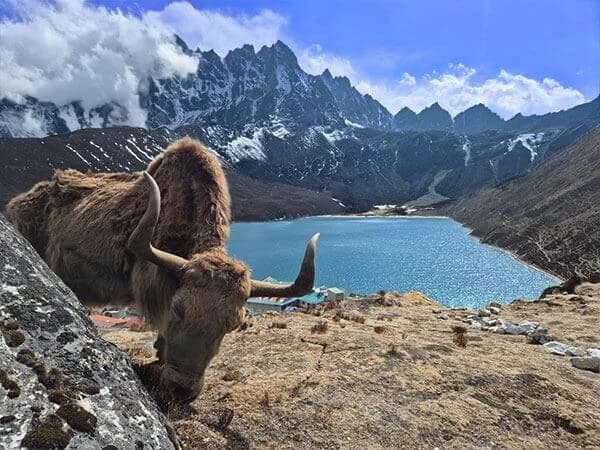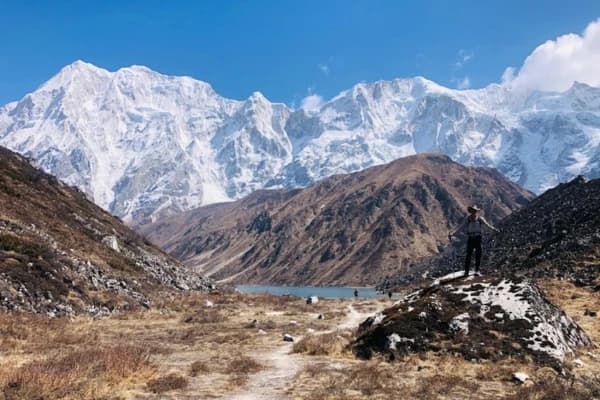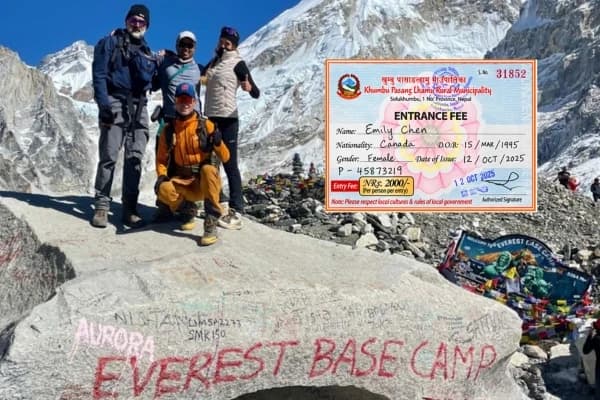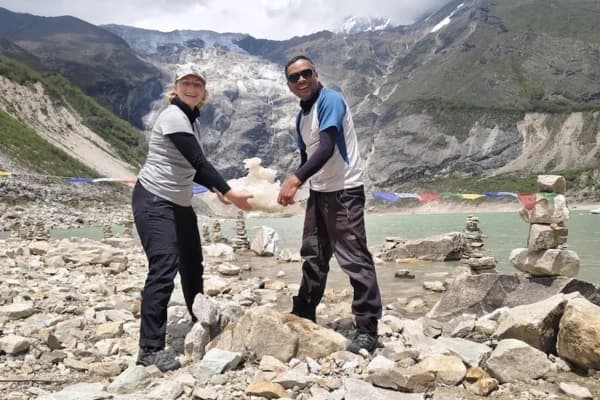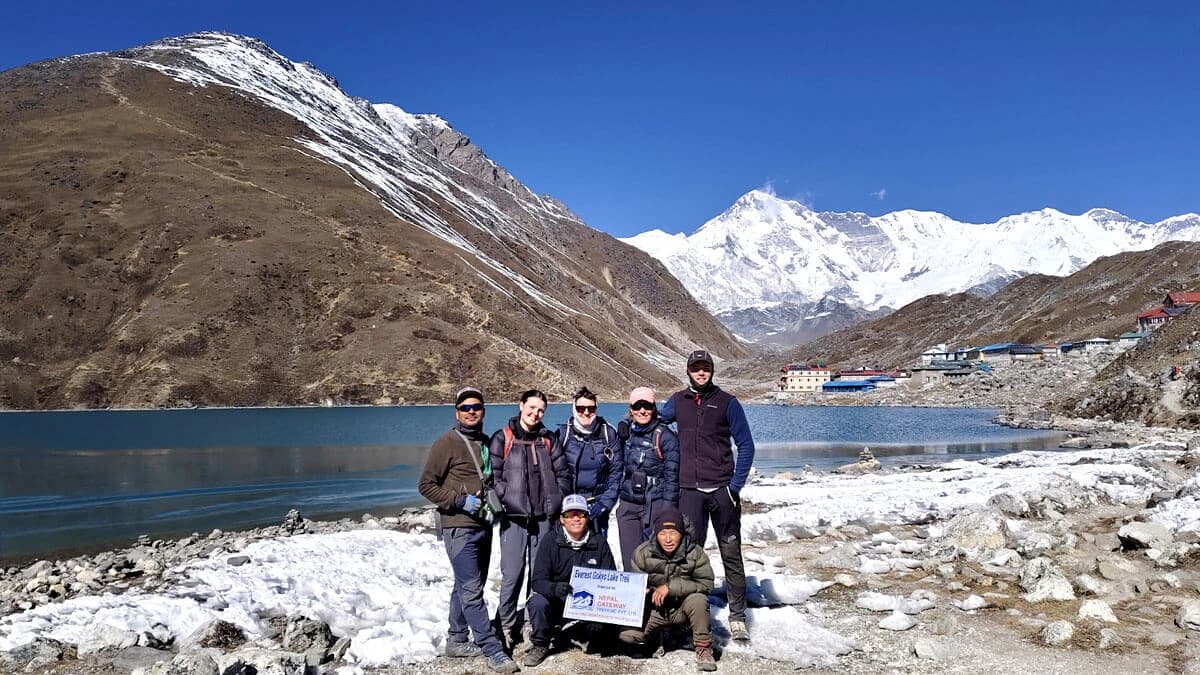
Are you thinking about the Everest Gokyo Lake trek but are afraid it will be too hard? You're not the only one. A lot of people who go trekking dream about those blue lakes and mountain views, but they also wonder, can I really do this?
The Gokyo Lake trek is not too hard or too simple. It's not a hard climb, but it's not a walk in the park either. The hardest part is the high altitude, long days of walking, and thin air, not the dangerous trails.
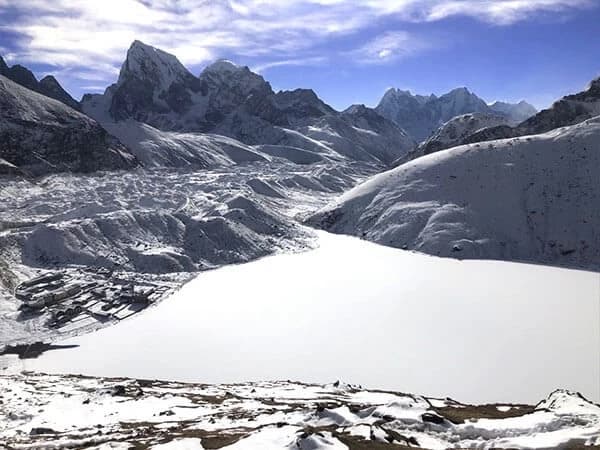
The trek goes through the stunning Gokyo Lakes and up to Gokyo Ri, where the views are breathtaking.
This trek is definitely possible for the trekkers who are in excellent shape, have a positive attitude, and are well-prepared. You don't need to be an athlete, but you must be patient and energetic. Like climbing a long set of stairs, going slowly and steadily will get you to the top.
Is the Everest Gokyo Lake Trek Difficult?
It is moderately difficult to trek to Gokyo Lake on Everest, but it is not impossible. It's challenging because of the high altitude and the long days of walking, not because of the climbing itself. So, how challenging is the trek to the Gokyo Lakes?
It's in the middle: harder than easy treks but not as hard as climbing mountains. You will walk on rocky trails for 5 to 7 hours every day and climb to places like Gokyo Ri (5,357m), where the air is thin and your body gets exhausted faster.
This is a simple way to break it down:
- How hard it is: Medium to Hard
- No technical skills needed: no climbing gear or ropes
- The hardest part is being high up and full of energy
- How long the trek will take: 12 to 16 days
Who can do this trek?
- You are in good shape (you can walk for 5 to 6 hours a day)
- You don't hurry: you take your time.
- You do the right thing to get used to it.
- You stay strong and positive in your mind.
Even beginners can do this trek if they plan ahead. It's like a marathon: hard, but doable if you go slow. In short, the trip to Gokyo Lakes is challenging but worth it.
Why the Gokyo Lake Trek Looks Hard: Important Reasons?
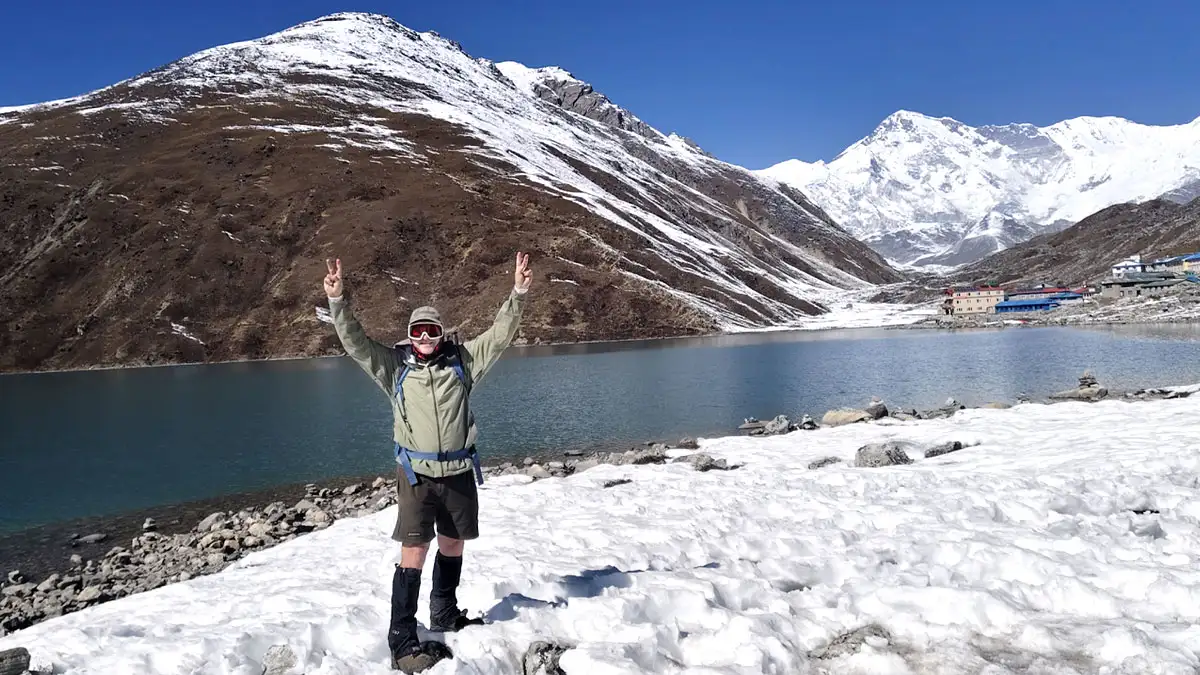
There are a few simple reasons why the Gokyo Lake trek looks challenging. Many little problems add up to one big one. The trek gets harder when you add in high altitude, long walks, and cold weather, but it is still doable.
Here are the main reasons:
- Up high and not enough air
- Walking for hours every day
- Trails that are steep and have bumps
- Glaciers that go over each other
- Cold weather that changes High Altitude and Thin Air
The air becomes thinner as you climb Gokyo Ri and get closer to Gokyo Lakes.
This means:
- You get tired very quickly
- It's harder to breathe
- It feels heavy even when I walk slowly.
- It's like your body has less energy when you walk.
How to Avoid Altitude Sickness and Its Risks?
If you are at a high altitude, you might get acute mountain sickness.
Common signs:
- Pain in the head
- Feeling dizzy
- Not feeling well
- Weakness
How to stay safe:
- Take your time walking
- Take a break
- Drink a lot of water
- Don't rush
Just relax, and your body will get used to it. Long walks and long distances
Long Walking Hours and Distance
You'll walk for about 5 to 7 hours every day. The trek will last between 12 and 16 days.
Some days are short, and some are long. It's like walking for hours every day without stopping. Trails that are steep and glaciers that are crossed. The path isn't level. You will walk on rocks and through places like the Ngozumpa Glacier.
What this means is
You have to be in excellent shape. Steps can be slow and careful. A simple idea: Be careful and watch where you step. Problems with the weather and the temperature.
The weather in the mountains can change rapidly. It can be windy or clear outside. It's freezing at night. It snows sometimes
Simple thought: Be ready for anything.
The weather, the distance, and the height all make the trek hard. But it gets considerably easier if you plan ahead and take your time. Please follow my instructions and don't mix up the points.
Gokyo Lakes Trek: How Hard It Is Each Day (Real Breakdown)
As you go higher, the Gokyo trek gets harder each day. The first few days are easier, but as you go higher, the trek gets harder. It's like climbing stairs: the higher you go, the harder it feels.
This is a simple overview of the difficulty level for each day:
|
Trek Section |
Difficulty Level |
What to Expect |
|
Lukla → Namche Bazaar |
Easy to Moderate |
Gradual climb, body adjusting |
|
Namche → Machhermo |
Moderate |
Altitude starts affecting you |
|
Machhermo → Gokyo |
Moderate to Hard |
Thinner air, longer climbs |
|
Gokyo Ri Climb |
Hard |
Steep climb at very high altitude |
This is where the trek from Lukla Airport to Namche Bazaar begins.
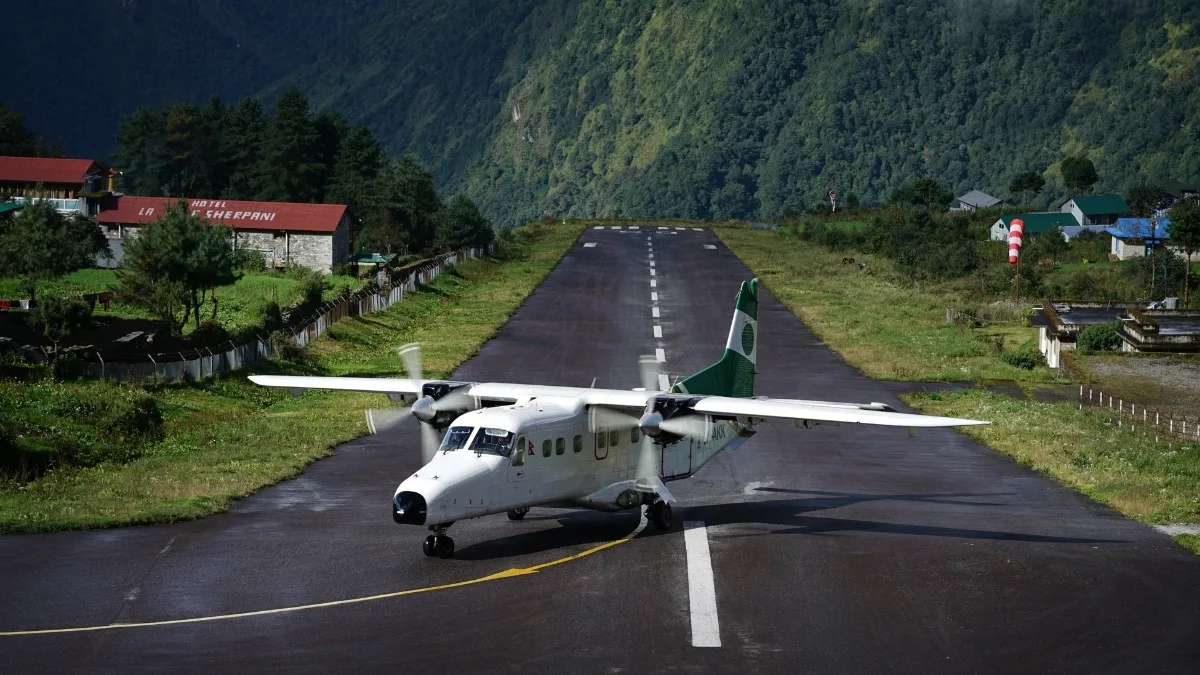
- There are clear signs on the trails.
- It's easier to walk now than it was before.
- Your body slowly starts to get used to it.
A simple idea: This is the time to warm up.
Namche to Machhermo (The Altitude Starts to Hit)
As you go up from Namche Bazaar to Machhermo:
- The air starts to get thinner.
- You might feel exhausted and slow.
- It gets a little harder to breathe.
Easy idea: Your body starts to feel the height.
Machhermo to Gokyo (Hard Part)
This part gets you closer to the Gokyo Lakes.
- The paths get rough and rocky.
- You can walk on glaciers like Ngozumpa Glacier.
- The level of oxygen is lower.
Easy to understand: The Gokyo Valley stretch is where the trek starts to get hard.
The hardest day was the Gokyo Ri climb.
The hardest part of the trek is climbing Gokyo Ri.
- A very steep climb
- High up (more than 5,300m)
- You might have to stop a lot to catch your breath.
It's a challenging climb, but the view from the top makes it all worth it.
Gokyo Ri and Cho La Pass Difficulty Explained
The Gokyo Ri climb and the Cho La Pass are both harder than the usual trekking route. The Gokyo trek's hardest parts are doable if you prepare and go at the right speed. Gokyo Ri is challenging, but Cho La Pass is even harder.
How hard is it to climb Gokyo Ri?
- It's difficult to climb Gokyo Ri, but it's not very long.
- A steep climb up
- High up (over 5,300m)
- Lasts for about 2 to 4 hours
If you want to understand the full trekking duration before reaching Gokyo, you can read this guide on how long the Gokyo Lake trek takes
You will feel:
- Quickly out of breath
- Legs getting tired quickly
Who should take care of it?
- People who are somewhat fit and like to trek
- Anyone who can walk slowly and steadily
A simple tip: Take small steps and take breaks often.
How Hard Is Cho La Pass?
Crossing Cho La Pass is much harder than Gokyo Ri.
- High up (5,420m)
- A long and tiring day
- Paths with snow, ice, and rocks
You might have to confront the following:
- Parts that are slippery
- Wind that is cold and temperatures that are below freezing
- More hours of walking
Who should do it?
People who have been trekking before Those who are used to tough situations Trekkers with a guide
Note: This isn't for people who are just starting out. Only go if you are ready.
Difficulty by Season – When Is the Trek Easiest?
The difficulty of the Gokyo trek changes a lot with the season. Choosing the right time can make your journey much easier or much harder. In simple words, good weather = easier trek, bad weather = tougher trek.
If you are looking for the best time for an effortless Gokyo trek, spring and autumn are your safest choices. Here is a simple comparison:
|
Season |
Difficulty Level |
What to Expect |
|
Spring (Mar–May) |
Moderate (Easiest) |
Clear skies, stable weather, comfortable temperature |
|
Autumn (Sep–Nov) |
Moderate (Easiest) |
Best visibility, dry trails, perfect trekking conditions |
|
Winter (Dec–Feb) |
Hard |
Very cold, snow-covered trails, freezing nights |
|
Monsoon (Jun–Aug) |
Moderate to Hard |
Rain, slippery paths, poor visibility |
Fitness Level Required for Gokyo Trek
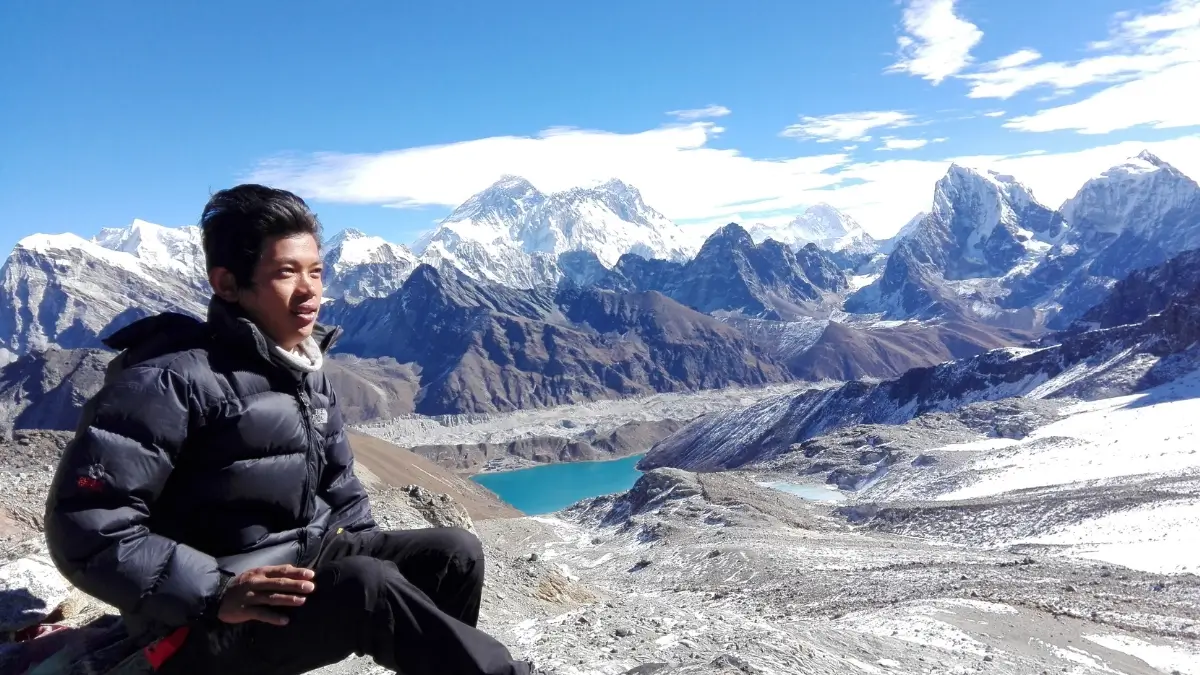
You don't have to be very fit to go on the Gokyo trek. You don't need to be strong, but you should be able to walk for a long time in the mountains. Simple idea: You're ready if you can walk steadily for a long time without getting too tired.
This is the level of fitness you should have:
- You can walk for 5 to 7 hours a day for a few days.
- You can walk on trails that go up and down.
- You don't get tired quickly when you walk.
- You can carry a light backpack that weighs between 5 and 8 kg.
- You can keep a steady and slow pace.
Who is strong enough to go on this trek?
- People who walk or trek on a regular basis
- Beginners who are in good shape and have a strong mind
- Anyone who is okay with going slowly and taking breaks when they need to
In short, you don't have to be an athlete. You can do the Gokyo trek if you are active and can walk every day without any problems.
Can Beginners Do the Gokyo Lake Trek?
Yes, beginners can trek to Gokyo Lake, but they need to be ready and go slowly. It's not an easy trek, but it's not too hard either if you're in good shape and willing to walk for 5–6 hours a day. The most important things are to give yourself enough time to adjust, drink enough water, and pay attention to what your body is telling you.
Beginners who rush, don't pay attention to signs of altitude, or don't walk often may have a hard time. This trek is best for people who are active, patient, and want to really experience the mountains.
Who Should Not Do the Gokyo Lake Trek?
Most people can safely do the Gokyo trek, but not everyone can. Some people may be in serious danger because of the high altitude, long days of walking, and cold weather. Before you leave, it's best to be honest. If your body can't handle high places or long walks, this trek isn't for you.
You should not go on this trek if:
- You have serious problems with your heart or lungs
- You have had severe altitude sickness in the past.
- You can't walk for 5–6 hours a day
- You have serious problems with your knees or joints
- You don't like cold weather and basic amenities
- You want a quick and simple trip
- You would rather not take it easy on rest days.
Important warning:
The trek goes up to more than 5,000 meters, where acute mountain sickness is a real risk. Not paying attention to symptoms can be dangerous. Always put safety ahead of getting to your destination
Solo vs. Guide Trek – Which Is Easier?
It's obvious that a guided trek is safer and easier than a solo trek, especially for people who have never done it before. The road to Gokyo Lakes goes through remote areas where it can be hard to find your way, deal with high altitudes, and manage bad weather. With a guide, you don't have to worry about the trail, safety, or carrying heavy things.
This helps you relax both your body and your mind. On the other hand, a solo trek is harder because you have to do everything yourself, like find your way, keep up your pace, and stay healthy. In short, beginners should go on a guided trek to make things easier and safer. Experienced trekkers can go on a solo trek if they are confident and well-prepared.
Confuse about the Gokyo Lakes Trek vs Everest Base Camp Trek? Contact Nepal Gateway Trekking for expert advice and find the perfect trek for your adventure.
Final Thoughts
The trek to Gokyo Lake on Mount Everest isn't too hard, but it can be. With the right planning, it is possible to achieve this goal. The hardest parts aren't the technical climbing; they're the changing weather, the long days of walking, and the high altitude. Taking your time, walking slowly, and allowing your body to acclimate will make the trek significantly easier and more enjoyable.
The trip to Gokyo Lakes lets you see beautiful places, walk on quiet paths, and really feel like you're in the Himalayas. Every step is worth it, even if it can be hard at times.
Are you ready to leave?
Nepal Gateway Trekking can help you plan your safe and guided Gokyo Lake Trek. Our team will help you plan your trip, acclimate to the new place, and be there for you. Call us today to make your dream of hiking a reality.
FAQs
Is the Gokyo Lake Trek harder than Everest Base Camp?
Yes, in some ways. Gokyo involves glacier crossings and steeper climbs like Gokyo Ri, making it slightly more challenging. However, it is less crowded and more peaceful than Everest Base Camp, which some trekkers find mentally easier.
Can a beginner do the Gokyo Lake Trek?
Yes, beginners can do it if they are physically fit and follow a proper itinerary with acclimatization days. Training before the trek and choosing a guided tour greatly increases success and safety.
How many days does the Gokyo Lake Trek take?
The trek usually takes 12 to 16 days, depending on your pace and route. Adding acclimatization days is important to reduce altitude sickness risk and make the trek safer.
What is the hardest part of the Gokyo trek?
The climb to Gokyo Ri is the hardest part. It is steep and done at high altitude, where oxygen is low. Many trekkers feel breathless, but the sunrise view makes it worth the effort.
Is altitude sickness common on the Gokyo trek?
Yes, altitude sickness is common because the trek goes above 5,000 meters. Proper acclimatization, hydration, and a slow pace help reduce the risk significantly.
What fitness level is needed for the Gokyo trek?
You need adequate stamina and basic cardio fitness. If you can walk 5–6 hours daily on uneven terrain, you are ready. Simple training like hiking and jogging helps a lot.
Which is the best time to avoid difficulty in the Gokyo trek?
Spring (March–May) and autumn (September–November) are the best times. The weather is stable, trails are safer, and visibility is clear, making the trek easier compared to winter or monsoon.
Is Cho La Pass difficult?
Cho La Pass is one of the toughest sections. It involves steep climbs, icy paths, and high altitude. It is recommended only for experienced trekkers or those with a guide.
Do I need a guide for Gokyo Lake Trek?
A guide is not mandatory but highly recommended. They help with navigation, safety, and altitude management, making the trek easier and more enjoyable.
Is Gokyo Lake Trek safe?
Yes, it is generally safe if you prepare well and follow safety guidelines. Trekking with a reputable company and taking proper acclimatization days reduces risks.