Spring is one of the most popular and beautiful times to trek in Nepal. The days get warmer, the skies are clearer, and the Himalayan trails are full of blooming rhododendron forests, making trekking really colorful. Lots of people planning trips to places like Annapurna Base Camp, Everest Base Camp, and the Manaslu Circuit often ask an important question: Is there a risk of avalanches in Nepal during spring?
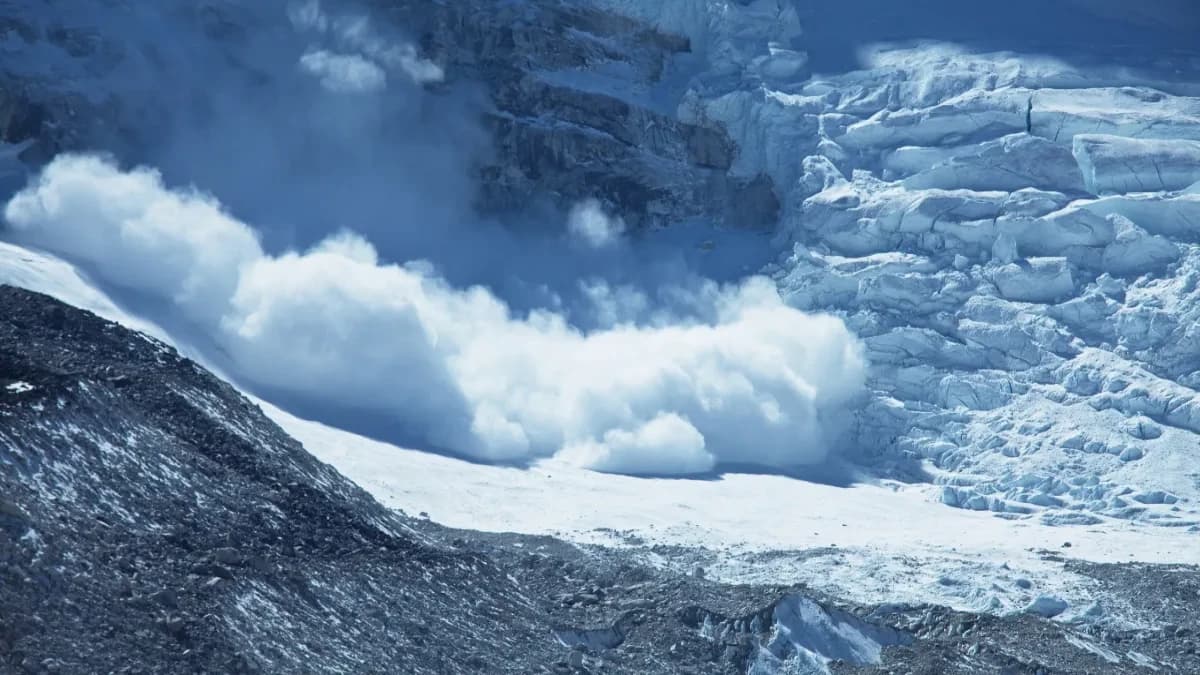
The answer is yes. Avalanches can happen in Nepal during spring, and the risk is highest from March to May. Winter has the most snow, but in spring, melting snow, changing temperatures, and unpredictable weather can make some high-altitude trails unsafe.
It is really important for both first-time trekkers and experienced trekkers to understand these seasonal risks. Knowing when and where avalanches might happen helps you plan your trek safely and make smart choices on the trail.
Why Avalanches Occur in Spring?
Spring in Nepal is beautiful, but it also brings conditions that can make high-altitude trails unstable. Avalanches are a serious risk from March to May, and knowing the reasons behind them is important for safe trekking.
Melting Snow Weakens the Snowpack
As temperatures go up in March and April, the dense winter snow starts to melt from underneath. This makes the snow layers weaker and less stable on steep slopes.
The risk gets even higher after fresh snowfall, when new snow falls on top of older, weaker layers. Trekkers on trails like Annapurna Base Camp and Everest Base Camp should know that melting snow is one of the most common reasons for spring avalanches.
Temperature Swings
Spring brings big changes in temperature. Cold nights are often followed by warm, sunny afternoons.
This quick warming softens the snow and loosens the bond between layers, making it easy for wet-snow avalanches to happen. A sharp rise in temperature from morning to midday is a warning that slopes might get unstable.
Late-Season Snowstorms
Many trekkers think snowfall ends by March, but heavy late-season snow still happens in Nepal. When new snow falls on top of melting snow layers, the extra weight makes slopes more unstable, especially on south-facing trails.
In years with more snow than usual, avalanche risk can continue into early May, which makes late-season trekking more dangerous.
Seismic Activity
Nepal is on one of the most active tectonic belts in the world. Earthquakes, big or small, can trigger avalanches anytime.
A tragic example happened on April 25, 2015, when a 7.8-magnitude earthquake caused several avalanches, including the deadly one at Everest Base Camp. Trekkers should know that avalanches aren’t just caused by snow and weather; they can also be triggered by earthquakes.
Respect the mountains, plan carefully, and trek smart. With guidance from Nepal Gateway Trekking, your spring trek in Nepal can be safe and breathtaking.
Which Nepal Regions Have the Highest Avalanche Risk in Spring?
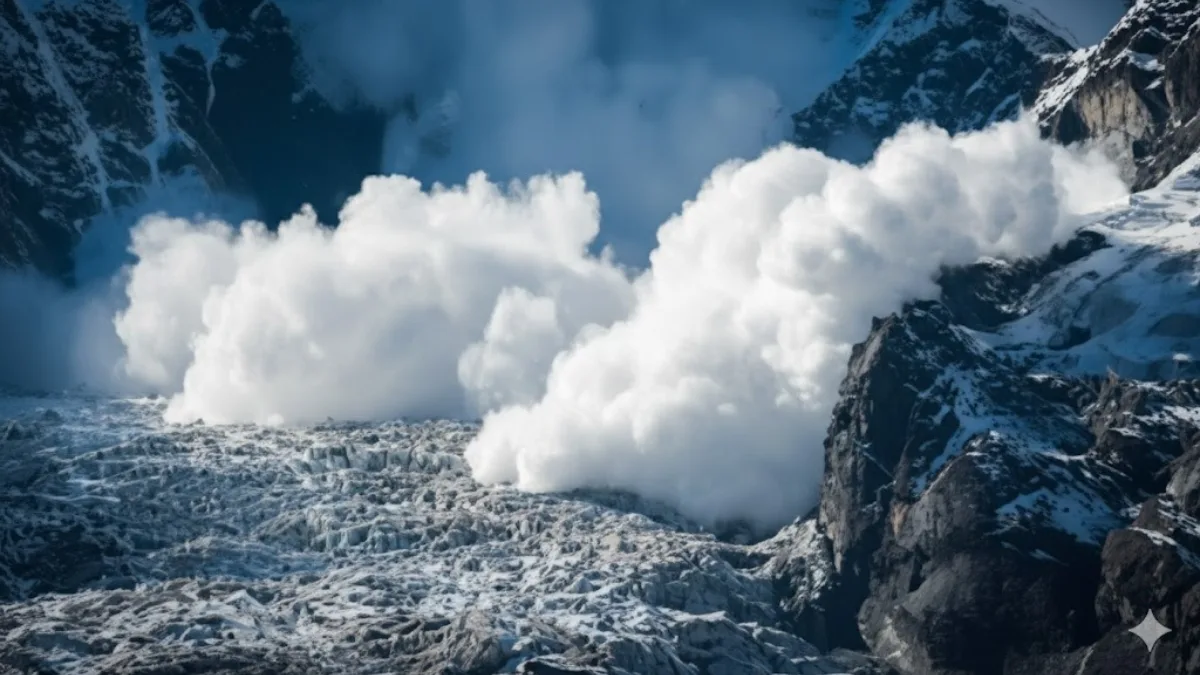
Avalanche risk isn’t the same all over Nepal’s Himalayas. Some areas are more dangerous in spring, so trekkers and climbers need to plan carefully.
Annapurna Region
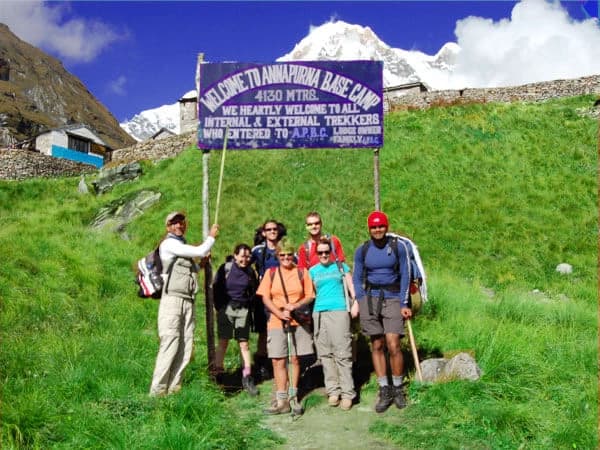
The Annapurna Base Camp (ABC) trek is one of Nepal’s most beautiful routes, but it has a few known avalanche spots. High-risk sections include:
- Hinku Cave to Deurali
- Machapuchare Base Camp to Annapurna Base Camp
- Bamboo and Sinuwa zones, where melting snow and ice often drop rocks and snow onto the trails
The narrow Modi Khola valley funnels snow and rocks down steep slopes, which makes avalanches more likely in early spring.Trekkers should go with experienced guides and check real-time trail updates when walking in these areas.
Manaslu Region
The Manaslu Circuit is becoming more popular, but avalanches are also rising there. On April 21, 2024, a big ice and snow avalanche hit Birendra Lake, showing the danger from melting glaciers and warmer temperatures. Trekkers in Manaslu should be extra careful, especially on high passes and near glaciers.
Everest (Khumbu) Region
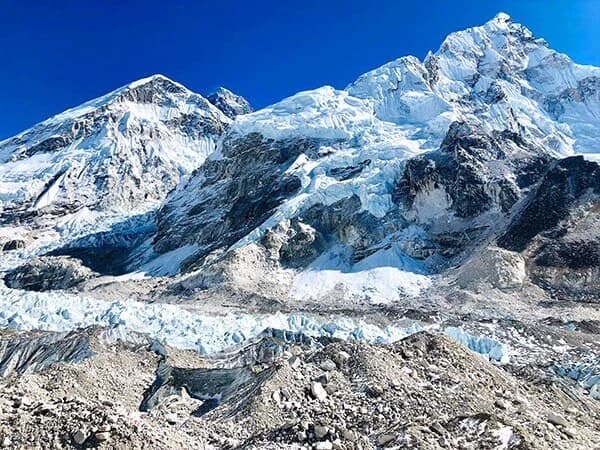
The Khumbu region has the most avalanches and avalanche-related accidents in Nepal. Key danger zones include:
- Khumbu Icefall
- Dingboche to Lobuche slopes
- Thukla Pass
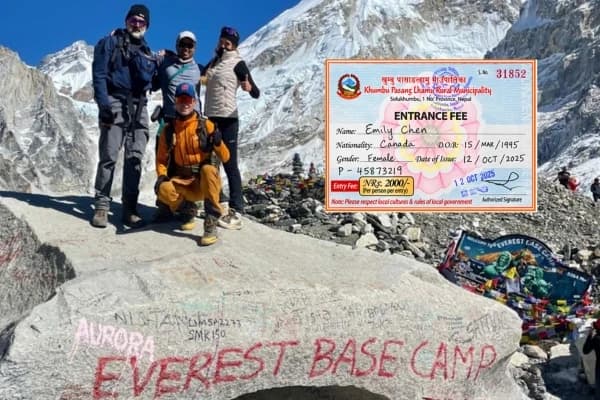
- Everest Base Camp approach
Even experienced climbers constantly check their routes in the Everest region. Spring conditions, like melting snow and temperature changes, make it really important to stay alert for anyone trekking or climbing here.
So, Is Trekking Still Safe from Avalanches in Spring?
Yes, spring trekking in Nepal is generally safe if approached responsibly, even though avalanches remain a potential hazard. From March to May, thousands of trekkers safely explore routes like Annapurna Base Camp, Everest Base Camp, and the Manaslu Circuit.
The key to staying safe is to be aware and ready. Learn about avalanche risks, check the weather daily, go with experienced guides, and follow local advice. This can make your adventure safe instead of risky.
Spring is one of the best times to trek in Nepal. The skies are clear, the weather is nice, and the trails are full of blooming rhododendrons, making it really beautiful. If you plan well and respect the mountains, you can have a safe and amazing spring trek without worrying too much about avalanches.
Nepal Avalanche History and Recent Reports
Avalanches are still a real danger in Nepal, even during popular trekking seasons. Looking at recent events helps trekkers plan safely and make smart decisions.
Spring 2025 Overview
Spring 2025 (March–May) was more stable compared to autumn. Avalanches did happen, but it was generally safer for trekkers.
- Annapurna Region: On April 7, 2025, Camp II saw a snow avalanche. One climber was rescued, and two went missing. Powder snow slides were reported above Deurali.
- Fatalities: There were 9 deaths in total, mostly from altitude sickness, cold exposure, or heart problems, not major avalanches.
|
Year |
Deaths |
Key Factors |
|
2025 |
9 |
Stable weather; mostly non-avalanche causes |
|
2024 |
19 |
Frequent storms and overcrowding |
|
2023 |
18 |
Deadliest Everest season recorded |
Trekkers should always check the Nepal Disaster Risk Reduction Portal and the Himalayan Database for real-time alerts and past records to stay safe.
Deadly Autumn 2025
In early November 2025, heavy snowfall from Cyclone Montha caused Nepal’s deadliest autumn avalanche season in years.
- Yalung Ri, Dolakha District (Nov 3, 2025): An avalanche buried a base camp at 4,900m. 7 people died, and 4 were rescued.
- Panbari Himal, Manaslu Region: Two separate avalanches killed 2 Italian climbers.
Almost 2,000 trekkers had to be evacuated from Everest, Manaslu, and Annapurna because of severe storms.
Historical Context
- Nepal once recorded 12 avalanche deaths in a single week, which is very high for autumn.
- Between 1922–2020, there were over 60 major avalanches causing more than 372 deaths.
- High-risk zones include Khumbu (Everest). Climate change and unusual storms are making avalanches even more dangerous.
How Can Trekkers Minimize Avalanche Risk in Spring?
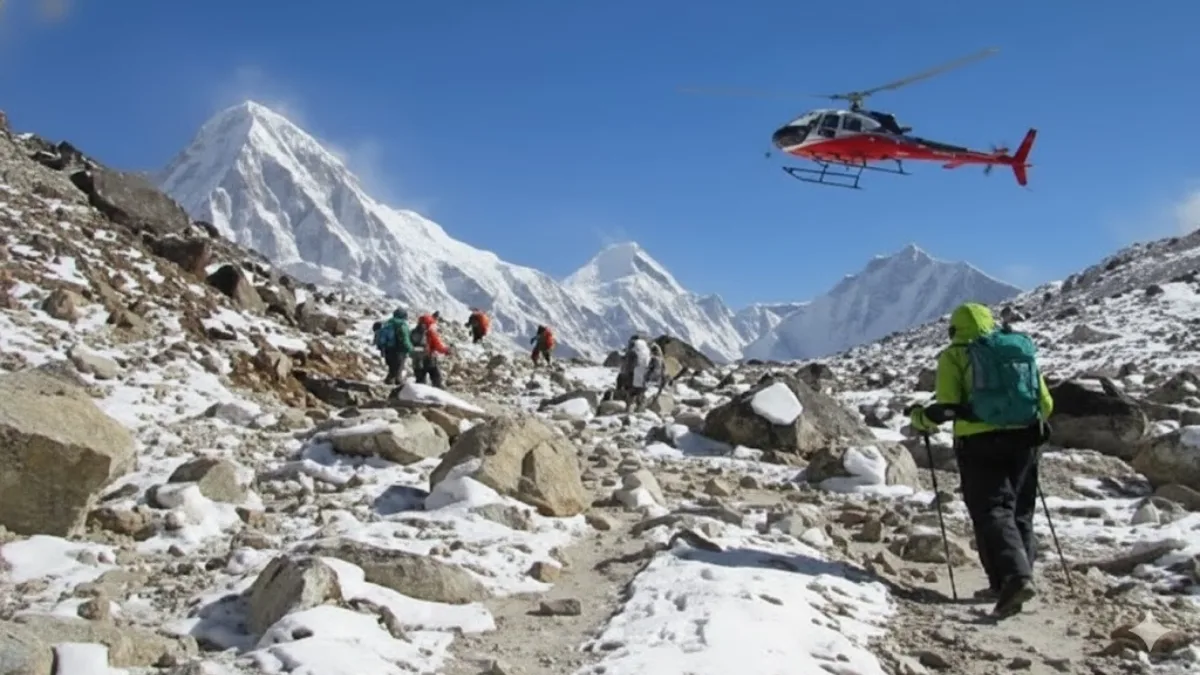
Spring trekking in Nepal is breathtaking, but avalanches are a real risk. These safety steps can help you enjoy the mountains while staying safe.
1. Monitor Weather and Trail Reports
Check trusted sources before and during your trek, like:
- Nepal Department of Hydrology and Meteorology
- Mountain Forecast
- Local trekking agencies for real-time trail updates
Weather in the Himalayas can change fast. Checking every day helps you avoid areas with high avalanche risk.
2. Start Hiking Early
Avalanche risk grows as snow warms during the day. Start your trek early so you can cross exposed slopes before midday, when the snow gets unstable.
3. Hire an Experienced Guide
Guides are trained to:
- Spot slopes that could have avalanches
- Notice early signs of weak snow
- Find safer paths if conditions change
Many accidents happen when trekkers go alone and misjudge risk, so having a guide can really save lives.
4. Listen to Locals
Teahouse owners and local people keep a close eye on weather and snow. They can give up-to-date safety advice and suggest alternate routes if needed.
5. Watch for Hazard Signals
Be alert to warning signs on the trail, such as:
- Fresh snow in the last 24–48 hours
- Sudden temperature rises
- Cracking or hollow sounds in snow
- Debris on slopes or recent slides
- Natural avalanche paths, like smooth runouts or piled-up snow
Ignoring these signs increases the chance of accidents.
Following these precautions makes spring trekking in Nepal safe, enjoyable, and unforgettable, while still letting you experience the amazing Himalayan scenery.
When Is Spring Trekking in Nepal Safest from Avalanches?
Spring is one of the best seasons to trek in Nepal, but the avalanche risk varies across the months. Choosing the right time and route ensures safe trekking in the Himalayas while enjoying Nepal’s iconic mountain views and rhododendron forests.
|
Month |
Snow Condition |
Avalanche Risk |
Recommended Action |
|
March |
Deep snow begins to melt |
Medium to High |
Trek early in the morning when the slopes are firmer and safer |
|
April |
Warm weather with thawing snow |
High |
Check daily weather and trail reports; avoid exposed slopes during midday |
|
May |
Late snow melt and occasional storms |
Medium to High |
Focus on lower-altitude trails and safer routes; stay updated on local alerts |
Even in late spring, isolated storms or rapid temperature changes can trigger avalanches in high-altitude areas like Annapurna Base Camp, Everest Base Camp, and Manaslu Circuit. By selecting the safest months and following local guidance, trekkers can enjoy a memorable and secure spring trekking experience in Nepal.
Who Should Be Extra Careful During Spring Treks to Avoid Avalanches in Nepal?
While spring trekking is one of the most rewarding times to explore the Nepal Himalayas, certain groups face higher avalanche risk:
- First-time high-altitude trekkers who may not recognize unstable snow conditions
- Solo backpackers without group support
- Groups trekking without professional guides
- Trekkers heading above 3,500 meters in early spring
- Anyone unfamiliar with snow travel or Himalayan conditions
If you fall into any of these categories, consider trekking lower-risk routes or waiting until later in spring when snow stability improves.
Safer Alternative Spring Routes
For trekkers who want to enjoy Nepal’s Himalayas safely in spring, there are several lower-risk trails that offer beautiful views while staying away from avalanche-prone slopes. These routes mostly stay below 4,000 meters and follow ridges instead of steep valleys.
Top Low-Avalanche Treks:
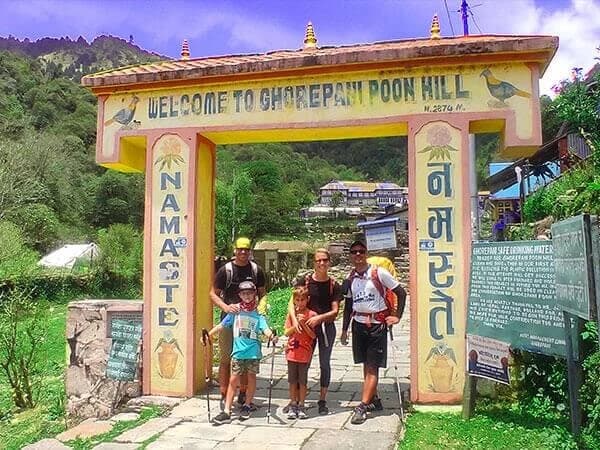
- Ghorepani Poon Hill (3,210m): Thick rhododendron forests, wide views of Annapurna and Dhaulagiri, and very low avalanche risk.
- Mardi Himal Lower Camps (up to 4,500m): A ridge-based trail that avoids open slopes, which helps lower exposure.
- Pikey Peak (4,065m): In the lower Khumbu region, with wide views of 8,000-meter peaks at a safer altitude.
- Helambu Trek (up to 3,650m): Mild climate, forest trails, and very little avalanche risk.
- Tamang Heritage Trail (3,165m): A cultural trek that avoids steep slopes covered with snow.
These routes are ideal for first-time trekkers, solo hikers, or groups without professional guides, and they offer a safe and unforgettable spring trekking experience.
Final Insight: Respect the Mountains
Avalanches happen naturally in Nepal’s high mountains, but they shouldn’t stop you from enjoying spring trekking. If you plan well, spring is one of the best times to explore the Himalayas, with clear skies, blooming rhododendrons, and unforgettable mountain views.
The main thing is to go on the trails with knowledge, preparation, and respect for the mountains. By knowing about avalanche risks, checking the weather, going with experienced guides, and listening to local advice, your spring trek in Nepal can be safe and truly amazing.
For expert help, personalized itineraries, and up-to-date safety advice, contact Nepal Gateway Trekking to plan a secure and memorable Himalayan adventure.
FAQ: Avalanche Risk in Nepal in Spring
Are avalanches common in Nepal during spring?
Yes. Avalanches happen often in Nepal from March to May. Rising temperatures, melting snow, and sometimes late snowstorms can make high-altitude slopes unstable, especially above 3,500 meters.
Which month is most dangerous for avalanches in spring?
April is usually the riskiest month. The warm weather and melting snow weaken the snow layers on steep Himalayan slopes, which makes avalanches more likely.
Is Annapurna Base Camp safe in spring?
The Annapurna Base Camp (ABC) trek is open in spring, but some parts—like between Deurali, Machapuchare Base Camp (MBC), and ABC—are known avalanche areas. It’s best to go with a guide to stay safe.
Which region is the most avalanche-prone?
The Everest (Khumbu) region has the most avalanches and the highest number of deaths in Nepal. Trekkers should be careful, especially near the Khumbu Icefall and high passes.
Does snowfall happen in spring?
Yes. Snow is usually lighter than in winter, but sometimes late snowstorms add fresh layers. This can make slopes unstable and increase the chance of avalanches.
Do earthquakes trigger avalanches?
Yes. Nepal is very active tectonically, so earthquakes can trigger avalanches at any time. The 2015 Gorkha earthquake is a major example, causing deadly avalanches in Everest and Langtang Valley.
Can beginners trek Nepal in spring?
Yes. Beginners can trek safely by choosing lower-altitude or safer routes and going with guides who know the snow conditions well.
Do you need avalanche gear for spring trekking?
For most trekkers on normal spring routes, special avalanche gear is not needed. Guides on higher-risk trails may carry safety equipment in case of emergencies.