Trekking to Upper Mustang during the monsoon is a unique chance to see a different side of Nepal. While most trekking trails in Nepal become muddy and wet from June to August, Upper Mustang stays surprisingly dry. This is because the region sits in a "rain shadow," where high mountains block the heavy rain clouds from entering the valley.
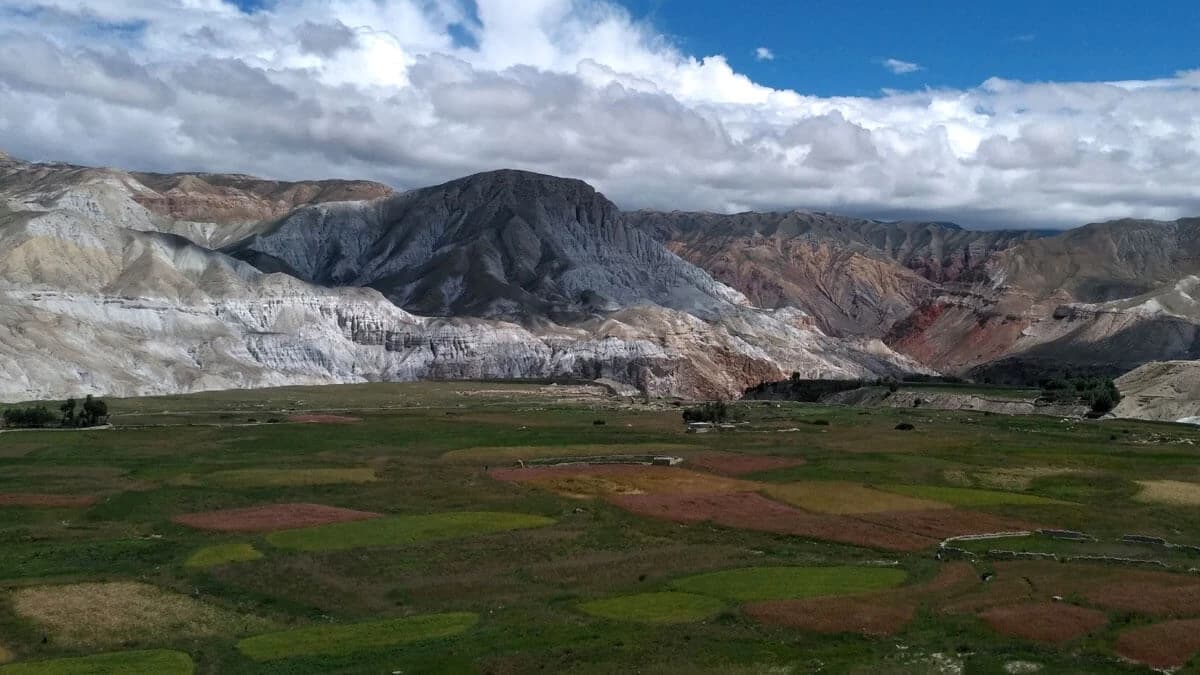
Even during the peak monsoon months, you can expect clear skies and dry paths. The desert-like landscape looks even more beautiful during this time, with bright red cliffs and green fields.
This guide covers everything you need for a successful monsoon trek in Upper Mustang. We will look at the weather, the 14-day itinerary, the new 2026 permit rules, and what to pack. Following this advice will help you have a safe and well-planned trip to this ancient mountain kingdom.
Is it Possible to Trek in Upper Mustang in the Monsoon?
Yes, it is absolutely possible. While most of Nepal’s famous trekking routes become slippery and wet from June to August, Upper Mustang stays dry.
This is because the region is a "rain shadow" area. Think of the giant Annapurna and Dhaulagiri mountains as a massive wall. They block the heavy rain clouds from moving north. So, while it might be pouring rain in Pokhara or at the Annapurna Base Camp, the trails in Upper Mustang remain dusty, sunny, and perfect for walking.
How the "Rain Shadow" Works
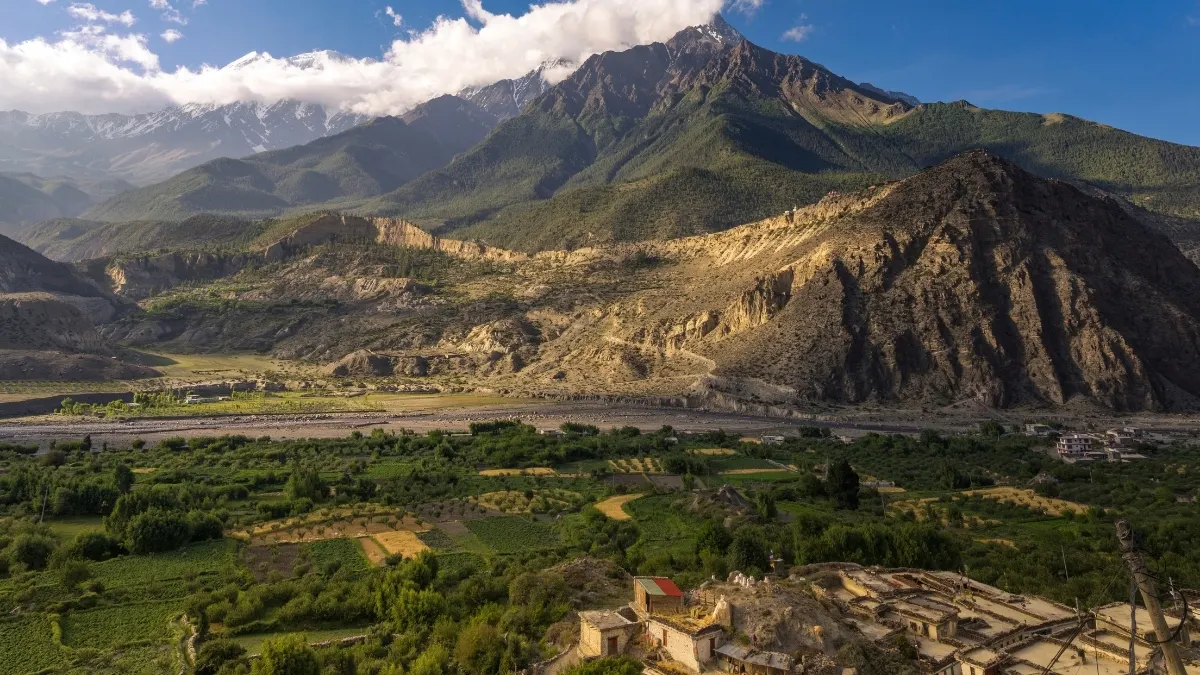
Upper Mustang’s geography is its best travel secret. Because the high peaks shield the valley, the landscape looks more like a high-altitude desert than a typical green forest.
During the monsoon months, you will see bright blue skies and clear views of the famous red cliffs. This dry climate makes it a paradise for photography, especially in the ancient walled city of Lo Manthang, where the desert colors look incredibly sharp and vibrant under the summer sun.
Comparing the Seasons
|
Season |
Weather |
Crowds |
Visibility |
|
Monsoon |
Mostly dry & warm |
Very Low |
Clear most of the time |
|
Spring |
Mild with flowers |
Medium |
Excellent |
|
Autumn |
Crisp & clear |
High |
Best mountain views |
|
Winter |
Very cold & snowy |
Lowest |
Changes quickly |
Why choose the monsoon?
- Dry Trails: You don't have to worry about mud or leeches, even in July and August.
- Peace and Quiet: Since most tourists wait for autumn, you’ll have the trails and tea houses almost to yourself.
- Great Lighting: The soft summer light creates beautiful shadows on the mountains, which is perfect for taking professional-looking photos.
What is the Weather in Upper Mustang During Monsoon?
Trekking in Upper Mustang from June to August is a completely different experience compared to the rest of Nepal. While most of the country is hidden under thick rain clouds, this high-altitude desert stays bright and sunny.
During the monsoon, the air feels fresh and crisp. Because the air is so clear, the famous "hidden" details of the landscape, like the intricate patterns on the cliffs and the ancient sky caves, stand out sharply. The views are not blocked by the usual summer haze, allowing you to see the distant snow-capped peaks clearly against the blue sky.
Temperature & Rainfall
The weather in the monsoon is actually very comfortable for walking. It isn't as bone-chillingly cold as winter or as windy as spring.
- Daytime: 15°C to 25°C (warm and pleasant for trekking in a t-shirt).
- Nighttime: 5°C to 10°C (Chilly, but a light jacket or a good sleeping bag is enough).
- Rainfall: Very minimal. You might see a few light showers in the lower areas like Jomsom, but once you head further north into the restricted zone, it stays mostly dry.
Visibility & Sky Conditions
One of the best reasons to do the Upper Mustang trek during the monsoon is the visibility. In other seasons, dust or heat haze can sometimes make the mountains look blurry. In the monsoon, Mustang stays clear while the rest of Nepal is hazy.
This leaves the sky a deep cobalt blue and makes the red rock formations and white monasteries look incredibly vivid. If you enjoy photography, the golden light in the late afternoons during July and August is some of the best you will ever see.
Microclimate Variations
- Upper Mustang (Lo Manthang area): This is the driest part. It stays sunny and desert-like throughout the summer.
- Lower Mustang (Kagbeni & Jomsom): These areas are closer to the mountain passes, so they may get a bit more cloud cover and the occasional light rain. The trails here stay safe and easy to navigate, but you should be prepared for a few damp afternoons.
Upper Mustang Trek in Monsoon – Month Wise
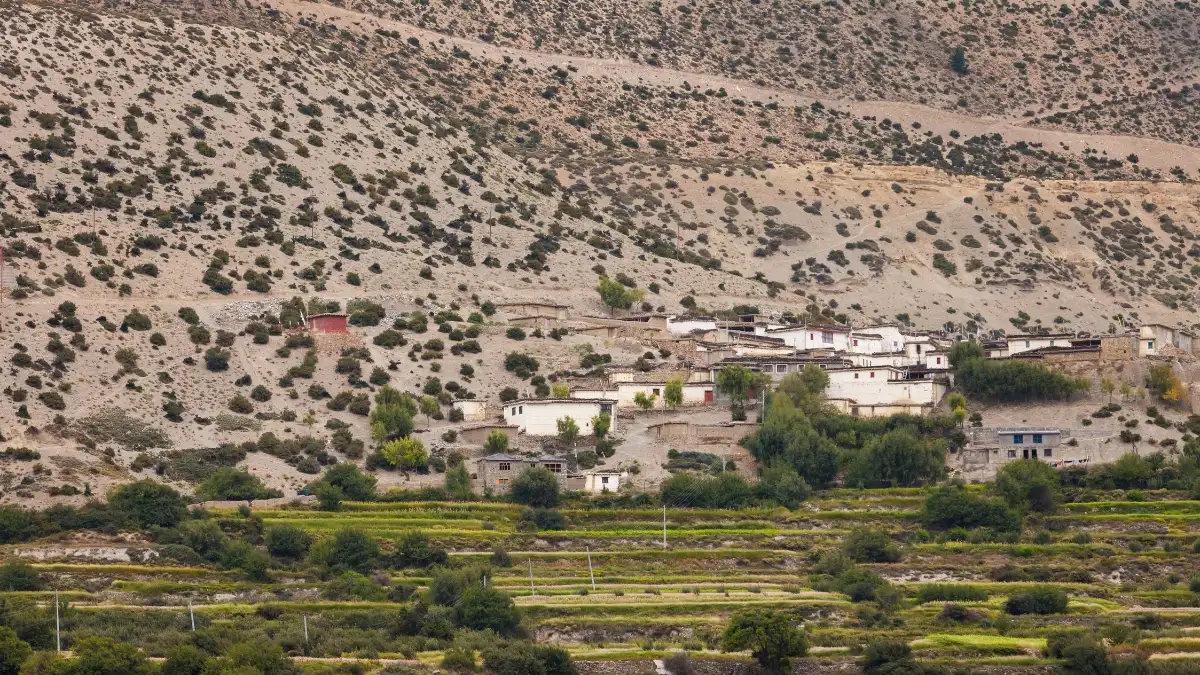
Upper Mustang is one of the few trekking destinations in Nepal where the monsoon months (June to August) are actually favorable. Trekking during these months provides peaceful paths, excellent photography opportunities, and a unique monsoon experience.
Upper Mustang Trek in June
June is the start of the monsoon in Nepal, but Upper Mustang stays mostly dry. Because it sits in a "rain shadow," high mountains block the heavy clouds. While lower villages like Kagbeni might see a quick, light shower, the higher paths to Lo Manthang stay clear and easy to walk on.
- Weather: Warm and pleasant. Daytime is 15°C to 22°C, and nights are around 5°C to 10°C.
- Rainfall: Very low. You might see a short drizzle in lower Mustang, but it won't stop your trek.
- Trail Conditions: Paths are dry and not slippery. Since June is "off-season" for the rest of Nepal, the trails are very quiet and peaceful.
Tip: June is great for photography because the air is "washed" clean by the rain further south, making the Himalayan views look incredibly sharp.
Upper Mustang Trek in July
July is the peak of the monsoon in Nepal, but Upper Mustang remains a dry haven. While most other trails are wet and muddy, the paths here stay firm because they are protected by the mountains.
- Weather: This is one of the warmest times to trek. You can expect daytime temperatures between 17°C and 25°C, which is very comfortable for walking.
- Rainfall: Most rain is "blocked" by the mountains. You might see some light rain in the lower villages, but the higher areas like Lo Manthang stay largely dry.
- The Experience: Since July is considered the "off-season" for the rest of Nepal, the trails are very quiet. You can explore ancient monasteries and canyons without the usual crowds of tourists.
Upper Mustang Trek in August
August is the final month of the monsoon and offers some of the most beautiful desert views. The "rain shadow" effect continues to keep the trekking trails stable and sunny.
- Weather: The air is fresh and the temperature is mild, with days around 16°C to 24°C and nights staying between 5°C and 11°C.
- Festival Highlight: If you visit in mid-August 2026, you may witness the Yartung Festival. This is a lively local celebration in Lo Manthang with traditional horse racing and dancing.
- Photography: August has unique lighting. The sky often clears up after a light drizzle, making the colors of the red cliffs and white-washed houses look incredibly bright and sharp.
Read full guide about Upper Mustang Trek in July and August
Planning Your Upper Mustang Monsoon Trek
Trekking to Upper Mustang in the monsoon is an incredible adventure, but because it is a protected area near the border, you cannot just show up and hike. You need a professional team to handle the paperwork and logistics. At Nepal Gateway Trekking, we take care of all these details so you can focus on the "chill" side of the trek.
Permits and Costs
The Nepal government has made things much simpler in 2026. Instead of paying one large, expensive fee, you now pay a flexible "daily rate" for the restricted zone.
- Restricted Area Permit (RAP): This costs $50 USD per person, per day.
- Why it’s better: In the past, you had to pay $500 even if you only stayed for 5 days. Now, if your monsoon trip spends 8 days in the restricted area, you pay exactly $400. You only pay for the time you actually use.
- ACAP Permit: This is a one-time fee of 3,000 NPR (about $23) for the Annapurna Conservation Area.
- TIMS Card Update: As of 2026, the TIMS requirement has been removed for most restricted areas including Upper Mustang, though local 'Green Fees' (around 1,000 NPR) are being introduced in some conservation zones.
Important Rules to Remember:
- No Solo Trekking: You must be in a group of at least two foreign trekkers. If you are traveling alone, we can "pair" your application with another trekker to meet this rule.
- Licensed Guide: You are legally required to have a licensed Nepali guide with you. This isn't just a rule; it’s for your safety in a remote desert landscape where trails can be confusing.
A Typical 14-Day Monsoon Itinerary
A 14-day trip is the perfect amount of time to reach the "Hidden Kingdom" and back without feeling rushed.
- Days 1–4: Journey from Kathmandu to Jomsom and start trekking toward Kagbeni.
- Days 5–9: Trek through the desert-like villages of Ghami and Dhakmar to reach the ancient walled city of Lo Manthang.
- Days 10–13: Return via the beautiful villages of Yara and Dhi before heading back to Jomsom.
- Day 14: Final flight or drive back to Pokhara and Kathmandu.
Getting There (Transportation)
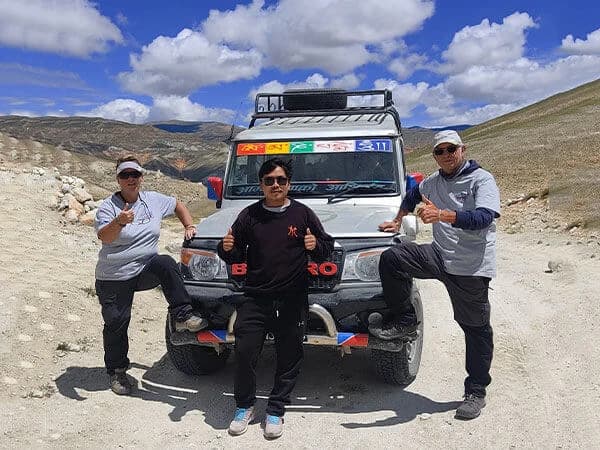
During the monsoon, clouds can sometimes delay the small planes that fly from Pokhara to Jomsom. If a flight is canceled, Nepal Gateway Trekking always has a backup plan, we can arrange a 4WD Jeep to take you by road.
It’s a longer drive, but it’s a reliable way to make sure you don't miss a single day of your trek. We always recommend adding 2 "buffer days" to your travel plans just in case of weather shifts.
Packing & Gear for a Monsoon Trek

Packing for Upper Mustang in the monsoon is a bit of a balancing act. Because you’re in a "rain shadow," you don’t need heavy, non-breathable rain suits, but you do need serious protection against the afternoon wind and fine desert dust. Your goal is to stay light, keep your skin shielded from the high-altitude sun, and have a few layers for those chilly nights.
Must-Have Gear
- Windproof Jacket & Pants: These are your daily armor. They block the sharp winds in the Kali Gandaki valley and keep you dry if you hit a stray drizzle in the lower villages.
- Worn-in Trekking Boots: Make sure your boots have a solid grip. Even though it's dry, the dust can make the trails feel "greasy" or slippery if it gets a tiny bit damp.
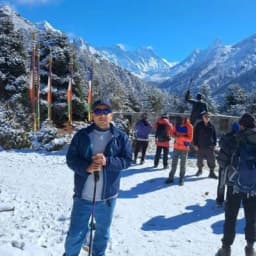
- Trekking Poles: These are absolute lifesavers for the steep, rocky drops into villages like Chele and Ghami. They’ll save your knees and keep you steady on the loose gravel.
- Headlamp: Electricity can be hit-or-miss in remote teahouses. You’ll need this for finding your way around at night or sorting through your bag.
- Quick-Dry Clothing: Stick to moisture-wicking shirts. They dry out fast if you sweat during a big climb or get caught in a quick patch of mountain mist.
Important Extras
- Buff or Neck Gaiter: Don't skip this. It's the best way to prevent the "Mustang Cough" by keeping the blowing dust out of your lungs.
- Sun Protection: The sun at 3,800 meters is incredibly strong. Pack a wide-brimmed hat, polarized sunglasses, and a high-SPF sunscreen.
- Power Bank: Charging your phone can be slow or cost extra in the mountains. A good power bank keeps your camera ready for those red cliff views.
- Personal First Aid: Carry a small kit with blister plasters, rehydration salts, and basic painkillers for quick access on the trail.
Pro Tip: Even though it’s the monsoon season, the air in Mustang is surprisingly dry. Toss a small moisturizer and lip balm in your bag; your skin will definitely feel the difference after a day in that desert wind!
Accommodation & Teahouse Culture in Upper Mustang During Monsoon
Teahouses are the heart of the Upper Mustang experience. During the monsoon, these family-run lodges are much quieter than usual. Because there are fewer trekkers on the trail from June to August, you’ll often have more space, better service, and a much more personal connection with the local Loba families.
What to Expect in the Teahouses?
- The Rooms: Most rooms are simple and clean with twin beds. Since it’s the "off-season" for the rest of Nepal, you usually don't need to book in advance, giving you the freedom to stop whenever you feel like it.
- The Food: Expect hearty, home-cooked meals. Aside from the classic Dal Bhat, try the local Tsampa (roasted barley flour) and Tibetan bread. These are perfect for keeping your energy up on the trail.
- The Facilities: Most teahouses now have hot showers (often solar-powered) and Western-style toilets, though some higher-up spots might still have shared bathrooms.
- Connectivity: Wi-Fi is available in bigger villages like Charang and Lo Manthang, but it can be slow if the weather is cloudy. It’s the perfect time to unplug and enjoy the view instead.
The Monsoon Advantage
Trekking in the monsoon means the "common rooms" in the teahouses aren't crowded. You can grab a seat by the stove, sip some yak butter tea, and actually chat with the lodge owners. It feels less like a tourist trek and more like staying in someone’s home.
Pro Tip: Even though most teahouses have electricity, charging your phone can sometimes cost a few extra dollars or be slow. A small power bank and your own basic toiletries (like soap and a quick-dry towel) are essential for a smooth trip. Food and accommodation are good too.
Culture & Festivals in Upper Mustang During Monsoon
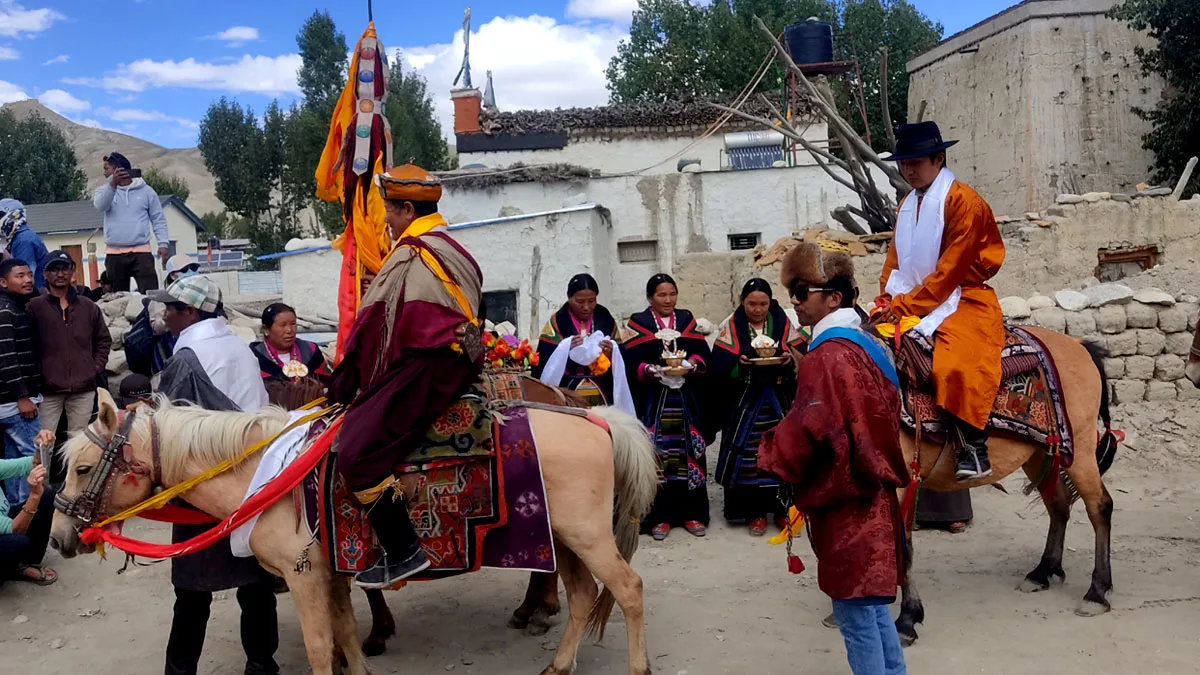
Trekking during the monsoon gives you a much more personal look at the "Forbidden Kingdom." Because there are fewer tourists from June to August, the trails are peaceful, allowing for an authentic connection with the Loba people. You’ll see daily life in Tibetan-style villages exactly as it has been for centuries, without the usual crowds.
Local Communities
- Traditional Villages: These are home to the Loba people, where you can explore unique white-washed houses made of mud-brick.
- Living Traditions: You will experience ancient Tibetan customs, the local language, and Buddhist rituals that are still a major part of daily life.
- Ancient Monasteries: Visit centuries-old sites filled with incredible local art, bright murals, and active spiritual practices.
Monsoon Festivals
- Tiji Festival (May–June): This is a huge three-day celebration in Lo Manthang featuring monks in colorful masks dancing to drive away evil spirits.
- Yartung Festival (August): Known as the "Horse Riding Festival," this takes place in Lo Manthang and Ghami, featuring high-speed racing and traditional archery.
Pro Tip: Visiting in the monsoon lets you experience Tibetan culture in a quiet, intimate setting. The soft, filtered light and lack of crowds provide the best photo opportunities of the local festivals and monasteries.
Staying Safe and Healthy on the Trail
Upper Mustang is a high-altitude desert, and the environment here is unique. Even though the monsoon rain is minimal, the thin air and dry climate can be tough on your body if you aren't careful. Staying aware and listening to your physical cues is the best way to make sure you enjoy every bit of the trek.
Beating Altitude Sickness
- Take Your Time: This isn't a race. Walking at a slow, steady pace is the most effective way to help your lungs adjust to the altitude.
- Stay Hydrated: You’ll lose moisture fast in this dry air without even realizing it. Keep sipping water throughout the day and stick to light, nutritious meals to keep your energy levels steady.
- Skip the Drinks: It’s smart to avoid alcohol and over-exerting yourself. Both can lead to fatigue and make you much more susceptible to altitude sickness.
Trail and Weather Tips
- Afternoon Winds: In the Mustang valleys, the wind picks up every afternoon and blows quite a bit of dust around. A simple neck gaiter or buff will keep you comfortable and protect your throat.
- Watch Your Step: Some sections of the trail are rocky or have loose gravel. Using trekking poles will give you much better stability and take the pressure off your knees during the long descents.
Being Prepared
- Trust Your Guide: Licensed guides know these trails better than anyone and are trained to spot health issues before they become serious. If they suggest a break, take it.
- Spotty Signal: Don’t expect a perfect connection in the deep canyons. Download your maps for offline use and keep emergency numbers saved before you head out from Jomsom.
- Medical Hubs: If anyone in the group feels unwell, Jomsom and Kagbeni are the main areas for medical help or arranging a quick evacuation if necessary.
Pro Tip:Pacing yourself is the real secret to a successful trek. If you start feeling a headache or a bit dizzy, don't try to "tough it out"—tell your guide immediately. Catching altitude symptoms early is the best way to stay on the trail!
Monsoon vs. Autumn Trek – Which to Choose?
Deciding between the monsoon and autumn depends on what kind of experience you are looking for. While autumn is the traditional peak season, the monsoon months in Upper Mustang offer a unique, quiet beauty that many trekkers actually prefer.
|
Feature |
Monsoon (June–August) |
Autumn (Sept–Nov) |
|
Weather |
Mostly dry, occasional light mist |
Crisp, clear, and stable |
|
Crowds |
Very low (peaceful trails) |
High (busy teahouses) |
|
Visibility |
Clear most of the time |
Peak mountain vistas |
|
Best For |
Photography & quiet culture |
Classic views & festivals |
Final Thoughts
Trekking through Upper Mustang in the monsoon is a one-of-a-kind adventure. It’s one of the few places where you can find dry trails, clear skies, and lush green valleys while the rest of Nepal is in the middle of the rainy season. Because there are so few people on the trail from June to August, the whole experience feels much more peaceful and personal.
With the right permits, a solid packing list, and a steady pace, a monsoon trek to the "Forbidden Kingdom" is something you’ll never forget. From the ancient walls of Lo Manthang to the quiet, wind-swept streets of Kagbeni and Ghami, every step connects you to a culture and a landscape that very few travelers ever get to see.
If you’re looking for a trek that combines natural beauty with deep cultural roots, without the typical tourist crowds, Upper Mustang in the monsoon is the perfect choice.
Ready to start your journey?
At Nepal Gateway Trekking, we handle all the logistics, from the new 2026 permit regulations to reliable transport and expert guiding. Let us take care of the details so you can enjoy the "chill" side of the mountains.
Contact Nepal Gateway Trekking to book your Monsoon Adventure
FAQ – Upper Mustang Monsoon Trek
Is it safe to trek Upper Mustang during the monsoon?
Yes, it is generally very safe. Because the region sits in a "rain shadow," the trails stay dry and firm. Plus, trekking with one of our licensed guides ensures you always have an expert looking out for your safety.
Does it actually rain in Upper Mustang during the monsoon?
Hardly ever. While the rest of Nepal sees heavy rain, Upper Mustang stays dry. You might encounter a light mist or a very brief shower, but nothing that will stop your trek.
What permits do I need for 2026?
You will need a Restricted Area Permit (RAP) and an ACAP Permit. Great news for 2026: the TIMS card is no longer required for this route, saving you both money and paperwork!
How reliable are the flights to Jomsom?
Flights can be a bit hit-or-miss because of clouds in Pokhara. Delays are common, but don't worry, if the planes aren't flying, we can easily switch to a 4WD Jeep to keep your trip on schedule.
How long does the trek usually take?
A standard monsoon trek is about 14 days. This gives you plenty of time to reach Lo Manthang, explore the "Sky Caves," and head back without feeling rushed.
What gear is absolutely essential?
Your "must-haves" are broken-in trekking boots, a windproof jacket, trekking poles for the rocky paths, and a good headlamp. Don't forget a buff to keep the desert dust out of your lungs!
Can I trek alone without a guide?
No, independent trekking is strictly prohibited here. You must be in a group of at least two people and be accompanied by a licensed Nepali guide at all times.
Which festivals can I see during the monsoon?
If you time it right, you can experience the Tiji Festival (late May/June) or the high-energy Yartung Festival (August), which features incredible horse racing and local traditions.
What is the accommodation like?
You’ll stay in local teahouses. They are simple, cozy, and run by local families. You’ll get a private room, hot local meals like Dal Bhat or Thukpa, and usually some basic Wi-Fi in the larger villages.
How do I avoid altitude sickness?
The secret is to "climb high, sleep low." We plan our itineraries so you ascend gradually. Make sure to drink plenty of water, eat light meals, and always tell your guide if you start feeling a headache.