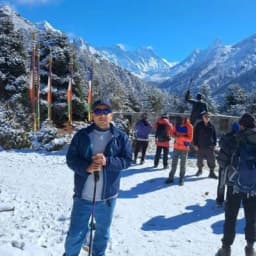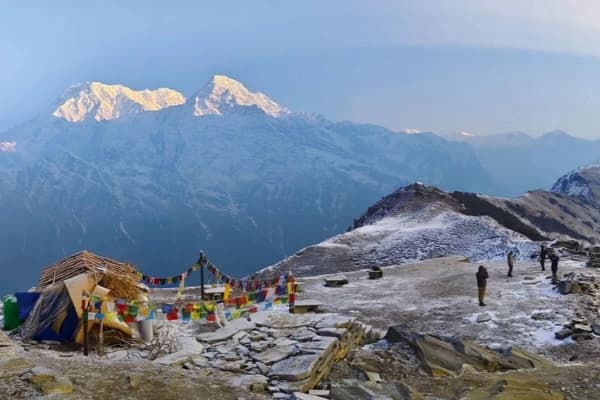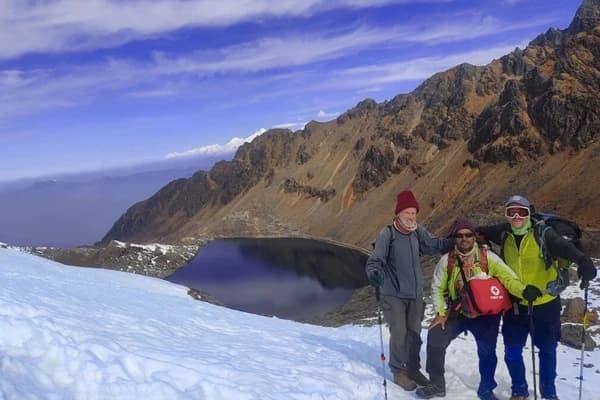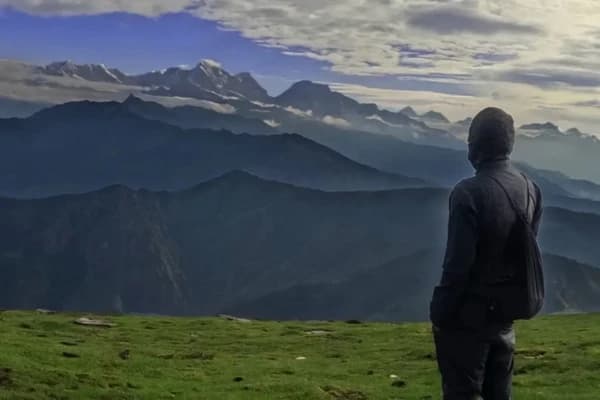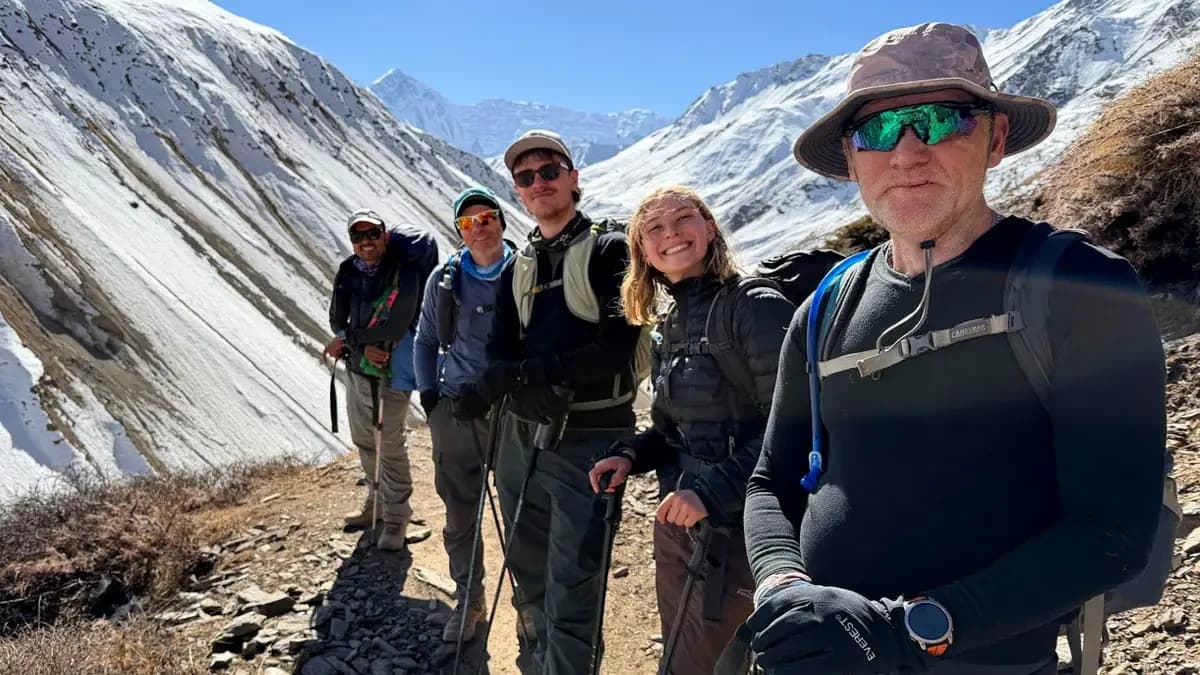
According to the Nepal Tourism Board, Nepal is one of the world's most popular trekking destinations, with over one million tourists each year. Its towering Himalayan peaks, scenic trails, and rich culture entice travelers from all over the world. However, trekking in Nepal can be difficult due to high altitudes, rough terrain, and unpredictable weather. Guides and porters are especially useful here. They are the true backbone of Nepal's trekking industry, ensuring that every traveler has a safe, enjoyable, and memorable trek.
In this blog, we look at the role of guides and porters in Nepal's trekking industry, including who they are, what they do, and why their contributions are so important to both trekkers and local communities.
Who Are Guides and Porters?
When it comes to trekking in Nepal, guides and porters are the ones who make the journey possible. They are specialists who guide trekkers every step of the way, making the experience safe, smooth, and pleasurable.
Guides
A trekking guide is a licensed professional who leads the way along the trail. Guides do much more than point the way ahead. They ensure your safety, explain the local culture, assist with permissions, handle logistics, and communicate with locals. Essentially, a guide serves as your friend, teacher, and safety guardian throughout the walk.
Porters
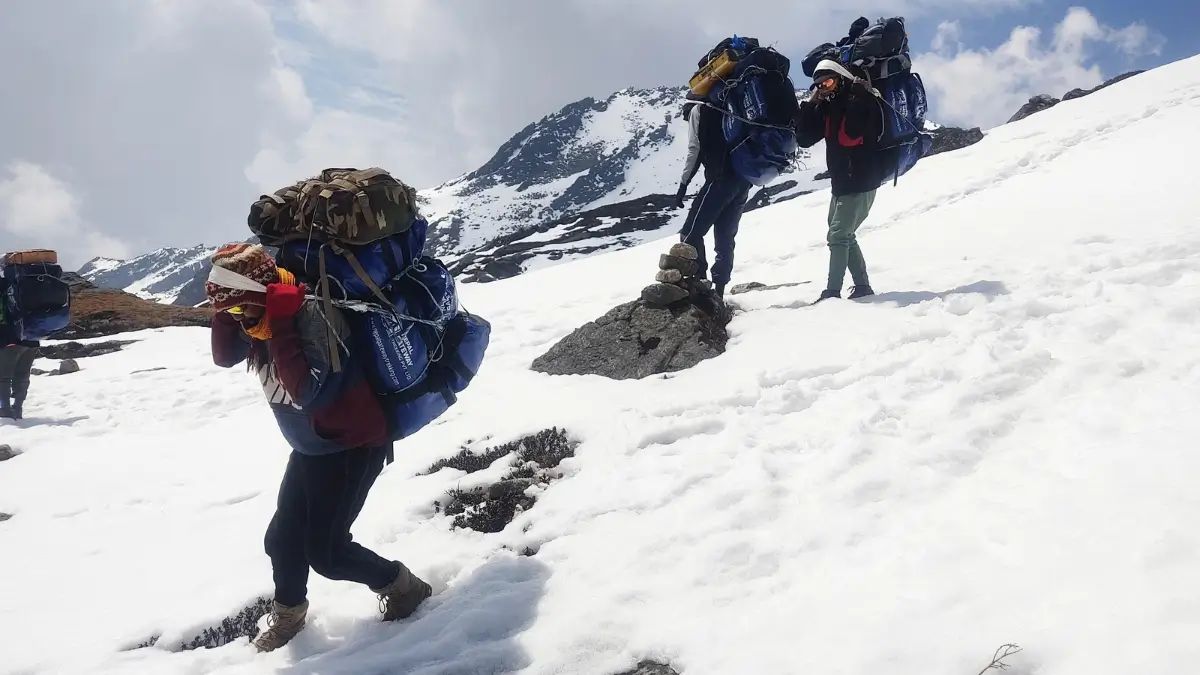
Porters are industrious individuals who transport your bags and supplies. Carrying larger baggage helps ease fatigue, allowing you to focus on the walk and enjoy the scenery. Most porters carry between 20 and 25 kilograms, depending on the distance and regulatory constraints.
Why Does the Nepal Government Ban Solo Trekking for Foreigners?
The Nepal Tourism Board made it public that tourists can't trek alone in numerous areas, such as Everest, Annapurna, and Langtang. Trekking in Nepal is great, but it can be dangerous to attempt it alone. The government now instructs all international trekkers to employ a professional guide or porter to keep them safe and make sure things run smoothly. These are the key reasons:
- To keep trekkers safe and make rescues go smoothly
- To lower the number of accidents and deaths
- To keep an eye on and control traveling the right way
- To help communities in the area
- To make trekking more fun
Important Role of Guides and Porters in Nepal’s Trekking Industry
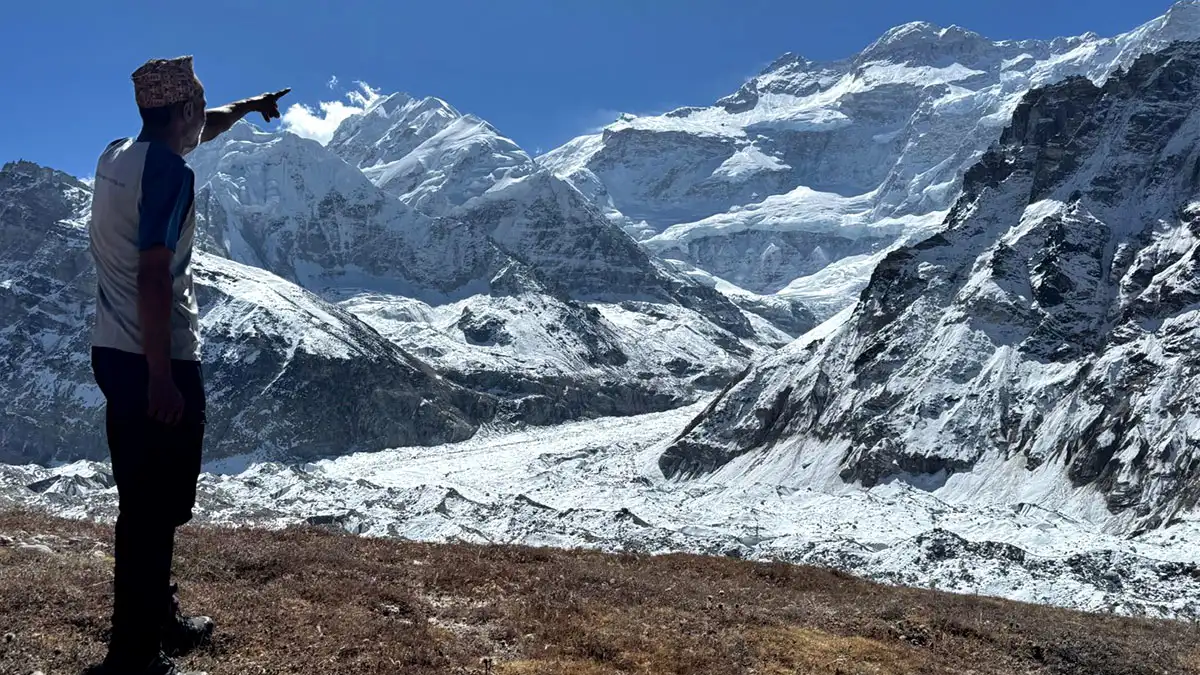
Porters and guides are more than just people who support you on a trek. They are very important for making trekking in Nepal safe, fun, and memorable. Their contributions affect every part of a trek, from keeping people safe to helping local communities.
Ensuring Safety on the Trail
The weather can change quickly on Nepal's trekking paths, which often go up to high heights. For example, Everest Base Camp is at 5,364 meters, when the amount of oxygen drops by approximately half. A skilled guide can see the first signs of altitude sickness, give first aid, and deal with crises. Many people who went on the walk said that having a guide was the main reason they made it safely.
Navigation and Route Planning
Not all trails in Nepal are easy to follow. Remote regions like Manaslu or Dolpo have paths that are confusing and sometimes unmarked. Guides know alternative routes, safe paths, and potential danger zones. Their knowledge helps trekkers avoid landslides, risky river crossings, and steep or slippery sections, ensuring a smoother journey.
Cultural Interpretation
Nepal is home to more than 125 ethnic groups and over 100 languages. Guides bring this culture to life. They explain local customs, temples, festivals, and traditions. Regions like Mustang, Everest, and Langtang become more than just trekking destinations; they turn into immersive cultural experiences.
Supporting Local Communities
Many guides and porters come from mountain regions such as Solukhumbu, Helambu, and Myagdi. When you hire them, you help support their families and bring income back to their villages. Tourism creates thousands of jobs every year, making it easier for local communities to afford food, education, and healthcare. Your trek becomes a way to uplift the people who call these mountains home.
Carrying Loads and Reducing Fatigue
Porters carry heavy backpacks so that trekkers may stay active and enjoy the view. This help is especially vital on long trails like the Annapurna Circuit, which can take more than ten days to finish. With porters, trekkers don't have to worry about being tired and can enjoy the journey.
Taking care of emergencies and making plans for rescue
In an emergency, guides work with rescue teams, set up helicopter evacuations, and take care of medical needs. Himalayan rescue records show that more than 500 trekkers were taken out of high-altitude areas in 2022. Rescue missions would take longer and be more dangerous without escorts.
Setting up food, lodging, and permits
Guides take care of things like making reservations for tea houses, checking permissions, and planning meals. They know which lodges have clean rooms and decent cuisine. They can get the greatest places to stay during peak season, which means that trekkers will be comfortable every night.
Importance of Guides and Porters in Trekking
For trekkers, having a guide and porter can completely change the experience. They’re there to help you at every step, making your journey safer, easier, and more enjoyable. Here’s how they help trekkers like you:
- Ensure Safety and Manage Risks: Guides keep an eye on the trails, weather, and your health. They notice early signs of altitude sickness or any danger. Their experience helps you stay away from accidents and keeps you safe during the whole trek.
- Make Trekking Comfortable: Porters carry your heavy bags so you can walk freely, enjoy the views, and save your energy. You get to focus on the adventure instead of feeling tired.
- Increase Your Success Rate: Hard treks like Everest Base Camp, Annapurna Base Camp, and Langtang become easier to reach. Guides plan your walking pace, give tips on acclimatization, and make sure you reach your destination safely.
- Provide Local Knowledge, Language Help, and Authentic Experiences: Guides help you talk to locals, translate languages, and understand local customs. They also share stories, traditions, and legends, making your trek feel more real and meaningful.
- Handle Logistics and Emergencies: Guides take care of permits, places to stay, food, and any emergencies. They arrange rescue or medical help if needed, so you can trek without stress and just enjoy the journey.
Qualifications for Guides and Porters in Nepal
Guides
Trekking guides in Nepal are trained and licensed professionals who ensure your safety and enhance your trekking experience. To become a guide:
- Complete a formal training course from Nepal Mountain Academy (NMA) or Nepal Academy of Tourism & Hotel Management (NATHM).
- Learn first aid, altitude sickness management, navigation, mountain environment, cultural knowledge, and trekking logistics.
- Pass a written and practical government licensing exam.
- Have good communication skills, including English, to guide foreign trekkers and interact with locals.
Why it matters: A licensed guide ensures safety, handles emergencies, manages permits and accommodation, and provides cultural and environmental insights.
Porters
Porters carry trekking equipment and reduce fatigue for trekkers. Modern “porter‑guides” may also receive basic trekking training and licensing.
- Physical fitness and endurance are essential.
- Must follow load limits (typically 20–25 kg) and basic safety rules.
- Basic English or local communication skills are preferred.
- Experienced porters may eventually train to become assistant or full trekking guides.
Why it matters: Trained porters ensure safe load handling, help trekkers enjoy the journey, and provide reliable support on difficult trails.
Key Takeaways for Trekkers
- Always hire licensed guides and trained porters from reputable agencies.
- Check licenses, load limits, and safety practices.
- Licensed staff improve safety, comfort, and overall trekking experience while supporting local communities.
Why Choose Nepal Gateway Trekking?
Nepal Gateway Trekking is a locally owned trekking and tour company based in Kathmandu. We provide safe, memorable, and well-organized trekking experiences across Nepal. With our team of licensed guides and skilled porters, we make sure every trek is smooth, enjoyable, and culturally enriching for our guests.
We prioritize safety, comfort, and personalized service. Our guides are experienced, knowledgeable about trails and high-altitude conditions, and our porters carry your loads so you can fully enjoy the trek. We also support local communities and follow responsible tourism practices, ensuring your journey benefits both you and the people of Nepal.
Our Other Popular Trekking Packages:
- Everest Gokyo Lake Trek
- Annapurna Circuit Trek with Tilicho
- Kanchenjunga Base Camp Trek
- Langtang Tamang Heritage Trek
- Manaslu Circuit Tsum Valley Trek
- Upper Mustang Trek
Final Thoughts
Guides and porters are the heart of Nepal’s trekking industry. They make your journey safe, enjoyable, and full of culture while also helping local communities and supporting responsible tourism. Hiring experienced guides and porters not only lowers risks and tiredness but also gives you a stronger connection with Nepal’s mountains, culture, and people.
Whether you’re trekking to Everest Base Camp, Annapurna Circuit, or going on trails that fewer people visit, their skills make your adventure something you’ll never forget. Choosing a trusted company like Nepal Gateway Trekking makes sure every step of your Himalayan journey is safe, comfortable, and memorable. Book your trek today!
Frequently Asked Questions (FAQ)
Who are trekking guides and porters?
Guides are licensed professionals who lead the way, help you stay on the right path, and make sure you’re safe. Porters carry your heavy bags so your trek feels easier and less tiring.
Do I need a guide or porter in Nepal?
Yes, in many trekking areas, the Nepal government requires foreign trekkers to hire a licensed guide or porter for safety and responsible tourism.
How much weight do porters carry?
Porters usually carry around 20–25 kilograms of your things, depending on the trekking route and the rules.
What qualifications do guides need?
Guides must be licensed by the Ministry of Tourism. They’re trained in first aid, altitude problems, navigation, and they can speak English or other foreign languages.
Can a guide help in emergencies?
Yes, they can. Guides know how to spot altitude sickness early, give first aid, talk to rescue teams, and handle emergency situations.
Which trekking packages are popular with Nepal Gateway Trekking?
Some of the most popular treks are Everest Base Camp, Annapurna Circuit, Annapurna Base Camp, Langtang Valley, Manaslu Circuit, and Upper Mustang.