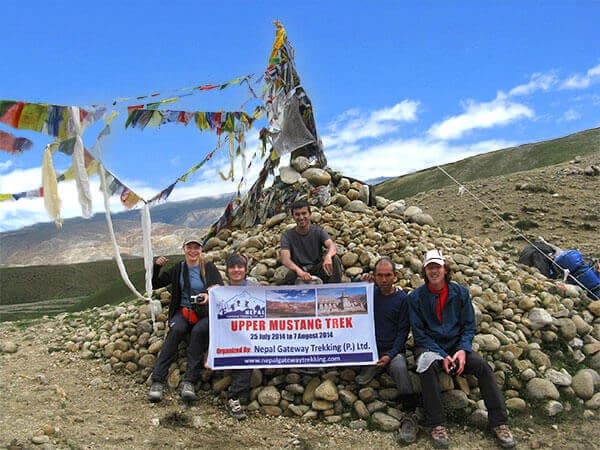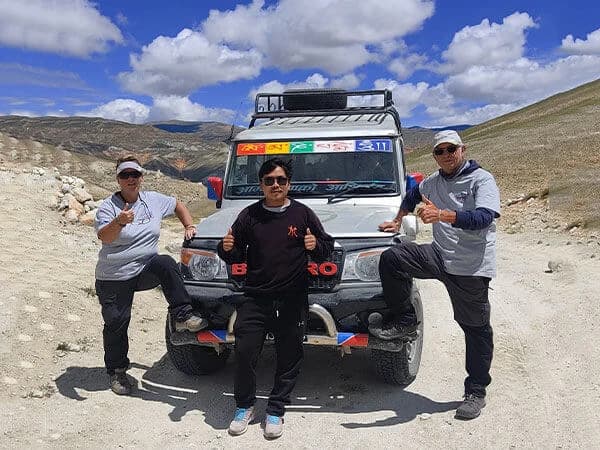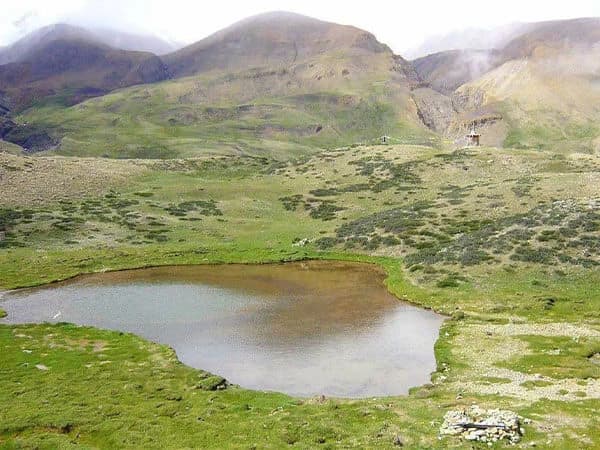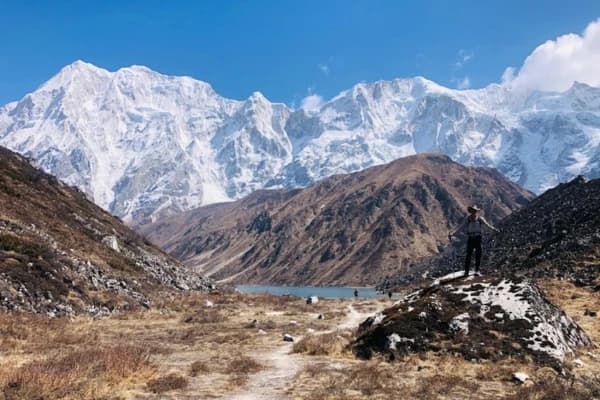
Most hikers think the monsoon season in Nepal, which runs from June to September, is a "no-go" time. While the lower trails definitely get hit with heavy rain and leeches, there’s actually a cool geographical loophole: the rain-shadow regions.
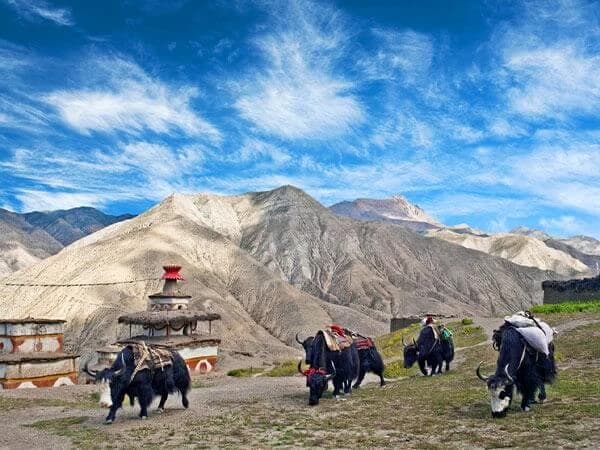
Places like Upper Mustang, Dolpo, and Nar-Phu sit right behind the massive Himalayan wall. These giant mountains block the monsoon clouds, so the trails stay dry. In these zones, you'll find vibrant local festivals and a "forbidden kingdom" vibe that the rain just doesn't touch.
This guide covers everything a foreign and Nepali trekker needs for the rainy season. I'll help you pick the right dry routes, understand the mandatory guide rules, and figure out exactly what you need to pack.
What is the Nepal Monsoon Actually Like?
The monsoon, which runs from June to mid-September, isn't just "rainy weather", it’s a total shift in the landscape. While the lowlands deal with heavy afternoon downpours and high humidity, the mountains react differently depending on where you are.
- The Challenge: Expect slippery stone steps, potential flight delays to mountain airstrips like Lukla or Jomsom, and leeches if you're below 2,500m.
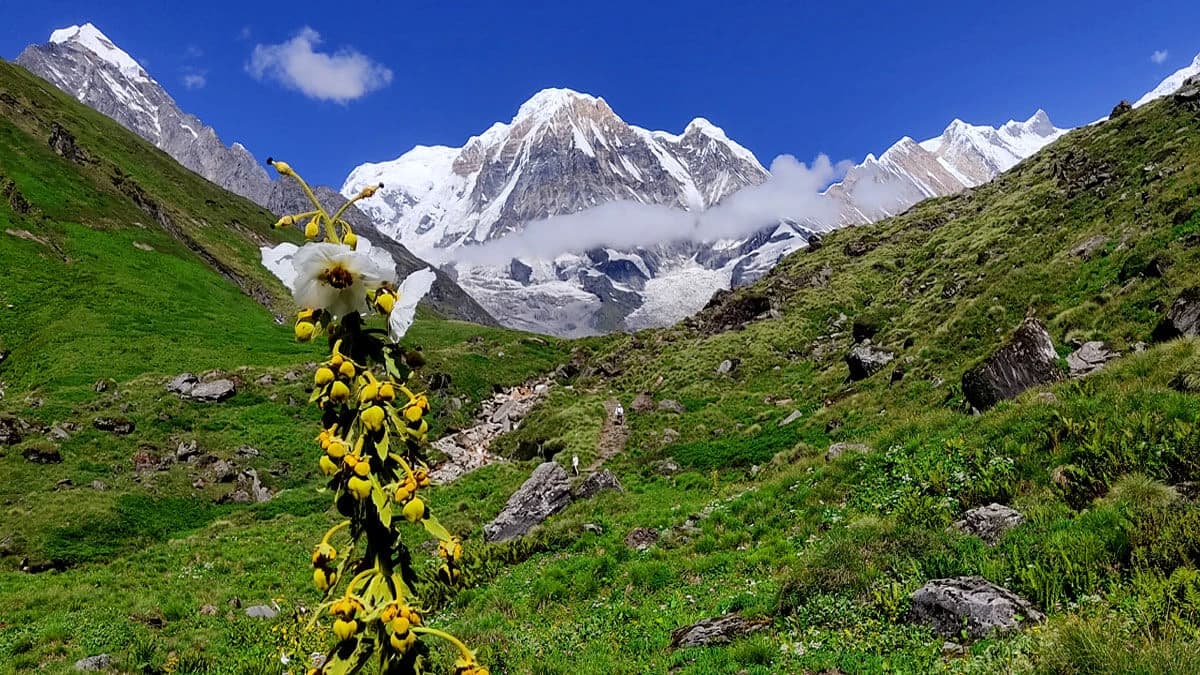
- The Reward: Dust-free air, vibrant green terraced fields, and waterfalls that are at their peak.
- The Secret: Nepal’s "Rain-Shadows." These are high-altitude deserts sitting behind the main Himalayan range. They stay dry even when the rest of the country is soaking wet.
Top Rain-Shadow Regions for 2026
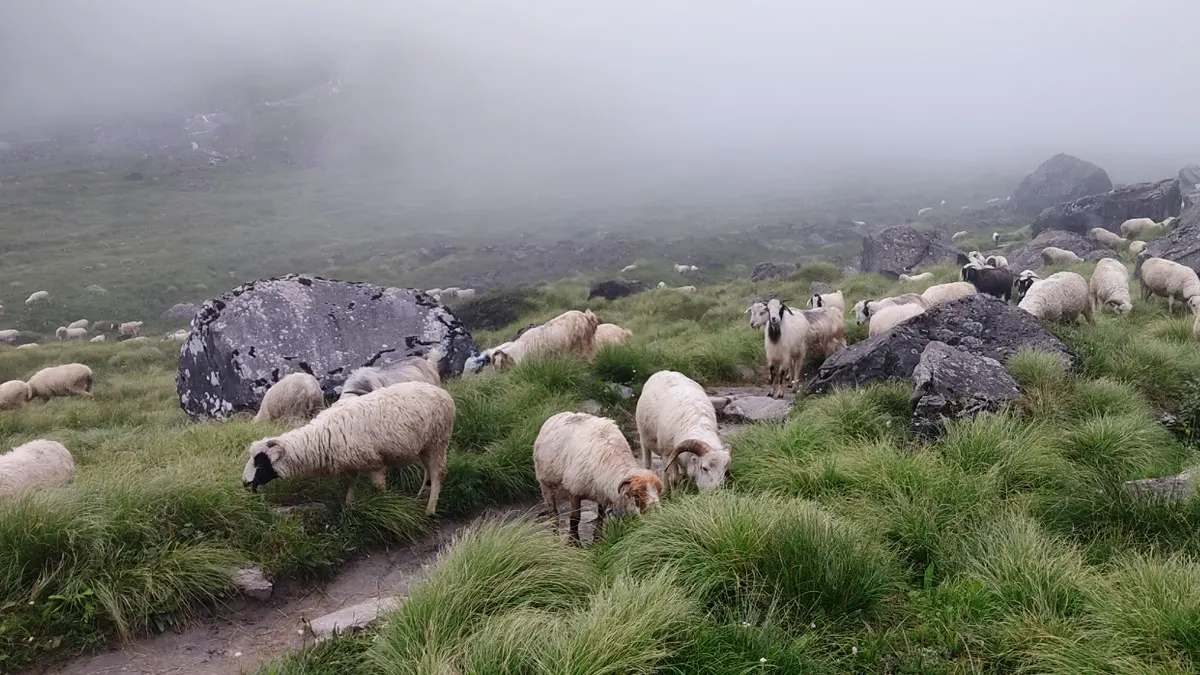
If you want dry trails and clear mornings during the monsoon, focus on these three Trans-Himalayan zones. They offer a "Himalayan Desert" experience that is entirely different from the rest of Nepal.
|
Region |
Why It Works in Monsoon |
Vibe |
|
Completely blocked from rain by the Annapurna range. |
Arid canyons, ancient caves, and Tibetan culture. |
|
|
Remote and bone-dry. The best place for extreme solitude. |
Deep blue lakes and untouched medieval villages. |
|
|
Tucked between massive peaks; receives minimal rainfall. |
A "hidden" world of high passes and stone-built hamlets. |
Pro-Tip: Focusing on these routes allows you to skip the mud and landslides common on "wet" trails like Everest Base Camp or the lower Annapurna Sanctuary.
Is a Monsoon Trek Safe in Nepal?
Trekking in the Nepal Himalayas during the monsoon is safe, but you really have to pick the right spot. The secret is staying in "rain-shadow" areas. Places like Upper Mustang or northern Annapurna are perfect because big mountains block the rain. It keeps the paths dry and easy to walk on.
But famous low trails like the Manaslu Circuit or Everest can be risky. Heavy rain makes these paths muddy and slippery. There is also a higher chance of landslides and poor views.
Important Safety Rules
To keep travelers safe, Nepal now has strict rules:
- No Solo Trekking: You are required by law to hire a licensed guide to enter National Parks and restricted areas. You can no longer trek these places alone.
- Professional Help: A guide from a trusted team like Nepal Gateway Trekking knows which trails are safe and can help if flights are delayed.
- Be Prepared: Always carry salt for leeches in wet forests and use trekking poles for balance on wet rocks.
If you choose a dry northern route and trek with a licensed guide, the monsoon is a beautiful, quiet time to see the mountains.
Can Foreigners Trek in Nepal During Monsoon?
Foreigners can definitely trek in the Nepal Himalayas during the monsoon. It just takes more prep. If you plan to head out this season, hiring a licensed guide is a smart move to stay safe and keep things simple.
You really need to check the weather and trail reports before you start. Also, pack good waterproof gear, stuff for leeches, and sturdy boots. Keep your plans flexible too. Flights and buses get delayed all the time because of the rain.
If you stick to dry spots like Upper Mustang and trek with a professional, it’s a great way to see the mountains without the crowds.
What are the Best Monsoon Trekking Routes in Nepal?
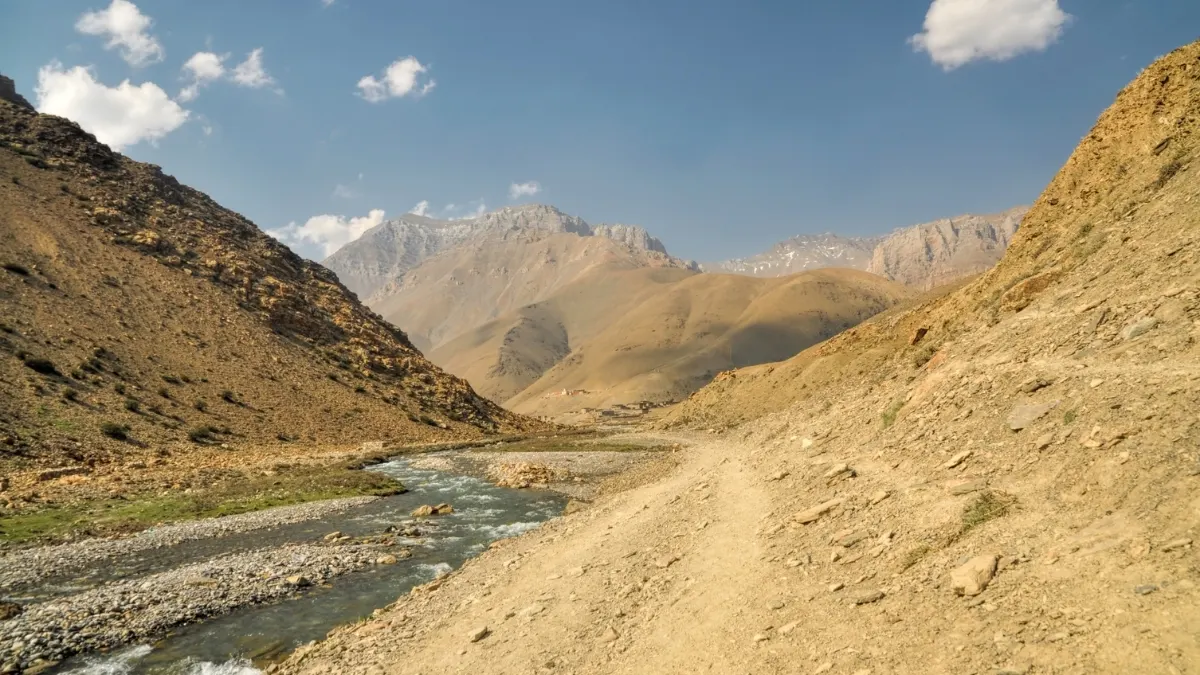
Nepal actually has a bunch of trails that are great even when it’s raining everywhere else. These spots stay pretty dry and are totally worth the trip. Here are the best ones to look into, along with how long they take and what makes them special.
- Upper Mustang – People call it the “Forbidden Kingdom.” It’s a dry, desert-like place with amazing Tibetan culture and really old monasteries.
- Dolpo Region – This is a remote wilderness where you'll find Shey Phoksundo National Park. It barely rains here.
- Nar-Phu Valley – A hidden valley with very traditional villages. You’ll need a few different permits to get in.
- Rain-Shadow Annapurna (North Side) – The areas around Manang stay way drier and safer than the southern slopes during the monsoon.
- Ghorepani / Poon Hill – A quick trek near Pokhara. It’s not totally protected from rain, but it’s short and easy if you just want a quick trip.
Monsoon Trekking Routes Table
|
Trek Route |
Duration |
Difficulty |
Monsoon Suitability |
Highlights |
|
Upper Mustang |
10–20 days |
Moderate |
High |
Rain-shadow desert, Tibetan culture |
|
Dolpo Region |
18–28 days |
Challenging |
High |
Phoksundo Lake, remote wilderness |
|
Nar-Phu Valley |
10–15 days |
Moderate–Hard |
Medium |
Traditional villages, Kang La Pass |
|
Annapurna (North Side) |
12–20 days |
Moderate |
Medium |
Manang & Thorong La areas |
|
Ghorepani / Poon Hill |
4–6 days |
Easy–Moderate |
Low–Medium |
Quick scenic trek |
Permits & Regulations During Monsoon Trekking in Nepal
Trekking legally in Nepal, especially during the monsoon or in restricted spots, means you need a few different permits. Following the rules keeps your trip smooth and actually helps out with conservation and the local communities.
Mandatory Permits for Monsoon Trekkers
- TIMS Card (Trekkers’ Information Management System): This used to be everywhere, but in 2026 it’s being phased out in some spots like Everest and Annapurna. Your agency will handle this if it's still needed for your specific route.
- Restricted Area Permit (RAP): You definitely need this for places like Upper Mustang and Nar-Phu Valley. These areas are sensitive, so the government keeps a close eye on who goes in.
- Conservation Area Permits: If you’re heading into protected spots, you’ll need these, like the ACAP for northern Annapurna trails.
- Shey Phoksundo National Park Permit: This is the one you need if you're trekking in the Dolpo region.
- Licensed Guide Requirement: This is a big one, solo trekking is basically over. For almost every trail now, you have to hire a licensed guide through a registered agency. It’s the law, and they check at the trailheads.
Approximate Permit Costs
|
Permit |
Cost |
|
Upper Mustang RAP |
$50 USD per person / per day |
|
ACAP (Annapurna) |
NPR 3,000 (plus 13% VAT) |
|
TIMS Card |
NPR 1,000–2,000 (if required) |
|
Shey Phoksundo NP Fee |
NPR 3,000 (plus 13% VAT) |
Tip: Since the rules for 2026 are stricter, it's a good idea to let a reputable team like Nepal Gateway Trekking handle the paperwork. This is super important for restricted areas where they really enforce the regulations.
Packing & Preparation for Monsoon Trekking in Nepal
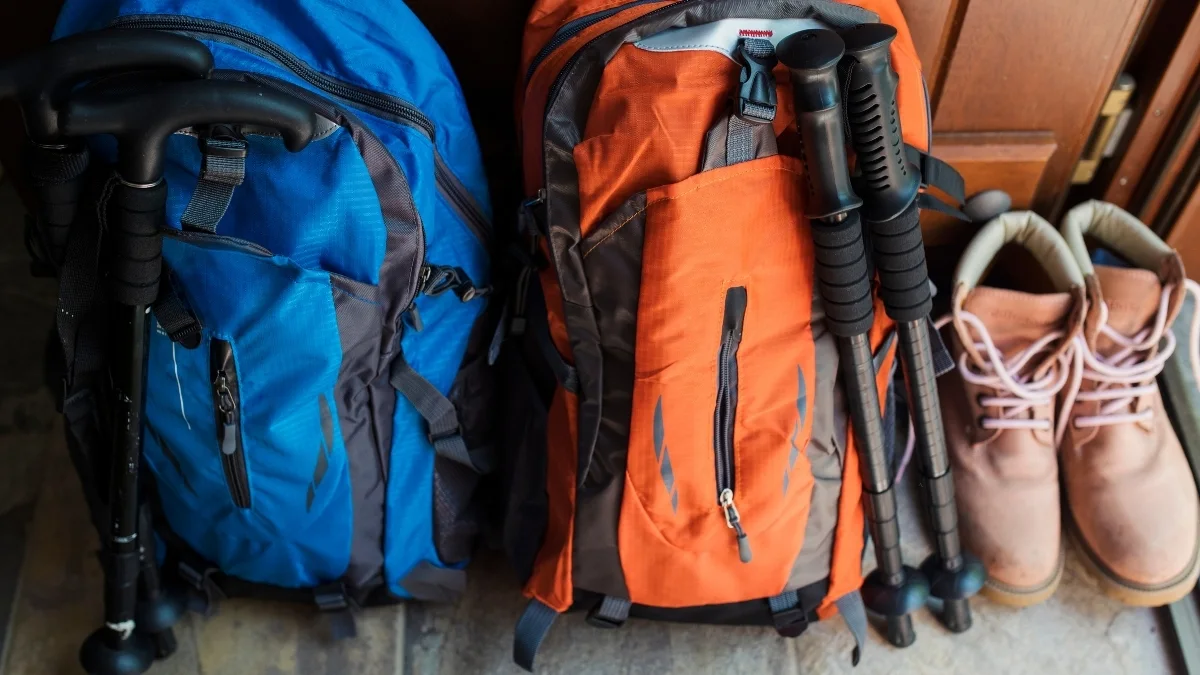
Trekking in the monsoon isn't just about packing more, it’s about packing smarter. Your main enemies aren't just the rain, but also the crazy humidity, muddy trails, and leeches at lower altitudes. Here’s a quick guide on what you actually need to stay dry and safe.
Essential Gear Checklist
- Waterproof Boots with Good Grip: Forget "waterproof" claims, what matters most is the traction. You need deep-cut soles to stay upright on slippery, muddy rocks.
- The "Rain System": A basic jacket isn't enough. You need a waterproof shell, rain pants, a pack cover, and most importantly, dry bags inside your pack to keep your clothes and electronics bone-dry.
- Trekking Poles & Leech Socks: Poles are a lifesaver for balance on wet trails. If you're below 2,500m in the forest, leech socks are the best way to keep those slimy guys off your ankles.
- Quick-Dry Layers: Stick to synthetic or merino wool. Avoid cotton at all costs, once it gets wet, it stays wet, gets heavy, and makes you cold.
- Always-Dry Set: Keep one set of clothes and socks in a sealed dry bag that you only wear for sleeping. Never hike in them, no matter how wet your other gear gets.
Health & Safety Tips
- Leech Protection: Carry a bit of salt or a repellent spray for the lower forested sections. A quick "sock check" during breaks is a good habit to have.
- Flexible Schedule: Monsoon weather is unpredictable. Flights to mountain airstrips get delayed all the time, so build a few buffer days into your trip so you don't miss your flight home.
- Check the Weather: Keep in touch with your licensed guide or a team like Nepal Gateway Trekking for real-time trail updates. We know if a path has become risky due to recent rain.
- Water Safety: Rain can wash a lot of gunk into water sources. Use a high-quality filter and carry purification tablets as a backup.
Basically, if you’re prepared for the wet and stay flexible, trekking in the monsoon is a great way to see the Himalayas when they're at their greenest and most peaceful.
More in details: What to Pack for a Monsoon Trek | Complete Packing List
Flight, Transport & Travel Logistics During Monsoon in Nepal
Dealing with the monsoon in Nepal means you really have to be smart about your travel plans. Between the rain in Kathmandu and the unpredictable mountain weather, things can get a bit messy if you don't have a backup plan.
International Travel
Most people fly into Tribhuvan International Airport (KTM) in Kathmandu. While international flights are usually more stable, 2026 has seen some shifts in traffic, so it’s worth keeping an eye on your airline's updates. The main thing to watch for is "holding patterns", sometimes planes have to circle for a while if a heavy downpour hits the valley right as you’re supposed to land.
Domestic Transport
This is where the real delays happen. Flights to spots like Jomsom, Nepalgunj, or Pokhara get cancelled a lot because of low visibility.
- Buffer Days: You absolutely need to build 2 or 3 extra days into your schedule. Don’t book your flight home from Kathmandu the very next day after your trek is supposed to end.
- Road Realities: Driving is an option, but the highways can be slow. Landslides often shut down major routes like the Prithvi Highway or the road to Jomsom for a few hours (or even days) while crews clear the debris.
- Agency Support: This is where having a team like Nepal Gateway Trekking helps. A licensed guide can quickly pivot and help you find a jeep or a different flight if your original plan falls through.
Basically, just stay flexible. If you're not in a huge rush and you've got a pro handling the logistics, the travel part is just another part of the adventure.
Nepal Trekking Seasons: Pre-Monsoon vs. Monsoon vs. Post-Monsoon
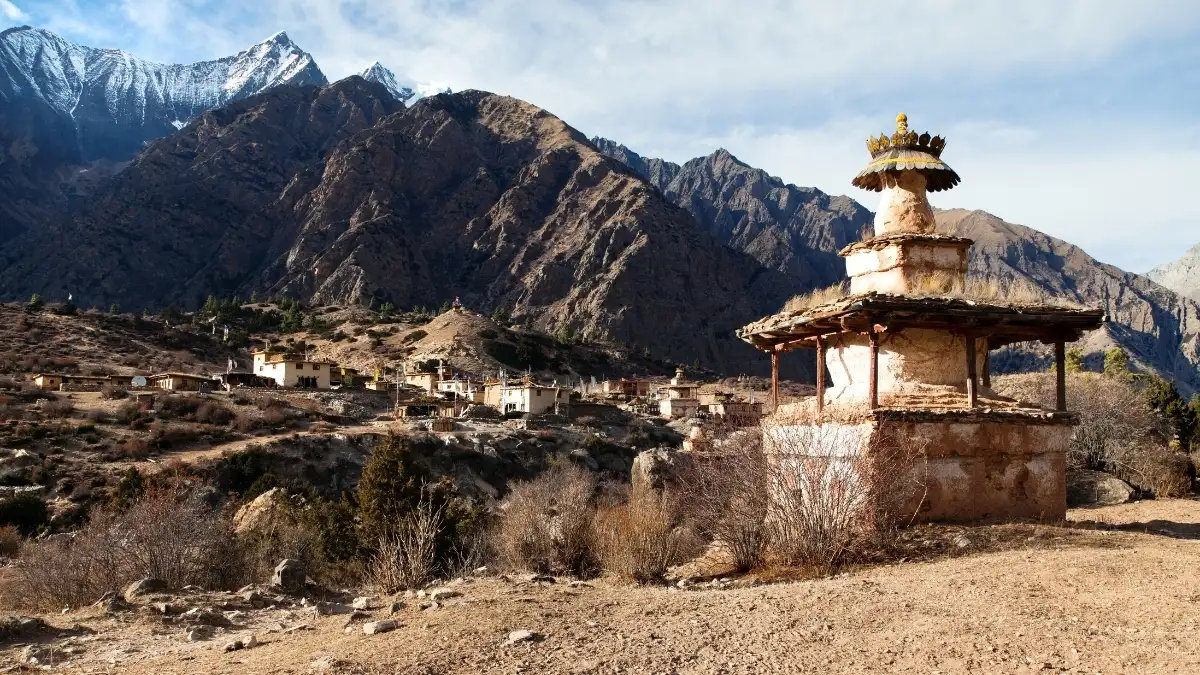
Choosing the right time to trek depends on whether you want to see blooming flowers, have the trails to yourself, or get those crystal-clear mountain views. Here is how the seasons actually compare:
|
Feature |
Pre-Monsoon (March–May) |
Monsoon (June–Sept) |
Post-Monsoon (Oct–Nov) |
|
Visibility |
High (Clear mornings) |
High in Rain-Shadows |
Exceptional (Sharpest views) |
|
Crowds |
Very High |
Very Low (Peaceful) |
Extremely High |
|
Temperature |
Warm / Pleasant |
Hot & Humid (Lowlands) |
Chilly / Crisp |
|
Lushness |
Rhododendron Blooms |
Peak Greenery & Waterfalls |
Golden Harvest Colors |
|
Recommended Treks |
Everest Base Camp, Annapurna Circuit, Langtang |
Upper Mustang, Upper Dolpo, Nar-Phu Valley |
Manaslu Circuit, Gokyo Lakes, Ama Dablam BC |
Concluding Notes
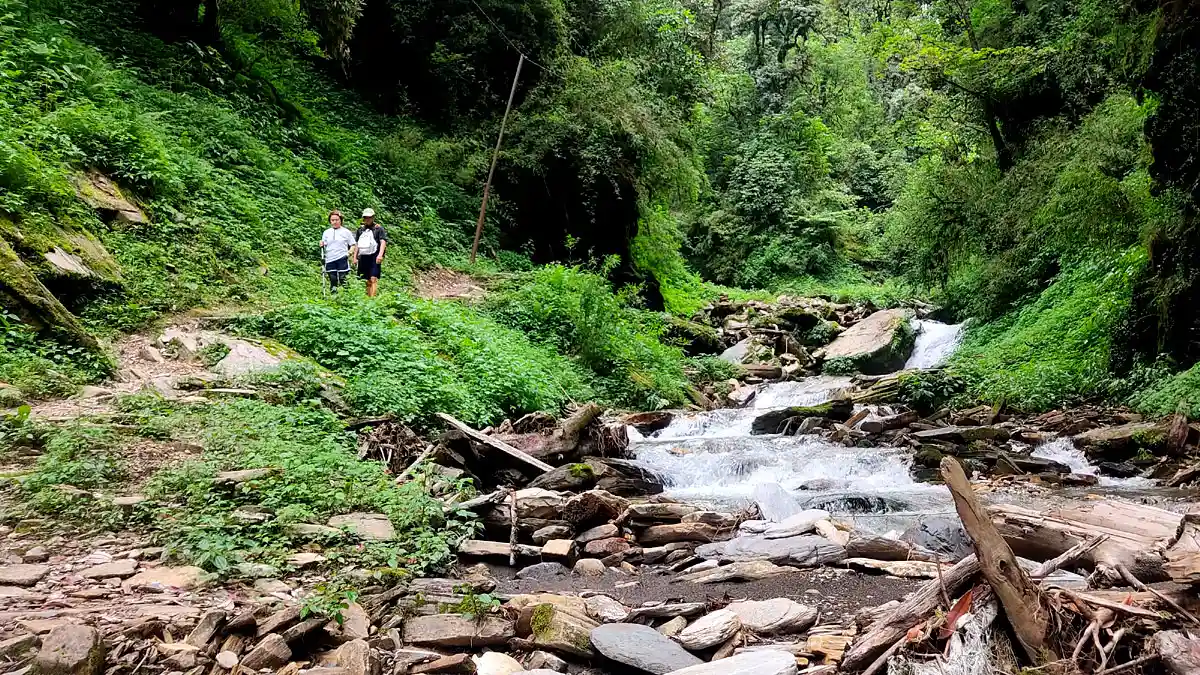
Trekking in the Nepal Himalayas during the monsoon isn't just a backup plan, it’s actually a pretty cool way to see the country without the massive crowds. If you stick to those rain-shadow spots like Upper Mustang or the wild trails in Dolpo, you get dry paths and some of the best cultural scenery out there.
The trick is just being smart about your gear and making sure you’ve got a licensed guide with you. Whether you’re hitting the hidden Nar-Phu Valley or exploring the "Forbidden Kingdom," going in the off-season gives you a level of peace you just don't get in October.
If you want to head out with zero stress, booking through Nepal Gateway Trekking is the way to go.
FAQ
Is trekking in Nepal during monsoon safe?
Trekking in the Nepal Himalayas during the monsoon is safe as long as you head to "rain-shadow" areas like Upper Mustang or Dolpo. Since these spots are blocked from the rain by the big mountains, the trails stay dry. Just make sure you’re with a licensed guide who knows the terrain.
What months make up Nepal’s monsoon season?
The monsoon usually hits from June and stays until mid-September. Most parts of the country get a lot of heavy rain during this time, so you have to be careful about where you go.
Which treks are best for foreigners in monsoon?
Your best bets are Upper Mustang, Dolpo, the Nar-Phu Valley, and the northern parts of Annapurna (around Manang). These stay much drier than the rest of the country.
Do foreigners need a guide in Nepal?
Yes. As of 2026, the rules are strictly enforced, foreigners can no longer trek solo in most regions, including National Parks and restricted areas. You must be accompanied by a licensed guide from a registered agency.
What permits are required for monsoon treks?
It depends on where you’re going, but you’ll usually need a Conservation Area Permit (like ACAP) and a Restricted Area Permit (RAP) for places like Mustang. While the old paper TIMS card is being phased out for a digital system in some areas, your agency will handle all the technical paperwork for you.
Are mountain views possible in monsoon?
Definitely. In the rain-shadow regions, the skies are often clear. Even in other areas, the clouds usually break in the morning, giving you some of the greenest, most beautiful views of the peaks you'll ever see.