Khumbu is a Himalayan region of Nepal where glaciers grind slowly through valleys and life moves at its own pace. Mornings begin with the sound of prayer wheels, while evenings end with butter tea and quiet conversations.
What makes this place special is the people. Sherpa culture in Khumbu is built on teamwork, faith, and respect for nature. Mountains are sacred here. Trails are shared, not owned. You feel it as soon as you start walking.
Trekkers who explore the Mount Everest region with Nepal Gateway Trekking often say the same thing afterward: the views were stunning, but the people and the stories stayed longer in the heart. In this blog, you will learn about the geography, Sherpa culture, location, and highlights of the Khumbhu Region.
What Is the Khumbu Region?
The Khumbu Region, Nepal, also called the Everest Region, Nepal, is a high-altitude area in northeastern Nepal. It lies inside the Solukhumbu District and forms the core of Nepal’s most famous mountain landscape.
In short, the Khumbu Region coexists with the world's tallest mountains and one of the strongest mountain cultures.
- Location: Solukhumbu District, northeastern Nepal
- Known for: Everest, Sherpa heritage, trekking routes
- Natural features: Glaciers, alpine forests, deep river valleys
- Protection: Mostly inside Sagarmatha National Park
Where Is the Khumbu Region Located?
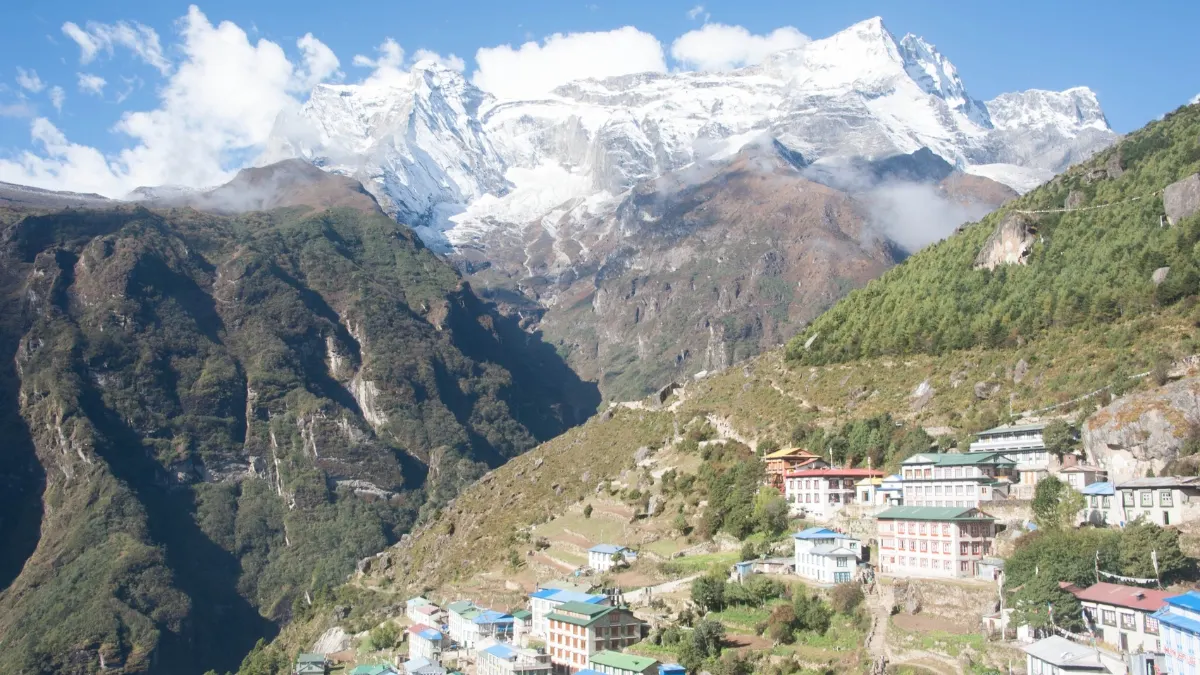
The Khumbu Region sits in northeastern Nepal, close to the Tibet border. Its remote setting helps preserve both nature and tradition. The upper parts of the Khumbu Region, Nepal, lie close to Tibet. For centuries, this connection influenced trade, language, building styles, and Buddhist traditions seen across the region today.
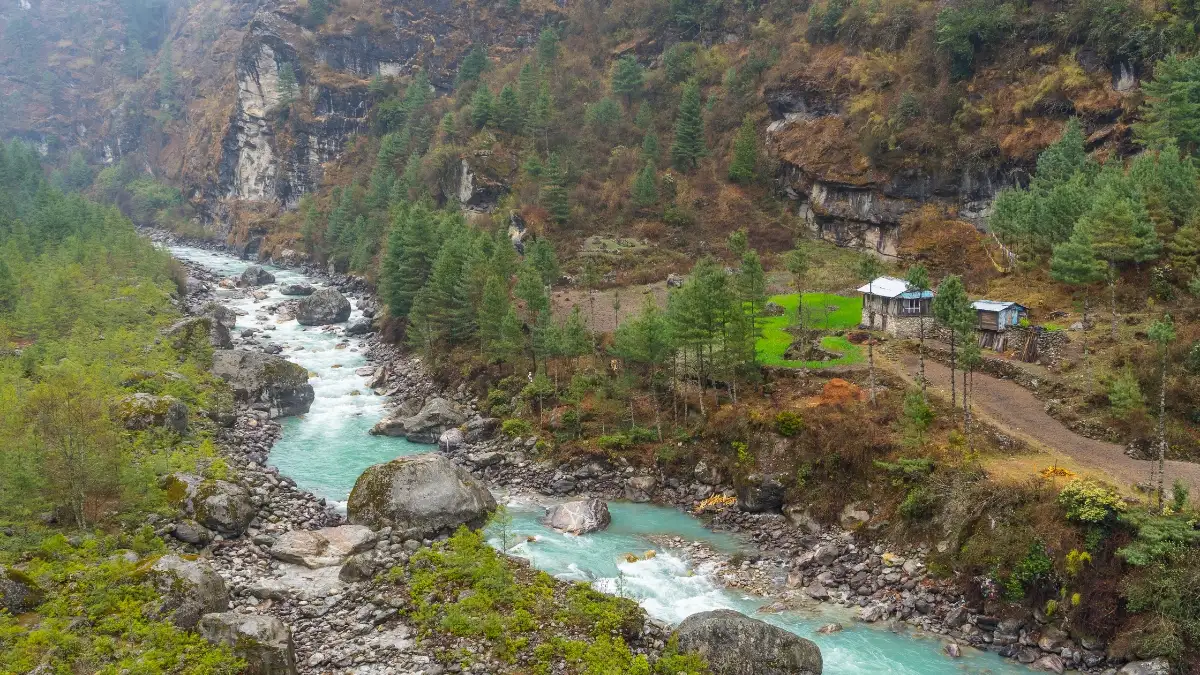
The Dudh Koshi River flows through the heart of the Khumbu Valley, shaping the land and guiding the main trekking routes toward Everest.
Geographic setting of the Khumbu Region, Nepal
- Located in northeastern Nepal
- Part of the wider Khumbu trekking region
- Mostly inside Sagarmatha National Park
- Stretched along the Dudh Koshi River valley
Do you know that this region has the tallest mountain? Read our blog for a detailed location of Mount Everest within the Khumbu region.
Major Attractions of the Khumbu Region
The Khumbu Region, Nepal, is not a place you rush through. It slowly pulls you in. The thin air, the quiet valleys, and the steady mountain rhythm make you pause and look around. This is the heart of the Mount Everest region, where nature and culture live side by side.
Below are the main attractions that make the Khumbu trekking region one of the most meaningful travel areas in the Himalayan region of Nepal.
- Mount Everest
- Other Himalayan Peaks (Lhotse, Cho Oyu, Ama Dablam)
- Sagarmatha National Park
- Glaciers and Icefalls (Khumbu Glacier, Khumbu Icefall)
- Sherpa Villages and Cultural Sites (Lukla, Namche Bazaar, Tengboche, Khumjung, Kala Patthar)
- Rivers, Valleys, and Lakes (Dudh Koshi, Gokyo Lakes)
- Wildlife and Flora (snow leopard, Himalayan black bear, musk deer, Danfe)
- Festivals and Cultural Events (Mani Rimdu, Dumji, Lhosar)
Geography of the Khumbu: The Roof of the World
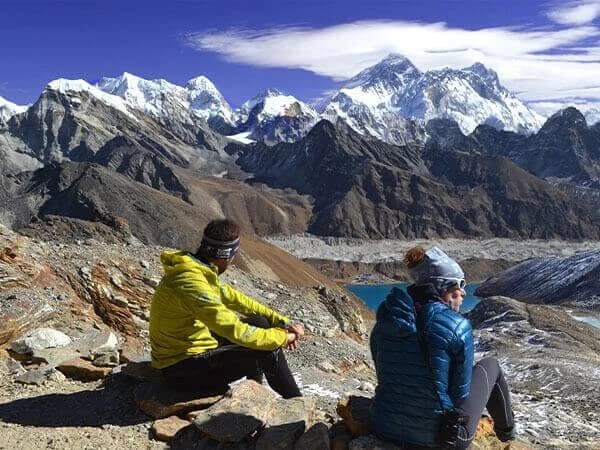
When people talk about the Khumbu Region, they are not talking about an ordinary place. This is the upper edge of the Himalayan region of Nepal, where land rises so high that clouds drift below your feet.
The ground here was shaped millions of years ago when the Indian plate pushed into Asia. That slow crash lifted ancient seabeds into the sky. Even today, sharp-eyed trekkers in the Khumbu Region of Nepal sometimes notice shell-like patterns in rocks far above sea level. Nature leaves quiet clues if you slow down and look.
What makes the Mount Everest region special is not just height but scale. Valleys drop suddenly. Peaks rise without warning. The weather can change in minutes. Geography controls life here, from farming to footpaths.
Understanding the landscape is critical for trekkers travelling through the Khumbu trekking region with local groups like Nepal Gateway Trekking. Contact us right away to plan a trip through this region.
The Great Himalayan Peaks of the Khumbu
Walking through the Khumbu Valley feels like standing inside a ring of giants. Few places on Earth place so many legendary peaks in one wide view.
- Mount Everest (8,848.86 m)
Known locally as Sagarmatha and Chomolungma, Everest dominates the entire region. Its size affects wind, snowfall, and even walking conditions on nearby trails. - Lhotse (4th-highest mountain)
Standing beside Everest, Lhotse looks like a solid wall of ice and rock. It often hides in shadow, but its presence feels heavy and powerful. - Cho Oyu (6th highest mountain)
This broad, icy peak marks the western edge of the Khumbu. Many locals call it calm-looking, but its size commands respect. - Ama Dablam (iconic Himalayan peak)
Sharp, steep, and unforgettable. Many trekkers say Ama Dablam is the most beautiful mountain they have seen in the Everest Base Camp region, even if they came for Everest.
Each of these peaks shapes the trails, the weather, and the rhythm of daily life in the Khumbu Region.
Glaciers and Ice Landscapes
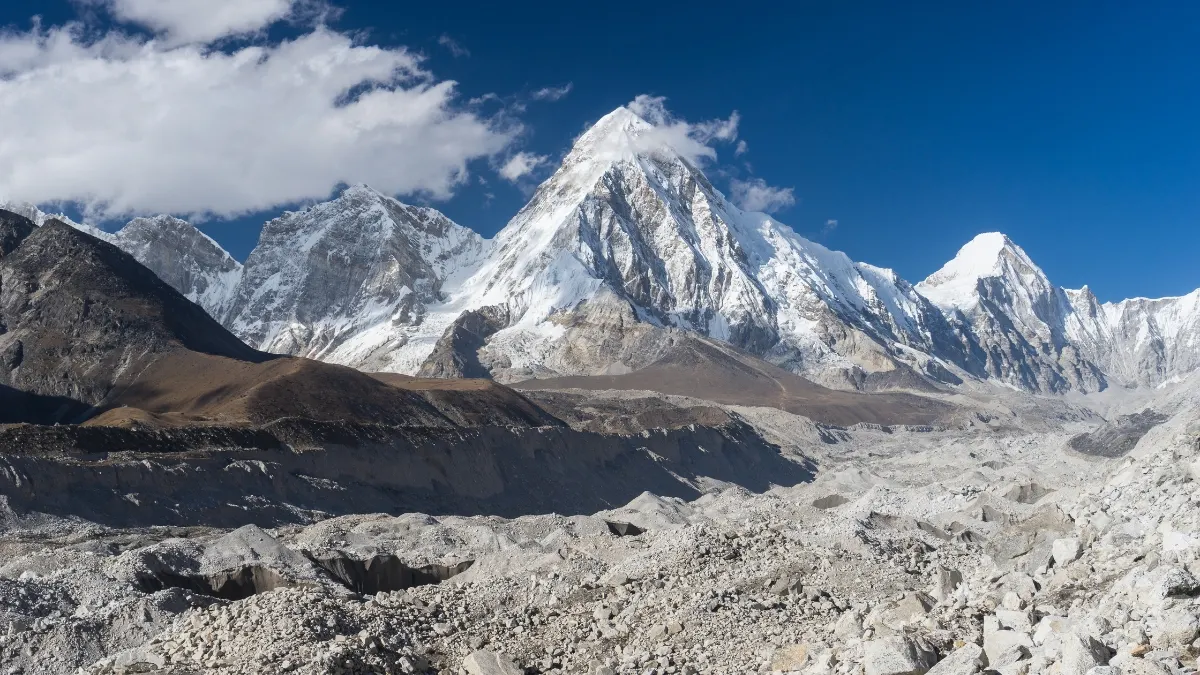
Ice is always moving in Khumbu, even when it looks frozen and silent.
- Khumbu Glacier
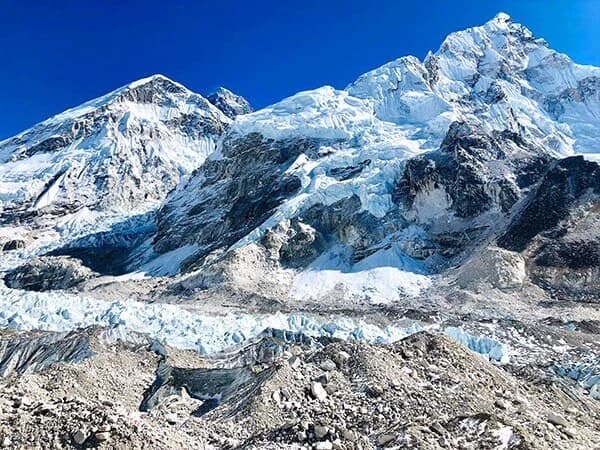
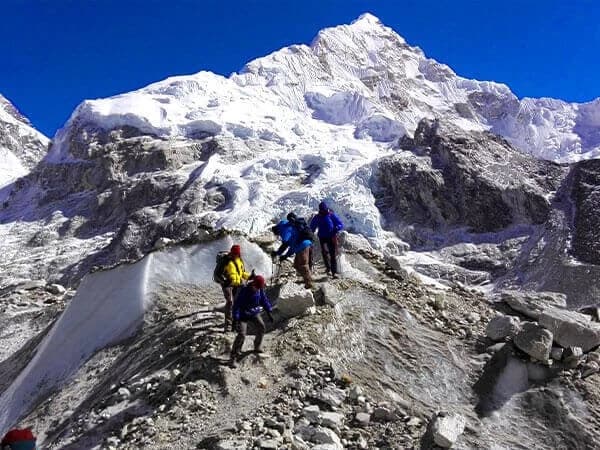
This is the highest glacier in the world. It flows slowly from the upper slopes of Everest, covered with rocks, dust, and deep cracks. Walking near it feels like walking beside a sleeping giant. - Khumbu Icefall
This is where the glacier breaks apart. Towering blocks of ice shift and collapse without warning. Climbers fear it. Trekkers respect it from a safe distance.
These glaciers feed rivers, shape valleys, and remind visitors that the Khumbu Region, Nepal, is always changing.
Wildlife and Biodiversity
At first glance, the Mount Everest region looks too cold and harsh for life. But nature is stubborn here.
- Snow leopard: Rare and silent, often called the “ghost of the mountains”. Seeing one is pure luck.
- Musk deer: Shy animals found in forested slopes, especially away from busy trails.
- Himalayan black bear: Mostly found in lower valleys, far from villages.
- Danfe (Himalayan monal): Nepal’s national bird. Its bright feathers shine against snow and stone, adding color to the rugged land.
Much of this wildlife survives because the region lies inside Sagarmatha National Park, which protects forests, animals, and traditional land use.
If you're interested in exotic animals found in the mountains, check out our blog on exotic animals found in Nepal's Himalaya.
A Brief History of the Khumbu Region
The history of the Khumbu Region doesn't start with colourful trekking jackets or mountain gear. Long before it became the heart of the Everest Region, Nepal, this high-altitude valley was a silent, sacred home. People here didn't just visit; they survived by learning the language of the mountains and the secrets of the snow.
Life Before Modern Tourism
Before the first hikers arrived, life in the Khumbu Region, Nepal, was all about hard work. It wasn't about "climbing" peaks for fun. It was about living among them and surviving.
- The Secret Salt Trails: For hundreds of years, the Khumbu Valley was like a high-altitude highway. Sherpa families led long lines of yaks over frozen mountain passes. They traded salt and wool for grain in Tibet. It was dangerous and slow. But those ancient trade routes are the reason many of today’s paths in the Himalayan region of Nepal even exist.
- Farming in the Freeze: Imagine trying to grow food where it freezes almost every night. Families relied on hardy potatoes and barley. They also leaned on the yak for everything,g such as milk, warmth, and carrying heavy bags. This tough life created the famous Sherpa people culture in Khumbu, where being strong and helping your neighbours are the most important rules.
Western Exploration and Global Attention
The "Great Peaks" stayed a secret from the West until just about a hundred years ago.
- 1921: The First Maps: A team from Britain arrived to map out the Khumbu trekking region. They weren't even trying to reach the top yet. They just wanted to see if it was possible. This event was the first time the world saw how beautiful the Khumbu region really was.
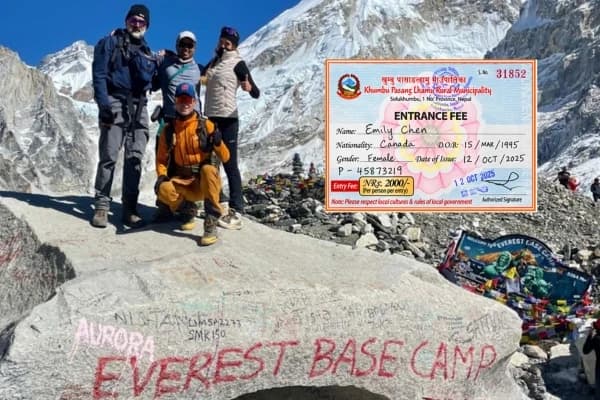
- 1953: The Day Everything Changed: The Everest Base Camp, which lies in the Khumbu region, gained instant fame when Tenzing Norgay Sherpa and Edmund Hillary stood on the top of the world in 1953.
Annapurna or Everest, which trek is right for you? Read our blog comparing ABC and EBC for all the key differences.
The Sherpa People and Cultural Heritage of the Khumbu
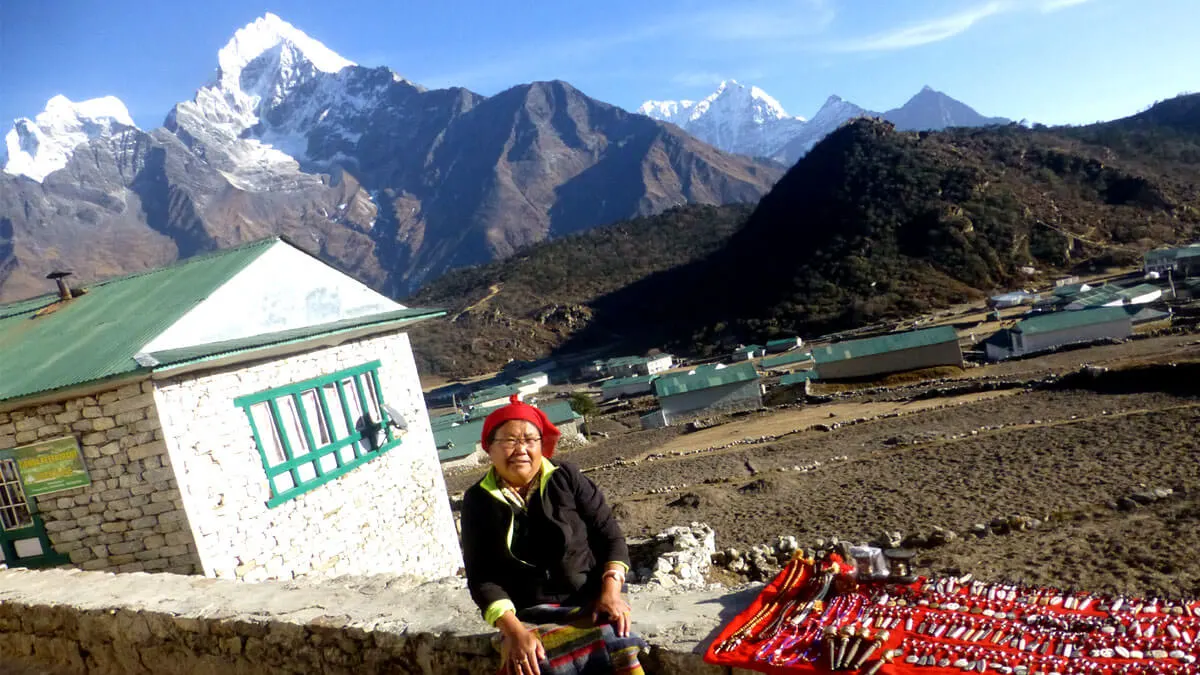
The Khumbu Region is famous for its giant peaks, but the mountains are only half the story. It is the homeland of the Sherpa people. Their kindness and colorful traditions make the Everest Region Nepal feel like a special, living museum. Their history and beliefs are woven into the land. Every trail in the Khumbu Valley feels like a path through time.
Origins and Migration: The "People from the East"
The word "Sherpa" actually means "People from the East" as they migrated from the east. About 500 years ago, Sherpa families moved from a place called Kham in Eastern Tibet. They wanted a peaceful home. They chose the Khumbu Region Nepal because it was safe and beautiful. Over the years, their bodies adapted to the climate and environment of the Khumbu region.
Religion, Beliefs, and Protecting Nature
In the Khumbu trekking region, a religion called Tibetan Buddhism is at the heart of life. It isn't just something people do on Sundays. It is how they live every single day.
- Kindness to All: Sherpas believe in being kind to all living things. Because of this, they don't hunt or hurt animals in the mountains.
- Sacred Mountains: They view the big peaks as goddesses. For example, they call Mount Everest Chomolungma. That means "Mother Goddess of the World."
- Spirit of the Land: These beliefs safeguarded forests and wildlife long before modern laws came into being. You will see colorful prayer flags everywhere. As the wind blows, they send out prayers for peace to everyone in the whole world.
Festivals and Cultural Traditions
Festivals are the best way to see the Everest Base Camp region come to life with music and dancing.
- Mani Rimdu Festival: Monks at the famous Tengboche Monastery wear large, colourful masks to celebrate the Mani Rimdu festival. They perform special dances depicting how good always wins over evil.
- The Dumji Festival: This festival is celebrated in honour of a famous teacher named Guru Rinpoche. Families prepare large meals and share them with the entire community.
- Gyalpo Lhosar: This is the Sherpa New Year. Families clean their homes. Sherpa People dress in their finest and eat a special soup known as Guthukand pray for their health and good luck.
If you're interested in the lifestyles of mountain dwellers, check out Nepal Gateway Trekking's blog on Himalayan people.
The Economy of the Khumbu: From Trade to Tourism
In the Khumbu Region of Nepal, life has changed a lot over the years. It is a great lesson in how people can adapt to their surroundings.
Trading Across the Mountains
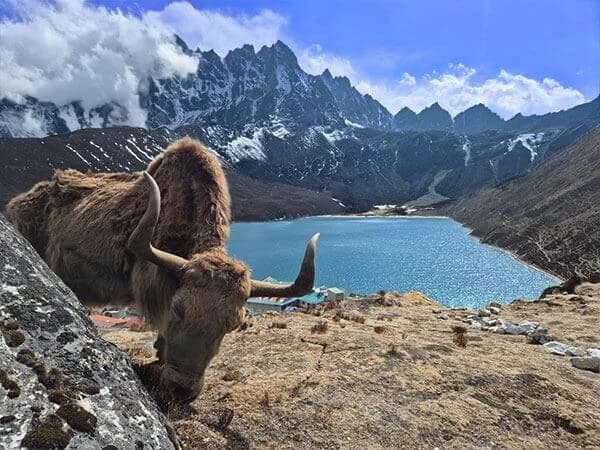
Long ago, before there were many tourists, the Khumbu Valley was like a busy highway for traders. But instead of trucks, they used yaks. These hairy, strong animals carried salt and wool from Tibet over high mountain passes. They would trade these items for grain and butter from the lower parts of Nepal.
It was a tough life, but it helped the Sherpa people connect with the rest of the world. Today, you can still see yaks carrying supplies, but now they often carry bags for trekkers.
The Rise of Tourism
Everything changed when people from all over the world started coming to see Mount Everest. Suddenly, the Khumbu Region became famous. Every year, thousands of visitors fly into the small airport at Lukla to explore the Sagarmatha National Park.
Tourism grew from just a few hundred people in the 1970s to over 50,000 visitors recently. This growth brought a new way to make a living. Instead of just trading salt, many Sherpa families started working in tourism.
Jobs in the Mountains
Today, if you visit the Everest Region of Nepal, you will see people working in many different roles:
- Guides: These experts show hikers the way and keep them safe. They know the Khumbu trekking region like the back of their hands.
- Porters: These are incredibly strong people who carry heavy gear up the steep trails. They are the backbone of every expedition.
- Lodge Owners: Many families have turned their homes into "Tea Houses." These are cozy little hotels where travelers can eat a warm meal and sleep in a bed.
Farming and Yaks Today
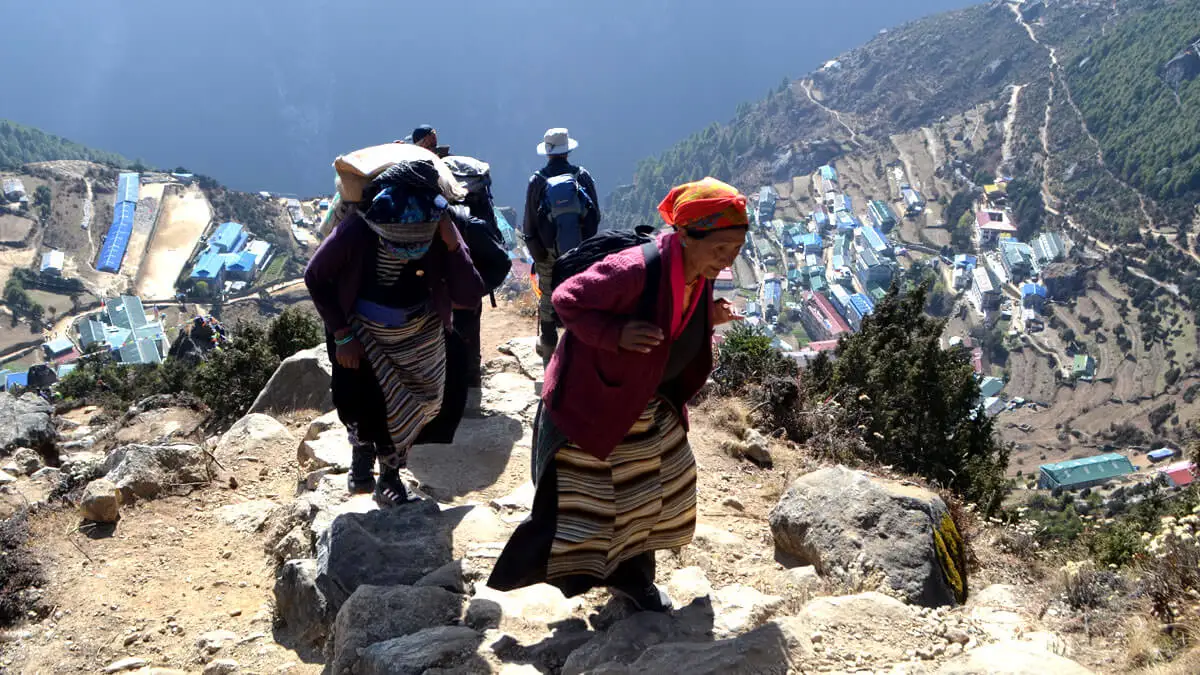
Even though tourism is big, the people in the Khumbu Region of Nepal haven't forgotten their roots. They still practice "mountain farming." Because it is so cold, only a few things grow well, like potatoes and buckwheat.
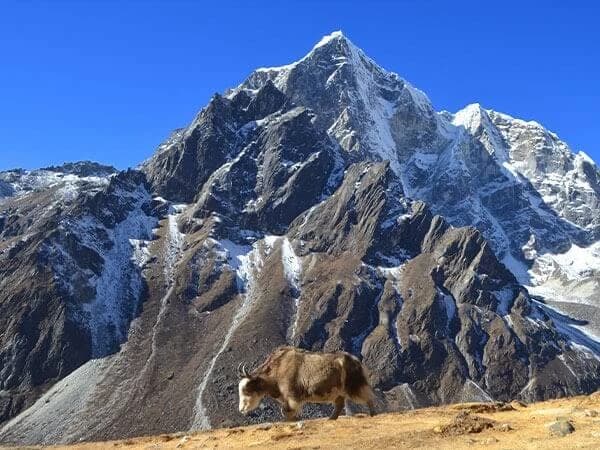
The yak is still the most important animal here. They provide milk for cheese, wool for clothing, and help move heavy things.
Gear up for Everest Base Camp! Discover what to pack for EBC with tips from Nepal Gateway Trekking experts.
Iconic Villages and Sacred Sites in the Khumbu Region
The Khumbu Region is famous for more than just Mount Everest. It is a beautiful place where the Himalayan region of Nepal comes to life. Here, daily life, ancient religion, and trekking routes all blend together.
Visiting the villages and sacred sites in the Khumbu Valley is the best part of the trip. Every place has its own important role in the Khumbu trekking region experience.
Lukla: The Gateway to the Khumbu
Your journey begins in Lukla (2,845 m). This town is the main entrance to the Khumbu Region and the starting point of most treks toward the big peaks.
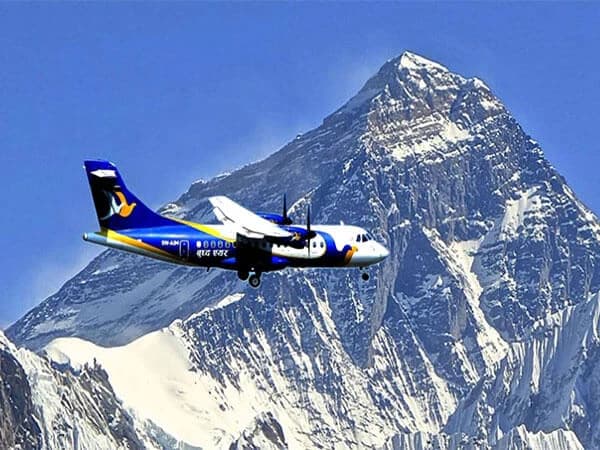
The town grew around the Tenzing-Hillary Airport, which is famous for its tiny runway. This airport connects the remote Khumbu valleys with the rest of Nepal.
- Primary entrance: This is the first place you step into the mountains.
- Trek starting location: It is the official beginning of the Everest Base Camp trek.
- First look at Sherpa life: You will see traditional stone houses and the first mountain trails right away.
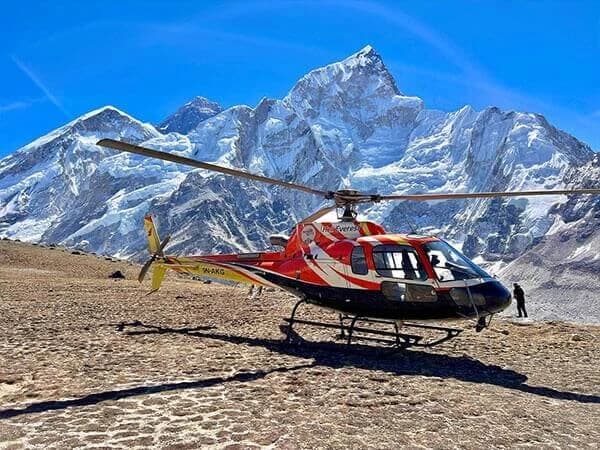
If you don't want to trek at high altitude but still want to experience Everest Base Camp, you can take an Everest helicopter tour to avoid the hassle while still seeing incredible mountain views from above.
Namche Bazaar: The Heart of the Khumbu
Namche Bazaar (3,440m) is the largest and busiest town in the Everest Region of Nepal. Built on a steep, curved hillside that looks like a giant bowl or horseshoe, it is the center of everything.
It is the main trading hub for the Khumbu. Because it is so high up, it is an important acclimatization stop. Trekkers stay here for an extra day to let their bodies get used to the thin air.
- Modern comforts: Namche has cozy lodges, gear shops, bakeries, and even the world’s highest Irish pub.
- Cultural Center: Spending time here helps you see how people live every day in the Mount Everest region.
Tengboche Monastery: Spiritual Center of the Khumbu
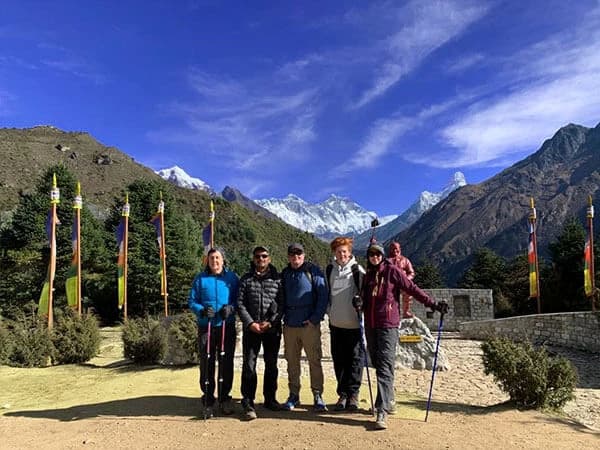
Tengboche Monastery (3,867m) is the most important religious site in the Sagarmatha National Park. The monastery stands on a high ridge with amazing views of Ama Dablam, a mountain that many people think is the prettiest in the world.
- Largest Monastery: It is the biggest spiritual home in the Khumbu trekking region.
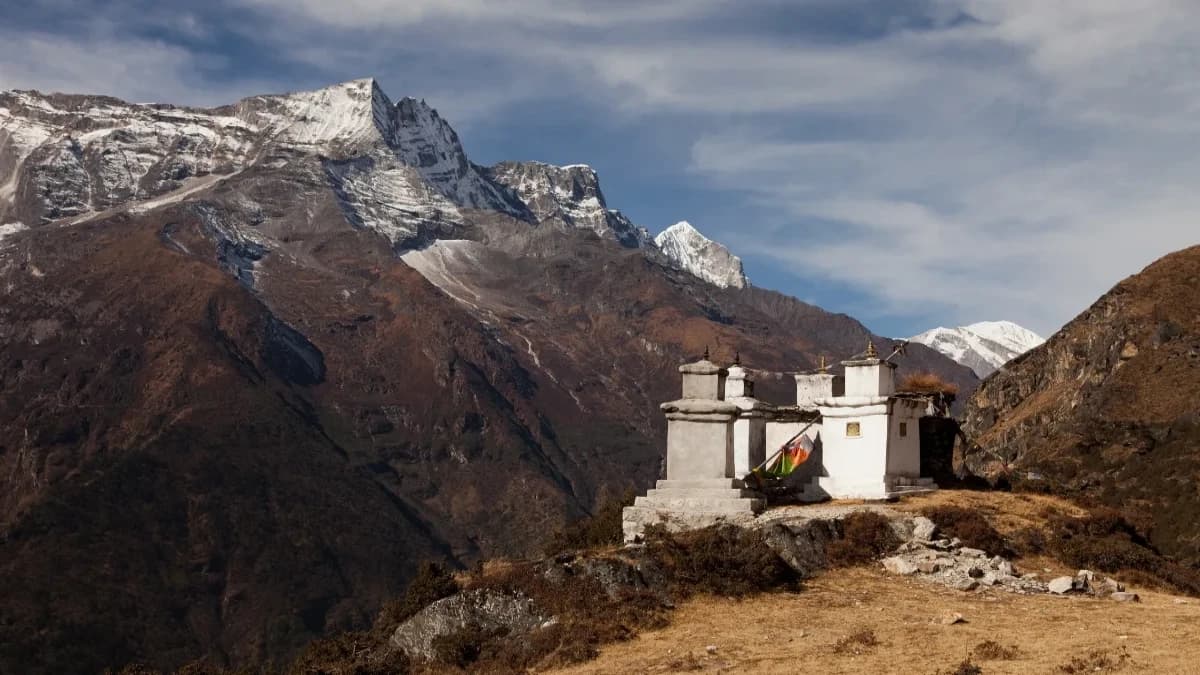
- Buddhist Traditions: You can hear monks chanting and see colorful prayer flags flying in the wind.
- Blessing Point: Many climbers and trekkers stop here to ask for safety before heading higher. Tengboche reminds us that faith and the giant mountains are always connected in Sherpa culture.
Kala Patthar: Best Viewpoint for Mount Everest
Kala Patthar (5,545m) is the most popular spot for views in the Khumbu Region, Nepal.
Did you know that you can't actually see the very top of Everest from Base Camp? That is why people climb Kala Patthar (which means "Black Rock").
- The Closest View: It offers the best and clearest view of the summit of Mount Everest.
- Sunrise Magic: It is famous for early morning climbs when the sun turns the mountain peaks into "glowing gold."
- High-Altitude Goal: Reaching the top of this hill is a huge highlight for anyone on the Everest Base Camp trek.
If you're wondering where to get the best view of the highest peak, visit Nepal Gateway Trekking's blog on the best places for Everest views.
Khumjung Village: Culture, Belief, and Local Legends
Khumjung (3,790 m) is a traditional Sherpa village located just above Namche. It is much quieter and shows the cultural side of the Himalayan region of Nepal.
- The Yeti Skull: Inside the local monastery, you can see a mysterious object that locals believe is a real Yeti scalp.
- Hillary School: This village is home to the first school built by Sir Edmund Hillary to help the children of the Khumbu.
- Village Life: You can see how people farm and live together while still welcoming visitors from all over the world.
Travel Logistics and Preparation for the Khumbu
Traveling to the Khumbu Region is part of the experience. Good preparation makes the journey smoother and safer, especially for first-time visitors to the Himalayan region of Nepal.
How to Get to the Khumbu Region?
There are only a few ways to reach the Khumbu Region in Nepal, and each one tells a different story.
- Flight from Kathmandu to Lukla
Most trekkers start in Kathmandu and take a short mountain flight to Lukla.- Flight time is around 30–40 minutes
- Flights depend heavily on the weather
- Lukla is the main entry point to the Everest Base Camp region
For many travellers, this flight is their first real taste of how remote the Mount Everest region truly is.
- Historic routes via Jiri or Phaplu
Before Lukla airport was built, people walked into the Khumbu.- Jiri: adds about a week of extra walking
- Phaplu: slightly shorter and less busy
These routes pass through farming villages and old trade paths. They are slower, but they show how the Khumbu trekking region was reached for generations.
- Life Without Roads in the Khumbu
One simple fact explains a lot about life here: there are no roads beyond Lukla.- No cars or buses in the Khumbu Valley
- All goods are carried by porters, yaks, and dzopkyos
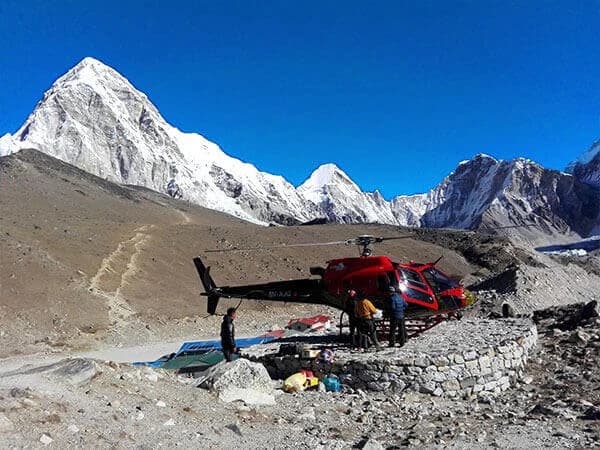
- Helicopters are used only for emergencies or special cargo
As a result, food and supplies become pricier at higher altitudes. Nothing arrives easily, so nothing is wasted. This road-free system has shaped daily life in the Khumbu Region for centuries.
Did you know Pikey Peak lies along the Khumbu route? If you’re interested, plan your Pikey Peak trek with Nepal Gateway Trekking.
Trekking in the Khumbu Region
Trekking in the Khumbu Region is not about ticking off famous places. It is about walking through the Everest Region, Nepal, the same way people here have walked for generations, slowly, carefully, and with respect for the land.
This part of the Himalayan region of Nepal is known for high altitude, but what surprises many trekkers is how lived-in it feels. You pass homes, fields, mani walls, and monasteries every day. That is why the Khumbu trekking region works for both first-time trekkers and experienced walkers, as long as the pace is right.
Popular Trekking Routes in the Khumbu Region
The primary trekking paths in the Mount Everest region are
Everest Base Camp Trek
The Everest Base Camp Trek is the most well-known trek in the Khumbu Region of Nepal. It follows the main valley used by Everest climbers and support teams.
The trail passes through Lukla, Namche Bazaar, Tengboche, Dingboche, and Gorak Shep. Along the way, trekkers see Everest, Lhotse, Nuptse, and the wide Khumbu Glacier. What makes this trek special is not only Everest itself, but the steady mix of villages, mountain views, and rest days that help the body adjust.
Gokyo Lakes Trek
The Gokyo Lakes Trek feels different from the main Everest route. It is quieter, with fewer people and wider views.
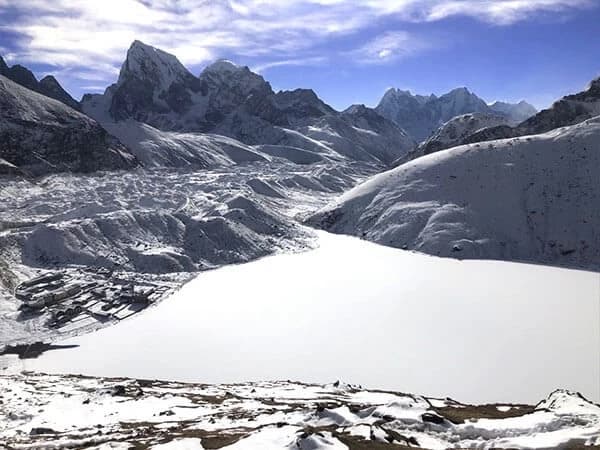
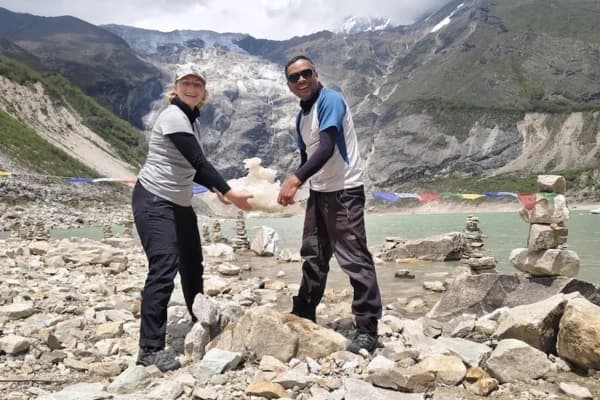
The lakes near Gokyo village sit high above the valley and change color with the light. Many trekkers say the climb to Gokyo Ri is one of the best viewpoints in the Khumbu Valley. This route suits people who want strong scenery without heavy foot traffic.
Everest High Passes Trek
The Everest High Passes Trek is one of the hardest treks in the Khumbu Region. It connects the main Everest trail with the Gokyo side by crossing three high passes: Kongma La, Cho La, and Renjo La.
This trek takes time and good fitness. Weather matters. So does experience. For trekkers who can handle it, the reward is seeing almost every corner of the Everest Region in Nepal in one long journey.
EBC and Cho La Pass Trek
The EBC and Cho La Pass Trek is shorter than the full Three Passes route but still demanding. It links Everest Base Camp with the Gokyo Valley and works well for trekkers who want a loop instead of turning back the same way. Snow and ice are common near the pass, so this route suits people who already have trekking experience.
Everest Panorama Trek
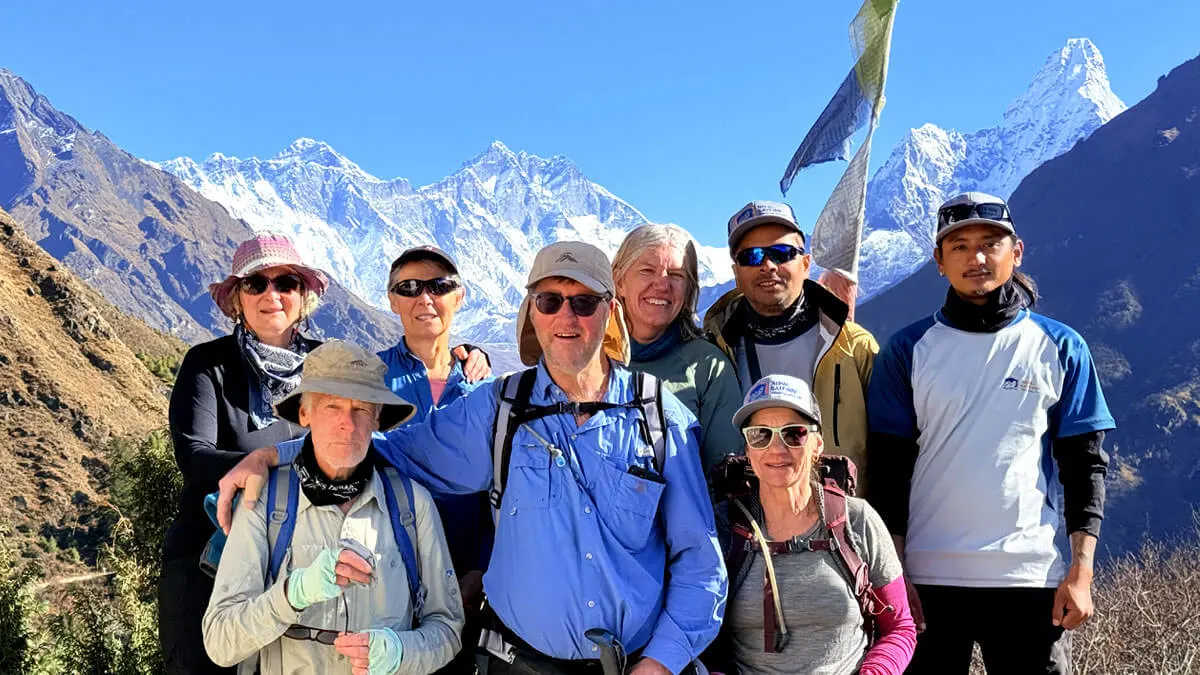
The Everest Panorama takes a bit shorter time and is easy. Weather matters. So does experience. For trekkers who can handle it, the reward is seeing almost every corner of the Everest Region in Nepal in one long journey.
Island Peak (Imja Tse) Trek
The Island Peak Trek adds a climbing element to normal trekking. Trekkers follow standard Khumbu trails before attempting Island Peak with basic climbing equipment. This route is often chosen by people who want to test themselves before bigger mountaineering goals in the Mount Everest region.
Gokyo Valley Trek
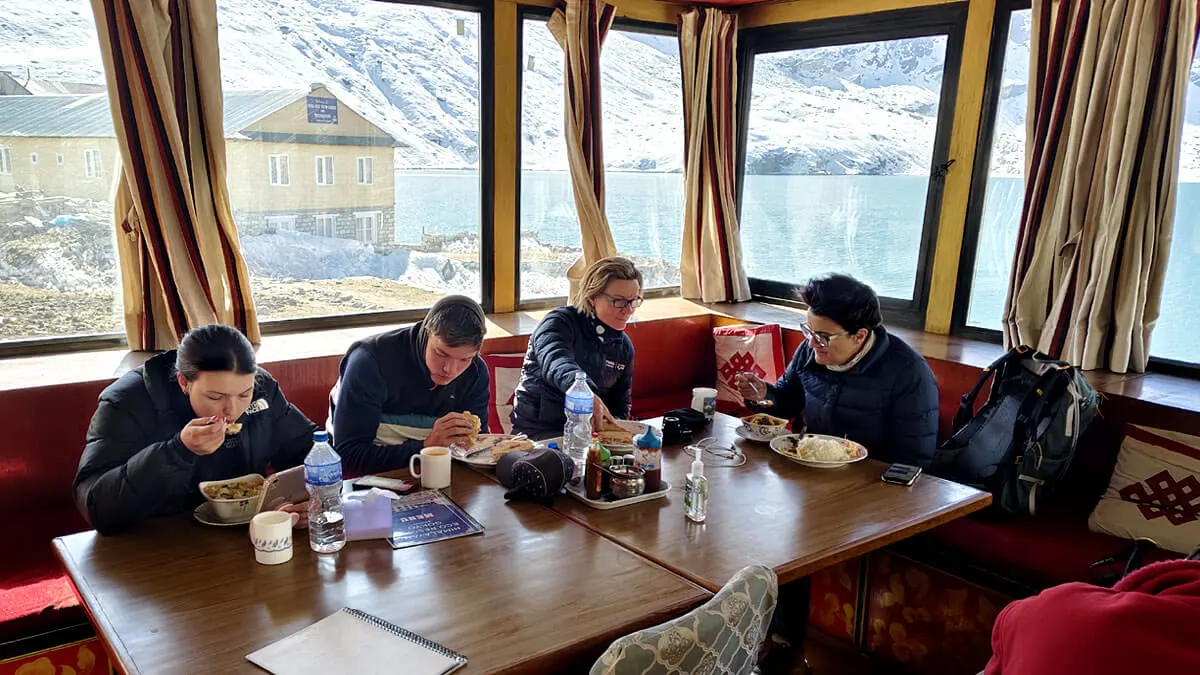
The Gokyo Valley Trek is an excellent alternative to the classic Everest Base Camp Trek, as the trails are much quieter and pristine. Moreover, it takes you across some of the most significant landmarks in the Khumbu region, including Namche Bazaar, Gokyo Valley, and Gokyo Ri.
Khumbu Trekking Routes at a Glance
|
Trek |
Difficulty |
Duration |
Max Altitude |
Main Focus |
Best Season |
|
Everest Base Camp Trek |
Moderate |
12–14 days |
5,364 m |
Everest, villages, glacier |
Spring, Autumn |
|
Gokyo Lakes Trek |
Moderate |
12–14 days |
5,357 m |
Lakes, wide views |
Spring, Autumn |
|
Everest High Passes Trek |
Hard |
18–21 days |
5,535 m |
High passes, full region |
Spring, Autumn |
|
EBC with Cho La Pass Trek |
Moderate–Hard |
14–16 days |
5,420 m |
Loop route |
Spring, Autumn |
|
Everest Paranoma Trek |
Easy |
3–5 days |
3,880 m |
Short trek, views |
All seasons |
|
Island Peak Trek |
Hard |
16–19 days |
6,189 m |
Trek + climb |
Spring, Autumn |
|
Gokyo Valley Trek |
Moderate |
12 days |
5,357 m |
Trek to Gokyo Ri |
Spring, Autumn |
Climate and Seasonal Conditions in the Khumbu Region
Weather shapes daily life in the Khumbu Region more than anything else. This high part of the Everest Region, Nepal, sits far above the lowlands, so seasons feel stronger and more direct. A clear morning can turn windy by afternoon, and a sunny village can feel winter-cold just a few hours higher.
For anyone planning a trek in the Khumbu region, understanding the seasons helps with timing, packing, and expectations.
Spring (March to May)
Spring is one of the most comfortable seasons in the Khumbu Region, Nepal. Days slowly get warmer, and the weather stays mostly steady. Early mornings are often clear, making mountain views sharp and bright. As you walk through lower villages, rhododendron forests bloom, adding colour to the trails.
Spring is ideal for classic treks in the Mount Everest region, as well as for first-time trekkers seeking altitude.
Monsoon (June to August)
Monsoon season changes the feel of the Khumbu Valley. Rain falls more often at lower altitudes, while higher areas sit under thick clouds. Trails can be muddy, and flights to Lukla are delayed more frequently. Clear mountain views are rare, especially during the day.
This season suits trekkers who value peace over views and are flexible with plans in the Khumbu Region.
Autumn (September to November)
Autumn is the busiest and most popular season in the Everest Region, Nepal. After the monsoon ends, the skies open up. Visibility improves, days feel cool and dry, and walking conditions are excellent. Trails come alive with trekkers, guides, and porters moving between villages.
Autumn is ideal for popular routes such as Everest Base Camp and long treks through the Khumbu trekking region.
Winter (December to February)
Winter brings a quieter, tougher side of the Khumbu Region.
Temperatures drop sharply, especially above 3,000 meters. Snowfall can block high passes, and nights are cold. However, daytime skies are often clear, and lower routes remain open. Winter trekking suits experienced trekkers and Travelers who prefer empty trails.
With the right preparation, every season offers a unique way to experience the Everest Region of Nepal.
Planning an EBC trek but unsure of the timing? Read our blog about the Everest Base Camp trek in March and April, as well as EBC in May, November, and winter, to determine the best time.
Practical Tips for the Khumbu Region
This high-altitude area of Nepal's Everest Region follows a simple system shaped by thin air and Sherpa traditions. Preparing before visiting the Khumbu Region is the best way to relax and enjoy Nepal's Himalayas.
Accommodation in the Khumbu
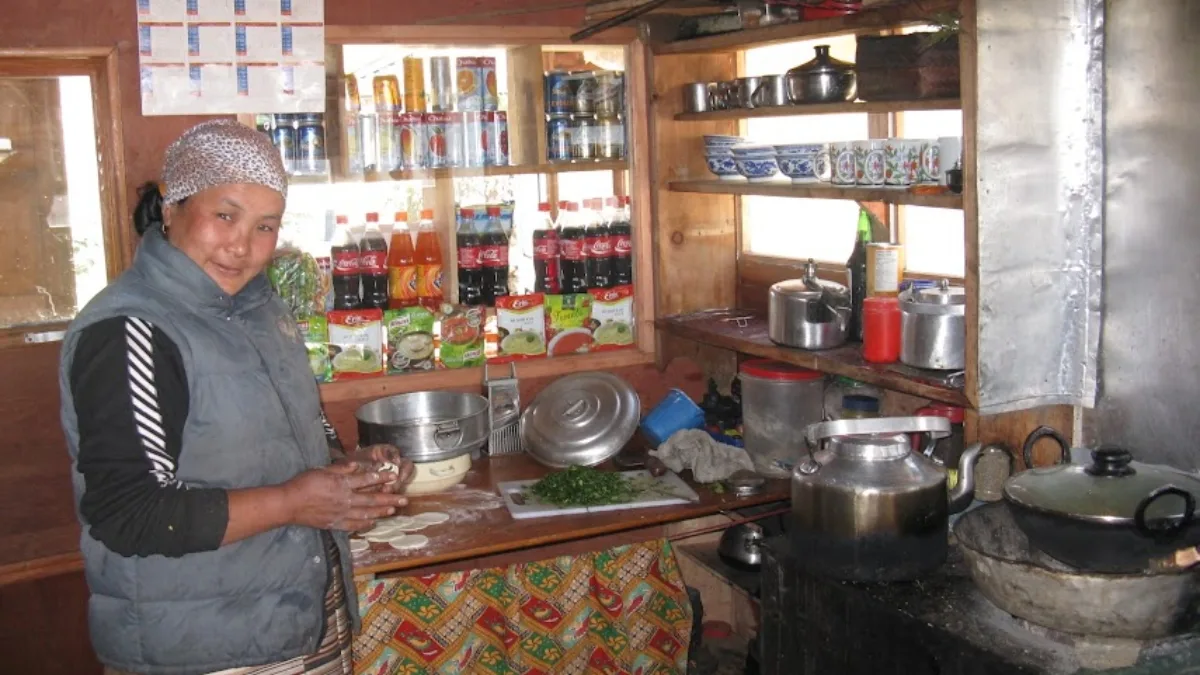
Most people staying in the Khumbu Region, Nepal, use "teahouses." These are cozy, family-run lodges that act as the backbone of the Khumbu trekking region.
- What to Expect: Rooms are usually "twin-share" with two simple wooden beds. In 2026, many lodges in Namche Bazaar even offer electric blankets, but as you climb higher toward the Everest Base Camp region, things get much more basic.
- The Social Hub: The dining room is the only heated area in the house (usually by a central stove). It’s the best place to swap stories with other trekkers from all over the world.
- Energy: Most houses use solar power. Since there isn't always a lot of electricity, it’s a good idea to bring a power bank or a solar charger for the Mount Everest region.
Daily Costs and Budgeting
The "Price of Altitude" is a real thing. Because everything is carried up by yaks or porters, a bottle of water costs more at 5,000 meters than it does in Kathmandu.
|
Expense Item |
Estimated Daily Cost (Approx) |
|
Meals & Tea House Room |
$50 – $70 |
|
WiFi & Phone Charging |
$5–$10 |
|
Hot Showers & Snacks |
$10–$15 |
|
Total Daily Budget |
$65–$95 |
Pro Tip: While there are ATMs in Namche Bazaar, they sometimes run out of cash. Always carry enough Nepalese Rupees (NPR) for your daily needs higher up the trail.
If you're curious about the budget needed to climb the world's tallest mountain, Learn how much it costs to climb Mount Everest by reading our blog.
Safety, Insurance, and Staying Connected
Safety in the Khumbu Valley is the top priority. In 2026, the Nepalese government will strictly enforce new rules for all mountain travelers.
- Mandatory Insurance: You must have a policy that covers trekking up to 6,000 meters and includes emergency helicopter evacuation. Without proof of this, you may not be allowed to enter the Sagarmatha National Park.
- Connectivity: SIM Cards: Ncell works in Namche, but NTC (Nepal Telecom) is often better once you get closer to the peaks.
- WiFi: Most teahouses use a service called Everest Link. You can buy a data card, but remember that speeds can be slow if a lot of people are using it at once.
- Charging: Expect to pay a small fee (around $3–$5) to charge your phone or camera battery using the lodge’s solar power.
For more information about the Khumbu Region, visit Tourism Board Nepal's website.
Final Thoughts: The Heart of the Khumbu
The Khumbu Region is a land of big surprises. It has the tallest mountain on Earth, but it is also one of the quietest and most peaceful places you will ever visit. In the Everest Region of Nepal, the mountains aren't just rocks and ice; they are sacred homes for protectors of the valley.
You will learn to respect nature by walking clockwise around Mani walls and watching how the local people live happily without any cars. The Mount Everest region is a place you never really forget. Most people come to see the big, snowy peaks, but they leave thinking about the kind smiles of the Sherpas and the sound of the colourful prayer flags flapping in the wind.
Want to trek in the Khumbu region? Contact Nepal Gateway Trekking to visit and explore this region, passing through monasteries, Sherpa villages, and the highest mountain peaks.
FAQ
Where did the Sherpa people migrate from?
Sherpa families moved from a place called Kham in Eastern Tibet about 500 years ago. They crossed giant, snowy mountains to find a new home in the Khumbu Region, Nepal, where they became experts at living in the thin air.
Which monastery is famous for housing a Yeti skull?
While Tengboche is the most famous spiritual spot, the legendary Yeti scalp is actually kept in the Khumjung Monastery. It is a very old mystery that makes the Mount Everest region feel like a magical place from a storybook.
What river flows through the Khumbu Valley?
The Dudh Koshi flows through the centre of the Khumbu valley. It appears white and bubbly because it is composed of melted ice flowing down from the high Khumbu Glacier.
Is the Khumbu Region the same as the Everest Region?
Yes. The local Sherpa name for the area is "Khumbu," but most tourists refer to it as the Everest Region of Nepal. Both names describe the breathtaking landscape where the world's tallest mountain stands.
When is the best time to visit the Khumbu?
The best times for a big adventure are Spring (March to May) and Autumn (September to November). These months have the clearest blue skies and the safest trails for trekking in the Himalayan region of Nepal.
What is the meaning of Khumbu?
In the Sherpa language, Khumbu refers to the high mountain valley itself. It is a special word that describes a home tucked away between some of the biggest peaks on the planet.
What religion is practiced in Khumbu, Nepal?
Most people follow Tibetan Buddhism, which is why you see colorful prayer flags everywhere. This religion teaches everyone to be kind to animals and to respect the nature found in the Everest Base Camp region