Sinuwa is a peaceful mountain village sitting between 2,340m and 2,360m high. It serves as a vital gateway for everyone trekking to Annapurna Base Camp (ABC). Located in the heart of the Kaski District, this village is a quiet sanctuary.
It is a critical acclimatization point where your body can rest before you enter the deeper, high-altitude Annapurna Sanctuary. In this blog, we will explain the Sinuwa village layout and its role as the gateway to the ABC trek, natural attractions, wildlife, safety tips, and all the travel logistics you need to know.
This guide is special because it is based on the real-life experiences of our local guides from the Annapurna region here at Nepal Gateway Trekking.
Overview of Sinuwa Village
Sinuwa is a beautiful mountain village that sits like a "hidden gem" in the Kaski District. It is one of the most important stops on the Annapurna Base Camp (ABC) trek because of its perfect location.
- Altitude: It sits between 2,340 and 2,360 meters.
- Location: It is the official entrance to the Annapurna Sanctuary.
- Importance: For many hikers, Sinuwa is a "vital rest stop." It is the perfect place for acclimatization, helping your body get used to the higher elevation before you push toward the base camp.
The Village Layout: Lower vs. Upper Sinuwa
Sinuwa is divided into two sections. Think of them like two "steps" on a giant mountain ladder:
Lower Sinuwa: This is the first part you reach when coming from Chomrong. It is very popular for lunch and short rests. You will find several cozy Sinuwa teahouses here where you can grab a quick snack or a hot drink.
Upper Sinuwa: After a short climb from the lower section, you reach Upper Sinuwa. This area is much quieter and "tucked away." The lodges here offer amazing panoramic mountain and forest views. It is the best place to spend the night if you want some "peace and quiet."
Quick Guide: Lower vs. Upper Sinuwa
|
Section |
Altitude |
Facilities |
Best For |
Views |
|
Lower Sinuwa |
2,210m |
Tea houses, snacks |
Short rest, lunch |
Partial Himalayan view |
|
Upper Sinuwa |
2,360m |
Lodges, quiet stay |
Overnight stay |
Full panoramic view |
Tips: If you are "short on time," stopping in Lower Sinuwa for a bowl of noodles is great. But if you want to wake up to a view that is "to die for," keep walking for another 15–20 minutes to Upper Sinuwa. Trust me, your camera and your soul will thank you!
Our local guides at Nepal Gateway Trekking know the Annapurna region inside out: Contact us today to plan your perfect Annapurna Base Camp adventure.
Sinuwa: The Gateway to the Annapurna Region
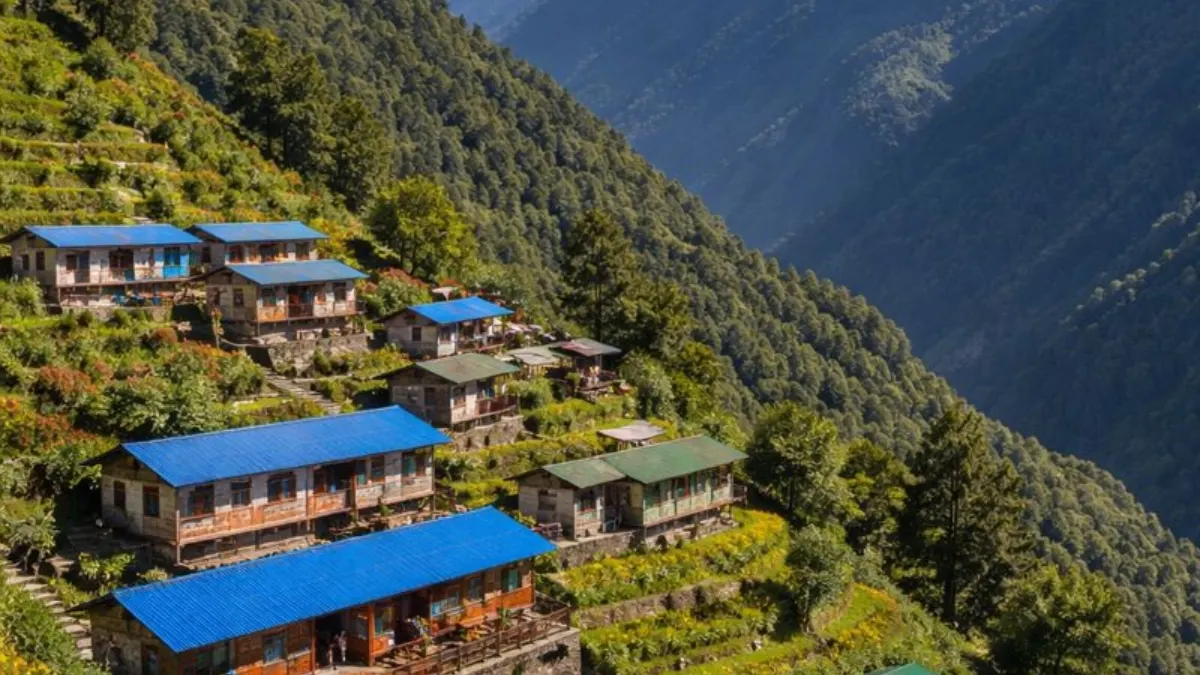
Sinuwa serves as a crucial gateway for Annapurna Region treks, connecting them to the Annapurna Sanctuary, Bamboo forests, and the ABC route while providing rest and acclimatization before higher-altitude treks
- Entering the Annapurna Sanctuary
When you reach Sinuwa, you are officially entering the Annapurna Sanctuary. You leave behind the "cultivated hills" where local farmers grow corn and millet. You enter deep, remote forests. Soon, the only sounds you will hear are the wind in the trees and the songs of mountain birds.
- Into the Bamboo Forests
Sinuwa is also the famous "front door" to the Himalayan bamboo groves. The Sinuwa trek route leads you into a cool, green tunnel of giant bamboo. It feels like walking through a secret jungle! These forests stay damp and misty, leading you toward the next stop called Bamboo village.
- A Strategic Stop for ABC
For hikers going to Annapurna Base Camp, Sinuwa is a "strategic pause." It is the perfect place to save your energy. From here, the Sinuwa ABC route goes up and up toward Deurali and Machhapuchhre Base Camp (MBC).
Meet the Nepal Gateway Trekking team: local guides who know the Annapurna trail by heart. From Sinuwa to ABC, we walk with you, watch your pace, and help you reach EBC safely and confidently.
Why is Sinuwa Important on the ABC Trek?
Sinuwa is important because it serves as a vital gateway at 2,210–2,360m, where you leave local farms for the wild Annapurna Sanctuary, offering the perfect spot to rest and enjoy mountain views before climbing higher to ABC.
- Vital Acclimatization (2,210m–2,360m): Even if you feel strong, staying at this Sinuwa altitude helps your lungs get used to the thinner air. It is always better to be "safe than sorry" with altitude sickness!
- A Mental Reset: After climbing the thousands of stone steps from Chomrong village, Sinuwa is your reward. It is a quiet place to relax your mind before the harder climbs ahead.
- Village of Honey Hunters: Sinuwa is the home of the brave Gurung and Magar honey hunters. If you look at the teahouse walls, you might see the long rope ladders they use to climb high cliffs to find wild honey.
- A Wildlife Landmark: This is one of the best places to see the Himalayan Monal (Danphe), which is the national bird of Nepal. You might also spot beautiful Snow Pigeons flying near the Modi River.
How to Reach Sinuwa?
If you are looking for a road to Sinuwa, I have some news for you: there isn't one! Sinuwa is a peaceful haven because it has no road access. The only way to see this beauty is to put on your boots and walk.
Most travelers start their journey in Pokhara, the gateway to the Annapurna region.
- The Drive: First, you take a 1.5 to 2-hour drive from Pokhara to Nayapul.
- The Route: From Nayapul, you follow the Sinuwa trek route through beautiful villages like Ghandruk or Jhinu Danda before reaching the final climb.
Trek from Chomrong to Sinuwa
The most common way to reach Sinuwa is from the large village of Chomrong. This part of the trekking in Sinuwa is famous for its "stairway to heaven" (and a little bit of leg pain!).
- Duration: 2–2.5 hours.
- The Terrain: You will walk down thousands of steep stone steps until you reach the Chhomrong Khola (river). After crossing the suspension bridge, you must climb back up a steep hill to reach Lower Sinuwa.
Pro Tip: I always tell our guests that trekking poles are a "must-have" here. They protect your knees on the way down and act like a "third leg" on the way up!
Trek from Bamboo to Sinuwa
If you are walking back down from Annapurna Base Camp (ABC), you will come from the village of Bamboo.
- Duration: 1 to 2 hours.
- The Terrain: This path is a gradual ascent through thick, cool forests. It is much easier on the legs than the steps from Chomrong. You will walk under a canopy of oak and bamboo trees that keep you cool even on a sunny day.
Want a relaxing Pokhara tour alongside your trek? Speak with us, and we’ll arrange it for you.
Trek Difficulty & Tips
The Sinuwa trek difficulty is rated as moderate. You don't need to be a marathon runner, but you should have a "good pair of lungs" and a bit of stamina.
- Start with the Sun: We highly recommend early morning trekking. This gives you the best mountain visibility. In the Himalayas, the clouds often hide the peaks by lunchtime!
- Check the Sinuwa Map: Before you leave your lodge, check a local Sinuwa map or ask your Nepal Gateway Trekking guide about the trail conditions.
- Stay Hydrated: Even if it’s cold, drink plenty of water. It helps you avoid the "altitude blues."
Natural and Cultural Attractions in Sinuwa
Sinuwa is much more than just a place to rest your tired legs; it is a "treasure chest" of nature and local life. As you walk through the Annapurna Conservation Area (ACA), you will see sights that you won't find anywhere else in the world.
Himalayan Panoramas
The Sinuwa views will truly take your breath away!
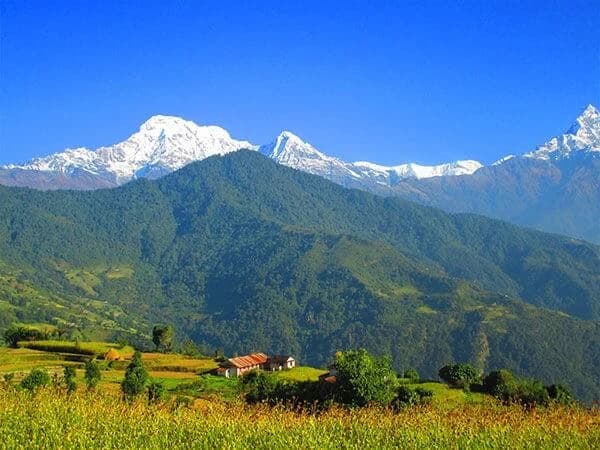
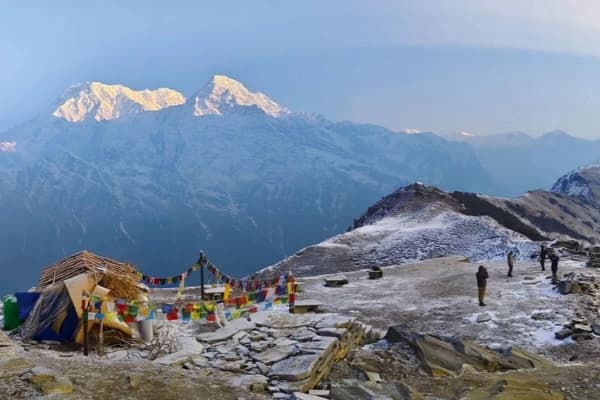
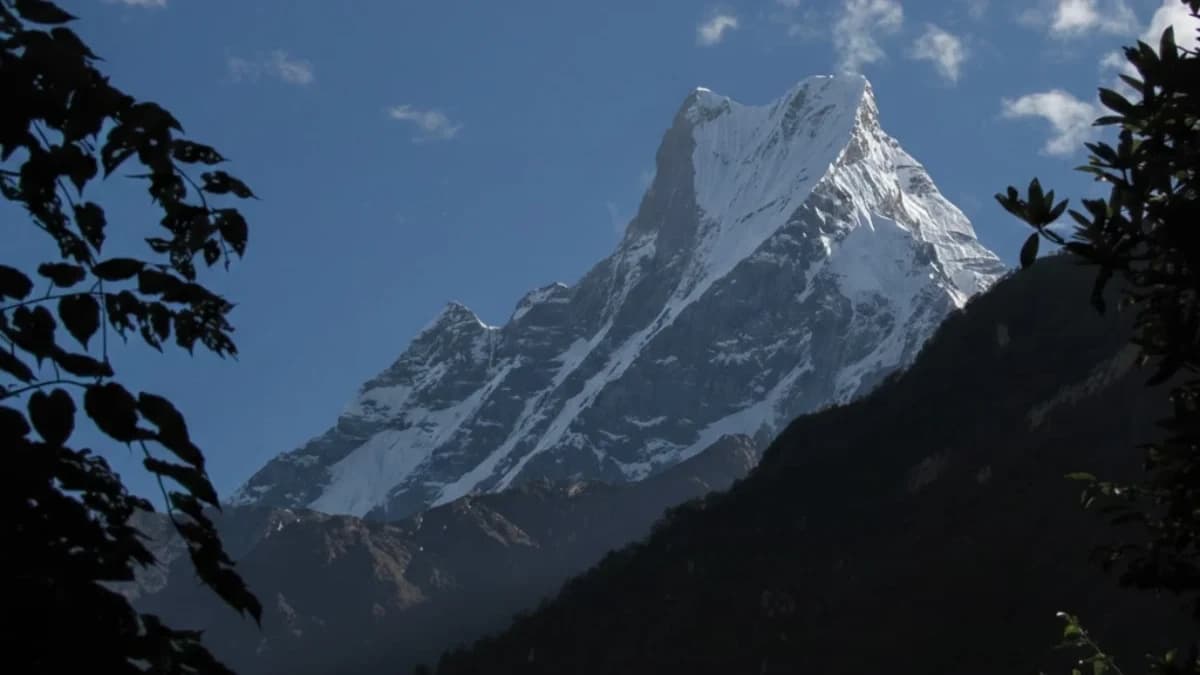
- The Giant Peaks: From the balcony of your Sinuwa teahouse, you can see Annapurna South, Hiunchuli, and the iconic "Fish Tail" mountain, Machapuchare.
- When to Watch: For the most beautiful Himalayan panoramas, wake up at sunrise. During the Autumn season (September to November), the skies are so clear the mountains look like they are made of solid gold.
Sinuwa Forest and Flora
The Sinuwa forest is a magical place that changes colors like a chameleon throughout the year.
- Rhododendron Blooms: If you visit in the Spring (March to May), the hills are covered in red and pink Rhododendrons. In Nepal, we call this flower Lali Gurans, and it is our national pride!
- Oak and Bamboo: Most of the trail goes through thick oak trees and giant bamboo groves. It is very peaceful and "easy on the eyes."
Table: Seasonal Highlights in Sinuwa
|
Season |
Highlights |
Visibility |
|
Spring (Mar–May) |
Rhododendron flowers & lush green forests |
Good |
|
Autumn (Sept–Nov) |
Crystal clear mountain views |
Best |
|
Winter (Dec–Feb) |
Snow on the trails & very quiet |
Moderate |
|
Monsoon (June–Aug) |
Waterfalls & very green landscapes |
Low |
Want to know who we are and how we trek in Nepal? Get to know Nepal Gateway Trekking: a local team guiding travellers safely through the Himalayas.
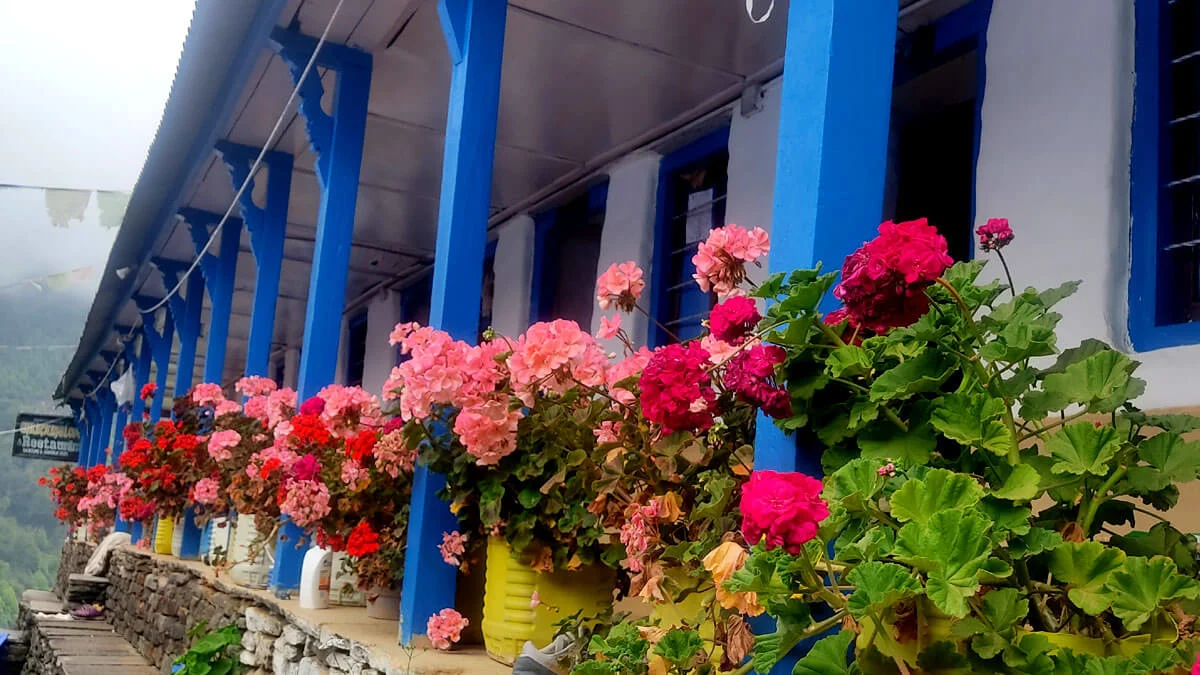
Wildlife in Sinuwa
Since Sinuwa is a protected area, the animals here are "happy as a clam" and very easy to spot. It is a fantastic place for wildlife in Sinuwa.
- National Bird: Keep your eyes peeled for the Himalayan Monal (Danphe). This is the national bird of Nepal and has beautiful, rainbow-colored feathers that shimmer in the sun.
- Other Animals: You might see Snow Pigeons, colorful pheasants, or even a shy Barking Deer hiding in the thick bamboo.
Guide Tip: At Nepal Gateway Trekking, we always remind our guests: we are guests in their home. Please follow the conservation rules: don't feed the animals and "take nothing but pictures.
Honey Hunters and Local Culture
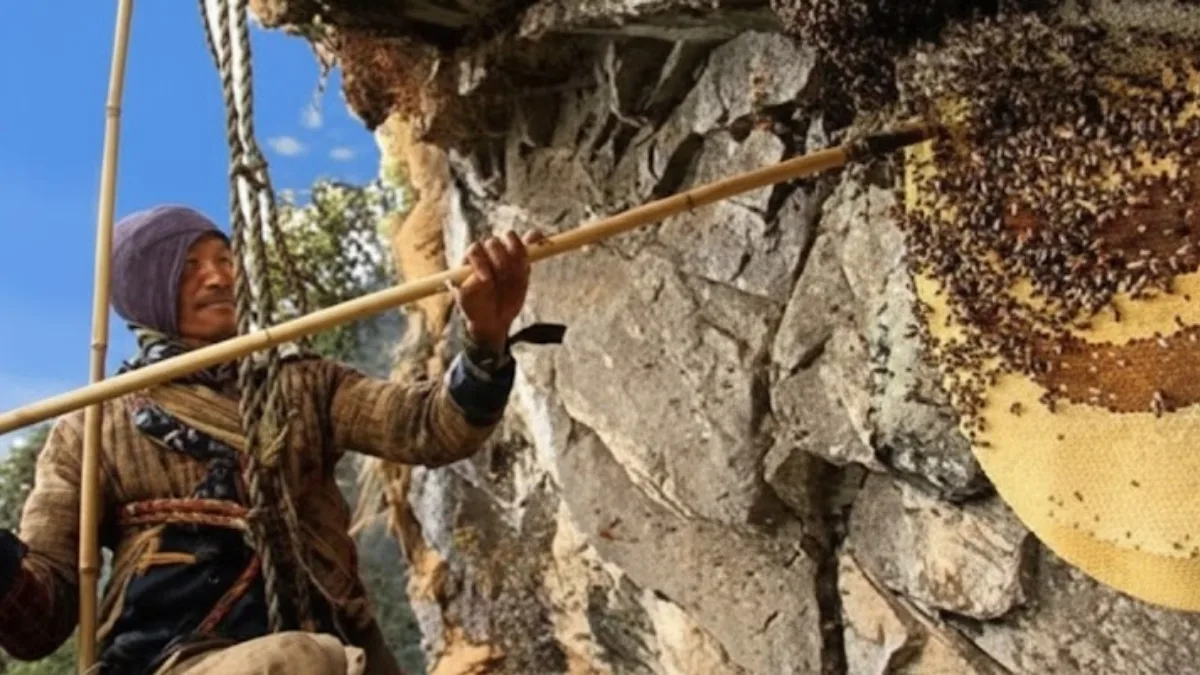
The most exciting part of a Sinuwa cultural experience is learning about the "Mad Honey."
- The Village of Honey Hunters: Sinuwa is famous for its Gurung and Magar communities. These brave people climb high cliffs on hand-made rope ladders to collect honey from wild Himalayan bees.
- Local Lodges: You will see huge honeycombs displayed in the Sinuwa teahouses. You can often buy a taste of this wild honey.
- A Word of Caution: This wild honey is very strong. It can be "intoxicating," which means it might make you feel a bit "loopy" or dizzy. Only try a small drop!
- Our Values: Staying here helps the local economy. At Nepal Gateway Trekking, we always encourage our guests to chat with the lodge owners to learn about their mountain lifestyle.
Best Things to Do in Sinuwa
Are you wondering what the best things to do in Sinuwa are? Even though it is a tiny village, it is a "breath of fresh air" for your soul. Here is how you can make the most of your stay:
- Himalayan Sightseeing: Wake up before the sun! Watching the first light hit Annapurna South, Hiunchuli, and the holy Machapuchare (Fishtail) is a "once in a lifetime" experience.
- Birdwatching in the Sanctuary: Look for the Himalayan Monal (our colorful national bird) and Snow Pigeons. The Sinuwa forest is full of life.
- Forest Walks: Take a slow walk through the giant bamboo and oak groves. If you visit during the Spring bloom, the Rhododendron trees make the hills look like they are on fire with color!
- Cultural Exchange: Chat with the local Gurung and Magar families. You can see their traditional stone houses and learn about life in the Annapurna Conservation Area (ACA).
- Honey Tasting: Since this is the "Village of Honey Hunters," you can try a drop of wild cliff honey. But "look before you leap": only try a little bit, as it can be very strong!
- Quiet Reflection: Grab a cup of Ginger Lemon Honey tea and sit on a lodge verandah. Watching the clouds float over the Modi River Valley is the best way to unwind.
- Acclimatization: Use your time at 2,340–2,360m to rest. This helps your body get ready for the higher Sinuwa trek route toward ABC.
Plan your trek the right way: discover the best time for trekking in Nepal in our blog.
Facilities and Accommodation in Sinuwa
Finding a good place to stay is key to a happy trek. Sinuwa teahouses are simple, clean, and run by very "warm-hearted" locals. Here is what you can expect from Sinuwa lodging:
- The Rooms: Most lodges offer basic twin-sharing rooms. You get a wooden bed, a foam mattress, and a warm blanket. It's "plain and simple" but very cozy after a long walk.
- Solar Power & Charging: Most Sinuwa amenities rely on solar power. You can charge your phone or camera for a small fee, but it’s a "good idea" to bring a power bank just in case it’s a cloudy day.
- Food: You must try the Dal Bhat (lentil soup and rice). It is the "national fuel" of Nepal! You can also find noodles, soup, and Tibetan bread.
- Water: You can buy boiled or filtered water. We always tell our guests to "do their bit" for nature by using a reusable bottle instead of buying plastic.
- Connectivity: There are no ATMs in Sinuwa. Wi-Fi can be "hit or miss," so it's a great time to put your phone away and enjoy the mountains.
Quick Guide: Lower vs. Upper Sinuwa Facilities
|
Facility |
Lower Sinuwa (2,340m) |
Upper Sinuwa (2,360m) |
Practical Notes |
|
Lodging |
Simple Teahouses |
Better Lodges |
Upper Sinuwa is quieter for sleeping. |
|
Food |
Local Meals & Snacks |
Full Dining Menus |
Always try the local Gurung bread! |
|
Water |
Filtered/Boiled |
Filtered/Boiled |
Available for a small fee. |
|
Electricity |
Solar Power |
Solar Power |
Limited; charge your gear early. |
|
Toilets |
Squat-style |
Some Western-style |
Mostly shared (communal) bathrooms. |
Tips: Remember, there are no ATMs in Sinuwa, so "plan" to avoid any trouble. Before leaving Pokhara or Chomrong, make sure you have enough cash in small notes for "extras" like hot showers, Wi-Fi, and that delicious mid-afternoon tea.
Also, check out our blog covering food and accommodation options in the Annapurna Circuit and Upper Mustang.
When is the Best Time to Visit Sinuwa?
Timing is everything in the Himalayas! Choosing the right Sinuwa trekking season ensures you get those "picture-perfect" views instead of being stuck in the clouds.
Here is a breakdown of the Sinuwa weather and the best time to visit here throughout the year:
- Spring (March–May): This is a "magical time." The weather is mild, and the Sinuwa forest is filled with bright red Rhododendron blooms. It is perfect for nature lovers and photographers.
- Autumn (Sept–Nov): This is the "gold standard" for trekking. The monsoon rain washes the dust away, leaving clear Himalayan views. You will see Machapuchare and Annapurna South in all their glory.
- Winter (Dec–Feb): If you want the trail all to yourself, this is the time. However, be prepared for "freezing nights" and possible snow. It’s "bone-chilling" cold, so bring a heavy sleeping bag!
- Monsoon (June–Aug): We usually tell our friends to "think twice" about this season. The trails are slippery, and the clouds often hide the mountains. Plus, you might meet some "leech friends" on the path!
Best Time to Visit Sinuwa tips:
- For the Best Views: October and November.
- For Flowers & Wildlife: March and April.
- For Avoiding Crowds: December to February.
Safety and Travel Tips for Trekkers
At Nepal Gateway Trekking, we want you to have a "safe and sound" journey. Following these Sinuwa travel tips will help you avoid common mistakes on the ABC trek.
- Master the Stone Steps: The walk from Chomrong to Sinuwa has thousands of steps. Trekking poles are a "must-have" to save your knees from "wear and tear."
- The Early Bird Rule: Start your trek by 7:00 AM. The mountains are usually visible in the morning and hide behind clouds by the afternoon.
- Get Your Permits Ready: You cannot enter the Annapurna Sanctuary without an ACA (Annapurna Conservation Area) permit. We can help you arrange this in Pokhara or Kathmandu.
- Stock Up on Essentials: Sinuwa is a remote village. Buy your sunscreen, batteries, and snacks in Chomrong or Nayapul where things are "cheaper than a whistle."
- Know Your Nearest Aid: There are no hospitals in Sinuwa. For emergencies, the nearest medical help is back in Chomrong or via helicopter to Pokhara.
Quick Sinuwa Trek Safety Checklist:
- Drink plenty of water: Helps prevent altitude sickness.
- Carry a headlamp: Solar power in teahouses can be "hit or miss."
- Pack extra socks: Keeping your feet dry is "rule number one."
- Respect the altitude: If you feel dizzy at 2,360m, stop and rest.
Guide Tips: Don't let leeches "spoil your fun!" Simply carry a small pouch of salt or tobacco. A quick sprinkle on your boot will make them drop off "in a heartbeat": it's all just part of the authentic Sinuwa trekking experience!
Trekking to Annapurna Base Camp? Don’t miss our blog on essential safety tips for the ABC trek.
Suggested Itinerary Including Sinuwa
Are you wondering how to fit Sinuwa into your adventure? At Nepal Gateway Trekking, we have helped thousands of hikers plan their path. Here is a popular 7 to 10-day Sinuwa trekking guide to help you reach the base camp safely.
- Day 1: Pokhara to Tikhedhunga (1.5 hrs drive, 4 hrs trek). Your journey begins with a scenic drive to Nayapul.
- Day 2: Tikhedhunga to Ghorepani (6–7 hrs trek). A big climb up the stone steps of Ulleri to see the famous Poon Hill.
- Day 3: Ghorepani to Tadapani (5–6 hrs trek). Enjoy the sunrise before walking through the beautiful rhododendron forests.
- Day 4: Tadapani to Chomrong (4–5 hrs trek). A pleasant walk down to the largest Gurung village in the area.
- Day 5: Chomrong to Sinuwa (2.5–3 hrs trek). This is a shorter day, so you can enjoy the Sinuwa views. It is a perfect overnight stop to help your body get used to the altitude.
- Day 6: Sinuwa to Deurali (6–7 hrs trek). Pass through Bamboo and Dovan as you enter the deep sanctuary.
- Day 7: Deurali to Annapurna Base Camp (ABC) (5–6 hrs trek). The "grand finale" where you stand at the foot of the giants!
For the latest travel guidelines, check the Nepal Tourism Board’s official rules.
Final Thoughts on Sinuwa
As we say in Nepal, "The journey is just as important as the destination." Many people focus only on reaching ABC, but they miss the magic along the way.
Sinuwa is a peaceful retreat where the wild heart of the Annapurna Sanctuary begins. Whether you are watching the golden light on Machapuchare or tasting wild honey with a Gurung family, Sinuwa will stay in your heart forever.
It is the ideal spot for acclimatization and connecting with the quiet soul of the mountains. We encourage all our trekking friends to walk with a "soft footprint." Please respect the local culture, protect the wildlife, and keep our beautiful Sinuwa forest clean for the next generation.
Ready to trek to Annapurna Base Camp with a team that knows every trail like the back of their hand? Speak with Nepal Gateway Trekking to make your "Himalayan dream" come true.
Frequently Asked Questions (FAQ)
How far is Pokhara from Sinuwa?
The distance from Pokhara to Sinuwa village involves a 2-hour drive to the trailhead followed by approximately two days of trekking. Most people reach Sinuwa, Nepal, on the second or third day of their Annapurna Base Camp trek.
How far is the trek from Jhinu Danda to Sinuwa?
The trek from Jhinu Danda to Sinuwa takes about 4 to 5 hours of steady walking. The Sinuwa trek route includes a steep climb through Chomrong before reaching the village.
What is the altitude of Upper Sinuwa?
The Sinuwa altitude at the upper section is approximately 2,360 meters (7,742 feet). This height makes it an excellent spot for acclimatization before heading higher into the Annapurna Sanctuary.
How long does it take to reach Sinuwa from Chomrong?
It typically takes 2 to 2.5 hours to reach Sinuwa from Chomrong. You will descend many stone steps to the river and then climb back up to reach the Sinuwa teahouses.
Is Sinuwa suitable for an overnight stay?
Yes, Sinuwa is a perfect overnight stop because it is much quieter and more peaceful than the busier hubs. Staying here allows for a "restorative pause" during your Sinuwa trek.
What wildlife can be seen in Sinuwa?
While trekking in Sinuwa, you can spot the colorful Himalayan monal, pheasants, and snow pigeons. If you are quiet, you might even see a barking deer in the dense Sinuwa forest.
Do I need a permit to visit Sinuwa?
Yes, you need an ACAP permit and a TIMS card to visit Sinuwa and the surrounding Annapurna region. You should arrange these through a Sinuwa trekking guide or in Pokhara before you start.
When is the best time to see rhododendrons in Sinuwa?
The best time to see the blooming rhododendron forests is during the Spring season, specifically from March to May. This is when the Sinuwa weather is mild, and the hills are covered in red flowers.
Are there shops or ATMs in Sinuwa?
There are no ATMs in Sinuwa, so you must bring enough cash from Pokhara. There are small shops in the teahouses that sell basic Sinuwa accommodation essentials like snacks and batteries.
What facilities do teahouses in Sinuwa provide?
Sinuwa teahouses provide basic twin-sharing rooms, warm blankets, and hot meals like Dal Bhat. Most offer Sinuwa amenities like solar charging and Wi-Fi for a small extra fee.