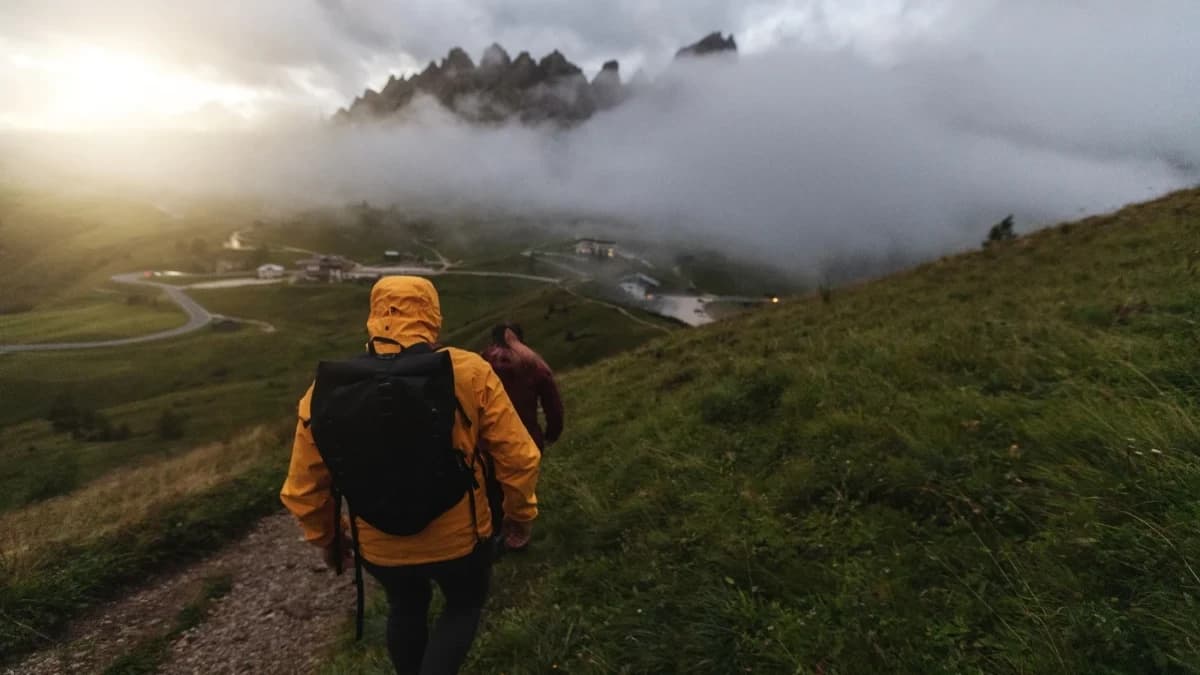
When you start climbing to higher elevations, your body may react in ways that let you know it’s struggling. The most common symptoms of altitude sickness include headache, nausea, dizziness, fatigue, shortness of breath, loss of appetite, and trouble sleeping. These signs often appear as your body adjusts to thinner air and can get worse if ignored.
High altitude sickness can happen to anyone, no matter how fit or experienced you are. It becomes more likely if you ascend too quickly without giving your body enough time to rest and acclimatize properly.
Trekkers heading to popular routes like Everest Base Camp, Annapurna Circuit, Langtang Valley, Manaslu Circuit, and Kilimanjaro should pay close attention to these symptoms. They usually show up within 6 to 24 hours of reaching higher elevations and often feel stronger at night when your breathing slows during sleep.
When Must You Stop Climbing Immediately?
Sometimes your body will clearly tell you when it's had enough. If you see any of the symptoms of altitude sickness, you should stop or go down right away. Ignoring these warnings could be dangerous. Anyone can get high altitude sickness, no matter how fit or experienced they are. Recognizing these indicators early might help avoid serious problems.
Pay attention to:
- Severe symptoms: Confusion, blue lips or fingertips, chest tightness, or fainting. These are emergencies that require immediate action.
- Symptoms that don’t improve after rest: Headache, nausea, or dizziness that keeps worsening even after taking a break.
- Difficulty walking: Feeling unsteady or unable to move normally is a major warning sign.
- Breathing issues at rest: Struggling to breathe while sitting or lying down indicates high altitude sickness is progressing, and immediate descent is necessary.
Listening to your body and responding to these symptoms of altitude sickness can save your life and make your trekking experience safer and more enjoyable.
Early Symptoms of Altitude Sickness
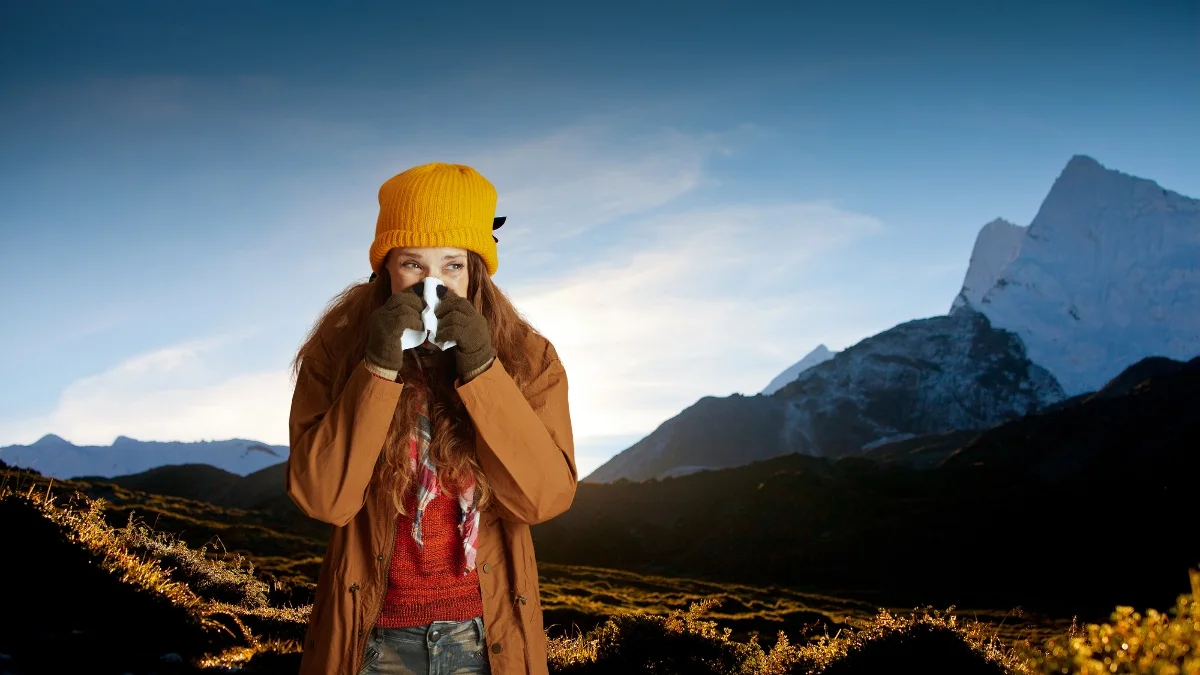
Your body may give you small signs that it's having trouble adjusting when you initially go up in altitude. These early signs are usually mild, but you should never disregard them. The early symptoms of altitude sickness are as follows:
- Headache: A dull or throbbing pain, usually at the front of the head.
- Nausea: Feeling queasy, sometimes with a mild urge to vomit.
- Light dizziness: A sense of imbalance or feeling slightly off.
- Loss of appetite: Meals may seem unappealing or difficult to finish.
- Difficulty sleeping: Trouble falling or staying asleep as your body adjusts.
- Fatigue: Feeling unusually tired even during light activity.
- Mild shortness of breath: Breathing slightly harder than normal.
- Increased heart rate: Your heart works harder to deliver oxygen throughout your body.
If you notice these signals early, you can take a break, drink some water, and change your speed before things get worse. You can also read altitude sickness prevention methods to make your journey safe.
Worsening Symptoms: Signals That Your Body Is Struggling
As you climb higher, your body has to work much harder to cope with the thinner air and lower oxygen levels. At first, you may notice only mild signs of fatigue or slight breathlessness, but as you go higher, your body can start sending stronger, more urgent signals that it’s under stress.
These worsening symptoms are your body’s way of saying it’s struggling to keep up, and they should never be ignored.
- Persistent or worsening headache: A dull ache may become sharp or constant, making it difficult to focus.
- Vomiting: Nausea can intensify and sometimes lead to vomiting, making hydration crucial.
- Weakness: Even simple movements like climbing stairs or walking feel exhausting.
- Difficulty balancing: Walking straight may feel tricky, almost as if the trail is unstable.
- Coordination issues: Handling trekking poles or simple tasks can feel awkward.
- Irritability or mood changes: Feeling unusually frustrated, emotional, or impatient.
- Trouble concentrating: Decisions and following instructions become harder than usual.
Tip: Slow down, rest, hydrate, and reassess your plan. Ignoring these signs can escalate into severe complications.
Severe Symptoms That Require Immediate Descent
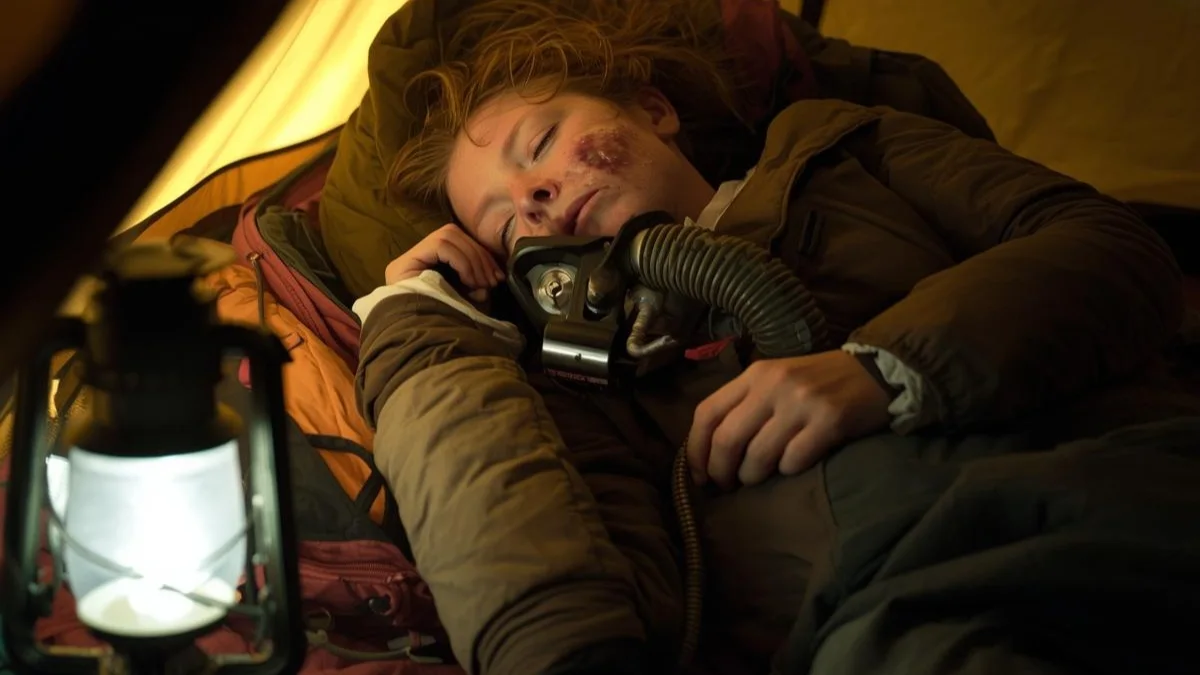
Climbing to higher altitudes puts a lot of stress on your body. When you start noticing intense warning signs, it’s your body’s way of saying, “Stop, I need help.” These severe symptoms are serious:
- Confusion: Feeling mentally foggy, forgetful, or unable to make simple decisions.
- Disorientation: Losing track of direction or feeling “out of place” even on familiar trails.
- Extreme exhaustion: Complete fatigue where even standing or walking becomes difficult.
- Blue lips or fingertips: A sign that your blood isn’t carrying enough oxygen.
- Shortness of breath at rest: Difficulty breathing even when sitting or lying down.
- Persistent dry or frothy cough: Can indicate fluid in the lungs, which is a serious warning.
- Chest tightness: Feeling pressure or pain in the chest that doesn’t go away with rest.
- Inability to walk normally: Legs feel weak, unsteady, or numb, making movement unsafe.
- Fainting or loss of consciousness: An emergency that requires immediate help.
Tip: Slow down, rest, hydrate, and reassess your plan. Paying attention to these signs early can prevent them from turning into serious complications and keep your trek safe and enjoyable.
Symptoms Based on Elevation Levels
The symptoms of altitude sickness often change depending on how high you climb. Knowing what to expect at different elevations can help you stay safe and respond quickly.
Around 3,000 meters
At this altitude, symptoms are usually mild but noticeable:
- Headache
- Nausea
- Trouble sleeping
These early signs are your body’s way of adjusting to thinner air. Rest, drink plenty of water, and take it slow to prevent symptoms from getting worse.
Between 3,500 and 5,000 meters
As you climb higher, symptoms can become stronger:
- Vomiting
- Dizziness
- Worsening headache
At this stage, your body is working harder to cope with lower oxygen. Ignoring these signs can lead to serious problems, so pace yourself and take breaks as needed.
Above 5,000 meters
High altitudes can trigger severe reactions that need immediate attention:
- Difficulty breathing even while resting
- Confusion or disorientation
- Extreme fatigue
At this level, the risk of serious complications like high-altitude pulmonary or cerebral edema increases. Descending promptly is usually the safest choice to protect your health.
You can also choose short treks in Nepal where you might not get altitude sickness.
How Fast Symptoms Appear After Gaining Elevation?
Altitude sickness symptoms can show up sooner than you expect, often within 6 to 24 hours of reaching higher elevations. Even if you feel fine during the day, your body may start reacting as it adjusts to the thinner air.
Symptoms often feel worse at night because your breathing naturally slows while you sleep, reducing oxygen intake. This is why headaches, trouble sleeping, and shortness of breath are usually more noticeable after dark.
Watch out for early warning signs like sudden dizziness, nausea, or extreme fatigue. Paying attention to these signals gives you the chance to rest, hydrate, and adjust your pace before symptoms get worse.
Practical Tips to Manage Symptoms Early
Managing altitude sickness early can make your climb safer and much more enjoyable. Here are some simple strategies to keep in mind:
- Stay hydrated: Drink plenty of water to help your body adjust to the thinner air. Avoid excessive caffeine as it can dehydrate you.
- Ascend slowly: Give your body time to acclimatize instead of rushing higher. Plan rest days and avoid climbing more than 300–500 meters per day above 3,000 meters.
- Avoid alcohol: Alcohol can worsen dehydration and sleep problems, so it’s best to skip it at high altitudes.
- Eat light meals: Stick to easily digestible foods to maintain energy without upsetting your stomach. Include carbohydrates to fuel your body efficiently.
- Know when to stop: If symptoms persist or worsen, pause or descend to a lower elevation. Listening to your body is always safer than pushing through.
- Take regular breaks: Stop frequently during your climb to rest and check in with how you feel.
- Monitor your breathing and heart rate: Pay attention to unusual shortness of breath or rapid heartbeat, especially at rest.
- Sleep properly: Try to rest in a well-ventilated area and avoid sleeping at the highest elevation you reach each day.
- Use medications if advised: Consult your doctor before the trek about preventive medications like acetazolamide (Diamox) and carry them if recommended.
- Stay warm and dry: Cold and wet conditions can add extra stress to your body, so wear layered clothing and protect yourself from the elements.
Following these steps can help prevent symptoms from worsening and keep your trek smooth, safe, and more enjoyable.
Final Thoughts
Don't take altitude sickness lightly. When your body is experiencing difficulties, it communicates clearly, and recognizing the early warning signs can significantly impact your health. It's very important to notice symptoms early and act fast to stay safe, whether they are small headaches and nausea or severe confusion or trouble breathing.
Moderate ascent, regular water, light meals, and rest are the best ways to avoid getting sick. Never ignore serious symptoms; going down right away could save your life.
It's fantastic to walk at high altitudes, but safety should always come first. Pay attention to your body, be careful, and enjoy the amazing views without putting your health at risk. Contact Nepal Gateway Trekking to book your Himalayan adventure safely.