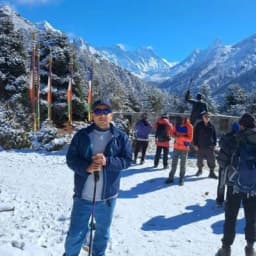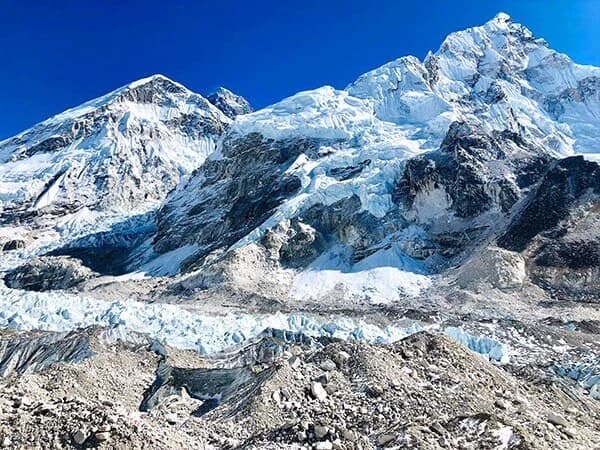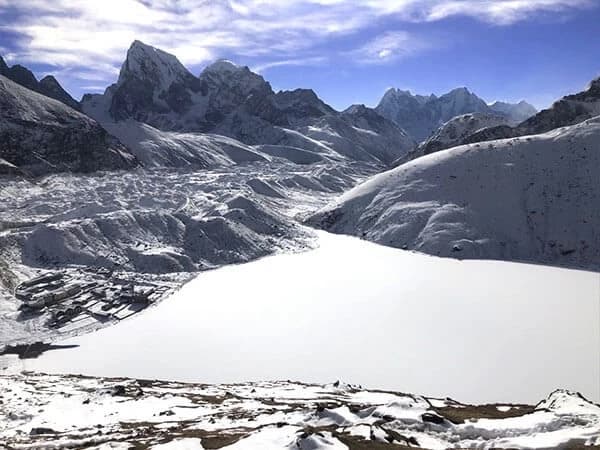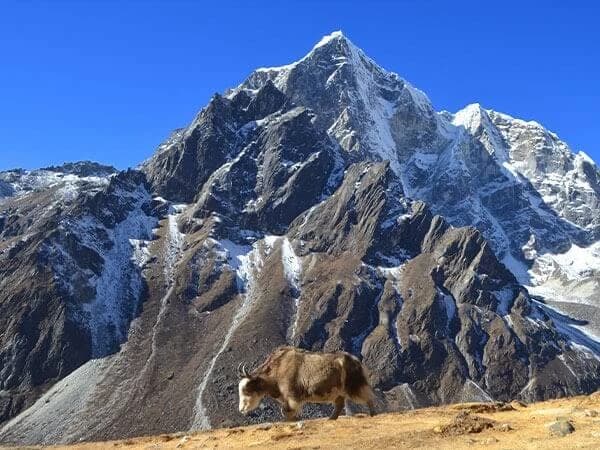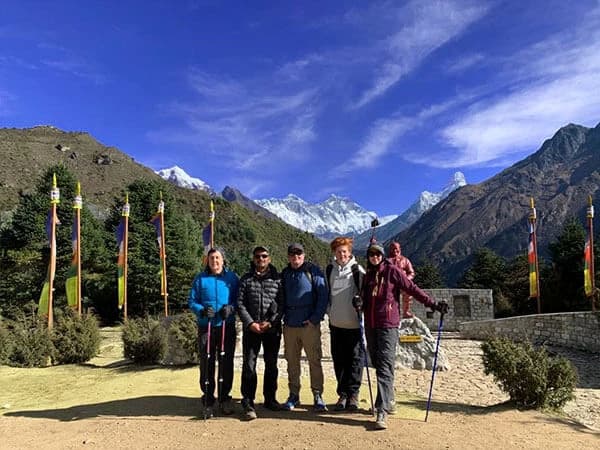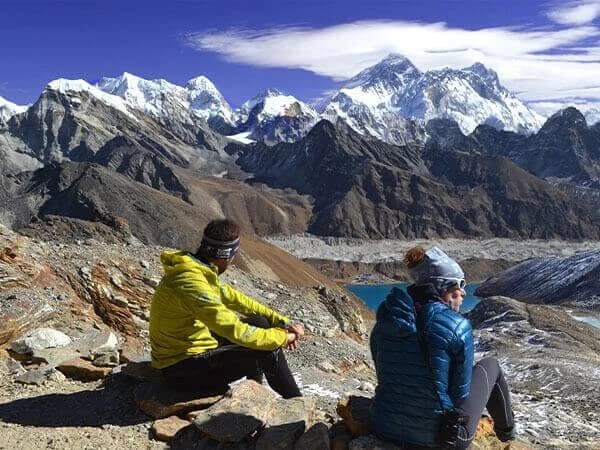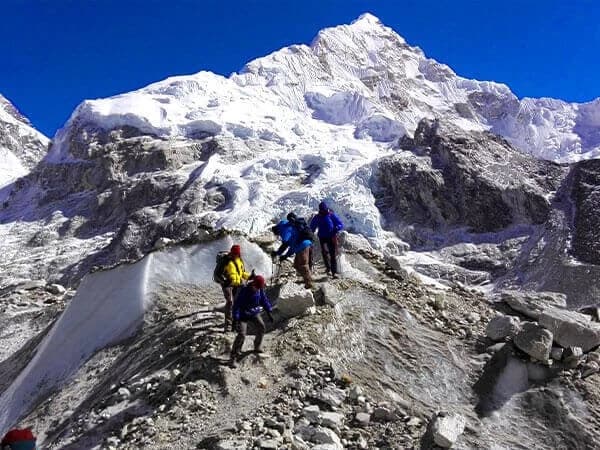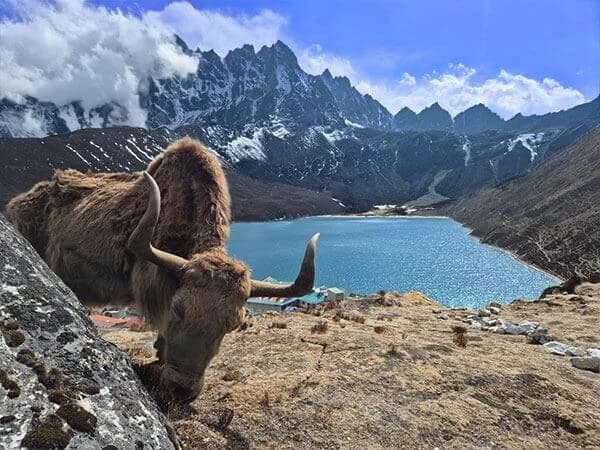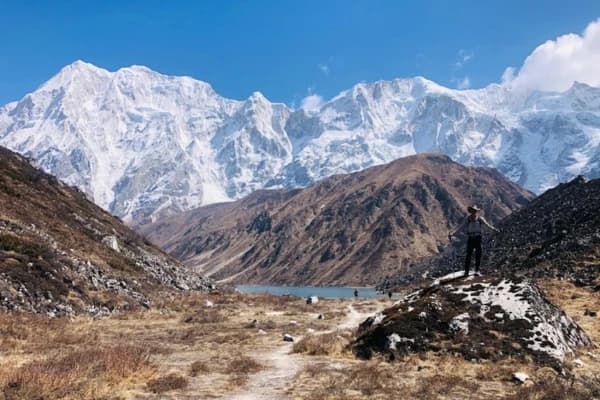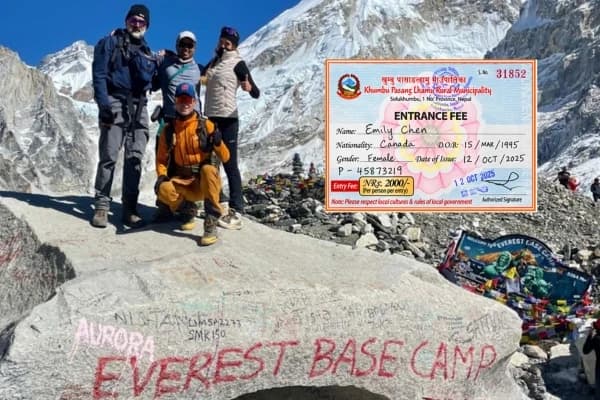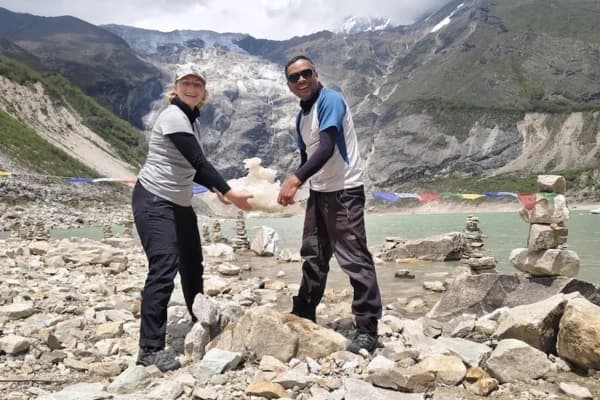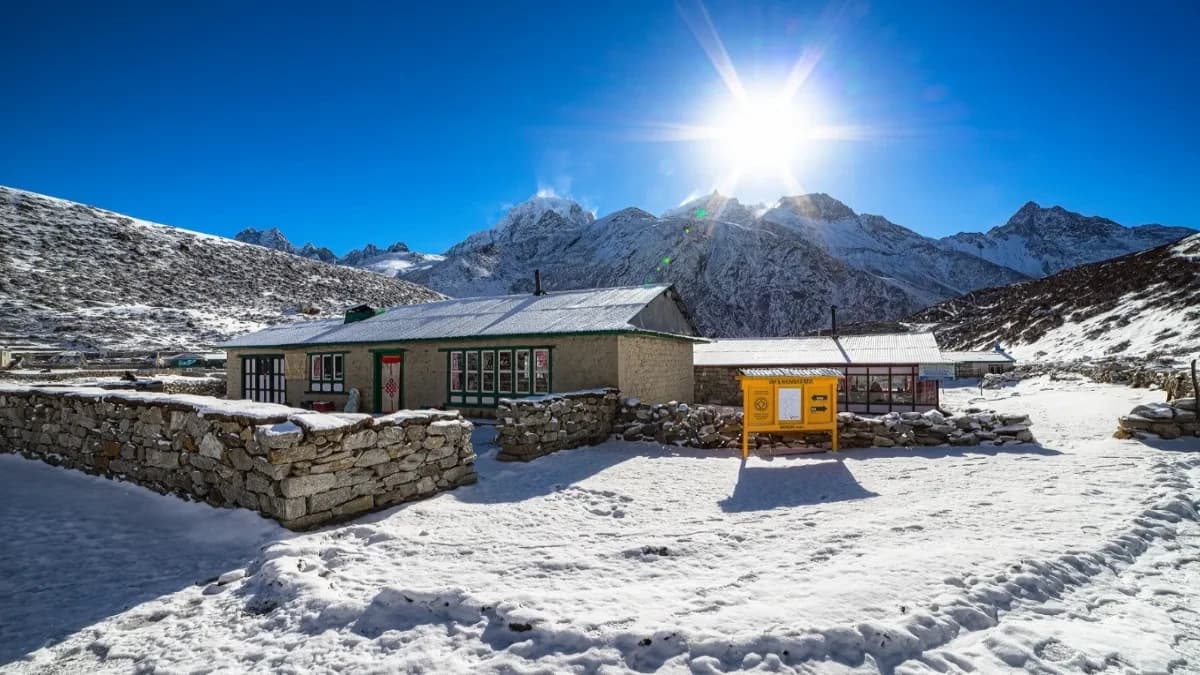
No, prior trekking experience is not mandatory for the Everest Base Camp (EBC) trek, but it definitely helps with endurance, pacing, and high-altitude adaptation. Since the route is a non-technical trek, you don’t need to be a mountain climber with ropes or ice axes. However, a solid level of physical fitness is required to walk the 130 km (80 miles) round-trip distance.
Whether you choose a guided trek or travel with a porter, success depends more on your preparation and how your body handles the altitude than on your past hiking history.
At Nepal Gateway Trekking, we specialize in helping first-timers achieve this dream. With a professional team by your side, even total beginners can stand at the base of the world's tallest peak.
How Difficult Is the Everest Base Camp Trek?
The EBC Trek is moderately challenging, mainly due to altitude, multi-day walking, and uneven terrain, but not technical climbing. No climbing skills are needed, which makes the Everest Base Camp trek for beginners achievable with the right pacing.
The journey is a test of stamina. You will cover about 130 km over 14 days, walking an average of 5–8 hours daily. While the paths are well-established, you will be walking on stone steps, forest trails, and rocky glacial moraines.
For those doing an EBC trek without experience, the "thin air" at high altitudes is the main challenge. Altitude sickness in the Everest trek is something we manage carefully through a slow and steady approach.
Everest Base Camp Trek Difficulty by Section
|
Section / Day |
Distance |
Walking Hours |
Terrain Style |
Altitude Gain |
|
Lukla → Phakding |
~8 km |
3–4 hrs |
Forest & stone paths |
+180 m |
|
Phakding → Namche Bazaar |
~11 km |
6–7 hrs |
Steep uphill climbs |
+780 m |
|
Namche (Acclimatization) |
3–4 km |
3–4 hrs |
High view trails |
+200 m |
|
Dingboche → Lobuche |
~8 km |
5 hrs |
Rocky alpine valley |
+520 m |
|
Lobuche → EBC |
~13 km (RT) |
7–8 hrs |
Frozen rocky moraine |
+450 m |
Pro Tip: Rushing is the fastest way to get sick. Moving slowly and trusting a guided itinerary is how beginners successfully finish the EBC trek.
Are you ready for your first Himalayan trek? Contact Nepal Gateway Trekking for a beginner-friendly 14-day Everest Base Camp trek that includes acclimatisation stops and rest days to ensure a safe, smooth, and confident journey.
So, Can You Complete EBC Without Experience?
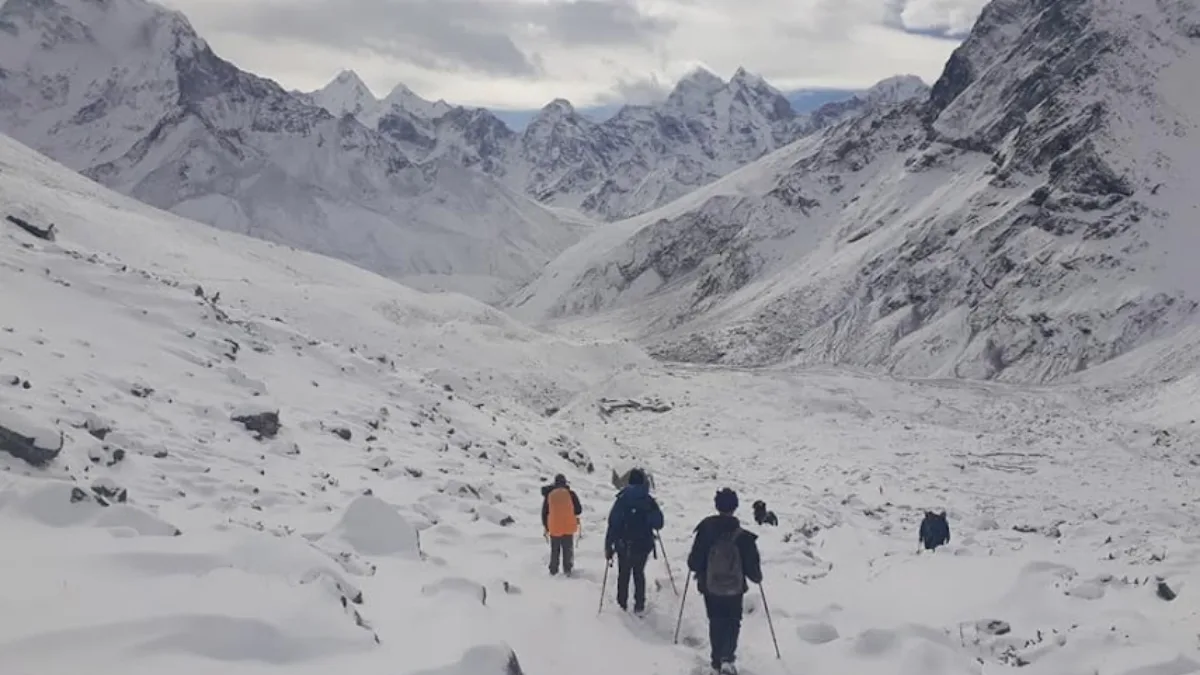
Yes, you can! With proper guidance and pacing, inexperienced trekkers successfully reach Base Camp every year. At Nepal Gateway Trekking, we turn "impossible" dreams into reality. Here is how we support you:
- Professional Guidance: We follow all Everest Base Camp guide requirements. Our guides monitor your oxygen levels daily and keep your pace slow (Bistari, Bistari).
- Porter Support: Don't let a heavy bag slow you down. Our porters carry your main luggage so you can focus on your breathing and the views.
- Smart Acclimatization: We build in mandatory rest days in Namche and Dingboche to help your body "catch up" to the altitude.
- EBC Trek Preparation: We recommend starting cardio (walking, swimming, or cycling) at least 8 weeks before your trip.
Experience Level vs. Safety: Your Best Option
|
Experience Level |
Recommended Option |
Risk Level |
Why? |
|
None |
Guided Trek |
Low |
Best for safety and learning the ropes. |
|
Moderate |
Guided + Porter |
Low |
Comfortable and easy on the legs. |
|
High |
Solo Trek |
Medium |
Not recommended for first-timers in 2026. |
Worried about experience or high elevation? The Everest Panorama View Trek is ideal for beginners who want to see Mount Everest without trekking too high. Join us for a short, comfortable trek and unforgettable memories.
Key Factors That Affect the Need for Experience for the Everest Base Camp Trek
You don't have to be an expert, but you should know if you're up for the challenge. Understanding these four key factors will help you decide if you're up for the Everest Base Camp trek for beginners.
1. Fitness Level (Cardio and Endurance)
The Everest Base Camp (EBC) is a test of your endurance. You'll be walking for 14 days in a row, so your fitness level is important on this EBC trek.
- Cardio: Your heart and lungs need to be strong to handle the "thin air." If you can play a full game of soccer or swim for 45 minutes without stopping, your cardio is in good shape.
- Endurance: Your legs will do a lot of work on steep stone stairs. To get ready, try EBC trek preparation like walking up stairs at school or going on long weekend hikes with a backpack.
2. Altitude Tolerance (The "Thin Air" Factor)
As you go higher, there is less oxygen in the air. This has nothing to do with how fast you can run: it’s about how your body adapts.
- The Science: At Base Camp, there is 50% less oxygen than at sea level.
- The Secret: Experience matters less than pacing. Moving slowly and drinking lots of water are the best ways to prevent altitude sickness in Everest trek. Even if you’ve never been to the mountains, you can succeed by just being patient.
Before heading higher into the mountains, take a moment to read our blog on the symptoms of altitude sickness: it helps you spot early warning signs and stay safe and confident on the trail.
3. Trek Duration and Trail Difficulty
The trail isn't a "climb"; it's a rocky path used by locals and yaks every day.
- Duration: A longer trip (like 14 days) is actually easier for beginners than a short 10-day trip because it provides your body with more "rest days" to acclimatise to the altitude.
- Terrain: Expect dusty paths, bouncy suspension bridges, and lots of rocks. If you can walk on a bumpy trail in a park, you can handle the EBC ground.
4. Support Level: Guide and Porter
In 2026, Everest Base Camp guide requirements require that you have a licensed guide with you. This makes the trek much safer for first-timers.
- Guided Trek: A guide from Nepal Gateway Trekking is like a mountain teacher. They monitor your health daily and ensure your safety.
- Porter Support: Hiring a porter to carry your heavy bag (10–15 kg) is a great idea. It lets you walk with just a small daypack, making the "uphill" parts feel much easier.
Planning your Everest journey? Explore our Best Time to Visit Everest Base Camp Trek blog from Nepal Gateway Trekking to choose the ideal season for clear views and safe trekking.
Am I Ready for Everest?
Use this checklist to see if you're ready for the Everest Base Camp trek for first-timers.
|
Factor |
You're Ready! (Pros) |
You Need a Plan (Cons) |
|
Physical Activity |
I exercise 3+ times a week. |
I rarely walk more than 20 minutes. |
|
Leg Strength |
I can easily climb five flights of stairs. |
I always prefer the elevator. |
|
Altitude Habit |
I'm okay with moving very slowly. |
I want to race and finish first. |
|
Support Preference |
I want an expert guide and porter. |
I want to carry a 40lb pack alone. |
|
Comfort Zone |
I can handle basic toilets/cold nights. |
I need a luxury hotel every night. |
Why Trekking Experience Can Be Helpful for the EBC Trek?
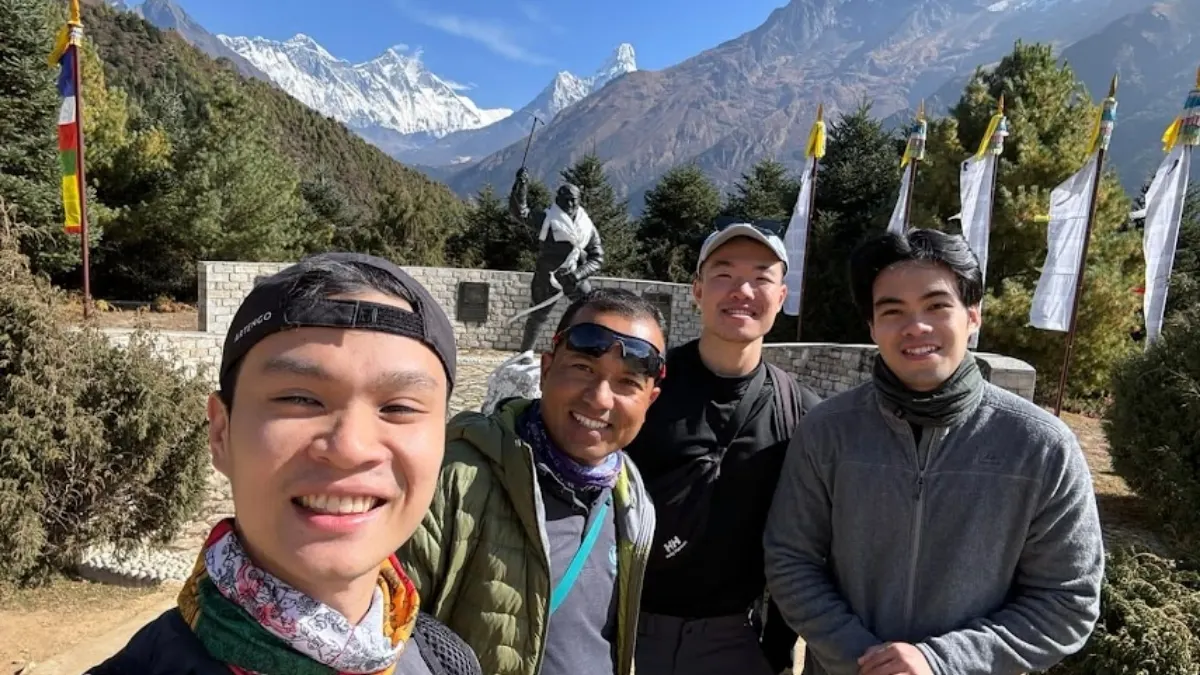
You don't need a history of mountain climbing to finish the Everest Base Camp trek for beginners, but having some miles under your belt is like having a "cheat code" for the Himalayas.
While it’s possible to finish the EBC trek without prior trekking, those who have spent time on trails usually have a much smoother journey. Experience doesn't just speed you up; it makes you smarter about how you spend your energy.
1. Superior Physical Endurance
The Everest trail is a multi-day endurance event, not a sprint. You will be walking for 5 to 8 hours every single day on ground that is never quite flat.
- Trail Rhythms: If you've trekked before, your body has "leg memory". It knows how to keep a steady pace on rocky paths and steep stone steps. This is a huge part of EBC trek preparation because it prevents you from burning out in the first three days.
- Efficient Movement: Experienced hikers know how to use their "mountain legs" to save energy. They don't rush; they move with a rhythm that keeps their heart rate low, which is the best way to avoid altitude sickness in the Everest trek.
2. Mental Stamina and Altitude Adaptation
The hardest part of the journey isn't always your legs; it's often your mind. A beginner-friendly EBC trek is still a challenge because of the environment.
- Grit Over Speed: When you’ve done long treks before, you know that the "wall" that moment you want to quit, is usually just a temporary feeling. You’ve learnt to push through cold mornings and basic teahouses.
3. Smart Load and Gear Management
If you've spent days on a trail, you’ve probably learned the hard way that a heavy pack is your worst enemy.
- The Art of Packing: People doing an EBC trek without experience often bring too much. Experience teaches you exactly what you need (and what you don't). You’ll know how to pack your "essentials" so they are easy to reach.
- Breaking in Gear: You won't be that person with blisters on Day 2 because you already know your boots. You’ve mastered layering clothes to stay warm without getting sweaty, which is vital for an EBC trek for first-timers.
Getting ready for the Everest Base Camp trek? Read our complete Guide to the EBC Trek from Nepal Gateway Trekking to understand the route, difficulty, and what to expect on the trail.
Experience Level vs. Challenge Management
Past experience changes how the trek "feels" and helps you meet the 2026 Everest Base Camp guide requirements with confidence.
|
Experience Level |
Challenge Management |
Risk Level |
Your Main Focus |
|
Complete Beginner |
Relies 100% on the guide for pacing and health. |
Moderate |
Breathing and following the schedule. |
|
Weekend Hiker |
Understands body signals: manages gear well. |
Low |
Enjoying the culture and scenery. |
|
Frequent Trekker |
Can self-pace and manage loads easily. |
Very Low |
Side trips and advanced photography. |
Risks of Trekking to Everest Base Camp without Proper Preparation
Even though prior trekking experience isn’t mandatory, the EBC trek carries risks that all trekkers must understand.
If you start an EBC trek without experience and haven't done your homework, small problems can quickly become big dangers. Your EBC trek preparation is what keeps you safe when things get tough.
1. Altitude Sickness (AMS): As you climb higher, the air has much less oxygen. This leads to altitude sickness in the Everest trek, which causes bad headaches, nausea, and dizziness. If you don't stop and go down, it can be life-threatening. Fitness won't save you from this; only moving slowly and drinking water will.
2. Fatigue and Exhaustion: Walking for 5 to 8 hours every day is exhausting. On an EBC trek without prior trekking, your body might not be used to this much work. When you are too tired, your immune system gets weak, and it’s harder for your body to stay warm. This is why walking and light training before you go is so important.
3. Weather-Related Hazards: The Himalayan region experiences rapid weather changes. You can have bright sunshine at noon and a freezing snowstorm by 1:00 PM. Without the right gear and knowledge, you risk getting hypothermia (becoming dangerously cold).
4. Terrain Injuries: The paths are made of loose rocks, slippery mud, and steep steps. It’s very easy to twist an ankle or fall, especially when your legs are tired. For an Everest Base Camp trek for first-timers, using trekking poles and having a guide to show you the safest path is a must.
5. Navigation and Isolation Risks: The trails can be confusing when clouds or fog roll in. Getting lost is a real fear. In 2026, the Everest Base Camp guide requirements now make it mandatory to have a licensed guide. The goal is to make sure no one is left alone or lost in the middle of the mountains.
If you are unsure which season suits you best, read our Nepal Gateway Trekking blogs on trekking to EBC Trek in March & April, EBC Trek in October, and EBC Trek in November to compare weather, trail conditions, and views, so you can choose the perfect time to trek with confidence.
Alternatives for Non-Trekkers
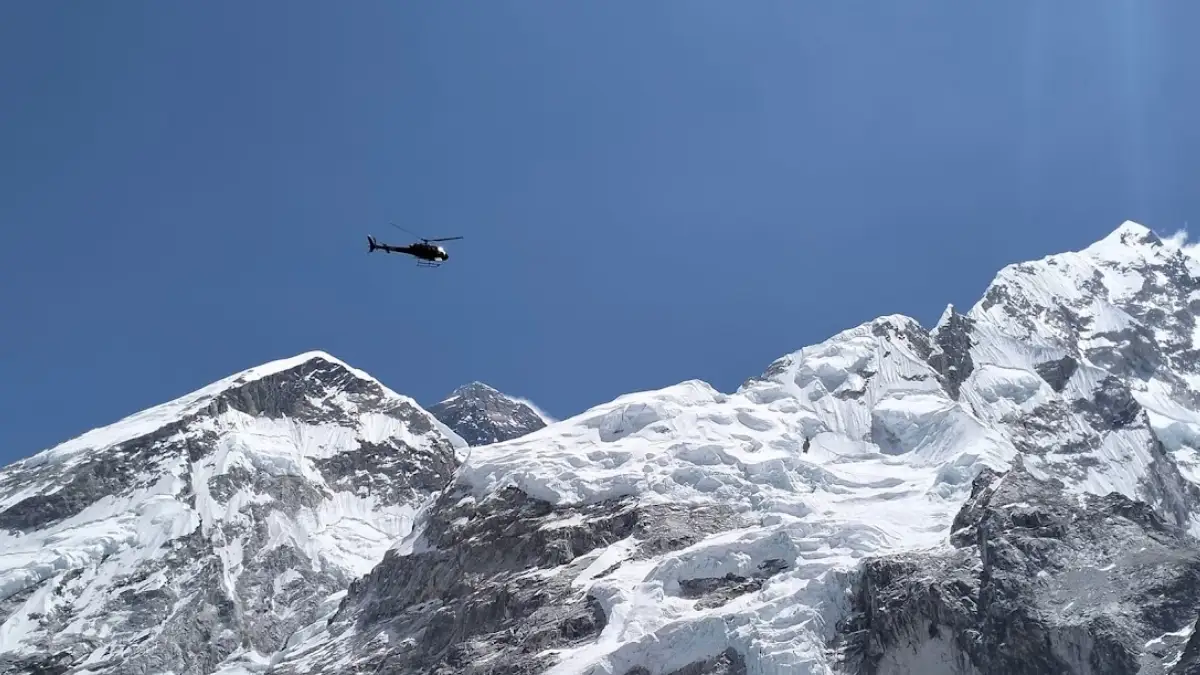
If a 14-day trekking isn’t for you, that’s perfectly fine. There are reliable ways to see the world's highest peak without the physical strain. These options are ideal if you’re unsure about the Everest Base Camp trek for beginners or don't want to risk an EBC trek without experience.
Helicopter Tours to Everest (Kathmandu or Lukla)
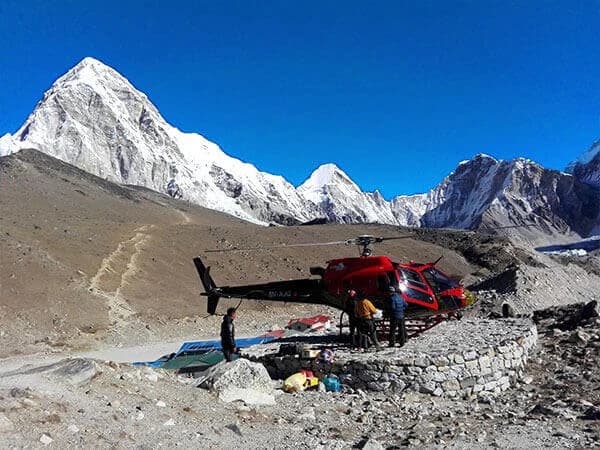
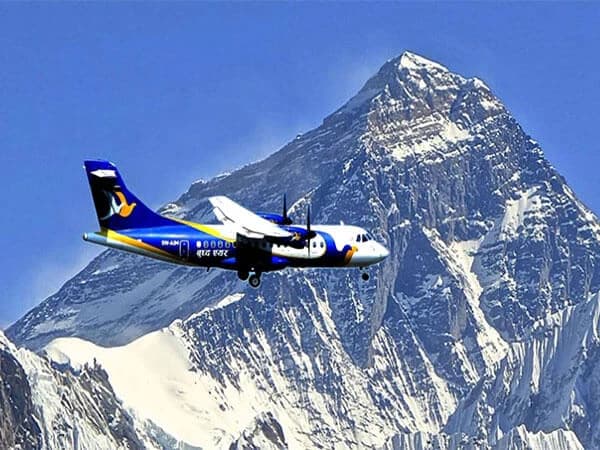
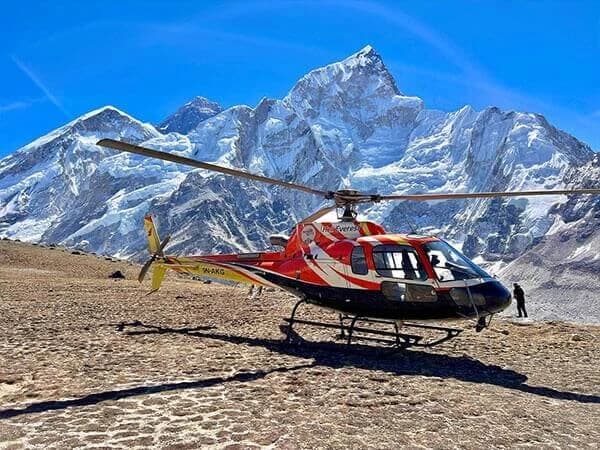
For many, an Everest helicopter tour is the ultimate alternative. These flights depart from Kathmandu or Lukla and provide a full view of the Khumbu Valley. Since you aren't spending days ascending, concerns about the trekking experience required for EBC or the long-term effects of altitude sickness in the Everest trek are almost non-existent.
You get the iconic views of the Khumbu Icefall and a landing at Kala Patthar, then return home the same day with no heavy EBC trek preparation required.
For official rules, permits, and safety updates, check the Tourism Board of Nepal website for the Everest Base Camp trek to plan your journey with confidence.
Final Thoughts
To reach the base of the world’s tallest peak, you should keep in mind that trekking experience is helpful but not mandatory. While having an experience can certainly make the steep climbs feel less tiring, thousands of people successfully finish an EBC trek without experience every single year.
Success on this trail isn't actually about how many mountains you have climbed in the past; it is about your personal EBC trek preparation, your willingness to walk at a slow pace, and your respect for the thin air at high altitudes.
For the safest and most rewarding journey, we strongly recommend a guided trek. In 2026, updated safety rules and Everest Base Camp guide requirements mean that having a professional by your side is more important than ever. A local guide does much more than just point the way; they serve as your primary safety net.
They monitor your oxygen levels for any early signs of altitude sickness in the Everest trek, handle all your park permits, and make sure you have a warm meal and a bed waiting for you at the end of every long day.
Frequently Asked Questions (FAQs)
Do I need trekking experience to do the Everest Base Camp trek?
No, you can reach the EBC trek without having any trekking experience. If you focus on your EBC trek preparation and hire a local guide, you will be ready for the challenge.
Can physically fit people complete EBC without experience?
Yes, physically fit people can complete the EBC trek without prior experience because their physical fitness allows them to endure the long walking days. Remember that fitness is not a cure for thin air, so keep a slow and steady pace.
Are guided treks safer for inexperienced trekkers?
Guided treks are safer for inexperienced trekkers because having a professional by your side ensures safety, as they are well-versed in the 2026 Everest Base Camp guide requirements. They monitor your health every hour and handle all the tricky logistics so you can focus on your hike.
What are the main risks for people without trekking experience?
The biggest risk is usually altitude sickness in Everest trek, which can happen to anyone regardless of their fitness. Other common issues include leg fatigue and unpredictable mountain weather that requires the right layers of clothing.
Can I reach Everest Base Camp without trekking?
If you want to skip the long walk, you can book a helicopter tour that flies directly to the region. This is the best way to see the peaks for those who prefer an EBC trek without prior trekking or long days on the trail.