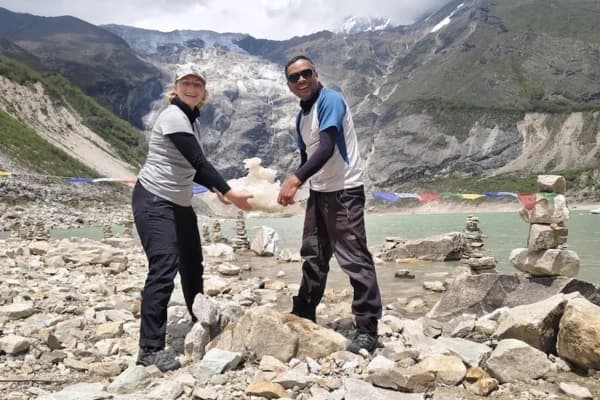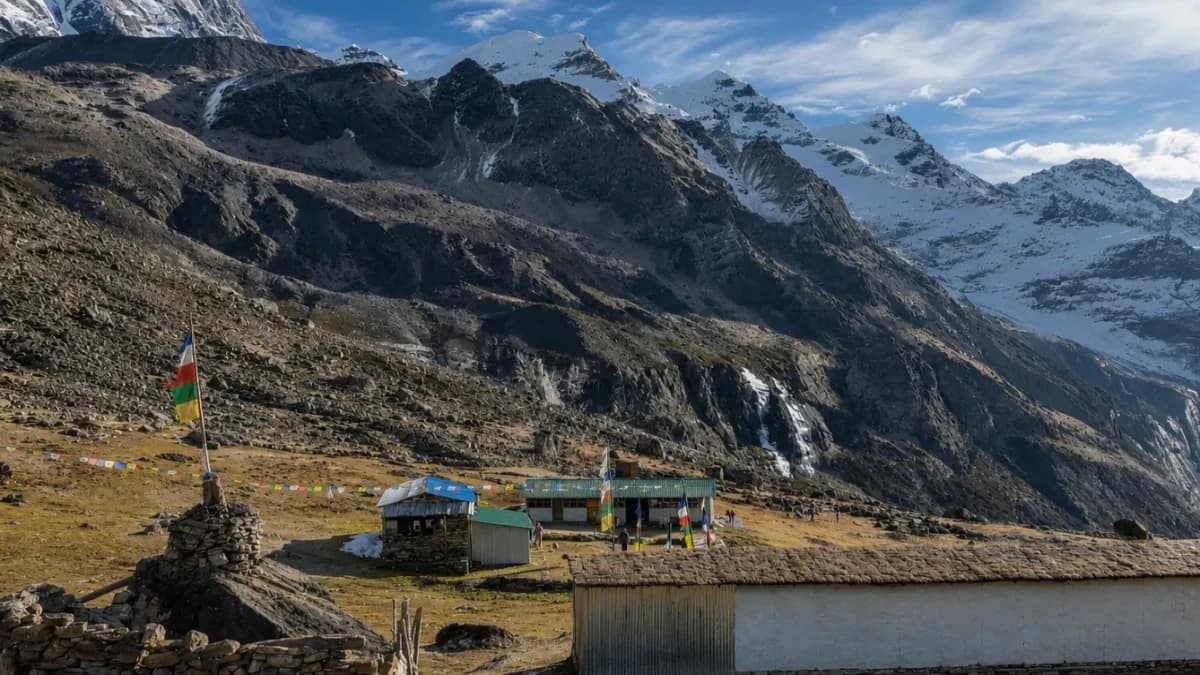
The best time for Makalu Base Camp Trek is during spring (March to May) and autumn (September to November). These two windows give you stable weather, passable high-altitude routes, and the kind of mountain views that make the whole thing worth it.
But there's a lot more nuance to it than just picking a month, especially when you factor in a critical chokepoint most guides gloss over: the Shipton-La Pass.
If you time it well, this trek is one of the most stunning journeys in all of Nepal. Get it wrong, and you're either stuck in leech-infested monsoon mud or staring at a snow-buried pass you simply cannot cross. So let's break it down properly.
Quick Review of Best Time for Makalu Base Camp Trek
- Best time to trek: Autumn (Sept–Nov) and Spring (mid-April–May).
- Shipton La Pass (4,216m) determines whether the trek is possible; it must be open.
- October is the best month due to crystal-clear mountain views and stable weather.
- Spring (mid-April–May) offers blooming rhododendrons, wildflowers, and warmer temperatures.
- Avoid March and early April because snow may block Shipton-La Pass.
- Monsoon (June–August) is not recommended due to rain, leeches, landslides, and poor visibility.
- Winter (Dec–Feb) is risky because of heavy snow, closed teahouses, and temperatures below -15°C.
- The trek is strenuous, requiring good fitness and preferably previous high-altitude trekking experience.
- The route passes through Makalu Barun National Park, known for red pandas, Himalayan monals, rhododendrons, and rich biodiversity.
- The trek typically takes 14–16 days and requires a TIMS card and Makalu Barun National Park permit.
Why Timing Matters for Makalu Base Camp Trek?
Most trekkers know that season affects weather. What fewer people realize is that for the Makalu Base Camp Trek, timing isn't just about comfort it's about access. The Makalu trek's best season is shaped by one fundamental factor above all others: the Shipton La Pass (4,216 m).
This high mountain crossing is the gateway to Makalu Base Camp, and it can be completely buried under snow and ice in early spring (March) and through the winter months. Not "a bit icy." It is completely impassable without mountaineering gear.
So even if you hit a stretch of clear skies in late March or December, that doesn't mean you can complete the trek. The pass itself decides.
The Shipton La bottleneck at Makalu base camp trek
From December through mid-March, heavy snowfall typically renders the Shipton La Pass inaccessible. Even some early April departures turn back. The "best time" fundamentally depends on when this pass is safely open, which means mid-April through May and mid-September through early November.
Beyond the pass, the weather on the Makalu Base Camp trek changes dramatically with elevation.
The lower sections of the Barun Valley feel subtropical and lush. Above 4,000m, conditions shift fast. Clouds roll in unexpectedly. Snowfall above high camps can happen with little warning.
Microclimates in this region are more unpredictable than in more-trekked routes because it sits near the eastern spine of the Himalayas, where monsoon moisture and jet stream winds meet. All of this makes flexible planning and realistic expectations non-negotiable.
Planning your Makalu adventure? The experienced team at Nepal Gateway Trekking can help you choose the right season, prepare permits, and create a safe itinerary tailored to your trekking goals.
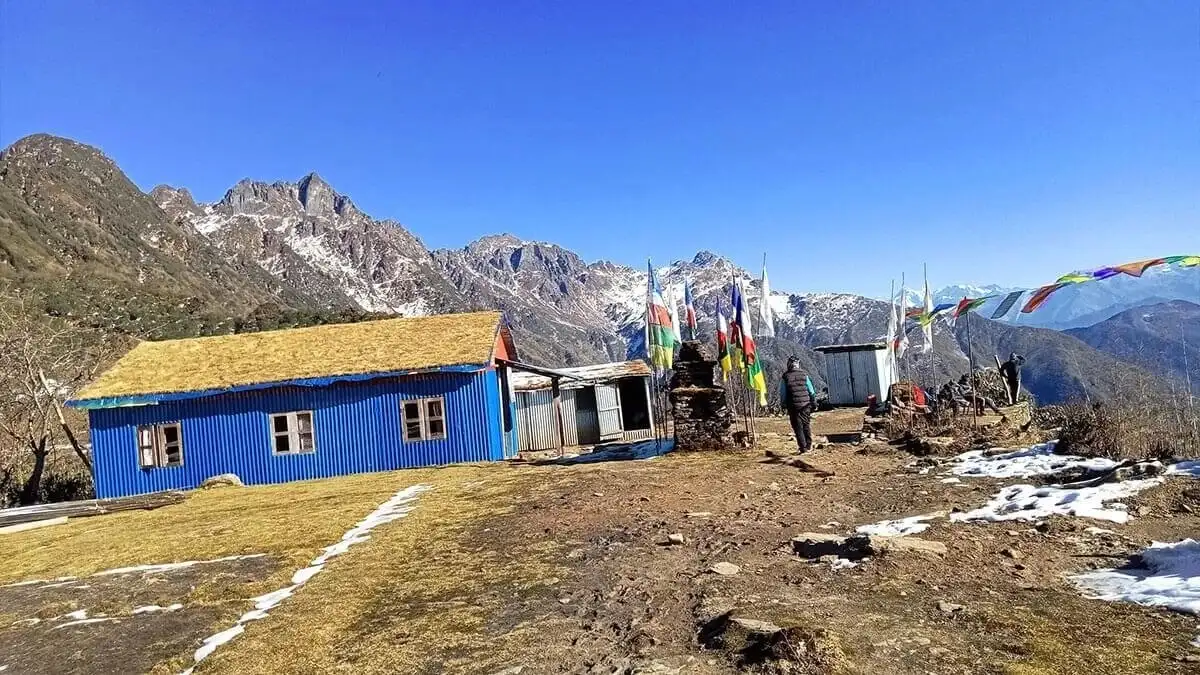
Best Seasons to Trek Makalu Base Camp
|
Season |
Peak Months |
Visual Appeal |
Trail Conditions |
Crowd Level |
|
Autumn |
Sept – Nov |
Crystal-clear views of Makalu & Lhotse |
Dry, stable trails; Shipton La clear |
Moderate (tranquil compared to EBC) |
|
Spring |
Mar – May |
Blooming pink & red rhododendron forests |
Lingering snow early on; warm afternoons |
Low to Moderate |
|
Monsoon |
June – Aug |
Lush, deep green Barun Valley |
Leeches, active landslide risks, muddy |
Extremely Low (not recommended) |
|
Winter |
Dec – Feb |
Stark, beautiful snowscapes |
Freezing winds, buried passes, closed lodges |
Empty (high risk) |
Autumn (September – November): The Classic Window
It is the best time for Makalu Base Camp Trek, and honestly, it earns that title.
After the monsoon scrubs the atmosphere clean, the skies over eastern Nepal turn an almost electric shade of blue. Visibility is phenomenal. On clear mornings, and there are many, you can see Makalu, Lhotse, Baruntse, and even the distant silhouette of Everest with a sharpness that feels unreal.
October in particular offers the highest atmospheric clarity of any month, making it the best month for photography.
Weather at Makalu Base Camp during autumn:
- Lower elevations: 10°C to 20°C during the day
- Higher camps (above 4,000m): 0°C to 10°C daytime, dropping sharply at night
- Shipton La: accessible from mid-September onwards, increasingly stable through October
The trails are dry and firm. Teahouses are open and stocked. Guides and porters are available. Logistics run smoothly. One more thing worth mentioning: autumn lines up with Nepal's biggest festivals, Dashain and Tihar.
If your trek passes through lower Sherpa villages during this period, you might receive invitations to genuine celebrations. Local homes decorate, rituals unfold, and music and food fill the air everywhere. It's the kind of cultural experience you can't plan for, but autumn gives you the chance.
- Pros: Best mountain clarity, stable weather, open teahouses, cultural festivals
- Cons: Relatively more trekkers than spring (though nothing like Everest Base Camp crowds), nights get cold fast by late November
Spring (March – May): Flowers and Warmth
Spring is the second-best window, and for certain types of trekkers, nature lovers, photographers focused on flora, and people who prefer color over clarity, it's actually the preferred Makalu trek best season.
The Barun Valley in spring is extraordinary. Rhododendron forests explode in shades of crimson and rose at lower elevations. Magnolias and primulas line the trail. The air feels alive with birdsong and the scent of forest blossoms.
Important caveat: Don't go too early.
March can look deceptively beautiful from a weather perspective, but Shipton La can still be buried in snow or sealed with ice through mid-April. Early-season trekkers sometimes reach high camps only to find the pass completely blocked.
No amount of determination or extra layering will help when you're looking at a wall of packed ice without the right gear.
The best time for the Makalu Base Camp trek in spring is mid-April through mid-May.
Makalu Base Camp trek weather in spring:
- Lower elevations: 10°C to 18°C during the day; cool but not cold
- Higher camps: 5°C to -5°C, warming quickly as May approaches
- Afternoon clouds: common from May onwards, though mornings are often clear
Pros: Stunning floral biodiversity, warmer temperatures, fewer trekkers than autumn
Cons: Early departure risks blocked Shipton La: afternoon cloud build-up common in May some muddy sections lower down
Not sure whether spring or autumn is better for your trek? Contact our trekking experts for personalized advice based on your experience level, preferred weather, and travel dates.
Which Seasons Should be Avoided to do Makalu Base Camp Trek?
Monsoon (June – August):
The eastern Himalayas take the full force of Nepal's monsoon, and Makalu's Barun Valley with its dense forest and steep terrain channels rainfall aggressively. Trails turn muddy and slippery. Leeches thrive below 2,000m. Landslide risk is real and not just theoretical. Visibility is poor most days.
The teahouses that are open are sparsely staffed. There's a certain wild beauty to this season, waterfalls thundering and forests incredibly green, but it's not a trek for most people.
Winter (December – February):
The scenery can be breathtaking. Snow-covered passes, stark ridgelines, and completely empty trails. But the Shipton Pass is typically buried under heavy snow from December onwards. Many teahouses close as owners move to lower elevations.
Temperatures at base camp can drop to -15°C or below at night. It's not impossible to attempt this trek in winter, but it requires mountaineering experience, a flexible schedule, complete self-sufficiency, and a serious comfort with risk.
Month-Wise Trekking Guide & Weather Insights
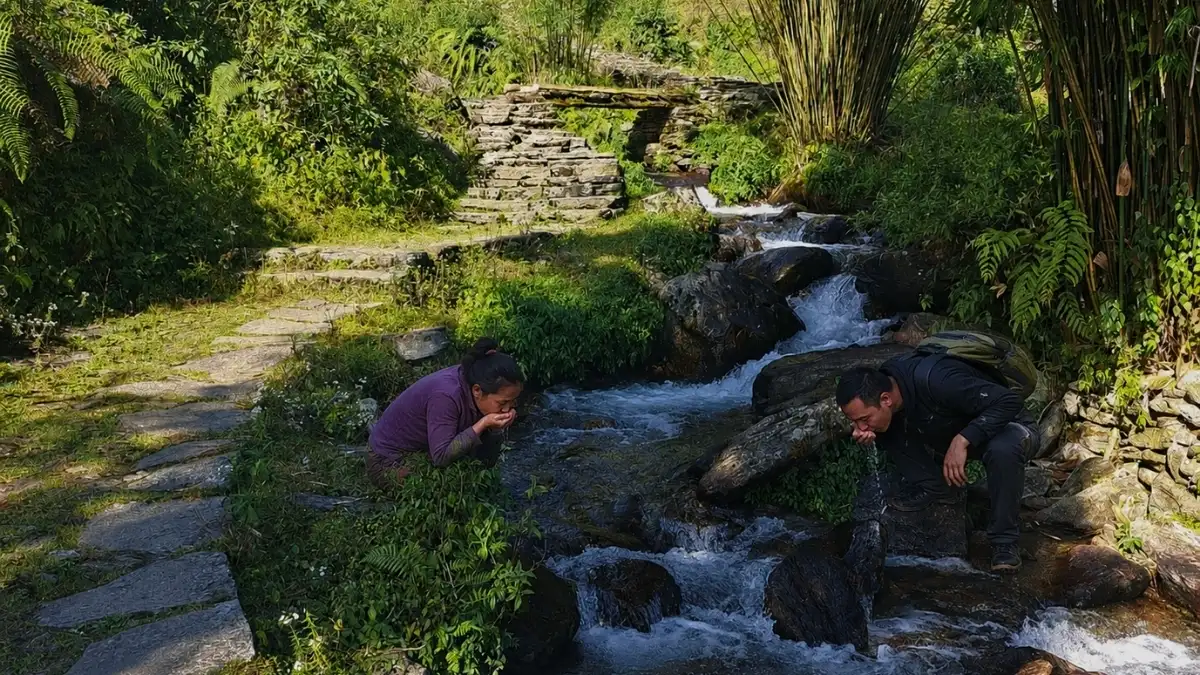 Here's a quick breakdown of what to expect month by month on the Makalu Base Camp trek.
|
Month |
Season |
Trail Status |
Crowd Level |
|
January |
Winter |
High passes buried; most teahouses closed |
Very low (high risk) |
|
February |
Late Winter |
Some clearing; still unpredictable at altitude |
Very low |
|
March |
Early Spring |
Lower trails open; Shipton La often still blocked |
Low |
|
April |
Spring |
The best months to trek Makalu Base Camp begin mid-April |
Low to moderate |
|
May |
Late Spring |
Good conditions; afternoon clouds common |
Moderate |
|
June |
Early Monsoon |
Rain begins; leeches, slippery trails |
Very low |
|
July |
Monsoon |
Active monsoon; landslide risk |
Near empty |
|
August |
Late Monsoon |
Slowly clearing by late August |
Very low |
|
September |
Early Autumn |
Transitioning, second week onwards, excellent. |
Low |
|
October |
Peak Autumn |
Best overall month peak clarity and open routes |
Moderate |
|
November |
Late Autumn |
Still excellent, getting colder toward month-end. |
Low to moderate |
|
December |
Early Winter |
Snow builds; early December has a short window |
Very low |
Flora, Fauna & Cultural Highlights of Makalu Base Camp
The Makalu Barun National Park trek corridor is one of the most biodiverse protected areas in Nepal. The lower Barun Valley alone shelters species that exist almost nowhere else in the Himalayas. If you choose right season for trekking Makalu Base Camp, you may have chances to see the true beauty along the route with diverse flora and fauna.
Wildlife you might encounter:
- The red panda is the shy, rust-colored tree dweller that most trekkers only see in zoos. In Barun, they're actually here
- Himalayan Monal Nepal's national bird, iridescent and spectacular in flight
- Musk deer spotted at higher elevations, usually at dawn or dusk
- Snow leopards are extremely rare, but the habitat exists; you probably won't see one, but you might find tracks

Flora highlights
- The rhododendron forests hit peak bloom in April fifteen species, from deep crimson to pale pink
- Higher up, alpine meadows carpet the hillsides in spring wildflowers: primulas, blue poppies, gentians
- The dense cloud forest below 3,000m is permanently draped in moss and orchids
Cultural experience:
The trek passes through Rai, Sherpa, and Shingsawa communities. These villages are genuinely remote. Daily life here farming, yak herding, weaving, and seasonal migration carries on largely unchanged by tourism.
Autumn trekkers passing through during Dashain and Tihar may witness full festival celebrations: decorated homes, ritual blessings, and bamboo swings in the village courtyards.
Spring trekkers experience something quieter, communities preparing fields and performing seasonal rituals before the high-altitude work season begins.
Final Thought
The best time for the Makalu Base Camp Trek is during autumn (September to November) and spring (mid-April to May), when weather conditions are stable, mountain views are clear, and the Shipton La Pass is usually accessible. While autumn offers the best visibility, spring brings colorful rhododendron blooms and warmer temperatures.
Plan your trek during the Makalu trek's best season to enjoy safer trails, stunning scenery, and the most rewarding Himalayan experience. Remember that weather in the eastern Himalayas can change quickly, especially at higher elevations. Checking trail conditions and preparing for altitude challenges can significantly improve your trekking experience.
If you're ready to explore one of Nepal's most remote trekking regions, contact Nepal Gateway Trekking and let our local experts help you plan the perfect Makalu Base Camp journey.
FAQs
When is the best month to trek Makalu Base Camp?
The best months are October and November for autumn, and mid-April through May for spring. October offers the absolute best atmospheric clarity and mountain views. Mid-April to May is ideal for those who want the rhododendron bloom and warmer trail conditions.
How difficult is the Makalu Base Camp trek?
The Makalu Base Camp trekking difficulty is rated strenuous. It requires strong cardiovascular fitness, prior high-altitude trekking experience, and the ability to handle remote, exposed terrain. The Shipton La Pass crossing at 4,216 m and the overall elevation gain make it unsuitable for complete beginners.
What permits are needed for the Makalu Base Camp trek?
You'll need a TIMS card and a Makalu Barun National Park permit (MCAP) to complete the trek. Both can be arranged in Kathmandu before departure. If trekking through an agency, these are typically included in your package. These are the essential Makalu Base Camp permits you cannot enter the restricted zone without.
How long does the Makalu Base Camp trek take?
A standard Makalu Base Camp itinerary runs 14–16 days depending on your starting point, acclimatization schedule, and fitness. Some extended variations with side trips take up to 18–20 days.
What is the cost of trekking Makalu Base Camp?
The Makalu Base Camp trek cost typically ranges from USD $1,200–$2,500 for a fully organized agency package. This usually covers a guide, porter, accommodation, permits, and most meals. Independent trekkers can reduce costs but should budget carefully given the route's remoteness.
What should I pack for the trek?
Your Makalu Base Camp trek packing list should include layered clothing for variable temperatures, a sleeping bag rated to -10°C or colder, waterproof outer layers, trekking poles, sturdy boots, a first-aid kit, water purification, high-SPF sun protection, and essential documents including permit copies and travel insurance.
Is it safe to trek in winter?
Winter trekking is not recommended for most trekkers. Shipton La is typically buried under heavy snow from December onwards, temperatures at base camp can drop to -15°C, and many teahouses are closed. It requires mountaineering experience and significant self-sufficiency.
What wildlife can I see on the trek?
The Makalu Barun National Park trek corridor is home to red pandas, Himalayan monal (Nepal's national bird), musk deer, and an extraordinary variety of plant life, including 15+ rhododendron species. Snow leopard habitat exists in the region, though sightings are extremely rare.
Are there cultural experiences on the trail?
Yes, the trek passes through Rai, Sherpa, and Shingsawa communities. Autumn trekkers may experience Dashain and Tihar festivals in lower villages. Spring trekkers see communities in their pre-season agricultural preparation rhythm. Both offer genuine, unhurried cultural encounters.