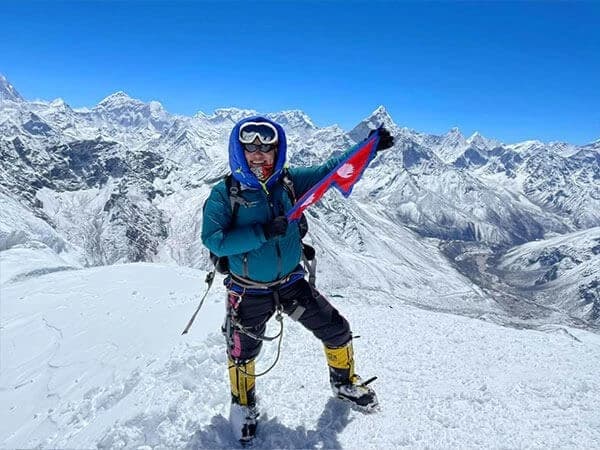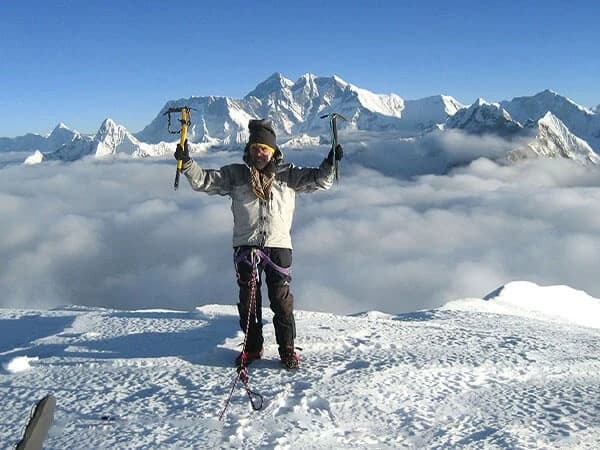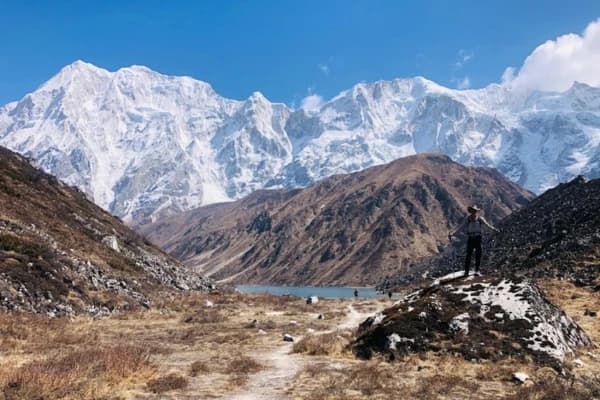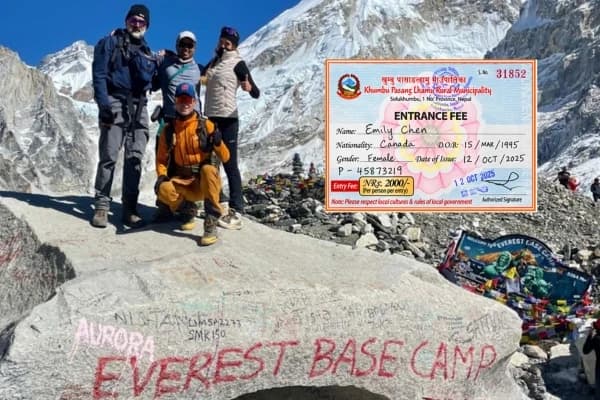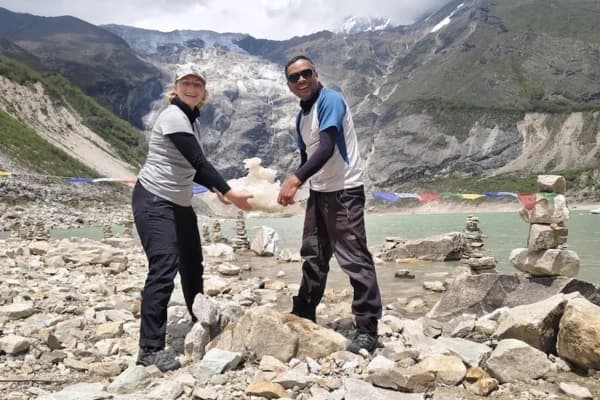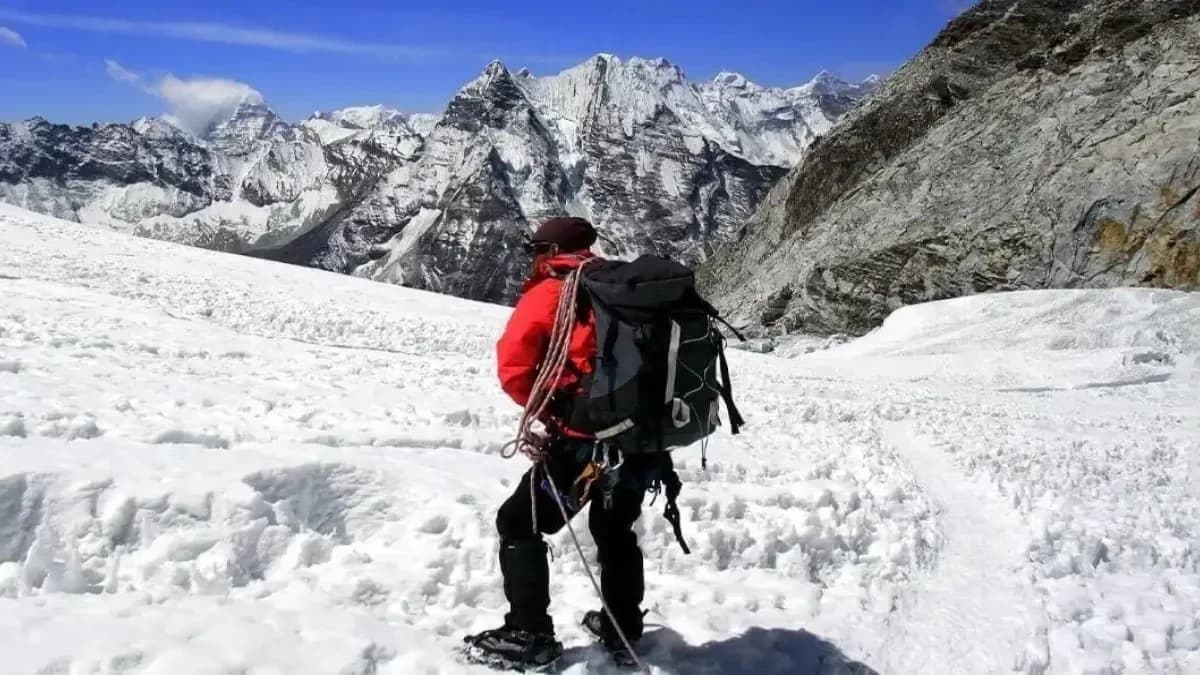
Yes, a beginner can climb Island Peak, but only if they are healthy and strong, have some trekking experience, take time to get used to the altitude, know basic mountaineering skills, and go with a licensed guide.
Island Peak is often called a beginner-friendly trekking peak, but that doesn’t mean it’s easy. At 6,189 metres, the mountain has thin air, very cold weather, long summit days, and real mountaineering terrain. Beginners who get ready the right way can make it. Those who don’t take it seriously often fail.
Simply put, Island Peak is not for lazy beginners, but it’s great for first-timers who are serious.
What Is Island Peak, and Why Do Beginners Choose It?
Island Peak is a trekking peak in Nepal’s Everest region that lets beginners really experience Himalayan mountaineering.
Its official name is Island Peak (Imja Tse), and it is 6,189 meters (20,305 feet) high in the Khumbu region, close to the Everest Base Camp trail.
Nepal calls Island Peak a trekking peak, which means it’s easier than big expedition mountains but still needs climbing skills. This makes it a good choice for beginners who want more than trekking but aren’t ready for very hard climbs.
Why Are Beginners Drawn to Island Peak?
Beginners like Island Peak Climbing because:
- The trail is easy to follow and lots of people go there
- You learn basic climbing skills
- There are guides and rescue help if needed
- You get to use ropes, crampons, and ice axes for real climbing
- It’s a good climb after the Everest Base Camp trek or other high mountains
Island Peak gives first-time climbers a real Himalayan experience. It helps you feel more confident and makes memories that stay forever. Trekking agencies like Nepal Gateway Trekking can help you enjoy the climb with great packages.
Why Is Island Peak Popular Among First-Time Climbers?
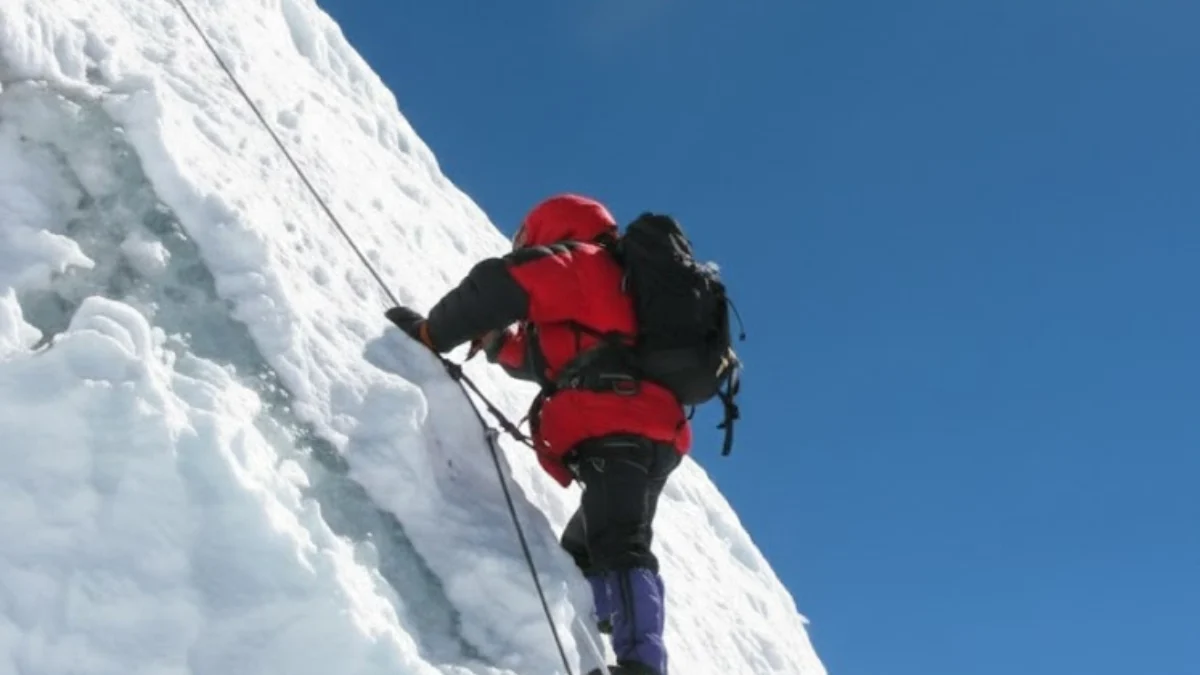
Island Peak is popular because it’s a step between trekking and full mountaineering.
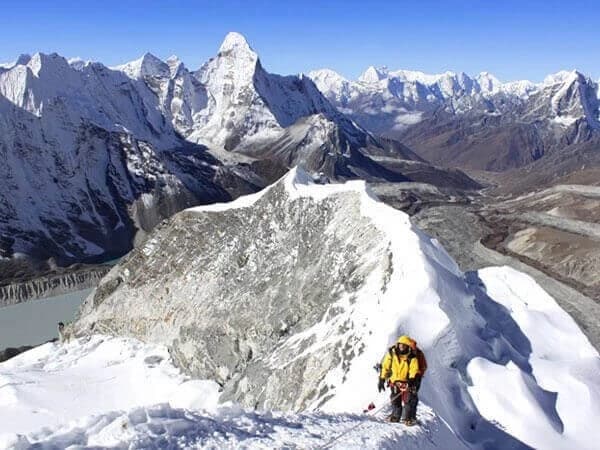
First-time climbers spend most of the climb walking on normal trails. Only near the top do they deal with ice, snow, and ropes. This slow step-up helps beginners get ready both in their body and mind.
Island Peak lets first-timers:
- Learn how to travel safely on glaciers
- Use crampons and ice axes for the first time
- Try rope climbing without very dangerous conditions
Since these skills are taught on the mountain with guides, beginners gain confidence instead of getting scared.
Island Peak Difficulty Level Explained Clearly
The difficulty of Island Peak is moderate, which makes it possible for beginners who are well prepared.
The main challenges are first the altitude, then the technical climbing.
Altitude Difficulty (Main Challenge)
Altitude is the hardest part for beginners on Island Peak.
Above 5,000 meters, there is less oxygen. Above 6,000 meters, it’s harder to breathe, you get tired fast, and your body recovers slowly. Even strong climbers can get headaches or feel dizzy.
Most people fail because they don’t give their body time to adjust to the height, not because they aren’t strong. That’s why it’s important to take slow itineraries and have rest days.
Technical Difficulty (Moderate, Not Extreme)
The technical parts of Island Peak are doable for beginners with a guide.
The climb includes:
- Crossing glaciers with crampons
- Climbing a steep snow and ice wall near the top
- Using fixed ropes for safety
- Using an ice axe, harness, and ascender
There is no hard rock climbing. With guidance from a guide, first-timers can learn these skills.
You can explore our blogs related to high altitude sickness:
Do Beginners Require Training to Climb Island Peak?
Yes, beginners need some training to climb Island Peak. Even though it’s called beginner-friendly, it’s still 6,189 meters high, and the thin air and long climbing days make it tough.
Before the trip, beginners need to train their bodies. This means being able to walk 8 hours a day with a backpack, having strong legs, and having good heart and lung fitness. Simple exercises like hiking, climbing stairs, and cardio help a lot.
Beginners don’t need climbing skills before coming to Nepal. Basic mountaineering training is given during the climb, and guides teach how to use crampons, an ice axe, a harness, and fixed ropes.
Common Challenges Beginners Face on Island Peak
Beginners have some real challenges on Island Peak because of the high altitude, cold weather, and long climbing days. Even strong trekkers can get tired above 5,000 meters, where there is less oxygen.
These problems are normal for first-time climbers and don’t mean you will fail. The key is to know these challenges and have help.
Typical challenges beginners face include:
- Getting very tired above 5,000 meters
- Very cold and strong winds at night near the top
- A long day that can last 10–14 hours
- Feeling nervous on steep or exposed parts
- Very early starts, often around midnight
Guides help a lot. They keep a steady pace, set up ropes, check your health, and decide when it’s safe to go on or turn back.
Is Island Peak Safe for Beginners?
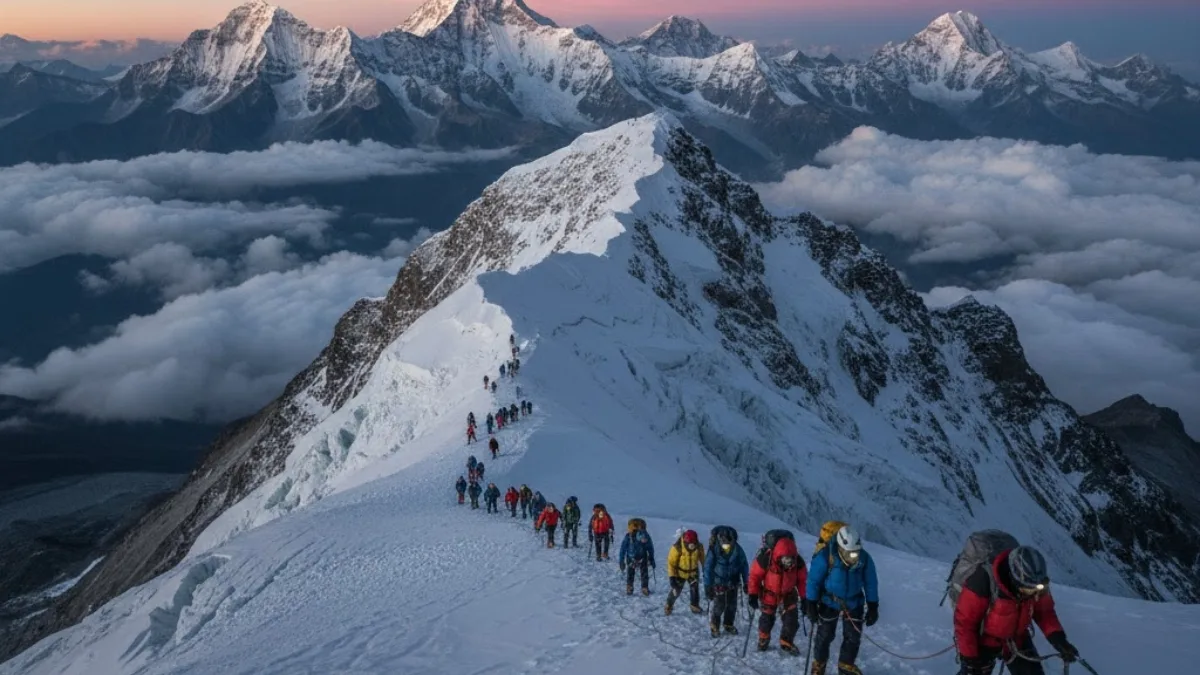
Yes, Island Peak can be safe for beginners if it’s done the right way.
You stay safe when:
- You go with licensed guides
- You give your body time to adjust to the altitude
- The weather is good
- There is a plan for emergencies
Climbers are at more risk if they skip training, rush the schedule, or ignore signs of altitude sickness.
A big advantage of Island Peak is that help is available if something goes wrong, usually by helicopter evacuation. This is very important because the Everest region is high and remote.
Common reasons people need help:
- Severe altitude sickness (HACE or HAPE)
- Serious injuries or falls
- Extreme tiredness or sudden health problems
In an emergency, guides call for help using radios or satellite phones. Helicopters usually come from Lukla, Pheriche, or Kathmandu, depending on the weather. Climbers are then flown straight to hospitals in Kathmandu for proper care.
Island Peak Success Rate for Beginners
Island Peak has a high success rate for beginners who are well prepared, and one reason climbers feel less stressed is the availability of emergency evacuation support in the region.
Based on research:
- Average success rate: 70–85%
- Well-prepared climbers with proper acclimatization: up to 90%
- Rushed itineraries or poor fitness: much lower success rates
Weather conditions and individual health strongly affect whether a climber reaches the summit.
Important Safety Points for Beginners
- Weather matters: Helicopter rescues can only happen when the weather is clear and it’s daylight.
- Travel insurance is essential: Without insurance, evacuation can cost USD 3,000–6,000 or more.
- Local medical support: Aid posts run by the Himalayan Rescue Association in places like Pheriche provide basic medical help.
Bottom Line on Success and Safety
With good preparation, taking time to acclimatize, experienced guides, and reliable evacuation options, Island Peak is one of the safest and most doable first climbs in the Himalayas. Knowing that emergency help is available allows beginners to climb with confidence instead of fear, focusing on safety rather than stress.
Island Peak vs Other Beginner Peaks
Island Peak is often compared with other beginner-friendly Himalayan peaks.
|
Peak |
Height |
Technical Level |
Best For |
|
6,189 m |
Moderate |
Learning mountaineering skills |
|
|
6,476 m |
Low |
Beginners focusing on altitude |
|
|
6,119 m |
High |
Not suitable for beginners |
|
|
6,091 m |
Moderate–High |
Climbers ready for more rock + glacier challenge |
|
|
5,844 m |
Moderate |
Beginners with trekking experience seeking shorter climbing expeditions |
Island Peak vs Mera Peak:
Mera Peak mainly tests your ability to handle high altitude, while Island Peak teaches real climbing skills. This makes Island Peak better for beginners who want to learn mountaineering.
Who Should Not Attempt Island Peak as a Beginner?
Island Peak isn’t right for every beginner. Even though it’s called beginner-friendly, it still needs good fitness, proper preparation, and the right mindset. Some beginners shouldn’t try it unless they fix these issues first.
Beginners should not attempt Island Peak if they:
- Have very low fitness and find long trekking days hard
- Don’t want to train or prepare physically before the trip
- Are very sensitive to altitude or have health problems that aren’t managed
- Think the climb will be easy and without effort
Island Peak needs hard work, discipline, and respect for the mountain. Beginners who aren’t ready should get more trekking experience first and come back when they are fully prepared.
Final Verdict – Can a Beginner Climb Island Peak?
Yes, a beginner can climb Island Peak, but only if they are well prepared, have good guidance, and the right mindset.
Island Peak is one of the best first Himalayan peaks because it gives real mountaineering experience without being too technical. It is challenging, cold, and hard, but possible and very rewarding.
For beginners who are ready, Island Peak is more than just possible. It can be a life-changing experience. Contact Nepal Gateway Trekking to book your Island Peak climb.
FAQs
Can a beginner climb Island Peak without prior climbing experience?
Yes. Beginners can climb Island Peak even without prior climbing experience if they are fit, have some high-altitude trekking experience, and climb with licensed guides who teach the technical skills during the trip.
Is Island Peak harder than Mera Peak?
Yes. Island Peak is harder because it involves glacier travel, fixed ropes, and a steep ice section, while Mera Peak is mostly a non-technical high-altitude trek.
How long does Island Peak take for beginners?
It usually takes 17–21 days for beginners, especially if combined with the Everest Base Camp trek for better acclimatization.
Do beginners need technical training before the trip?
No. Guides provide technical training during the climb, but you should do physical training before the trip.
What is the biggest challenge for beginners on Island Peak?
The highest challenge is the altitude above 6,000 meters. Long summit days and very cold conditions also make it tough.
Is Island Peak suitable after Everest Base Camp trekking?
Yes. Island Peak is ideal after Everest Base Camp trekking because it helps your body adjust to heights above 5,000 meters.
What is the minimum fitness level required for beginners?
Beginners should be able to walk 8 hours a day with a backpack and have good heart and lung fitness.
What is the best season for beginners to climb Island Peak?
The best seasons are spring (March–May) and autumn (September–November), when the weather is more stable and success rates are higher.