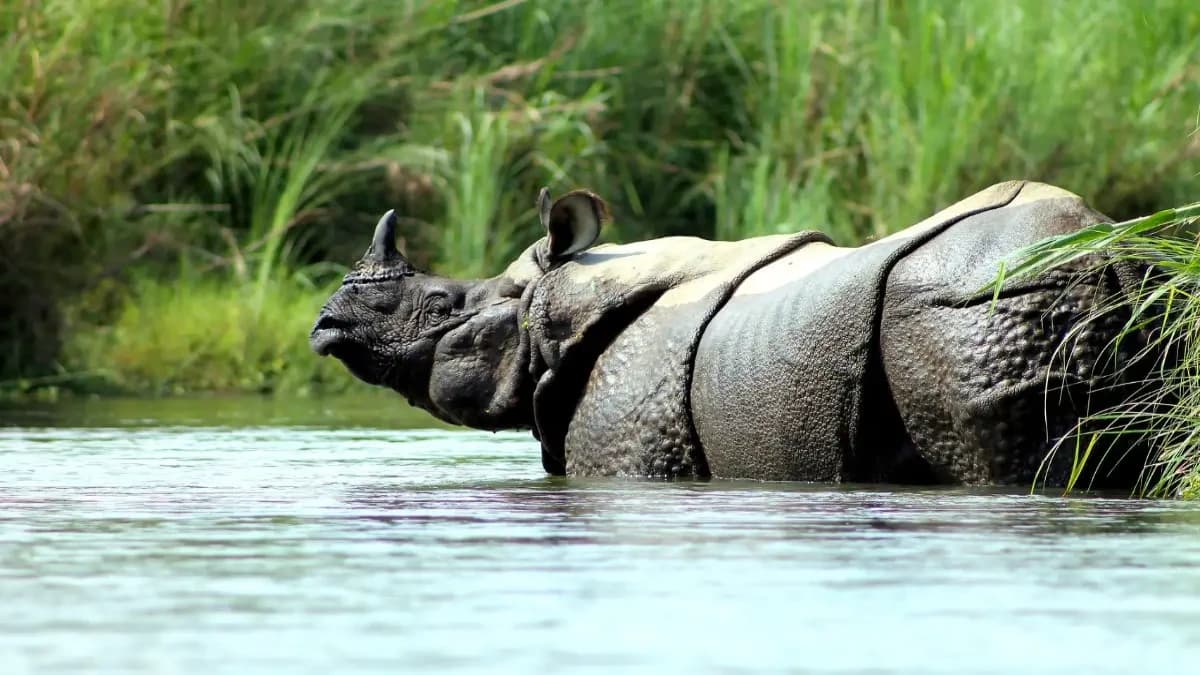
Some of the world's most unique and uncommon animals live in Nepal, deep in the Himalayan mountains. The exotic animals of the Nepali Himalaya survive in some of Earth’s most remote and breathtaking landscapes, from quiet alpine forests to frozen mountain slopes.
The Himalayan region of Nepal shelters many rare animals of the Nepali Himalaya, including species found nowhere else on the planet. These animals are the genuine untamed essence of Nepal's Himalayan biodiversity. They can live in thin air, harsh winters, and rough terrain.
For trekkers and nature lovers, the presence of such elusive wildlife adds a deep emotional connection to the journey. Even if you don't see them directly, knowing that these uncommon and unusual animals share the trail makes hiking in the Nepal Himalayas a compelling and unforgettable experience.
The Nepali Himalayan Ecosystem and Animal Habitats
The wildlife of Nepal's Himalayas lives in a place where the weather changes, the terrain is varied, and the altitude is very high. As you go up in elevation, the temperature drops, the plants change, and the animals adapt in amazing ways. The natural layering of the mountains creates various zones, each of which has plants and animals that are well-suited to those conditions.
Altitude Zones of the Nepali Himalaya
- Mid-Hills (1,000–3,000 meters): This region includes temperate forests filled with oak, rhododendron, and bamboo. Animals like red pandas, musk deer, and Himalayan black bears are commonly found here.
- Alpine Zone (3,000–5,000 meters): Above the tree line, grasslands and shrubs dominate. This zone supports blue sheep, Himalayan tahr, marmots, and monal pheasants.
- High Himalaya (Above 5,000 meters): Only the hardest high-altitude creatures in Nepal, such as snow leopards and Himalayan wolves, can live in this cold, unforgiving place.
Types of Habitats
- Dense forests: Lush green forests of oak, rhododendron, and bamboo where animals like red pandas and musk deer find shelter and food.
- Rocky cliffs and steep slopes: jagged mountainsides that challenge the most agile creatures, such as snow leopards and Himalayan tahr, in their daily survival.
- Alpine meadows: Open grasslands above the tree line where blue sheep and marmots graze under the vast Himalayan sky.
- Snow-covered mountain regions: Extreme, icy regions where only the strongest species, including snow leopards and Himalayan wolves, can live.
Nepal is home to some of the richest mountain ecosystems in the world because each habitat supports different animals. Explore Nepal with the best trekking guides and agency like Nepal Gateway Trekking.
Top Exotic Animals of the Nepali Himalaya
The Nepali Himalaya is home to a wide range of animals, each of which has evolved to live in harsh alpine conditions. From deep woods to high-altitude alpine zones, these places are home to some of the rarest and most distinctive animals in the Nepali Himalaya. Many of these animals are hard to find, rare, or only seen in this area, so every time you see one on a walk is a very unique moment.
The following animals represent the most fascinating and unique animals of the Nepal Himalaya, many of which are rare or endangered.
Snow Leopard – The Ghost of the Himalayas
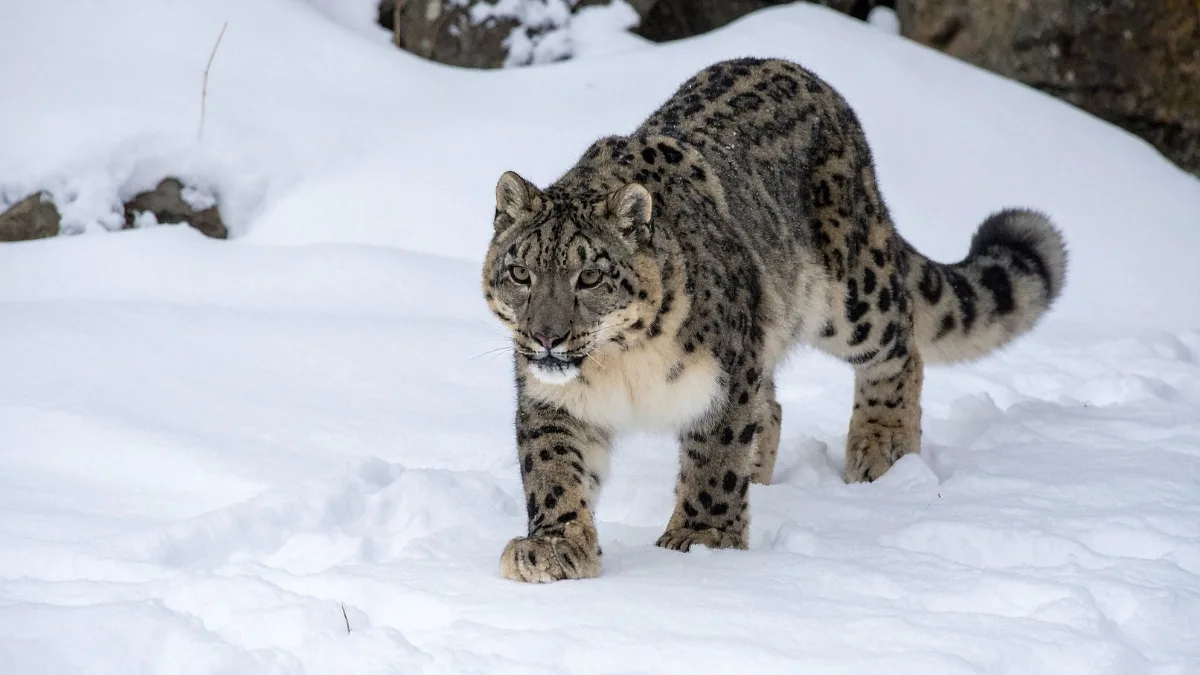
The snow leopard is one of the most mysterious and well-known animals in Nepal. It is called the “ghost of the mountains” because it moves quietly across rocky cliffs and snowy slopes and is rarely seen by people. It represents the high mountains because it is shy and powerful.
- Habitat & Altitude: 3,000–5,500 meters, rocky cliffs and steep areas
- Rarity / Conservation Status: Vulnerable, very rare
- Key Regions in Nepal: Shey Phoksundo National Park, Annapurna Conservation Area, Upper Mustang
- Interesting Facts: Can jump up to 15 meters, thick fur keeps it warm, long tail helps with balance
Red Panda – Nepal’s Forest Dweller
The red panda is small, shy, and one of the cutest animals of the Nepali Himalaya. It spends most of its time in bamboo forests, moving gracefully among the trees. Its rarity and colorful appearance make it a favourite sight for trekkers exploring Nepal’s mid-hills.
- Habitat & Altitude: 2,200–4,800 meters, bamboo forests
- Rarity / Conservation Status: Endangered due to habitat loss
- Key Regions:Langtang National Park, Kanchenjunga Conservation Area
- Fun Facts: Eats mostly bamboo, active at dawn and dusk, uses tail for warmth and balance
Himalayan Tahr – The Mountain Goat of Nepal
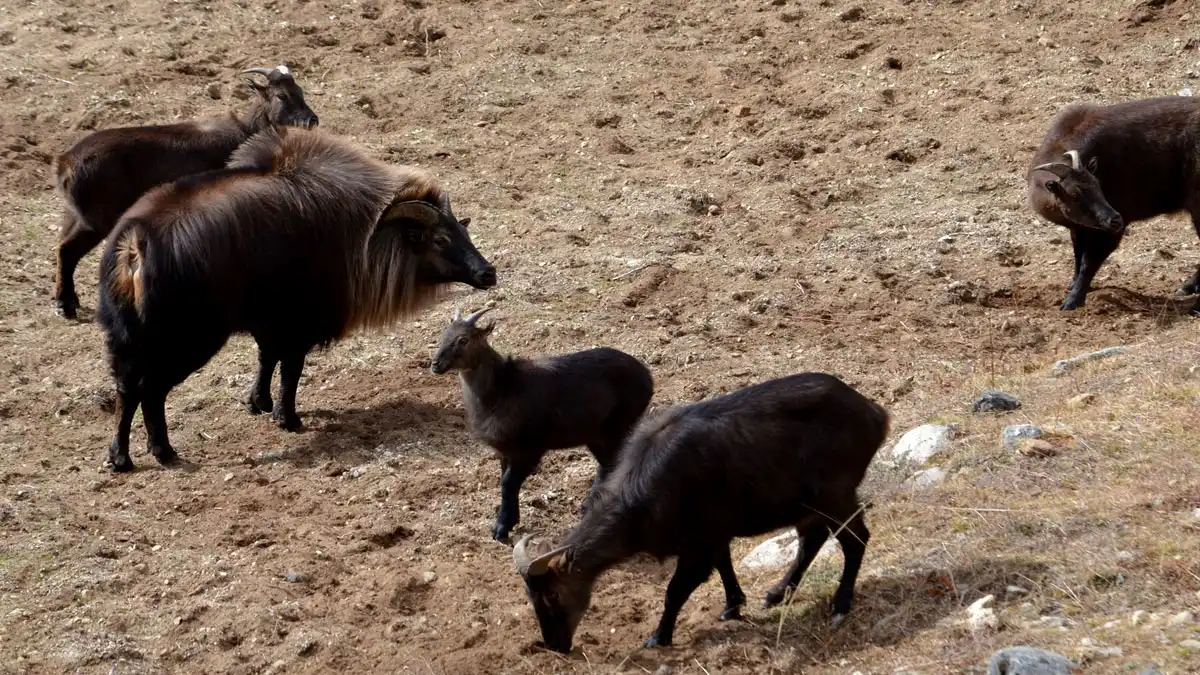
The Himalayan tahr is a sturdy, agile goat that clings to steep slopes with ease. It can survive in harsh weather and rough terrain because of its thick coat and strong hooves. It is the best at climbing high mountains.
- Habitat & Altitude: 2,500–5,000 meters, steep rocky slopes
- Rarity / Conservation Status: Near Threatened
- Key Regions: Sagarmatha National Park, Annapurna region
Musk Deer – Known for Its Rare Musk Glands
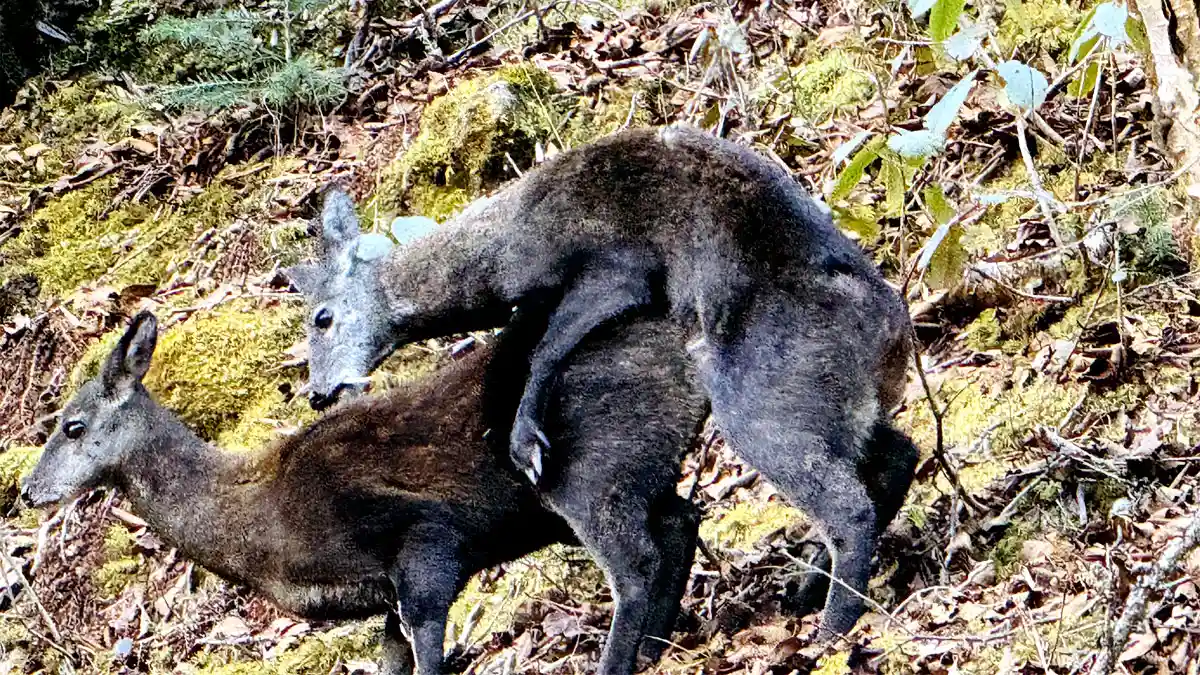
The musk deer is a shy, elusive forest animal, prized for the unique musk gland found in males. Its secretive behaviour and rarity make it one of the most fascinating rare animals of the Nepali Himalaya.
- Habitat & Altitude: 2,200–4,300 meters, forested areas
- Conservation Status: Endangered
- Unique Features: Long canine teeth in males, musk used in perfumes and medicine
Blue Sheep (Bharal)
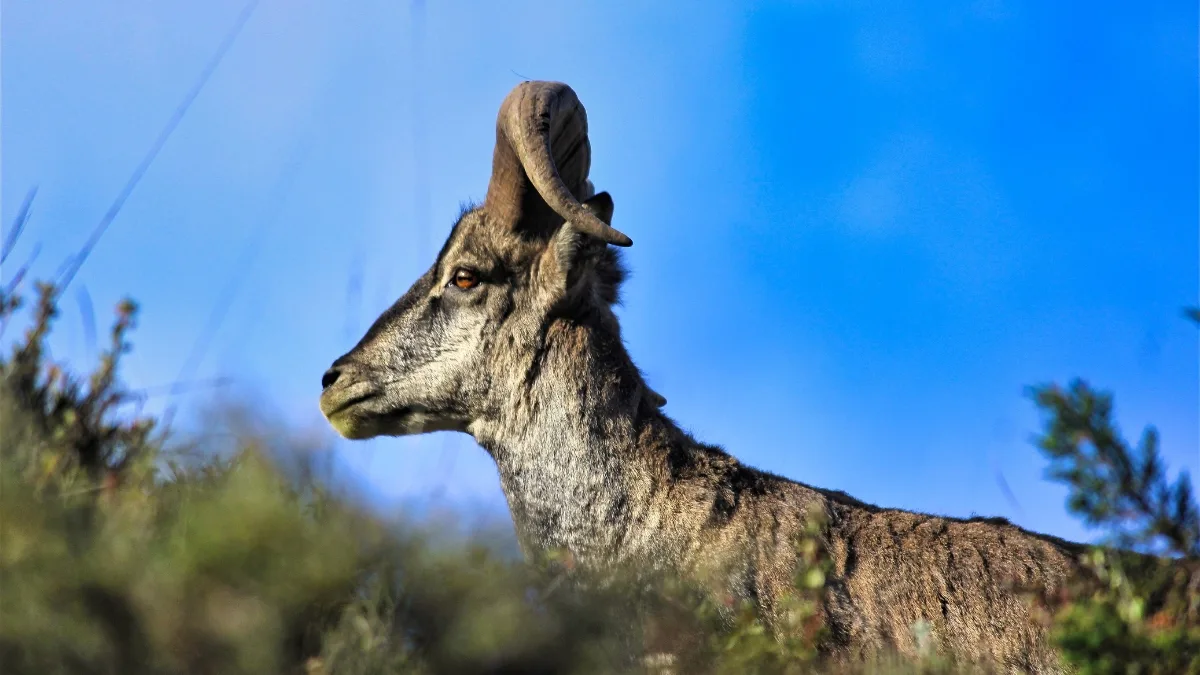
Blue sheep are vital to the Himalayan ecosystem, serving as primary prey for snow leopards. Their blue-grey coats blend perfectly with rocky slopes, making them hard to spot as they graze on alpine meadows.
- Habitat & Altitude: 3,000–5,500 meters, alpine grasslands and rocky terrain
- Role in Ecosystem: Primary prey of snow leopards
- Key Regions: Mustang, Dolpo, Manang
Himalayan Black Bear
The Himalayan black bear is a powerful and adaptable forest animal. Rarely aggressive, it plays a key role in seed dispersal and maintaining forest health. Seeing one in the wild is a memorable experience for trekkers.
- Habitat & Altitude: 1,200–4,000 meters, forests
- Conservation Status: Vulnerable
- Safety: Observe from a distance
Himalayan Monal
The Himalayan monal, Nepal’s national bird, is famous for its dazzling metallic feathers and loud calls. It brings colour and energy to the Himalayan scenery and is often seen at the borders of forests and in meadows.
- Habitat & Altitude: 2,500–4,500 meters, forests and meadows
- National Bird of Nepal: Symbol of natural beauty
- Unique Traits: Iridescent feathers, loud distinctive calls
Himalayan Marmot
Marmots are large, social rodents commonly found in alpine grasslands. They live in burrows and hibernate for up to six months, emerging in summer to sunbathe and call to each other across meadows.
- Habitat & Altitude: Above 3,500 meters, alpine grasslands
- Behavior / Hibernation: Social, hibernate for winter
Himalayan Wolf
The Himalayan wolf is one of the least understood high-altitude predators. It is quite rare and genetically different, and it helps keep herbivore populations in the mountains in balance.
- Habitat & Altitude: Above 4,000 meters, high-altitude regions
- Rarity: Extremely rare
- Key Facts: Controls herbivore populations, genetically unique
Yak
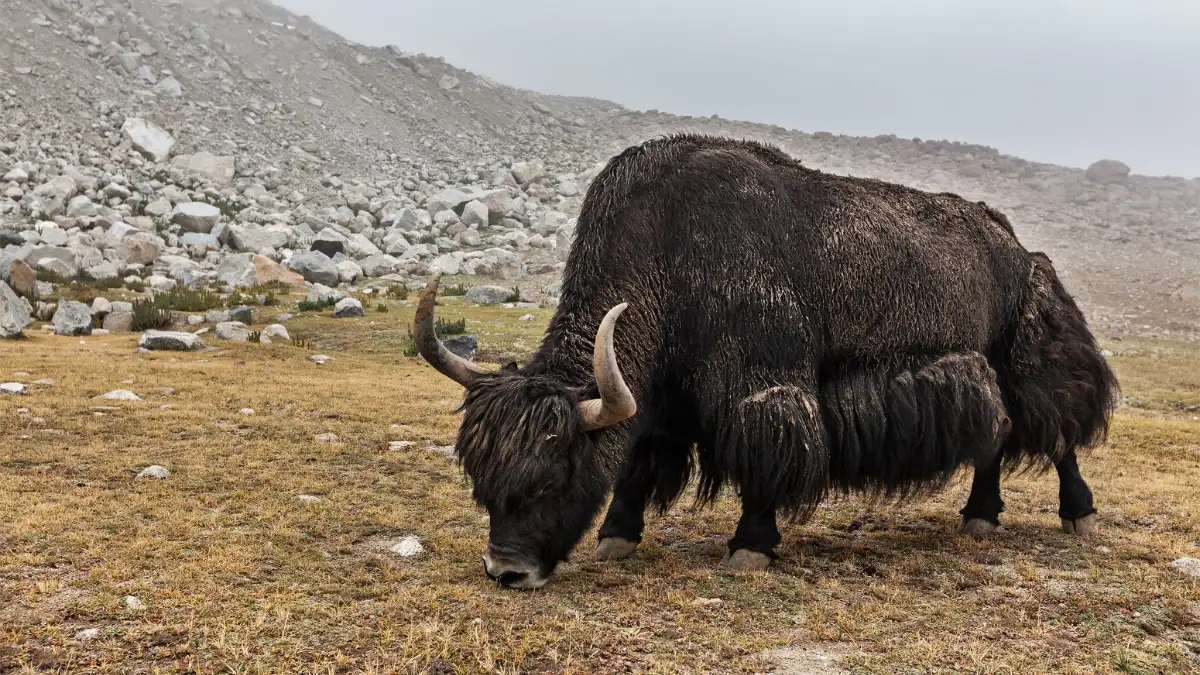
Yaks are iconic animals of the high Himalayas, essential to local communities. They provide milk, meat, wool, and transport, helping people survive in extreme conditions. For trekkers, yaks are a familiar and essential part of the alpine landscape.
- Habitat & Altitude: Above 3,000 meters, high alpine regions
- Role in Ecosystem: Supports local livelihoods, symbol of Himalayan life
See these rare Himalayan animals in their natural home, plan your adventure with Nepal Gateway Trekking
Other Exotic Animals You Might Spot
The Nepali Himalaya is home to the famous snow leopards, red pandas, and Himalayan tahr, but it also has many smaller, just as interesting animals. It's easier to see these animals when you're hiking, and they often make your trip more interesting.
The variety of animals here, from cheerful monkeys in the forests to small alpine creatures that dart between boulders, reveals how rich and lively Nepal's mountain ecosystems really are.
- Wild Boar: Found in forested mid-hills, these strong, shy animals forage for roots and fruits, usually seen during early mornings or evenings.
- Long-tailed Monkeys: These monkeys are playful and gregarious, and they often entertain trekkers with their curious behaviour as they wander in groups through lower and mid-hill woods.
- Pikas: Small, rabbit-like mammals living in rocky alpine areas above 3,500 meters, active during the day and making soft high-pitched calls that echo across meadows.
Best Regions to Spot Exotic Animals
Nepal’s national parks and trekking regions are the best places to see rare and exotic wildlife. From forests with red pandas and black bears to alpine meadows with snow leopards and blue sheep, each area offers unique opportunities for animal sightings during your trek.
Below is a table showing the national parks and regions along with the exotic animals you might spot there:
|
National Parks / Regions |
Animals You Might Spot |
|
Shey Phoksundo National Park |
Snow Leopard |
|
Annapurna Conservation Area |
Snow Leopard, Himalayan Tahr, Musk Deer, Himalayan Monal |
|
Upper Mustang |
Snow Leopard, Himalayan Wolf, Blue Sheep, Yak, Himalayan Marmot |
|
Langtang National Park |
Red Panda, Musk Deer, Himalayan Monal, Himalayan Black Bear |
|
Kanchenjunga Conservation Area |
Red Panda |
|
Sagarmatha National Park |
Himalayan Tahr |
|
Mustang |
Blue Sheep (Bharal) |
|
Dolpo |
Blue Sheep (Bharal), Himalayan Wolf, Pikas |
|
Manang |
Blue Sheep (Bharal), Himalayan Marmot, Yak, Pikas |
|
Shivapuri National Park |
Himalayan Black Bear, Long-tailed Monkeys |
|
Chitwan National Park |
Wild Boar, Long-tailed Monkeys |
|
Everest Region |
Yak |
Final Thoughts
The Exotic Animals of the Nepali Himalaya make Nepal one of the most important mountain wildlife destinations in the world. From elusive snow leopards to colourful Himalayan monals, the region offers incredible biodiversity.
Protecting these rare and endangered animals of Nepal is essential for maintaining ecological balance and preserving natural heritage. As trekkers and travellers, respecting wildlife and supporting conservation efforts helps ensure future generations can experience the same wonders.
Exploring the Himalayan wildlife of Nepal is not just about adventure, it’s about understanding, appreciating, and protecting one of Earth’s most remarkable ecosystems.
Want a personalized Himalayan wildlife trek plan? Contact Nepal Gateway Trekking today and get expert guidance for your adventure!
FAQs
How rare is it to see a snow leopard?
Snow leopards are extremely rare and elusive. Sightings are uncommon, even in their natural habitats, as they prefer remote, high-altitude cliffs and rocky slopes.
Which animals are easiest to spot?
Animals like yaks, Himalayan marmots, long-tailed monkeys, and wild boars are easier to see during treks. They are more active and inhabit areas closer to trekking routes.
Where are the best regions for exotic animals?
National parks and conservation areas like Shey Phoksundo, Annapurna, Langtang, and Kanchenjunga are ideal. Alpine meadows, forests, and high hills in these regions host most of the rare Himalayan wildlife.
Are Himalayan wolves dangerous?
Himalayan wolves are extremely rare and generally avoid humans. They are not aggressive unless threatened, so encounters are very uncommon.
Can red pandas be seen year-round?
Red pandas can be seen throughout the year, but they are more active during early mornings and late evenings in the forested mid-hills.
What rare animals are found in the Himalayan region of Nepal?
Rare animals include snow leopards, red pandas, Himalayan tahr, musk deer, Himalayan wolves, and blue sheep. Many of these species are endangered or vulnerable.
What are some examples of exotic animals?
Exotic animals of Nepal include snow leopards, red pandas, Himalayan monal, Himalayan tahr, musk deer, yaks, and Himalayan marmots.
What is the unique animal in Nepal?
The Himalayan monal, Nepal's national bird, has bright, iridescent feathers and can only be found in the forests of the Himalayas.
Which animal is commonly found in the Himalayan region?
Yaks, Himalayan marmots, and long-tailed monkeys are among the more commonly seen animals in their respective alpine and forest habitats.