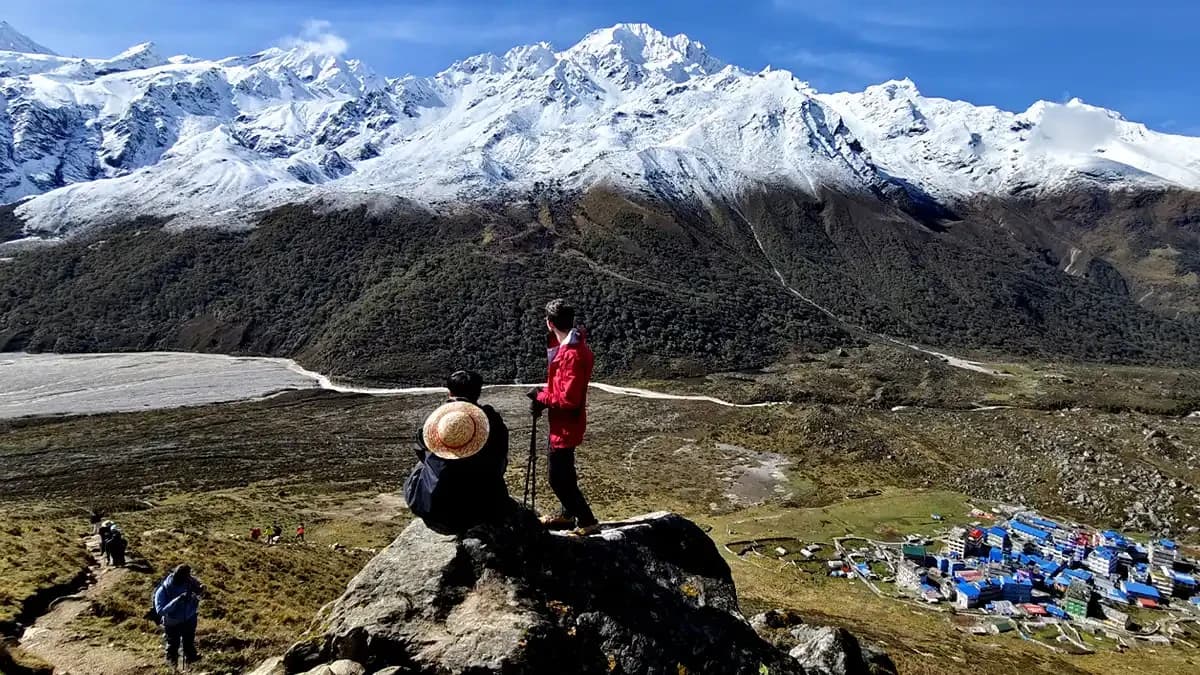
Langtang National Park is one of Nepal’s amazing Himalayan spots. It’s just north of Kathmandu and has quiet forests, tall mountain peaks, peaceful villages, and a strong local culture. It started in 1976 AD, making it Nepal’s first Himalayan national park. It was made to protect rare plants, wildlife, and the traditions of the Tamang and Sherpa communities.
The park covers 1,710 square kilometers (660 sq miles) and goes from warm subtropical forests to icy alpine areas. It includes famous places like Langtang Valley, Gosaikunda Lake, and Helambu, making it one of the most popular trekking spots in Nepal.
Walking through Langtang feels like stepping into a storybook; every corner shows a new mountain, a friendly village, or a colorful forest to explore.
History of Langtang National Park
The history of Langtang is rooted in nature, culture, and spirituality.
For hundreds of years, the Tamang and Sherpa communities have lived here. They farm, herd yaks, practice Buddhism, and pass down traditions connected to the mountains. Sacred sites like Gosaikunda Lake attract pilgrims from all over Nepal during special festivals.
In 1976, the Nepal government made Langtang a national park to protect its wildlife and ecosystems. By the 1980s, international trekkers started visiting it.
The 2015 earthquake badly damaged some villages, especially Langtang Village. But with help and strong community spirit, the area was rebuilt, and trekking routes are now safe.
Today, Langtang shows resilience, natural beauty, and cultural pride. Solo trekking for foreigners are not allowed in the Langtang area.
If you are planning to trek Langtang, you must know if the guides are compulsory or not.
Area and Location
Langtang National Park is in the Rasuwa District of central Nepal and touches the border of Tibet, China.
Quick Location Facts
- Distance from Kathmandu: 51 km north
- Area: 1,710 sq km
- Regions Included: Langtang Valley, Gosaikunda, Helambu
- Elevation: 1,500 m to over 7,000 m
Because the height changes so fast, you’ll see different landscapes, from green forests to snowy mountains, all in one trip.
Geography and Terrain of Langtang National Park
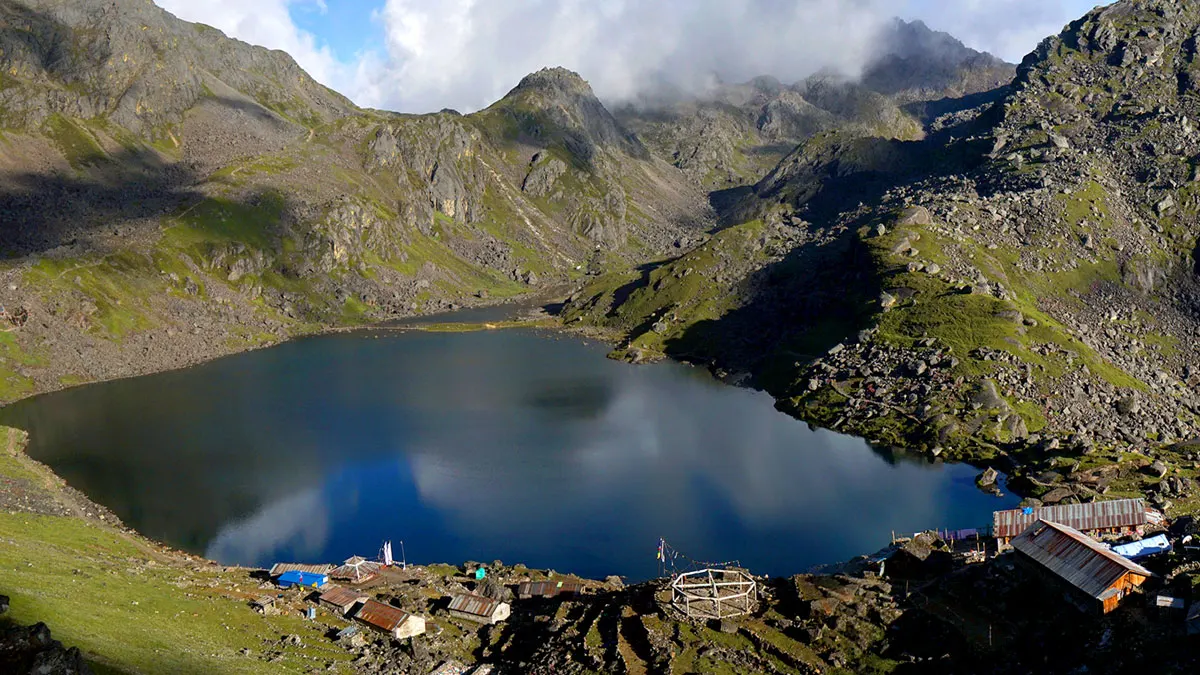
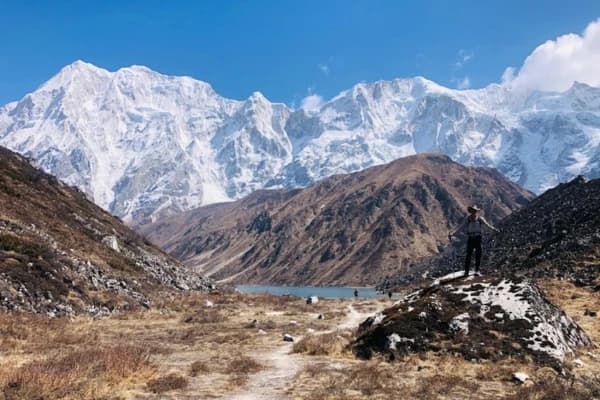
Langtang National Park has a fantastic mix of landscapes that change as you go along the trail. One moment you walk through thick green forests, and the next you’re in peaceful meadows, tall cliffs, or huge glaciers. The scenery changes so nicely that it feels like watching different scenes in a movie.
Landscapes You’ll See
As you explore the park, you’ll see different types of environments:
- Subtropical forests with oak, bamboo, and pink
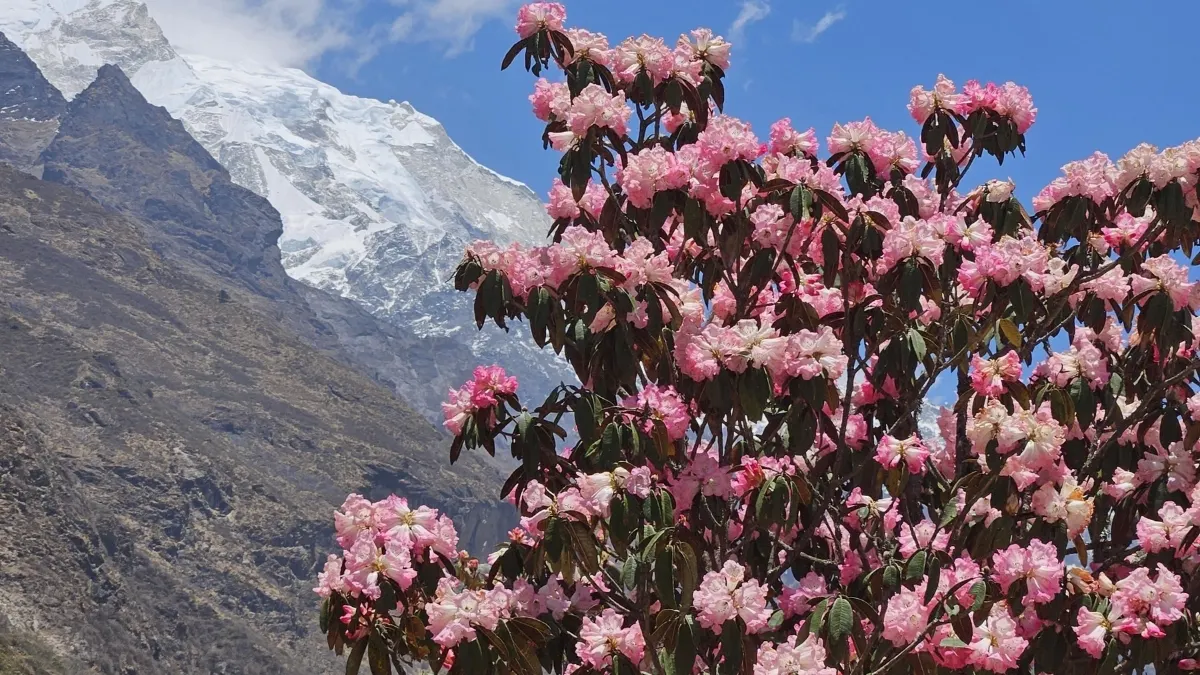
- Hills full of rhododendrons that bloom in spring
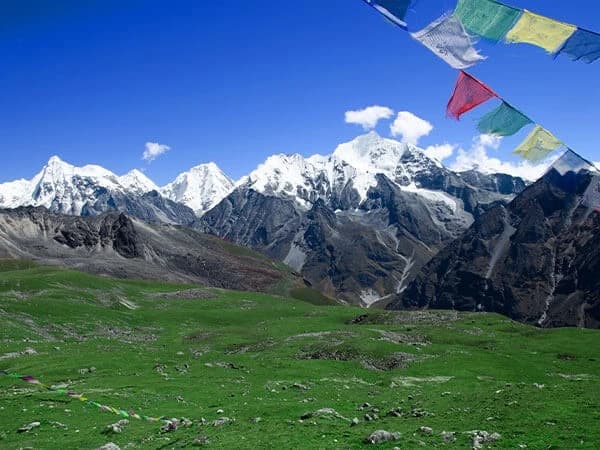
- Wide alpine meadows with wildflowers
- Snowy peaks like the tall Langtang Lirung
- Huge glaciers in the high valleys
- Sacred lakes with cultural and spiritual meaning
- Deep valleys and gorges made by old glaciers
This mix of landscapes is what makes Langtang one of Nepal’s most beautiful and diverse areas, offering something amazing at every turn. Its beauty and calmness is the top reason to choose Langtang trek over any crowded treks.

Biodiversity and Ecosystem of Langtang National Park
Langtang National Park has some of Nepal’s richest wildlife. Dense forests, flower meadows, and rocky cliffs make perfect homes for rare plants and animals. Walking here feels like being in a living nature museum.
Flora
The plants in Langtang change with height, giving a colorful mix. You’ll see:
- Rhododendron forests that turn the hills pink and red in spring
- Oak and pine woodlands in lower areas
- Thick bamboo forests where red pandas live
- High-altitude flowers like blue poppy and edelweiss in alpine zones
These plants make the journey more beautiful and interesting.
Fauna
Langtang is also home to many rare and endangered animals. Some you might see include:
- Red panda
- Snow leopard
- Himalayan tahr
- Blue sheep
- Musk deer
- Himalayan black bear
The park also has lots of birds, like:
- Eagles
- Pheasants
- Himalayan vultures
Seeing wildlife in Langtang feels magical, like finding nature’s hidden secrets in the mountains. You can also use Langtang trek map for more sight seeing without missing the spot.
Indigenous Communities of Langtang
Langtang is not just about nature; it’s rich in culture too. Two main communities live here, each with centuries of traditions and beliefs that make the trek extra special.
Tamang Community
The Tamang people are one of the biggest groups in Langtang. Their culture is influenced by Tibetan Buddhism, seen in their daily life and festivals. In Tamang villages, you’ll notice:
- Strong Tibetan Buddhist traditions
- Traditional music, colorful clothes, and lively festivals
- Warm and friendly people
- Their way of life adds color and meaning to the trek.
Sherpa Community
Sherpas are famous for climbing, but their culture is more than that. In Langtang, Sherpa villages feel peaceful and spiritual. They are known for:
- Being skilled mountain people
- Deep spiritual ties to monasteries, mountains, and sacred sites
- Living simply in harmony with nature
- Visiting these communities gives travelers an honest look at Himalayan life, where tradition and nature mix beautifully.
You might like: Lantang Valley Trekking Guide
How to Reach Langtang National Park?
Getting to Langtang National Park is easy, and you can choose what fits your style, comfort, and budget.
By Road (Most Popular Option)
The easiest way is to drive from Kathmandu to Syabrubesi, the main starting point.
- Public Bus: 6–7 hours
- Private Jeep: 5–6 hours, faster and more comfortable
This is the route most trekkers use to reach Langtang Valley.
By Trek
If you want to enjoy nature and culture closely, trekking routes from Syabrubesi lead to:
- Langtang Valley
- Gosaikunda
- Helambu
Trekking lets you enjoy the scenery, villages, and mountains at your own pace.
By Air or Helicopter
If you want to save time or see the view from above:
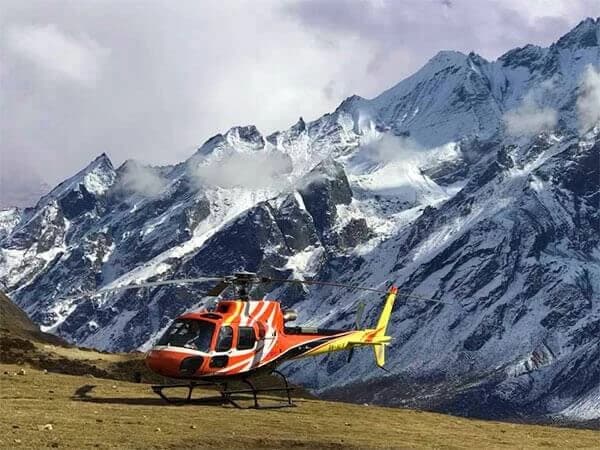
- Helicopter flights from Kathmandu to Kyanjin Gompa are the fastest but most expensive
Sometimes you can fly to Ramechhap and continue by jeep, depending on your route. The Langtang helicopter day tour is also available for trekkers with limited time.
Best Time to Visit Langtang National Park
Langtang National Park is a year-round destination, but the experience changes with the seasons. Choosing the right time to visit can make your trek safer, more comfortable, and visually stunning.
Autumn (September–November): This is the best time to visit. Clear skies offer breathtaking mountain views, the weather is stable, and you can enjoy local festivals along the way.
Spring (March–May): Trails burst with colorful rhododendrons and alpine flowers. Mild temperatures and lively scenery make trekking enjoyable and perfect for photography.
Winter (December–February): Snow blankets the peaks and valleys, creating beautiful landscapes. However, cold temperatures and slippery trails make trekking more challenging.
Monsoon (June–August): Heavy rains can make trails wet, muddy, and risky. Visibility is often poor, so this season is generally not recommended.
Tip: For the safest and most rewarding experience, plan your visit during autumn or spring.
Things To Do in Langtang National Park
Langtang National Park is a paradise for adventurers, nature lovers, and culture seekers. From trekking scenic valleys to exploring traditional villages, every corner offers something unforgettable.
- Trek through Langtang Valley and enjoy stunning mountain scenery.
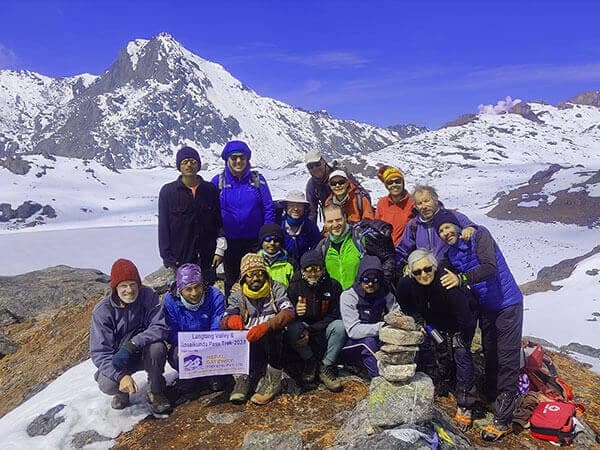
- Visit the sacred Gosaikunda Lake surrounded by snow-capped peaks.
- Explore Tamang villages and experience local culture.
- Spot rare wildlife like red pandas, Himalayan tahr, and musk deer.
- Discover monasteries like Kyanjin Gompa and soak in spiritual vibes.
- Hike to viewpoints like Tsergo Ri for panoramic Himalayan views.
Best Treks in Langtang National Park Area
Langtang National Park is a trekker’s paradise, offering stunning mountains, lush valleys, and a chance to experience traditional Himalayan villages. Whether you’re seeking adventure, culture, or scenic beauty, these treks are the perfect way to explore the region:
- Langtang Valley Trek: Explore the valley, enjoy breathtaking mountain views, and experience traditional village life
- Gosaikunda Lake Trek: Visit the sacred alpine lake set amidst snow-capped peaks.
- Helambu Trek: A gentle trek through scenic villages rich in culture.
- Tamang Heritage Trail: Discover the traditions and lifestyle of the Tamang community.
- Langtang + Gosaikunda Combo: Experience both valleys and lakes for a complete Himalayan adventure.
- Tsergo Ri Climb: Short but rewarding trek to a spectacular viewpoint with panoramic views.
Villages & Accommodations Inside Langtang National Park
Langtang National Park is dotted with charming villages where trekkers can rest, explore local culture, and enjoy the warmth of Himalayan hospitality.
Popular Villages
- Syabrubesi – The main gateway to the park.
- Dhunche – A scenic town with local markets and culture.
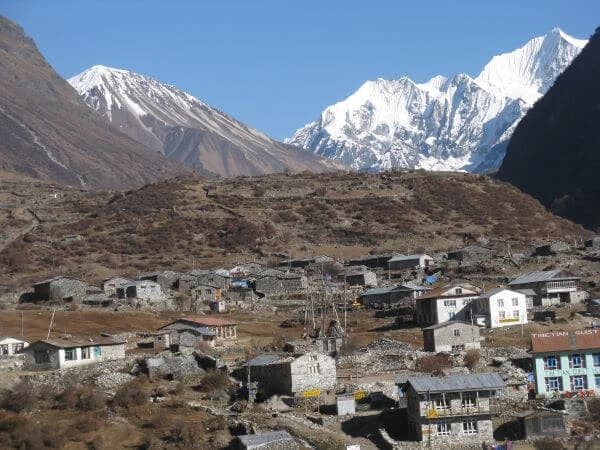
- Langtang Village – A traditional village surrounded by mountains.
- Kyanjin Gompa – Famous for its monastery and stunning views.
- Briddim – Small village offering peaceful rest stops.
- Gosaikunda – High-altitude village near the sacred lake.
Accommodation Options
- Tea houses – Cozy stays with warm meals and basic rooms.
- Lodges – Comfortable places to rest during treks.
- Homestays – Experience local life and hospitality firsthand.
These villages and accommodations offer simple comfort, hearty meals, and opportunities to connect with friendly locals along your journey.
Final Thoughts
Langtang National Park is a Himalayan gem with incredible landscapes, rich culture, wildlife, and unforgettable adventures. Whether trekking to Kyanjin Gompa, visiting Gosaikunda Lake, or exploring Tamang villages, the experiences will stay with you.
With help from Nepal Gateway Trekking, you can plan a safe and memorable trip here.
Plan Your Langtang Adventure Today! Contact Nepal Gateway Trekking to explore Langtang National Park safely and enjoyably.
FAQs About Langtang National Park
Where is Langtang National Park located?
Langtang National Park is in Rasuwa District, about 51 km north of Kathmandu, bordering Tibet. It includes Langtang Valley, Gosaikunda, and Helambu, making it one of the most accessible Himalayan parks from the capital.
How far is Langtang National Park from Kathmandu?
The park is 6–7 hours by road to Syabrubesi, the main entry point. While the distance isn’t long, winding mountain roads slow the journey but offer scenic views of rivers, hills, and forests along the way.
How do I reach Langtang National Park?
You can reach the park via:
- Road: Bus or jeep from Kathmandu (most budget-friendly).
- Trekking routes: Start from Syabrubesi for an immersive experience.
- Helicopter: Direct flight to Kyanjin Gompa for a fast but expensive option.
How difficult is the Langtang Valley Trek?
It is a moderate trek, suitable for anyone with basic fitness. No technical climbing is needed, but proper acclimatization is important as Kyanjin Gompa sits at 3,870 m.
What is the area of Langtang National Park?
The park covers 1,710 sq km, ranging from subtropical forests at 1,500 m to icy peaks above 7,000 m, making it an ecological hotspot with diverse flora and fauna.
What villages can I visit inside Langtang National Park?
Popular villages include Syabrubesi, Dhunche, Briddim, Langtang Village, Kyanjin Gompa, and Gosaikunda. Visitors can enjoy tea houses, homestays, and local culture along the trails.
Do I need permits to visit Langtang National Park?
Yes, you need:
- Langtang National Park Entry Permit
- TIMS Card (Trekking Information Management System)
- These permits help protect the environment and ensure trekking safety.
Is Langtang suitable for beginners?
Yes. Langtang Valley Trek is beginner-friendly with well-marked trails, available tea houses, and experienced guides, making it safe and enjoyable.