The Everest Three Passes Trek challenges trekkers with three high-altitude passes above 5,000m, requiring proper preparation and safety measures.
Look, the Everest Three Passes Trek is absolutely incredible. But it's also not something you just wing. All three passes sit above 5,000 meters, so you're basically asking your body to function on half the oxygen it's used to. That's a big ask.
This trek crosses Kongma La, Cho La, and Renjo La – three high-altitude passes that'll test you physically and mentally. But honestly? With the right preparation and safety precautions for high altitude trekking with Nepal Gateway Trekking, you can do this safely and actually enjoy it instead of just surviving it.
Understanding Altitude Sickness on the Everest Three Passes Trek
Here's the thing nobody likes to talk about: altitude sickness doesn't care how fit you are. I've seen marathon runners struggle at 4,000 meters while someone's grandmother breezes through. It's just how your body responds to thin air.
The main types you need to know about:
- Acute Mountain Sickness (AMS) is the most common one. You'll feel like you have a bad hangover headache, nausea, dizziness, and trouble sleeping. It's uncomfortable but manageable if you catch it early.
- High Altitude Pulmonary Edema (HAPE) is when fluid builds up in your lungs. This one's serious. You'll have trouble breathing, a persistent cough, maybe even pink or frothy sputum. If this happens, you need to descend immediately.
- High Altitude Cerebral Edema (HACE) is when your brain starts swelling. Confusion, loss of coordination, and severe headaches that won't respond to painkillers. This is a medical emergency, plain and simple.
Altitude sickness prevention, Everest trek
The golden rule? Climb high, sleep low. Your body acclimatizes better when you sleep at a lower elevation than your highest point of the day.
Don't rush this trek. Those built-in acclimatization days in Namche Bazaar and Dingboche aren't optional; they're essential. Your itinerary should never have you gaining more than 300-500 meters in sleeping altitude per day once you're above 3,000 meters.
Stay hydrated. Like, really hydrated. You should be drinking 4-5 liters of water daily at altitude. Yeah, you'll pee constantly. That's actually a good sign.
Some people use Diamox (acetazolamide) to help with acclimatization. It's not a magic bullet, but it can help your body adjust faster. Talk to your doctor before the trek. This isn't something you want to experiment with on the mountain.
Everest Three Passes Trek acclimatization tips
Your acclimatization schedule is basically your insurance policy against getting seriously sick. Here's what actually works:
Spend at least two nights in Namche Bazaar. Take a day hike up to Everest View Hotel or Khumjung. You'll climb to around 3,900 meters during the day, then sleep at 3,440 meters. That's the climb high, sleep low principle in action.
In Dingboche, do the same. Hike up to Nagarjun Hill or towards Chhukung, then return to sleep. Your body needs this pattern to produce more red blood cells and adjust to the thin air.
Listen to your body. This sounds obvious, but so many people ignore early warning signs because they don't want to slow down the group or seem weak. That's how minor altitude sickness becomes a medical emergency.
Use a pulse oximeter if you have one. It measures your blood oxygen saturation. At sea level, you're probably at 95-100%. At high altitude, 85-90% is normal. Below 80%? That's concerning and worth mentioning to your guide.
Fitness preparation for the Everest Three Passes
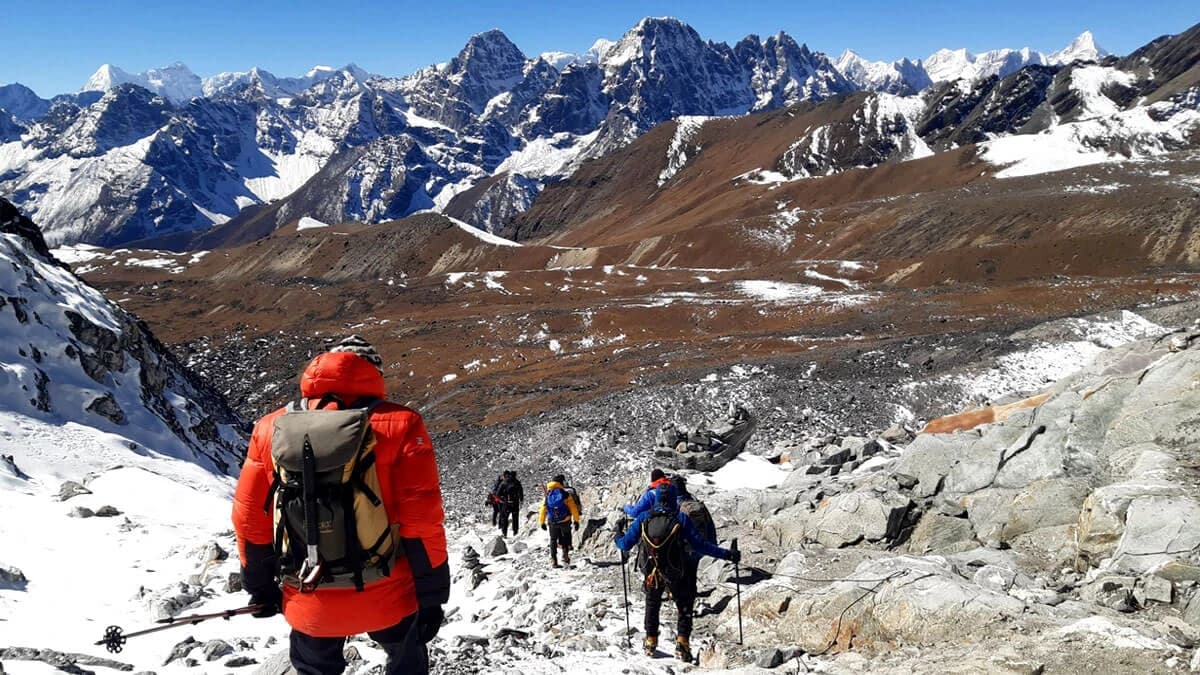
Let's be real, you can't fake your way through this trek. The physical demands are legit. You're looking at 6-10 hours of walking per day, often on steep, rocky terrain, for 18-21 days straight.
- Start training at least 2-3 months before your trek. Focus on cardio endurance first. Running, cycling, swimming, anything that gets your heart rate up for sustained periods.
- But here's what people often miss: you need to train with a loaded backpack. Even if you hire a porter (which I recommend), you'll still carry a daypack with water, snacks, extra layers, and camera gear. Practice hiking with 5-7 kg on your back.
- Stair climbing is your friend. Find a tall building or use a StairMaster. Your legs need to be comfortable with sustained uphill and downhill walking. Downhill is especially brutal on your knees, so don't skip leg strengthening exercises.
And honestly, do some longer training hikes. One 6-hour hike is worth more than ten 1-hour walks. Your body needs to know what it feels like to keep going when you're tired.
What to Pack: Essential Safety Gear?
A really good sleeping bag rated to at least -15°C. Teahouses provide blankets, but they're often not enough, especially at higher elevations.
- Proper trekking boots that you've already broken in. Blisters at 5,000 meters are miserable.
- Layered clothing system: Base layers, insulating layers, and a waterproof outer shell. The weather can swing from hot sun to freezing wind in an hour.
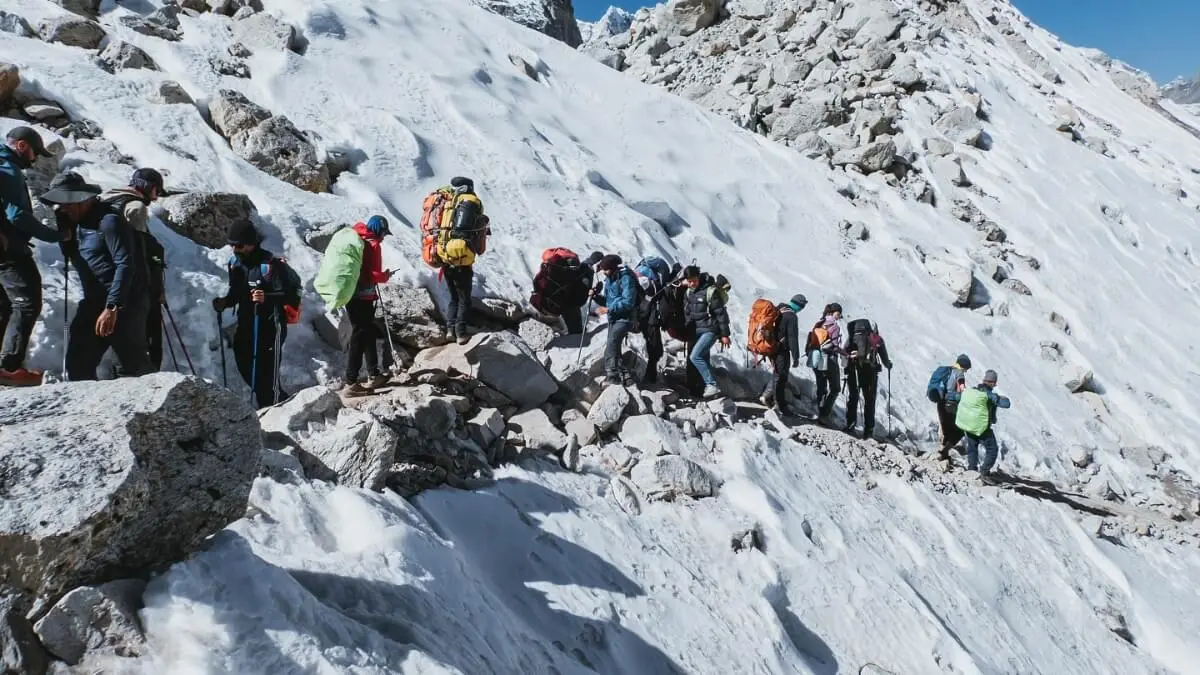
- Trekking poles: They reduce stress on your knees during descents and improve stability on uneven terrain. Plus, they're helpful when crossing the rocky sections on Cho La Pass.
- A comprehensive first aid kit: Include altitude sickness medication, painkillers, blister treatment, antibiotics for stomach issues, and any personal medications. Bring more than you think you'll need.
- Sunscreen and lip balm with high SPF: The sun at altitude is brutal. You can get sunburned even on cloudy days.
- A headlamp with extra batteries: You'll need this for early-morning starts and for navigating to the bathroom at night.
- Water purification tablets or a filter: While most teahouses provide boiled water, it's a good idea to have a backup.
Hydration and nutrition for the Everest trek
At high altitude, your body works harder for everything, including digestion. Here's how to fuel properly:
- Drink before you're thirsty. By the time you feel thirsty, you're already dehydrated. Keep sipping water throughout the day.
- Eat even when you're not hungry. Altitude suppresses appetite, but you need calories. Dal bhat (rice and lentil curry) is your best friend; it's nutritious, easy to digest, and you can get unlimited refills.
- Go easy on meat at higher elevations. It's often carried up from lower areas and may not be fresh. Vegetarian options are safer and easier to digest.
- Avoid alcohol for at least the first 48 hours at each new altitude level. Alcohol dehydrates you and can interfere with acclimatization.
- Carbs are your friend here. Your body needs quick energy. Rice, potatoes, pasta, bread – eat them all.
- High altitude medical tips: bring electrolyte packets or tablets. You're losing more than just water through sweat and rapid breathing.
Trekking insurance for the Everest Three Passes
This is non-negotiable. Standard travel insurance won't cut it.
You need a policy that specifically covers trekking above 5,000 meters. Many regular policies cap out at 3,000-4,500 meters. The Everest Three Passes Trek reaches 5,535 meters at Kongma La.
Make sure your policy includes helicopter evacuation. If something goes seriously wrong, a helicopter rescue from high altitude can cost $5,000-15,000. You don't want to be scrambling to pay for that while you're sick or injured.
- Check that the policy covers altitude-related illnesses specifically. Some policies exclude altitude sickness, which defeats the whole purpose.
- Read the fine print on medical coverage limits. You want at least $100,000 in medical coverage, preferably more.
- Get your insurance as soon as you book the trek, not right before you leave. Some policies have time-sensitive benefits or exclusions.
Popular options include World Nomads (make sure you get the Explorer plan for coverage above 6,000 meters), Global Rescue, and specialized trekking insurance providers. Yes, it's expensive – sometimes as much as the trek itself – but it's worth every penny if you need it.
Safety precautions for high altitude trekking
Hire a guide. Seriously. Even if you're an experienced trekker, having someone who knows the route, speaks the language, and can recognize altitude sickness symptoms is invaluable. Plus, they know which teahouses are best and can help navigate when the weather gets sketchy.
- Start your days early. The weather in the Himalayas is most stable in the morning. Aim to cross passes before noon when possible.
- Always tell someone your plans. If you're trekking independently, check in regularly with family or friends back home. Share your itinerary with your teahouse hosts.
- Carry emergency contact information. Have your insurance details, embassy contact, and emergency numbers written down and stored somewhere accessible.
- Know when to turn back. This is the hardest one. Sometimes the weather closes in, sometimes your body just isn't adjusting. There's no shame in descending and trying another day again. The mountains will still be there.
- Watch the weather. Conditions can change fast. If your guide says it's not safe to cross a pass that day, listen to them.
Common Health Issues and How to Handle Them
Beyond altitude sickness, here are other issues you might face:
- Stomach problems are super common. The food is different, hygiene standards vary, and your digestive system is stressed from the altitude. Bring Imodium for diarrhea and antibiotics for more serious infections. Wash your hands obsessively.
- Dehydration sneaks up on you. Dark urine is the easiest indicator. If you're not peeing frequently and your urine is dark yellow, you need more water.
- Blisters can ruin your trek. Tape up hot spots before they become blisters. Bring Compeed or similar blister treatment.
- Hypothermia and frostbite are real risks, especially on the passes. Keep your extremities covered. If your fingers or toes go numb and white, that's frostbite starting. Get inside and warm up immediately.
- Respiratory infections are common in dusty, cold conditions. Bring a buff or face mask for dusty sections. If you develop a persistent cough with fever, see a doctor.
Mental Preparation
Nobody talks about this enough, but the Everest Three Passes Trek is mentally challenging.
- You'll have days where you're cold, tired, and questioning why you thought this was a good idea. That's normal. Long trekking days at altitude are exhausting, both physically and mentally.
- Break the trek into smaller chunks in your mind. Don't think about the whole 18-21 days. Just focus on getting to the next teahouse, the next rest stop, the next village.
- Have a mantra or technique for tough moments. Some people count steps, some focus on their breathing, and some think about why they wanted to do this trek in the first place.
Remember that it's okay to have a bad day. One rough day doesn't mean you can't complete the trek. Rest, refuel, and try again tomorrow.
Emergency Procedures You Should Know
If you or someone in your group shows severe altitude sickness symptoms:
- Descend immediately. This is the only reliable treatment. Even 300-500 meters down can make a huge difference.
- Keep the person warm and hydrated. Don't let them sleep until symptoms improve – severe altitude sickness can get worse during sleep.
- Contact your insurance company and arrange evacuation if symptoms don't improve with descent.
- Know where the nearest medical facilities are. Your guide should know this, but it's good to be aware. There's a clinic in Pheriche that's staffed during peak season.
If a helicopter evacuation is needed, the pilot will need a clear landing zone and good weather. This isn't always immediately possible, so an initial descent on foot might be necessary.
Final Thoughts
The Everest Three Passes Trek is one of the most rewarding adventures you can do. The views are insane, the sense of accomplishment is huge, and you'll push yourself in ways you probably haven't before.
But it requires respect. Respect for the altitude, respect for your body's limits, and respect for the preparation it demands. Those Everest Three Passes Trek safety tips aren't just suggestions – they're the difference between a successful trek and a dangerous situation.
Take your time with acclimatization. Get proper insurance. Train your body. Pack the right gear. And most importantly, listen to yourself and your guide when something doesn't feel right.
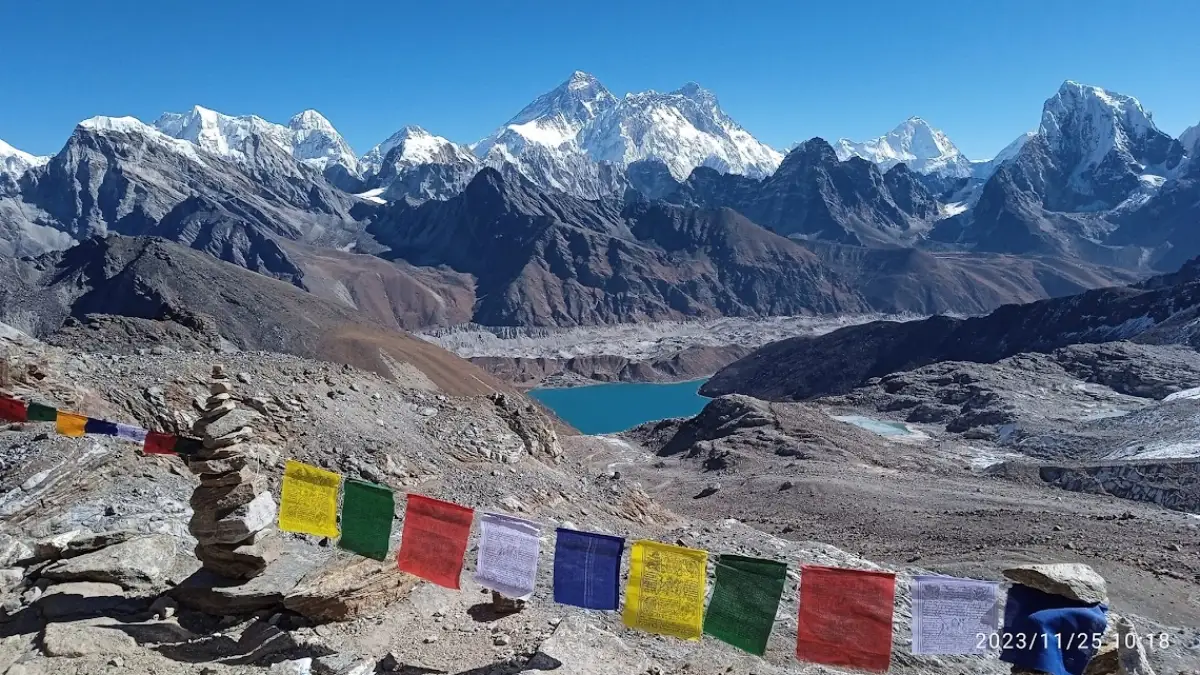
The passes will test you. There'll be moments of doubt. But when you're standing on top of Renjo La or Kongma La, looking out at Everest, Lhotse, Makalu, and the entire Himalayan range, you'll understand why people keep coming back to these mountains.
Ready to take on the Everest Three Passes Trek? Let Nepal Gateway Trekking handle safety, logistics, and expert guidance.
Start Planning Your Everest Three Passes Adventure.
FAQs
How hard is the Everest Three Passes Trek really?
It's tough, not gonna lie. You're trekking 6-10 hours daily for nearly three weeks, crossing three passes above 5,000 meters. But you don't need to be superhuman – just reasonably fit with good cardio and mental toughness.
What are the chances of getting altitude sickness on this trek?
Pretty high, actually. Most people get at least mild symptoms like headaches or trouble sleeping at some point. Serious cases are rare if you acclimatize properly, but it can happen to anyone regardless of fitness level.
Do I really need trekking insurance that covers helicopter evacuation?
Absolutely yes. Helicopter rescue from high altitude costs $5,000-15,000 out of pocket, and regular travel insurance won't cover trekking above 5,000 meters. It's expensive but essential – you'll be grateful if you need it.
How much water should I drink each day?
Aim for 4-5 liters daily at altitude. Yeah, it sounds like a lot, but you're losing water fast through breathing and sweating. If your pee is dark yellow, drink more – light yellow or clear means you're doing it right.
Can I do this trek without a guide?
Technically yes, but I wouldn't recommend it. A good guide recognizes altitude sickness symptoms, knows when it's safe to continue, and handles route-finding when the weather gets sketchy. The safety and peace of mind are worth the extra cost.
What's the best time of year for this trek?
Spring (March-May) and autumn (September-November) are best. October and November are probably the most popular – stable weather, clear skies, great visibility. Avoid monsoon season (June-August) unless you like rain, leeches, and cloudy views.
How do I know if I'm acclimatizing properly?
Some mild headache at day's end is normal. But worsening headaches, nausea, extreme fatigue, or trouble breathing while resting means something's wrong. You should feel better after rest days, not worse – if symptoms worsen despite rest, descend immediately.
What happens if I need to turn back halfway through?
Nothing bad except some disappointment. Your guide or insurance can arrange transport back to Lukla, and some people recover at lower altitude and rejoin later. Turning back is smart, not shameful – the mountains will still be there next time.