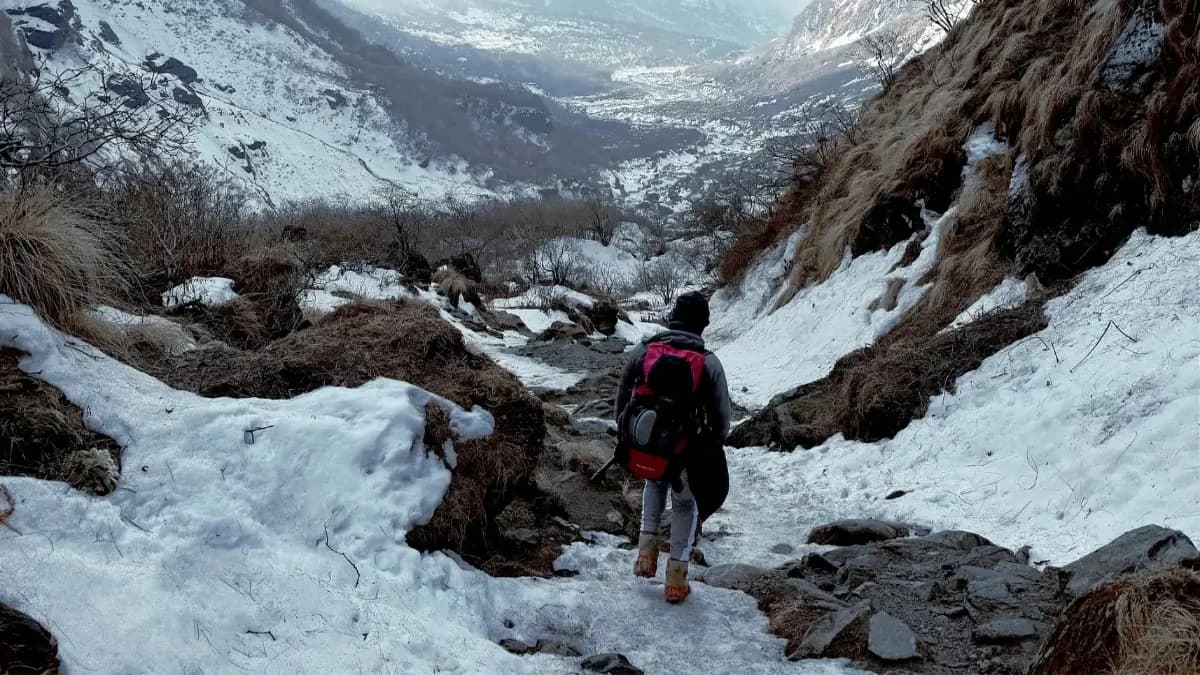
Spring vs Autumn Trekking in Nepal is basically a big debate for anyone planning a trip because both times have their own vibe, weather, and trail conditions. Spring trekking in Nepal, which is from March to May, is usually warmer, and you get to see all the rhododendron forests blooming like crazy.
But then you have autumn trekking in Nepal from September to November, and that's when everyone goes for those super clear skies and perfect mountain views. Which one you pick really changes things, like how much you can see, how crowded the trails are, and even how much you'll end up spending.
Honestly, picking the best season for trekking in Nepal isn't as simple as just circling a month on a calendar. Both spring trekking in Nepal and autumn trekking in Nepal have this devoted following, and people can get surprisingly passionate defending their favorite time to hit the trails.
Here's the thing, though. The season you pick basically shapes everything about your trek, how crisp those mountain views are, how many trekkers you'll bump into at teahouses, whether you're walking through blooming rhododendrons or clear post-monsoon skies, and yeah, even how much you'll pay for that mountain flight to Lukla.
So if you're trying to figure out the best time to trek in Nepal, this Nepal trekking season comparison should help you actually make a decision instead of just staring at weather charts.
Spring Trekking in Nepal (March to May)
Spring in Nepal runs between March and May, and it's basically nature's comeback tour after winter. Everything starts waking up, and the transformation is pretty dramatic.
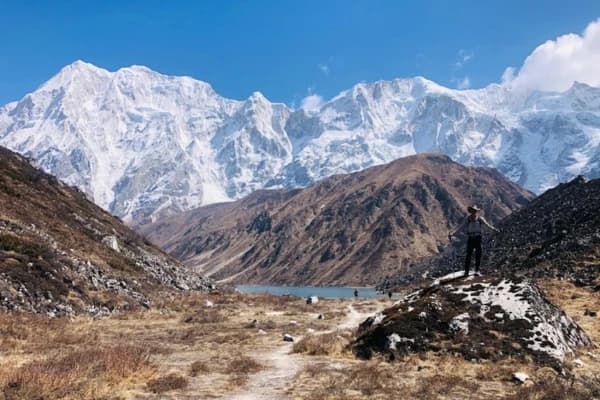
The landscapes slowly wash away the winter cold as the land awakens to warmth and vibrant life. Snowmelt fills rivers like the Trishuli and lakes like Phewa, forests and terraces resume their fresh green hues, and mountain tops like Annapurna and Everest become visible through largely clear skies. There's this rejuvenating, life-giving energy everywhere you look.
The hilly and wooded areas start glittering with pink and red rhododendrons and green leaves. You'll hear birdsong, buzzing insects, and gentle breezes in the valleys. The air is lighter, fresher, and full of energy; it just reminds you of the revival of nature and human life after winter is over.
Wildlife gets more active, too. Butterflies come back to life, Himalayan monal pheasants show up to breed, and mammals like langurs come back after spending winter inactive. Snow leopards reenter hunting grounds at higher altitudes where the slopes have thawed, and there's the activity of migratory birds along the valleys.
The weather in spring is ideal for trekking. Lowland areas like the Kathmandu Valley usually stay around 15–25°C during the day and drop to 5–15°C at night, and while higher-altitude regions are cooler but comfortable, it’s honestly not bad at all. Rainfall is low, usually under 100mm per month, and humidity sits around 60–80%.
You might wake up to some fog in the valleys, but skies usually clear to sunny afternoons, giving 8–10 hours of sunshine, perfect for trekking, photography, and outdoor activities.
The combination of blooming forests, active wildlife, clear mountain views, and pleasant weather makes spring the perfect season for exploring Nepal’s trails, enjoying nature, and having an unforgettable adventure.
Highlights of Spring Trekking
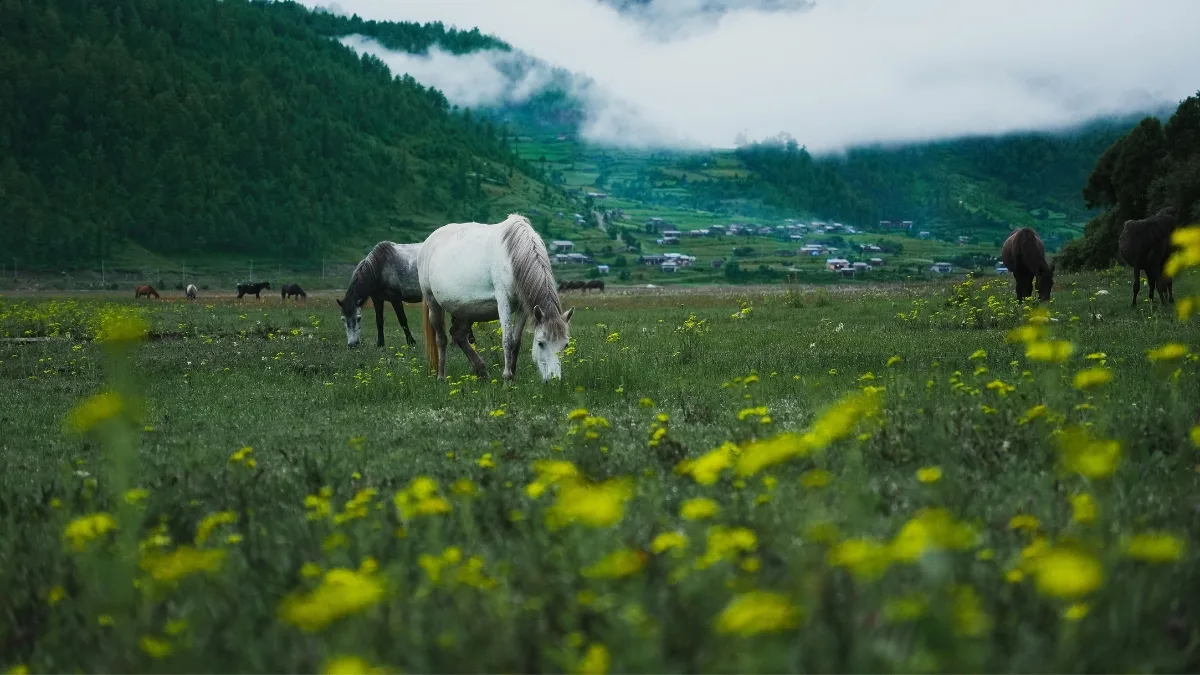
- Blooming Forests and Valleys: Rhododendron forests rule the middle trails, and it's a kaleidoscope of reds, pinks, and whites. The terraced farmlands and meadows provide lush greenery. This landscape is perfect for photographs, rest stops, and morning hikes.
- Panoramic Mountain Views: Mountains in the Everest, Annapurna, and Langtang regions are clear at long distances. Locations where the sun is setting or rising, like Poon Hill and Ghorepani, are incredible for getting wide-angle shots.
- Wildlife on the Trail: Spring awakens the activity of Himalayan monals, langurs, yaks, and other animals of the medium and high altitudes, so you actually have a pretty good chance of spotting something cool while you walk. Colorful migratory species are common in forested walks, which makes it great for birdwatchers and trekkers who appreciate wildlife and want to see more than just rocks and snow.
- Cultural Immersion Along Routes: Trekkers get to observe some distinctive practices, masked dances, and village feasts along the trail. Holi happens in March, and the Tiji Festival in Upper Mustang takes place in May, giving you a chance to experience local culture firsthand, which is honestly a pretty cool way to see how people there actually live.
Popular Treks in Spring
Spring is one of the best seasons for trekking in Nepal, honestly. You get blooming rhododendrons, pleasant weather, and trails that feel alive with energy. Here are some of the most popular treks to enjoy during this season:
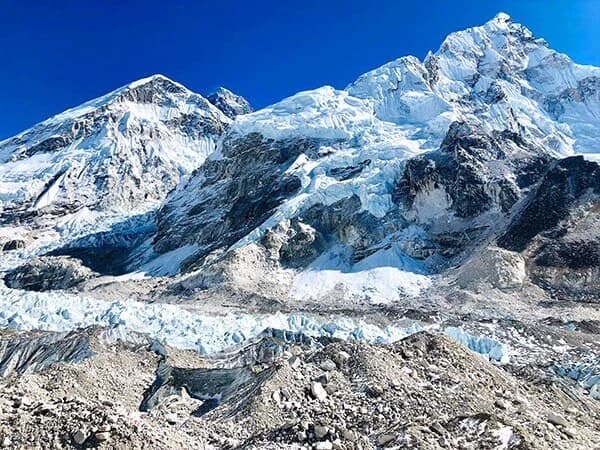
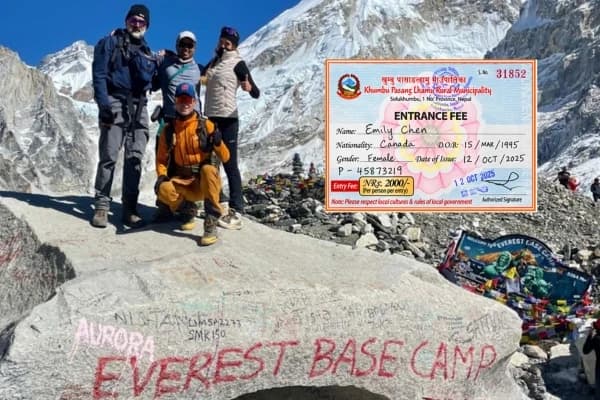
- Everest Base Camp Trek – Famous for mountain views and rhododendron blooms in the lower sections. Fewer crowds than in autumn make the trek way more enjoyable. Plus, you get that expedition season atmosphere at base camp.
- Annapurna Circuit Trek – Green valleys, flowering forests, and mostly snow-free passes by April. It's ideal for experiencing diverse landscapes and local culture without the October rush.
- Annapurna Base Camp (ABC) Trek – Blooming forests inthe lower sections, warmer days, and peaceful trails with fewer trekkers. The sanctuary feels more intimate when it's not packed.
- Langtang Valley Trek – Rhododendrons and wildflowers line the trails, with beautiful valley views and local Tamang culture everywhere. It’s close to Kathmandu, too, so there's less travel time getting there, which is honestly a big plus if you don't want to spend all day on a bus.
- Ghorepani Poon Hill Trek – Short trek with spectacular sunrise views over Annapurna and Dhaulagiri, surrounded by colorful spring blooms, and honestly, it's just really pretty that time of year. Perfect if you’ve got limited time but still want that mountain experience without having to hike for weeks on end.
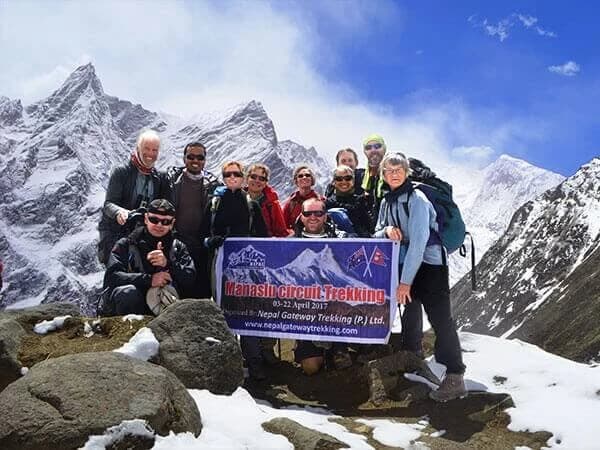
- Manaslu Circuit Trek – Less crowded, with early snowmelt at higher altitudes and blooming flora in lower regions. A solid alternative if you want a big circuit without the Annapurna crowds.
- Upper Mustang Trek – Desert-like landscapes, warmer temperatures, and cultural highlights like the Tiji Festival in May. The rain shadow location means reliable weather even as spring transitions toward monsoon.
Spring trekking combines scenic beauty, comfortable weather, and active wildlife, making these treks perfect for both first-time and experienced trekkers. The combination of blooming nature and fewer people on the trails is hard to beat.
Ready to trade your screen for rhododendron forests and crystal-clear Himalayan views? Uncover the top seven spring destinations in Nepal you must visit and lock in your dream trek today!
Autumn Trekking in Nepal (September to November)
Autumn in Nepal runs between September and November, right after the monsoon season wraps up. You get clear, crisp weather that gives a feeling of newfound clarity to the valleys, hills, and high Himalayan areas around Kathmandu and Patan.
Autumn in Nepal is a warm harvest time. The visual scene is dominated by golden paddies, amber leaves, and bright blue skies, with white mountains glittering in the sun in the background. The sounds of the season are rustling dry leaves, temple bells, distant flutes, and crackling fires from harvest activity.
Evenings become cooler and invite quiet gatherings around fires, while daytime paths stay active with trekkers, farmers, and festival preparations. The general mood is calm yet celebratory, warm yet energizing. It brings this sense of gratitude, contemplation, and closeness to nature and culture.
The season is filled with harvest energy, festival preparation, and outdoor activity, which makes it perfect for trekking, exploring culture, and photography. Tracks, fields, and villages all show signs of balance between the serenity of nature and human celebration.
Highlights of Autumn Trekking
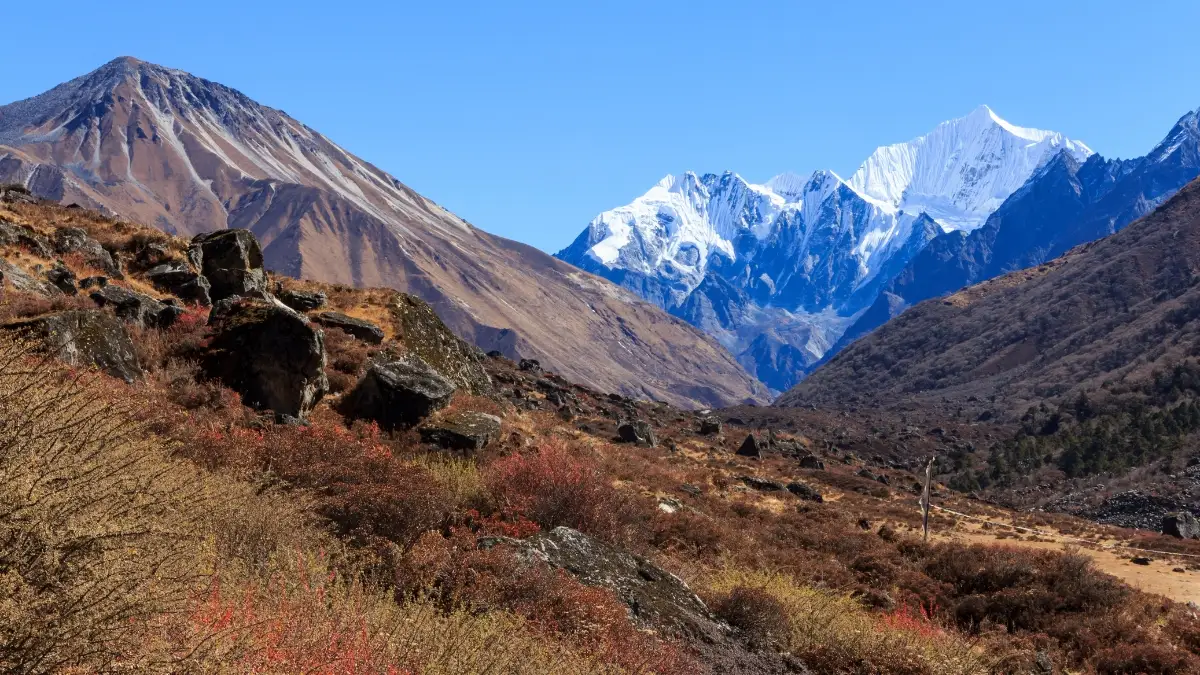
- Golden Valleys and Forest Trails: Terraced fields and forests show golden-yellow rice paddies, amber and orange leaves, and thinning deciduous forests. Mountain roads provide great relaxation spots and viewpoints.
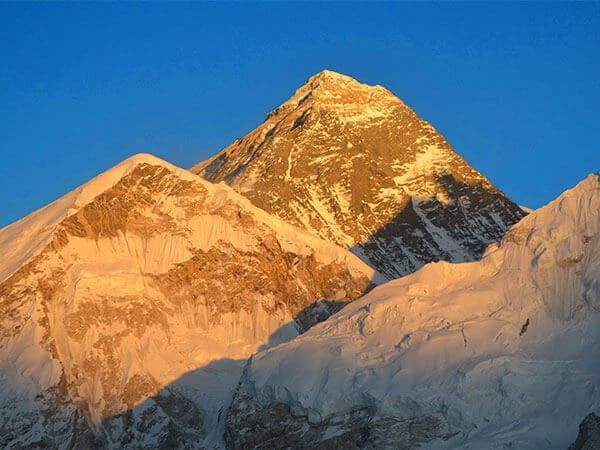
- Mountain Visibility: Post-monsoon haze has cleared completely, so Everest, Annapurna, Dhaulagiri, and Manaslu are seen in sharp relief. Points like Poon Hill, Ghorepani, and Annapurna Base Camp give unmatched views of sunrise and sunset.
- Wildlife Sights Along the Path: Animals on the trail, like blue sheep and Himalayan bears are still on the move before they go into hibernation. Eagles and resident birds are present in the valleys. Insects are less active, which makes treks quieter and more oriented to observing nature.
- Cultural Festivals Along the Roads: Dashain (September-October) and Tihar (October-November) fill the villages with lights, rituals, and music. Trekkers going through Annapurna, Langtang, or Mustang get to see these local traditions with their own eyes, temple visits, festival markets, and the whole experience.
Popular Treks in Autumn
Autumn is the peak trekking season in Nepal, honestly. You get crystal-clear skies, stable weather, and stunning mountain views that are hard to beat. Here are some of the most popular treks to enjoy during this season:
- Everest Base Camp Trek – Clear skies provide unmatched views of Everest, Lhotse, and Ama Dablam. Trails are busier for sure, but mountain visibility is absolutely perfect. If you want to see the peaks in their best light, this is the season.
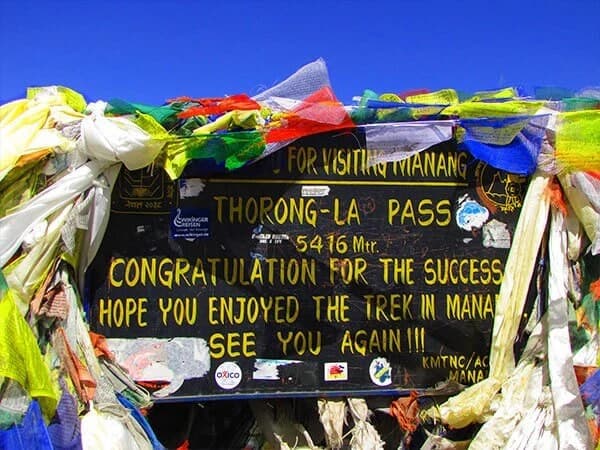
- Annapurna Circuit Trek – Post-monsoon clarity gives breathtaking panoramas of Annapurna and Dhaulagiri. Stable weather makes crossing Thorong La Pass safer and less stressful. It's crowded in October, but the conditions are as good as it gets.
- Annapurna Base Camp (ABC) Trek – The sanctuary offers crystal-clear views of the surrounding peaks. Post-monsoon clarity makes photography and hiking ideal. Standing in that amphitheater of mountains with perfect visibility is unforgettable.
- Langtang Valley Trek – Stable weather and long-distance mountain views of Langtang Lirung, Ganesh Himal, and surrounding peaks. The post-monsoon greenery is lush, and the skies stay clear for weeks on end.
- Ghorepani Poon Hill Trek – Clear sunrise views over Annapurna and Dhaulagiri. Popular, but the crowd is manageable if you head up early in the mornings. The viewpoint gets packed, but it's worth it for those views.
- Everest Three Passes Trek– Best in autumn due to stable weather, less snow on high passes, and reliable trail conditions. This challenging trek really benefits from autumn's predictability when you're crossing multiple 5,000+ meter passes.
- Kanchenjunga Base Camp Trek– Remote trek with amazing post-monsoon clarity. Trails dry quickly after the monsoon for safer trekking. The remoteness, combined with autumn's stability, makes this the right season for such a committing trek.
- Makalu Base Camp Trek – Drier trails, lush post-monsoon greenery, and stable weather make this challenging trek more comfortable. The Arun Valley approach is stunning when everything's green from monsoon rain,s but the trails are dry.
Autumn trekking is ideal for those who want reliable weather, spectacular mountain views, and vibrant cultural experiences with festivals like Dashain and Tihar. Popular trails can definitely be busier than in spring, but the trade-off is that guaranteed clarity and stability.
Ready to plan your Nepal trek? Check out Nepal Gateway Trekking for customized itineraries, expert guides, and hassle-free booking.
Spring vs Autumn Trekking in Nepal: What’s the Difference?
Spring in Nepal (March–May) starts with crisp mornings and cool nights, with April offering the most comfortable temperatures, clear skies, and blooming rhododendrons. May gets warmer and slightly more humid with occasional clouds.
Autumn (September–November) begins with early September still wet from the monsoon, but by October, the weather is almost perfect stable temperatures, clear blue skies, and minimal rain. November cools down, especially at high altitudes, but visibility remains excellent.
|
Aspect |
Spring Trekking (March–May) |
Autumn Trekking (September–November) |
|
Season Time |
Comes after winter and before the rainy season. |
Comes after the rainy season and before winter. |
|
Weather |
Days are warm and pleasant. Nights are cool but not too cold. |
Days are cool and fresh. Nights can be quite cold, especially in high mountains. |
|
Sky & Visibility |
Skies are mostly clear, but sometimes a little hazy. |
The skies are very clear and blue. Mountain views are sharp and bright. |
|
Temperature |
Warmer overall, comfortable for walking. |
Cooler, especially at higher altitudes. |
|
Rainfall |
Very little rain, but sometimes short showers in late May. |
Almost no rain. The weather is very dry and stable. |
|
Landscape |
Hills are green. Rhododendron flowers bloom in red and pink colors. Rivers are full from melting snow. |
Fields turn golden. Forests look dry and clean. The air feels fresh after the monsoon. |
|
Mountain Views |
Mountains like Everest and Annapurna are visible, but sometimes slightly hazy. |
Mountains like Dhaulagiri and other Himalayan peaks look very clear and bright. |
|
Crowds |
Popular season, but not as crowded as autumn. |
Very busy season. Many trekkers choose this time. |
|
Wildlife |
Many birds, butterflies, and animals are active. |
Fewer insects. Forests are quieter. |
|
Festivals |
Holi and Tiji Festival happen during this time. |
Big festivals like Dashain and Tihar happen during this season. |
|
Best For |
People who like flowers, green nature, and warmer weather. |
People who want the clearest mountain views and stable weather. |
The visibility difference is real. Autumn's post-monsoon clarity is unmatched. Spring can be hazy, especially at lower elevations or later in the season. If you're spending big money to see Everest or Annapurna, autumn gives you better odds of actually seeing them clearly.
Best Season for Trekking in Nepal: Making Your Call
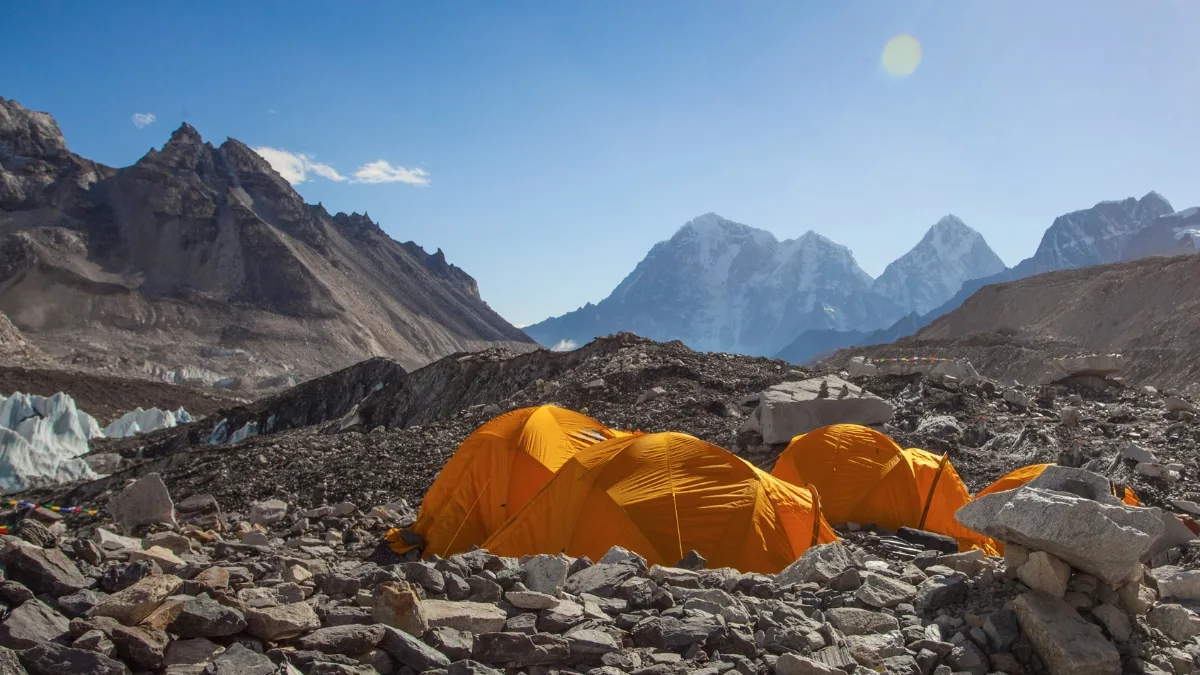
The best season for trekking in Nepal depends on your goals. Spring offers blooming flowers, greenery, and fewer crowds, while autumn gives clear skies, golden landscapes, and stable weather. Knowing the differences helps you pick the season that suits your trek best.
Pick spring if you:
- Want to avoid crowds
- Like blooming landscapes and colorful trails
- Prefer warmer trekking weather
- Are on a tighter budget
- Want more booking flexibility
- Enjoy the mountaineering season vibe
Pick autumn if you:
- Prioritize the clearest mountain views possible
- Want the most stable weather
- Don't mind crowds
- Want to experience Nepali festivals
- Are okay booking and paying well in advance
- Need absolutely reliable conditions for a once-in-a-lifetime trek
The best season for the Everest Base Camp trek is October-November for views, or March-April for fewer people and an expedition atmosphere. The best time to visit the Annapurna Circuit is October for the weather, or April for blooming forests with fewer trekkers.
Not sure which season suits you best? Let Nepal Gateway Trekking help you plan your perfect trek!
Final Thoughts
Spring vs autumn trekking in Nepal comes down to whether you value solitude and flowers over crowds and clarity. Whether you want that festival energy or the quiet of early season. Whether sharp mountain views matter more than rhododendron forests.
I've met people who swear spring is better, and just as many who wouldn't trek outside of October. They're both right.
Think about what kind of experience you actually want. Not what Instagram photos look best or what everyone else says is "peak season." What matters to you on the trail? That's your answer.
No matter the season, your adventure awaits. Start planning today with Nepal Gateway Trekking
FAQs
What is the best season for trekking in Nepal?
The best season for trekking in Nepal is either spring (March-May) or autumn (September-November). Spring offers warmer weather, blooming rhododendrons, and fewer crowds. Autumn provides crystal-clear mountain views, stable weather, and the best visibility. Your choice depends on whether you prioritize colorful landscapes and solitude (spring) or sharp mountain views and reliable conditions (autumn).
Is spring or autumn better for the Everest Base Camp trek?
The Everest Base Camp trek best season is October-November if you want the clearest mountain views and most stable weather. But March-April is excellent if you prefer fewer crowds, warmer temperatures, and the expedition season atmosphere with climbing teams at base camp. Both seasons work great, it just depends on your priorities.
What is the difference between spring and autumn trekking in Nepal?
Spring trekking in Nepal is basically warmer and cheaper with all those rhododendrons blooming everywhere, plus it's way less crowded. But then you have autumn trekking in Nepal, which is honestly the go-to for crystal-clear skies and the best mountain visibility you can get. Spring can be a little hazy sometimes, while autumn is definitely colder at night, but it delivers unmatched clarity that’s hard to beat.
When is Nepal trekking in March, April, and May best?
Nepal trekking in March, April, and May is best for trekkers who want warmer weather, colorful blooming forests, and fewer people on the trails. March is still transitioning from winter, April hits the sweet spot with comfortable temps and clear skies, and May gets warmer with some pre-monsoon humidity building up.
When is Nepal trekking in September, October, or November best?
Nepal trekking in September, October, and November is best for those who prioritize clear mountain views and stable weather. Early September can still be wet from the monsoon, but by October, you get near-perfect conditions. November starts cooling down, but maintains excellent visibility, though high passes can get cold.
What are the pros and cons of trekking in Nepal's seasons?
Spring pros: blooming landscapes, warmer weather, fewer crowds, lower costs, longer daylight hours. Spring cons: afternoon haze, pre-monsoon humidity by May, less sharp mountain views. Autumn pros: crystal-clear visibility, stable weather, cultural festivals, and post-monsoon freshness. Autumn cons: crowded trails, higher costs, need to book months ahead, colder nights at altitude.
What is the peak trekking season in Nepal?
The peak trekking season in Nepal is October, followed by November and April. October delivers the best combination of clear weather, stable conditions, and sharp mountain visibility, making it the busiest month on popular routes like Everest Base Camp and Annapurna Circuit.
What is the best time to visit the Annapurna Circuit?
The best time to visit the Annapurna Circuit is October for the most reliable weather, clearest mountain views, and safest conditions crossing Thorong La Pass. April is also excellent if you want blooming rhododendron forests, warmer temperatures, and fewer trekkers on the trail.
Which season has better mountain views, spring or autumn?
Autumn has better mountain views than spring. Post-monsoon clarity in autumn makes peaks like Everest, Annapurna, and Dhaulagiri incredibly sharp and bright. Spring can be slightly hazy, especially at lower elevations or in late May. If crystal-clear mountain visibility is your priority, autumn wins every time.