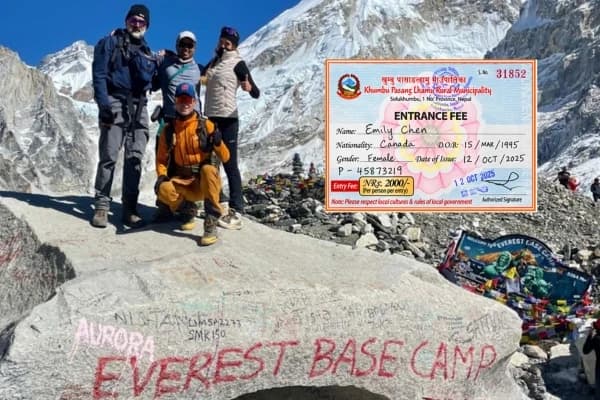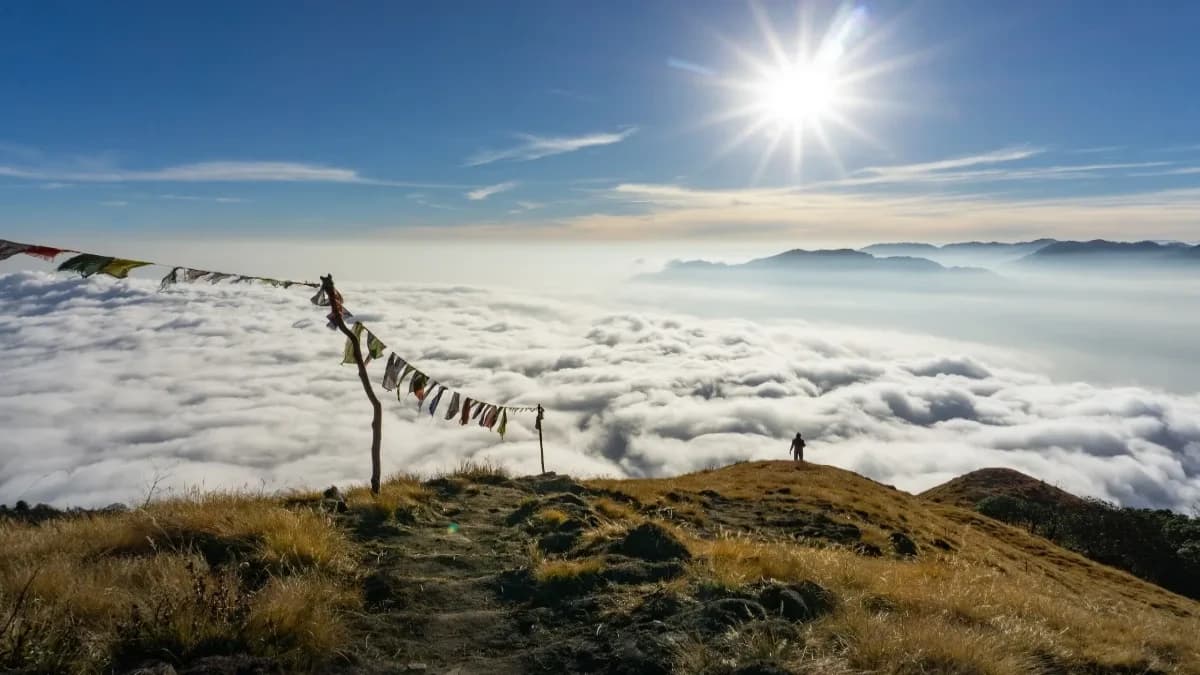
The Mardi Himal Trek is a short and scenic adventure in the Annapurna region of Nepal, located near Mardi Himal and the beautiful Machhapuchhre. Known for peaceful trails, forest walks, and stunning views, it is a fantastic choice for trekkers looking for a less crowded route.
If you are wondering, do you need a permit for the Mardi Himal trek? The answer is yes. The main Mardi Himal trek permit requirement includes the Annapurna Conservation Area Permit (ACAP) and, in some cases, the TIMS card for the Mardi Himal trek. The ACAP permit for the Mardi Himal trek is mandatory because the trail lies inside the Annapurna Conservation Area, while the TIMS helps with safety tracking.
When it comes to the Mardi Himal trek permit cost, foreign trekkers usually pay around NPR 5,000 in total. This includes the Mardi Himal trekking permit fees, such as ACAP and, if required, TIMS. The exact trek permit cost in Nepal, Mardi Himal, can vary slightly based on your nationality and trekking style.
Understanding how to get a Mardi Himal trek permit is simple, you can apply through the Nepal Tourism Board or a trekking agency. Following the latest Mardi Himal trek rules and regulations, including guide requirements and permit checks, will help you enjoy a smooth and hassle-free trekking experience.
Do You Need a Permit for the Mardi Himal Trek?
Yes, you definitely need a permit for the Mardi Himal Trek. Without one, you won't be allowed into the area, and you’ll likely hit a dead end at one of the several checkpoints along the trail.
These permits are mandatory because the Annapurna Conservation Area is a protected zone. It’s a system designed to keep the environment, wildlife, and local mountain culture from being overwhelmed by tourism.
Here is why they actually matter:
- Official access: It’s your legal green light to be in these restricted high-altitude regions.
- Safety tracking: Tools like the Trekkers’ Information Management System keep a digital breadcrumb trail of your journey, which is vital if an emergency pops up.
- Conservation support: Your fees go directly toward maintaining the forests and keeping the trails in good shape.
- Local community benefit: That money helps improve village infrastructure and supports the people who call these mountains home.
Essentially, permits are more than just paperwork, they’re a way to look after yourself, the nature around you, and the people living there.
What permits are required for the Mardi Himal Trek?
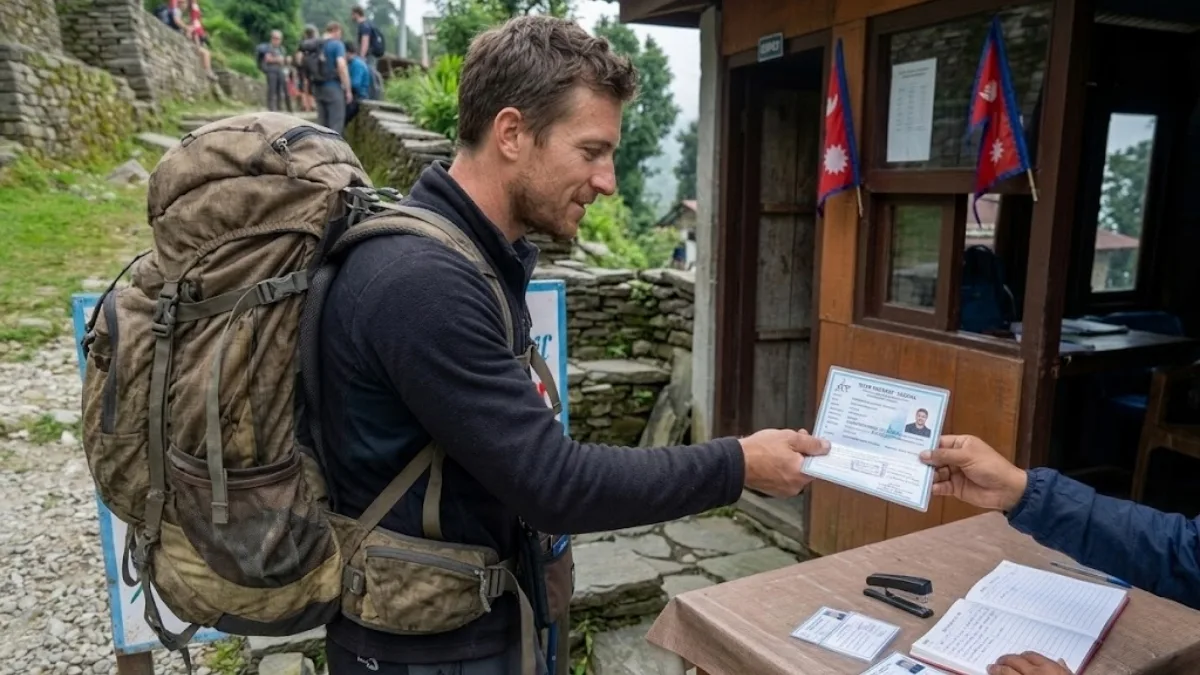
Since the Mardi Himal Trek is located within the Annapurna region, you'll need to sort out a few specific permits before you lace up your boots. The core requirements are:
- Annapurna Conservation Area Permit (ACAP): This is the main one issued by the Annapurna Conservation Area project.
- TIMS Card: This is the registration card from the Trekkers’ Information Management System.
- Local Municipality Permit: In some cases, a small local entry fee is also collected by the Machhapuchhre Rural Municipality along the trail.
The ACAP is your legal entry into the protected zone, while the TIMS card acts as a safety measure to help authorities keep track of trekkers.
Keep in mind that rules for guides are getting stricter across Nepal. If you’re trekking with a registered agency, they usually handle the TIMS process for you, and in some cases, the requirements might shift depending on the latest government updates. It’s always a good idea to double-check the current status right before you head out to ensure you have everything in order.
TIMS Card
The TIMS Card, or Trekkers’ Information Management System, is basically your safety registration. It helps the authorities keep a digital record of where you are in the mountains, which is vital if an emergency ever pops up. Usually, if you're trekking solo, this is a must-have, whereas if you're with a registered agency, they often handle the logging of your details for you.
Annapurna Conservation Area Permit (ACAP)
The ACAP is your official entry pass into the Annapurna region and stays valid for your entire trek. It’s more than just a piece of paperwork; it’s how the region funds the protection of its forests and wildlife. By grabbing this permit, you’re directly helping to keep the trails maintained and supporting the local communities that host you along the way.
Local Municipality Entry Fee
The local municipality fee is a small, separate charge used to fund community development and keep the trails in good shape. For the Mardi Himal Trek, this fee is collected by the Machhapuchhre Rural Municipality. You’ll usually pay this at a checkpoint along the route, specifically near Kande or as you head toward High Camp.
The money goes directly back into the local area, supporting everything from better trail signage and emergency shelters to clean water systems for the mountain villages. It’s a simple way to ensure your visit directly benefits the local livelihoods and infrastructure that make the trek possible.
Is the TIMS Card Still Required for the Mardi Himal Trek?
Not always. As of 2025–2026, the Annapurna Conservation Area Permit (ACAP) is the main requirement, while the TIMS card depends on how you trek.
Nepal has moved toward requiring licensed guides for foreign trekkers since the 2023 rule update, which limits solo trekking. If you trek with a guide or agency, they have already recorded your details, so you may not need TIMS. However, in rare solo cases, it can still apply.
According to the Nepal Tourism Board, trekkers must follow the latest rules and carry valid permits at all times. ACAP is mandatory, while TIMS is optional in many cases today.
Mardi Himal Trek Permit Cost
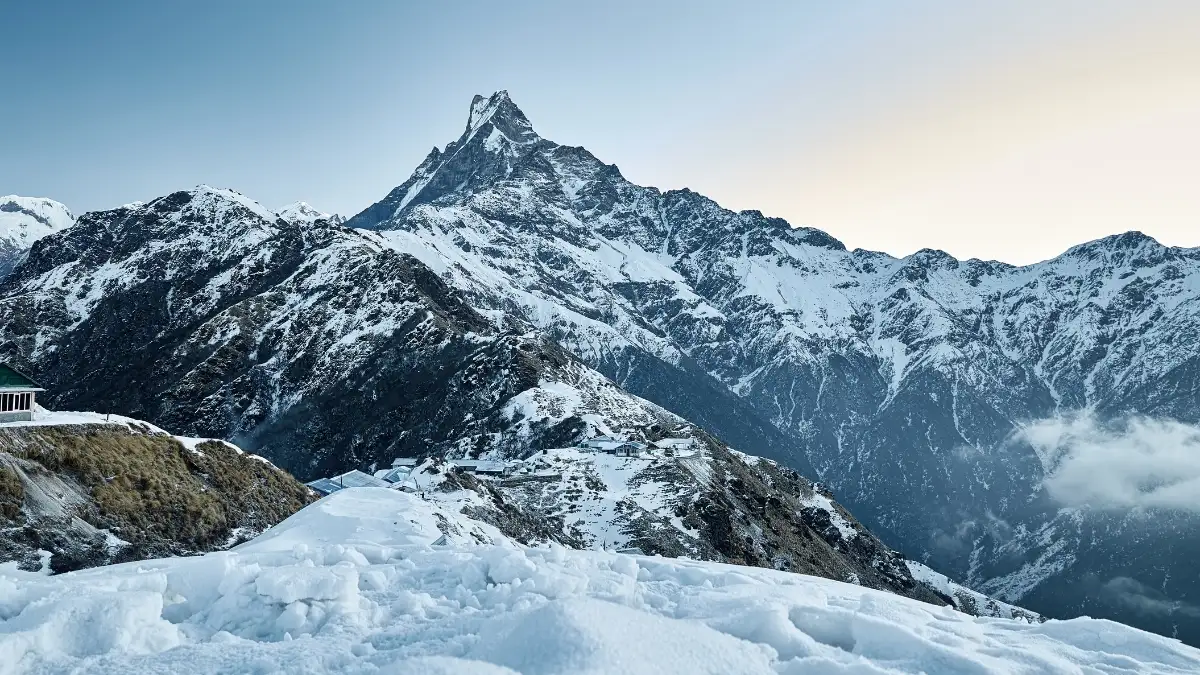
If you're planning your budget, here is the breakdown of what you'll likely spend on permits. Prices can fluctuate slightly with exchange rates, but these are the standard rates for 2026:
|
Category |
ACAP Cost (NPR) |
TIMS Cost (NPR) |
Total (NPR) |
|
Foreigners |
3,000 |
2,000 |
5,000 |
|
SAARC Nationals |
1,000 |
1,000 |
2,000 |
|
Nepali Trekkers |
100 |
Not Required |
100 |
A few things to keep in mind:
The ACAP Permit is non-negotiable for all international and SAARC trekkers. It’s a single-entry permit, so once you exit the conservation area, you’d need a new one to go back in.
The TIMS Card is technically still on the books for safety tracking. However, because Nepal now requires all trekkers to have a licensed guide, your trekking agency will usually handle this registration for you as part of your package.
Don't forget the photos: You’ll typically need two passport-sized photos and a copy of your passport to get these issued.
Essentially, for a foreign trekker, you should set aside about 5,000 NPR (roughly $38 USD) just for the paperwork before you factor in your guide and gear.
Where to Get the Mardi Himal Trek Permit?
You’ve got a couple of options for sorting out your paperwork. You can either head to the official offices in Kathmandu or Pokhara yourself, or just let a trekking agency handle the legwork so you can focus on the trail.
Kathmandu
If you're starting from the capital, head over to the Nepal Tourism Board office at Bhrikutimandap. It’s the main hub for issuing both the ACAP and TIMS cards. It’s a reliable spot to get everything squared away before you even leave for the mountains.
Pokhara
Most trekkers actually prefer getting their permits at the Nepal Tourism Board office or the ACAP counter near Lakeside in Pokhara. Since Pokhara is the literal gateway to the trek, it’s much more convenient to handle it there a day or two before you start walking. It saves you from rushing around Kathmandu and lets you enjoy the lakeside vibe instead.
Through a Trekking Agency
If you’d rather skip the queues and the paperwork altogether, just have a registered trekking agency take care of it. This is easily the most stress-free route, especially since a licensed guide is now mandatory for the Mardi Himal Trek. They’ll just need your passport details and some photos, and they’ll have everything ready by the time you arrive.
How to Get the Mardi Himal Trek Permit (Step-by-Step Guide)
Getting your paperwork sorted is actually pretty straightforward and usually only takes an afternoon. Here is the quickest way to get it done:
- Prep Your Docs: Grab your passport, a few photocopies, and at least two passport-sized photos. Having your travel insurance info and rough trek dates ready will save you some back-and-forth.
- Visit the Office: Swing by the Nepal Tourism Board in Kathmandu (Bhrikutimandap) or the one in Pokhara (Lakeside). Pokhara is usually a bit more chill and convenient if you're already near the mountains.
- Fill in the Forms: You’ll just need to provide some basic personal details and your route. Since you now need a licensed guide for Mardi Himal, make sure you have your guide’s or agency’s info handy to include on the form.
- Pay the Fee: Keep some Nepali Rupees on you for the permit fees. It usually lands between 3,500 and 5,500 NPR for international trekkers, depending on the current local municipality rates.
- Grab Your Permit: You’ll get the physical permit right then and there. Stick it in a waterproof folder or a secure pocket in your pack, you’ll definitely need to show it at checkpoints like Kande or Pothana.
Key 2026 Updates for Mardi Himal Trek Permit
What has changed recently? Trekking rules in Nepal are slowly evolving, and the Mardi Himal Trek is no exception. In 2026, the biggest shift is the growing focus on safety and guided trekking.
Authorities like the Nepal Tourism Board are encouraging trekkers to go with licensed guides, especially in remote areas. At the same time, the TIMS card is no longer always required, particularly if you trek through a registered agency, as your details are already recorded.
Another key update is stricter permit checking at checkpoints, so carrying valid documents is more important than ever. In simple terms, the system is becoming more organized, less paperwork confusion, but more focus on safety and proper registration.
Mandatory Licensed Guide Rule
You can no longer trek solo here. As of 2023, the Nepal Tourism Board requires all foreign trekkers to hire a licensed guide. It’s a safety-first move that also supports the local economy, and you’ll need to book through a registered agency to stay compliant.
Digital e-TIMS System
Paper trekking cards are being replaced by the new Blue e-TIMS digital system. It uses a QR code that your guide scans at checkpoints to keep a real-time record of your location. It’s much faster and makes it way easier for rescue teams to find you if things go sideways.
Mandatory Travel Insurance
You won't get your permits without proof of insurance. For the Mardi Himal Trek, your policy must explicitly cover high-altitude trekking up to 6,000 meters and include emergency helicopter evacuation. Standard plans often cap out at 3,000m, so double-check the fine print before you buy.
New Environmental “Green Fee”
A small "Green Fee" (around 1,000 NPR) is now being added to permits in the Annapurna region. This money goes directly toward waste management and keeping the trails clean. It’s a tiny contribution that helps protect the mountain environment you're there to enjoy.
What Paperwork Should You Pack For Permit?
Getting your permits sorted isn't as much of a headache as it sounds, but you definitely don't want to be missing a random photocopy when you're standing at a counter in Pokhara. Here is the short list of what you actually need to have in your bag:
For Nepali Trekkers
- Citizenship Card: Just your original ID (or a clear photo of it on your phone) to show at the checkpoints.
- Basic Info: You’ll just need to give them a contact number and let them know where you’re heading.
For Foreign Trekkers
- Passport Copy: Keep a couple of clear photocopies of your photo page handy.
- Passport Photos: Toss about 4 recent photos in your wallet. Even if some offices have cameras now, having your own saves you from a long wait.
- Valid Visa: A copy of your current Nepal entry visa.
- Travel Insurance: This is a big one. It’s now mandatory, and the office will check if your policy specifically covers high-altitude trekking and helicopter rescues.
Preparing your gear for the narrow forest trails and exposed high-altitude ridges of the Annapurna foothills? Explore our comprehensive Mardi Himal Base Camp Trek Packing List for a complete breakdown of essential layered clothing, sturdy footwear, and lightweight gear tailored specifically for the ridge route!
Where are the Permit Checkpoints?
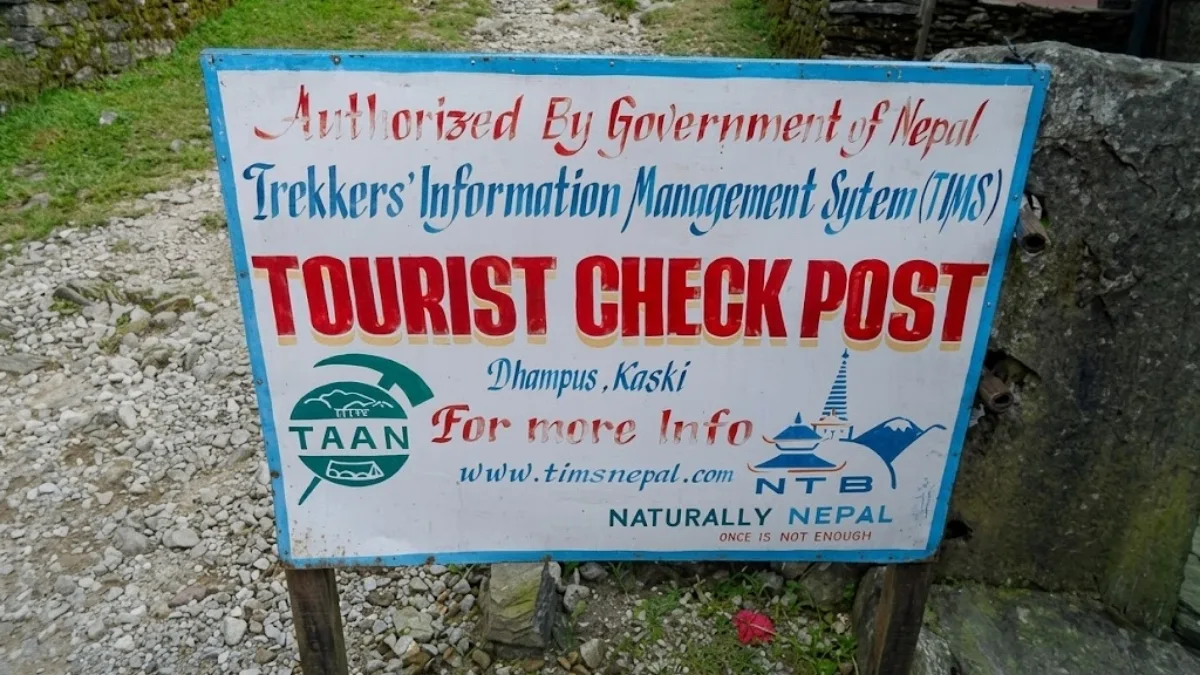
You won’t just show your permit once and be done with it. Expect a few stops along the ridge to verify your paperwork. Keeping your permits in an easy-to-reach, waterproof pocket is a lifesaver here.
- The Starting Gates: Depending on where you start, your first check will be at Kande, Phedi, or Dhampus. These are the main "check-in" points where they log your entry.
- Early Ridge Checks: You’ll hit another checkpoint around Pothana (just past Australian Camp). This is a major hub where they verify both your ACAP and your guide’s credentials.
- Mid-Route Stops: As you climb higher, keep an eye out for checks at Forest Camp or Low Camp. These are usually quick stops to make sure everyone moving toward the high altitude is accounted for.
- The High Points: There are often final spot checks near High Camp or Badal Danda. These are mostly for safety, ensuring that trekkers heading toward the Base Camp (4,500m) are registered in case of bad weather.
- The Exit: If you loop back via Siding or Lumre, you’ll have one last "check-out" to confirm you’ve safely left the conservation area.
Think of these as safety gates rather than just chores, they're the reason the authorities know where you are if a storm rolls in.
New Trekking System: Checkpoints & Tracking
Nepal is improving its trekking system with modern tracking methods to increase safety and control. New systems include QR code scanning and, in some areas, biometric checkpoints to verify trekkers. These updates allow real-time tracking, making rescue operations faster and more efficient. In simple terms, the trekking system is becoming smarter, like upgrading from a paper map to GPS.
Tips for Getting Your Mardi Himal Trek Permit Easily
Getting your paperwork sorted can be quick and stress-free if you keep a few insider tips in mind. A little bit of timing and planning goes a long way.
- Pick Pokhara Over Kathmandu: While you can get permits in both cities, the office in Pokhara (Lakeside) is usually much faster. Since it’s closer to the trailhead, the staff are used to high volumes and can often get you in and out in under 30 minutes.
- Time Your Visit Right: Aim to arrive at the permit office either right when they open (around 9:00 AM) or in the late afternoon (after 3:00 PM). The midday rush, especially during the peak spring and autumn seasons, can lead to long queues.
- The "Agency Advantage": Since a licensed guide is now mandatory for 2026, the easiest route is to let your trekking agency handle it. They have "express" access and can often have your permits waiting for you at your hotel when you arrive.
- Carry Physical Spares: Even in the age of digital e-TIMS, some remote checkpoints still prefer the paper version. Always keep 2–3 photocopies of your permit and passport in a waterproof sleeve.
- Have Exact Change: The permit offices often run out of small bills. Bringing the exact amount in Nepali Rupees (NPR) will save you from waiting around while they hunt for change.
Final Thought: Plan Your Mardi Himal Trek Permit Smartly
Planning your permits early makes your trek smooth and worry-free. Always carry the required documents, obey the latest rules, and double-check updates from the Nepal Tourism Board. A little preparation goes a long way, like packing your bag before a big journey. If you want a hassle-free experience, you can contact Nepal Gateway Trekking to arrange your Mardi Himal Trek and permits easily.
Frequently Asked Questions (FAQs)
Can you trek Mardi Himal without a permit?
No, you cannot. Permits are compulsory for this trek. There are several checkpoints along the trail, and if you do not have valid permits, you may be stopped or fined. It is always better to start your trek fully prepared.
How much does the Mardi Himal trek permit cost?
For foreign trekkers, the total cost is usually around NPR 5,000. This includes the ACAP permit and sometimes the TIMS card, depending on whether you trek independently or with an agency.
Where can I get the ACAP permit?
You can get it from the Nepal Tourism Board offices in Kathmandu or Pokhara. Pokhara is often the easier option since it is closer to the trek starting point.
Is the TIMS card mandatory for the Mardi Himal trek in 2026?
Not always. If you are trekking with a registered agency, TIMS may not be required. However, for independent trekkers, it can still apply depending on the latest rules.
Can I trek Mardi Himal solo?
Solo trekking is now restricted for foreign trekkers in many regions. Hiring a licensed guide is strongly recommended and often required for safety and compliance.
Could you please let me know the duration required to obtain a trekking permit in Nepal?
It is a quick process. If you have all your documents ready, you can usually get your permit within 15 minutes to an hour.
What happens if I trek without a permit?
Trekking without a permit can lead to fines, delays, or even being turned back from checkpoints. It can ruin your plan, so it is not worth the risk.
Can I get a Mardi Himal permit in Pokhara?
Yes, you can easily get your permits in Pokhara. Many trekkers prefer this because it saves time and is more convenient before starting the trek.
Do Nepali citizens need a permit?
No, Nepali trekkers do not need ACAP or TIMS permits for this trek. However, carrying a valid ID like a citizenship card is still important.
Do I need travel insurance for the Mardi Himal Trek?
Travel insurance is not always mandatory, but it is highly recommended. It should cover high-altitude trekking and emergency helicopter evacuation for safety.
Can I arrange the permit through a trekking agency?
Yes, and it is one of the easiest options. A trusted agency like Nepal Gateway Trekking can handle all permits and paperwork, saving you time and effort.
When is the best time to get the permit?
It is best to get your permit at least one day before your trek. During peak seasons, getting it early helps you avoid long queues and last-minute stress.