Nepal is one of those rare places that actually lives up to the hype. Eight of the world's fourteen highest peaks, ancient Sherpa villages, and passes challenge you, but preparation pays off, and shortcuts lead to failure.
Whether you're heading to Everest Base Camp, the Annapurna Circuit, Langtang, or Manaslu, trekking here is nothing like hiking at home. The altitude is unforgiving, permit rules changed significantly in 2026, and the weather follows its own schedule.
At Nepal Gateway Trekking, we've guided hundreds of trekkers safely through these trails. Here's what you genuinely need to know before you land.
Why Nepal Is Different From Other Destinations?
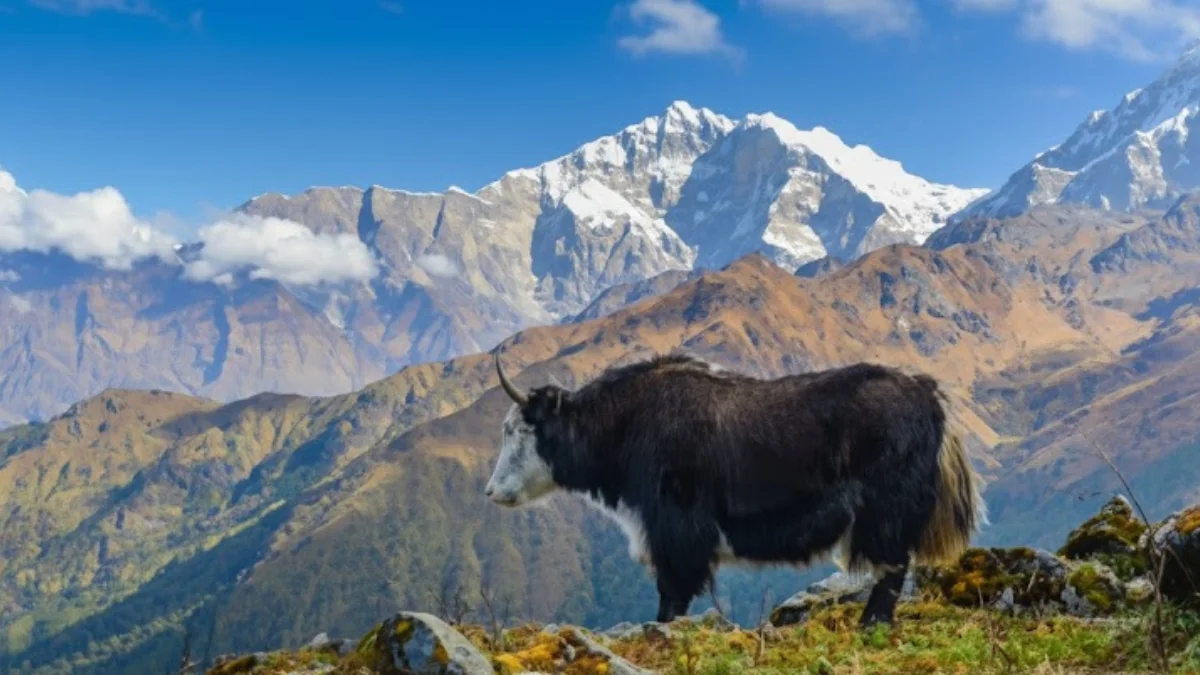 You're not walking through a managed park with paved paths. You're moving through remote Himalayan villages where the next town is six hours away, altitude sits above 4,000 m, and the nearest hospital is a helicopter ride. Altitude changes everything. Above 2,500 m, your body works harder for the same oxygen.
You tire faster, sleep worse, and lose your appetite. These aren't signs of weakness they're normal. Acclimatization isn't optional. It's the difference between reaching your goal and being evacuated before you get there. Tea houses, not camping.
You stay in small family-run lodges serving meals and beds of genuine Himalayan hospitality. Expect shared bathrooms at lower elevations and dal bhat as your trail staple.
Weather moves fast. Clear skies at breakfast can turn to heavy snowfall by afternoon. Build buffer days into your itinerary. A rigid schedule on a high-altitude pass is how accidents happen.
Navigating Kathmandu Before Your Nepal Trekking Adventure
Before you can step onto a quiet mountain trail, you have to navigate Kathmandu. For first-time visitors, the capital city can be an overwhelming sensory overload. It is a chaotic mix of sounding car horns, dusty narrow streets, ancient temples, and vibrant street markets.
Instead of viewing the city as an obstacle, embrace it as an essential phase of your Nepal trekking guide. Kathmandu is where you shake off your jet lag, finalize your physical paperwork, and pick up any last-minute gear.
The Thamel district is the tourist hub of the city and a trekker's paradise. If you forgot a down jacket, need extra thermal layers, or want to buy trekking poles, you can find both branded gear shops and budget-friendly local knockoffs on every corner.
It's also the best place to convert your currency into Nepalese rupees before heading into the mountains.
Permit Rules you should know before trekking in Nepal
Nepal's permit system was updated significantly in 2026. Showing up without the right paperwork means being turned back at checkpoints, no exceptions.
Do You Need a Guide?
Yes, for most regions. Nepal's "No Guide, No Trek" policy now covers the Everest, Langtang, and Manaslu regions. Solo trekking without a licensed guide is not permitted, regardless of experience.
The Annapurna region remains the main exception where independent trekkers can still complete many routes. Regulations shift quickly always confirm before booking.
Key Permits at a Glance
|
Permit |
Region |
Approx. Cost (2026) |
|
E-TIMS |
All major trekking regions |
Via registered agency |
|
ACAP Permit |
NPR 3,000 (USD 22) |
|
|
Sagarmatha National Park Permit |
NPR 3,000 (USD 22) |
|
|
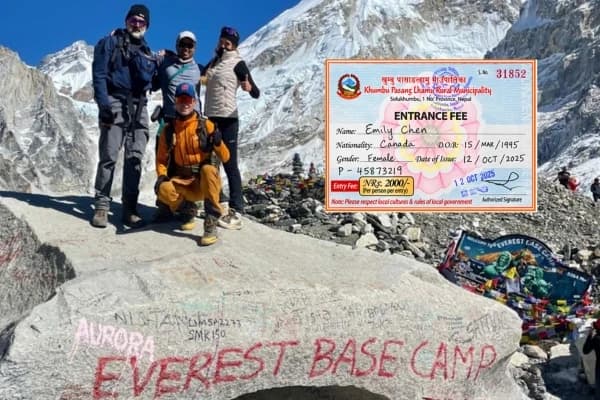
Khumbu Pasang Lhamu Rural Municipality Permit |
Everest region |
NPR 2,000 (USD 15) |
|
Restricted Area Permit (RAP) |
Upper Mustang, Manaslu, Nar Phu, Dolpo |
Varies |
|
Langtang National Park Permit |
NPR 3,000 (USD 22) |
E-TIMS (Electronic Trekkers' Information Management System) replaced the old TIMS card. It's now issued through registered agencies and tracks your location for emergency purposes.
Restricted areas Upper Mustang, Manaslu, Nar Phu, and Dolpo need an additional RAP. Solo travelers can now obtain these permits (a 2026 update), but a licensed guide remains mandatory.
Nepal Gateway Trekking handles all permit arrangements no government office queues, no missing paperwork.
Why is physical preparation important before trekking starts?
Nepal's trails aren't technical climbs, but altitude combined with long daily hours and stone staircases is genuinely demanding.
Fitness by trek difficulty:
- Easy (Ghorepani Poon Hill): 5–6 hours/day at lower altitude
- Moderate (Annapurna Base Camp, Langtang Valley): solid stamina, 6–7 hours/day
- Difficult (Everest Base Camp, Manaslu Circuit): strong cardiovascular fitness over 12–18 days
Train 8–12 weeks out. Stair climbing with a loaded pack is the single most effective prep. Add long hikes with elevation gain, cardio 45+ minutes, and leg/core strength work. The mental side is underrated. Cold mornings, simple rooms, slow internet, and long days on your feet knowing this upfront is half the battle.
Managing Altitude Sickness on a Nepal Trek: The Biggest Risk
Altitude sickness has nothing to do with fitness. Anyone can get it. It's the number one medical risk on any high-altitude Nepal trek.
AMS symptoms to watch for (onset typically above 2,500–3,000m):
- Persistent headache, especially behind the eyes
- Nausea or vomiting
- Dizziness, loss of balance
- Fatigue that sleep doesn't fix
- Breathing difficulty at rest
You might like to read: Symptoms of altitude sickness
Prevention:
- Walk slowly, embarrassingly slow, above 3,500 m. That's the correct pace.
- Drink 3–4 litres of water daily
- Take proper acclimatization days these are medically necessary, not laziness
- Follow the advice "climb high, sleep low."
- Avoid alcohol at altitude
- Consider Diamox after consulting your doctor
Full prevention guide:Altitude sickness prevention on high-altitude treks
Note: Emergency evacuation costs USD 3,000–8,000+. Travel insurance with high-altitude helicopter evacuation is non-negotiable. Confirm your policy covers your trek's maximum altitude before leaving home.
Best Time to Trek in Nepal
|
Season |
Months |
Conditions |
Best For |
|
Autumn |
Sep–Nov |
Clear skies, best visibility |
All trekking regions |
|
Spring |
Mar–May |
Rhododendron blooms, warm temps |
Annapurna, lower Everest routes |
|
Winter |
Dec–Feb |
Cold, some passes closed |
Lower-altitude treks |
|
Monsoon |
Jun–Aug |
Rain, leeches, landslide risk |
Rain-shadow areas only |
- Autumn (Sep–Nov) is peak season for post-monsoon clarity, festival energy (Dashain, Tihar), and the best mountain views of the year.
- Spring (Mar–May) brings rhododendron blooms and warm nights at altitude. Great for Annapurna routes.
- Monsoon isn't automatically off-limits. Rain-shadow regions like Upper Mustang stay relatively dry. Trekking in Nepal during monsoon explains what works and what doesn't.
- Winter offers quiet trails, but Thorong La and Larke Pass can be snowbound or closed. Lower routes remain accessible year-round.
Recommended Read: Full monthly breakdown: Best time for trekking in Nepal
What to Pack before trekking starts in Nepal
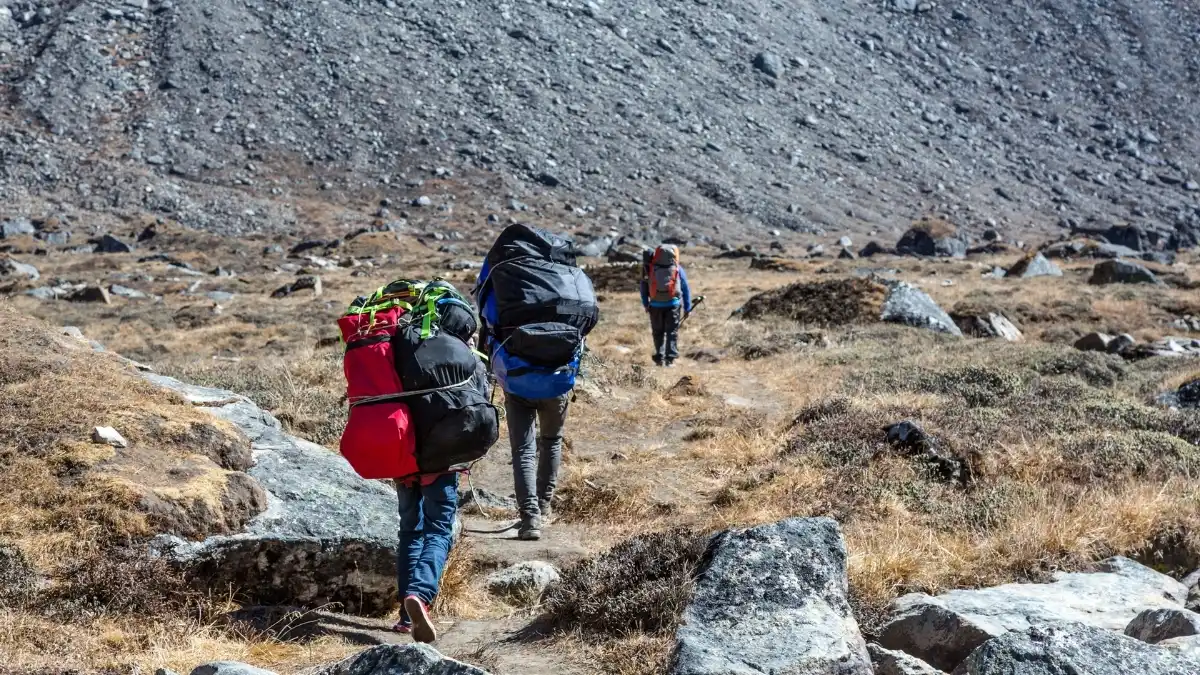 The porter duffel limit is 15 kg. Above all that, you carry yourself.
Clothing layer everything:
|
Layer |
Items |
|
Base |
Moisture-wicking thermals |
|
Mid |
Fleece or soft shell |
|
Outer |
Down jacket, waterproof rain jacket |
|
Extremities |
Warm gloves, wool hat, buff |
|
Warm gloves, wool hat, buff |
Sun protection |
Region-specific packing lists:
Boots matter most, so buy waterproof, ankle-supporting trekking boots well before your trip and break them in at home. A blister at Day 3 of a 14-day trek is a serious problem.
Tech essentials: 20,000mAh+ power bank, offline maps (Maps.me or Gaia GPS), headlamp with spare batteries. Keep batteries inside your sleeping bag overnight cold kills lithium cells fast.
Money, Internet, Transport facilities you should know before your trek starts
Cash is king on the trail. ATMs are rare once you leave Kathmandu or Pokhara, and they run dry during peak season. Tea houses above major hubs take cash only. Withdraw enough rupees before you start meals, hot showers, Wi-Fi charges, and snacks add up daily.
The internet is slow and costs extra. Wi-Fi at tea houses typically runs NPR 200–500 per session and gets worse above 4,000m. NTC and Ncell SIM cards work on major routes but lose signal at elevation. Please download maps and key documents for offline use before you head up.
Transport is unpredictable. Lukla flights cancel for days. Landslides block mountain roads. Plan buffer time.
Essential Safety tips
Choose your trekking agency carefully. Check Nepal Tourism Board registration, read recent TripAdvisor and Google reviews, and ask directly about your guide's experience on your specific route.
Most common mistakes (all avoidable):
- Overpacking every extra kg feels like five at altitude
- Walking too fast, or ego pacing, causes more evacuations than anything else
- Skipping hydration
- Skipping acclimatization days
- Underestimating mental fatigue on long days
Respect local culture. Pass prayer flags and mani walls on the left. Ask before photographing people. A simple "Namaste" is meaningful in any Sherpa or Gurung village. Background on the people who make your trek possible: Role of guides and porters in Nepal's trekking industry
Is Nepal safe for trekking?
Yes, generally. Crime against trekkers on major routes is rare. The main risks are natural altitude, weather, landslides, and flight delays, all manageable with preparation.
Things to know Before and After Your Trek
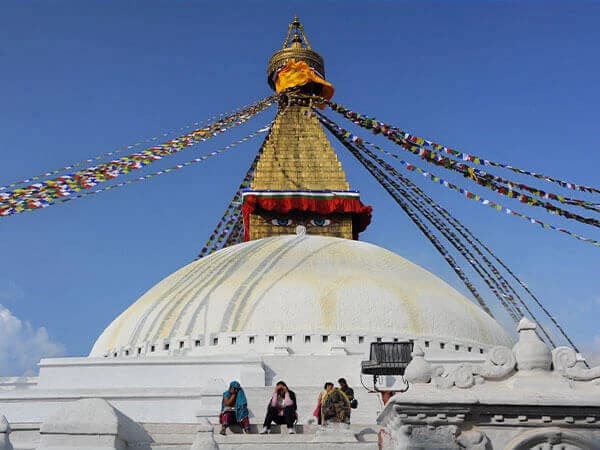
Kathmandu is where you sort gear, finalise permits, and adjust to Nepal's pace. Thamel has everything you've forgotten. Boudhanath Stupa and Swayambhunath are worth your time.
Useful reads:
- Kathmandu sightseeing for first-time visitors
- Can you see Mount Everest from Kathmandu
- Best short treks in Nepal
- Langtang vs. Everest vs. Annapurna: Which trek
Final Thought
Trekking in Nepal is not just about reaching a famous base camp or crossing a high mountain pass. It is about the small moments along the journey, the warm smile from a tea house owner, the sound of prayer flags in the wind, and the first sight of snow-covered peaks after a long climb.
The mountains here are beautiful, but they also teach patience, respect, and preparation. When you plan properly, walk at a steady pace, and listen to experienced guides, the journey becomes safer, smoother, and far more enjoyable.
The best trekkers in Nepal are not always the strongest or fastest. They are the ones who stay flexible, respect the altitude, and enjoy the adventure one step at a time. With the right mindset and support, trekking in Nepal can be one of the most meaningful experiences of your life.
Nepal Gateway Trekking is here to help you make that journey safe, comfortable, and unforgettable with expert guides, permit support, and customized trekking experiences across the Himalayas.
Ready to plan your trek? ContactNepal Gateway Trekking for customised itineraries, licensed guides, full permit handling, and end-to-end safety support across all major trekking regions.
FAQs
Do I need a guide in 2026?
Yes for Everest, Langtang, and Manaslu you need guide in 2026. The Annapurna region still allows independent trekking on many routes.
What is E-TIMS?
E-TIMS is Nepal’s electronic tax invoice system that helps businesses create, track, and manage VAT bills digitally for easier and more transparent tax reporting.
Can solo travelers get restricted area permits?
Yes, as of 2026, solo travelers can get restricted area permits. But a licensed guide is still mandatory in all restricted zones.
What permits do I need for Everest Base Camp?
Sagarmatha National Park Permit and Khumbu Pasang Lhamu Rural Municipality Permit. E-TIMS requirements depend on your arrangement.
When is the Best time to trek?
Autumn (Sep–Nov) and Spring (Mar–May) are the best time to trek for clear skies and stable weather.
How do I avoid altitude sickness?
Trek slowly, stay hydrated, take acclimatization days, and avoid alcohol at altitude. Ask your doctor about Diamox before you go.
Is Nepal safe for solo female travelers?
Yes, especially on popular routes. A registered guide adds a meaningful extra layer of safety.
What food is available on the trail?
Most tea houses serve dal bhat, noodles, soups, eggs, potatoes, and pasta. Dal bhat is the best choice it refills are almost always included.