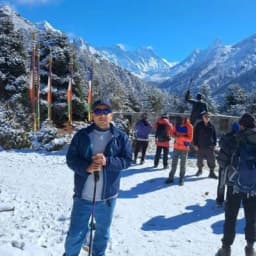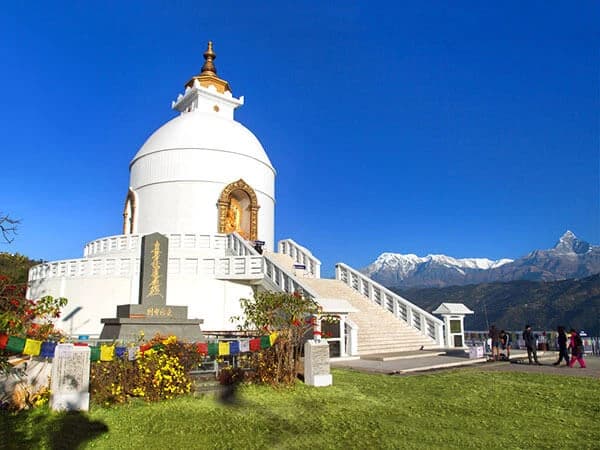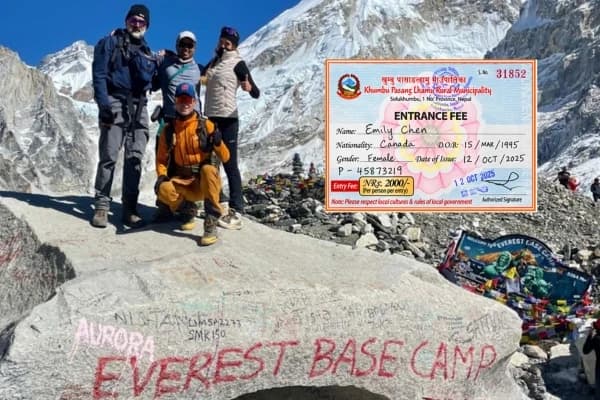
The best times to visit Pokhara are the autumn (October-November) and spring (March-April) seasons. These seasons provide clear Himalayan views, pleasant temperatures, and perfect weather for trekking, paragliding, boating, and sightseeing.
From sunrise at Sarangkot to the peaceful moments by Phewa Lake, Pokhara feels different in every season.
Autumn with its crystal-clear mountain views, spring with its colorful rhododendron blooms, winter with its peace and inexpensive travel, and monsoon with its green and lush valley.
Your Pokhara experience can be totally transformed by choosing the right season to visit, so here is a detailed seasonal guide to help you plan your perfect trip.
Are you ready to enjoy the clear Himalayan views and peaceful lakeside mornings? This might be the perfect time to plan your Pokhara escape with pokhara day tour.
Why Timing Matters When Visiting Pokhara?
Pokhara sits in a subtropical valley at around 820 meters above sea level. That means it's warm, lush, and heavily influenced by the monsoon. The seasons here are distinct not just in temperature but in what you can actually see and do.
Mountain visibility is the big one. The Annapurna range, Machhapuchhre (Fishtail Mountain), and Dhaulagiri these peaks are what people travel thousands of miles to see.
Clouds and monsoon haze can make them completely invisible for weeks at a time. Choose the right season, and you will enjoy stunning, front-row views from your hotel window.
Beyond that, Pokhara weather directly shapes what activities are safe and enjoyable. Paragliding needs stable thermals.
Trekking routes can become slippery or washed out during monsoon. Boating on Phewa Lake is peaceful in clear weather and miserable in heavy rain. Then there's the practical side: crowd levels, hotel pricing, and road conditions all shift with the seasons.
Understanding these factors helps you get more for your trip without compromising on experience.
What Makes Pokhara One of Nepal's Most Popular Tourist Destinations?
Before getting into seasons, it helps to know what you're actually there for:
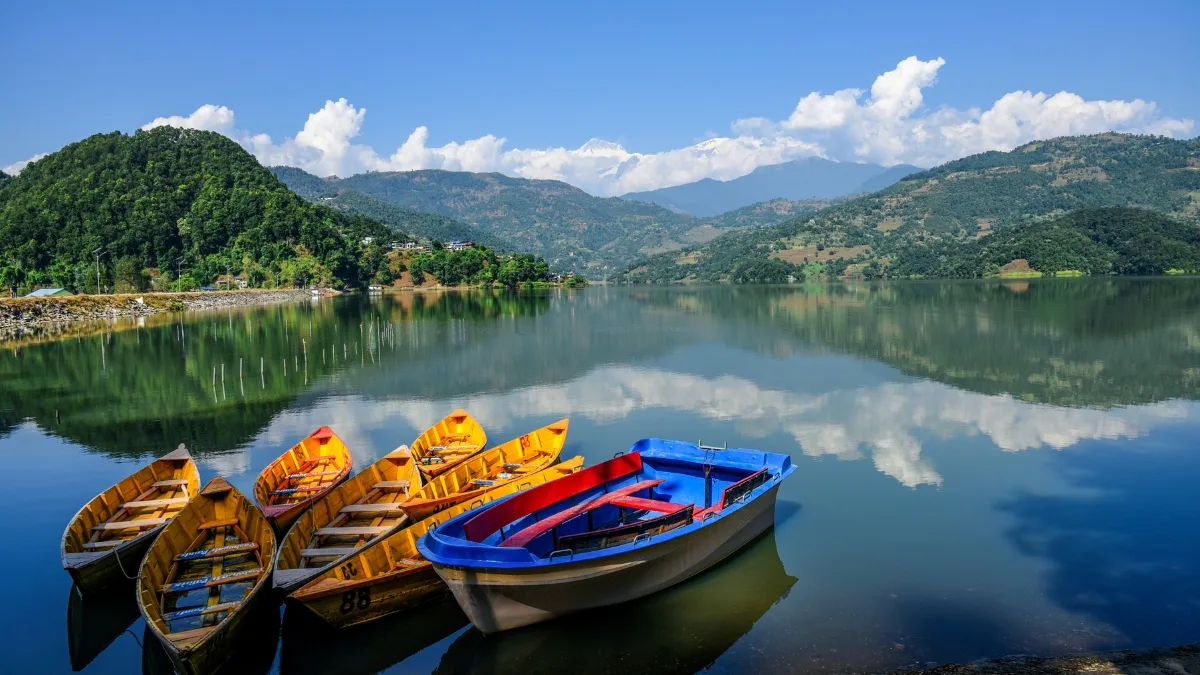
- Take a Phewa Lake rowboat out to the Tal Barahi Temple, watch reflections of Fishtail Mountain on a still morning, or just sit at a lakeside café and do nothing
- Sarangkot the classic sunrise viewpoint, with Annapurna and Machhapuchhre spread across the horizon in full colour
- Paragliding and adventure sports Pokhara is one of the best paragliding destinations in Asia, full stop
- Annapurna trekking access trailheads for Annapurna Base Camp, Mardi Himal, and the full Annapurna Circuit all start near here
- The lakeside vibe unhurried, warm, with good food, friendly people, and no particular pressure to do anything at all
Best Seasons to Visit Pokhara at a Glance
You can visit Pokhara throughout the year, but each season offers a different travel experience. Autumn and spring are the most popular for clear Himalayan views and outdoor activities, while winter is quieter and more budget-friendly. The monsoon brings lush green scenery but limited mountain visibility.
The table below gives a quick overview of the best season based on weather, views, and travel style.
Seasonal Comparison Table
|
Season |
Months |
Temperature |
Mountain Views |
Best For |
|
Autumn |
Oct–Nov |
10–25°C |
Excellent |
Trekking, clear views, festivals |
|
Winter |
Dec–Feb |
5–20°C |
Good |
Quiet travel, budget trips |
|
Spring |
Mar–Apr |
15–28°C |
Excellent |
Nature, adventure activities |
|
Pre-Monsoon |
May |
18–30°C |
Moderate |
Short visits, fewer crowds |
|
Monsoon |
Jun–Sep |
20–28°C |
Poor |
Green scenery, budget travel |
From sunrise at Sarangkot to boating on Phewa Lake, Pokhara feels magical in the right season. Connect to Nepal Gateway Trekking, now.
Visiting Pokhara in Autumn (October to November)
Autumn is the best season to visit Pokhara. It's not even close. The monsoon clears out by late September, and what it leaves behind is remarkable freshly washed air, zero haze, and mountain views that feel almost unreal in their clarity.
You may dine at a rooftop restaurant and gaze directly at the Annapurna range, as if it were a painting that someone had hung on the wall.
Daytime temperatures sit between 15°C and 25°C. The weather is sufficiently warm to allow for outdoor activities throughout the day, yet cool enough to prevent excessive perspiration. Mornings and evenings have a pleasant crispness.
Why Autumn Is the Peak Tourist Season
The combination of clear post-monsoon skies and near-perfect temperatures makes October and November the most popular months in Pokhara and in all of Nepal. If you're chasing Himalayan visibility, October is probably the single best month of the year.
Every outdoor activity, paragliding, boating, hiking, and photography, hits peak conditions simultaneously. Expect trails to be busy, especially on the Annapurna routes. Book your guesthouses early.
Best Things to Do in Pokhara During Autumn
- Paragliding from Sarangkot the thermals are reliable, the views are clear, and conditions are as good as they get
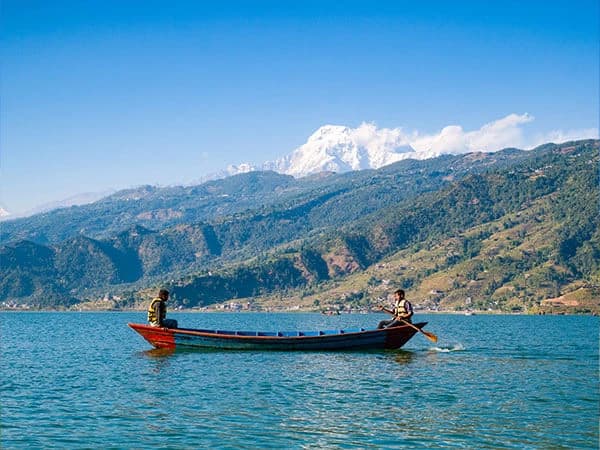
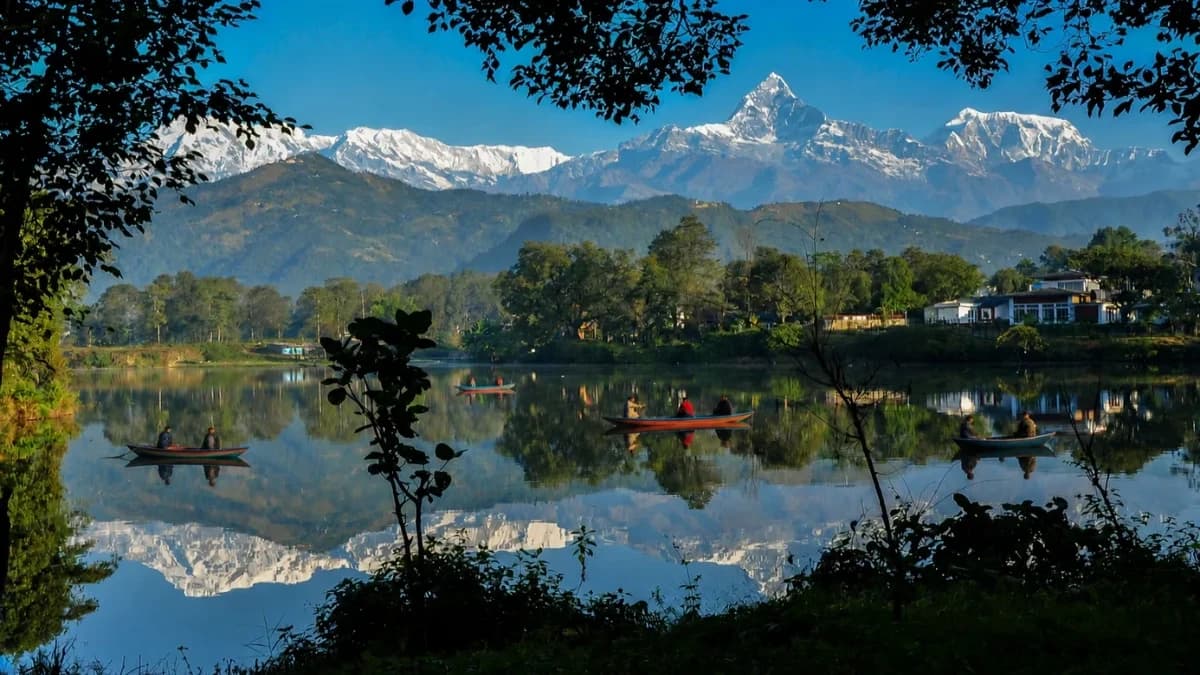
- Boating on Phewa Lake in the mornings, especially when the water is mirror-flat and Machhapuchhre reflects perfectly off the surface
- Sunrise at Sarangkot worth the 4 am wake-up call, especially in October when visibility is at its sharpest
- Photography literally everything looks good; the light is golden, the air is clean, the mountains are out
- Short hikes around the valley, or the start of a longer Annapurna trek
Dashain and Tihar Festival Experience
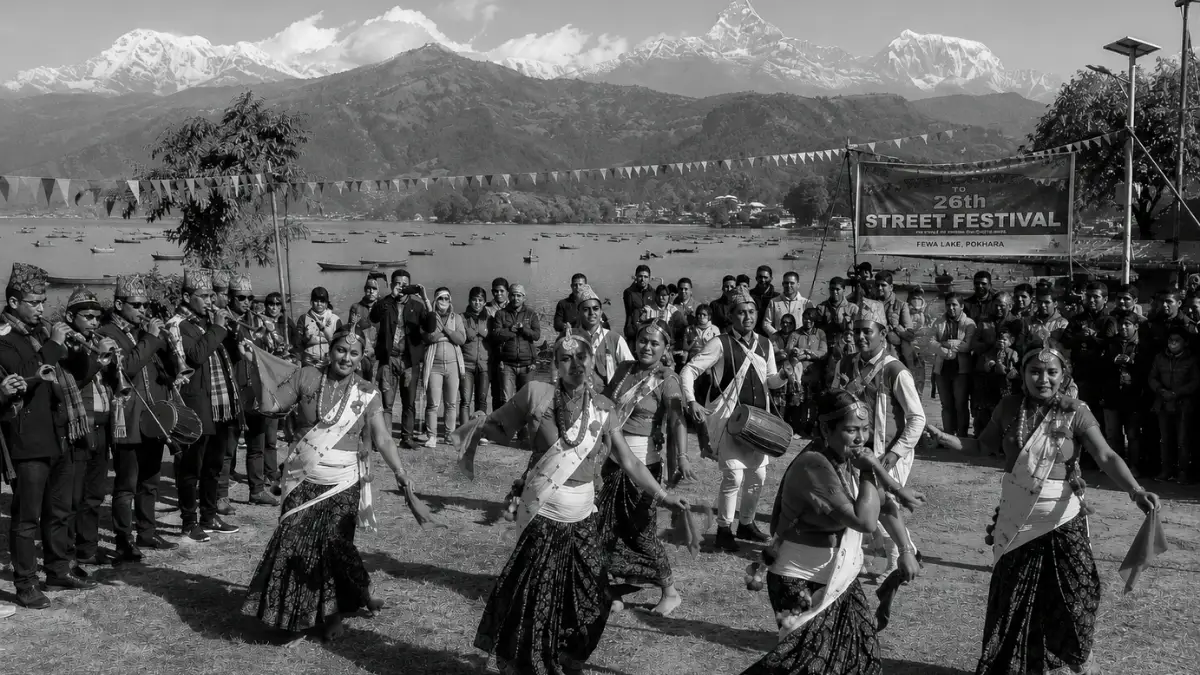
October usually brings Dashain and Tihar, Nepal's two biggest festivals. Dashain is a 15-day celebration, and Tihar (Diwali) follows shortly after with lights, marigolds, and music spilling into the streets.
Pokhara transforms. Locals are in great moods, markets are busy, and the city has a warmth not found at other times of year. If you can, please time your trip around one of these.
Want the best weather, clearest mountain views, and perfect trekking conditions? Choose the right season and make your Pokhara trip unforgettable. Contact us
Visiting Pokhara in Spring (March to April)
Spring is the second-best time to visit Pokhara, Nepal, and for nature lovers, it might even be better than autumn. The rhododendrons, Nepal's national flower, bloom across the hillsides in brilliant reds and pinks.
The landscape is green and alive after winter's relative dryness. Temperatures are warming up but haven't yet crossed into uncomfortable territory. Mornings are usually clear, with some cloud buildup in the afternoons as the season progresses toward monsoon.
Why Spring Is Perfect for Nature Lovers
March and April bring color everywhere. The Annapurna foothills carpet themselves in rhododendron forests, and even walking around the Pokhara valley feels vivid. Mornings tend to offer the clearest mountain views.
Catch them early before afternoon clouds roll in. The light is softer than in autumn, which photographers often prefer.
Best Adventure Activities During Spring
- Paragliding one of the best seasons for it, stable thermals, good visibility in the mornings
- Zipline runs year-round, but conditions are ideal in spring
- Ultralight flights over the Himalayas spectacular views in the clear morning air
- Trekking trails are in good shape, wildflowers are blooming, and the Annapurna routes are at their most scenic
Visiting Pokhara in Winter (December to February)
Winter in Pokhara is genuinely underrated. It's the quiet season, and there's something really nice about that. The tourist crowds thin out, hotel prices drop, and the city settles into a slower rhythm. You can wander the lakeside without jostling for space on the viewpoints. Popular spots feel like they are yours alone.
Advantages of Visiting Pokhara in Winter
- Relaxed, crowd-free atmosphere treks, viewpoints, and lake activities feel spacious and personal
- Budget-friendly travel accommodation and some tours are cheaper than peak season
- Still-good mountain views especially in December and early January before winter haze settles in
- Great for slow travel if you just want to sit by the lake, read, and eat well, winter is perfect for that
Winter Temperature and Weather Conditions
Temperatures range from about 5°C at night to 20°C during the day. Mornings can feel genuinely cold, especially near the lake. Afternoons warm up nicely.
Pack: warm layers for mornings and evenings, a light jacket for daytime, comfortable walking shoes, and sunscreen (the winter sun is still strong at midday). Occasional morning fog is normal, especially in January and February, which can briefly limit visibility. It usually clears by late morning.
Visiting Pokhara During Monsoon (June to September)
Okay, so the monsoon is genuinely challenging. Let's be honest about that. Heavy rain, persistent cloud cover, and very limited mountain visibility are the reality from June through August. The Annapurna range can disappear completely for days, sometimes weeks, at a time.
Trekking trails get muddy and slippery. Some roads experience landslide risk.
Challenges of Traveling During Monsoon
- Mountain views are largely inaccessible the whole reason most people visit Pokhara
- Trekking routes can be risky leeches, muddy paths, landslide-prone sections, trail closures
- Road travel can be unpredictable. The Prithvi Highway between Kathmandu and Pokhara is particularly prone to delays after heavy rain
- Some adventure activities are reduced or paused. Paragliding operations depend on weather windows
Why Some Travelers Prefer Monsoon Season
That said, a certain kind of traveler actually loves Pokhara in the monsoon. The city turns intensely green, almost overwhelmingly lush. Waterfalls seem to appear suddenly. The crowds are minimal. Prices are at their lowest.
Davis Falls, a short walk from the lakeside, roars at full force and is genuinely impressive during monsoon. If you're on a tight budget, aren't concerned about mountain views, and prefer having places to yourself, consider late September, when the rain eases off, as a decent compromise.
Want to explore more? See our Kathmandu-Pokhara-Chitwan Tour Package
Pokhara Weather by Month
- January to February: Cool winter conditions, with temperatures between 5°C and 18°C. Mornings can be foggy near the lake. Mountain visibility is decent in January and softer in February as haze builds. The month is a peaceful, budget-friendly time to visit, with fewer tourists, lower hotel rates, and a calm, unhurried feel to the city.
- March to April: Peak spring. Temperatures climb from around 15°C to 28°C. Rhododendrons are blooming, skies are mostly clear in the mornings, and all adventure activities are running. One of the best times of year for trekking and outdoor photography. Afternoons can bring clouds, especially in late April.
- May: A transitional month. The mornings remain pleasant, but temperatures are warming up noticeably, reaching 20–30°C. Humidity starts building. Afternoon clouds are more frequent, limiting mountain views. Crowds thin out. Some trekkers push through to beat the crowds; conditions are manageable but increasingly humid.
- June to August: Peak monsoon in Nepal. Expect heavy daily rainfall, temperatures around 20–28°C, and persistent cloud cover that blocks mountain views almost entirely. This is the off-season for most adventure activities. It can still be enjoyable if you have realistic expectations think lush green scenery, waterfalls, and very quiet lakeside mornings between rain showers.
- September to November: It is the best window of the year. September brings the tail end of the monsoon, with trails starting to clear. October and November are when Pokhara's weather is at its absolute finest crystal-clear Himalayan visibility, comfortable temperatures (10–25°C), and the full range of activities operating in ideal conditions. The Pokhara trekking season peaks here, and for good reason.
- December: early winter. The post-peak calm. Temperatures start dropping (8–20°C), crowds are thinning, and there's a lovely quietness settling over the city. Mountain visibility is still excellent for much of the month. This is a good choice for those who want good conditions without the peak-season prices and crowds.
Whether you love trekking, photography, or quiet mountain mornings, Pokhara has a perfect season waiting for you. Join now with Nepal Gateway Trekking.
Best Time to Visit Pokhara for Different Activities
When is the best time to go to Pokhara? Well, it depends on what you are looking for. Some come to walk and enjoy the mountain views, others to paraglide, boat, photograph, or take a quiet family holiday.
Weather conditions can significantly impact these activities, particularly visibility, trail safety, and flying conditions. Autumn and spring are usually the best times, providing clear skies, stable weather, and comfortable temperatures for most outdoor experiences.
Best Time for Trekking Near Pokhara
The Pokhara trekking season runs at its peak during October–November and March–April. These are the months when trail conditions, mountain visibility, and weather all align.
- Annapurna Base Camp best in October and April; rhododendrons bloom along the approach in spring
- Mardi Himal a less-crowded alternative that's stunning in autumn also excellent in spring
- Annapurna Circuit autumn is the classic choice; some trekkers do spring for the flowering valleys
Avoid monsoon season for any high-altitude trek. Trails above 3,000m can be dangerous, and the views you're trekking toward simply won't be there.
Best Time for Paragliding in Pokhara
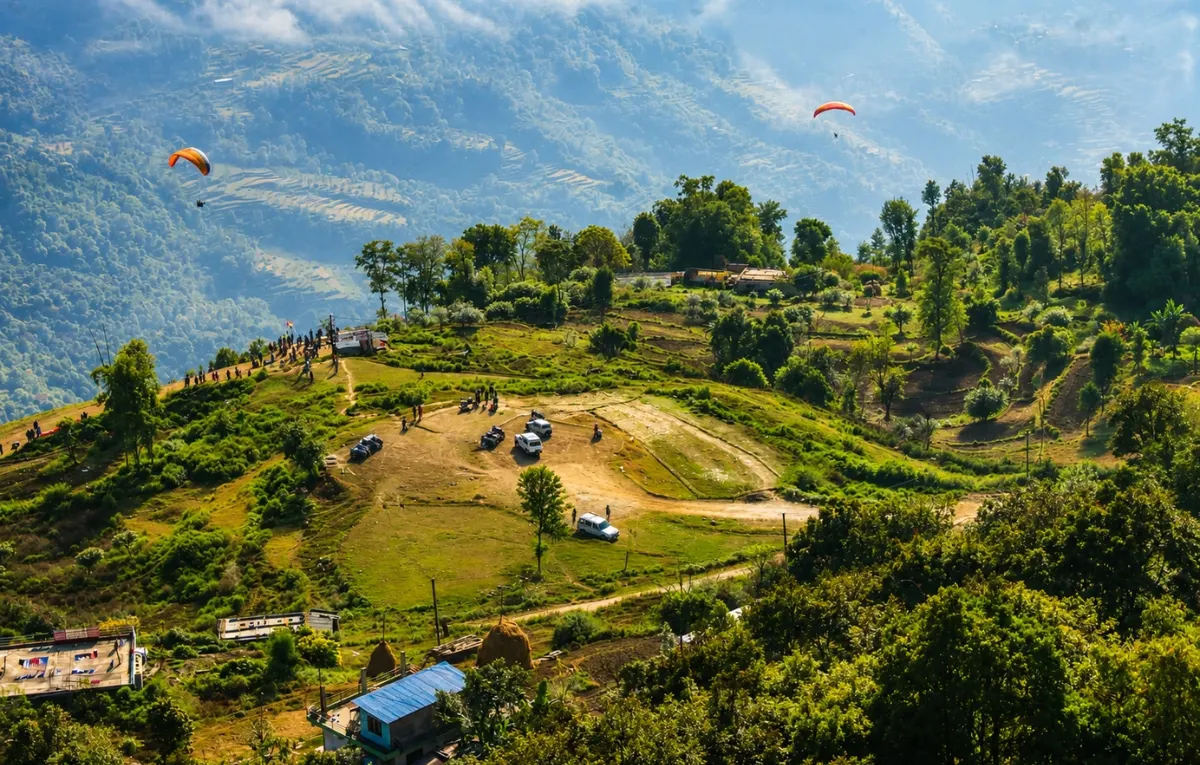
The best time for paragliding in Pokhara is October through April. Stable thermals, low wind, and clear skies make for safe, spectacular flights. One important update if you're planning this activity: due to airspace regulations around Pokhara International Airport, paragliding operations have shifted.
Flights now launch from Sarangkot and follow dedicated flying zones near Pame, rather than the older flight paths that passed directly over central Phewa Lake.
The views are still incredibly different angles, but the magic is the same. Make sure to book with a licensed operator who's up to date on the current flying zone regulations.
During the monsoon season (June to September), most paragliding operations reduce or suspend due to unpredictable weather. If paragliding is a priority, plan your visit in autumn or spring.
Dreaming of paragliding above Pokhara or watching the Annapurna range glow at sunrise? Pick the right season and experience it at its best. Join our team for the best experience.
Best Time for Boating and Photography
Boating on Phewa Lake is best in October–November and March–April. Still water, clear skies, and the Machhapuchhre reflection that combination only happens on calm, cloud-free mornings, which you get reliably in those seasons.
For photography, autumn light is particularly beautiful the post-monsoon clarity gives mountain shots a sharpness that's hard to beat. Spring is better for flora, color, and valley scenery. Either works. Winter can also offer some stunning shots on clear days, with far fewer people in frame.
Final Thoughts
If you have flexibility, go in October. That's it. Clear mountains, perfect weather, festivals, delicious food, and everything running. It's the best month, and most people who've spent time in Pokhara will tell you the same thing.
If October doesn't work, spring, March or April, is genuinely just as rewarding in its own way. Different mood, more color, same beautiful city.
Winter is underappreciated. It's quiet in a way that feels like a privilege, and if you're traveling on a budget or just want to slow down and not share every viewpoint with fifty other tourists, December and January can be exceptional. Monsoon is a difficult experience for most first-time visitors.
The views won't be there. But if you know that going in and you're after lush scenery, bargain prices, and having the lake mostly to yourself, some people genuinely love it. Whatever season you choose, Pokhara has a way of getting under your skin.
The mountains, the lake, the easy pace of it it's hard not to want to come back.
Planning your next Nepal adventure? Explore customized Pokhara tours and trekking experiences with Nepal Gateway Trekking and enjoy expert local guidance throughout your journey. Contact us right now.
FAQs
What is the absolute best month and season to visit Pokhara?
The best season to visit Pokhara is autumn (October to November). October is considered the best single month post-monsoon skies are exceptionally clear, Himalayan views are at their sharpest, and conditions are ideal for every outdoor activity from paragliding to lakeside photography.
What is Pokhara's weather like year-round, and can I visit during the monsoon?
Pokhara experiences four fairly distinct seasons: a pleasant spring, a hot and pouring monsoon, a clear and comfortable autumn, and a cool, quiet winter. Monsoon travel is possible, but heavy rainfall between June and August will affect mountain visibility and can make road travel unpredictable. September is the best monsoon-adjacent month if you're flexible.
Why is Pokhara famous, and is it worth visiting?
Pokhara is famous for Phewa Lake, Himalayan views, adventure sports like paragliding and zip-lining, and being the gateway to the Annapurna trekking region. Sunrise from Sarangkot and boating on the lake are experiences that people plan entire Nepal trips around. Yes, it's absolutely worth visiting.
What is the best time for trekking near Pokhara?
Autumn (October–November) and spring (March–April) are the best trekking seasons. Stable weather, clear mountain visibility, and well-maintained trails make these months ideal for routes like Annapurna Base Camp, Mardi Himal, and the Annapurna Circuit.
What is the best time for paragliding in Pokhara?
October to April offers the best paragliding conditions, stable weather, and clear skies for safe, scenic flights. Due to airspace regulations around Pokhara International Airport, flights now operate through dedicated flying zones near Pame. Book with a licensed operator who follows current regulations.
Is Pokhara good for family trips?
Yes. Pokhara is one of the most family-friendly destinations in Nepal. The environment is safe and relaxed, hotels are comfortable, sightseeing is easy, and there are plenty of low-key activities, boating, short hikes, and lakeside walks that work for all ages. Spring and autumn are the best times to visit Pokhara with family.
How many days do I need in Pokhara, and what should I pack?
Two to four days is ideal for a comfortable Pokhara experience. Pack light clothing for spring and summer, warm layers for winter mornings and evenings, good walking shoes, sunscreen, and rain gear if you're visiting during or near monsoon season. A packable down jacket is useful year-round for Sarangkot sunrises.
How can I get to Pokhara?
You can reach Pokhara from Kathmandu by domestic flight (around 25–30 minutes), tourist bus (6–8 hours), private jeep, or car. Flights are the quickest option, and the views of the Himalayas on the descent into Pokhara are worth the ticket price alone. Road travel is scenic but can be slow, especially during monsoon when traffic and occasional delays are common.