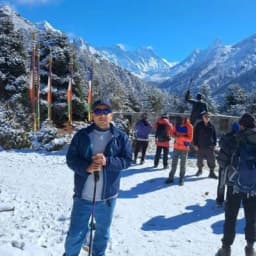
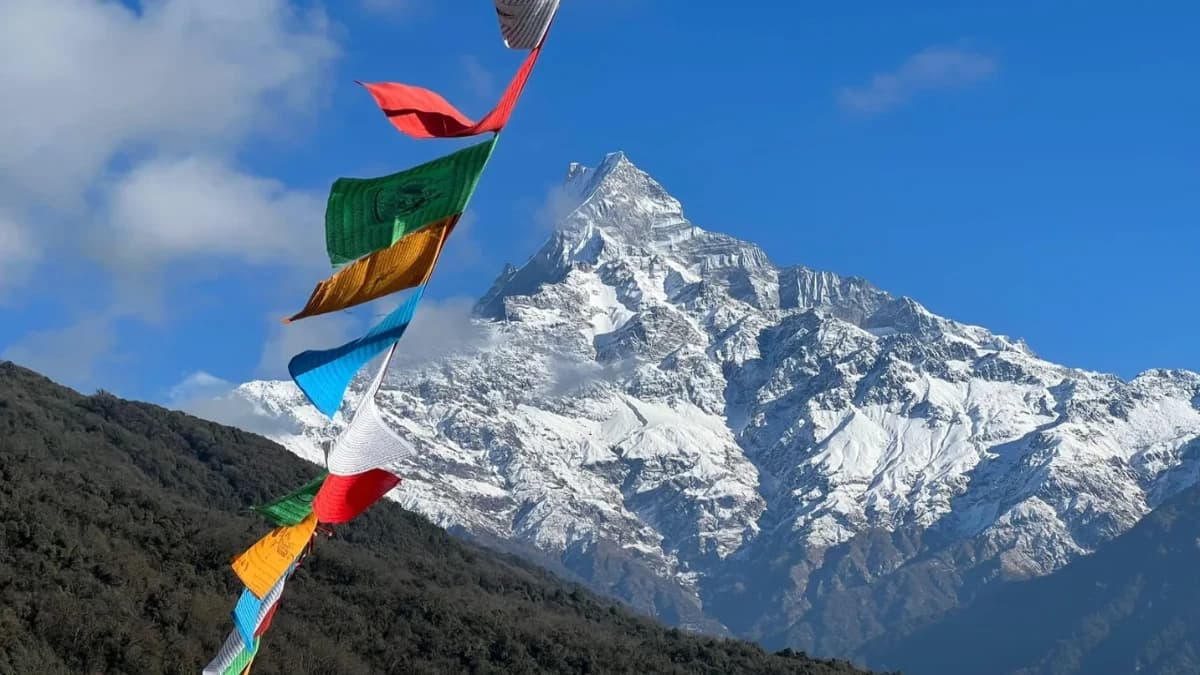
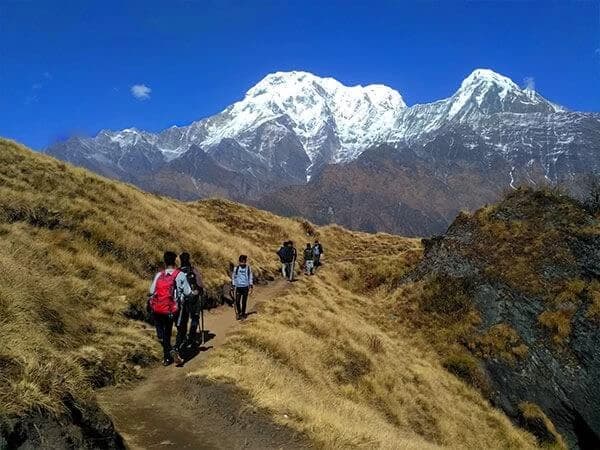
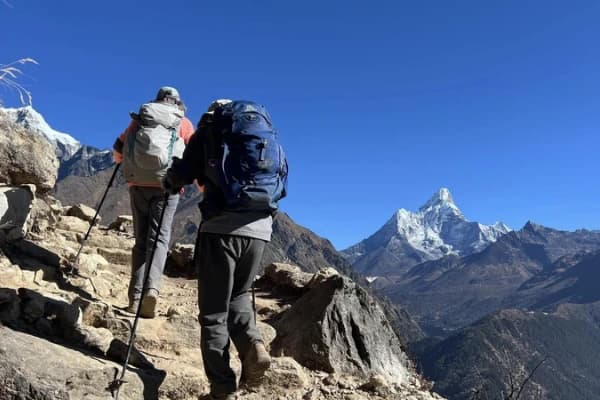
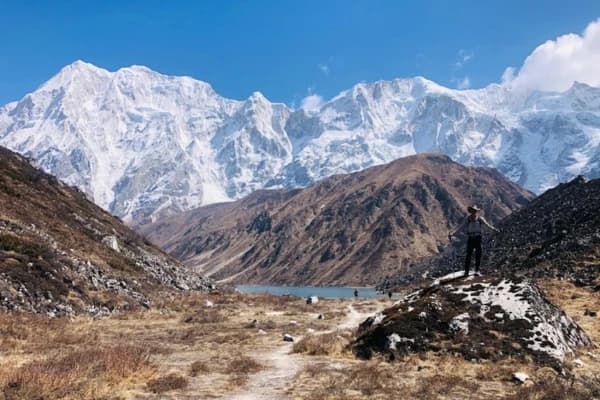
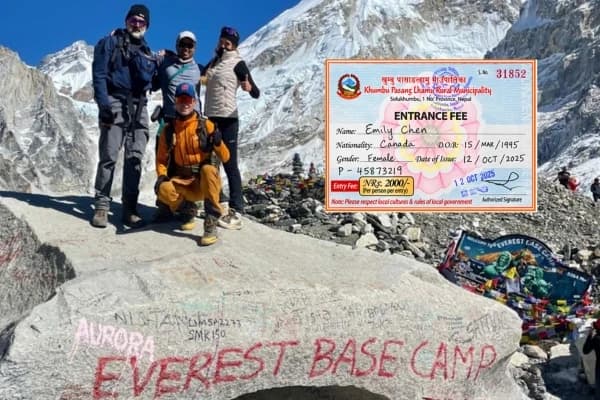
The Mardi Himal Trek is honestly one of the best-kept secrets in Nepal. It's shorter than most Annapurna routes and less crowded, and yet the views of Machhapuchhre right in your face, Annapurna South, and Hiunchuli are absolutely unreal.
The ridge walk from High Camp to the base camp is the kind of thing people come back to Nepal for.
But here's the thing. The trail moves fast in terms of altitude. You go from dense rhododendron forest to exposed alpine terrain in just a couple of days. And that shift changes everything about what you need in your bag.
Pack too light, and you'll be shivering at High Camp at 3,580 m with no warm layers. Pack too heavy and your knees will hate you on the descent to Siding Village. Both are real problems, and both are avoidable.
Many first-time trekkers make the same mistakes. They bring too many clothes, forget a quality rain cover, skip the blister prevention stuff, or carry electronics without any way to keep them charged.
This guide covers all of it clothing, footwear, gear, electronics, permits, first aid, seasonal adjustments, and practical tips from people who have actually done this trail.
Quick Overview & Facts
- Short 4–5 day trek in the Annapurna region with a maximum altitude of 4,500m.
- Keep your backpack weight between 10–12 kg for comfort and easier trekking.
- Use the 3-layer clothing system: base layer, insulation layer, and waterproof outer layer.
- Avoid cotton clothing; choose moisture-wicking and quick-drying fabrics.
- Carry a down jacket, fleece, waterproof jacket, and waterproof pants for changeable mountain weather.
- Wear broken-in waterproof trekking boots and bring extra trekking socks to prevent blisters.
- Pack a -10°C sleeping bag, trekking poles, a rain cover, and a water purification method.
- Essential electronics include a smartphone, headlamp, power bank, and charging cables.
- Bring a basic first aid kit, blister treatment supplies, sunscreen, lip balm, and sunglasses.
- Required permits: ACAP Permit and Machhapuchhre Rural Municipality Entry Fee.
- Travel insurance should cover helicopter evacuation and high-altitude trekking.
- Carry enough cash for the trek, typically NPR 3,000–5,000 per day.
- Do not pack unnecessary items like laptops, heavy cameras, bulky toiletries, or too many clothes.
- Gear can be rented in Kathmandu or Pokhara, especially sleeping bags, down jackets, and trekking poles.
- The key to a successful trek is packing light, staying warm, and carrying only essential gear.
Essential Packing Principles for Mardi Himal Base Camp Trek
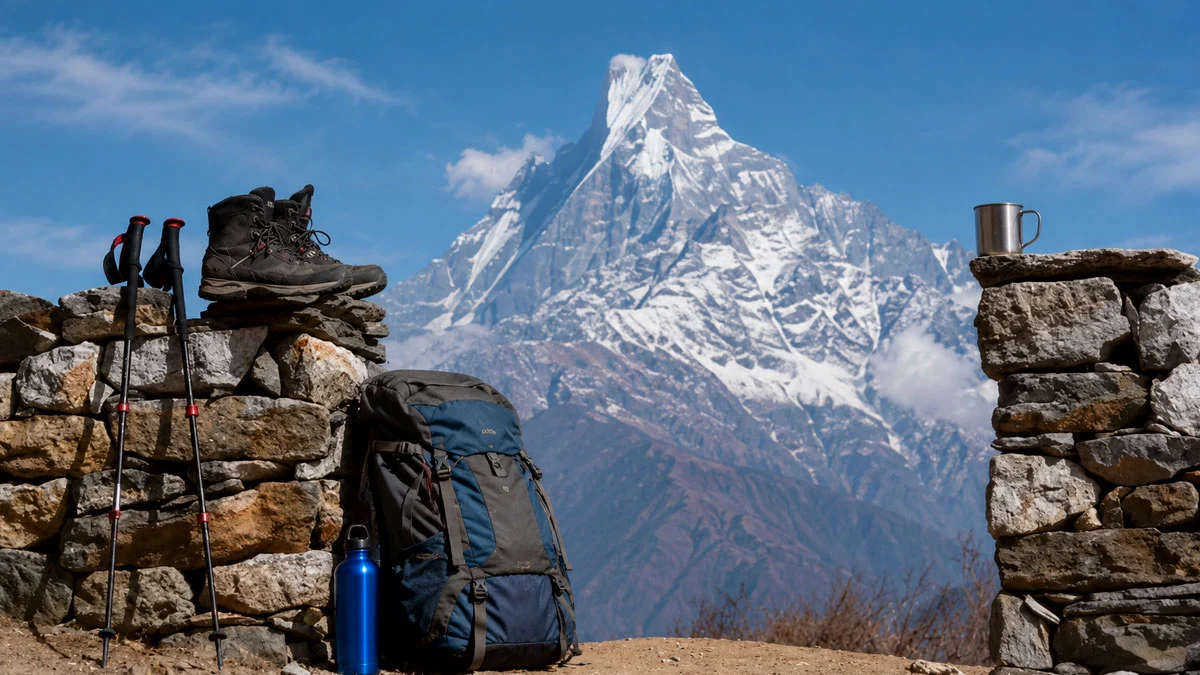
You can stress about gear lists all you want. But honestly, the most important thing is to start with the right mindset: less is almost always more on a short trek like this.
The Golden Rule: Keep Your Pack Under 12 kg
Aim for 10–12 kg total, including your sleeping bag. That's it. This trek is only 4–5 days. You don't need a week's worth of clothes or a full pharmacy. If you're going with a guide (which is now that the law is required anyway), you'll carry a daypack, and your guide or porter will handle the main bag, so even 8–10 kg on your back is doable.
Every extra kilogram you add shows up in your knees. This phenomenon is especially true on the rocky descents from High Camp.
Understanding the Three-Layer Clothing System
This system sounds fancy, but it's really simple. Three layers, each with a job:
- Base layer sits against your skin and pulls moisture away. Merino wool or synthetic, never cotton.
- The mid-layer traps heat. A fleece jacket or down jacket.
- The outer layer blocks wind and rain. A waterproof shell or hardshell jacket.
You can combine these based on the weather. Sometimes just base + outer is enough. Occasionally you need all three. The system works because each layer is light on its own, but together they handle almost anything.
Why Cotton Can Be Dangerous in the Mountains
Cotton holds moisture. When you sweat in cotton at altitude and then stop moving, the wet fabric pulls heat away from your body fast. This is how people get hypothermia even on moderate treks, not from extreme cold but from wet cotton on a cold evening.
Stick to merino wool or moisture-wicking synthetic fabrics for everything you wear close to your skin.
Complete Clothing & Footwear Packing List
Here's a breakdown of what to pack, with honest notes on what you'll use and what you won't.
Base Layers
- 2 moisture-wicking base layer tops (merino or synthetic)
- 1 base layer bottoms / thermal leggings
- 3 moisture-wicking underwear
- 1 light thermal set (for High Camp nights)
Two base layer tops are enough. You'll wear one, wash one at teahouses when possible, and rotate. No need for three.
Trekking Shirts and Pants
- 2 lightweight trekking shirts (long-sleeve preferred for sun protection)
- 2 trekking pants or convertible trousers
- 1 pair of comfortable trekking shorts (optional, mainly for lower elevations)
Convertible zip-off pants are genuinely useful here. Warm forest sections you whiz through. Cold ridge sections you zip back on. Simple.
Insulation Layers
- 1 fleece jacket or mid-layer
- 1 down jacket or synthetic insulated jacket
The down jacket is non-negotiable for high camp and base camp. Even in autumn, temperatures drop sharply after sunset at 3,500 m+.
Waterproof and Windproof Layers
- 1 waterproof hardshell jacket (Gore-Tex or equivalent)
- 1 waterproof trousers (especially important for monsoon or spring)
A lot of trekkers skip the waterproof trousers and regret it when an afternoon shower comes in.
Headwear, Gloves, and Socks
- 1 warm fleece or wool hat
- 1 sun hat or cap
- 1 balaclava (optional, but useful for High Camp mornings)
- 1 pair of light gloves
- 1 pair of warm insulated gloves
- 4 pairs of merino wool or synthetic trekking socks
- 2 liner socks (great for blister prevention)
Trekking Boots and Camp Footwear
- 1 pair of broken-in waterproof trekking boots (mid- to high-ankle)
- 1 pair of camp sandals or lightweight shoes (for teahouse evenings)
Broken in. That's the key phrase. Wearing brand-new boots on this trail is a recipe for blisters. Wear them at home for a few weeks before you go.
Foot Care and Blister Prevention Secrets
This section gets skipped constantly, and it really shouldn't. Blisters can end a trek faster than bad weather.
- Apply zinc oxide tape to hot spots before they become blisters
- Blister plasters (Compeed or similar) for blisters that have already formed
- Proper lacing always lace tightly around the ankle on descents to prevent heel slippage
- Sock layering thin liner sock under a thick trekking sock reduces friction
Recommended Read: The Most Essential Things To Pack For Trekking In Nepal
Trekking Gear and Technical Equipment Checklist
Having the right trekking gear helps you stay comfortable, safe, and prepared throughout the Mardi Himal Trek. Choose lightweight, reliable equipment that can handle changing weather and mountain conditions without adding unnecessary weight to your pack.
Choosing the Right Backpack
|
Item |
Recommendation |
|
Main backpack |
40–50 L with hip belt |
|
Rain cover |
Dedicated pack rain cover |
|
Daypack |
20–25L if using a porter |
|
Duffel bag |
Optional, useful for porter transfer |
For a guided trek where a porter carries your main bag, a 40 L main duffel and a 20–25 L daypack for the trail is the ideal setup.
Sleeping Bag Requirements
- A sleeping bag rated to -10°C is the safest choice for High Camp and the base camp
- Teahouses do provide blankets, but blanket quality varies wildly don't rely on them at higher altitudes
- If you're trekking in spring or autumn and on a budget, a -5°C bag plus teahouse blankets usually works at lower camps
- Sleeping bags are available to rent in Pokhara for around NPR 200 to 500 ( approximately $1.50 to $4.00 USD) per night
A sleeping bag liner adds warmth and keeps the sleeping bag clean. Worth the small extra weight.
Trekking Poles and Stability Equipment
Trekking poles aren't glamorous, but they make a real difference on this trail. The descents from High Camp to Siding Village are steep, loose, and hard on your knees.
- 1 pair of adjustable trekking poles (collapsible)
- Poles help with balance on the exposed ridge sections too
- Available to rent or buy cheaply in Pokhara if you don't want to travel with them
Hydration and Water Purification Systems
|
Item |
Notes |
|
Water bottle (1L×2) |
Nalgene or similar wide-mouth |
|
Hydration bladder |
Optional, useful on long ridge days |
|
Aquatabs |
Lightweight backup purification |
|
SteriPen UV purifier |
Fast and reliable batteries are needed |
|
Water filter (Sawyer Squeeze etc.) |
Reusable, good for longer trips |
Teahouses sell bottled water, but it's expensive at higher altitudes. Purifying your water from streams or teahouse taps saves money and reduces plastic waste on the mountain.
Electronics, Power, and Navigation Essentials
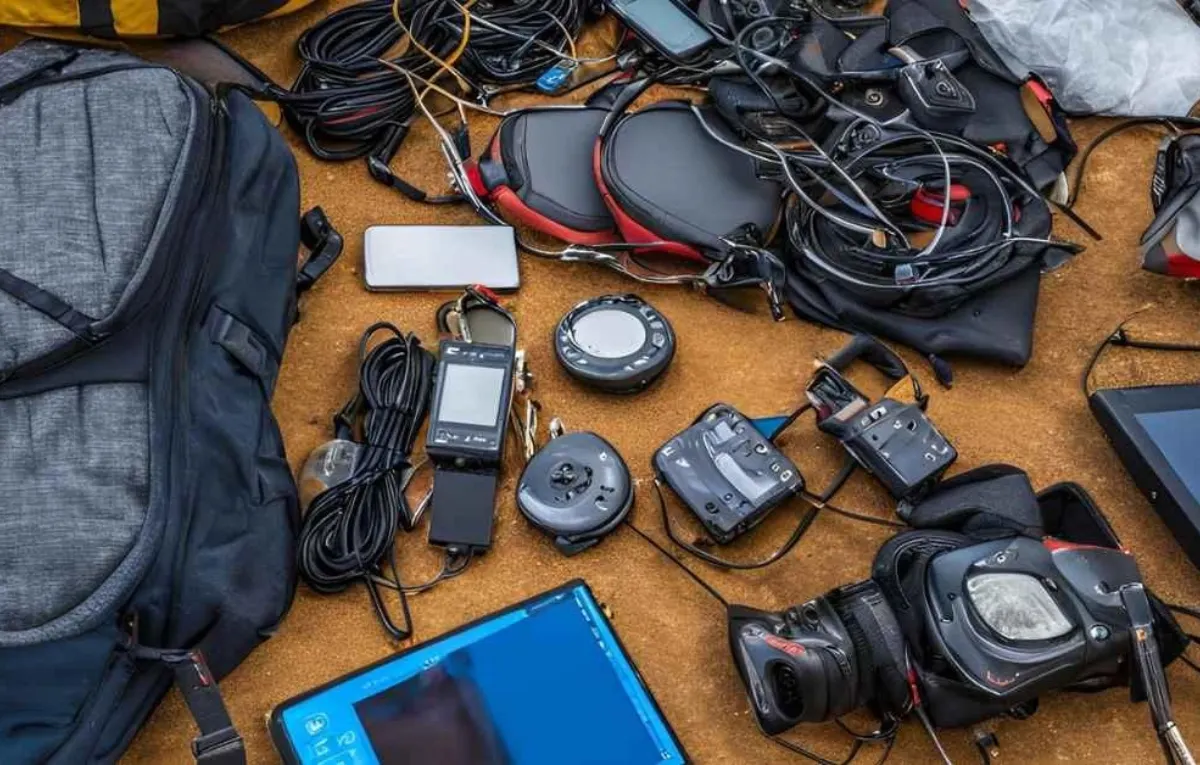
The right electronics can improve safety, convenience, and navigation on the Mardi Himal Trek. Since charging facilities are limited and often come at an extra cost, carry only essential devices along with sufficient backup power to stay connected and prepared throughout the journey.
Want to know better about the plug types, voltage, and travel adapter guide? Go through this: Electric Plugs in Nepal
Essential Electronics for the Trek
|
Device |
Priority |
|
Smartphone |
Essential |
|
Camera / mirrorless |
Highly recommended |
|
GoPro |
Optional |
|
Headlamp + spare batteries |
Essential |
|
GPS watch |
Optional but useful |
The headlamp is not optional. Power cuts at teahouses happen. Early morning starts are necessary for summit views. Don't be that person stumbling around with your phone's torch.
Power Banks, Chargers, and Adapters
- 1 power bank (10,000–20,000 mAh): Teahouses charge NPR 200–500 per device charge
- Charging cables for all your devices
- 1 universal travel adapter (Nepal uses Type C and D sockets mainly)
- Spare AA/AAA batteries for headlamp and GPS
A 10,000 mAh bank is usually enough for a 5-day trek. If you're shooting a lot of video or using GPS constantly, go with 20,000 mAh.
Recommended Read: Equipment Checklist
Medical Kit and Emergency Essentials for Mardi Himal Trek
Reliable electronics can make your trek safer, easier, and more enjoyable. From staying connected and capturing mountain views to navigating the trail and handling early morning hikes, a few essential devices can go a long way. Since teahouses often charge for limited charging facilities, it's important to carry enough backup power for the entire trek.
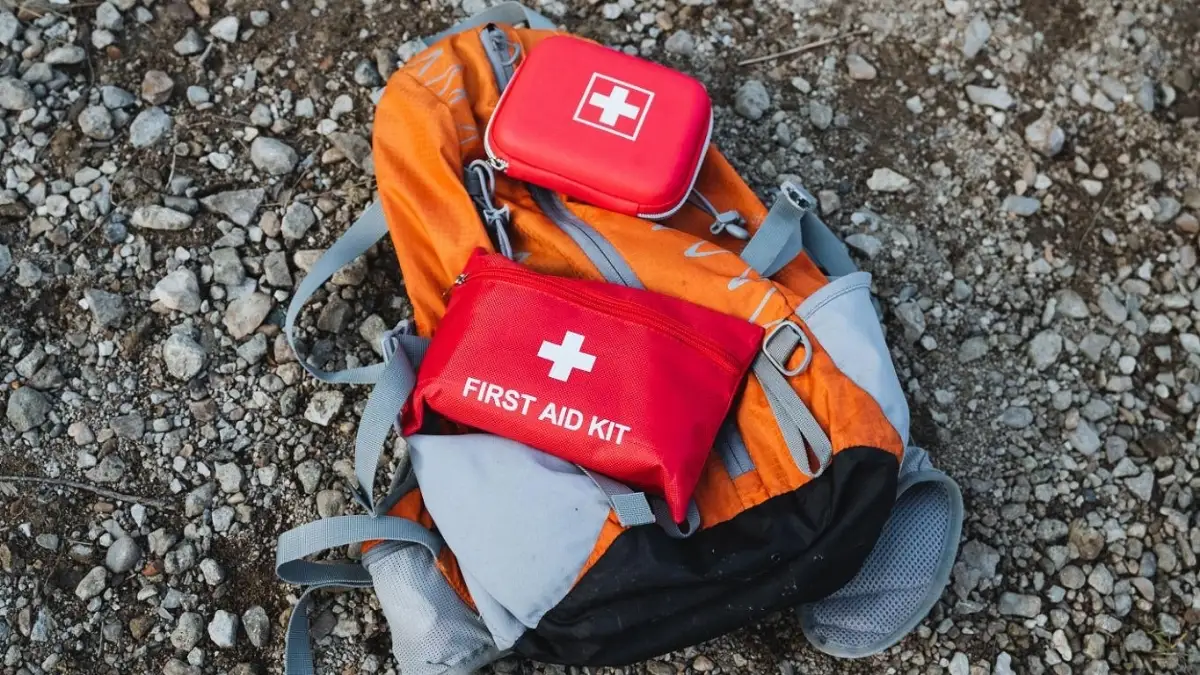
Personal First Aid Kit Checklist
|
Item |
Purpose |
|
Bandages and sterile gauze |
Cuts, abrasions |
|
Medical tape |
Wound closure, blister prevention |
|
Antiseptic cream or wipes |
Wound cleaning |
|
Paracetamol / Ibuprofen |
Pain, fever |
|
Thermometer |
Temperature check |
|
Tweezers |
Splinters, ticks |
Keep your medical kit in a small waterproof pouch that's easy to access, not buried at the bottom of your pack.
Emergency Items Every Trekker Should Carry
- Emergency whistle (attached to your pack)
- Emergency space/mylar blanket
- Pulse oximeter (highly recommended, cheap, small, tells you your SpO₂ levels)
A pulse oximeter is the single most useful thing most trekkers don't bring. At High Camp, readings below 85% SpO₂ are a serious concern.
Toiletries and Personal Hygiene Checklist
Maintaining excellent hygiene on the Mardi Himal Trek helps you stay healthy, comfortable, and energized throughout the journey. Since teahouse facilities can be basic and hot showers may not always be available, pack lightweight toiletries and personal care items that are easy to carry and suitable for mountain conditions.
- Small bar or travel-size soap (biodegradable)
- Toothbrush and toothpaste
- Small microfibre towel (teahouses rarely provide them)
- Toilet paper (carry your own not always available)
- Small trowel (for wilderness use below the treeline)
Skin Protection at High Altitude
UV radiation increases significantly at elevation. On the open ridge sections, you're exposed for hours.
- Sunscreen SPF 50+
- Lip balm with SPF
- Moisturiser.
- Sunglasses with UV400 protection
Hygiene Products for Teahouse Trekking
- Wet wipes for quick face and body clean on days when hot showers aren't available (common at High Camp)
- Hand sanitiser before every meal, always
- Biodegradable soap for stream washing
- Small zip-lock bags for waste management
What are the Documents, Permits, and Cash That You Must Carry on Mardi Himal Trek?
Before starting the Mardi Himal Trek, make sure you have all required permits, identification documents, and enough cash for the entire journey. Since there are no ATMs on the trail and permit checks occur at several checkpoints, keeping your documents organized and easily accessible will help ensure a smooth trekking experience.
Required Permits for Mardi Himal Trek
|
Permit |
Where to Get It |
Cost (NPR) |
Cost (USD) |
|
ACAP (Annapurna Conservation Area Permit) |
Nepal Tourism Board Office in Kathmandu or Tourism Service Center in Pokhara |
NPR 3,000 |
Approx. USD 22 |
|
Machhapuchhre Rural Municipality Entry Fee |
Collected at the entry checkpoint along the Mardi Himal Trek route |
NPR 2,000 |
Approx. USD 15 |
|
Total Permit Cost |
— |
NPR 5,000 |
Approx. USD 37 |
Carry photocopies of both permits. Checkpoints will stamp them as you pass through. There are two to three checkpoints on the trail where officials verify permits and guide registration. Your guide will know where these are, but having your documents accessible in your hipbelt pocket saves time at each stop.
Travel Insurance Requirements
This requirement is non-negotiable. Obtain travel insurance that includes:
- Helicopter evacuation coverage to at least 5,000m
- Medical treatment costs
- Trip cancellation coverage
Check the fine print. Some budget insurance policies don't cover helicopter evacuations above 4,000m, which is precisely where you'd need it.
If you book your trek with Nepal Gateway Trekking, our team will guide you through the insurance requirements and help ensure you have the necessary coverage before your trip begins. We also handle trek permits, guide arrangements, transportation, accommodations, and other logistics, allowing you to focus on preparing for your adventure with confidence.
How Much Cash Should You Bring?
There are no ATMs on the Mardi Himal Trek after leaving Pokhara, so carry enough cash for the entire journey. While costs vary depending on your spending habits, most trekkers should budget for accommodation, meals, drinks, charging fees, Wi-Fi, and tips along the route.
|
Estimated Expense (5-Day Trek) |
Cost (USD) |
|
Accommodation |
$12–25 |
|
Meals & Drinks |
$65–95 |
|
Water, Wi-Fi & Charging |
$15–30 |
|
Guide Tips |
$35–70 |
|
Porter Tips |
$20–35 |
|
Permits |
$37 |
|
Estimated Total Cost |
$185–290 |
What NOT to Pack for the Mardi Himal Trek?
Knowing what to leave behind is just as important as knowing what to bring.
Heavy Items That Stay Home
- Full-size tripod (use a small GorillaPod if you need one)
- Heavy DSLR with multiple lenses (a single mirrorless kit lens is fine)
- Hardcover books (download to a Kindle or app instead)
- More than two pairs of trekking pants
- Full-size shampoo or conditioner bottles
Clothing Mistakes First-Time Trekkers Make
- Packing too many clothes for a 4–5 day trek
- Cotton t-shirts and jeans (genuinely dangerous at altitude see above)
- Brand-new boots (again, break them in first)
- Flip-flops as the only camp shoe (cold and unstable on teahouse floors)
- Packing a thick bath towel instead of a lightweight microfibre one
Electronics You Probably Won't Use
- Laptop or iPad (your phone is enough)
- Multiple cameras if you're not a photographer
- Bluetooth speaker (teahouses are small, communal spaces it's not appreciated)
- Drone (ACAP area restrictions apply; check current regulations before bringing one)
Gear Rental vs. Buying in Kathmandu and Pokhara
If you are missing gear from your packing list for the Mardi Himal Base Camp Trek, both Thamel (Kathmandu) and Lakeside (Pokhara) offer excellent rental shops and affordable outdoor gear stores. Renting bulky items saves money and luggage space, but you should always purchase certain personal items for comfort, hygiene, and safety.
Final Thoughts
Packing for the Mardi Himal Trek doesn't have to be complicated. Strip it down to the basics: a layering system that handles cold and wind, boots that are already broken in, a solid sleeping bag, and a small but complete first aid kit. Everything else is fine-tuning. The trail itself is incredible.
The ridge walk with Machhapuchhre, closer than it seems, genuinely offers one of those views that sticks with you. It's worth doing right. Get the weight down to below 12 kg. Know the symptoms of AMS. Bring your permits sorted before the trail.
And don't underestimate the descent to Siding long, steep, and hard on the knees. That's when trekking poles earn their space.
If you're heading out in 2026, the regulations are stricter around guides and permits than they used to be. Please work with a licensed agency and allow them to handle the logistics. Your job is just to show up fit, prepared, and with the right stuff in your bag.
Planning your Mardi Himal adventure? ContactNepal Gateway Trekking for customized Mardi Himal Trek itineraries, experienced licensed guides, permit assistance, and local expertise that ensures a safe and unforgettable Himalayan experience.
FAQs
What should I pack for the Mardi Himal Base Camp Trek?
The essentials are a waterproof jacket, a down or insulated jacket, moisture-wicking base layers (no cotton), waterproof trekking boots, a -10°C sleeping bag, trekking poles, a first aid kit with altitude sickness medication, ACAP and local entry permits, and enough cash for 5 days on the trail. Full checklists are in the sections above.
How much should my backpack weigh for the Mardi Himal Trek?
Keep your total pack weight between 10–12 kg, ideally closer to 10 kg. If you're using a porter for your main bag, your trail daypack should weigh 5–7 kg at most. Heavy packs destroy your knees on the long descent.
Do I need a sleeping bag for the Mardi Himal Trek?
Yes. Teahouses provide blankets, but they are not reliable at higher camps. A sleeping bag rated to -10°C is recommended for both high camp and base camp. You can rent one in Pokhara if you would rather not carry your own.
Can I rent trekking gear in Pokhara?
Yes. Pokhara has a well-developed gear rental and purchase market in the Lakeside area. You can rent sleeping bags, trekking poles, down jackets, and waterproof jackets at reasonable daily rates. Quality varies inspect gear before you take it.
Is the Mardi Himal Trek difficult for beginners?
It's rated as moderate. It's suitable for beginners with reasonable fitness, but the altitude at High Camp (3,580m) and the base camp viewpoint (4,500m) can cause altitude sickness in some people. The long descent on the final day tires people who aren't used to sustained downhill walking. It's very doable for beginners, but you should train beforehand.
What permits are required for Mardi Himal Trek?
You need two permits: the ACAP (Annapurna Conservation Area Permit) and the Machhapuchhre Rural Municipality Local Entry Fee. Both can be arranged in Pokhara or through your trekking agency before the start.
What is the highest altitude on the Mardi Himal Trek?
The highest point is the Mardi Himal Base Camp viewpoint at approximately 4,500m (14,764 ft). High Camp sits at around 3,580 m, where most trekkers spend the night before the push to base camp.
Is Diamox necessary for the Mardi Himal trek?
It is not strictly necessary for everyone, but it is worth having. The ascent profile is gradual enough that most fit trekkers don't develop serious AMS. That said, bring Diamox as a precaution after consulting a doctor. Don't start taking it on the trail without prior discussion with a medical professional.
How much cash should I carry on the Mardi Himal Trek?
Budget approximately NPR 3,000–5,000 per day for meals, accommodation, water, charging, and Wi-Fi. Add extra for guide and porter tips. Bring enough for the full trek plus a buffer there are no ATMs after Pokhara.
What electronics should I bring for the trek?
Smartphone, headlamp (essential), power bank, and a camera if you want photos. That's really it. Keep it simple. The fewer devices you have to charge and protect, the easier your trip will be.
What should I not pack for the Mardi Himal Trek?
Leave behind cotton clothing, heavy cameras with multiple lenses, a laptop, full-size toiletries, more than two pairs of trekking pants, and anything you haven't used in the last month that you're bringing "just in case." Every extra kg adds up over four days of mountain terrain.
What is the best season for the Mardi Himal Trek?
Autumn (September–November) is generally considered the best season, with clear skies, stable weather, excellent visibility on the ridge, and comfortable temperatures. Spring (March–May) is the second best, with rhododendrons in bloom but slightly more clouds and rain. The Mardi Himal trek from Pokhara is accessible year-round, but winter and monsoon trekking require more preparation.