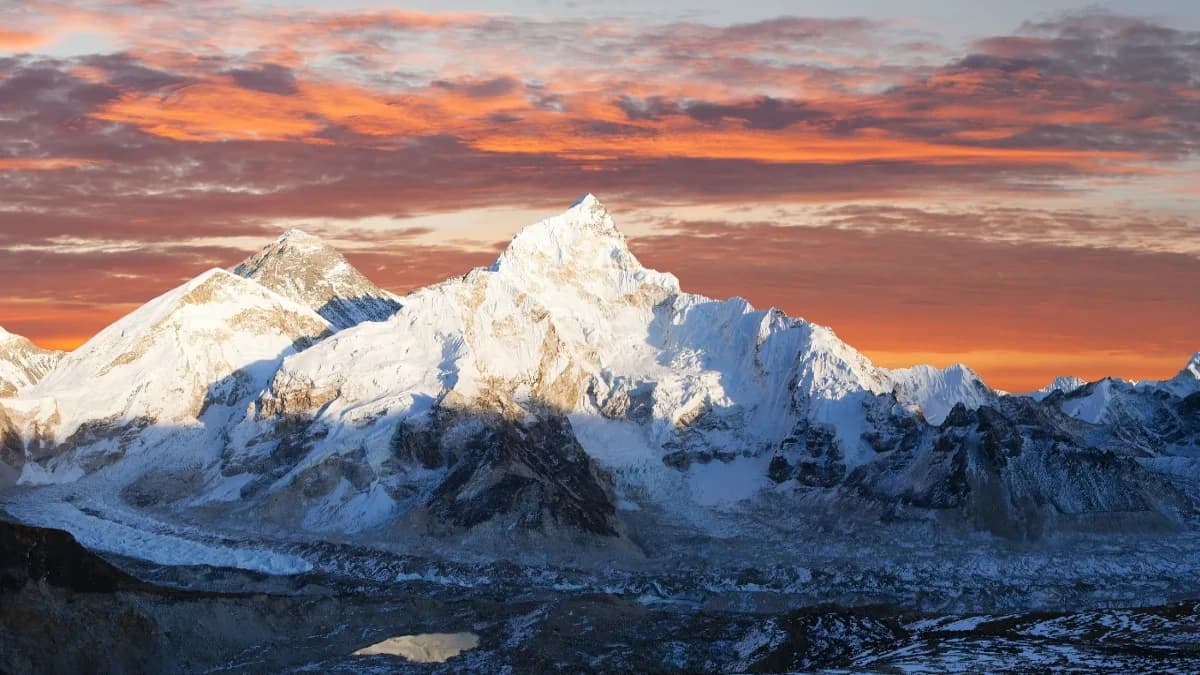
In the high-stakes world of Himalayan mountaineering, the 2 PM Rule on Mount Everest is the line between a historic achievement and a tragic statistic. Often called the "Mandatory Turnaround Time," it requires that any climber who hasn't reached the 8,848.86m summit by 2:00 PM local time turn around immediately and start descending, summit or no summit.
Under Nepal's tightened 2025/2026 mountaineering regulations, the rule has moved from a "best practice" passed down by guides to an enforced rule backed by fines and permit consequences for expedition operators who let clients push past it. That matters because reaching the summit is only half the job: the descent is where Everest kills most climbers. Nepal's spring 2026 season alone recorded a record 492 climbing permits and a single-day record of 274 summits on May 20 and still closed with roughly five confirmed deaths, several of them climbers who had already stood on top.
The rule isn't about discipline for its own sake. It's a math problem: finite oxygen, a body that's shutting down by the hour, and a mountain that goes dark and lethal after sunset. Of all the Mount Everest safety rules climbers are briefed on before a summit push, this is the one guides treat as absolutely non-negotiable.
Quick Answer
The 2 PM Rule on Mount Everest is a non-negotiable safety turnaround time requiring climbers to instantly abandon their summit push and head back down if they fail to reach the 8,848.86m peak by 2:00 PM local time. Strictly enforced by professional expedition leaders and Sherpas, this protocol protects climbers from fatal descents in the Death Zone, averting the lethal hazards of oxygen exhaustion, sub-zero nighttime drops, sudden afternoon storms, and treacherous technical navigation in pitch darkness.
The Science of the Death Zone: Why 2 PM is the Absolute Safety Cut-Off?
So, to keep things from going sideways, climbers usually start their summit push from Camp 4 (South Col) in the middle of the night, usually anywhere from 8:00 PM to 2:00 AM. It sounds crazy to start that early, but it’s the only way to fit in that grueling 9–18-hour round trip. The main goal is to make sure you’re doing the hardest parts of the climb back down while there’s still actually some sun out.
Once you get above 8,000 meters, you’re in what everyone calls the Death Zone, and honestly, the name isn't an exaggeration; the human body just isn't built to be there. Oxygen is super low, your strength just vanishes, and your brain starts getting foggy fast. Every minute you spend up there is basically a gamble.
When you're that high up, time is literally the only thing that matters for staying alive. If you hang out too long, you’re basically asking for trouble. You'll run out of breath, your legs will give out, and that's usually when people start making the kind of small mistakes that end up being fatal on the way down.
Rapidly Changing Weather Conditions on Everest
The weather on Everest is honestly some of the most unpredictable stuff on the planet. You might start your morning and think everything looks totally fine and calm, but things can go south fast in the afternoon. We’re talking crazy high winds, random storms, and whiteouts where you literally can't see your own hand in front of you.
Since those "weather windows" where it's actually safe to climb are so short, anyone still hanging out high up on the mountain after that 2 PM cutoff is basically asking to get trapped. A storm can roll in and wipe out your visibility in seconds. When that happens, it’s terrifyingly easy to lose the fixed ropes or just get completely turned around. Sadly, that's exactly how a lot of people have ended up in life-or-death situations in the past.
Because of all that, the Everest climbing safety rules really hammer home the point that you need to try for the summit early and stick to those turnaround times no matter what.
Oxygen and Energy Depletion in the Death Zone
Survival up there is basically a math game with your oxygen tanks. They only hold so many hours of air, so ignoring the 2 PM turnaround time on Everest is a huge gamble. If you stay too long, you’ll likely run out of breath on the way down, and that's when things get real.
By the summit, most people are totally spent. Being in that thin air for too long causes:
- Total exhaustion.
- Slowed-down reactions.
- Messy, confused thinking.
- Hypoxia (basically starving for air).
In the Death Zone, you aren't catching your breath; your body is literally breaking down. Every extra minute past 8,000 meters just makes it harder to get down alive.
You must know about Altitude Sickness, its symptoms and prevention before commiting to the Everest.
Darkness, Extreme Cold, and Visibility Risks
Coming down Everest in the dark is a total nightmare. During the spring, the sun usually dips around 6:00 PM, so if you’re hitting the summit late, you’re basically stuck navigating the hardest terrain on Earth with just a headlamp. It’s a recipe for disaster.
When it’s pitch black, things go wrong fast:
- You’re way more likely to slip on steep ice.
- It’s easy to lose track of the fixed ropes.
- You can get completely lost because you can't see the path.
Plus, once that sun goes away, the temperature can tank to –90°F. At that point, you’re looking at severe frostbite or your body just shutting down from hypothermia or altitude sickness. Your hands get so cold that they stop working, which makes messing with ropes or trying to save yourself almost impossible.
Following the 2 PM rule on Mount Everest is the only way to make sure you’re doing that scary descent while you can actually see what you’re doing.
Typical Everest Summit Day Timeline
If you're actually going to stick to the 2 PM rule on Everest, you’ve got to be super disciplined with your schedule. It basically starts the night before while most people are usually sleeping.
|
Time |
What’s Going On |
|
8:00 PM (Night before) |
Leave Camp 4 and start climbing |
|
1:00–4:00 AM |
Getting past the Balcony and South Summit |
|
8:00 AM |
The goal, hitting the summit with plenty of time left |
|
2:00 PM |
The absolute last second you can stay before turning back |
|
5:00 PM |
Hopefully back at Camp 4 safe and sound |
This schedule really shows why starting early and keeping a steady pace is everything. If you want to actually survive the trip, you can't really afford to mess around with these times.
You Might Like: How Much Does it Cost to Climb Mount Everest?
Risks of Late Summits: Oxygen Depletion and Afternoon Storms
Veteran climbers usually call ignoring the 2 PM rule on Everest a "gamble with death." It sounds intense, but staying too long in the Death Zone basically triggers a domino effect of stuff that can kill you.
Getting to the top feels like the goal, but the real nightmare starts when you try to get back down.
- Running Out of Air: You’ve only got so much bottled oxygen. Staying past 2 PM means you’re probably going to run out during the descent, which leads to collapsing or worse.
- Body and Brain Shutting Down: Every extra minute above 8,000 meters eats away at your strength and your ability to think straight. It makes the climb down way more dangerous than it already is.
- Altitude Sickness: The longer you wait, the higher your chances of getting HACE (your brain swells) or HAPE (fluid in your lungs). Neither is a good time.
- The Afternoon Weather Trap: Weather on Everest usually gets nasty in the afternoon. Sudden storms and whiteouts can pop up out of nowhere and trap you.
- Freezing Cold: Temperatures can hit –90°F. That’s "lose a finger to frostbite" or "heart stops from hypothermia" kind of cold.
- Darkness: Trying to get down after the sun sets is a mess. It’s way too easy to slip on the ice or lose the fixed ropes when you can’t see.
- Real-Life Tragedies: We’ve seen this happen before. The 1996 disaster and the story of David Sharp are huge reminders of why these turnaround times exist.
- Putting Others at Risk: If you’re late, you’re not just risking your own life. You’re putting your guides and Sherpas in a spot where they might have to make impossible choices to try and save you.
The Bottom Line: Reaching the summit is cool and all, but the actual goal is making it back to the bottom in one piece.
If you only want to see the legendary Mount Everest, we have listed some best of the places to see Mount Everest from.
The 1996 Everest Disaster: Why the 2 PM Rule Became Non-Negotiable?
The 1996 disaster is basically why the 2 PM rule went from being a "good idea" to a "do it or else" kind of thing. Back then, a couple of expeditions led by Rob Hall and Scott Fischer got seriously delayed near the top. Some people didn't even hit the summit until 4:00 PM, which is way too late.
A massive blizzard hit out of nowhere, bringing crazy winds and zero visibility. The people who summited late got stuck in the Death Zone without enough oxygen or any real shelter. Eight people died, including both Hall and Fischer. It was a huge wake-up call about how "summit fever" can actually kill you.
Main takeaways from 1996:
- Afternoon storms are no joke and show up fast.
- The Death Zone drains your body and brain way quicker than you think.
- Oxygen is a finite resource; it doesn't last forever.
- Nighttime makes everything, from finding ropes to staying upright, ten times harder.
Ever since then, that 2 PM turnaround has been a big deal. It gives you a daylight buffer and keeps you away from the worst of the cold and the storms. Plus, it lowers the risk of getting HAPE or HACE.
Today, the guides and Sherpas from Khumbu and other region don't mess around with it. They always say that the summit is just a bonus, but getting back alive is the actual requirement.
How Past Tragedies Shaped Modern Safety Practices?
Those old disasters forced the climbing world to change how they do things. Now, it’s all about safety-first:
- Turnaround times are set in stone based on what we've learned the hard way.
- There’s a way bigger focus on being disciplined and having good judgment.
- Professional guides and Sherpas have the final say and will pull the plug if things look sketchy.
These modern rules are basically there to make sure people actually get back down to their families instead of becoming part of a tragedy.
You might like to read the full story behind the 2026 Broad Peak avalanche and its impact on the climbing community.
Summit Fever: The Biggest Enemy on Everest
Honestly, the hardest part of the 2 PM rule isn't the walking, it’s the mental battle. People get what’s called "summit fever," which is basically just this intense, borderline obsessive need to reach the top. It’s easy to see why it happens, though. Think about it:
- You’ve spent years training your tail off.
- You’ve dropped anywhere from $35,000 to $90,000 on the trip.
- You can literally see the peak right there in front of you.
When you’re that close, it’s really easy to let your emotions take over and ignore your better judgment. This kind of tunnel vision is exactly what causes people to blow past their turnaround times and end up in a disaster.
It’s why guides and Sherpas have to be so tough; sometimes they literally have to force people to turn around just to make sure they don't die trying to get those last few feet.
Expedition Leadership: How Sherpas and Guides Enforce Turnaround Times?
In 2026, the job of enforcing the 2 PM rule has shifted from a "recommendation" to a legal obligation for expedition leaders and Sherpas. Under the latest Nepal Ministry of Tourism regulations, every two climbers must be accompanied by at least one certified Nepali guide, and these guides now face strict penalties, including the loss of their climbing license, if they allow a client to engage in "reckless summiting" past safe windows.
It is a grueling position for a guide to be in. They often have to play the "bad guy," physically stopping a climber who is only yards from the peak. But these veterans have seen the cost of "summit fever" first-hand. They aren't just valuing your life over your ego; they are managing a high-altitude team where one late descent can end in a multi-casualty disaster.
By sticking to the 2 PM rule, guides protect the entire ecosystem of the mountain, ensuring Sherpas aren't forced into night-time rescues and that supplemental oxygen reserves aren't depleted in the Death Zone. This discipline is what separates professional, safety-first operators from high-risk expeditions. As the saying goes: "The summit is optional, but getting back down alive is mandatory."
Did you know Sir Edmund Hillary was the first person to conquer Everest along with Tenzing Norgay Sherpa?
Does the 2 PM Rule Affect Everest Base Camp Trekkers?
So, the short answer is no. The 2 PM rule is really just for the folks actually trying to hit the summit. If you are just trekking to Everest Base Camp, or EBC, you don't have to worry about that specific deadline. But honestly, the "vibe" of the rule, which is basically just being smart about time and safety, is still a big deal even for regular hikers.
Good trekking agencies over in Nepal, like Nepal Gateway Trekking, still use that same logic to keep you safe. They usually focus on:
- Setting daily turnaround times so you don't end up exhausted or stuck walking in the dark.
- Making sure you have a real acclimatization schedule so your body can handle the altitude.
- Keeping the pace nice and slow so you don't get hit with altitude sickness.
At the end of the day, even if you aren't doing the technical climbing stuff, picking an experienced local team is the best way to make sure you actually enjoy the mountains and get back in one piece.
Real Benefits of Following the 2 PM Rule
Sticking to the 2 PM rule on Everest honestly just makes it way more likely that you’ll actually get back down safely.
When you turn around on time, you’re making sure that the scariest part of the whole trip happens while the sun is still out, the temperatures aren't quite as insane, and you’ve still got some oxygen left in your tank.
The big perks are pretty obvious:
- You get a safer descent in the daylight, so you aren't as likely to trip or get lost.
- You lower your chances of getting altitude sickness because you've managed your air and pace better.
- You can actually see the weather coming and avoid those nasty afternoon storms.
- Your survival odds go way up because you aren't pushing your body past the point of no return.
Comparison: Ignoring vs Following the 2 PM Rule
|
Ignoring the Rule |
Following the Rule |
|
Climbing down in the dark |
Climbing down in the daylight |
|
Running out of oxygen |
Managing your oxygen properly |
|
Total, dangerous exhaustion |
Keeping your energy levels under control |
At the end of the day, following the rule isn't just some boring suggestion. It is a life saving practice that basically marks the difference between a successful trip and a total disaster.
Mount Everest Blizzard Rescues: A Reminder That Weather Rules Everything
Afternoon storms aren't unique to summit day; they're a defining feature of the whole Everest region, and recent history backs that up. The October 2025 blizzard that trapped roughly 1,000 trekkers on Everest's eastern Tibet-side slopes is one of the clearest recent examples: unusually heavy snow buried tents and trails overnight, and it took local villagers and rescue teams days to guide everyone to safety in Qudang. Some trekkers were treated for hypothermia before the last stranded groups were accounted for.
That event involved trekkers rather than summit climbers, and it happened in October rather than the main spring climbing season, but the underlying risk is identical to what the 2 PM rule is designed to manage: on Everest, a clear morning guarantees nothing about the afternoon. Every operator, whether running a technical summit expedition or a base camp trek, builds daily turnaround times around that same unpredictability.
Popular Treks in Nepal to Experience the Himalayas Safely
If you’re dreaming of seeing the Himalayas but aren’t exactly looking to risk it all on a summit push, you've got some amazing options. Nepal has tons of spectacular treks that are way safer than trying to climb an 8,000-meter peak. You still get the big views and the high-altitude air, just without the extreme danger.
Some of the best ones to check out are:
- Everest Base Camp Trek (The classic "big one" for most people)
- Annapurna Base Camp Trek (Great if you want a massive mountain amphitheater)
- Annapurna Circuit Trek (Incredible variety in the landscapes)
- Langtang Valley Trek (Super beautiful and actually pretty close to Kathmandu)
- Everest Gokyo Lake Trek (Famous for those bright turquoise lakes)
- Manaslu Circuit Trek (A bit more rugged and less crowded)
- Everest Panorama Trek (Perfect if you want Everest views without the 2-week commitment)
These treks are a great way to have a real high-altitude adventure while staying within much safer limits. If you're ready to start planning, you can explore the different Nepal Gateway Trekking packages to find a trip that fits your style and keeps things safe.
Final Thoughts: Respect the Mountain, Choose Safety First
At the end of the day, the 2 PM rule on Everest is there for one reason: to keep people alive. Mount Everest doesn't really care about your ego or how much money you spent; it rewards people who show up with discipline, respect, and the ability to make smart calls under pressure. Whether your dream is to stand at Everest Base Camp or you’re just curious about how climbers survive up there, the main takeaway is always the same, getting back down is way more important than hitting the summit.
If you’re thinking about an Everest Base Camp trek or just want to pick the brain of a mountain safety expert, you can reach out to Nepal Gateway Trekking. We will guide you through the Himalayas with a safety-first mindset.
Frequently Asked Questions About the 2 PM Rule on Everest
What is the 2 PM rule on Mount Everest?
The 2 PM rule is basically a strict deadline for climbers. If you haven't hit the summit by 2:00 PM local time, you have to turn around immediately. It’s all about making sure you have enough light, oxygen, and energy to actually get back down the mountain alive.
Why do climbers have to turn back at 2 PM?
Mostly because the afternoon is when things get really sketchy. You’re trying to avoid sudden storms, losing your way in the dark, or running out of oxygen. Plus, at 8,000 meters in the Death Zone, your body is literally breaking down, and you need to get to a lower altitude before you just give out.
Is the 2 PM rule mandatory or optional?
If you’re with a legit expedition, it’s mandatory. In fact, under the new 2025/2026 rules in Nepal, ignoring this turnaround time can actually get you fined between $750 and $1,500. Your guides and Sherpas will enforce it strictly because, at the end of the day, they're responsible for your life.
What happens if someone reaches the summit after 2 PM?
Honestly, you're asking for trouble. Summiting that late means you’ll likely be descending in the pitch black while dealing with extreme exhaustion and empty oxygen tanks. Historically, this is exactly how a lot of tragedies on Everest have started.
Who decides when to turn back on Everest?
The final call usually comes down to your expedition leader, the pro guides, or the Sherpas. They’re looking at the weather, how much oxygen you have left, and whether you look like you’re about to collapse. They have the authority to pull the plug even if you can see the top.
Why is descending Everest more dangerous than climbing up?
By the time you're heading down, you’re already totally spent. Your judgment is foggy from the altitude, your oxygen is low, and the terrain is steep and icy. Most accidents happen on the way down because people let their guard down or just don't have the strength left to stay steady.
Can Sherpas force climbers to turn back?
Yes, and they will. Even if you've spent a fortune to be there, a Sherpa's job is to get you home. If they say it’s time to go, you go. Under the latest regulations, every climber is now required to have a guide, so there’s always someone there to make that safety call.
Is the 2 PM rule used on other high mountains?
Everest is the most famous for it, but similar turnaround times are used on almost all 8,000-meter peaks. The physics of the Death Zone don't change just because you're on a different mountain—you still have a very limited window before the environment becomes fatal.
What are the new rules for Everest, Nepal?
Nepal has recently updated its rules for 2025 and 2026 to make things way safer. Some of the big changes include:
- You have to have summited at least one 7,000-meter peak in Nepal before you can even get an Everest permit.
- Solo climbing is officially banned; you must have a guide.
- Every climber has to carry a GPS tracker and a RECCO reflector so rescuers can find you.
- There are now strict fines for ignoring the 2 PM turnaround rule or faking your climbing experience.
How many people have died climbing Mount Everest?
As of mid-2026, 344 people are believed to have died while climbing Mount Everest since recorded expeditions began in 1921. This total includes both official records and the most recently reported fatalities. 339 deaths are officially recorded in the Himalayan Database through December 2025. 5 additional deaths were reported during the 2026 spring climbing season, bringing the provisional total to 344.
How many people climb Mount Everest each year?
Around 800 to 1,200 people attempt to climb Mount Everest each year, while approximately 600 to 900 climbers successfully reach the summit. The exact numbers vary depending on weather conditions, route availability, and the number of climbing permits issued by Nepal and China.
Who was the first to climb Mount Everest?
Sir Edmund Hillary of New Zealand and Tenzing Norgay, a Nepali Sherpa mountaineer, became the first people to successfully reach the summit of Mount Everest on May 29, 1953. Climbing as part of the British Mount Everest Expedition led by John Hunt, they reached the 8,848-meter (29,035 feet) summit via the South Col route.
How many dead bodies are on Mount Everest?
It is estimated 200 bodies remain on Mount Everest. While 344 climbers are believed to have died on Everest as of mid-2026
How tall is Mount Everest in miles?
Mount Everest is about 5.5 miles (8,848.86 meters or 29,031.7 feet) above sea level, making it the highest mountain on Earth.