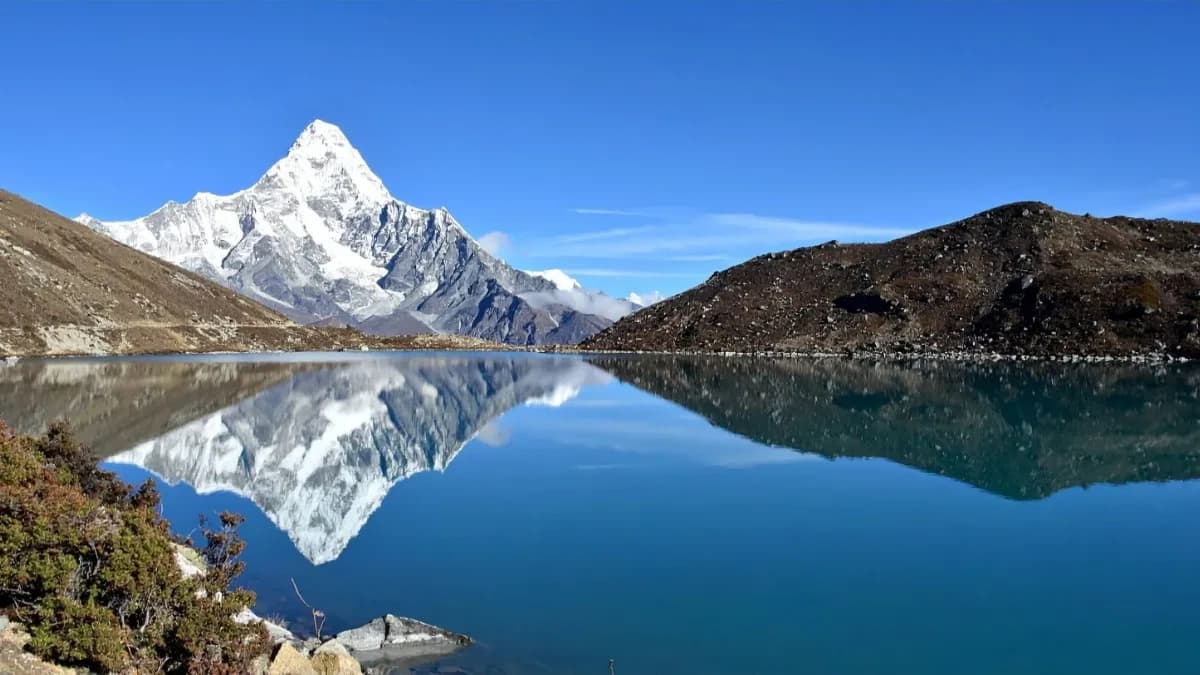
Ama Dablam has one of the strongest spirits in the whole Himalayas. Many people fall in love with Ama Dablam long before they ever set foot in the Khumbu Valley. Ama Dablam is not only famous for its height or the technical nature of the Ama Dablam climb, but it is admired because the mountain feels alive. Its pyramid shape, shining glacier, and perfect ridges give Ama Dablam a personality that pulls people toward it.
Nonetheless, Ama Dablam can be intimidating. When travelers learn about the unpredictable Ama Dablam weather, exposed ridges, and the physical difficulty of climbing steep rock and ice, they begin to doubt themselves. Minor uncertainties can also cause fear.
When you understand how climbers stay safe and what makes Ama Dablam difficult but doable, or technical but doable, your fear fades. It starts to feel like the mountain is reachable.
This article goes over every important detail, from Ama Dablam's height and location to the cultural significance, climbing route, technical challenges, and preparation needed for success. By the end, you'll know if Ama Dablam is the mountain that speaks to your heart.
And if you decide to follow that call, our Nepal Gateway Trekking family will be there for you every step of the journey.
Where Ama Dablam Is Located in Nepal?
Ama Dablam stands proudly in the Khumbu region of eastern Nepal, the same region where the Everest Base Camp trail lies. When you trek through Namche Bazaar, Tengboche, and Pangboche, the mountain follows you like a guardian. No matter where you stand, Ama Dablam looks elegant and powerful.
Ama Dablam Height & Key Geographical Facts
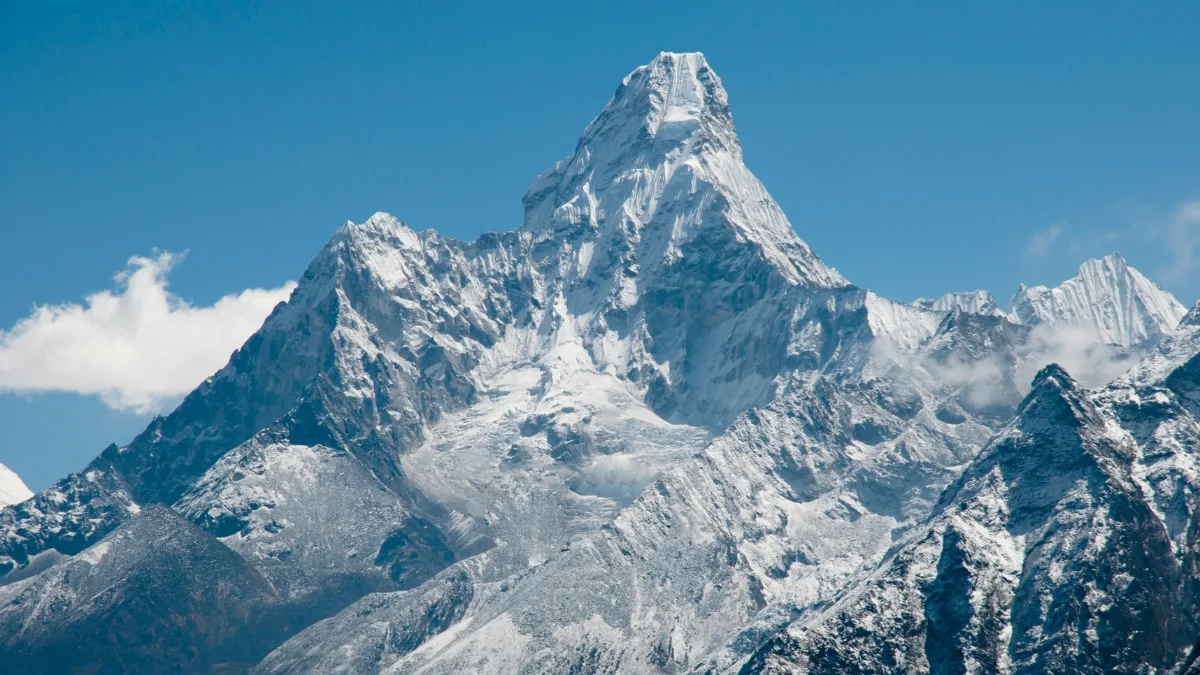
The Ama Dablam height is 6,812 meters (22,349 feet). But numbers alone cannot describe the feeling of seeing it in person. Many mountains are high, but Ama Dablam is high and beautifully shaped. Its long ridges stretch upward like arms, and the steep faces drop down dramatically into the valley.
This unique structure also creates the Ama Dablam difficulty that climbers talk about. The Ama Dablam climb involves steep rock, exposed ridges, and icy terrain, making the mountain more technical than many other peaks in Nepal.
Key features include:
- A hanging glacier that looks like a shining silver pendant
- Sharp ridges rising from the valley
- Steep rock walls that require technical climbing skills
- Snow and ice slopes near the summit
These geographical features shape the unique Ama Dablam difficulty that climbers talk about.
Why Ama Dablam Is Called the “Mother’s Necklace”?
The name Ama Dablam has a warm story in Sherpa culture. "Ama" means mother, and "Dablam" refers to the delicate pendant that Sherpa women wear near their hearts for protection. When you look at the mountain, the hanging glacier looks like a pendant, and the ridges resemble open arms. This is the essence of what Ama Dablam means: a mother's love and protection.
Travelers often struggle with the Ama Dablam pronunciation, but it is simple: “Ah-ma Dah-blam.” Many trekkers say the meaning adds emotional depth to their journey. Suddenly, Ama Dablam is not just a mountain; it feels like a guardian watching over the Khumbu Valley.
Why Ama Dablam Expedition Is So Popular Among Climbers?
The Ama Dablam expedition has become one of Nepal’s most loved climbs because it offers a rare mix of beauty, adventure, and deep emotion. Ama Dablam's perfect pyramid shape and bright glacier set it apart from all other mountains. Even before reaching Ama Dablam base camp, trekkers feel a strong connection to the mountain during the Ama Dablam trek, as it follows them through the Khumbu Valley like a shining guide.
Climbers choose Ama Dablam because the Ama Dablam climb is challenging but not impossible. The route includes steep rock, exposed ridges, and icy sections that make the Ama Dablam difficulty higher than many other 6,000 m peaks. This technical nature attracts climbers who want to grow their skills and experience something real and unforgettable.
The famous Ama Dablam Camp 2, a narrow platform high above the valley, is one of the reasons many call this climb exciting and unique.
People love Ama Dablam expedition for various reasons:
- The pyramid shape of Ama Dablam is iconic in Nepal.
- The Ama Dablam climb is technical and exciting.
- The cultural Ama Dablam meaning adds emotion to the journey.
- The views on the Ama Dablam trek are unforgettable
What Makes Ama Dablam the Most Beautiful Mountain in Nepal?
Ama Dablam is often called Nepal’s most beautiful mountain because its shape is unlike anything else in the Himalayas. As people walk toward Ama Dablam base camp, they see the mountain from various perspectives, and each view feels unique. Ama Dablam can appear sharp and bold at times, or soft and mysterious due to the changing weather conditions. The Ama Dablam trek is unforgettable due to its ever-changing beauty.
Climbers also admire the mountain’s shape, even though the Ama Dablam climb is known for its technical ridges and higher Ama Dablam difficulty. The view from places like Ama Dablam Camp 2 shows how perfectly the mountain rises above the valley, making climbers feel both humbled and inspired.
How Ama Dablam Climb Compare to Other Nepal Himalayan Peaks?

The Ama Dablam climb stands in a unique place among Nepal’s Himalayan peaks. While the Ama Dablam height (6,812 m) is lower than giants like Everest and Lhotse, the experience feels just as powerful because the mountain is far more technical. Most trekking peaks in Nepal, such as Island Peak and Mera Peak, are mainly snow climbs with gentle slopes.
Ama Dablam is different. The steep rock walls, exposed ridges, and icy upper parts of this mountain make it harder to climb than most other 6,000 m mountains. For this reason, a lot of climbers say that Ama Dablam is the best peak to train on before going on 8,000 m expeditions.
Why Ama Dablam Is Different
- Ama Dablam is far more technical.
- The Ama Dablam climb teaches rock, ice, and rope skills.
- The Ama Dablam trek gives wide, beautiful views of the pyramid-shaped mountain.
- Ama Dablam base camp sits in a peaceful open valley with close views of the ridges.
- Ama Dablam may not be the tallest mountain in Nepal, but it is one of the most respected because it combines beauty, culture, and real mountaineering challenge.
Here’s a comparison table of Ama Dablam with some other popular Nepal Himalayan peaks based on height, difficulty, and climbing experience:
|
Feature |
Ama Dablam |
Everest |
Lhotse |
Island Peak |
Mera Peak |
|
Height |
6,812 m |
8,848 m |
8,516 m |
6,189 m |
6,476 m |
|
Climbing Difficulty |
Very technical, steep rock walls, exposed ridges, icy upper parts |
Very high, extreme altitude, less technical on standard routes |
Very high, extreme altitude, less technical on standard routes |
Moderate, mainly snow climbs, gentle slopes |
Moderate, mainly snow climbs, gentle slopes |
|
Skills Learned |
Rock, ice, and rope skills |
High-altitude endurance, basic mountaineering |
High-altitude endurance, basic mountaineering |
Basic snow climbing |
Basic snow climbing |
|
Views / Scenery |
Wide, beautiful views of pyramid-shaped mountain |
Iconic Himalayan panoramas |
Close to Everest views |
Scenic, snow-covered peaks |
Scenic, snow-covered peaks |
|
Base Camp Experience |
Peaceful open valley, close views of ridges |
Crowded, iconic base camp |
Shared with Everest base camp |
Standard trekking base camp |
Standard trekking base camp |
|
Respect & Popularity |
Highly respected for technical challenge and beauty |
Most famous and tallest |
Very famous, less technical |
Popular trekking peak |
Popular |
Ama Dablam Difficulty Level Explained Simply
The Ama Dablam difficulty comes from a combination of steep terrain, exposed ridges, and fast-changing Ama Dablam weather. Climbers move across rock, ice, and snow, often using ropes for safety. Even trekkers standing at Ama Dablam base camp can see that the ridges rise sharply, showing how technical the mountain really is.
The hardest part is getting to Ama Dablam Camp. This small ledge is high up on the ridge, and there are steep drops on both sides. It feels exciting and unforgettable, but you have to pay attention and trust your gear. This small ledge sits high on the ridge, with deep drops on both sides. It feels thrilling and unforgettable, but it also requires focus and trust in your equipment. Past Ama Dablam deaths usually happened because of rockfall or sudden weather shifts, not because the mountain is impossible.
What Makes Ama Dablam Difficult
Major difficulties include:
- Steep rock climbing right above Camp 1
- Narrow ridge crossings near Ama Dablam Camp 2
- Ice slopes and mixed terrain higher on the route
- Quick changes in Ama Dablam weather
- Rope techniques required throughout the climb
Ama Dablam is hard, but it is a climb that teaches confidence, courage, and skill.
How to Get to Ama Dablam?
The journey to Ama Dablam is filled with culture and mountain beauty. The route leads through the heart of the Khumbu, where Sherpa families, ancient monasteries, and prayer flags create a serene, spiritual atmosphere. Many trekkers believe the journey is just as important as the climb itself.
Fly to Lukla: Beginning the Ama Dablam Adventure
Your Ama Dablam experience starts with a short but unforgettable flight to Lukla. As the plane approaches the mountains, the first views of the Himalayas feel magical. The Ama Dablam trek begins here, and as you walk toward Namche Bazaar, the pyramid shape of Ama Dablam slowly appears in the distance.
Trek to Ama Dablam Base Camp
The trek to Ama Dablam base camp is filled with beautiful forests, suspension bridges, and holy monasteries. From Namche Bazaar to Tengboche and Pangboche, the mountain appears from new angles every day. Trekkers often say that Ama Dablam feels like a companion guiding them through the valley.
When you arrive at Ama Dablam base camp, the mountain rises directly above you, sharp, bright, and breathtaking.
Acclimatization and Climbing Camps
Climbers spend days acclimatizing to stay healthy at altitude. After training at base camp, they move to Camp 1, a rocky area with wide views of the valley. The climb from Camp 1 to Ama Dablam Camp 2 is one of the highlights, exciting, exposed, and unforgettable. Camp 3 sits on snow slopes and is the final stop before the summit push.
What Climbers Go Through
- Camp 1: Rocky platforms and bright views
- Camp 2: A narrow ledge with dramatic exposure
- Camp 3: Snowy slopes leading to the summit ridge
Altitude and Challenges of the Ama Dablam Expedition
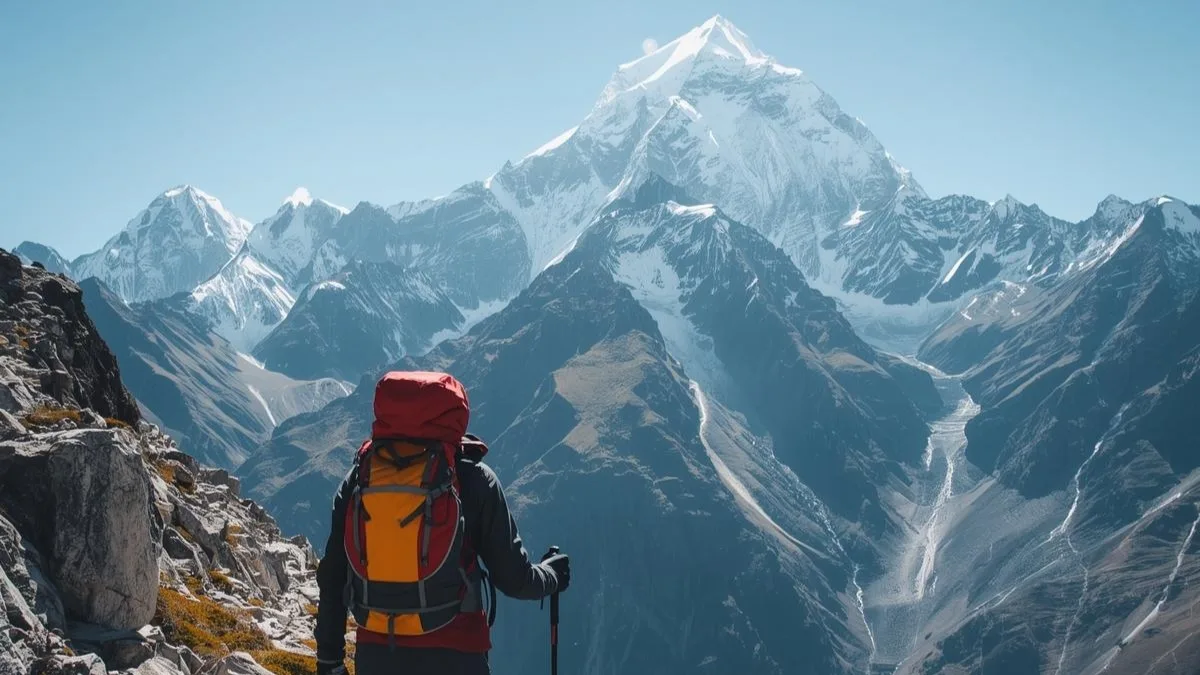
Climbing Ama Dablam may appear simple from a distance, but as you gain elevation, the mountain reveals its true power. Breathing feels slower, your legs feel heavier, and even small steps can cause your heart to race. Many climbers claim that this is the moment they truly understand what "high altitude" means.
The weather adds another layer of challenge. Ama Dablam weather can change without warning. A clear sunny sky can suddenly turn windy or snowy, making the mountain feel much more serious. On steep sections, especially near the upper ridges, you must move carefully and trust yourself. The exposure tests not just your body but also your mind.
The biggest problems climbers face:
- As the air gets thinner, it gets harder to breathe.
- It can suddenly start to snow or blow.
- Climbing on steep slopes needs careful, focused attention.
- Exposed ridges test your faith and mental calmness.
Best Season for Ama Dablam Climb
Choosing the right season makes a huge difference on the Ama Dablam climb. Because the mountain is steep and exposed, stable Ama Dablam weather is the key to a safe and enjoyable journey.
Best season:
Autumn and spring are considered the best time to climb Ama Dablam
Autumn (September–November)
Autumn is the most popular season because the weather is stable, the air is crisp, and the views are crystal clear. During this time, the hanging glacier shines beautifully, making Ama Dablam’s perfect shape even more striking. Climbers also enjoy steady temperatures, which makes technical sections safer.
Spring (March–May)
Spring offers warmer weather and longer daylight hours. The valley fills with blooming rhododendrons, making the Ama Dablam trek feel lively and colorful. The snow is softer, which helps during the climb, though afternoons can bring clouds.
Off-Season :
Climbing in winter or monsoon is risky because Ama Dablam weather becomes unpredictable. Strong winds, heavy snowfall, and unstable conditions can make the ridges dangerous. Only highly experienced climbers attempt Ama Dablam during these months.
Training and Skills Required for Ama Dablam
The Ama Dablam difficulty means you need a good mix of fitness and technical skills. Even strong trekkers heading to Ama Dablam base camp notice how steep the mountain looks, so proper preparation is essential. The better you train, the safer and more enjoyable the climb becomes.
Climbers must be comfortable using ropes, crampons, and ice axes. More importantly, they should feel calm on exposed ridges, especially the narrow section leading to Ama Dablam Camp 2.
The most important skills are:
- Good endurance for long climbing days
- Rock and ice climbing basics
- Rope handling skills for steep, mixed terrain
- Mental strength for exposed ridges and sudden Ama Dablam weather changes
- Ama Dablam rewards climbers who prepare with patience and discipline.
Are Guides Necessary for Ama Dablam Peak?
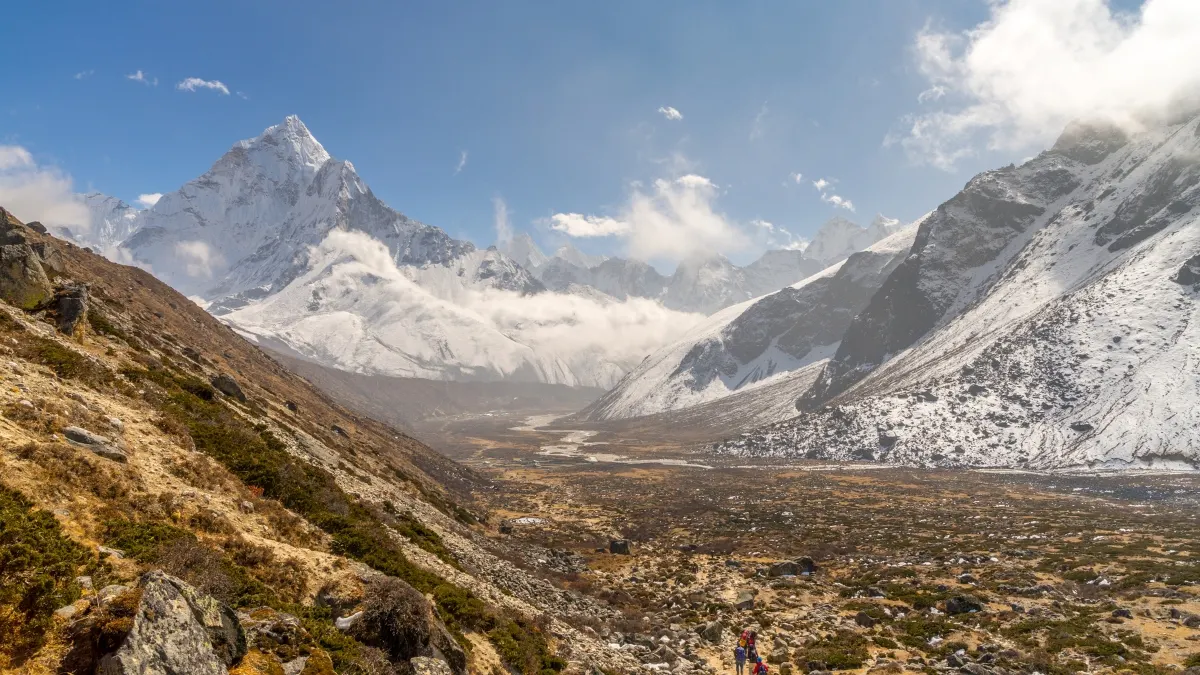
Yes, climbing Ama Dablam without a guide is very dangerous.The mountain is technical, exposed, and prone to sudden weather changes. Professional Sherpa guides have a thorough understanding of the route, particularly the unstable sections near Ama Dablam Camp 2 and the snow slopes above Camp 3. Their experience reduces stress, saves energy, and ensures team safety.
Why Guides Matter
- They choose safe routes even during changing Ama Dablam weather
- They fix ropes on steep rock and ice
- They watch climbers for altitude symptoms
- They help manage risks that once led to past Ama Dablam deaths
With a trusted guide, the Ama Dablam climb becomes safer, smoother, and more meaningful.
Right Clothing, Gear, and Boots (Trekking & Mountaineering)
Ama Dablam requires proper equipment because the terrain changes rapidly, from warm trekking trails to freezing exposed ridges. Your clothing and equipment must protect you from cold winds, technical climbing sections, and the changing Ama Dablam weather.
Essential Trekking Gear
The essential trekking gear includes:
- Warm layers for cold mornings
- Waterproof jackets and pants
- Waterproof pants and jackets
- Trekking boots that are comfortable for the Ama Dablam trek
- Sun protection, hats, and gloves
Essential Mountaineering Gear
This includes:
- Icy slope crampons
- Ice axe for movement that is balanced
- Carabiners, a helmet, and a harness for security
- For high-altitude camps, a down suit
- For the summit push, double boots
Good gear helps reduce the Ama Dablam difficulty and improves safety at altitude.
Hydration and Nutrition Tips for Ama Dablam Climbers
High altitude drains the body quickly, so drinking enough water and eating well is crucial on the Ama Dablam climb. Dehydration can make altitude sickness worse, and low energy makes technical climbing harder, especially on the ridge above Ama Dablam base camp.
Simple Rules That Help
This is why we should stick to these simple rules.
- Drink 3-4 liters of water each day.
- Consume warm, high-energy meals.
- Avoid drinking alcohol at altitude.
- Snack frequently to keep energy steady.
- Good nutrition helps you maintain your strength during long climbing days.
Insurance and Helicopter Evacuation for Ama Dablam Expedition
Proper insurance is mandatory for the Ama Dablam expedition. Because the mountain is exposed and the weather can change quickly, emergencies must be handled fast. A helicopter may be needed if a climber faces altitude sickness, injury, or sudden weather issues.
What Your Insurance Should Cover
It includes the following:
- High-altitude helicopter rescue
- Medical treatment and emergency care
- Coverage up to or above the Ama Dablam height
- Flight delays in Lukla caused by Ama Dablam weather
Insurance provides peace of mind, allowing climbers to focus on the journey.
Final Thoughts
Ama Dablam is more than a mountain; it is a dream shaped by culture, beauty, and courage. Whether you trek to Ama Dablam base camp or challenge yourself on the full Ama Dablam climb, the journey teaches patience, strength, and a deep love for the Himalayas. The mountain’s perfect shape, its Sherpa meaning, and its emotional power stay with travelers long after they return home.
If Ama Dablam is calling you, let’s make your journey safe, meaningful, and unforgettable.
Contact Nepal Gateway Trekking today to plan your Ama Dablam trek or expedition with trusted Sherpa guides and a carefully prepared itinerary.
FAQ
How hard is Ama Dablam to climb?
The Ama Dablam difficulty is high because climbers must move on steep rock, ice, and exposed ridges, especially near Ama Dablam Camp 2, which demands both skill and calm focus.
How long does Ama Dablam take?
A full Ama Dablam expedition usually takes 27–30 days, including the trek to Ama Dablam base camp, acclimatization rotations, and the final summit push.
What is the fastest time on Ama Dablam?
The fastest Ama Dablam climb has been completed in under 24 hours by elite athletes, but this is extremely rare and not recommended for normal climbers.
When to climb Ama Dablam?
The best time to climb Ama Dablam is in autumn (September–November) or spring (March–May) when the Ama Dablam weather is stable, clear, and safer for technical climbing.
Why is Ama Dablam so famous?
Ama Dablam's fame stems from its beauty, cultural significance, and its challenging climb.
What is the meaning of Ama Dablam?
The meaning of Ama Dablam is “Mother’s Necklace,” based on a Sherpa pendant.
Can a beginner climb Ama Dablam?
No. Beginners should train on trekking peaks first.
What is the hardest part of Ama Dablam?
The hardest part of Ama Dablam is the exposed section near Ama Dablam Camp 2.
What are Ama Dablam deaths caused by?
The causes of Ama Dablam deaths include weather changes, rockfall, and technical mistakes.