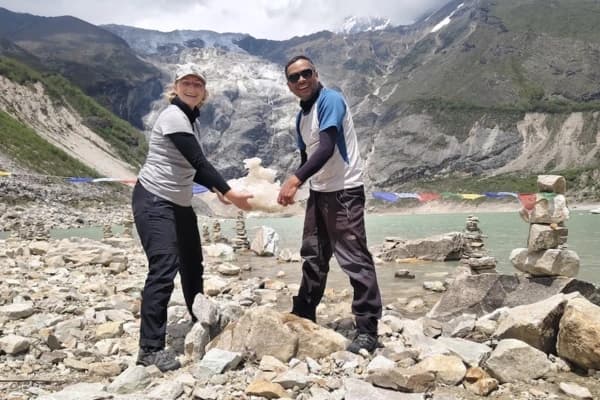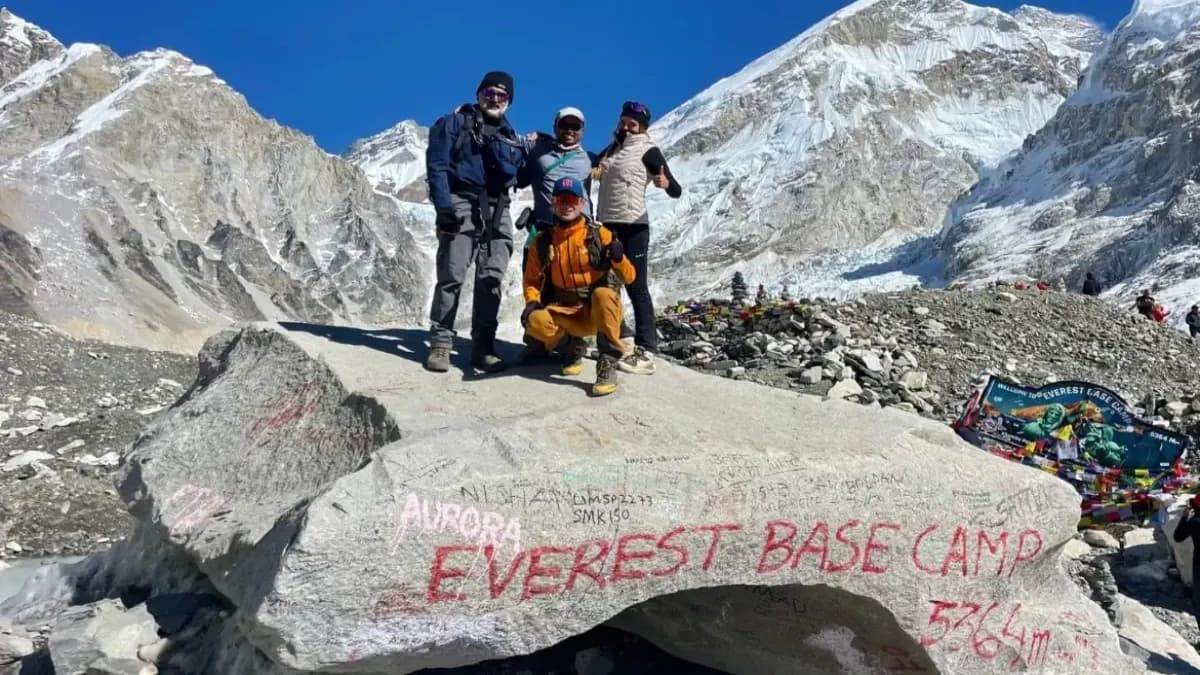
Everest Base Camp Trek Difficulty at a Glance
- Overall difficulty: Challenging high-altitude trek
- Trek duration: Approximately 12 to 14 days, depending on the itinerary and acclimatization schedule
- Daily walking hours: Commonly around 5 to 7 hours, with some shorter and longer days
- Maximum altitude: Everest Base Camp: approximately 5,364 m (17,598 ft), Kala Patthar: approximately 5,545 m (18,192 ft)
- Fitness needs: Good cardiovascular endurance, leg strength, and the ability to walk on consecutive days
- Main challenges: Low oxygen, sustained ascents, uneven terrain, cold weather, and fatigue
- Acclimatization: Rest days help the body adjust to altitude.
The Everest Base Camp trek is commonly described as a moderate-to-challenging high-altitude trek. You do not normally need technical climbing skills or ropes on the standard route, but you do need good endurance, preparation, and enough time to acclimatize. The main challenge is walking for several days at increasing altitudes, where reduced oxygen availability can make even familiar activities feel harder.
The main challenges of the Everest Base Camp trek are high altitude, long walking days, uneven terrain, changing weather, and fatigue that builds over time. This guide explains the difficulty level, hardest sections, fitness requirements, altitude risks, training, and seasonal conditions to help you prepare.
How Difficult Is the Everest Base Camp Trek?
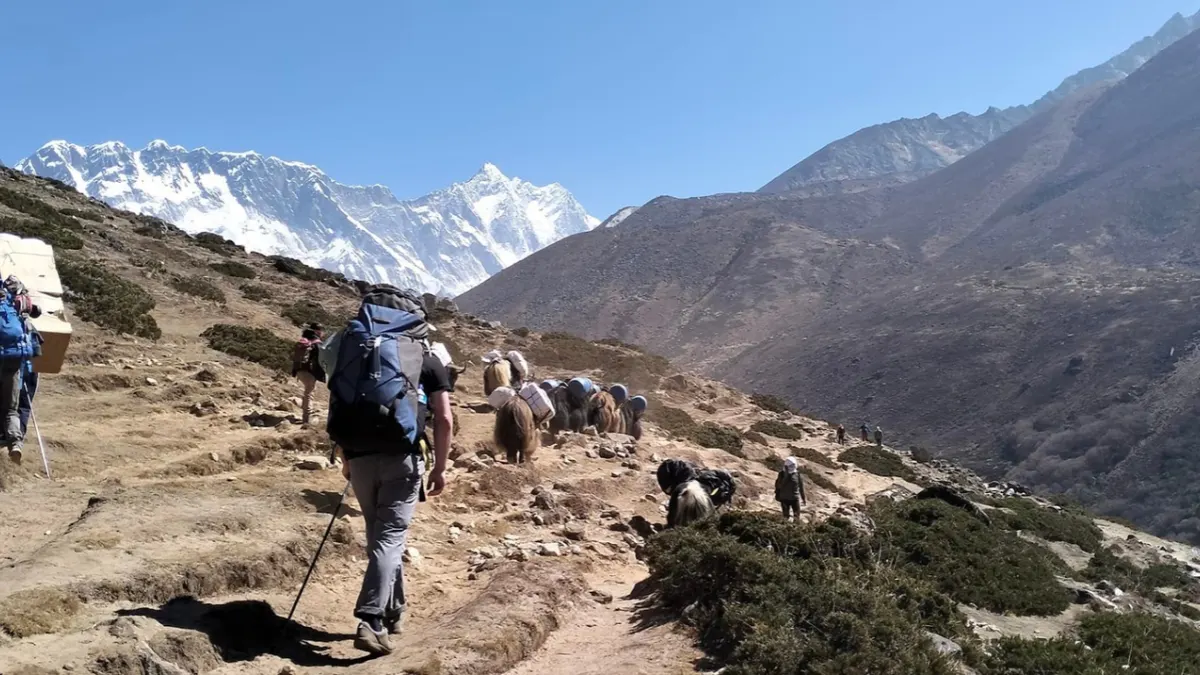
The Everest Base Camp (EBC) trek is a challenging, non-technical high-altitude hike. Good physical preparation can help you manage the long walking days, but your response to altitude is unpredictable, even if you are fit.
It helps to separate two kinds of difficulty:
- Physical difficulty is the effort your body must sustain over many days, at altitude, with limited recovery.
- Technical difficulty is the skill needed to move safely on steep ice, rock, or glaciers.
The standard route is physically demanding but does not normally require technical climbing skills. The trail follows established paths, and trekkers do not need ropes, mountaineering equipment, or previous climbing experience.
The main challenge is not just one difficult day but the effort required to keep walking for several consecutive days while adjusting to higher altitudes.
A non-technical route can still carry serious risks, mainly from altitude. That is why fitness helps but cannot guarantee completion, and it is also why the question “how difficult is the Everest Base Camp Trek?” has a different answer for different people.
What Makes the Everest Base Camp Trek Difficult?
Nothing on this trek is hard in isolation. A steep climb, a cold morning, or a long day would be manageable on its own. The difficulty comes from meeting all of them at once, at an altitude where your body has less oxygen to work with, and doing it again the next day. Knowing how each factor feels on the trail makes it easier to prepare.
High Altitude and Reduced Oxygen
Oxygen availability drops as you climb, so each breath delivers less than it would at lower elevations. At Everest Base Camp and Kala Patthar, even a gentle uphill stretch can leave you breathless and walking far slower than usual.
Common effects include:
- Breathlessness
- Headaches
- Fatigue
- Reduced appetite
- A slower walking pace
Altitude affects people differently, including those who are very fit. Acute mountain sickness (AMS) is the main medical concern and has its section below.
Long Walking Days and Cumulative Fatigue
One long day is rarely the problem. Several in a row are. Tired legs, sore muscles, and low energy build up, especially when you carry a daypack, climb uphill, and sleep poorly at altitude.
Steady pacing, regular drinking, and short rest breaks keep this manageable. A good rule is to walk slowly enough that you could still hold a conversation.
Before your trek, review the Everest Base Camp route map to understand the daily walking distances, elevation changes, and overnight stops so you can plan your pace and rest breaks.
Steep Climbs and Uneven Terrain
The trail includes rocky paths, stone steps, sustained ascents and descents, and several suspension bridges. Uneven ground takes more effort than flat walking, so balance and leg strength matter as much as lung capacity.
Cold Weather and Changing Trail Conditions
Temperatures drop with every day of altitude gain, and wind can make it feel colder. Teahouse rooms are usually unheated, so nights are often cold, which can affect sleep and recovery.
Snow, ice, or poor visibility may slow progress or change the day’s plan, though not every trekker will meet them. The season affects the likelihood of these conditions, which we cover later in this guide.
Which Sections of the Everest Base Camp Trek Are the Hardest?
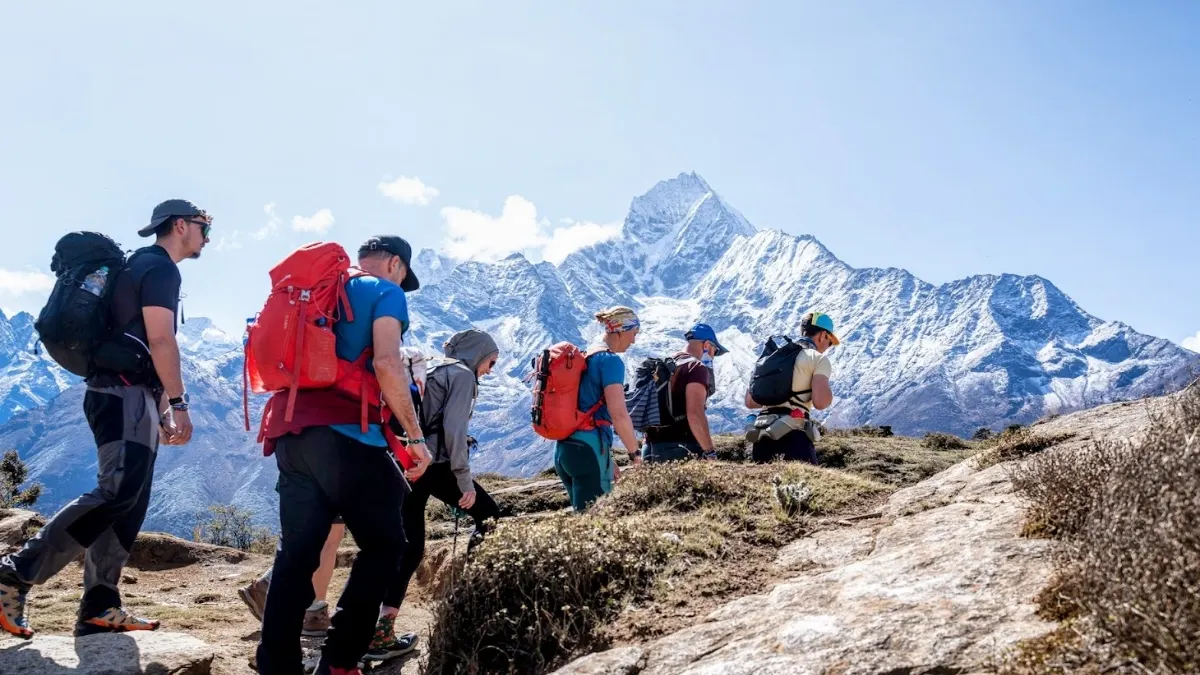
The hardest section differs from person to person. Some trekkers struggle with the early steep climbs, while others feel the altitude most near the top. The table shows approximate altitudes for the sections most often found demanding.
|
Section |
Approximate altitude |
Why it can feel demanding |
|
Phakding to Namche Bazaar |
2,660 m to 3,440 m (8,727 ft to 11,286 ft) |
Sustained climb after the suspension bridges |
|
Tengboche to Dingboche |
3,860 m to 4,410 m (12,664 ft to 14,468 ft) |
Repeated ups and downs while altitude keeps rising |
|
Dingboche to Lobuche |
4,410 m to 4,910 m (14,468 ft to 16,109 ft) |
Thinner air, rocky ground, and accumulated fatigue |
|
Lobuche to Gorak Shep |
4,910 m to 5,164 m (16,109–16,942 ft) |
Thin air, rocky terrain, and accumulated fatigue |
|
Gorak Shep to Everest Base Camp and back |
Around 5,164 m to 5,364 m (around 16,942–17,598 ft) |
Uneven ground and sustained effort at high altitude |
|
Gorak Shep to Kala Patthar and back |
Around 5,164 m to 5,545 m (around 16,942–18,192 ft) |
Steep ascent, very thin air, and early-morning cold |
Note: These are approximate Everest Base Camp Trek elevations. Distances, walking times, and the order of these excursions vary by itinerary
Phakding to Namche Bazaar
The walk from Phakding to Namche Bazaar involves a sustained climb of around 800 m (2,625 ft), including the steep section after the suspension bridges. Beginners who expect a gentle start are often surprised by it. Namche Bazaar is also a key acclimatization stop, so rest is built in at the top.
Tengboche to Dingboche
The trail rises and falls over uneven ground while the overall altitude keeps climbing. Your breathing and pace may change noticeably here. Gradual progress matters more than speed, and many trekkers find later days tougher.
Dingboche to Lobuche
The air is thinner and the ascent is long and gradual over rocky terrain. Fatigue from earlier days begins to show. This is a good stretch to watch for symptoms such as persistent headaches or unusual tiredness rather than focusing only on reaching the destination.
Lobuche to Gorak Shep, Everest Base Camp, and Kala Patthar
Most itineraries go from Lobuche to Gorak Shep (approximately 5,164 m), then walk to Everest Base Camp and return. The ground is rocky and uneven, and the altitude makes every step slower.
Kala Patthar is a separate viewpoint, often climbed from Gorak Shep, and it involves an additional steep ascent. It can feel harder than Base Camp because of its elevation, though neither is the hardest for every trekker.
Does the Return Journey Make the Everest Base Camp Trek Difficult?
Yes, the return journey on foot makes the Everest Base Camp (EBC) trek physically and mentally demanding, even though you are descending to lower altitudes.
Air pressure increases as you descend, making more oxygen available with each breath, which helps your breathing. Your legs are another story. They’re already tired, and walking downhill means more braking and more impact than going up, so your knees and thighs experience additional strain. Long descents over uneven ground can leave your knees sore, and tired feet slip more easily.
A few things make it easier:
- Shorter, controlled steps
- Supportive footwear
- Trekking poles, if they suit you
- Time to rest and recover
How long the return takes depends on your itinerary. You can also customize your trip with Nepal Gateway Trekking for your flexibility.
How Fit Do You Need to Be for the Everest Base Camp Trek?
You need a solid, active level of cardiovascular endurance and leg strength to walk for 5 to 7 hours daily on steep, rocky terrain at high altitudes.
You don’t have to be an athlete, but you should be able to walk for several hours, handle uphill and downhill terrain, and recover well enough for the next day.
Physical Fitness and Endurance Requirements
Being able to walk steadily for a few hours without becoming exhausted is a useful starting point. On the trail, four things make the most significant difference:
- Cardiovascular endurance
- Leg strength
- A stable core
- Comfort on both uphill and downhill ground
Regular exercise also helps you bounce back between walking days. There is no single fitness score or running distance that guarantees readiness.
Can Beginners Complete the Everest Base Camp Trek?
Yes, beginners can complete the Everest Base Camp trek with suitable preparation and a well-planned itinerary. Start training several weeks in advance with regular walks, uphill hikes, stair climbing, and leg-strength exercises.
Choose an itinerary that allows gradual ascent and enough time for acclimatization, and avoid rushing to keep up with others. Previous trekking experience can help, but it does not guarantee that you will avoid altitude sickness or complete the trek.
Do You Need Previous Trekking Experience?
Previous trekking experience helps, but it is not essential on the standard route. However, completing some long hikes or hill walks beforehand can help you prepare. You find out how your legs feel after a few hours, how much water you need, and when to slow down. The training section below covers how to build that up.
How Does Altitude Sickness Affect Everest Base Camp Trek Difficulty?
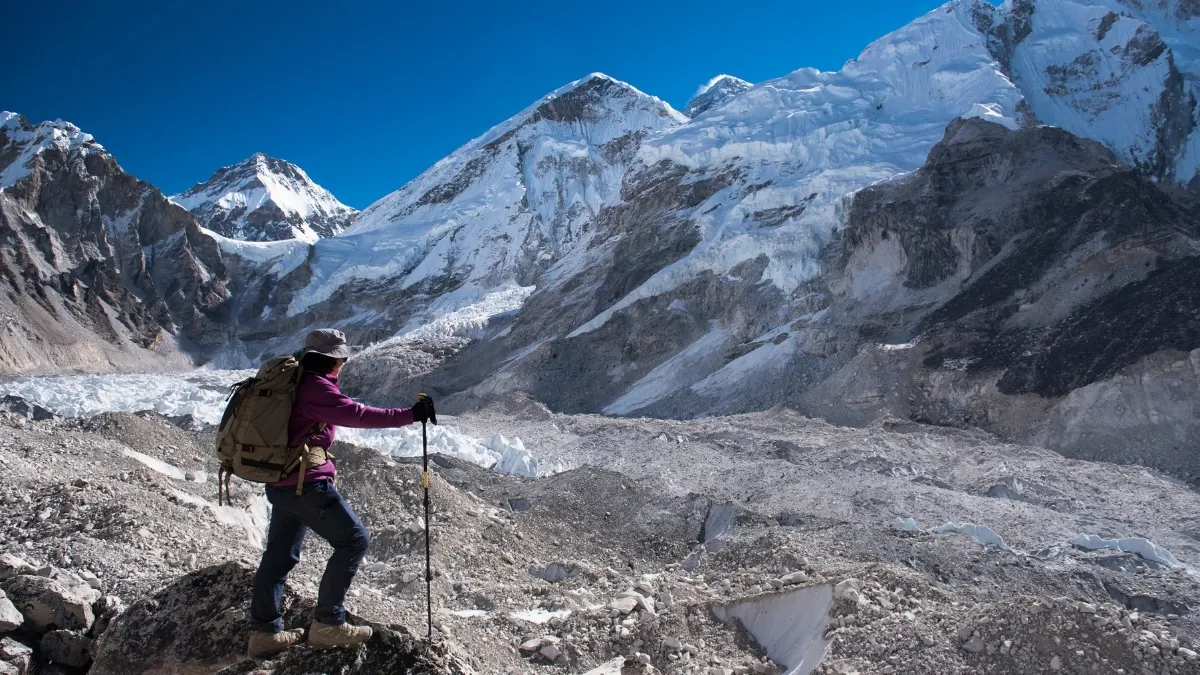
Altitude sickness is one of the main risks of the Everest Base Camp trek. It can range from mild symptoms to a life-threatening emergency. Recognizing the warning signs, stopping your ascent if symptoms develop, and descending when necessary are essential for staying safe.
Symptoms can develop after ascending to higher elevations, and neither fitness nor previous trekking experience removes the risk. Good fitness does not prevent altitude sickness, so a gradual ascent matters for everyone.
Common Symptoms of Altitude Sickness
Common AMS symptoms include:
- Headache
- Nausea
- Dizziness
- Fatigue
- Loss of appetite
These overlap with dehydration and exhaustion, so they are easy to dismiss. Mild symptoms that worsen need prompt attention.
Two serious forms of altitude illness are high-altitude pulmonary edema (HAPE), which involves fluid building up in the lungs, and high-altitude cerebral edema (HACE), which involves swelling of the brain. Both require urgent medical attention. Warning signs include:
- Breathlessness at rest or a persistent cough
- Confusion or unusual behavior
- Difficulty walking in a straight line
These signs require urgent medical assessment and descent. Trekkers should not try to diagnose or treat serious altitude illness themselves.
Why Acclimatization Days Matter
Acclimatization gives the body time to adjust to higher elevations, which is why itineraries commonly include extra time around Namche Bazaar and Dingboche. Gradual ascent and rest days reduce the risk but do not eliminate it.
An acclimatization day is not simply a day off. Depending on the itinerary, it may include a light walk to a higher point before returning to sleep lower.
The number of days you allow for the trek also affects your acclimatisation schedule. Read our guide on how many days you need for the Everest Base Camp trek to understand how to plan your itinerary.
When to Stop Ascending and Descend
Do not continue ascending if you develop symptoms that may indicate altitude sickness. Tell your guide or trekking companion promptly and seek medical advice. If symptoms worsen, descend to a lower altitude with assistance.
Breathlessness at rest, confusion, unusual behavior, or difficulty walking straight can indicate a serious altitude emergency and require urgent medical attention and descent. Supplemental oxygen or medication may be used under medical guidance but must not delay necessary descent. Read the Himalayan Rescue Association’s altitude illness guidance for more information.
How to Prepare for the Everest Base Camp Trek?
Preparing for the Everest Base Camp trek requires regular training, suitable gear, and a well-planned itinerary to help you cope with high altitude.
Training improves endurance and makes long walking days more manageable, but it cannot prevent altitude sickness. Anyone with a health condition should check with a doctor before starting a new program.
Best Exercises and Training for the Trek
- Useful activities to train for EBC trek include:
- Brisk walking and uphill walking
- Hiking and stair climbing
- Other aerobic exercise
- Leg-strength exercises such as step-ups, squats, lunges, and calf raises
Choose exercises that suit your ability, and increase their duration and intensity gradually. Wear the footwear and carry the daypack you plan to use on the trek, so you find any problems at home rather than on the trail.
For a more detailed plan, read our Everest Base Camp Trek preparation guide for practical advice on fitness training, essential gear, and preparing for high-altitude conditions.
When to Start Training
Where practical, begin around 8 to 12 weeks before departure. People with lower starting fitness or limited hiking experience may benefit from longer.
Progress from shorter walks to longer walks, then to uphill sessions. This timeframe is a practical recommendation, not a guarantee of readiness.
How to Build Stamina for Consecutive Walking Days in Trek
The trek’s challenge is repetition, so training should reflect that.
- Increase walking time gradually over several weeks
- Practice longer walks on back-to-back days when recovery allows
- Plan rest between harder sessions
Gym workouts alone do not reproduce hours of sustained walking, so include real time on your feet.
Tips to Make the Everest Base Camp Trek Easier
Preparation is part of it, but choices made on the trail matter just as much.
- Allow extra days. An itinerary with gradual ascent and enough time for acclimatization is one of the most important ways to reduce altitude-related risks.
- Start slowly. Early days feel easy, and going too fast then often costs energy later.
- Drink and eat regularly. Your appetite may decrease at altitude, so regular meals and adequate fluids can help maintain your energy. Avoid forcing excessive amounts of water, and remember that staying hydrated does not prevent altitude sickness.
- Consider a porter or guide. A lighter daypack saves energy, and an experienced guide can spot early signs of altitude illness.
- Ask a doctor about altitude medication before you travel, and do not start it without advice.
- Check your travel insurance. Make sure it covers trekking to high altitude and helicopter evacuation.
- Wear suitable footwear and gear. Supportive footwear and appropriate clothing help you manage uneven terrain and cold weather. Use this Everest Base Camp Trek packing list to prepare your gear before departure.
Comfort also affects how well you recover. If you want private rooms, en-suite bathrooms, and heated dining rooms, view the Everest Base Camp Luxury Trek itinerary, which also includes acclimatization days at Namche Bazaar and Dingboche.
How Does the Season Affect Everest Base Camp Trek Difficulty?
The season affects how difficult the trek feels, including morning temperatures, trail conditions, visibility, and the likelihood of flight delays to Lukla.
No season is guaranteed, though. The weather up high can turn quickly, and it’s different from one year to the next.
|
Season |
What it’s like |
Effect on difficulty |
|
Spring (March to May) |
Busy trails, with rhododendrons in bloom on the lower sections. Clear mornings, but clouds and light showers often roll in by afternoon. |
Weather can change during the day, so early starts help. Flight delays are possible. |
|
Autumn (September to November) |
A popular trekking season, often offering clear mountain views and favorable walking conditions. |
Conditions can be suitable for trekking, but crowds, cold temperatures, and altitude remain challenges. Weather can still change unexpectedly. |
|
Winter (December to February) |
Quiet trails but very cold, especially around Lobuche and Gorak Shep. Some lodges at higher elevations close for the season. |
Cold, ice, and snow make it much harder. Not a good pick for first-timers. |
|
Monsoon (June to August) |
Rain, muddy trails, leeches on lower sections, and cloud cover that can reduce visibility. |
Slippery paths and possible flight disruptions can make planning harder. Conditions vary, so check current weather and transport updates before departure. |
Planning your Everest Base Camp trek? Choosing the right season can make a difference to your comfort, trail conditions, and overall trekking experience. Read our guide to the best time for Everest Base Camp trek to choose a suitable time for your journey.
Final Thoughts
The Everest Base Camp trek is a challenging high-altitude hike, mainly because of thin air, long walking days, and cumulative fatigue. Technical climbing skills are not normally required, but proper training, gradual acclimatization, and realistic pacing are essential.
Choose an itinerary that allows enough time to adjust to altitude, and never ignore symptoms of altitude sickness. If you would like help choosing a suitable itinerary, you can contact Nepal Gateway Trekking to plan your trek.
Frequently Asked Questions
How many hours do you walk each day on the Everest Base Camp trek?
Most days are about 5 to 7 hours of walking. It changes with the route, your pace, the weather, and the acclimatization schedule. That estimate refers to walking time only; breaks and excursions can make the overall day longer.
Can an average-fit person reach Everest Base Camp?
Yes, with some preparation, a suitable itinerary, and gradual acclimatization. Average fitness doesn’t tell you how you’ll react to altitude, so it helps to have a schedule with a little room in it.
Does good fitness prevent altitude sickness?
No. People react to altitude differently, and fit trekkers get sick too. A gradual ascent matters for everyone.
What is the hardest day of the Everest Base Camp trek?
It depends on the itinerary, your fitness, how well you’ve acclimatized, and the weather. Many trekkers find the high-altitude day to Everest Base Camp the toughest, especially when Kala Patthar is added. Not every itinerary puts the two on the same day.
Do you need supplemental oxygen for the Everest Base Camp trek?
Most trekkers don’t use it on the standard route. It’s mainly used in emergency treatment, and it doesn’t replace going down when someone is seriously unwell.
H3: Is Everest Base Camp harder than Kilimanjaro?
They’re hard in different ways. Kilimanjaro reaches a higher summit, often with a faster ascent. Everest Base Camp has more days of walking. Altitude is the main challenge on both sides.