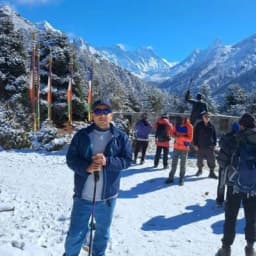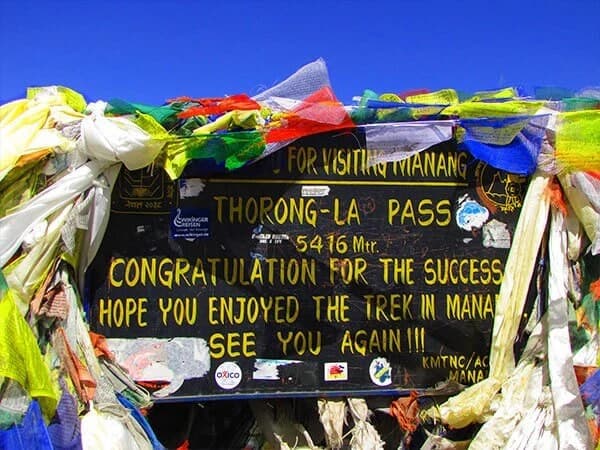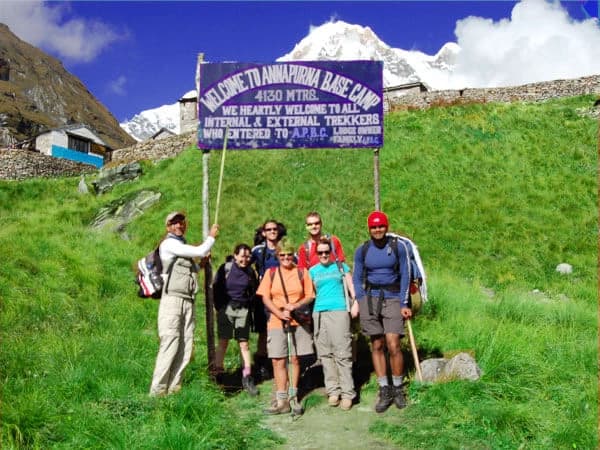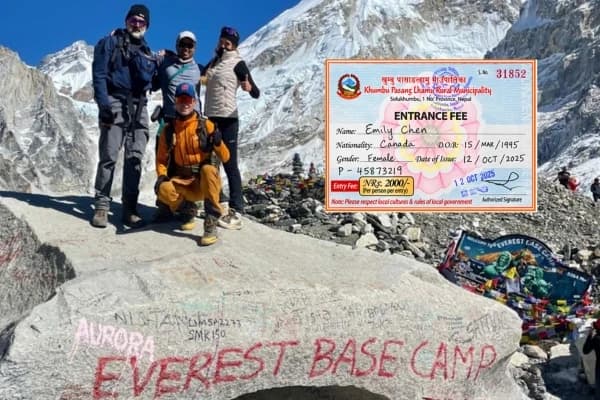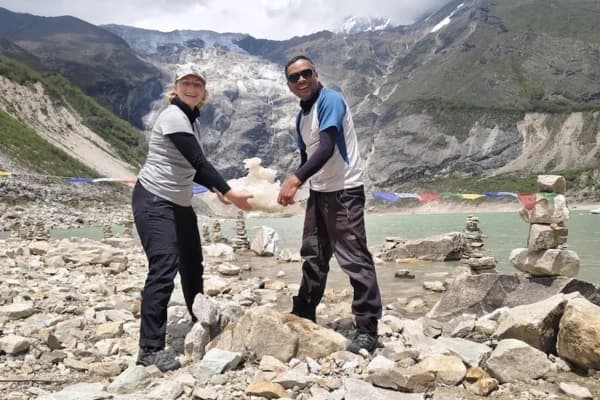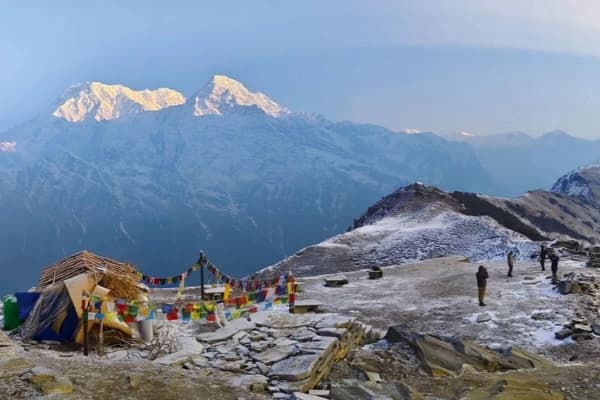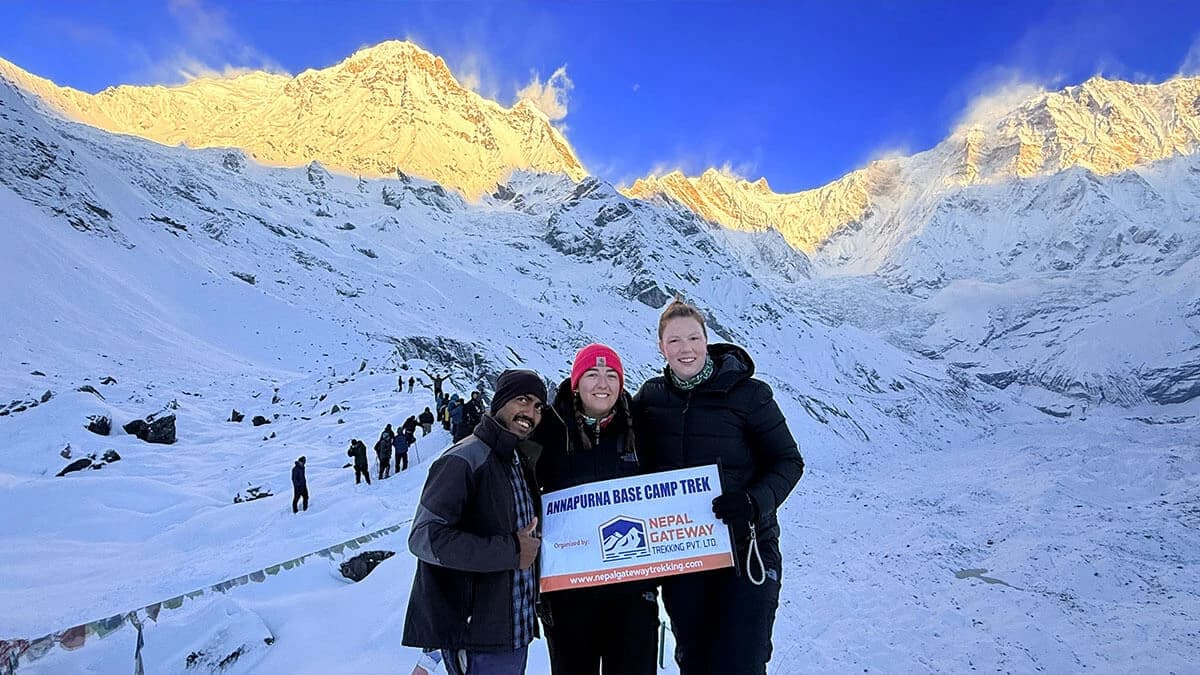
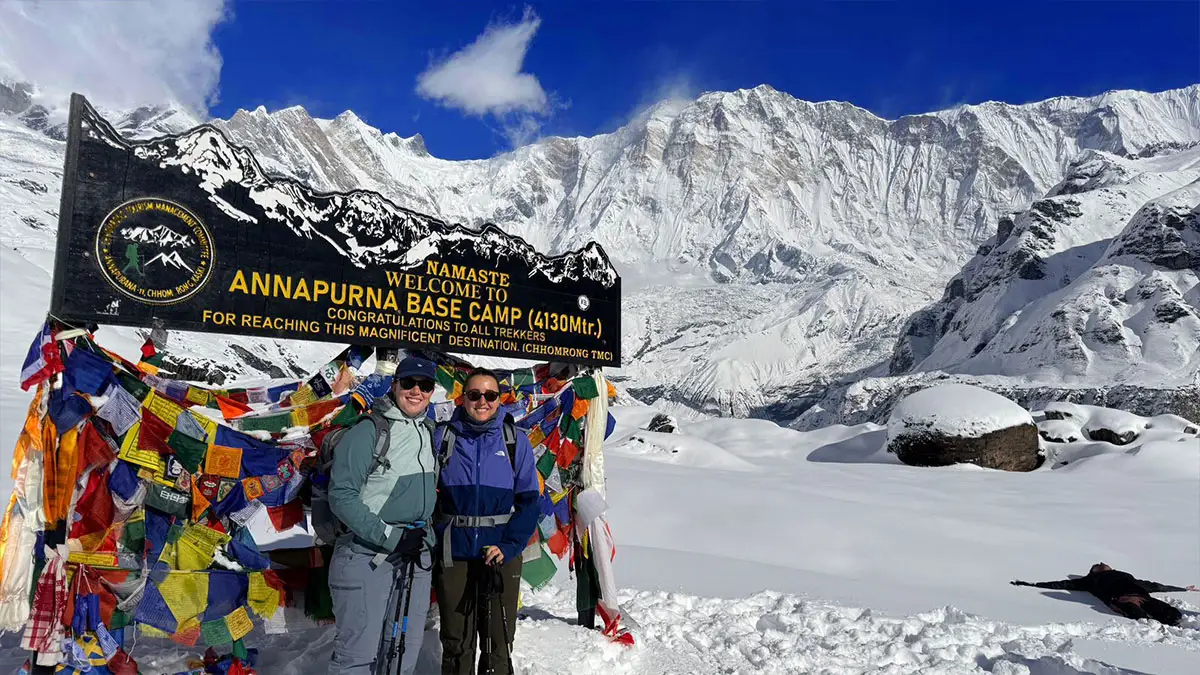
The Annapurna Base Camp trek is a moderate-difficulty trek situated at 4,130 m (13,550 ft) in the heart of the Annapurna Sanctuary, Nepal, a glacial basin encircled by giants including Annapurna I (8,091 m), Machapuchare (6,993 m), and Hiunchuli (6,441 m).
It is located in the Kaski District of Gandaki Province. The trek starts from Nayapul or Phedi near Pokhara. Pokhara is a 25-minute flight or 6–7 hour bus ride from Kathmandu.
The trail follows the Modi Khola river valley through terraced farmland, rhododendron forests, and traditional Gurung and Magar villages before entering the high-altitude sanctuary.
You walk 5–7 hours daily over 7–12 days, with no technical skills required, but the cumulative stone stairs, altitude, and back-to-back walking days make preparation non-negotiable.
The Annapurna Conservation Area, the largest protected area in Nepal at 7,600 sq km, receives over 100,000 trekkers annually, with ABC as its most-visited destination.
Not Everest, not a casual trek, ABC is the perfect first serious Himalayan trek for anyone willing to prepare and pace themselves right.
Ready to Trek to Annapurna Base Camp? Get a free custom itinerary from Nepal Gateway Trekking, registered trekking agency in Kathmandu
Annapurna Base Camp (ABC) Trek Quick Summary
- Difficulty: Moderate no technical skills needed, but not a casual hike
- Stats: 7–12 days, 5–7 hrs walking/day, max altitude 4,130m, ~110–120 km round trip
- Biggest challenges: Thousands of stone stairs (knees!), altitude fatigue, and cumulative exhaustion over back-to-back days
- Beginners: Yes, doable with 2–3 months of training, slow pacing, and ideally a guide
- Hardest days: Day 2 (Ulleri stairs), Days 4–5 (Chhomrong), Day 7 (MBC to ABC highest point)
- Best seasons: Spring (Mar–May) or Autumn (Sep–Nov)
- vs. Everest BC: ABC is easier, shorter, cheaper, and better for first-timers
- Top tips: Train on stairs, hire a guide/porter, walk slow, stay hydrated, use trekking poles
- Worth it? Absolutely stunning 360° views of Annapurna I, Machapuchare & Hiunchuli at the top
How Difficult is the Annapurna Base Camp Trek?
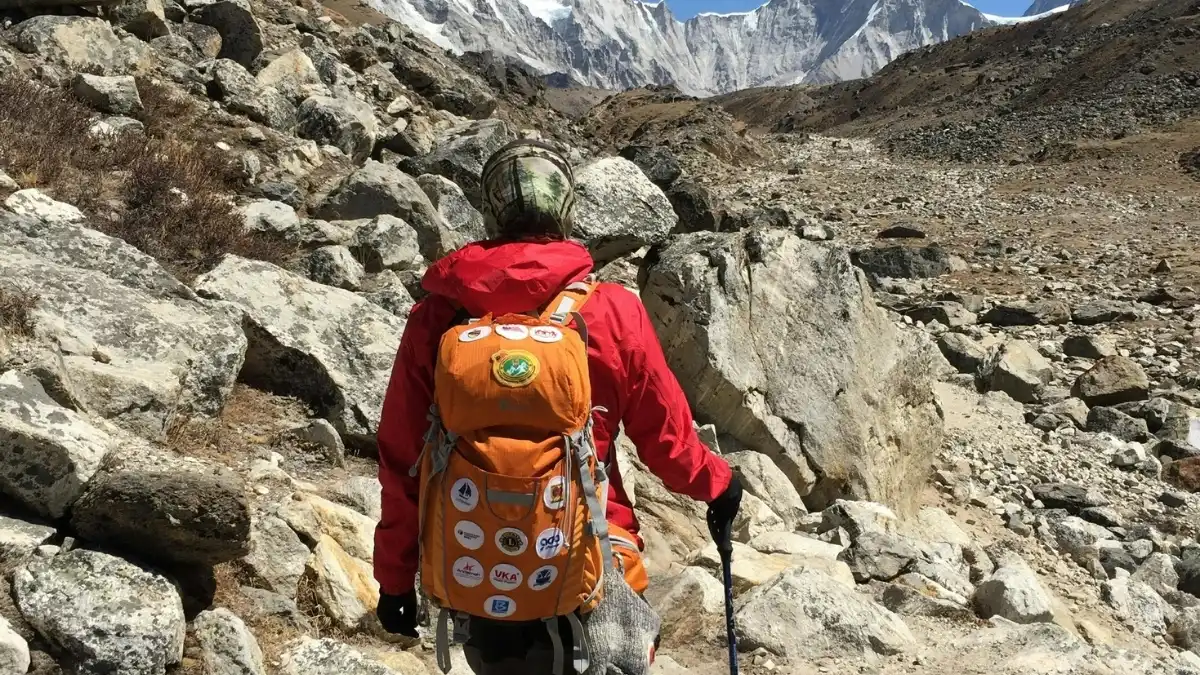
The Annapurna Base Camp trek is rated moderate difficulty: no ropes, no climbing, and no technical skills required. It sits comfortably between a casual weekend trek and a serious mountaineering expedition, demanding consistent walking over multiple days with steady elevation gain.
First-time trekkers complete it every season. Preparation and pacing matter far more here than raw athleticism or prior expedition experience.
|
Factor |
Details |
|
Duration |
5–13 days (typical: 7–12 days) |
|
Daily walking |
5–7 hours |
|
Max altitude |
4,130 m (13,550 ft) at Annapurna Base Camp |
|
Total ascent |
3,900m from Nayapul |
|
Total descent |
3,900m on return |
|
Difficulty |
Moderate (physically demanding) |
|
Start point |
Nayapul / Phedi (from Pokhara) |
|
Total distance |
110–120 km round trip |
|
Technical skill |
None required |
Not sure if the ABC trek matches your fitness level? Talk to our trekking experts consultation, no obligation. Plan Your Trip with Nepal Gateway Trekking.
Why the Annapurna Base Camp Trek Feels Harder Than It Looks
Photos show stunning mountains and smiling trekkers. They don't show the stiff legs on day 4 or the 5am alarm in a freezing room. It's a "slow burn" difficulty. Each day feels manageable.
But it stacks. By day 5, your body has climbed the equivalent of a skyscraper multiple times, and the altitude starts squeezing your energy reserves.
- Fatigue builds up quietly: each day feels okay, but together they drain your energy
- No real rest days early on: you keep moving daily, so your body doesn’t fully recover
- Stone stairs everywhere: your legs take a beating, especially on descents
- Altitude kicks in slowly: you don’t notice it at first, then suddenly everything feels harder
- Cold mornings hit different: waking up at 5am in freezing temps is not easy
- Same routine every day: walk, eat, sleep it can feel repetitive and tiring mentally
Key Insight: The altitude doesn't hit like a wall it creeps up on you over days. So does the fatigue. Respecting this fact is crucial.
Key Factors That Make Annapurna Base Camp Trek Challenging
While the Annapurna Base Camp trek may appear straightforward in photographs, the reality on the ground is quite different. The challenge comes from small things that build up day by day, like a slow fire that keeps burning. Let's simplify it.
Thousands of Stone Stairs The Biggest Hidden Challenge
Ask any returning trekker and they'll say the same thing about the stairs. Nobody talks about them in brochures. Especially around Ulleri and Chhomrong, you're climbing and descending endless stone staircase sections.
It's your knees, your quads, and your calves, not your lungs. And descending stairs is actually harder than going up. That's where the knee damage happens.
Pro Tip: There's no acclimatization for stair-only training. Start stair climbing 2–3 months before your trek. Trekking poles are essential for protecting your knees on descents.
Altitude and Risk of Acute Mountain Sickness
At 4,130m, oxygen is roughly 60% of what you breathe at sea level. The final two days from MBC to ABC are the hardest because you are already fatigued and the altitude sickeness is having the greatest impact.
Watch for these AMS symptoms:
- Persistent headache that doesn't ease with water
- Nausea or vomiting
- Dizziness or loss of balance
- Shortness of breath at rest
- Loss of appetite
Important: It's not Everest Base Camp (5,364m), but 4,130m is still serious and should not be brushed off.
Long Walking Hours Every Day
Five to seven hours of walking daily doesn't sound wild. But back-to-back days build up fast. By day 4 or 5, your pace naturally slows. Your legs feel heavier. It's completely normal and perfectly acceptable if you've maintained a steady pace from the beginning.
Weather That Changes Fast
Clear mornings, surprise afternoon rain that's the Annapurna way. Cold mornings (below 0°C at upper camps), warm afternoons, and wind chill at base camp. Wet stone stairs are genuinely slippery and dangerous. Check forecasts daily.
Can beginners complete the Annapurna Base Camp Trek?

Starting something new can feel scary, especially in the mountains. But here’s the good new's the Annapurna Base Camp trek is beginner-friendly if you do it the right way. Yes, absolutely yes. Hundreds of first-timers complete the ABC trek every season.
No climbing skills, no ropes, no special gear beyond sturdy boots and a decent pack. The trail is well-marked, and tea houses are everywhere. The key conditions: physical preparation + slow, realistic pacing. Hire a guide, especially if it's your first Himalayan trek.
If you are beginner explore our five best beginner friendly treks in Nepal.
Common Beginner Mistakes That Make It Harder
- Walking too fast on day 1—burn out early and you'll suffer days 4–7
- Skipping acclimatization days—saving time costs you your health
- Overpacking—every extra kilo destroys your knees on those stairs
- Ignoring hydration—altitude + exertion = fast dehydration
- Wrong footwear—cotton socks and low-grip shoes cause blisters on wet stairs
- No training—the single most common reason trekkers turn back early
Day-by-Day Annapurna Base Camp Trek Difficulty Breakdown
So, this phase is where the real challenge begins. The trek doesn’t feel super hard on day one, but it slowly builds up. Each day adds a bit more effort, a bit more tiredness. And honestly, that’s what surprises most people. Some days are easy. Some days, your legs feel the strain. Plus, as you go higher, the air gets thinner, so even simple walking feels tougher.
|
Day |
Route |
Altitude |
Difficulty |
Why |
|
Day 1 |
Nayapul → Tikhedhunga/Ulleri |
1,960m |
Easy, Moderate |
Forest trails, warm-up day |
|
Day 2 |
Ulleri → Ghorepani |
2,860m |
Moderate |
Early start, undulating terrain |
|
Day 3 |
Ghorepani → Tadapani |
2,630m |
Moderate |
Early start, undulating terrain |
|
Day 4 |
Tadapani → Chhomrong |
2,170m |
Moderate, Hard |
Long descent + stair sections |
|
Day 5 |
Chhomrong → Dovan |
2,920m |
Hard |
Steep climb, altitude rising |
|
Day 6 |
Dovan → Deurali/MBC | 3,700m | Hard | The altitude effect begins with cold nights |
|
Day 7 |
MBC → ABC → MBC | 4,130 m | Hardest | Highest point + cumulative fatigue |
|
Day 8+ |
Descent | Decreasing | Moderate | Easier going down, knees feel it |
Hardest Days of the Trek
Day 2 (Ulleri stairs) over 3,000 stone steps in one morning. Your legs remember the pain for two days.
Day 4–5 (Chhomrong) a steep descent immediately followed by a steep re-climb. Most trekkers' knees start talking here.
On Day 7 (MBC to ABC), the altitude is highest, oxygen is lowest, and fatigue is fully stacked. Many trekkers say this day is emotionally the hardest. Also the most rewarding.
Worth It: Standing inside that natural amphitheater of giants at 4,130 meters, Annapurna I, Machapuchare, and Hiunchuli surrounding you every single day makes complete sense.
Annapurna Base Camp Trek Difficulty by Season
|
Season |
Months |
Difficulty |
Recommendation |
|
Spring |
Mar–May |
Moderate |
Best time — highly recommended |
|
Autumn |
Sep–Nov |
Moderate |
Best time — most popular |
|
Winter |
Dec–Feb |
Hard |
Experienced trekkers only |
|
Monsoon |
Jun–Aug |
Hard |
Not for beginners |
- Spring (March–May): Warm days, cool nights, rhododendron forests in full bloom. Best trail conditions, perfect for first-timers.
- Autumn (September–November): Post-monsoon clear skies and best mountain views. Most popular season book the teahouses in advance.
- Winter (December–February): Snow above Chhomrong, sub-zero nights at MBC/ABC. The trails are quieter, but they require microspikes and serious layering.
- Monsoon (June–August): Heavy rain leads to slippery stairs, which cause most accidents. Leeches on lower trails. Clouds mostly block the views.
Solo Trek vs Guided Trek For Annapurna Base Camp Trek
A guide porter combo makes the ABC trek difficulty drop by roughly 30–40% for beginners. No mental load, a lighter pack, and someone to watch your health. Worth every rupee.
|
Aspect |
Solo Trek |
Guided Trek |
|
Navigation |
Self-managed |
The guide handles everything |
|
Physical load |
Carry own bag |
A porter carries your bag |
|
Safety monitoring |
Self-assessed |
Guide watches for AMS signs |
|
Permits |
Arrange yourself |
The guide arranges all |
|
Cost |
Lower |
Moderate extra cost |
|
Recommended for |
Experienced trekkers |
Beginners + all levels |
Real Challenges You Might Not Expect During ABC Trek
- Mental fatigue: consecutive days with no break gets heavy on shorter itineraries
- 5am cold starts: waking in near-freezing temps daily is its own challenge
- Basic toilet facilities above Chhomrong: squat toilets, no hot water
- Remote feeling: medical help is hours away above Chhomrong this affects your mindset
- Poor sleep at altitude: waking every few hours above 3,500 m, is very common
- Appetite loss: Altitude kills your hunger but you must eat anyway fuel energy
- Repetitive forest stretches: Some trail sections get monotonous morale dips briefly
Tips to Make the Annapurna Base Camp Trek Easier
- Walk slow your pace on day 1 sets the tone for the whole 7–12 days
- Sip water every 20–30 min don't wait until thirsty at altitude. thirst comes late
- Train specifically on stairs nothing else prepares your knees like actual stairs
- Pack light daypack under 10 kg use a porter for anything heavier
- Hire a guide the mental relief is real and it shows in your trekking energy
- Start early each day mornings are clear afternoons bring cloud and sometimes rain
- Use trekking poles non-negotiable for knee protection on descents
- Honour rest days acclimatization stops are not optional skipping them is risky
- Eat even when you don't want to altitude suppresses appetite but your body needs fuel
- Book teahouses ahead in spring and autumn, good lodges fill up fast
Is the Annapurna Base Camp Trek Worth the Effort?
Yes, every single time the Annapurna Base Camp Trek is worth it. Here's what awaits you after the challenging days:
- Natural amphitheatre of giants Annapurna I (8,091m), Machapuchare (6,993 m), and Hiunchuli (6,441m) surrounding you at base camp
- Cultural villages Ghorepani and Chhomrong, traditional Gurung and Magar communities that feel genuinely alive
- Jhinu Danda hot springs: a natural hot spring on the descent. Your legs will love you for this
- Poon Hill sunrise optional on most itineraries, one of the great Himalayan views
- Rhododendron forests in spring: the most colourful trekking in Nepal
- The feeling at the top reaching ABC is a genuine personal achievement that most trekkers describe as life-changing
Summary: The difficulty level is moderate, not extreme, and not casual. The greatest challenges are stone steps (knees), altitude fatigue, and cumulative days. Best season: Spring (Mar–May) or Autumn (Sep–Nov). Best strategy: guide + porter + slow pace + stair training beforehand.
ABC vs Everest Base Camp Difficulty Comparison
Honest answer: ABC is easier, shorter, cheaper, and better for beginners. EBC is the step up after you've done ABC.
|
Factor |
ABC Trek |
EBC Trek |
|
Max Altitude |
4,130 m |
5,364m |
|
Duration |
7–12 days |
12–16 days |
|
Daily Walking |
5–7 hours |
6–8 hours |
|
Difficulty |
Moderate |
Moderate–Hard |
|
Technical Skill |
None required |
None required |
|
Altitude Sickness Risk |
Moderate |
Higher |
|
Best For |
Beginners and intermediate |
Experienced trekkers |
|
Cost |
Lower |
Higher (flights to Lukla) |
Final Thought
The Annapurna Base Camp trek doesn't ask you to be extraordinary. It asks you to be consistent. You'll have days where the trail feels effortless and the mountains feel close enough to touch. There will be days when the stairs seem never-ending and the cold seeps into your bones. Both are part of it.
What separates trekkers who struggle from those who thrive isn't fitness level it's preparation and pacing. Go in trained, go in slow, and go in with realistic expectations.
At 4,130 m, the amphitheater of giants Annapurna I, Machapuchare, and Hiunchuli doesn't care how fast you arrived. It just asks that you show up and it is definitely worth it.
Contact Nepal Gateway Trekking to plan your trip.
FAQs
Is the Annapurna Base Camp trek difficult?
The Annapurna Base Camp trek is moderately difficult. No technical skills needed, but stamina is required. You walk 5–7 hours daily, climb stone stairs, and reach 4,130 m, so preparation matters a lot.
Can beginners do the ABC trek?
Yes, with the right preparation, beginners can do the ABC Trek. Basic fitness, a slow pace, proper acclimatization, and a guide make the trek very doable for first-time trekkers. Many beginners complete it every season.
What is the hardest part of the ABC trek?
The long stone stair sections around Ulleri and Chhomrong, and the final days at high altitude. Stairs hit your knees hard; altitude saps your energy when you're already exhausted.
How many hours do you walk per day?
You usually walk 5 to 7 hours per day. Some days are shorter and easier; others involve long climbs and descents. Back-to-back days accumulate that's where most of the real difficulty comes from.
Do I need training before the trek?
Yes, 2 to 3 months of targeted training is the recommendation. Focus on cardio, stair climbing, and leg strength. Stair training is the most valuable single exercise for this trek.
Is altitude sickness a real risk on the ABC trek?
The trek reaches above 4,000 m, and AMS can affect anyone. Walking slowly, staying hydrated, and following acclimatization days in your itinerary significantly reduces the risk.
Which is harder, ABC or Everest Base Camp?
Everest Base Camp is harder, has a higher altitude (5,364 m vs. 4,130 m), a longer duration, and is more expensive. ABC is the better choice for first-time Himalayan trekkers.
What is the best time to do the ABC trek?
Spring (March–May) and autumn (September–November) are best. Both offer stable weather and clear mountain views. Spring adds the bonus of rhododendron blooms.
Is hiring a guide necessary?
Not mandatory, but strongly recommended, especially for beginners. A guide handles navigation, permits, AMS monitoring, and logistics. A porter takes your bag. Together they make the trek significantly easier and safer.
How do I get to the start of the trek?
Fly or take a bus from Kathmandu to Pokhara (a 25 min. flight or 6–7 hours by road), then drive to Nayapul or Phedi, the standard trailheads for the ABC trek.
Are tea houses available on the full route?
Tea houses cover the entire route. Comfort decreases as altitude increases. Lower down you get hot showers and varied menus; at MBC and ABC it's basic but functional.
What is the total distance of the ABC trek?
The total distance of the ABC trek is approximately 110–120 km (68–75 miles) round trip, depending on your exact route and starting point.