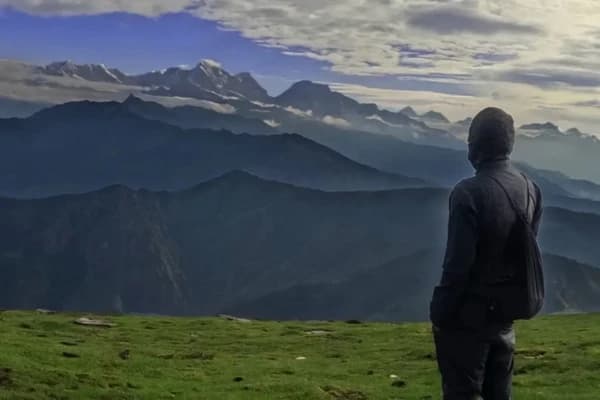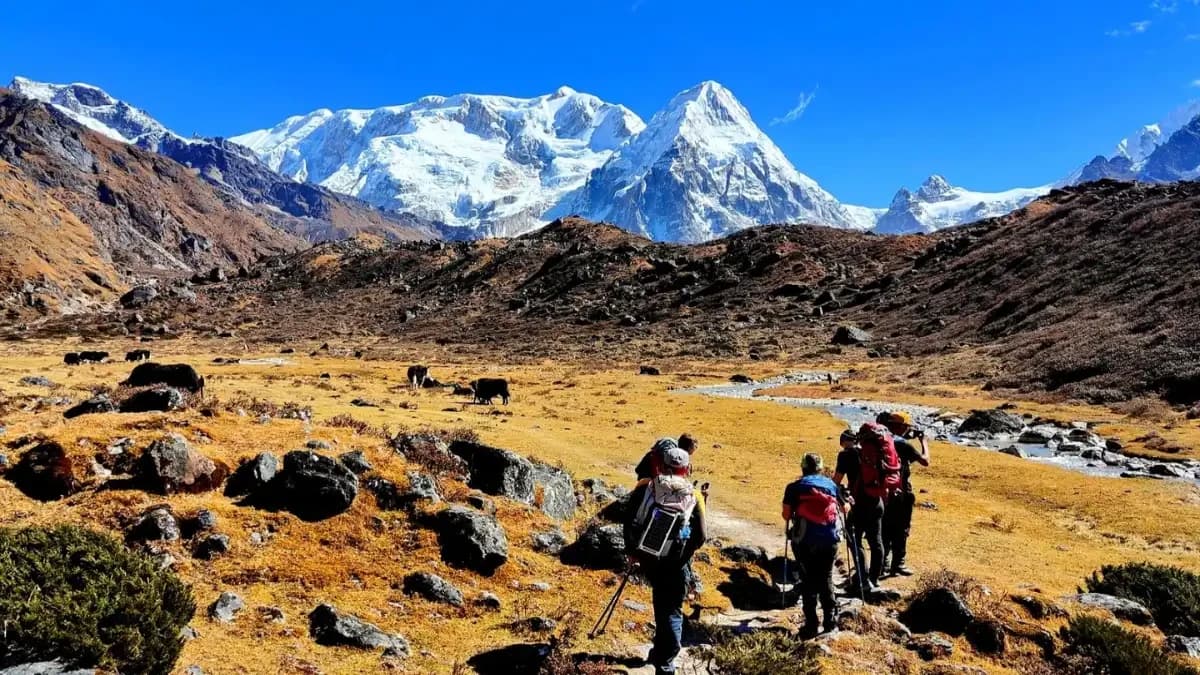
The Kanchenjunga Base Camp trek is strenuous to very strenuous in difficulty. No technical climbing is involved, no ropes, no crampons, and no fixed lines. But the combination of extreme remoteness, sustained altitude above 4,000 m, long daily walking hours, and almost no support infrastructure puts this firmly among the hardest treks in Nepal.
- Difficulty rating: Strenuous to Very Strenuous.
- Who should attempt it: Trekkers with prior high-altitude experience above 4,000 m, strong fitness, and 3–4 months of preparation.
- Who may struggle: First-time trekkers, anyone without altitude experience, and those expecting the teahouse comfort of the Everest or Annapurna corridors. The Nepal trekking scene covers every level Kanchenjunga is firmly at the expert end.
The Kanchenjunga Base Camp trek itinerary covers 180–220 km, reaches above 5,100 m, takes 20–28 trekking days, and runs through a restricted zone where solo trekking is possible and a licensed guide is legally required.
Why Most Trekkers Consider Kanchenjunga Base Camp Trek One of Nepal's Toughest Treks?
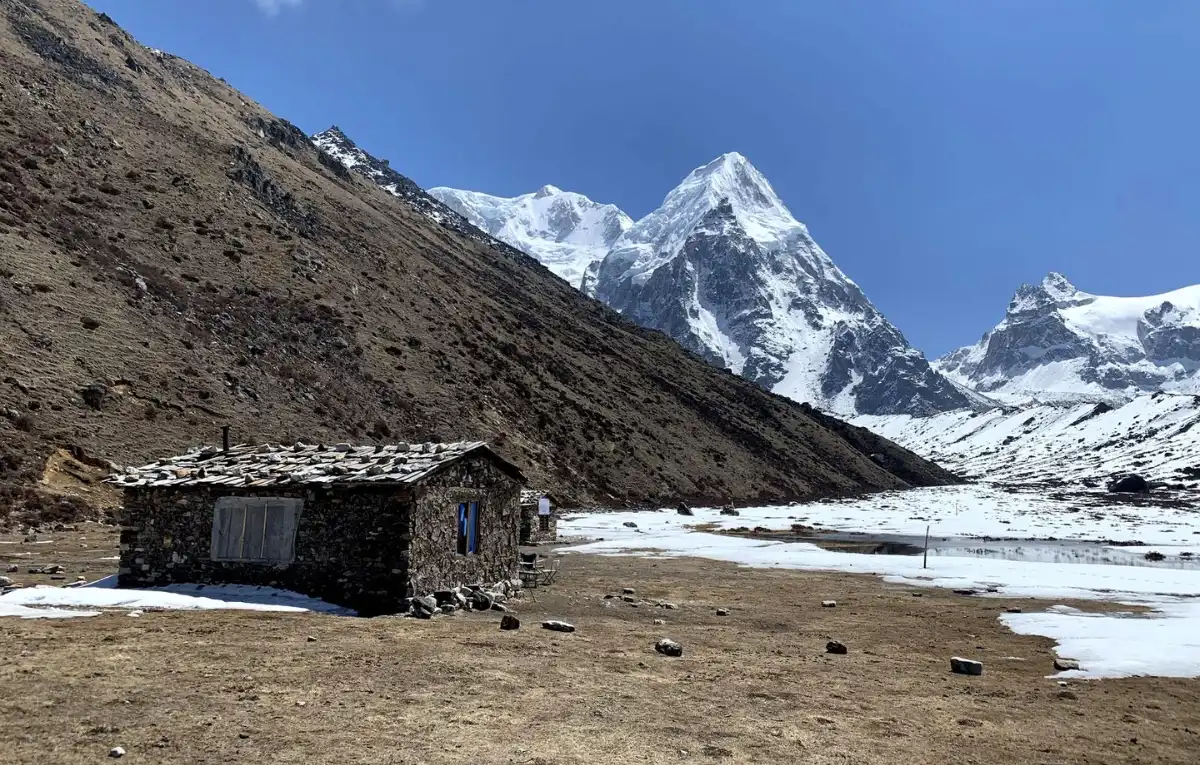 The Kanchenjunga Base Camp trek in Nepal does not break you in one day it wears you down over nearly a month. Altitude, isolation, rough terrain, cold nights, limited food, and unpredictable weather stack on each other without pause.
By the time most trekkers reach Pangpema or Oktang, they have already been walking for 10 to 14 consecutive days with no easy exit. You are committed from the moment you leave Taplejung. It has earned its place as the most challenging trek in Nepal, according to many who have completed it and other major Himalayan routes.
Who Can Successfully Complete This Trek?
Trekkers who have done the Everest Base Camp, Manaslu Circuit, or Annapurna Circuit and felt physically capable are reasonably positioned for Kanchenjunga with solid extra preparation.
If you are new to Himalayan trekking, starting with the best treks in Nepal will help you build a logical progression toward a route of this level.
Quick Review
- Difficulty: Strenuous to very strenuous
- Duration: 20–28 days
- Distance: 180–220 km
- Maximum Altitude: 5,143 m
- Daily Trekking: 6–9 hours
- AMS Risk: High above 4,000 m
- Terrain: Steep, rocky, and remote
- Infrastructure: Very limited
- Accommodation: Basic teahouses
- Weather: Unpredictable mountain conditions
- Solo Trekking: Permitted but with liscened guide
- Guide Required: Yes, mandatory
- Best Time: October and April
- Fitness Level: Strong fitness required
- Experience Needed: Previous high-altitude trekking recommended
- Compared to EBC: Harder, longer, and more remote
- Overall: One of Nepal's most challenging and rewarding treks
What Makes the Kanchenjunga Base Camp Trek So Challenging?
The Kanchenjunga Base Camp Trek is considered one of Nepal's most demanding trekking adventures. Unlike more popular routes, it combines high altitude, long trekking days, remote wilderness, rugged terrain, and limited infrastructure into a single journey.
The challenge is not just physical it also requires careful acclimatization, mental resilience, and the ability to adapt to changing mountain conditions. Understanding these difficulties beforehand helps trekkers prepare realistically and approach the trek with the right expectations.
High Altitude and Risk of AMS
Both base camps sit at 5,143 m, and the upper route spends multiple consecutive days between 4,000 and 5,100 m. Acute mountain sickness (AMS) is a constant risk, and helicopter evacuations are weather-dependent in this region.
Reading up on altitude sickness prevention before you go is not optional it is foundational.
Long Daily Walking Hours
Most days involve 6 to 8 hours of walking, with some sections pushing 9 hours. There is none of the shorter, easier padding found on well-developed routes. The body is fighting altitude fatigue and high physical output simultaneously, every day.
Remote Wilderness and Isolation
No mid-trail road access, no pharmacies above the lower villages, no quick exit. Far eastern Nepal is genuinely remote. Some days in the upper valleys you will pass no other trekking groups at all.
Steep Climbs and Rough Terrain
Prolonged steep ascents on loose rock, narrow suspension bridges, moraine fields near both base camps, and muddy forest paths at lower elevations. The ground demands constant attention.
Unpredictable Mountain Weather
Weather shifts fast here. Snowfall above 4,000 m is possible even in peak season. Afternoon storms build quickly. Trail conditions change within hours of rain. Trekkers who are used to the more predictable Everest autumn window often catch themselves off-guard.
Physical and Mental Endurance Required
By the midpoint of a three-week trek, altitude is disrupting sleep and fatigue is building daily. Staying rational about symptoms, pacing well, and resisting the urge to push on rest days becomes as important as physical fitness. The mental side of this trek is consistently underestimated.
Kanchenjunga Base Camp Altitude Profile and Acclimatization Challenges
One of the greatest challenges of the Kanchenjunga Base Camp Trek is its high altitude. The trail gradually climbs from subtropical valleys to remote alpine terrain above 5,000 meters. As you gain elevation, the air becomes thinner and oxygen levels decrease, making even simple activities feel more demanding.
Proper acclimatization is essential because altitude-related illnesses can affect anyone, regardless of age or fitness level. Understanding the altitude profile and following a sensible ascent plan significantly improves your chances of completing the trek safely and comfortably.
Highest Points Reached on the Trek
Pangpema (North Base Camp) and Oktang (South Base Camp) both sit at approximately 5,143 m. The Marjigin La pass on some circuit variations reaches around 4,663 m.
How Altitude Affects Your Body
- Above 3,500 m: reduced appetite, poor sleep, and heavy legs.
- Above 4,500 m: noticeably less oxygen, even fit trekkers slow down. A classic AMS headache and nausea and dizziness are common when ascending too fast.
- Above 5,000 m, if you ignore the early warning signs, you risk developing HAPE and HACE.
Knowing what is altitude sickness is and how it progresses before departure is essential for this trek.
Essential Acclimatization Tips
Acclimatization must be built into the Kanchenjunga Base Camp trek itinerary from the start, not improvised on the trail:
- Do not increase sleeping altitude by more than 300–500 m per day above 3,000 m
- Build at least one rest day into every 3 days of ascent
- Descend immediately at any neurological symptoms confusion, poor coordination, blue lips
- Drink 3 to 4 litres of water per day, even when you are not thirsty
- Talk to your doctor about Diamox well before departure.
Kanchenjunga Base Camp Trek Map, Distance, and Route Challenges
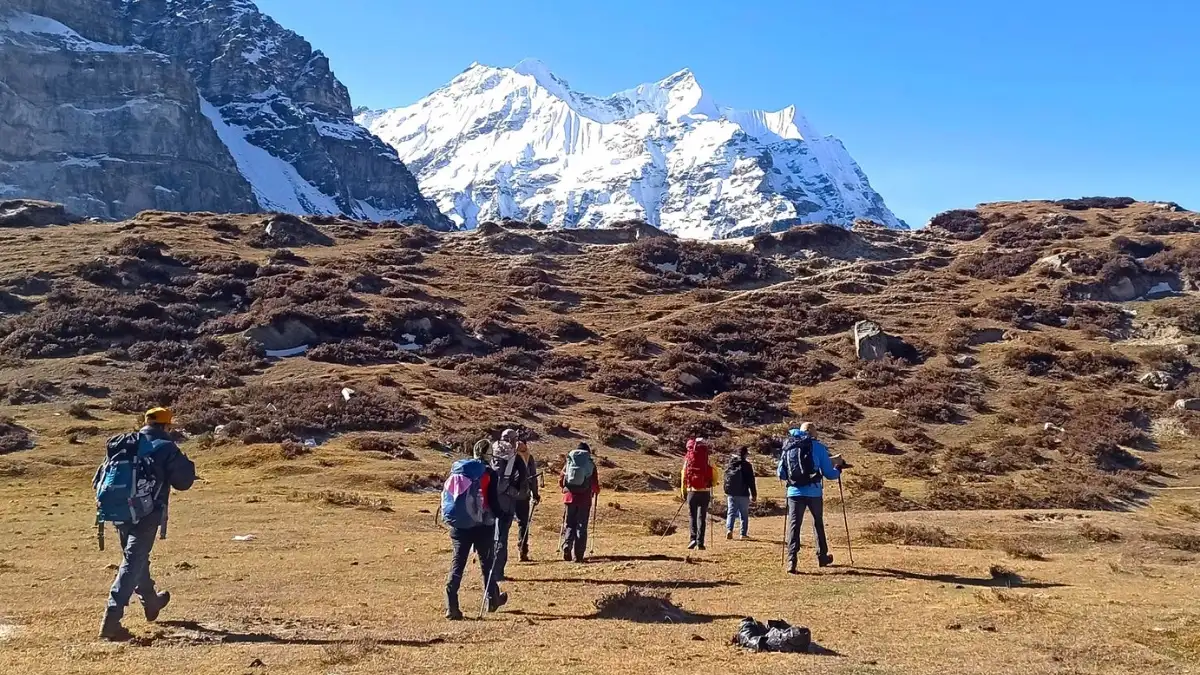
The Kanchenjunga Base Camp Trek follows one of the most remote and complex trekking routes in Nepal. Unlike many popular Himalayan treks that lead to a single destination, this journey explores both the North Base Camp (Pangpema) and South Base Camp (Oktang) through separate valleys connected by rugged mountain terrain.
The route covers long distances, crosses remote settlements, and involves multiple days of trekking far from roads and modern facilities. Understanding the trek map, route options, and key challenges helps trekkers prepare for the physical demands and logistical complexity of this extraordinary adventure.
Where Is Kanchenjunga Base Camp Located?
The Kanchenjunga Trek map covers far eastern Nepal's Taplejung district, bordering Sikkim (India) to the east and Tibet to the north. The trek starts from Taplejung or Suketar and follows two valleys, the Ghunsa Khola northward and the Simbua Khola southward, to opposite base camps on the mountain.
About North Base Camp Route (Pangpema)
The north route climbs through Sekathum, Gyabla, Ghunsa (3,595 m), and Kambachen before the final approach to Lhonak and Pangpema at 5,143 m. Ghunsa is the last real settlement before altitude dominates. The section from Kambachen to Lhonak is the most demanding, exposed, rocky, and steep.
About South Base Camp Route (Oktang)
The south route follows the Yalung Valley through Tsheram to Ramche, then the final climb to Oktang at 5,143 m. The south face view of Kanchenjunga from Oktang is among the most dramatic mountain panoramas accessible to trekkers in the entire Himalayan range.
Which is the Most Difficult Sections of the Kanchenjunga Base Camp Trek?
Both North Base and South Base Camp Bases approaches are challenging, but the climb from Ghunsa to Kambachen, nearly 2,000 m of gain over four to five days in thin air, is what most trekkers remember as the toughest sustained stretch of the circuit.
What is the Total Distance Covered in Kanchenjunga Base Camp Trek?
The full north–south circuit covers 180 to 220 km, with daily distances from 10 km on acclimatization days to 20 km on lower-valley sections. This is significantly more demanding than routes like the Manaslu Circuit trek, and distance on paper bears little relation to time on the ground in this terrain.
Permit Rules That Make Kanchenjunga Different from Everest and Annapurna
The Kanchenjunga region has stricter trekking rules than Everest and Annapurna because it is a restricted and remote border area. Trekkers must obtain special permits, travel in a group of at least two people, and be accompanied by a licensed guide.
Understanding these requirements before planning your trek helps ensure a smooth and hassle-free journey.
Why Solo Trekking Was Not Allowed Previously?
While you can head out as a solo traveler today, the Kanchenjunga trail used to be strictly off-limits to anyone without a trekking partner. Guard checkpoints enforced this rule tightly, mostly because the terrain is so unforgiving.
Nepal's immigration rules on solo restricted area trekking were updated in 2025–2026, and Kanchenjunga is now free for solo trekking with guide necessary.
Restricted Area Permit Requirements
Every foreign trekker needs a Restricted Area Permit (RAP) and a Kanchenjunga Conservation Area Entry Permit. Neither can be obtained independently at a trailhead, both must be arranged through a registered agency in Kathmandu before departure.
Why Hiring a Licensed Guide Is Mandatory
A licensed, government-registered guide must be named on the permit. Beyond compliance, a guide with specific Kanchenjunga experience brings route knowledge, weather judgement, and AMS recognition that no preparation fully replaces.
Understanding the role of guides and porters play in Nepal's trekking system is worth reading before you finalise your plans.
On carrying your own load: Self-carrying a 20 kg pack above Ghunsa significantly raises energy expenditure, increases injury risk, and is one of the most commonly cited reasons trekkers do not finish this route. Hiring a porter is a safety strategy here, not a comfort upgrade.
Ready to start planning? Nepal Gateway Trekking handles all restricted area permits, licensed guide assignments, and full itinerary customisation for the Kanchenjunga trek. Contact us to build your trek with people who know this region properly.
Teahouse Reality Check: Accommodation and Food Challenges
When assessing the difficulty of the Kanchenjunga Base Camp Trek, trekkers often overlook accommodation and food. Unlike Nepal's more developed trekking regions, facilities here remain simple and limited due to the area's remoteness.
As you gain altitude, teahouses become more basic, food choices become fewer, and access to electricity and modern comforts becomes less reliable. When you prepare for these conditions, you set realistic expectations and make the overall trekking experience far more manageable.
What Kanchenjunga Teahouses Are Really Like
In the lower valleys, Taplejung, Chirwa, and Sekathum teahouses are basic but workable. Above Ghunsa on the north and Tsheram on the south, accommodation becomes very basic: shared rooms, foam mattresses, single-layer walls, and no heating. Some high-altitude teahouses are seasonal and closed outside October and April.
Electricity and Food
Reliable power is intermittent above Ghunsa. Carry a 20,000+ mAh power bank. Dal bhat, noodle soup, tsampa, eggs, and boiled potatoes form most menus above 3,500 m. Bring supplementary snacks, energy bars, nuts, and dried fruit because caloric needs are high at altitude and appetite often drops.
Why Comfort Levels Add to Difficulty
Two consecutive nights of poor sleep at 4,000 m have a measurable effect on energy levels, mood, and judgement the next day. A sleeping bag rated to −15°C, earplugs, and a sleep mask are worth carrying for this reason specifically.
Kanchenjunga Trek Difficulty by Season
The difficulty of the Kanchenjunga Base Camp Trek changes significantly throughout the year. Weather conditions, trail quality, temperature, visibility, and teahouse availability all play a major role in determining how challenging the trek will be.
Choosing the right season can make the journey safer, more enjoyable, and easier to complete, while trekking during unfavorable months can add substantial risks and logistical difficulties.
Spring (March–May)
Spring is one of the two best windows. April brings stable pre-monsoon weather, rhododendron forests in bloom at lower elevations, and excellent visibility at altitude.
Reading about how spring compares to autumn across Nepal's routes is worthwhile before you decide on spring versus autumn trekking in Nepal.
Autumn (September–November)
October is widely regarded as the Kanchenjunga Base Camp trek's best time. Post-monsoon clarity, dry trails, and sharp mountain views make it the most reliable month. Night temperatures drop hard in November above 4,000 m, and some teahouses begin closing.
Winter (December–February)
Possible but significantly harder. Heavy snowfall closes sections above 3,500 m. Temperatures drop well below −15°C at night at altitude. Most upper-section teahouses shut. Not the right entry point for a first attempt.
Monsoon (June–August)
The Kanchenjunga region gets some of Nepal's heaviest monsoon rainfall due to its eastern position. Landslides, leeches, and near-zero visibility make it unsuitable. Unlike rain-shadow zones where trekking in Nepal during the monsoon is viable, Kanchenjunga is firmly off the table June through August.
Best Time for Easier Trekking Conditions
October is for a first attempt. April as a close second. Both give stable weather, open teahouses, and the best conditions for safe acclimatisation.
Is Kanchenjunga Harder Than Everest Base Camp?
Kanchenjunga Base Camp trek reviews from experienced trekkers consistently rate it harder than EBC. Here is the honest breakdown.
Altitude Comparison
EBC sits at 5,364 m, slightly higher than both Kanchenjunga base camps at 5,143 m. But Kanchenjunga spends far more total days above 4,000 m.
Worth Reading: Facts No One Tells You About Everest Base Camp Trek
Infrastructure and Remoteness
The EBC corridor has medical facilities, multiple helicopter points, well-stocked teahouses, and hundreds of other trekkers on trail simultaneously. Kanchenjunga has none of that above the lower valleys. If something goes wrong above Ghunsa, your options are limited. On some upper-valley days, your group is the only one on the trail.
Physical Challenge Comparison
Kanchenjunga is 8 to 12 days longer than a standard EBC trip, covers more total distance, and demands the same sustained physical output across a much longer period. Most experienced guides and trekkers rate Kanchenjunga as being harder than Everest Base Camp, and they do so comfortably.
Our complete guide to the Everest Base Camp trek details what EBC demands if you want a side-by-side reference.
Which Trek Is Better for You?
Do EBC first if you have not yet trekked at high altitude. After completing EBC, if you want a greater wilderness experience and more challenge, Kanchenjunga is the next step. Our breakdown of Nepal's most challenging treks puts both routes in context if you are still deciding.
The Hidden Difficulty Most Trekkers Underestimate: Reaching the Trailhead
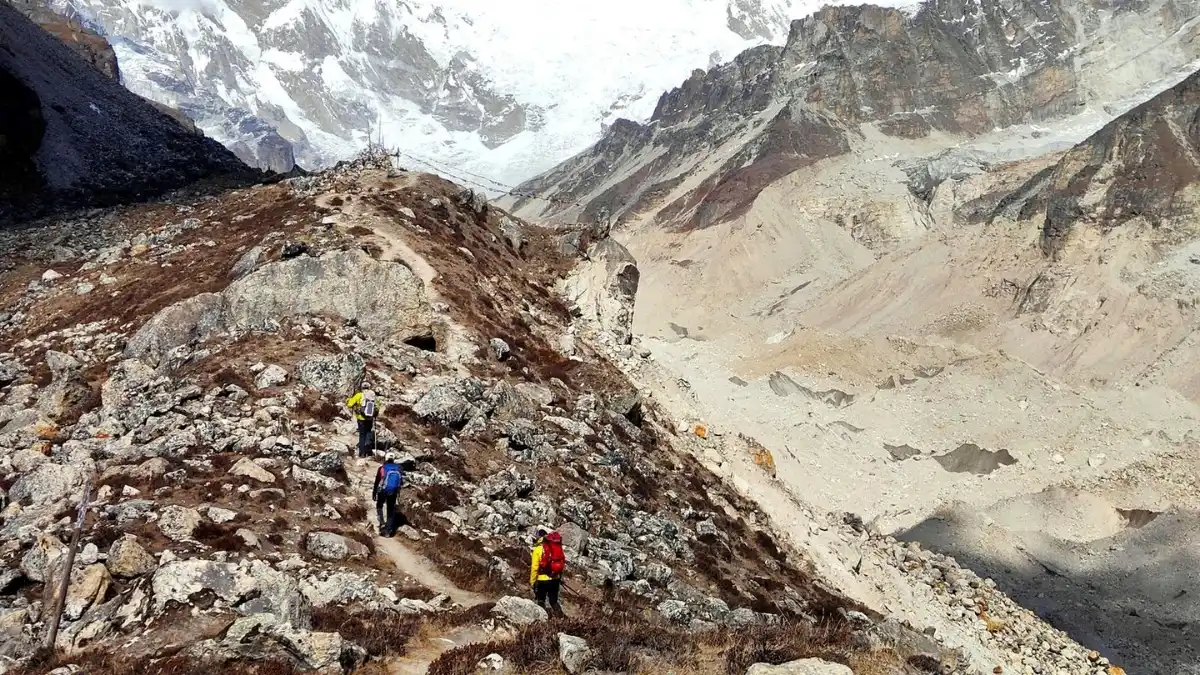
Getting to the start of the trek is itself a significant logistical challenge that many people plan poorly.
Domestic Flights and Road Access
The standard approach is Kathmandu to Bhadrapur by flight, then a connecting mountain flight or jeep to Taplejung (Suketar Airport). Suketar is small, and weather-dependent multi-day cancellations are common, especially in transitional seasons. The overland alternative is a rough jeep journey that takes 2 to 3 days.
Every Kanchenjunga Base Camp trek itinerary should build buffer days on both ends. When you count transport honestly, the full trip from Kathmandu to Kathmandu is 30 to 35 days. Most trekkers who underplan logistics burn their rest days before the trek even begins.
10 Expert Tips to Make the Kanchenjunga Trek Easier
- Start physical preparation 3 to 4 months out. Long uphill walks with a loaded pack, stair training, and 4 to 5 cardio sessions per week. You should be able to walk uphill for 6 hours with 10 kg without real fatigue before you leave.
- Choose October or April. Trekking outside these windows raises difficulty substantially with no benefit in return.
- Train specifically for long ascents. Flat road running does not prepare your legs for 4-hour continuous Himalayan climbs. Train on hills or stairs with weight.
- Never skip acclimatisation days. AMS often strikes on day two at a new altitude, not day one.
- Pack light. Every unnecessary kilogram costs energy at altitude. Use a proper Nepal trekking packing checklist and hire a porter for loads over 8 to 10 kg.
- Drink 3 to 4 liters of water per day. Dehydration speeds up AMS and compounds fatigue. Use a filter or tablets do not rely on bottled water at remote elevations.
- Hire a guide with Kanchenjunga-specific experience. Regional knowledge of weather, routes, checkpoints, and local contacts is what separates excellent guidance from adequate guidance.
- Build mental resilience before you go. Multi-day outdoor challenges, cold-weather exposure, and anything that pushes you past comfort prepare you psychologically for week three of this route.
- Carry a 20,000+ mAh power bank. Above Ghunsa, reliable electricity is not guaranteed. Your phone is your camera, navigation tool, and emergency contact. Keep it charged.
- Pace yourself from day one. Starting too fast and burning out by week two is the most common mistake on long Himalayan treks. Slow enough to hold a conversation at altitude is the right tempo.
Final Thoughts
The Kanchenjunga Base Camp trek is not technically hard. It is physically demanding, logistically complex, and mentally taxing in ways few other treks reach.
Trekkers who prepare well, respect acclimatisation, pick the right season, and travel with an experienced guide regularly complete it and describe it as among the most rewarding experiences of their lives.
Those who underestimate the preparation, rush acclimatisation days, or treat the remoteness casually are the ones who turn back. The view from Pangpema or Oktang, after three weeks of proper walking, is something no easier route can give you.
Among the best trekking and peak climbing experiences in Nepal, this one stands in a category of its own.
Planning the Kanchenjunga Base Camp Trek? Nepal Gateway Trekking provides expert licensed guides with specific Kanchenjunga experience, restricted area permit assistance, and customised itineraries built around your fitness and timeline. Get in touch with us and let's plan this properly.
FAQs
Do I need a guide for the Kanchenjunga Trek?
Yes, you legally must have a government-licensed guide to trek Kanchenjunga. Because the route passes through a strictly regulated border zone, independent or unguided trekking is completely prohibited by Nepal's Department of Immigration.,
How much does the Kanchenjunga Trek cost?
The Kanchenjunga trek cost for a fully guided trip ranges from USD 2,000 to USD 3,500 per person depending on group size and itinerary. This covers permits, licensed guide fees, porter fees, accommodation, and meals on trail. Domestic flights are additional.
Is Kanchenjunga harder than Everest?
Is Kanchenjunga harder than Everest as a base camp trek? Yes, harder than EBC on duration, remoteness, and cumulative demand. Is it harder than climbing to the summit of Everest itself? No, that comparison is not applicable.
Is Kanchenjunga harder than K2?
Both the Kanchenjunga Base Camp trek and Pakistan's K2 Base Camp trek are among the world's most demanding base camp routes. Contexts differ significantly terrain, regulations, and logistics are different, but both require experienced guides, serious preparation, and full respect for the environment.
Are there teahouses on the Kanchenjunga Trek?
Yes, but it is far more basic than the Everest or Annapurna corridors. Above Ghunsa and Tsheram, expect shared rooms, minimal menus, and limited electricity. Some high-altitude teahouses are seasonal.
Can I do the Kanchenjunga Trek solo?
Yes, you can trek Kanchenjunga solo now, but you legally must hire a licensed guide through an agency.