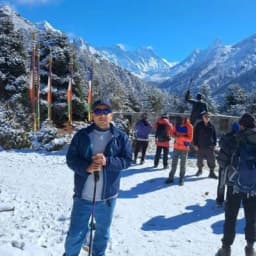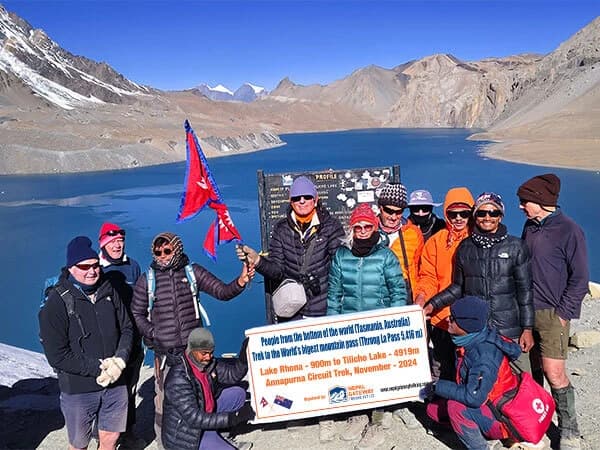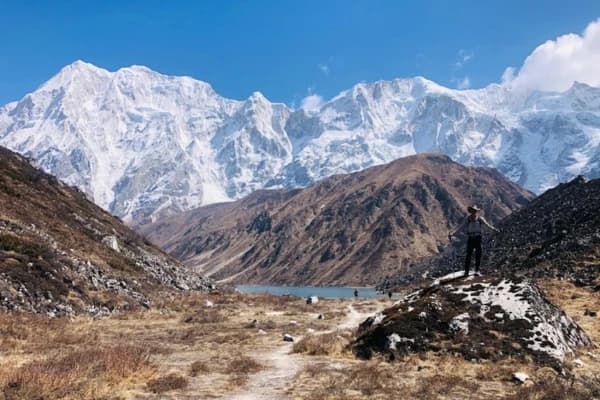
An Annapurna Circuit Trek packing list is a complete checklist of essential gear, clothing, and supplies needed for the trek, designed to help trekkers stay safe, comfortable, and prepared for varying weather conditions, high altitude, and long days on the trail. You've booked your flights, cleared your schedule, and decided to take on one of the world's greatest treks. Now comes the part that trips up most first-timers packing for the Annapurna Circuit.
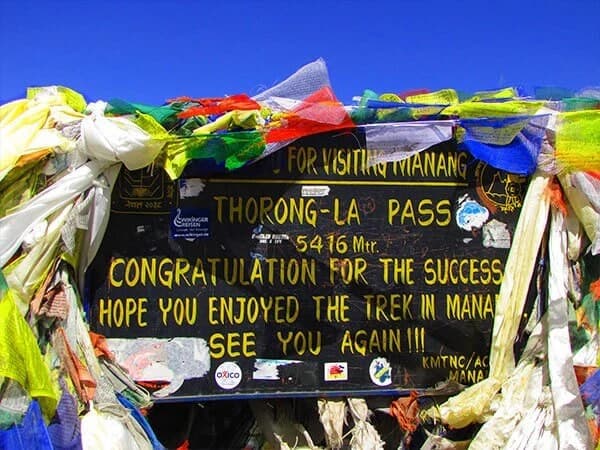
Get it right, and your pack feels like a natural extension of your body for 12–18 days on the trail. Get it wrong, and every uphill section to Thorong La Pass (5,416m) will remind you of every unnecessary item you stuffed in at the last minute. This Annapurna Circuit Trek packing list covers exactly what you need, no fluff, no gear-shop wish list padding.
Just practical, trail-tested advice to help you pack smart, move light, and focus on the trek itself.
What Makes Packing for the Annapurna Circuit Different?
The Annapurna Circuit isn't a single climate trek. You start in subtropical lowlands around Besisahar and finish or turn around after crossing a high alpine pass at over 5,400 meters. In between, the weather swings wildly. One morning, you'll be hiking in a t-shirt through rhododendron forests. Two days later, you could be wrapping yourself in every layer you own as temperatures drop to -15°C near Thorong La.
The Annapurna circuit winds through everything from tropical plains to alpine climatic zones, some days you'll trek in shorts, other days you'll wear all your clothes as brutal winds freeze your water bottle solid. That range is why your packing list needs to be smart, not heavy.
Target pack weight: 8–10 kg if you're carrying it yourself. If you hire a porter, aim for 10–12 kg maximum for the porter's load, plus a 20–30 L daypack for yourself.
Want expert help planning your gear and logistics? Let Nepal Gateway Trekking guide you with experienced support, porter services, and a complete pre-trek gear check.
The Annapurna Circuit Trek Packing List
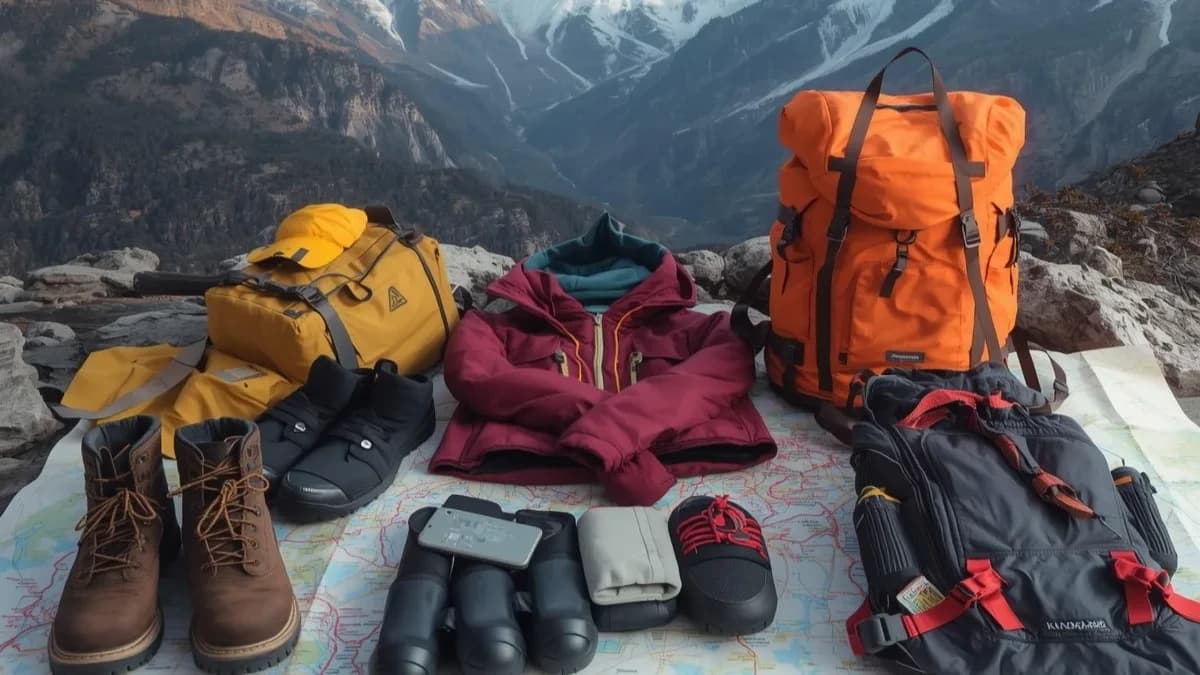
The Annapurna Circuit Trek packing list outlines all the essential items you need to carry for the journey, including clothing, gear, and personal supplies. It is designed to prepare you for changing weather conditions, high altitudes, and the physical demands of trekking across different terrains.
Backpack & Daypack
Your pack serves as your home for nearly three weeks. Don't cut corners here.
- Main trekking pack 50-65 L with a padded hip belt, internal frame, and a rain cover
- Daypack: 20–30L. If you're using a porter, carry water, snacks, a rain jacket, sunscreen, and your camera during the day
- Waterproof dry bags: use these inside your pack to keep clothing and electronics dry on rainy trail days
Padded shoulder straps and a hip belt distribute weight and make long walks easier. Good back support matters, and multiple compartments help you organize gear like water, rain gear, and snacks separately.
Pro tip: Do a test walk with your fully loaded pack before you leave home. You'll spot comfort issues immediately.
Clothing - The Layering System
This is the most important category on your packing list for the Annapurna Circuit trek. The golden rule: layer, don't bulk.
Base Layer (moisture-wicking)
- 2–3 moisture-wicking t-shirts (merino wool or synthetic, never cotton)
- 2 long-sleeve base layer tops for cold evenings and high altitudes
- 1–2 thermal base layer bottoms for nights above 3,500m
Mid-layer (insulation)
- 1 fleece jacket or softshell, your everyday warmth layer
- 1 lightweight down or synthetic insulated jacket
Outer Layer (protection)
- 1 waterproof, windproof hardshell jacket, non-negotiable
- 1 pair of waterproof trekking trousers or convertible pants
Trekking Bottoms
- 2 pairs of trekking trousers (convertible zip-off trousers save space)
- 1 pair of trekking shorts for warm lower sections
Extras
- Warm hat/beanie
- Sun hat or cap for lower elevations
- Buff or neck gaiter
- Liner gloves + waterproof outer gloves
- Thermal socks: 3–4 pairs (merino wool preferred)
- Regular trekking socks: 3–4 pairs
- Light underwear: 3–4 pairs (merino or synthetic)
- Camp sandals or lightweight Crocs, your feet will thank you at the teahouse
For winter trekking near Thorong La, must-carry items include a heavy insulated down jacket, thick thermal base layers, warm winter trekking pants, a thick fleece or softshell jacket, insulated gloves or mittens, and a balaclava or face mask.
Footwear
Sturdy, well-broken-in waterproof trekking boots are non-negotiable on the Annapurna Circuit your boots will be your best friends or your worst enemies on the trail. Mid-weight boots with ankle support and Vibram soles work best for the terrain variety you'll encounter.
Footwear checklist:
- 1 pair waterproof trekking boots (broken in before the trek critical)
- 1 pair lightweight camp sandals or Crocs
- Trekking sock liners to prevent blisters
- Foot powder and blister plasters
Never wear brand new boots on a multi-day trek. Break them in for at least 4–6 weeks before departure.
Sleeping Gear
Most teahouses provide blankets, but bringing your own sleeping bag rated to -10°C (14°F) is worth it nights get genuinely cold, especially above 3,500 m. A sleeping bag liner adds extra warmth and keeps your bag clean.
- Sleeping bag: rated -10°C to -15°C (down or synthetic)
- Sleeping bag liner (optional but useful)
- Inflatable pillow (small, lightweight, teahouse pillows vary in quality)
Trekking Gear & Equipment
- Trekking poles: essential for steep descents and Thorong La. Your knees will thank you.
- Headlamp: with spare batteries, pre-dawn starts are common on pass-crossing days
- Sunglasses: UV400 or glacier glasses for high-altitude snow glare
- Sun protection: SPF 50+ sunscreen, lip balm with SPF, UV-blocking sun hat
- Water bottles: 1–2 litres capacity; a filtered water bottle (like LifeStraw or Grayl) lets you fill up from streams
- Water purification tablets: as backup
- Trekking maps or downloaded offline maps are available: Maps.me or Gaia GPS works well on the circuit.
- Small lock: for your bag at teahouses
Electronics
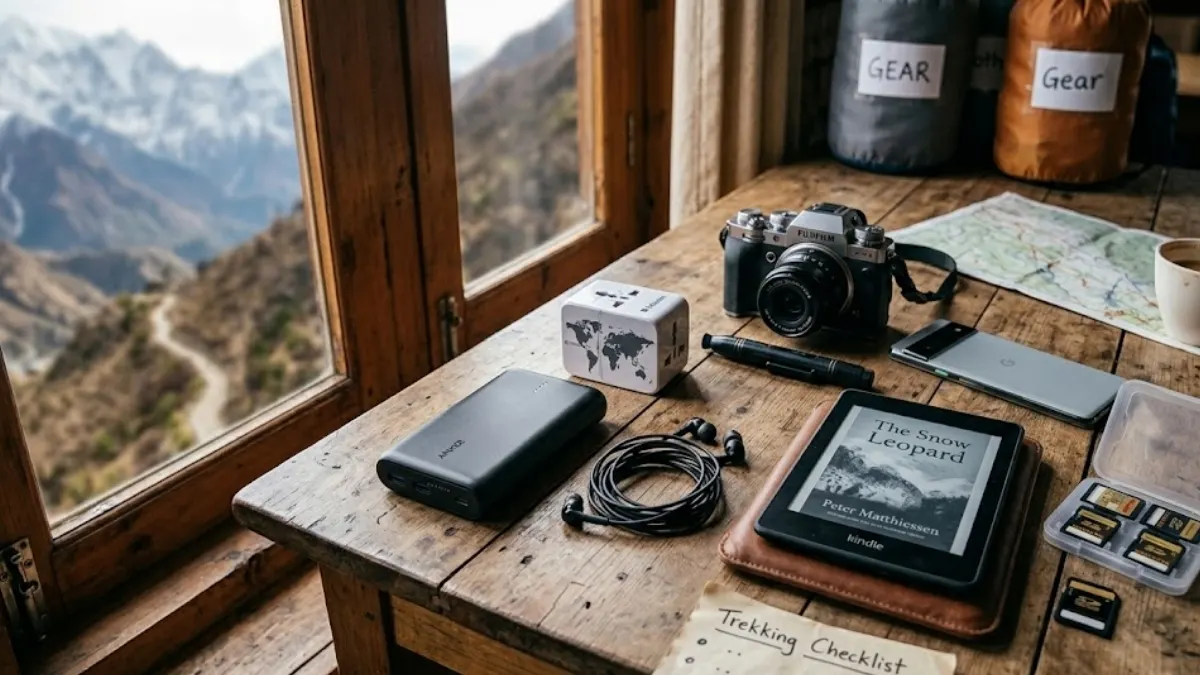
Pack a portable charger (power bank) and an international adapter, you can charge electronics in almost every teahouse, but power is limited and often costs extra.
- Power bank (10,000–20,000 mAh)
- Universal travel adapter
- Camera or use your phone, the views are worth a good lens
- Earphones
- E-reader (long evenings at teahouses go fast with a book)
- Spare memory cards and a protective case for electronics
Keep batteries close to your body in extreme cold, low temps drain them fast.
First Aid & Health Essentials
Don't leave this to chance. Monitor your health closely on the trail, especially for signs of altitude sickness. Use guides who are first-aid trained and carry emergency equipment.
First aid kit essentials:
- Diamox (acetazolamide) for altitude sickness, consult your doctor before the trek
- Ibuprofen and paracetamol
- Blister treatment (moleskin, compeed)
- Antiseptic cream and bandages
- Diarrhea medication (Imodium)
- Ciprofloxacin (broad-spectrum antibiotic, doctor prescription required)
- Rehydration salts
- Throat lozenges, dry mountain air is tough
- Personal prescription medications (carry extra)
- Hand sanitizer
Hygiene & Toiletries
Pack light here. Teahouses along the circuit have basic facilities, and you won't need your full bathroom cabinet.
- Biodegradable soap and shampoo (eco-friendly on the trail)
- Quick-dry microfibre towel
- Toothbrush, toothpaste, floss
- Wet wipes (invaluable on no-shower days)
- Toilet paper + a small trowel (some remote sections have no facilities)
- Hand sanitizer (keep one accessible at all times)
- Feminine hygiene products as needed
- Nail clippers, small mirror
Documents & Money
To trek the Annapurna Circuit, you need two key permits: an ACAP permit (approximately US$30) for the Annapurna Conservation Area, and a TIMS Card (approximately US$17) to track your transit points for safety. Both can be obtained from the Nepal Tourism Board office in Kathmandu.
Documents checklist:
- Passport (original) + 2 photocopies
- Nepal visa
- ACAP Permit
- TIMS Card
- Travel insurance documents (must include high-altitude trekking and helicopter evacuation cover)
- Emergency contact numbers
- Cash in Nepalese Rupees, many teahouses and permit offices don't accept cards, and ATMs disappear after Besisahar
Snacks & Nutrition
Food is available at teahouses throughout the Circuit, but prices rise significantly as altitude increases. Carry high-energy snacks from Kathmandu, as prices increase sharply at higher altitudes.
Pack enough for the trail:
- Energy bars (Snickers, cliff bars, or local Nepali snacks)
- Trail mix and nuts
- Instant oatmeal sachets for early mornings
- Electrolyte powder sachets
- Dark chocolate (it holds up better than milk chocolate at altitude)
What to Buy or Rent in Kathmandu?
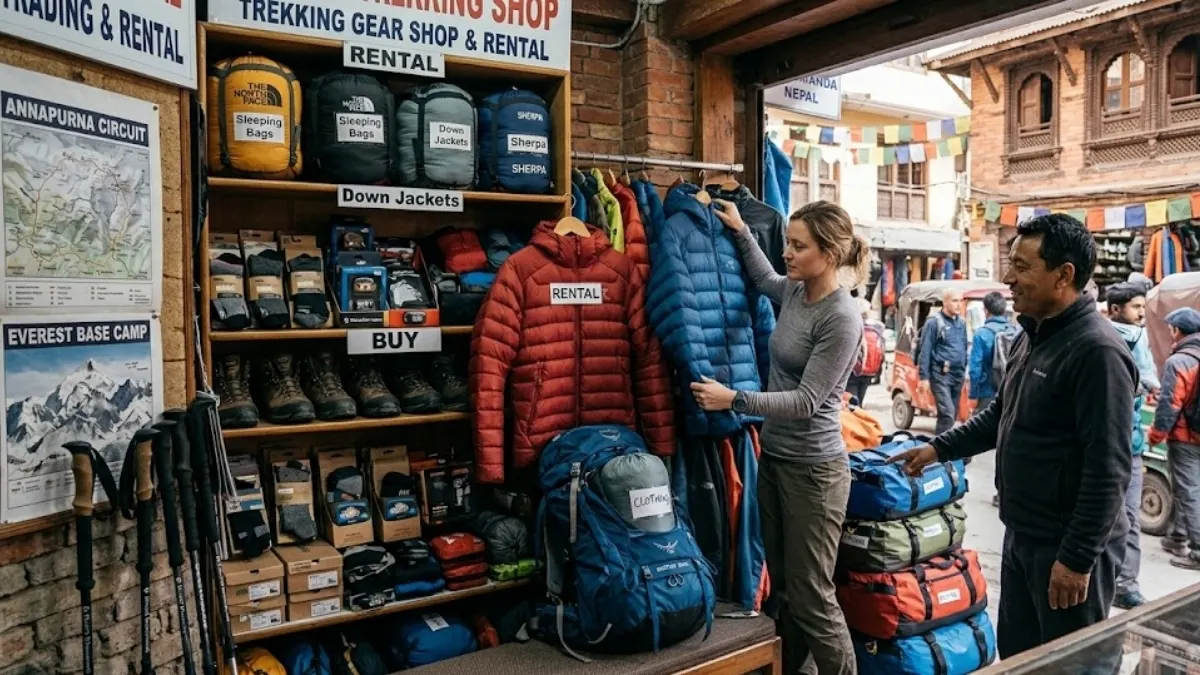
Not everything needs to come from home. Kathmandu has it all, from simple hiking shorts and t-shirts to heavy down jackets and crampons, available to buy or rent at competitive prices. Thamel, Kathmandu's trekking hub, is lined with gear shops.
Good items to rent in Kathmandu:
- Down jacket (if you don't own one)
- Sleeping bag
- Trekking poles
- Duffel bag (for porter luggage)
Always bring from home
- Your trekking boots (pre-broken in)
- Personal medications
- First aid supplies
- Travel insurance documents
Packing Tips From the Annapurna Circuit Trail
A few things that make a real difference:
- Pack your heaviest items close to your back and near the top of the pack, it shifts weight onto your hips and reduces back strain
- Use packing cubes or dry bags to organize clothing by category
- Leave a bag at your Kathmandu guesthouse with anything you don't need on the trail, most guesthouses store it for free
- Wear your boots and down jacket on flights luggage goes missing, and these are your most essential and expensive items
- Don't overload your porter ,10–12 kg is a fair load. They're professionals, not pack mules
Seasonal Packing Adjustments
- Seasonal packing adjustments refer to modifying your Annapurna Circuit Trek packing list based on the time of year you plan to trek. Since weather conditions vary significantly between seasons, this process ensures you carry the right gear for temperature, rainfall, and trail conditions.
- Spring (March–May): Light layers for the day, warm fleece, and a down jacket for evenings and high altitudes. Expect some rain in May.
- Autumn (September–November): The best season. Pack as per the main list, stable weather, clear skies, and cold nights above 3,500 m.
- Winter (December–February): Add microspikes or crampons for icy trails near Thorong La. A 4-season sleeping bag is essential. Some teahouses close, confirm availability before departure.
- Monsoon (June–August): Add extra waterproofing, gaiters, and anti-leech socks for the lower sections. Cloud cover limits views, but trails are quieter.
Final Thoughts
The Annapurna Circuit is genuinely one of the world's finest treks, 160–230 km of trail that takes you through everything Nepal has to offer. With the right gear, the trek is manageable, rewarding, and memorable for the right reasons. Pack with purpose. Keep it light. And trust your preparation when you're standing at Thorong La with the Himalayas stretching in every direction.
Ready to start planning? Nepal Gateway Trekking offers fully supported Annapurna Circuit treks with experienced local guides, porter service, and complete permit handling. Book your trek or contact our team, we'll help you plan every detail, including your final gear check before departure.
Ready to go? Let Nepal Gateway Trekking handle everything, so you can focus on the adventure.
FAQs
What is the weight limit for the packing list for the Annapurna Circuit Trek?
Aim for 8–10 kg if you're carrying your own pack. If you hire a porter, keep the porter load under 12 kg and use a 20–30 L daypack for yourself during the day.
Do I need a sleeping bag for the Annapurna Circuit Trek?
Yes. Teahouses provide blankets, but a sleeping bag rated to -10°C is strongly recommended, especially above 3,500m where nights are genuinely cold.
Can I buy trekking gear in Kathmandu?
Absolutely. Thamel in Kathmandu has a wide range of gear shops, both genuine and budget-friendly options. You can buy or rent most items there, except boots (which should be broken in before the trek).
What footwear is best for the Annapurna Circuit?
Waterproof, mid-weight trekking boots with ankle support and Vibram soles. Break them in for at least 4–6 weeks before you arrive.
Do I need trekking poles for the Annapurna Circuit?
They're not mandatory, but highly recommended, especially for the steep descents from Thorong La and for knee protection on long trekking days.
What permits do I need for the Annapurna Circuit?
You need an ACAP permit (approx. US$30) and a TIMS card (approx. US$17). Nepal Gateway Trekking handles all permit paperwork for booked trekkers.
Is there electricity available on the Annapurna Circuit trail?
Yes, most teahouses have electricity, though it's often limited and may cost extra to charge devices. Always carry a power bank as backup.
What should I pack for altitude sickness prevention?
Consult your doctor about Diamox (acetazolamide) before the trek. Also pack ibuprofen and rehydration salts, and ensure your guide is first-aid trained and briefed on AMS symptoms.
What's the best season to trek the Annapurna Circuit?
Autumn (September to November) offers the clearest skies, stable weather, and the best mountain views. Spring (March to May) is the second-best option.
Can I buy food and snacks on the Annapurna Circuit trail?
Yes, but prices increase significantly at higher altitudes. Stock up on energy bars, nuts, and electrolyte sachets in Kathmandu before you leave.