The Langtang Gosaikunda Lauribina Pass Trek cost usually ranges from USD $500–$700 for independent trekkers and around USD $1,070 for a guided trek with Nepal Gateway Trekking. Your total budget mainly depends on permits, transport, accommodation, food, guide and porter services, and personal expenses like WiFi, charging, and hot showers.
Compared to Everest Base Camp, this trek is more affordable while still offering stunning Himalayan views, sacred lakes, and high mountain passes.
Langtang Gosaikunda Lauribina Pass Trek Cost at a Glance
- Independent trek cost: $500–$700 for around 15 days
- Standard guided trek cost: Around $1,070 per person with Nepal Gateway Trekking
- Luxury trek cost: $1,500+ with private jeep and upgraded services
- Average daily budget for independent trekkers: $30–$50 per day
- Average daily cost for guided trekkers: Around $71 per day, excluding personal expenses
- Total permit cost for foreign trekkers: Around $48
- Main expenses include permits, transport, accommodation, meals, guide, porter, and travel insurance
- Extra hidden costs include WiFi, charging devices, hot showers, snacks, and tips
- Carry at least NPR 30,000–40,000 ($225–$300 USD) in cash for personal and emergency expenses
- Spring and autumn are the best trekking seasons but usually have higher prices
- Winter and monsoon treks are cheaper but come with more weather challenges
- Guided treks are safer and easier for first-time high-altitude trekkers
- Independent trekking is cheaper but requires more planning and navigation experience
How Much Does the Langtang Gosaikunda Lauribina Pass Trek Cost?

The answer is "It depends." Are you backpacking on a tight budget or booking a guided package with everything sorted? Those two experiences can be thousands of dollars apart. Here's a quick overview:
|
Trek Type |
Est. Total Cost (USD) | Who It's For |
|
Budget (independent) |
$500–$700 | Experienced solo trekkers who like planning every detail |
|
Standard guided (Nepal Gateway Trekking) |
$1,070 | Most trekkers' everything is handled, great value |
|
Luxury guided |
$1,500–$2,000+ | Trekkers who want private transport, upgraded lodges |
These totals include permits, accommodation, meals on the trail, a guide and porter, and transport. They don't include international flights, Nepal visas, travel insurance, or personal gear.
Budget Trek Cost Estimate
If you're doing this trek independently local buses, teahouse meals, no guide you can realistically pull it off for around $500–$700 total for 15 days. That works out to roughly $35–$50 a day, including permits.
You will travel by local bus from Kathmandu to Syabrubesi for around $6–$8 one way, stay in basic teahouses costing $5–$15 per night, and spend about $4–$7 for meals like dal bhat. Independent trekking is cheaper, but you will need to manage the route, permits, and daily logistics on your own.
Standard Guided Trek Cost
Nepal Gateway Trekking's standard 15-day guided package costs USD $1,070 per person (with group discounts available more on that later).
That price includes your airport pickup, a 3-star hotel in Kathmandu, all three meals during the trek, teahouse accommodation, a licensed English-speaking guide, a porter, all permits, a trekking map, and even a company T-shirt and duffle bag.
Basically, you pay one price and show up. Everything else is handled. For most people, especially first-timers on a high-altitude route like this, that's a genuinely fantastic deal.
Luxury Trek Cost
If you want the upgraded version, a private jeep both ways, premium lodges where available, and a dedicated porter from day one, you're looking at $1,500 and up. Not necessary, but definitely more comfortable.
Complete Langtang Gosaikunda Lauribina Pass Trek Cost Breakdown
Here's where things get specific. Every expense category, what it'll cost, and whether it's included in a guided package or something you pay for separately.
Permit Costs
This trek passes through two national parks, so you need permits for both plus a TIMS card. Don't skip any of these. They're checked at multiple checkpoints along the way.
|
Permit |
Foreign Nationals | SAARC Citizens | Where to Get It |
| NPR 3,390 (USD $26) | NPR 1,695 (USD $13) | NTB Office (Kathmandu) or Dhunche Gate | |
|
Shivapuri Nagarjun NP |
NPR 1,130 (USD $8.50) | NPR 678 (USD $5) | Park Gates (Budhanilkantha / Chisapani) |
|
TIMS Card (Guided) |
NPR 1,000 (USD $8) | NPR 1,000 (USD $8) | Through a registered Trekking Agency |
|
TIMS Card (Solo/FIT) |
NPR 2,000 (USD $15) | NPR 2,000 (USD $15) | NTB Office (Kathmandu/Pokhara) |
|
Total (Standard Route) |
USD $42 – $49 | USD $26 – $33 | Varies by trekker status (Solo vs. Guided) |
If you book through Nepal Gateway Trekking, all three permits are included in the package price. You don't need to sort these yourself.
Transportation Costs from Kathmandu
Getting to the trailhead at Syabrubesi is about 122 km from Kathmandu, around 7–8 hours depending on road conditions.
|
Transport Option |
One Way | Round Trip | Notes |
|
Local public bus |
$5–$8 | $10–$16 | Departs early morning from Machhapokhari Bus Park. Bumpy but cheap. |
|
Private jeep (shared) |
$20–$30/person | $40–$60/person | More comfortable, flexible timing |
|
Private jeep (exclusive) |
$100–$150 | $200–$280 | Best for groups or those who want full control |
The trek ends at Sundarijal, not Syabrubesi, so it's a one-way drive to the start. From Sundarijal back to Thamel, it's a short local bus or taxi ride (about $2–$5).
Guide and Porter Costs
Understanding the role of guides and porters on a Himalayan trek helps you see why these aren't optional extras they're genuinely central to having a safe, well-supported experience.
|
Staff |
Daily Rate (USD) | 15-Day Estimate | Notes |
|
Licensed guide |
$30–$40/day | $450–$600 | Includes their meals and accommodation |
|
Porter |
$20–$25/day | $300–$375 | Max 20–25 kg load; their food and shelter are extra |
|
Tips (guide) |
— | $60–$100 | 10–15% of trek cost is a fair guideline |
|
Tips (porter) |
— | $30–$50 | Highly appreciated and important |
Accommodation Costs
Accommodation on the Langtang Gosaikunda Lauribina Pass Trek includes comfortable hotels in Kathmandu and basic teahouses during the trek. Most teahouses offer twin-sharing rooms, shared bathrooms, dining areas, blankets, and limited electricity.
Lower-altitude villages have slightly better facilities, while higher-altitude places like Gosaikunda and Kyanjin Gompa are more basic due to the remote mountain environment.
|
Section / Altitude |
Room Cost Per Night | Notes |
|
Kathmandu (3-star hotel) |
$40–$80 | Included in Nepal Gateway package (2 nights) |
|
Lower valleys (Syabrubesi, Lama Hotel) |
$5–$15 | Decent rooms, some en-suite bathrooms |
|
Mid-altitude (Langtang Village, Thulo Syabru) |
$5–$12 | Basic but comfortable enough |
|
High altitude (Kyanjin Gompa, Gosaikunda) |
$5–$10 | Simple rooms, shared bathrooms, it gets cold |
Room prices drop the higher you go, but the catch is you eat and drink way more to stay warm, so it balances out.
Food and Drinking Water Costs
Food on the Langtang Gosaikunda Lauribina Pass Trek is served mainly in teahouses, with common meals like dal bhat, noodles, pasta, eggs, toast, and porridge. Prices increase as you go higher because porters or mules carry supplies.
Drinking water is available as boiled, filtered, or bottled water but costs more at higher altitudes. To save money and reduce plastic waste, it is better to carry a filtered water bottle or water purification tablets during the trek.
|
Item |
Lower Altitude | Higher Altitude |
|
Dal Bhat (full meal) |
$4–$6 | $6–$9 |
|
Noodles / Pasta |
$3–$5 | $5–$8 |
|
Breakfast (eggs, toast, porridge) |
$3–$5 | $4–$7 |
|
Boiled / filtered water (1L) |
$1–$2 | $2–$5 |
|
Bottled water (1L) |
$1–$2 | $2–$4 |
|
Tea/coffee |
$1–$2 | $1.50–$3 |
|
Daily food estimate (3 meals) |
$12–$18 | $18–$28 |
Bring a filtered water bottle or purification tablets instead of buying bottled water every day. Over 15 days, that saves you $20–$40 easily.
Extra and Hidden Costs
|
Extra |
Typical Cost |
|
Device charging (per session) |
$2–$5 |
|
WiFi (per device) |
$3–$5 |
|
Hot shower |
$2–$5 |
|
Snacks, chocolate bars on trail |
$2–$5 each |
|
Energy drinks/soda |
$2–$4 |
|
Trekking gear rental (sleeping bag, jacket) |
$3–$8/day |
|
Guide/porter tips (total, both) |
$90–$150 |
|
Personal medicine and extras |
$20–$50 |
A realistic extra-costs budget is around $150–$250 total for the trek. Carry that much in cash over and above your main budget.
Langtang Gosaikunda Lauribina Pass Trek Cost Per Day
|
Expense |
Daily Budget (USD) |
|
Accommodation |
$7–$12 |
|
Meals (3 per day) |
$15–$22 |
|
Water |
$3–$6 |
|
Extras (charging, WiFi, shower) |
$5–$10 |
|
Daily Total |
$30–$50 |
Daily Budget for Guided Trekkers
With Nepal Gateway Trekking's $1,070 package spread across 15 days, your effective daily cost works out to about $71/day, covering accommodation, all meals, permits, a guide, a porter, and transport. Budget an extra $15–$20/day for personal spending and you're set.
Is there an ATM on the trek?
Syabrubesi and Dhunche both have ATMs, but they can be unreliable and may run out of cash during busy trekking seasons. It is best to withdraw enough Nepali rupees in Kathmandu before starting the trek, as most teahouses, shops, and lodges along the trail only accept cash.
Note: As a safety buffer, trekkers should carry around NPR 30,000–40,000 (approximately $225–$300 USD) for personal expenses such as meals, accommodation, charging devices, WiFi, hot showers, snacks, drinking water, and emergency situations. Keeping extra cash is important because there are very limited banking services and digital payment options in remote mountain areas.
Independent Trek vs. Guided Trek Cost Comparison: Which One Should You Choose?
Choosing between an independent trek and a guided trek mainly depends on your budget, trekking experience, and comfort level in the mountains. Independent trekking is cheaper and offers more flexibility, but you need to manage permits, transport, navigation, and safety on your own.
A guided trek costs more, but it includes permits, meals, accommodation, transport, and professional support, making the journey safer and easier, especially for first-time trekkers in the Himalayas.
|
Factor |
Independent Trek | Guided Trek (Nepal Gateway Trekking) |
|
Estimated total cost |
$500–$700 | $1,070 + extras |
|
Permits handled |
You sort them yourself | Included |
|
Transport arranged |
You book it | Included |
|
Meals |
Pay-as-you-go | All included |
|
Altitude safety monitoring |
On your own | Daily checks by guide |
|
Emergency support |
Your responsibility | 24/7 Kathmandu backup |
|
Navigation at Lauribina Pass |
Tricky in bad weather | Experienced guide |
|
Flexibility |
Very high | High (customizable) |
|
Best for |
Experienced Himalayan trekkers | Most trekkers |
Pros and Cons of Independent Trekking
Going solo is cheaper, no question. If you've trekked in Nepal before, know how to read trail signs, understand altitude sickness symptoms, and are comfortable sorting permits and logistics yourself, it's a legitimate option.
But this route hits 5,030m at Tserko Ri and crosses a 4,610m pass. The trail isn't always obvious, especially between Gosaikunda and Ghopte. And if you get hit with AMS, you really want someone experienced making decisions about your descent. So, think about that before skipping the guide entirely.
Benefits of Booking Through Nepal Gateway Trekking
Nepal Gateway Trekking is a Kathmandu-based local company with real experience on this specific route. Their guides are WFR-certified, carry oximeters for daily health checks, and know every teahouse and trail condition on the Langtang-Helambu circuit.
Plus, group discounts make the guided option even better value 2–4 trekkers pay $1,010 each, groups of 5–10 pay $970, and groups of 11–16 pay $950. If you're traveling with friends, the price gap between guided and independent narrows fast.
Best Time to Trek Langtang, Gosaikunda, and Lauribina and How It Affects Cost
Season affects more than just the weather it also affects what you'll pay for teahouses, whether you need to book ahead, and how much competition you'll face for beds.
For a detailed breakdown, check our dedicated Langtang Gosaikunda best time guide.
Spring Season Costs (March–May)
Spring is one of the two peak seasons, so expect teahouses to be full and prices at their highest. The rhododendrons are blooming, the weather is mostly stable, and the trail is busier than any other time of year. Book in advance, especially for April departures.
That said, spring mornings give you the clearest mountain views of the year, and the extended daylight makes the long trekking days to Tserko Ri and Lauribina Pass much more manageable.
Autumn Season Costs (September–November)
This period is widely considered the best season for trekking in Nepal. Post-monsoon skies are crystal clear, temperatures are comfortable, and the landscapes are still lush from the rains. October is basically perfect. advance,
Prices are similar to spring. You'll pay peak rates for teahouses and guides, but you're getting the best experience the trek has to offer in return. Completely worth it.
The spring vs. autumn trekking breakdown provides a broader comparison of what each season delivers, making it worth a read before you lock in your dates.
Off-Season Budget Opportunities
Winter and monsoon bring noticeably lower rates. Some teahouses offer rooms for almost nothing just to fill beds. Guides are easier to negotiate with, and you'll have the trail largely to yourself.
The trade-off is real, though. Winter means freezing temperatures, heavy snow on Lauribina Pass, and several teahouses above 3,500m that close entirely. The monsoon brings leeches, muddy trails, landslide risk on the road to Syabrubesi, and cloud-covered views.
If you're on a tight budget and have high-altitude experience, early December or late February can be solid options. Otherwise, stick to spring or autumn.
|
Season |
Months | Pricing |
|
Spring |
March – May | Peak pricing |
|
Autumn |
Sept – Nov | Peak pricing |
|
Winter |
Dec – Feb | Discounts available |
|
Monsoon |
June–Aug | Cheapest rates |
Trekking Insurance and Emergency Expenses
This step is one people skip until something goes wrong, and then it gets very expensive, very fast.
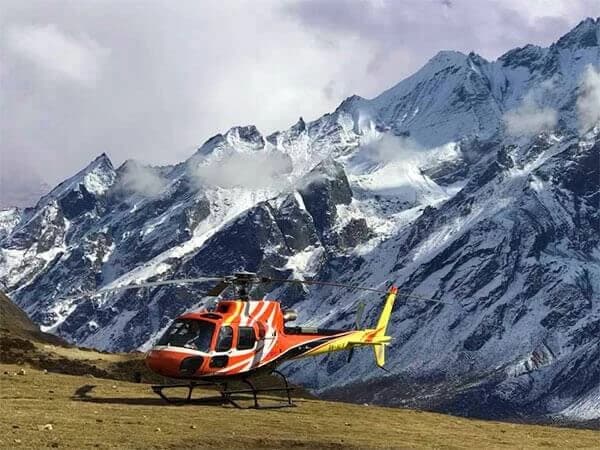
Helicopter evacuation from somewhere like Gosaikunda or Kyanjin Gompa to Kathmandu can cost anywhere from $3,000 to $7,000+, depending on conditions and location. That's not a bill you want to face without insurance. Nepal Gateway Trekking requires travel insurance as a non-negotiable booking condition. Your policy needs to cover:
- High-altitude trekking up to at least 5,500m
- Emergency helicopter evacuation and rescue operations
- Medical expenses and hospitalization in Nepal
- Medical repatriation to your home country if needed
A solid policy covering all of these expenses typically costs $80–$200 depending on your home country, trip duration, and provider. World Nomads and SafetyWing are popular choices with trekkers on this route.
Cost-Saving Tips for the Langtang Gosaikunda Lauribina Pass Trek
You can save real money on this trek without compromising on safety or experience. Here are the best ones:
Join a Group Trek
Nepal Gateway Trekking offers group discounts that can save you up to $120 per person compared to going solo. If you're traveling alone, ask the company if they can match you with other trekkers on the same dates it's common and brings your price down considerably.
Rent Trekking Gear in Kathmandu
Buying a down jacket and sleeping bag just for this trek makes no financial sense if you're not a regular mountaineer. Thamel is full of rental shops where you can get a sleeping bag for $3–$5/day and a down jacket for a similar rate. Check the quality before renting seams, zippers, and fill, but it's a perfectly decent kit for most.
Recommended read: Our most essential Nepal trekking packing list helps you figure out exactly what you need to buy versus what's worth renting.
Avoid Unnecessary Trail Expenses
- Bring a power bank (20,000 mAh or bigger). Charging at teahouses costs $2–$5 per session. A decent power bank saves you $30–$50 on a 15-day trek.
- Use a filtered water bottle. It stops you from buying bottled water every day. Saves money and helps the mountains stay clean.
- Carry snacks from Kathmandu. Energy bars, nuts, and dried fruit from a Kathmandu supermarket cost a fraction of what teahouses charge for the same thing.
- Skip hot showers above 3,500m. They're expensive and risky in the cold. Pack wet wipes for a few days. Your future self will understand.
- Use Nepal Telecom or Ncell data instead of teahouse WiFi. A local SIM with a data plan is around $5–$10 for 30 days and works well in the lower sections of the route.
- Book during shoulder season. Late March or early November gives you excellent weather and slightly lower prices than the peak of October and April.
Final Thought
Ultimately, the Langtang Gosaikunda Lauribina Pass Trek is one of the most affordable ways to experience a real Himalayan adventure. No domestic flights required, no Everest-level price tags, and you're still walking through jaw-dropping terrain, visiting sacred lakes, crossing a proper mountain pass, and summiting a 5,000m viewpoint.
For most trekkers, a guided package around $1,070 is the sweet spot you get safety, local knowledge, and logistics taken care of without blowing your entire travel budget. If you're experienced and on a tighter budget, you should genuinely consider the independent route at $500–$700, which is completely worth it.
Just plan for the hidden extras cash for tips, charging fees, snacks, and a decent insurance policy, and you won't get caught off guard.
If you're still figuring out your dates or budget, reaching out to Nepal Gateway Trekking for a custom quote is easy and free. We are a local company that actually runs this trek regularly, which means real up-to-date advice rather than generic numbers. Contact us now.
FAQs
How much does the Langtang Gosaikunda Lauribina Pass Trek cost?
A budget-independent trek runs roughly $500–$700 for 15 days. Nepal Gateway Trekking's guided package is $1,070/person including all permits, meals, accommodation, guide, porter, and transport. Luxury options go $1,500+.
What permits are required for the Langtang Gosaikunda Trek?
Three permits: Langtang National Park Entry ($30), Shivapuri Nagarjun National Park ($8), and TIMS Card ($10). Total $48 for foreign nationals. All are included in Nepal Gateway Trekking packages.
Is the Langtang Gosaikunda Trek cheaper than the Everest Base Camp Trek?
Yes, noticeably. EBC usually costs $1,500–$2,500+ and requires a domestic flight to Lukla ($350–$500). The Langtang route is road-accessible from Kathmandu with lower teahouse rates overall.
How much should I budget per day for the trek?
Independent trekkers typically spend $30–$50/day. Guided package trekkers spend about $71/day (package cost) plus $15–$20 for personal expenses.
Is hiring a guide necessary for the Langtang Gosaikunda Trek?
Not legally required, but highly recommended. The route crosses Lauribina Pass at 4,610 m, where navigation can be tricky, and altitude illness is a real concern above 4,000 m. A guide monitors your health daily and can arrange evacuation if needed. Peace of mind is worth the cost.
What is the best time for the Langtang Gosaikunda Trek?
Spring (March–May) and autumn (September–November) are best. October and April are the peak months. Off-season trekking in early December or late February is possible for experienced trekkers and generally cheaper.
How difficult is the Lauribina Pass crossing?
This is one of Nepal's easier passes, featuring a gradual ascent from Gosaikunda. The descent toward Ghopte is steeper. The main challenge is altitude and cold proper acclimatization makes a big difference.
Can beginners do the Langtang Gosaikunda Trek?
Determined beginners with good fitness can complete it, but it's not a starter route. Please complete 8–12 weeks of training first and seriously consider booking a guide rather than going solo.
What are the hidden costs during the trek?
Device charging ($2–$5/session), WiFi ($3–$5/day), hot showers ($2–$5), trail snacks ($3–$6 each), and guide and porter tips ($90–$150 total). Budget an extra $150–$250 on top of your main costs.