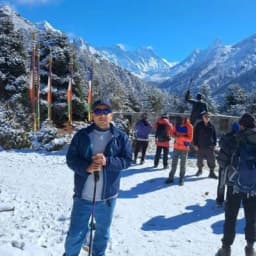
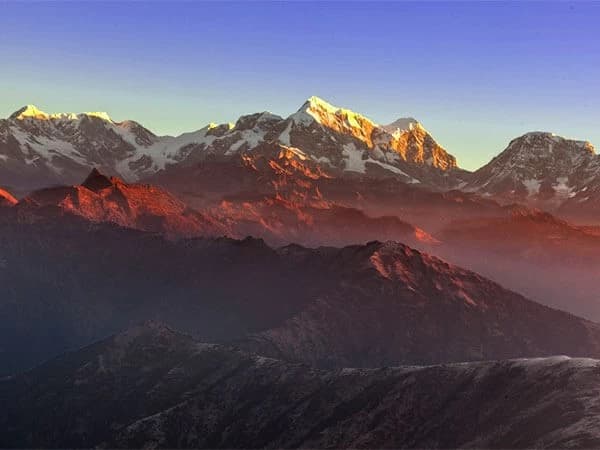
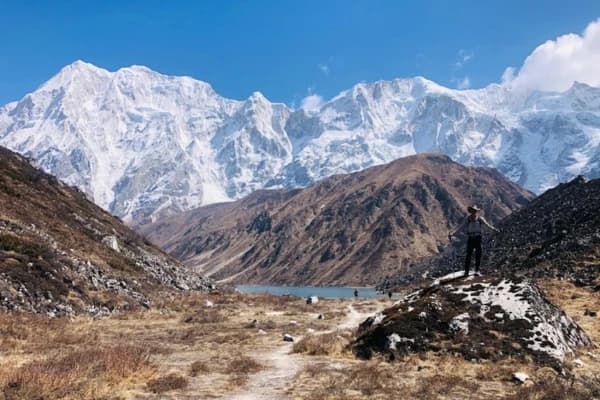
The Pikey Peak Trek sits quietly in the Lower Solukhumbu region, far from the tourist crowds, far from the polished lodge infrastructure you'd find on the Everest Base Camp or Annapurna trails. Sir Edmund Hillary once described the view from Pikey Peak as the finest panorama of Everest he had ever seen. That alone tells you something.
But what keeps trekkers talking after the trip isn't just the views. It's the food. The warmth of the families running the teahouses. The smell of dal simmering on a woodfire stove after a long day of climbing. That stuff stays with you.
Since this trail is much less developed than the famous routes, knowing what to expect from food and accommodation on the Pikey Peak trek before you arrive will save you a lot of guesswork and a few cold, hungry nights.
What Food and Accommodation Can You Expect on the Pikey Peak Trek?
Here’s a quick snapshot before we go into detail:
Quick Facts at a Glance
|
Feature |
What to Expect on the Trail |
|
Accommodation Type |
Family-run, traditional mountain teahouses |
|
Room Facilities |
Twin-sharing rooms, wooden beds, mattresses, pillows, blankets |
|
Meal Options |
Authentic Nepali Dal Bhat, local Sherpa dishes, basic Western items |
|
Hot Showers |
Available in lower villages (solar/gas); limited or unavailable at base camp |
|
WiFi & Charging |
Available in major hubs; highly weather-dependent and limited at higher elevations |
Accommodation on the Pikey Peak Trek
Pikey Peak Trek accommodation is simple, family-run, and a little rustic, but that's the idea.
Forget the polished lodges with attached bathrooms and hot water on demand. What you get here is something more genuine. A wooden room, a heavy blanket, and a host family who'll feed you like you're one of their own. The communal dining hall, with its central wood-burning stove, is where most of the real trekking experience actually happens.
Teahouse Accommodation Along the Route on Pikey Peak Trek
Rooms are fairly standard across most stops:
- Twin-Sharing Layout: Two single beds with a small nightstand between them. Nothing fancy, but comfortable enough after a long day on the trail.
- Basic Bedding: Wooden bed frame, foam mattress, pillow, and a heavy blanket. It does the job in the lower villages, but higher up, you'll want more.
- Bring Your Own Sleeping Requirement: This requirement is non-negotiable. Teahouse rooms are unheated. Once you gain altitude, the nights get properly cold. A sleeping bag rated to at least -10°C (14°F) is worth every gram of weight in your pack.
Bathroom and Toilet Facilities
Bathrooms vary depending on how high you are. Lower villages sometimes have flush toilets. Once you climb higher, shared squat toilets at the end of a hallway or in a separate outhouse are the norm. Bring your own toilet paper and hand sanitizer. Don't count on finding them supplied.
Hot Showers, Charging, and WiFi Services
These are available on the trail, but don't take them for granted:
- Hot Showers: Solar or gas-heated showers work fine in villages like Dhap, Jhapre, and Junbesi. On overcast days or when temperatures drop, they may just not work.
- Device Charging: Most teahouses have solar-powered electricity and can charge your phone or camera in the common room. Still, carry a reliable power bank. You'll thank yourself.
- WiFi exists in a few major villages. As you approach Pikey Base Camp, it becomes slow, spotty, or completely absent. Embrace the offline experience.
Want to know more about the charging system? You can check our blog on Electric Plugs in Nepal.
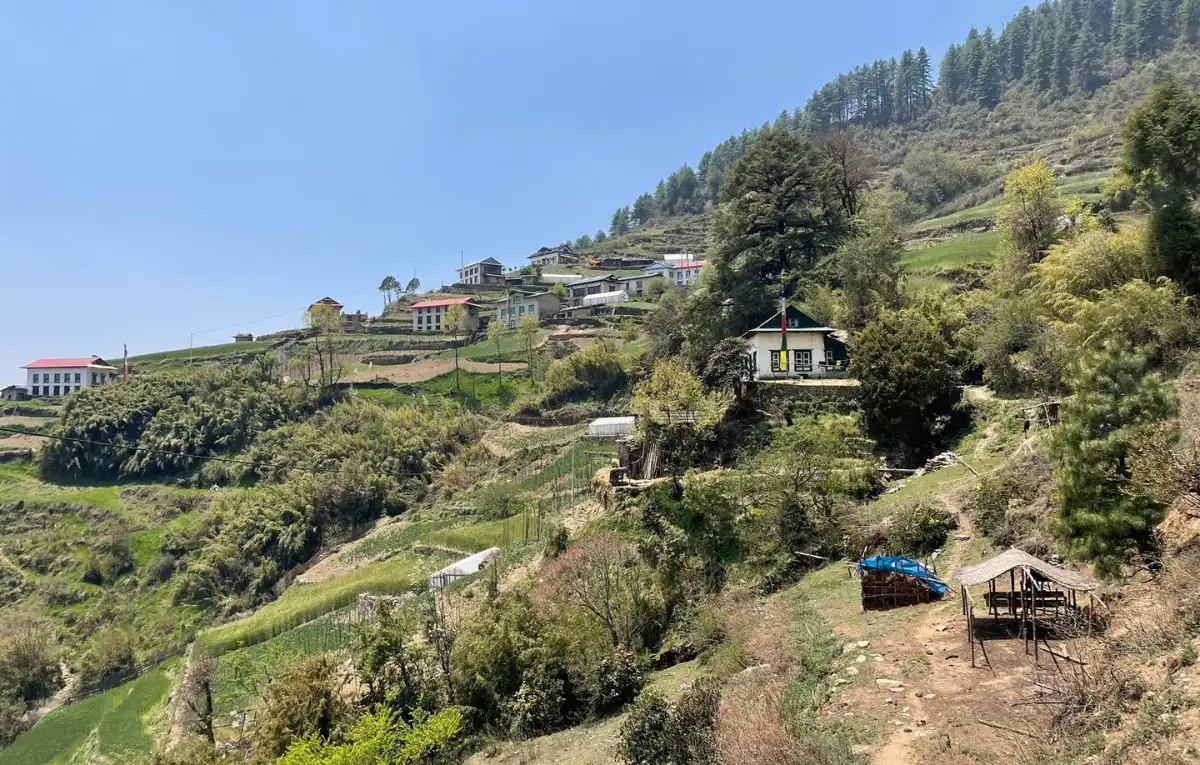
Village-by-Village Accommodation Guide on Peaky Peak Trek
Here's a rough breakdown of Pikey Peak Trek lodging by village, so you know what to expect:
|
Village |
Elevation |
Accommodation Conditions |
|
Dhap |
2,850 m |
Comfortable lodges, decent availability, standard shared bathrooms |
|
Jhapre |
2,820 m |
Charming Sherpa lodges with monastery views; comfortable but basic |
|
Pikey Base Camp 3,640 m |
3,640 m |
Most rustic stop on the trek. Limited lodges, very basic rooms, freezing nights |
|
Junbesi |
2,700 m |
Large, historic Sherpa village. Best room quality and facilities on the route |
|
Phaplu |
2,470 m |
Hub town with well-established lodges, consistent electricity, attached bathrooms |
One thing worth knowing: Pikey Base Camp has very few lodges. During peak spring and autumn, they fill up fast. If you're trekking without a guide or agency, book ahead or arrive early.
Not sure what facilities are available on different sections of the trail? Our local trekking experts can help you plan the best itinerary, accommodation, and logistics for a comfortable Pikey Peak experience.
Food Available on the Pikey Peak Trek
High-altitude trekking burns through energy fast. The food available on the Pikey Peak Trek is fresh, cooked-to-order, and mostly sourced from the terraced farms you pass along the way. It's not restaurant food. But it's real, and it's precisely what your body needs.
Dal Bhat: The Trekker's Favorite Meal
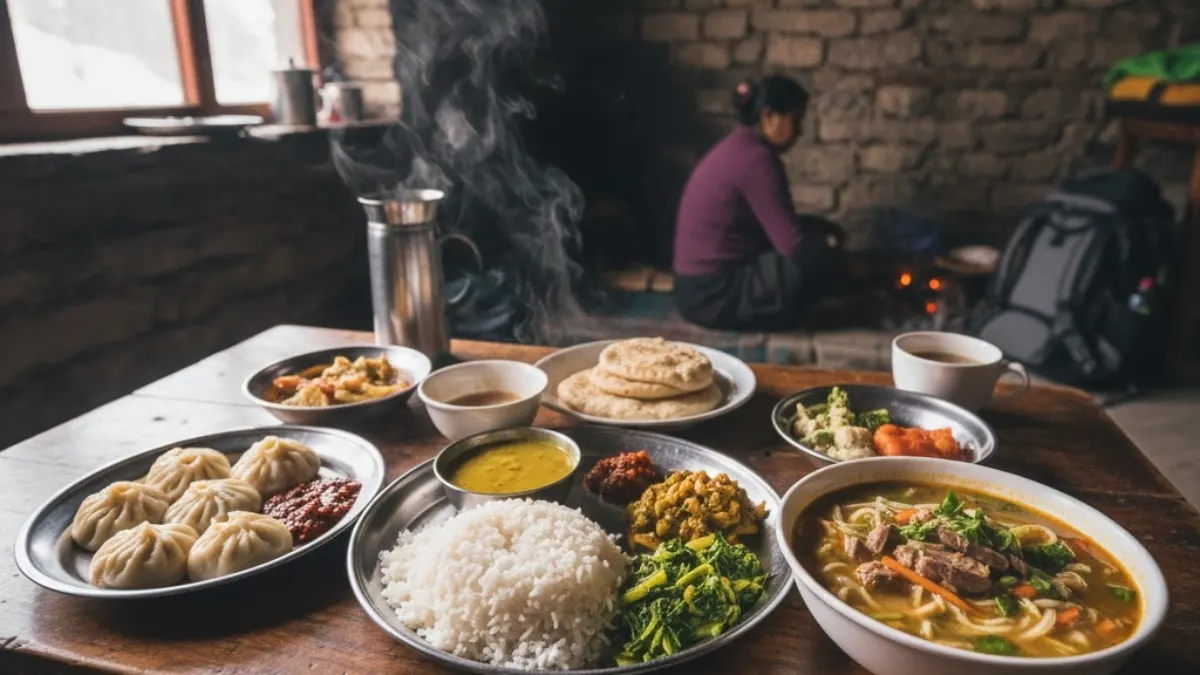
There's an old saying on the trail: "Dal Bhat Power 24 Hours." Locals live by it. Most experienced trekkers do too and for good reason. A standard Dal Bhat plate includes steamed rice, lentil soup, seasonal vegetable curry, and a small serving of spicy pickles.
It's vegetarian, high in carbohydrates and protein, and almost every teahouse offers unlimited refills. On the days when you've got a big climb ahead, nothing fuels you better.
Traditional Nepali and Sherpa Foods
Since this trail passes through authentic Sherpa villages, the Pikey Peak Trek food menu has options you won't find on the more touristy routes:
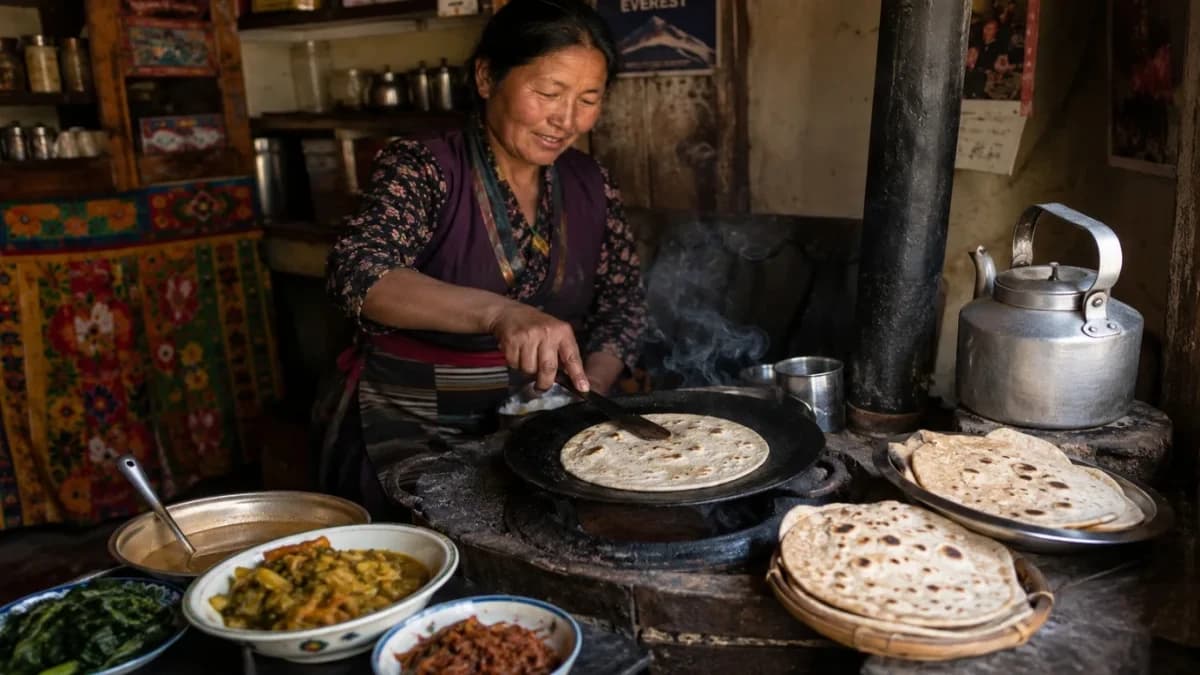
- Tibetan bread / chapati: Flatbreads are cooked on a dry skillet. A simple, filling breakfast option.
- Sherpa Stew (Syamtang): Thick, comforting soup with handmade noodles, potatoes, and local vegetables. Order this dish on the cold evening. It's exactly what you need.
- Thukpa: A warming Tibetan-style noodle soup. Mild and satisfying.
- Momos: Steamed dumplings filled with vegetables or cheese. It's one of those dishes that's hard to say no to after a long day of walking.
Western Food Options Available on Peaky Peak trek
The menus also carry basic Western options if you need a break from local food: pasta and macaroni dishes, vegetable fried rice, chow mein, pancakes, French toast, porridge, and eggs cooked however you like. Nothing gourmet, but genuinely comforting when you're missing home.
Breakfast, Lunch, and Dinner Menu
Teahouses run a structured meal routine. Most lodges ask you to order breakfast the night before so it's ready before you head out.
- Typical breakfast options: Oatmeal, porridge, muesli, scrambled or fried eggs, Tibetan bread with honey or jam, and hot tea with ginger, lemon, or milk.
- Popular lunch choices: Sherpa stew, vegetable fried noodles, momos, fried rice, or a quick plate of dal bhat to keep you going through the afternoon section of the trail.
- Dinner: Dal Bhat is the standard meal for most trekkers and guides at the end of the day. Garlic soup is also widely ordered. Local wisdom says garlic helps with acclimatization by naturally thinning the blood, and honestly, most experienced trekkers swear by it.
Drinking Water on the Pikey Peak Trek
Staying hydrated matters more than most first-time trekkers expect. Dehydration is one of the biggest triggers of acute mountain sickness. Aim to drink 3 to 4 liters of water per day, especially on ascent days.
- Boiled water is available at teahouses. Buy it in your reusable bottle or hydration bladder. Safe and straightforward.
- Water Purification: The more sustainable option. Collect tap water from village communal taps along the route and treat it yourself using purification tablets, chlorine drops, or a portable UV filter. It is cheaper than buying at every stop and much better for the environment.
- Plastic bottles are sold in lower villages, but please avoid them. This trail remains relatively pristine, even as plastic waste on mountain trails continues to be a real and growing problem. Keep it that way.
Vegetarian and Vegan Food on Peaky Peak trek
Vegetarian food on the Pikey Peak Trek is genuinely easy to find. In fact, most guides recommend sticking to a vegetarian diet on the trail. Meat is hard to transport safely without refrigeration at altitude, and the risk of foodborne illness isn't worth it.
Vegan trekkers are also well catered for. Dal bhat is inherently vegan just confirm that ghee (clarified butter) isn't added to the lentils or rice. Vegetable stir-fries, noodle soups, boiled potatoes, and chapati are available at almost every stop.
Let the lodge owner know your dietary needs upfront, and they'll sort you out without any fuss.
From comfortable teahouses to experienced local guides, Nepal Gateway Trekking ensures a smooth and memorable Pikey Peak adventure from start to finish
Essential Tips for Food and Accommodation
- Carry a warm sleeping bag. Teahouse blankets are fine in the lower villages. Higher up, they're not enough. A bag rated to -10°C (14°F) is the minimum for comfort at Pikey Base Camp.
- Bring cash. Extras like hot showers, device charging, and WiFi are usually paid separately, cash only. Keep a decent stash of Nepali rupees on you throughout the trek.
- Pack water purification tools. Tablets or a filter let you drink safely at any point without buying plastic bottles. Small, light, and worth it.
- Stick to hot, freshly cooked meals. Avoid unpasteurized dairy and meat at higher elevations. If it's been sitting out, skip it.
- Book early during peak season. October, November, April, and May are busy. Pikey Base Camp has limited beds. First come, first served.
Before trekking to Pikey Peak, you should know: Pikey Peak Trek Cost
Final Thought
The teahouses on this trail are one of the best parts of the Pikey Peak Trek experience. You're not going to get luxury. You're going to get a wooden bed, a warm bowl of dal, and a family who genuinely wants you to feel at home.
That trade-off is precisely why trekkers who come here tend to prefer it over the more commercialized routes. The meals on the Pikey Peak Trek are filling and fresh.
The where-to-stay-on-the Pikey Peak Trek question answers itself once you get walking teahouses appear at the right intervals, and the hospitality makes up for whatever the rooms lack. Go in with realistic expectations.
Pack a smart sleeping bag, cash, and water purification. And take care of the trail while you're there.
Planning the Pikey Peak Trek? Contact Nepal Gateway Trekking for expert local guidance, customized itineraries, experienced guides, and hassle-free trekking arrangements in the Everest region.
FAQs
What type of accommodation is available on the Pikey Peak Trek?
Most trekkers stay in family-run teahouses that offer basic twin-sharing rooms with beds, mattresses, pillows, and shared bathrooms. Facilities are simple but comfortable enough for a multi-day trek.
What food is available on the Pikey Peak Trek?
Trekkers can enjoy Dal Bhat, momos, Tibetan bread, noodles, fried rice, pasta, eggs, porridge, pancakes, and various hot drinks at most teahouses along the route.
Are vegetarian and vegan meals available on the Pikey Peak Trek?
Yes. Vegetarian and vegan meals are widely available. Options include Dal Bhat, vegetable fried rice, vegetable noodles, chapati, soups, and Tibetan bread. Let the lodge owners know upfront if you avoid dairy or ghee.
Is drinking water easily available on the Pikey Peak Trek?
Yes. Trekkers can buy boiled water at teahouses or treat tap water from village communal sources using purification tablets or a portable filter.
Do teahouses provide hot showers, WiFi, and charging?
Most teahouses in the lower settlements offer hot showers, device charging, and WiFi for a small additional fee. These amenities become limited or unavailable as you approach Pikey Base Camp.