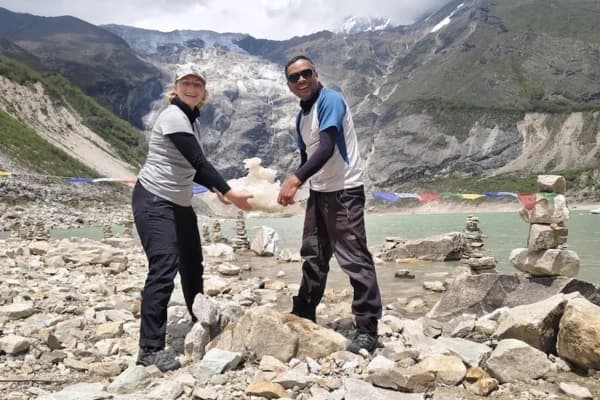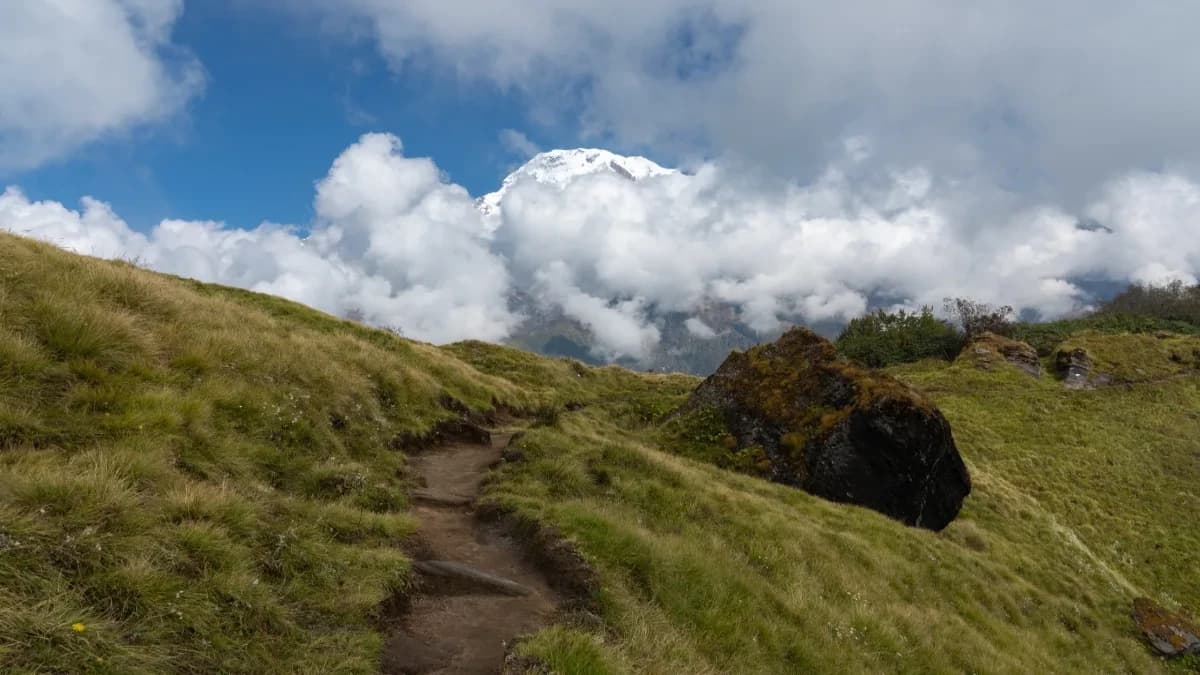
The Mardi Himal trek is both rewarding and hard during the monsoon season. It is harder than peak seasons because of the rain, slippery trails, and limited views of the mountains. The Annapurna Region, on the other hand, becomes lush and peaceful, with fewer people on the trail.
You might not always see clear peaks like Machapuchare, but the forests, fresh air, and quiet paths make for a different kind of trekking experience.
This trek is less about getting the best views of the mountains and more about enjoying nature as it is. It works for travelers who are open to new experiences, ready for anything, and okay with the weather changing.
This guide tells you about the real conditions, the risks that might come up, and what you can expect each day. It will help you decide if trekking during the monsoon is the right choice for you.
What Is Mardi Himal Trek and Why Trek It in the monsoon?
The Mardi Himal trek looks easy on paper, but it gives you a lot in return. It starts in Pokhara and takes you through the Annapurna Region's quiet forests, small camps, and narrow ridges.
You can see the high mountains from base camp in just a few days. The quick change in scenery is what makes this trek stand out, even for short trips.
It feels different now that it's monsoon season. There aren't many people around, the air feels fresh, and the trail is greener. You can hear birds, water, and your own footsteps better than anything else.
It's not the right time of year for perfect mountain views every day, but it's a great place to go if you want to be in nature and relax. This time of year is great for vlog-style travel because you can see moving clouds, foggy forests, and that calm mountain mood that is hard to find in busy times.
Mardi Himal Trek Weather During Monsoon (June vs July vs August)
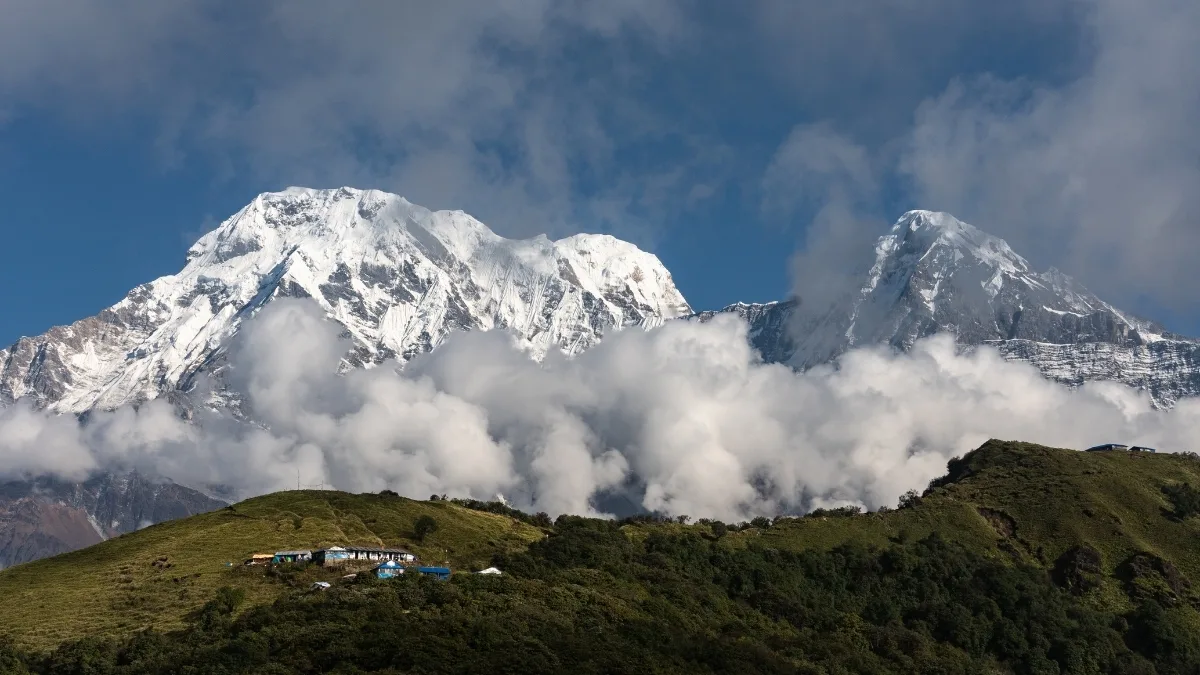
The weather on the Mardi Himal trek in the monsoon is mostly wet, cloudy, and humid, but it changes a little from month to month. Rain usually falls in the afternoon or evening, but mornings can be clearer and give you a better chance to see the mountains. The temperature stays mild, but the paths are slippery and visibility changes, which is the real problem.
June (Start of Monsoon)
It starts to rain, but not too much. The trails are a little wet, but they're still fine. In the early morning, you can see clearly. A good choice if you want to avoid crowds but are okay with some risk
July (the height of the monsoon)
Rain that is heavy and happens a lot. The trails get muddy and very slippery. Clouds block most of the views of the mountains. The hardest month for trekking
August (End of the Monsoon)
The rain starts to fall less than it did in July. The visibility slowly gets better. The trails are still wet, but not as bad as during the peak monsoon. The best month of the monsoon for a balanced experience
Confused when to trek Mardi Himal? If yes, read our blog about best time to do Mardi Himal Trek and make your decision.
Real Experience: What to Expect During Mardi Himal Trek in Monsoon
If you're wondering what to expect during the monsoon season on the Mardi Himal trek, it's very different from the peak seasons. It's quieter, greener, and more natural, but it's also less predictable. You won't have perfect conditions every day, but that's part of the trip.
This is what you'll really see on the trail:
- Rain falls often, mostly in the afternoon or evening.
- Trekking paths that are wet and sometimes slippery
- Thick clouds are moving through the woods and on the ridges
- Very few people trek here, so the trails are quiet.
- There is fresh air, green hills, and waterfalls that are always moving.
- Sometimes there are clear mornings with stunning views of the mountains.
Expectations vs. Reality (Clouds vs. Views)
Most people who go trekking expect to see clear views of peaks like Machapuchare every day, especially after seeing pictures online. But the monsoon doesn't work that way.
Expectations:
- All day long, you can see the mountains clearly.
- Clear skies and sharp landscapes
The truth is:
- Clouds often cover up mountains.
- Views change quickly, mostly in the early morning.
- Some days you might not be able to see anything at all.
If you only want to see the mountains, this can be disappointing. But if you change how you think about it, the experience will be more meaningful. Many trekkers miss this kind of satisfaction during busy times, watching clouds move through the hills, walking in mist, and enjoying the quiet trail.
Nepal Gateway Trekking helps you to plan your safe and enjoyable Mardi Hinal Trek during Moosoon.
Is Mardi Himal Trek Safe in Monsoon? Risks and Safety Tips
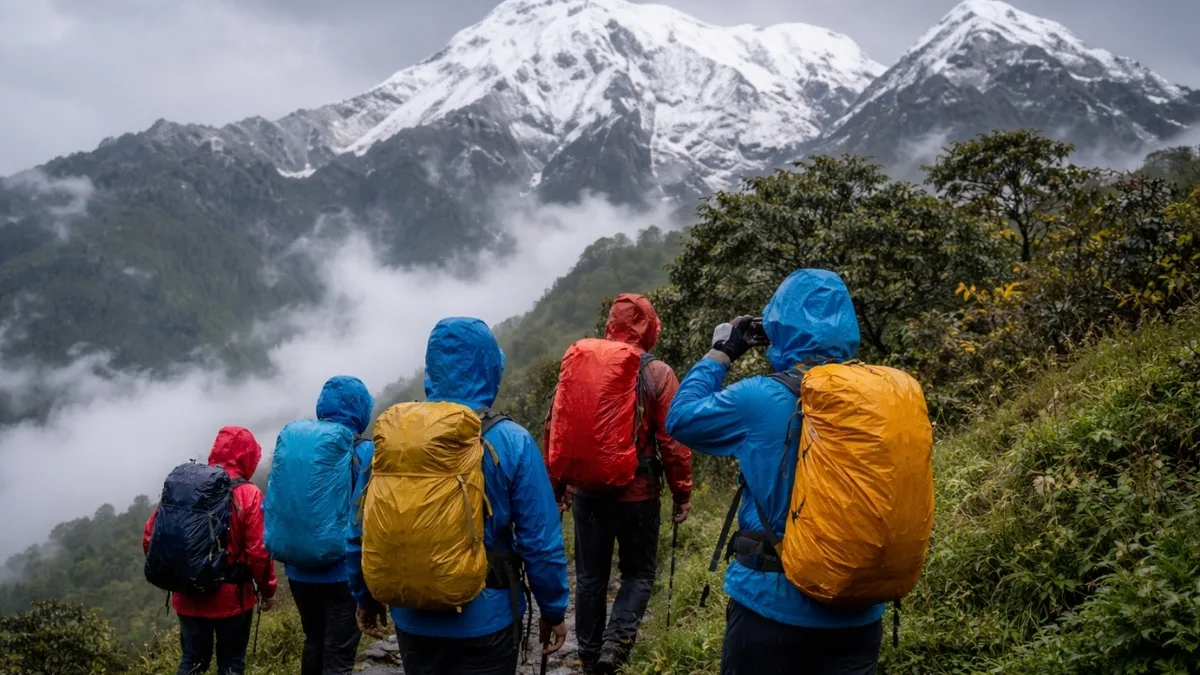
The Mardi Himal trek is usually safe during the monsoon, but only if you know what to expect and plan ahead. The trail itself isn't dangerous, but rain makes things different. Wet paths, poor visibility, and small dangers can all make the trek harder than usual.
These are the main risks you should know about Trails that are slippery because it rains all the time Some areas have landslides from time to time. Leeches in the woods, clouds making it hard to see on ridges. Longer time to walk because of slow speed. These are problems that can be dealt with, not life-threatening ones. With the right approach, most trekkers finish the route safely.
How to Stay Safe While Trekking in Monsoon?
For safe trekking in monsoon, you should follow certain tips like:
- Put on good hiking boots that have a strong grip.
- To stay balanced, use trekking poles.
- Don't rush; walk slowly.
- Get going early to avoid a lot of rain in the afternoon.
- Keep an eye on the weather.
Easy safety tips that make a big difference
- If you're not sure about the way, go with a guide.
- Use dry bags and rain covers to keep your gear dry.
- Bring a small first-aid kit and some basic medicine.
- Tell someone about your plan to go trekking.
- Buy travel insurance that covers trekking at high altitudes.
Cost of Mardi Himal Trek During Monsoon (Budget Breakdown)
The cost of a guided trip to the Mardi Himal during the monsoon season is usually between $400 and $1,000 per person for 5 to 9 days, depending on the level of service you choose. You can find budget treks for as little as $399, but more comfortable or luxury packages can cost more than $1,000. Because there are fewer trekkers during the monsoon season, prices are often lower. This is a good time to save.
Here is a clear list of the main costs:
|
Expense |
Estimated Cost (USD) |
Details |
|
ACAP Permit |
30 |
Required permit for Annapurna region |
|
TIMS Card |
20 |
Trekker registration card |
|
Guide (per day) |
25–35 |
Recommended for safety in monsoon |
|
Porter (optional) |
20–25 |
Helps carry your backpack |
|
Accommodation (per night) |
5–10 |
Teahouse stay along the trail |
|
Food (per day) |
15–25 |
Meals during trekking |
|
Transport (Pokhara to trailhead) |
10–30 |
Jeep or local vehicle |
Photography and Scenic Highlights in Monsoon
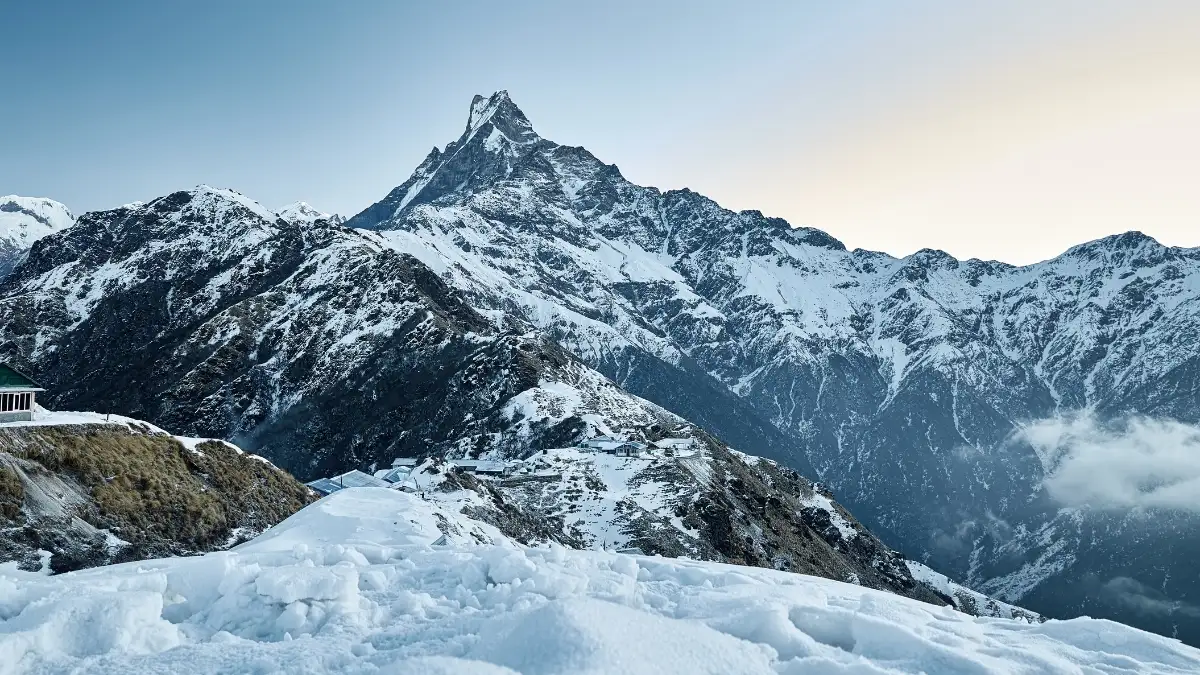
The Mardi Himal monsoon photography experience is very different from the busy seasons. You might not always get clear pictures of the mountains, but the trail is full of color, mood, and movement. Rain brings the landscape to life, making every frame feel new and real.
Here are some things you can catch on your trek:
- Lush green forests that look new after it rains.
- Clouds slowly moving over hills and ridges.
- Mist covering the trails, making them feel soft and dreamy.
- Waterfalls that flow strongly along the way.
- Close-up shots of raindrops on leaves and plants.
- Sometimes you can see peaks like Machapuchare clearly in the early morning.
Note: Usually, the best time to take pictures is early in the morning, right after the rain stops. The light gets softer, the clouds start to clear, and you can see for short periods of time. Instead of looking for perfect mountain views, pay attention to the mood. Fog, plants, and quiet trails come together to make a story that stands out in photos and travel vlogs.
Final Thoughts
The Mardi Himal trek during monsoon is a beautiful and difficult experience. The paths are green, quiet, and full of life, but you need to plan ahead because of the rain, clouds, and slippery paths. This trek isn't about seeing perfect mountain views every day; it's about enjoying the raw beauty of nature, the peace and quiet, and a different side of the Himalayas.
The experience can be very rewarding if you stay flexible, plan ahead, and take the right steps. It's always better to have expert help for a smoother and safer trip. Book your Mardi Himal trek with Nepal Gateway Trekking and have an unforgettable, well-planned, and guided adventure in the mountains.
Frequently Asked Questions About Mardi Himal Trek During Monsoon
Is Mardi Himal trek worth it during monsoon?
Yes, it offers peaceful trails and lush greenery. The experience feels calm and less crowded compared to peak seasons. However, mountain views can be limited due to clouds and rain.
Is Mardi Himal trek safe in monsoon?
It is generally safe with proper preparation and awareness. You need to be careful of slippery trails and occasional landslides. Using the right gear and trekking smart makes a big difference.
Which month is best for Mardi Himal trek in monsoon?
June and late August are better choices. Rainfall is slightly lower compared to July. You also get a higher chance of clearer views in the mornings.
Can beginners do Mardi Himal trek during monsoon?
Yes, beginners can do it with good preparation. Physical fitness and proper gear are important. Trekking with a guide is strongly recommended for safety.
What should I pack for Mardi Himal trek in monsoon?
Carry waterproof clothing and strong trekking boots. Quick-dry clothes and extra layers are useful. Don’t forget leech protection and rain covers for your gear.
Are teahouses open during monsoon?
Yes, most teahouses remain open during monsoon. However, there are fewer trekkers, so options may be limited. Booking with a guide can make things easier.
How difficult is the trek in monsoon?
The trek becomes moderately difficult during monsoon. Wet and slippery trails slow you down. You need to walk carefully and take your time.
Is it cheaper to trek Mardi Himal during monsoon?
Yes, it is more budget-friendly during monsoon. Lower demand leads to better deals on guides and stays. You can save money compared to peak seasons.
Can I see mountains during monsoon?
Yes, but views are not guaranteed every day. Early mornings offer the best chance for clear skies. Clouds often cover the mountains later in the day.
Do I need travel insurance?
Yes, travel insurance is highly recommended. It should cover trekking and emergency evacuation. This gives you safety and peace of mind during the trip.