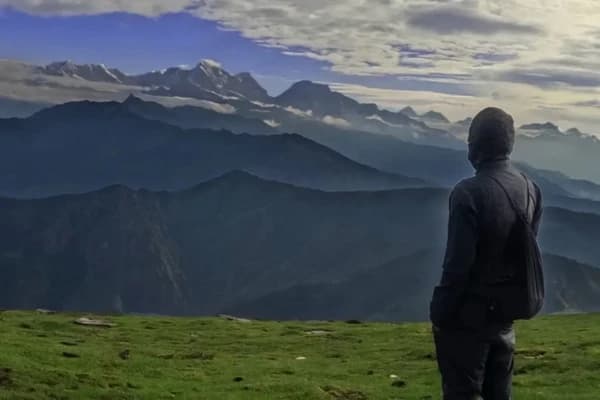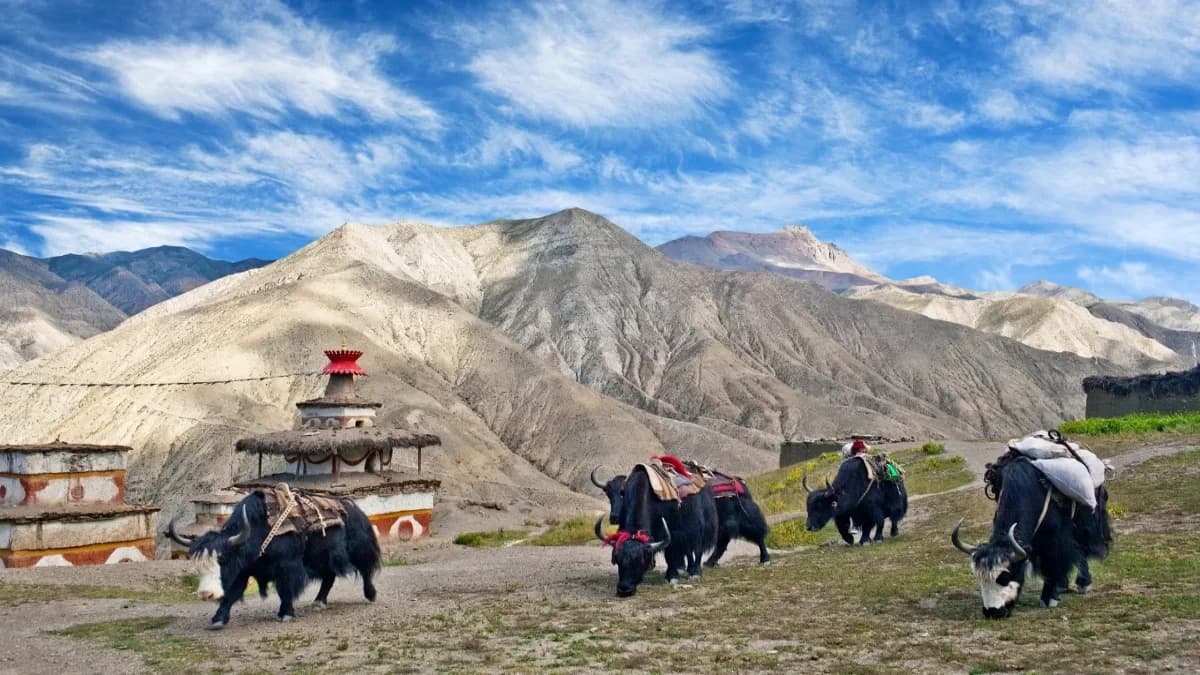
If you've been dreaming about the Upper Dolpo trek, you already know it's not your average mountain walk. This is one of the most remote, raw, and spiritually stirring journeys in all of Nepal, a region where ancient Tibetan culture survives largely unchanged, where Shey Phoksundo Lake shimmers like a turquoise jewel at high altitude, and where the Himalayan silence is so complete it almost feels alive.
But here's what experienced guides will tell you straight: Upper Dolpo is also one of the most unforgiving trekking destinations in the world. There are no hospitals around the corner. Mobile signals are nearly nonexistent. The passes are brutal. And the weather doesn't negotiate.
Having supported hundreds of trekkers through this region, the team at Nepal Gateway Trekking has seen firsthand what separates a life-changing journey from a dangerous one. It comes down almost entirely to preparation and the right safety measures.
This guide gives you everything you need to know honestly, practically, and from real experience on the trail.
The Difficulty of the Upper Dolpo Trek
Before we talk safety, let's be honest about what you're signing up for.
The Upper Dolpo trek is genuinely challenging. Several passes exceed 5,000 meters. The terrain is often rough and unmarked. Villages can be separated by full days of walking with no shelter in between. And unlike Everest Base Camp or the Annapurna Circuit, there's no steady stream of fellow trekkers to rely on if something goes wrong.
We don't intend to scare you with this warning. Thousands of people complete this trek safely every year. But it's important to approach Upper Dolpo with honest eyes, not just the Instagram version of it.
To sum it up, the Upper Dolpo trek is difficult because:
- Many passes reach over 5,000 meters
- The trails are remote and isolated
- The weather can change quickly
- Villages are far apart
Unlike popular trekking routes, rescue services and hospitals are limited. That is why Upper Dolpo trekking safety planning must start months before the trek.
Think of it like climbing a tall ladder. If you miss one step, the climb becomes risky. Good preparation makes the climb smooth.
Read the complete Upper and Lower Dolpo trek guide and prepare your journey well.
Prepare Your Body Before the Trek
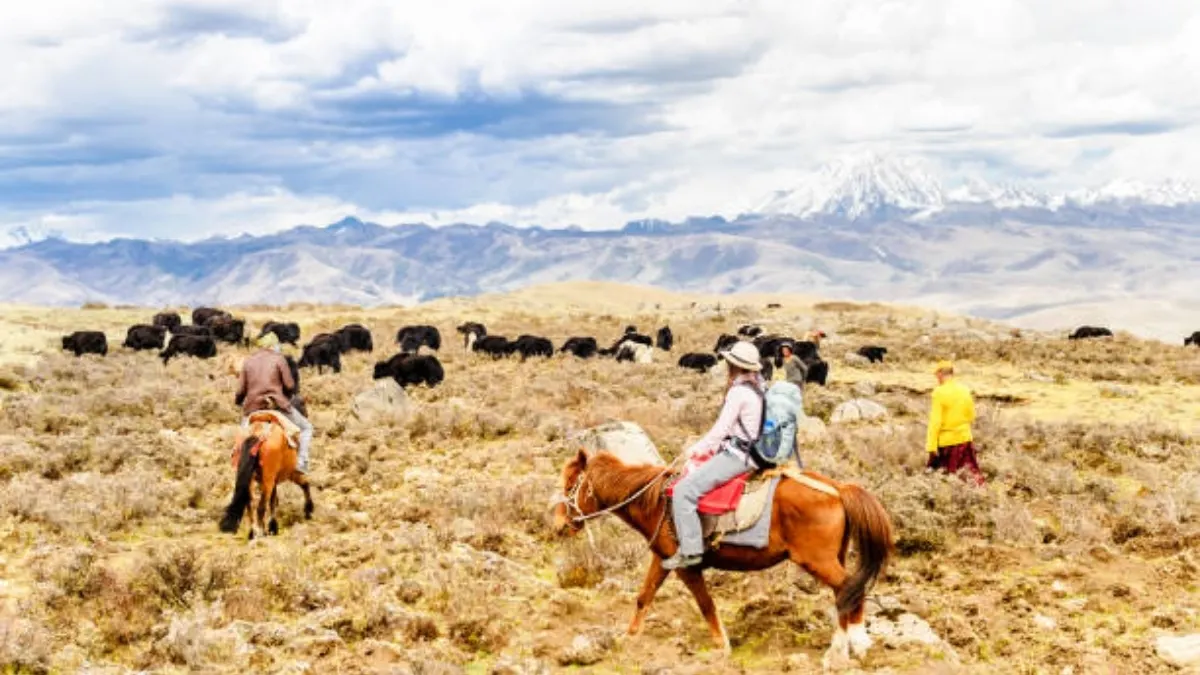
Physical preparation is one of the most overlooked safety measures for the Upper Dolpo trek, and it's one of the most important.
You'll be walking six to eight hours daily for several weeks, often on steep and uneven ground, carrying a daypack, at elevations where every breath delivers less oxygen than your body is used to. That's a significant physical demand even for people who consider themselves reasonably fit.
Start training at least three to four months before your departure. What works best:
- Trekking with a weighted pack on varied terrain, this mimics the trek most closely
- Cardio base building through running, cycling, or swimming three to four times a week
- Leg and core strength work to protect your knees on steep descents
- Back-to-back long days in the final month, to get your body used to sustained effort
Fatigue is one of the quieter Upper Dolpo trekking risks; it creeps up on you, weakens decision-making, and increases the chance of slips and falls. Getting fit before you go is the single best insurance policy you can buy.
Altitude Sickness in Upper Dolpo
Altitude sickness doesn't discriminate. It affects experienced mountaineers and first-time trekkers alike. Your fitness level, age, and previous experience at altitude offer no guarantees, which is exactly why altitude sickness in the Upper Dolpo trek deserves serious attention.
The trek pushes well above 5,000 meters at multiple points. At those elevations, the air contains roughly half the oxygen available at sea level. Your body needs time to adapt, and if you push too fast, it will tell you.
Watch for these early warning signs:
- Persistent headache that doesn't go away with rest or hydration
- Nausea or loss of appetite
- Dizziness or feeling unsteady
- Difficulty sleeping even when exhausted
- General fatigue disproportionate to the effort
These symptoms of altitude sickness typically begin appearing above 3,000 meters. Caught early, they're manageable. Ignored, they can progress to High Altitude Pulmonary Edema (HAPE) or High Altitude Cerebral Edema (HACE), both of which are medical emergencies.
How to Acclimatize Properly on the Upper Dolpo Trek?
The old mountaineering rule still holds: climb high, sleep low. It means you can gain elevation during the day for exploration or acclimatization treks, but you return to sleep at a lower altitude to give your body recovery time.
Beyond that, the best Upper Dolpo trek acclimatization tips are also the simplest:
- Move slowly. Rushing is the enemy. If you're breathing hard in conversation, slow down.
- Drink more water than you think you need; dehydration worsens altitude symptoms.
- Build in acclimatization days at key elevations. Don't skip these even if you feel fine.
- Avoid alcohol on the trail. It dehydrates you and masks early symptoms.
- Listen to your guide. An experienced guide can often spot signs of AMS (Acute Mountain Sickness) before you feel them yourself.
If symptoms worsen, there's only one correct response: descend. No view or summit is worth the risk.
Why Hiring a Licensed Guide Is Non-Negotiable?
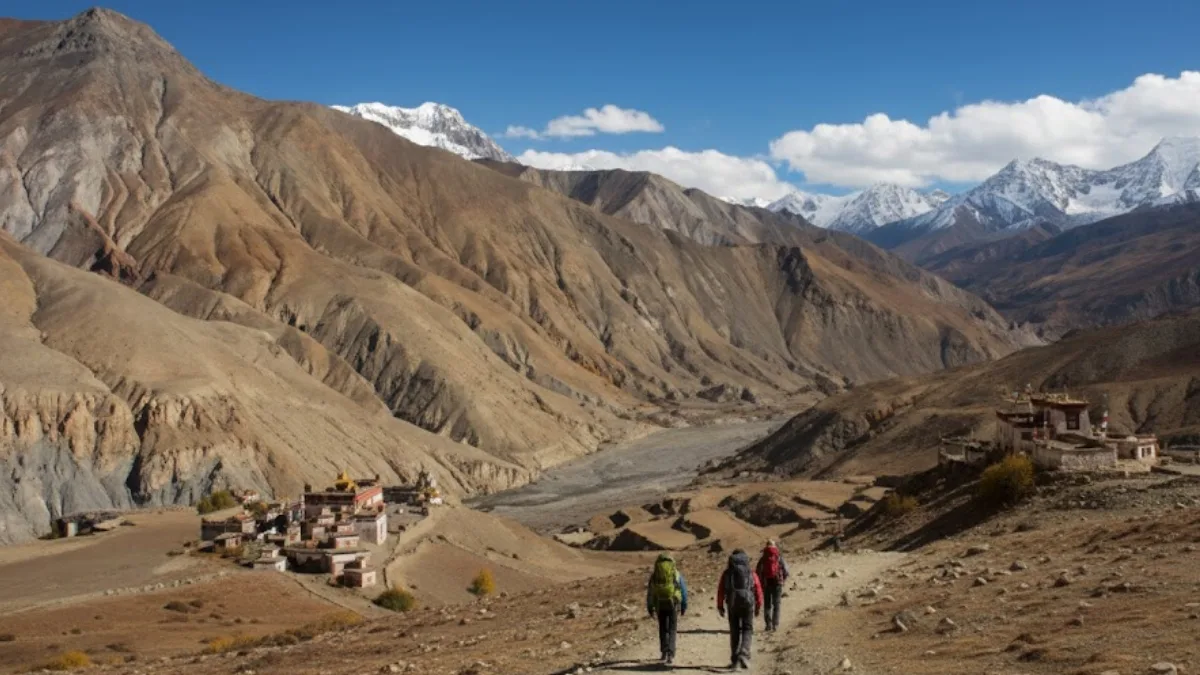
This isn't a trek where you wing it with a map and a sense of adventure. Hiring a professional, licensed guide is one of the most critical Upper Dolpo trekking safety requirements and also, frankly, one of the most enriching decisions you'll make.
A qualified guide brings much more than navigation skills. They:
- Know the trail intimately, including alternate routes when weather closes a pass
- Can communicate with remote village communities in local languages
- Monitor your group's health and recognize altitude sickness symptoms early
- Know exactly how to respond in an emergency who to call, how to arrange evacuation
- Provide cultural context that transforms the trek from a physical challenge into a meaningful experience
In a region as isolated as Upper Dolpo, a good guide is your safety net, your translator, your emergency coordinator, and often your morale booster all in one. The investment is absolutely worth it.
Nepal Gateway Trekking's teams are certified, carry first aid training, and have extensive experience in the Dolpa region specifically, not just general Himalayan trekking.
The Gear That Could Save Your Life
Packing right isn't about hauling as much as possible; it's about having the right things. Here's what experienced trekkers consider essential safety gear for the Upper Dolpo trek:
For your body:
- High-quality, broken-in trekking boots (not new ones; blisters at altitude are a real problem)
- Down jacket rated for sub-zero temperatures
- Thermal base layers and moisture-wicking mid-layers
- Waterproof outer shell for rain and snow
- Warm hat, gloves, and neck gaiter
For safety and navigation:
- Trekking poles are invaluable on steep descents and river crossings
- Headlamp with spare batteries (longer nights at altitude)
- Emergency space blanket
- Water purification tablets or a reliable filter
- Portable battery pack or solar charger
For health:
- Comprehensive first-aid kit including blister care, bandages, and antiseptic
- Personal prescription medications, plus extras
- Diamox (acetazolamide) if your doctor recommends it for altitude prevention
- ORS sachets for rehydration
Don't cut corners on any of these. In a remote area with no shops and no pharmacies, what's in your pack is what you have.
Reading the Weather and Knowing When to Wait
The Himalayas create their own weather systems, and Upper Dolpo is no exception. Conditions can shift dramatically within hours. A clear morning can become a whiteout by afternoon. A pass that looks crossable can become genuinely dangerous with a sudden snowfall.
The best time to trek Upper Dolpo is late May to early June or mid-September through October outside the monsoon season and before the brutal winter sets in. But even within these windows, weather is unpredictable.
Possible weather challenges during the Upper Dolpo trek include:
- Sudden snowfall
- Strong winds on high passes
- Heavy rain during the monsoon
Understanding the weather risks of the Upper Dolpo trek means accepting that waiting is sometimes the right call. Experienced guides check conditions before high passes and will recommend holding back if there's any doubt. This can be frustrating when you're eager to keep moving, but a one-day delay is infinitely better than a dangerous crossing.
Plan Emergency Communication
Upper Dolpo is extremely isolated; standard mobile networks don't work in most of Upper Dolpo. This isn't a detail; it's a fundamental aspect of the trek that affects your entire emergency planning strategy.
Well-prepared trekking groups carry:
- Satellite phones or satellite communicators (like Garmin inReach) for emergency contact
- GPS devices for navigation backup
- Pre-agreed emergency protocols: who to contact and what to do if a team member needs evacuation
Helicopter evacuation is possible from Upper Dolpo, but it's logistically complex and weather-dependent. Knowing the Upper Dolpo trek emergency evacuation procedures before you go and having a guide who has coordinated rescues before is essential.
Don't Leave Emergency Planning to Chance
Nepal Gateway Trekking Pvt. Ltd. provides every group with a full emergency communication plan, satellite communication support, and guides trained in high-altitude first response. Plan Your Safe Upper Dolpo Trek Today!
Travel Insurance: Absolutely Essential, Not Optional
Let's be direct here: trekking Upper Dolpo without comprehensive travel insurance is a serious mistake.
A helicopter evacuation from remote Dolpa can cost between $3,000 and $10,000 USD, sometimes more, depending on conditions. Medical treatment abroad adds further costs. Without coverage, you're personally liable for all of it.
Your policy for Upper Dolpo must specifically cover:
- High-altitude trekking above 5,000 meters (many standard policies cap at 4,000 m; check yours carefully)
- Helicopter rescue and evacuation
- Emergency medical treatment
- Trip cancellation or interruption
Read the fine print before you buy. When in doubt, contact the insurer directly and ask specifically about Upper Dolpo trekking at altitude.
Health Precautions Before and During the Trek
Good preparation starts before you even board the plane.
Before you go:
- Visit your doctor and get a complete check-up
- Discuss your altitude plans and ask about Diamox if appropriate
- If you have any heart, lung, or respiratory conditions, get clearance specifically for high-altitude trekking
- Get any required or recommended vaccinations for Nepal
During the trek:
- Drink only purified or boiled water. Giardia and other waterborne illnesses are real risks
- Eat freshly prepared, well-cooked food
- Maintain hand hygiene, especially before meals
- Carry and take any personal medications on schedule
If you feel unwell at any point, especially if symptoms could be altitude-related, tell your guide immediately. There's no such thing as being "too cautious" in remote terrain.
Understand the Risks of Remote Trekking
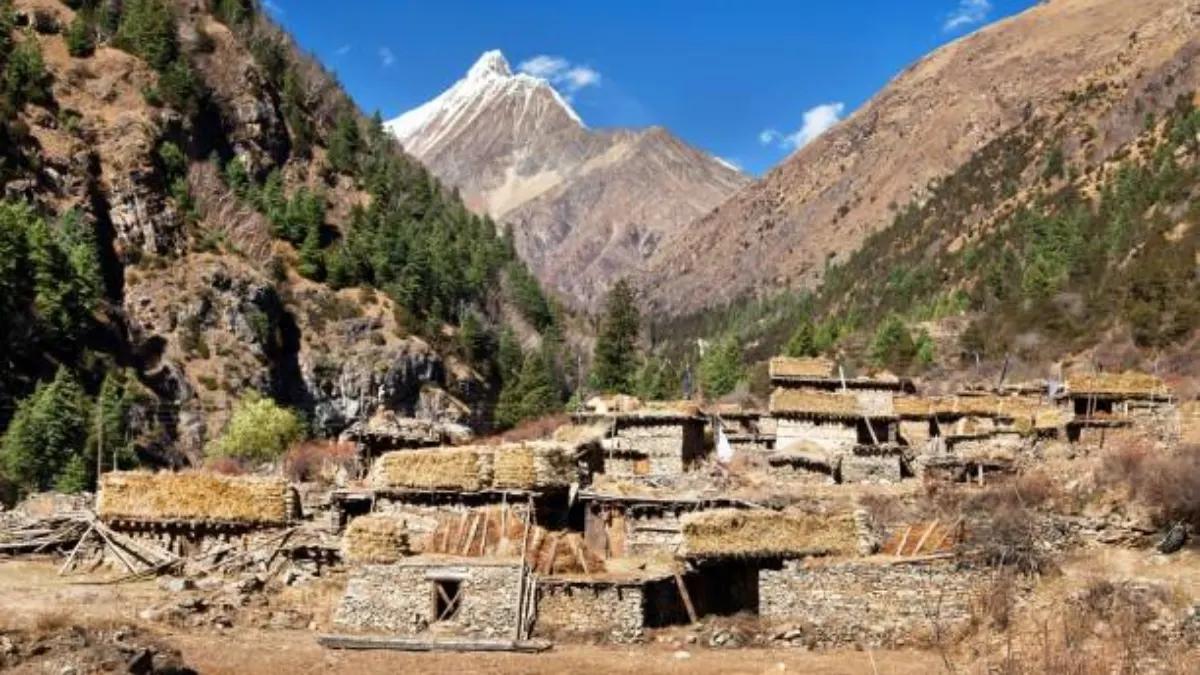
Here's something worth stating plainly: Upper Dolpo is one of the most isolated trekking regions on Earth. There are no roads in much of the area. Medical facilities are minimal or nonexistent along the route. Help cannot arrive quickly.
In short, remote trekking safety concerns include:
- Limited medical facilities
- Long distance between villages
- Lack of road access
- Extreme weather conditions
That reality doesn't make this trek impossible; it makes preparation non-negotiable.
The trekkers who run into trouble in Upper Dolpo are almost always the ones who underestimated the terrain, skipped acclimatization days, pushed through warning signs, or hadn't planned for emergencies. The ones who completed it safely, which is the vast majority, are those who respected the environment they were entering.
The mountains are not hostile. But they are indifferent. It's up to you to come prepared.
Final Thoughts
The Upper Dolpo trek offers something increasingly rare in today's world: true wilderness. Ancient monasteries perched on cliffs. Villages where time moves differently. Passes that humble you with their scale. And Shey Phoksundo Lake, one of the most beautiful bodies of water on the planet.
None of that goes away when you plan carefully. In fact, it gets better because you arrive fit, acclimatized, and confident rather than exhausted, underprepared, and worried.
As the saying goes among Himalayan guides, "The mountains reward those who respect them."
Take your preparation seriously. Hire good people. Get the right insurance. Pack the right gear. And then, go experience one of the last great wildernesses on Earth.
Plan Your Safe Upper Dolpo Trek with Nepal Gateway Trekking Pvt. Ltd. Contact us today!
Frequently Asked Questions About Upper Dolpo Trek Safety
What are the most important safety measures for the Upper Dolpo trek?
The core safety measures are: proper physical preparation, hiring a licensed and experienced guide, carrying essential gear, following a careful acclimatization schedule, planning for emergencies with satellite communication, and getting comprehensive travel insurance that covers high-altitude evacuation.
How difficult is the Upper Dolpo Trek?
Upper Dolpo is considered a challenging to strenuous trek. Multiple passes exceed 5,000 meters, trails are remote and sometimes unmarked, villages are spaced far apart, and rescue services are limited. It requires good fitness, previous trekking experience, and serious preparation.
How do I prepare for the Upper Dolpo trek?
Start training three to four months before departure. Focus on trekking with a weighted pack, cardiovascular fitness, and leg strength. Visit a doctor for a full health check and altitude consultation. Research permits, insurance, and gear well in advance. Book with an experienced agency that knows the Dolpa region.
How much does the Upper Dolpo trek permit cost?
Upper Dolpo requires a Restricted Area Permit, which costs approximately $500 USD per person for the first 10 days, plus an additional $50 per day after that. You also need a Shey Phoksundo National Park entry permit. Fees are subject to change; check current rates with your trekking agency.
What is the maximum altitude on the Upper Dolpo trek?
The trek crosses several passes above 5,000 meters, with the highest points reaching approximately 5,360 meters (Sela Pass) and similar elevations at other key crossings. Base camps and village stays are generally between 3,500 and 4,500 meters.
What are five essential safety rules for any Himalayan trek?
A few quick essential safety rules for any Himalayan trek are:
- Never ignore altitude sickness symptoms.
- Always walk with a licensed guide in remote areas.
- Carry a first-aid kit and know how to use it.
- Have comprehensive travel insurance with evacuation coverage.
Always tell someone your route plan and expected return, whether that's your guide, your agency, or an emergency contact back home.