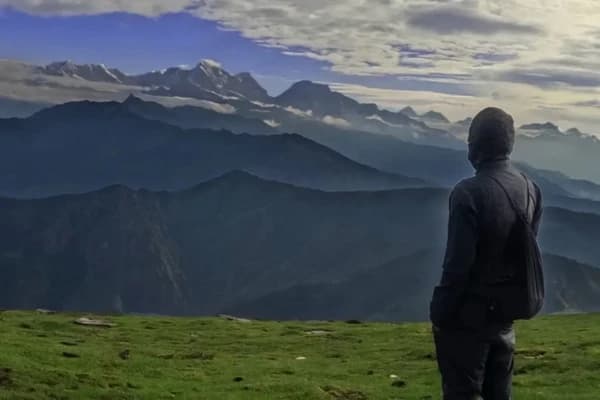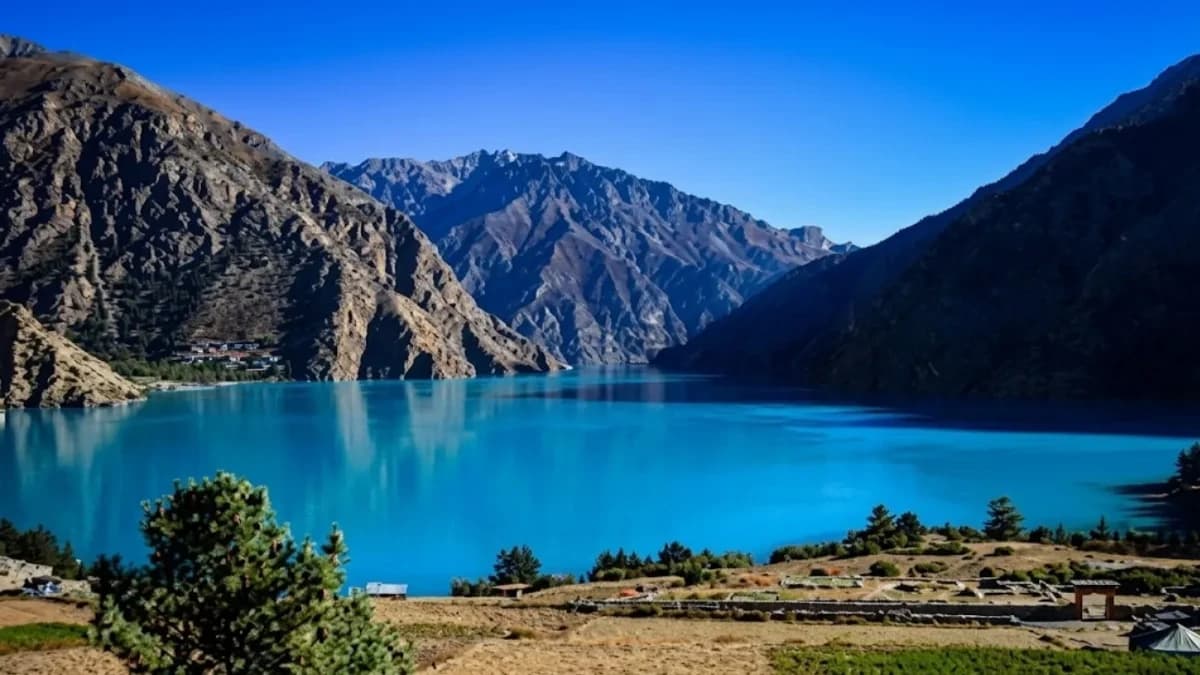
Most people planning a Nepal trip think of Everest or Annapurna first. But Shey Phoksundo National Park often goes unnoticed, and that’s what makes it feel so different. It sits deep in the Dolpa District, far from the busy trails, where everything feels quiet, raw, and untouched.
It’s also the largest national park in Nepal, spread across a huge trans-Himalayan landscape, yet only a small number of travelers ever reach here.
At the heart of it lies Phoksundo Lake, a deep turquoise lake at over 3,600 meters, surrounded by cliffs and high peaks. It feels almost unreal when you see it. But the experience goes beyond the lake.
You’ll encounter rare wildlife like snow leopards and blue sheep, old Bon monasteries, and villages that seem unchanged for generations. Culture, nature, and silence create something simple but powerful.
Quick Glance of Phoksundo National Park
|
Feature |
Information |
|
Area |
3,555 km²: Largest in Nepal |
|
Buffer Zone |
1,349 km² surrounding the park |
|
Location |
Dolpa and Mugu Districts, Karnali Province, Nepal |
| Established |
1984 AD |
|
UNESCO Status |
Not a UNESCO World Heritage Site |
|
Species Count |
Over 1,000 plant and animal species |
|
Key Attraction |
Phoksundo Lake, the deepest lake in Nepal, is renowned for its turquoise color. |
|
Activities |
Trekking, camping, birdwatching, cultural experiences |
|
Entry Fees |
Foreigners: NPR 3,000 ≈ USD 24 / SAARC Nationals: NPR 1,000 ≈ USD 8 |
Key Facts and Overview Shey Phoksundo National Park
This section gives you a quick, clear picture of what makes this park special. Think of it as the big snapshot before you dive deeper. You'll learn when it was made, its size, its height, and why it feels so unique in Nepal. It helps set the stage so everything else makes more sense.
Establishment and History of Shey Pho
Shey Phoksundo National Park was established in 1984 AD, one of Nepal's earlier protected areas. The whole point was to protect the Trans-Himalayan ecosystem, a region that barely gets monsoon rain and feels ecologically much closer to Tibet than to the rest of Nepal.
It's been recognized internationally since for both its ecology and culture. And the communities living here? They've been doing things their way for centuries, tied closely to Tibetan Buddhism and Bon traditions.
Area and Altitude Range
The park covers 3,555 square kilometers, the largest national park in Nepal by area. Altitude goes from around 2,135 meters in the lower valleys all the way up to 6,883 meters at the peaks. That kind of range means wildly different landscapes within a single park.
Largest National Park in Nepal
Bigger than Sagarmatha National Park and Langtang National Park. And yet far fewer tourists show up here each year. Partly the remoteness. Partly the permits. Honestly, that's a feature, not a bug.
Unique Trans-Himalayan Ecosystem
Shey Phoksundo sits in the rain shadow of the Himalayas, so instead of lush forests, you get dramatic rocky terrain, sparse alpine scrub, and wide open skies that look more like Tibet or Ladakh than typical Nepal. It's an entirely different world.
Location, Geography and Landscape
The park sits far out in western Nepal, where things feel quiet, open, and a bit untouched. It’s not the kind of place you just pass through. The land stretches wide, changes quickly, and provides you a real sense of distance from everything else.
Once you’re here, the terrain, weather, and even the way people live all start to connect naturally.
Where is Shey Phoksundo National Park located?
The park is in Dolpa District, Karnali Province, in northwestern Nepal. Dolpa is one of the most isolated districts in the country you either walk for days or take a short (and slightly nerve-wracking) flight into Juphal Airport. The park borders Tibet to the north, which explains a lot about its culture and feel.
Topography and Terrain Diversity
The landscape inside Shey Phoksundo National Park changes fast. Like, really fast. Down in the lower areas, you get green valleys, pine and juniper forests, and trails following the Suli Gad River. It feels calm.
As you ascend, the landscape begins to unfold. Forests thin out. More rocks, less green. The air gets drier. It feels wider and a bit rougher. Head north, and it’s a different world.
Dry hills, loose stones, almost no trees. It resembles Tibet more than typical Nepal. And then the mountains rise. Big ones. Peaks near 7,000 meters around the Kanjiroba Himal range, with glaciers and steep cliffs. Ultimately, the most notable aspect is the transformation.
You walk a few days, and it feels like you’ve crossed into another region.
Climate Zones and Environmental Conditions
Multiple climate zones in one park. Lower valleys are relatively temperate. Middle elevations: cold winters, dry summers. Up high: essentially arctic. Rainfall is low. Most moisture arrives as winter snow. This dry, cold character is precisely what makes it "Trans-Himalayan."
Rivers, Glaciers and Natural Features
The Suli Gad River is the main trekking corridor toward Phoksundo Lake. The Phoksundo River flows out from the lake, dropping over the Suligad Waterfall below. Glaciers exist in the northern zones, retreating, like most Himalayan glaciers plus permanent snowfields and moraines above 5,000 meters.
Phoksundo Lake: The Defining Feature
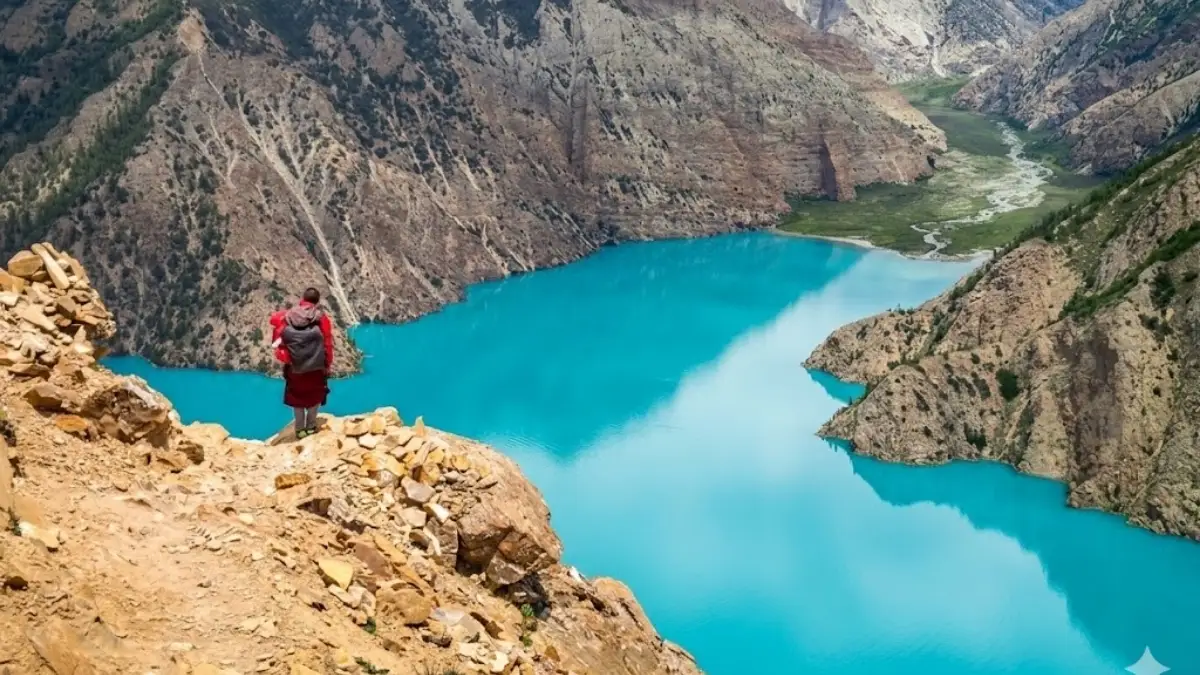
At the heart of Shey Phoksundo National Park sits Phoksundo Lake. This is the place most people remember. You walk for days, and then suddenly there it is. Bright, still, and almost unreal.
Overview of Phoksundo Lake
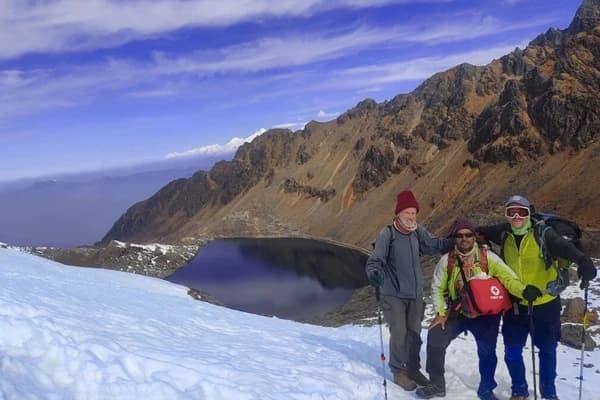
Phoksundo Lake sits at 3,611 meters, covers about 4.8 sq km, and looks like someone turned the saturation dial all the way up. The water is this intense turquoise blue that doesn't look real in photos and somehow looks even more unreal in person.
Depth, Color and Geological Formation
Nepal's deepest lake at around 145 meters. The color comes from glacial clarity and high mineral content, barely any algae, and barely any turbidity. Just pure, cold, impossibly blue water in a glacially carved basin, ringed by limestone cliffs.
Cultural and Spiritual Importance
For Ringmo Village, this lake is sacred, tied to both Bon and Tibetan Buddhist traditions. Locals don't fish in it. No commercial boats. It's treated with real reverence. Honestly, that cultural protection has probably done as much for the lake's condition as any conservation rule ever could.
Surrounding Landscape and Viewpoints
Sheer cliffs, waterfalls, pine forests, and the Kanjiralwa Himal as a backdrop. There are viewpoints above the lake reachable with a short hike from Ringmo. The kind of views you'll think about years later.
What are the major attractions within Shey Phoksundo National Park?
There’s more here than just the lake. As you traverse the park, various locations stand out for their unique characteristics, whether it's their cultural significance, natural beauty, or the emotions they evoke.
Ringmo Village – Traditional Settlement
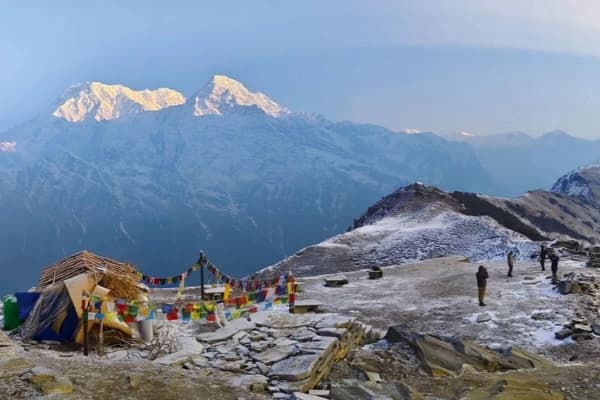
Small, ancient, stone-built. Prayer flags everywhere. People living basically the same way they have for centuries. Ringmo has basic guesthouses, and locals are welcoming, but it's not a tourist village. That's the whole point. Spending a couple of days here is one of the quieter, more meaningful experiences you can have in Nepal.
Shey Gompa Religious Site
Deep inside the park, accessible via the Upper Dolpo trek. One of the most sacred monasteries in the Trans-Himalayan region, sitting at the foot of Crystal Mountain at around 4,300 meters. Peter Matthiessen wrote about his journey here in The Snow Leopard, if you haven't read it, honestly worth doing before you visit.
Suligad Waterfall Natural Landmark
This landmark can be found on the trail leading to Phoksundo Lake. Water cascading down rocky cliffs through a narrow gorge. One of those spots where you just stop walking and stand there for a bit. Fed by the Phoksundo River as it drops from the lake above.
Sacred Mountains and Remote Valleys
Kanjiroba (6,883 m) is the highest point in the park. There are hidden valleys, ancient trade routes to Tibet, and high passes that only experienced trekkers attempt. Basically the more you explore here, the more it gives back.
Biodiversity and Wildlife of Shey Phoksundo National Park
This park is not just about views. It’s a living space for rare animals, birds, and plants that don’t easily survive elsewhere. The mix of altitude and climate creates a unique environment where life adapts in tough conditions.
Fauna of Conservation Importance
Snow Leopard The park's most iconic resident. Hard to spot. Shey Phoksundo is one of the few places in Nepal with a relatively stable population. You probably won't see one. But knowing they're somewhere in those ridges? That adds something to every single hike. You'll likely spot Bhlu Sheep grazing on steep hillsides in groups.
They're the main prey of snow leopards here, and watching them navigate near-vertical cliffs like it's nothing is genuinely impressive. Musk deer are vulnerable and historically heavily poached for their musk. The park is critical habitat for their recovery. Harder to spot but present throughout.
Bird Species and High-Altitude Ecology
Serious birdwatching territory. The Himalayan snowcock, golden eagle, lammergeier (bearded vulture), Tibetan snowfinch, and raptors working the thermals above the valleys are all present. Over 200 bird species recorded in the park.
Flora and Vegetation Zones
Blue pine and juniper in the lower valleys. Alpine shrubs and grasses higher up. Sparse cushion plants on the high plateau. Medicinal herbs used in Tibetan traditional medicine grow throughout the locale. Locals have relied on them for generations.
Conservation Significance
Part of a trans-boundary landscape connecting Nepal, Tibet, and India. Snow leopards cross those borders freely. The park is a stronghold for globally threatened species and one of the key reference points for high-altitude ecosystem health in the region.
Culture, Religion and Local Communities
Tradition shapes life in Shey Phoksundo National Park. It’s not something created for visitors. It’s just how people live here quiet, steady, and closely connected to their beliefs and land.
Influence of Tibetan Buddhism
Monasteries, prayer wheels, mani stones, and chortens are woven into the landscape everywhere you look. Villages follow Tibetan Buddhist traditions that arrived here centuries ago. Festivals like Losar (Tibetan New Year) are observed with real ceremony and community energy.
Traditions of the Bon Community
Bon is the pre-Buddhist spiritual tradition of Tibet, older than Tibetan Buddhism and especially alive in Dolpa. Some communities here follow Bon practices. Their monasteries, rituals, and cosmology differ from Buddhist ones in ways that are subtle but real. Visiting a Bon monastery is an experience you can't really replicate anywhere else in Nepal.
Lifestyle in Remote Himalayan Villages
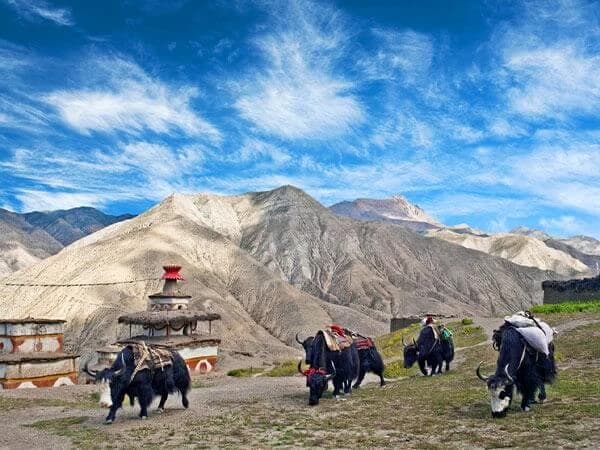
Barley and buckwheat farming during the short growing season. Yak herding. Trade routes that once ran to Tibet. Long, hard winters, many families still migrate to lower altitudes seasonally. By modern standards, life here is challenging, but the community's resilience is remarkable.
Cultural Practices and Festivals
Masked dances, butter lamp offerings, circumambulation of sacred sites none of this is put on for visitors. It's just life. And if you happen to be there when something's happening, it'll stick with you.
Climate and Best Time to Visit Shey Phoksundo National Park
Weather in Shey Phoksundo National Park can change quickly. It’s mostly dry compared to other parts of Nepal, but the altitude makes it cold, especially at night. Picking the right season makes a big difference in how your trek feels.
Seasonal Overview
- Pre-monsoon (April–June): Trails opening up, clear skies, flora blooming at lower elevations. One of the best windows.
- Post-monsoon (September–November): Most popular season. Crystal clear skies post-monsoon. Cool but manageable temperatures. The landscape looks its best.
- Winter (December–February): Freezing. High passes blocked by snow. Skip it unless you're an experienced winter mountaineer.
- Monsoon (July–August): Rain reaches even this rain-shadow zone. Muddy trails and tricky river crossings. Doable but harder.
Weather Patterns and Temperature Range
At lake level (3,600 m), summer days reach 15–20°C, and nights drop near freezing. Winter nights at elevation hit -20°C or colder. Wind is constant at higher altitudes. Always pack more layers than you think you'll need.
Ideal Visiting Periods
The ideal time to visit is between October and November. Stable weather, clear views, and trails are in excellent shape. April–May is a close second, ideal for spring wildflowers and slightly fewer trekkers, though fewer is already quite few here.
How to Reach Shey Phoksundo National Park
Getting to Shey Phoksundo National Park is not as simple as hopping on a bus. It requires a combination of flights, trekking, and a bit of patience. The park sits in a remote part of the Dolpa District, so there’s no direct road access all the way.
Most travelers follow the same route—fly first, then walk. And one thing to remember: weather plays a big role here. It's always wise to include extra days in your plan, as flights can be delayed.
Air Access (Kathmandu → Nepalgunj → Juphal)
|
Step |
Route |
Time |
Details |
|
1 |
Kathmandu → Nepalgunj |
1-hour flight |
Nepalgunj is the main gateway to western Nepal |
|
2 |
Nepalgunj → Juphal Airport |
45-minute flight |
Small airstrip, flights depend on weather |
|
3 |
Juphal → Phoksundo Lake |
2–3 days trek |
Walk along the Suli Gad valley through villages |
Entry Routes and Regional Access
There are other ways to reach the park, like trekking from Jomsom or Jumla. But these routes take 7–10 days or more. Experienced trekkers undertaking long Dolpo journeys primarily use these routes. For most people, flying to Juphal is the easiest and most practical option.
Transportation Challenges in Remote Areas
Travel here doesn’t always go as planned. Flights can be canceled. Weather can change quickly. Roads don’t go all the way. It’s just how this region works. So keep your schedule flexible. Add buffer days. That way, the journey feels smooth instead of stressful.
Permits, Entry Fees and Regulations
Before entering Shey Phoksundo National Park, you need the right permits. It’s not complicated, but it’s something you shouldn’t ignore. Getting these permits sorted early makes the whole trip smoother.
National Park Entry Requirements
All visitors need a Shey Phoksundo National Park entry permit. Get it at the park entrance or through a trekking agency like Nepal Gateway Trekking. Foreign nationals: around NPR 3,000 (≈ USD 24). SAARC nationals: NPR 1,000 (≈ USD 8). Always confirm the current rates, as they can change.
Restricted Area Considerations
Upper Dolpo (north of Phoksundo Lake) needs a separate Restricted Area Permit (RAP) for around USD 500 for 10 days, arranged through a registered agency, with a minimum group of two. Lower Dolpo, including the lake? Just the national park fee. No RAP needed.
Rules for Visitors and Conservation Policies
No hunting. There is no removing plants, stones, or artifacts. Walk clockwise around stupas and mani walls. Pack out your waste. Use designated camping areas. Basically, respect the place, and it'll reward you for it.
Facilities and Visitor Experience in Shey Phoksundo National Park
Travel here is simple. No fancy setups. What you get is basic, but it works and it fits the place.
Accommodation Options
Basic tea house guesthouses are in Ringmo Village near the lake. Simple rooms, basic bedding. Bring your own sleeping bag for extra warmth. Beyond the lake toward Shey Gompa, there's almost nothing. Upper Dolpo treks need full camping gear and a crew.
Food and Basic Services
Dal bhat, tsampa, and noodles. Carb-heavy, filling, practical. Fresh vegetables and protein are limited. No ATMs. No reliable mobile signal. No pharmacy beyond basic first aid. Come prepared for genuine remoteness.
Infrastructure and Limitations
No paved roads entered the park. No tourist resorts. Emergency helicopter evacuation is possible but expensive and not guaranteed. The whole point of coming here is the rawness. If you need comfort, look elsewhere. If you don't, this place is worth every trade-off.
Trekking in Shey Phoksundo National Park
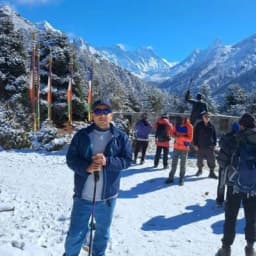
Trekking in Shey Phoksundo National Park feels very different from the usual trails in Nepal. It’s quieter, more remote, and a bit raw. You won’t see crowds here. Instead, you walk through deep valleys, small villages, and wide-open landscapes where everything feels slow and untouched.
Most treks start from Juphal Airport and follow the Suli Gad valley toward Phoksundo Lake.
Overview of Trekking Opportunities
|
Trek Option |
Duration |
Difficulty |
Key Highlights |
Permit |
|
Phoksundo Lake Trek |
6–8 days |
Moderate to Strenuous |
Suli Gad valley, villages, turquoise lake |
National Park Permit |
|
Upper Dolpo Trek |
18–25 days |
Strenuous to Extreme |
Shey Gompa, high passes, remote landscapes |
Restricted Area Permit + Guide |
General Difficulty and Accessibility
|
Trek |
Difficulty Level |
Who It’s For |
Main Challenges |
|
Phoksundo Lake Trek |
Moderate to Strenuous |
Fit trekkers with some experience |
Altitude, long walking days |
|
Upper Dolpo Trek |
Strenuous to Extreme |
Experienced trekkers only |
High passes, remoteness, long duration |
Why Do Adventure Travelers Choose This Trek?
- Real remoteness — far from busy trails
- Peace and silence — no crowds, no noise
- Unique culture — old monasteries and traditions
- Raw nature — mountains, rivers, and wide landscapes
This is the kind of trek where the journey itself becomes the main story. It’s simple, a bit tough, but very rewarding.
Conservation, Challenges and Environmental Importance of Shey Phoksundo National Park
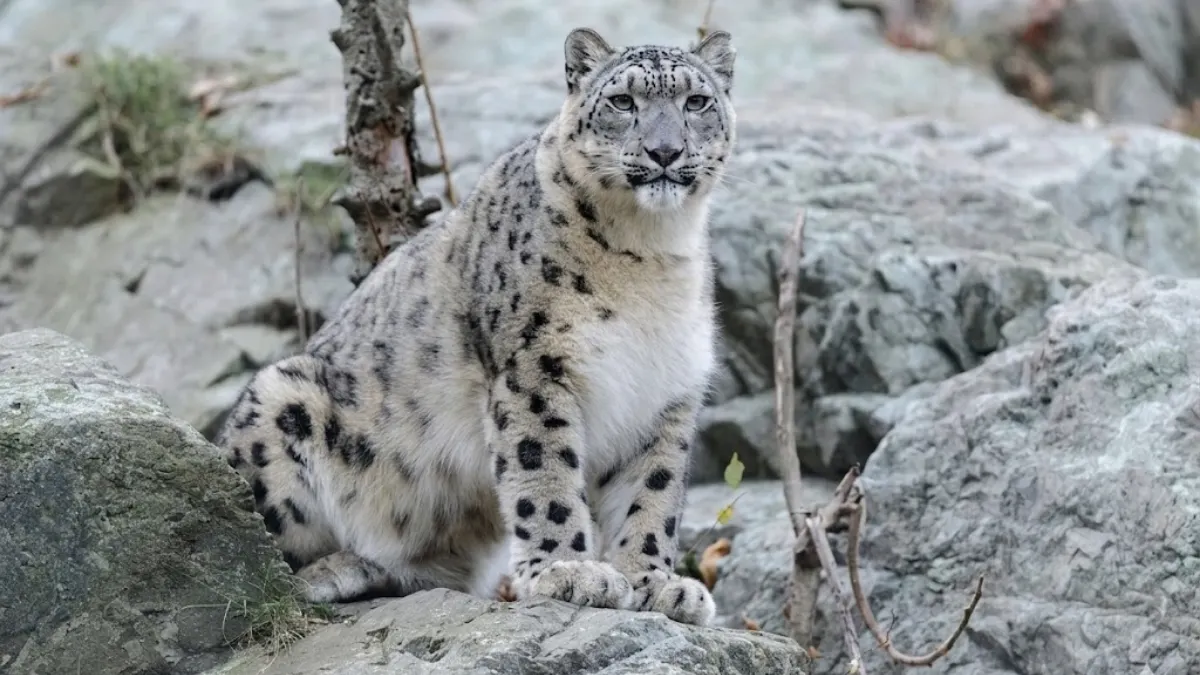
Shey Phoksundo National Park is more than just a beautiful place. It plays a big role in protecting nature in the Himalayas. The park supports rare wildlife, protects water sources, and keeps the mountain ecosystem balanced.
Why is Shey Phoksundo Important for Himalayan Biodiversity?
- Home to rare animals like snow leopard, blue sheep, and musk deer
- Part of a larger Trans-Himalayan wildlife corridor
- Protects rivers and high-altitude ecosystems
- Supports unique alpine plants and medicinal herbs
What Challenges Does the Park Face Today?
- Climate change → glaciers are melting and weather is becoming less predictable
- Remote location → limited staff, fewer resources for conservation work
- Poaching → illegal hunting still affects species like musk deer
- Human-wildlife conflict → snow leopards sometimes attack livestock
- Limited infrastructure → makes monitoring and protection more difficult
These challenges may not always be visible, but over time they can affect the balance of the entire ecosystem.
Why Does Sustainable Tourism Matter Here?
- Hiring local guides supports the community
- Staying in local tea houses helps the local economy
- Buying local products keeps money within the region
- Reducing waste helps protect the environment
Small actions can have a significant impact. Visiting responsibly helps protect this unique place for the future.
Why Shey Phoksundo National Park Stands Out?
Nepal has brilliant national parks. Sagarmatha has Everest. Chitwan has rhinos. Bardia is excellent for tigers. But Shey Phoksundo is entirely its own thing.
- Unique landscape: Nowhere else in Nepal gives you turquoise glacial lakes, stark Trans-Himalayan terrain, and towering peaks in the same frame. It is as if the Himalayas and the Tibetan Plateau collaborated on a landscape, which they did ecologically.
- Cultural authenticity: The Bon and Buddhist communities here haven't been reshaped by mass tourism. The culture is living, not performed. That's increasingly rare.
- Ecological significance: Snow leopards, blue sheep, musk deer, and Himalayan griffons are globally significant species in a functioning ecosystem. You're not just sightseeing. You're visiting a place that genuinely matters.
Shey Phoksundo stands out. Quite a bit. Thinking about visiting? Start planning early permits and flights both need lead time, and this is not a trip to rush.
Final Thoughts
Shey Phoksundo is the kind of place that stays with you. It's not the easiest destination in Nepal the flights are uncertain, the trails are long, and the comforts are minimal. However, this is precisely the purpose. What you receive in return is something genuinely rare: a landscape that feels untouched, a culture that's still living its traditions.
A lake so beautiful it barely looks real, and wildlife roaming one of Asia's last truly wild mountain ecosystems. No crowds. No tourist traps. Just the Himalayas in their most honest form.
Whether you're trekking to Phoksundo Lake for the first time or planning a full Upper Dolpo circuit, give this place the time it deserves. Come with an open schedule, a comfortable pair of boots, and zero expectations of luxury, and it will give you back more than you looking for.
Reach out to Nepal Gateway Trekking for full guidance.
FAQs
Where is Shey Phoksundo National Park located?
Shey Phoksundo National Park sits in the Dolpa District in northwestern Nepal, close to the Tibetan border. The usual way in is flight to Nepalgunj, then Juphal, and then a few days of trekking.
What is special about Phoksundo Lake?
Phoksundo Lake is Nepal’s deepest lake, around 145 meters. The color looks almost unreal, bright turquoise. It’s also sacred, so no fishing or boating. That’s one reason it still feels pure and untouched.
What wildlife can be found in the park?
The park is home to snow leopards, blue sheep, musk deer, Himalayan tahr, and even wolves. There are also many bird species. Spotting wildlife takes patience though—this is their home, not a zoo.
When is the best time to visit?
October through November is usually the best time with clear skies and stable weather. April to May also works well. Winter gets frigid, and many trails become hard to pass.
Do I need a permit to visit?
Yes. You need a national park permit, which costs around NPR 3,000 for foreigners. If you plan to go to Upper Dolpo, you’ll also need a restricted area permit, which is pricier and requires a registered agency.
How difficult is the Shey Phoksundo trek?
The trek is moderate to challenging. The trails are not technical, but the altitude and long walking days make it tiring. With basic fitness and preparation, most people can complete it.
How many days do you need for the trek?
A simple Phoksundo Lake trek takes around 6–8 days. If you go further into Upper Dolpo, it can take 18–25 days depending on the route.
Can beginners do the Shey Phoksundo trek?
Beginners can do the lake trek if they are fit and take it slow. Upper Dolpo presents a different challenge due to its length, remoteness, and suitability for experienced trekkers.
Are there tea houses, or do I need to camp?
On the Phoksundo Lake route, you’ll find basic tea houses. In Upper Dolpo, camping is usually required because there are fewer facilities.
Is there an internet or phone network?
The network is very limited. Some villages may have weak signals, but most of the trek is offline. It’s a wonderful place to disconnect for a while.
Is the trek safe for solo travelers?
The lake trek can be done solo, but going with a guide is safer, especially because the area is remote. Upper Dolpo requires a guide and agency anyway.
What makes this park different from other trekking regions?
It feels quieter and less developed compared to places like Everest or Annapurna. Fewer people, more raw nature, and a stronger sense of isolation are the distinguishing features of this park.