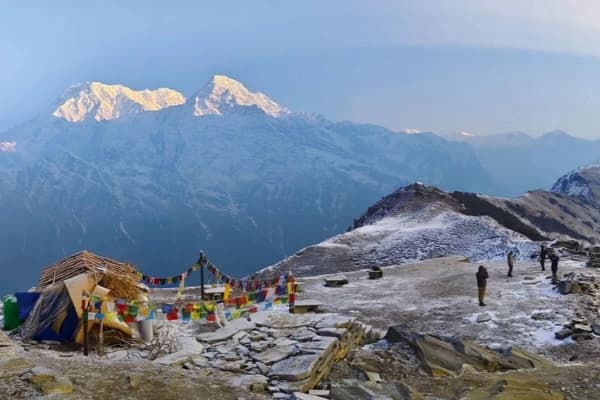
Sagarmatha National Park is one of the most famous national parks in the world. Located high in the Himalayas of Nepal, Sagarmatha National Park was the first place in Nepal to receive the UNESCO World Heritage Site designation.
The park is in the famous Everest region and protects the tallest mountain on Earth, Mount Everest. If this is your first visit, this Sagarmatha National Park travel guide will help you understand why people from all over the world want to come here.
At Nepal Gateway Trekking, we believe some places don’t just give you a trip, but they help you see life differently. Sagarmatha National Park, Nepal, is one of those places. It is not only about tall mountains. It is also about history, biodiversity, the Sherpa people, permits, safety measures, and natural and cultural highlights of this Everest region.
Overview of Sagarmatha National Park: History, Location, and Geography
Sagarmatha actually translates to "Forehead of the Sky" or "Head of the Sky". It comes from combining the Nepali words 'sagar' (sky) and 'matha' (head), which perfectly describes how Mount Everest towers above everything else as the highest peak on the planet.
Building this park was like planting a tree for the future. It took vision to protect this "fragile" home for both the Sagarmatha National Park animals and the Sherpa people.
- 1973 (The Big Idea): Global leaders met in Germany and decided to preserve the area around Mount Everest for future generations.
- July 19, 1976: Sagarmatha National Park established on this day.
- 2002 (The Buffer Zone): A "safety ring" of 275 sq. km was added. This helps local families benefit from tourism while keeping the forests green and healthy
Location & Geography of Sagarmatha National Park
Sagarmatha National Park sits in northeastern Nepal in the Solukhumbu District, right along the Tibet border. This protected area covers 1,148 square kilometres, with an added 275-square-kilometer buffer zone created to support Sherpa communities while keeping forests and wildlife healthy.
Borders at a glance
- North: Qomolangma National Nature Preserve (Tibet, China)
- East: Makalu Barun National Park
Have you ever wondered where Mt Everest lies within the Sagarmatha National Park? Read our 'Where Mount Everest is located” blog for detailed information.
Geography of Sagarmatha National Park
The geography of Sagarmatha National Park Nepal, is some of the most dramatic on Earth:
- Extreme Elevation: The park ranges from 2,845 meters at Monjo to the summit of Mount Everest at 8,848.86 metres.
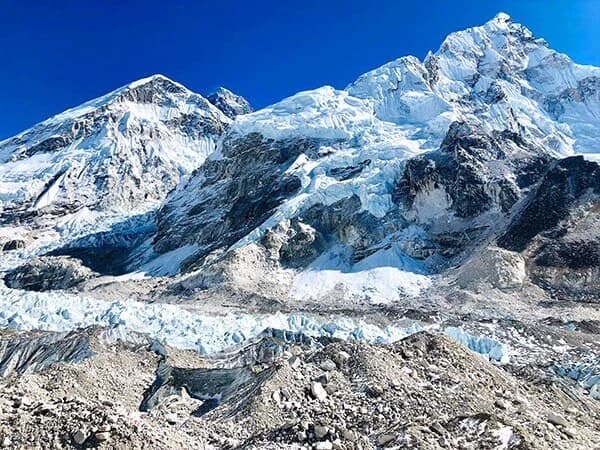
- Rugged Terrain: The landscape is defined by high mountain peaks, deep gorges, and massive glaciers like the Khumbu Glacier and Ngozumpa Glacier.
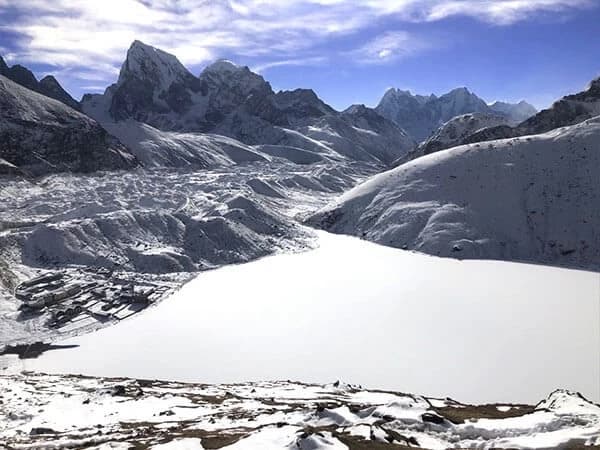
- Water Systems: It contains the upper catchment areas of the Dudh Koshi and Bhote Koshi rivers, as well as the high-altitude Gokyo Lakes.
- Land Cover: About 69% of the park is barren land (rock and ice), 28% is grazing land, and only 3% is forested.
Did you know Everest is also known as "One Legend, Two Faces and Three Names"? Because it has south and north face in Nepal and Tibet respectively. Also it is named as "Everest" in English, "Sagarmatha" in Nepali and "Chomolungma" in Tibet.
Elevation and Height of Sagarmatha National Park
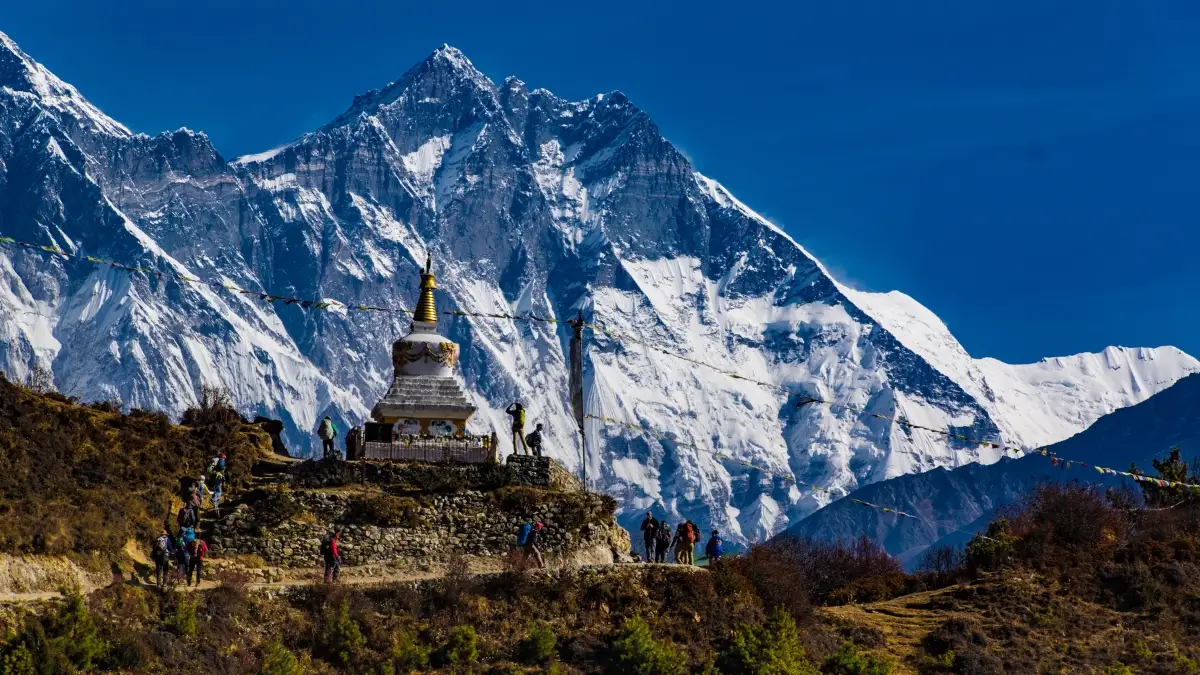
When talking about Sagarmatha National Park, the first thing that stands out is the huge change in height. Because the park sits deep in the Khumbu Region, it has one of the most extreme elevation ranges on Earth.
Sagarmatha National Park rises more than 6,000 metres from bottom to top:
- Lowest point: Monjo entrance at 2,845 m (9,334 ft)
- Highest point: Mount Everest at 8,848.86 m (29,032 ft)
Key Heights Trekkers Pass
If you are trekking in Sagarmatha National Park, these places matter most:
- Namche Bazaar: Main acclimatization stop
- Tengboche Monastery: Spiritual center of the region
- Dingboche: Highest year-round village
- Gokyo Ri: Viewpoint above the Gokyo Lakes
- Everest Base Camp Sagarmatha National Park: Goal for most trekkers
- Kala Patthar: Best close view of Everest
If you are trekking inside Sagarmatha National Park, your Sagarmatha National Park map will highlight these three giants that dominate the skyline:
The Highest Peaks in Sagarmatha National Park
|
Mountain |
Elevation (m) |
Elevation (ft) |
World Ranking |
|
Mount Everest |
8,848.86 metres |
29,032 metres |
1st |
|
8,516 metres |
27,940 metres |
4th |
|
|
Cho Oyu |
8,188 metres |
26,864 metres |
6th |
Elevation matters: At Everest Region, there is about 50% less oxygen than where you start after travelling to Sagarmatha National Park from Kathmandu.
Are you curious about the cold conditions on Mount Everest? Read our detailed blog on how cold Mount Everest is.
Highlights of Sagarmatha National Park
Whether you are finally planning that first big trek in Sagarmatha National Park or you’ve been walking these Himalayan trails for years, some things here never lose their magic. These are the highlights that truly define the park for us.
The Big Peaks and Best Views
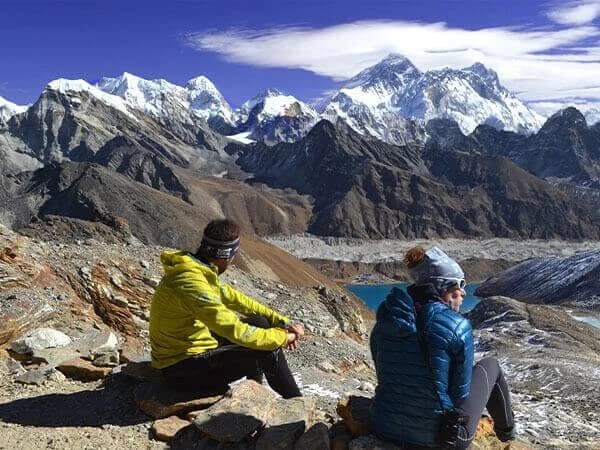
- Mount Everest (8,848.86 m): Locally, we call it "Sagarmatha". It’s the centre of the Khumbu Region, and let me tell you, standing in its shadow is a moment that sticks with you forever.
- Kala Patthar (5,545 m): This is where we take our trekkers for the ultimate sunrise. You get a massive, up-close view of Everest that photos just can't capture.
- Ama Dablam (6,812 m): Often called the most beautiful peak in the world, its sharp, pointed shape follows you for most of the walk toward Everest Base Camp Sagarmatha National Park.
- Gokyo Ri (5,357 m): If you make the climb here, you can see four different 8,000-metre giants all standing together in one panoramic view.
Wildlife and Natural Wonders
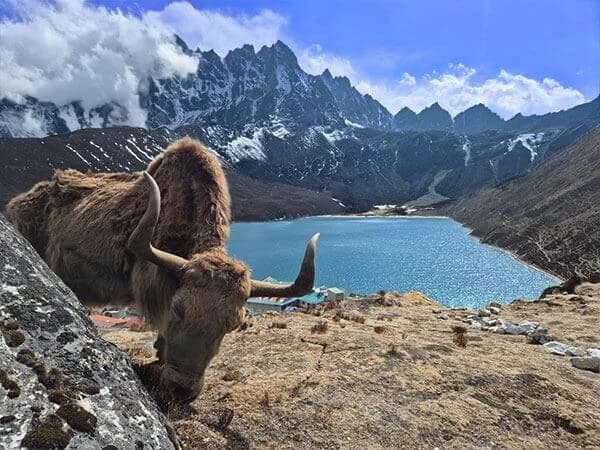
- The Gokyo Lakes: These are six bright, turquoise-blue glacial lakes. They are sacred to the locals and look like jewels hidden among the grey rocks.
- The Khumbu Glacier: You’ll be hiking near the highest glacier on the planet, a massive, 22-km river of moving ice.
- Dudh Koshi River: We call it the “Milk River” because of its white, frothy water. Crossing it on those swaying suspension bridges is a real highlight of hiking in Sagarmatha National Park.
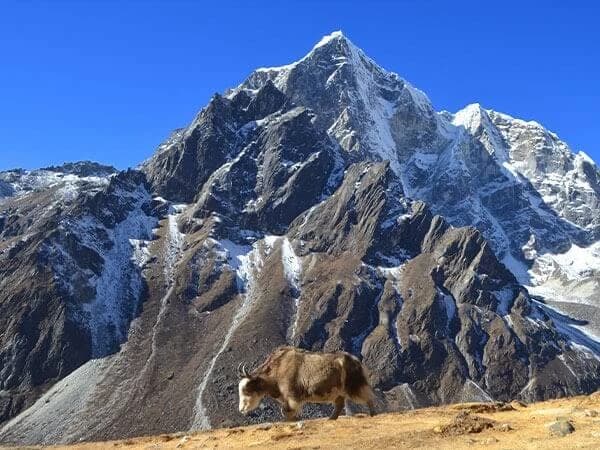
- Sagarmatha National Park Wildlife: Keep a sharp eye out for the Himalayan tahr (a mountain goat) or the colourful Danphe bird. Every once in a while, a lucky trekker even spots signs of the elusive snow leopard.
If you are unsure about the location of Gokyo Lakes within the Sagarmatha National Park, please refer to our Gokyo Lake Map for detailed information.
Spiritual and Cultural Hubs
- Namche Bazaar (3,440 m): The bustling Sherpa capital. It’s the perfect mix of local culture, warm bakeries, and gear shops, all tucked into a mountain bowl.
- Tengboche Monastery: This is the spiritual soul of the region. Sitting in on a morning prayer session here is a peaceful experience you won't forget.
- Khumjung Village: A quiet, traditional spot where you can visit the school founded by Sir Edmund Hillary.
Sherpa People: The Guardians of Sagarmatha National Park
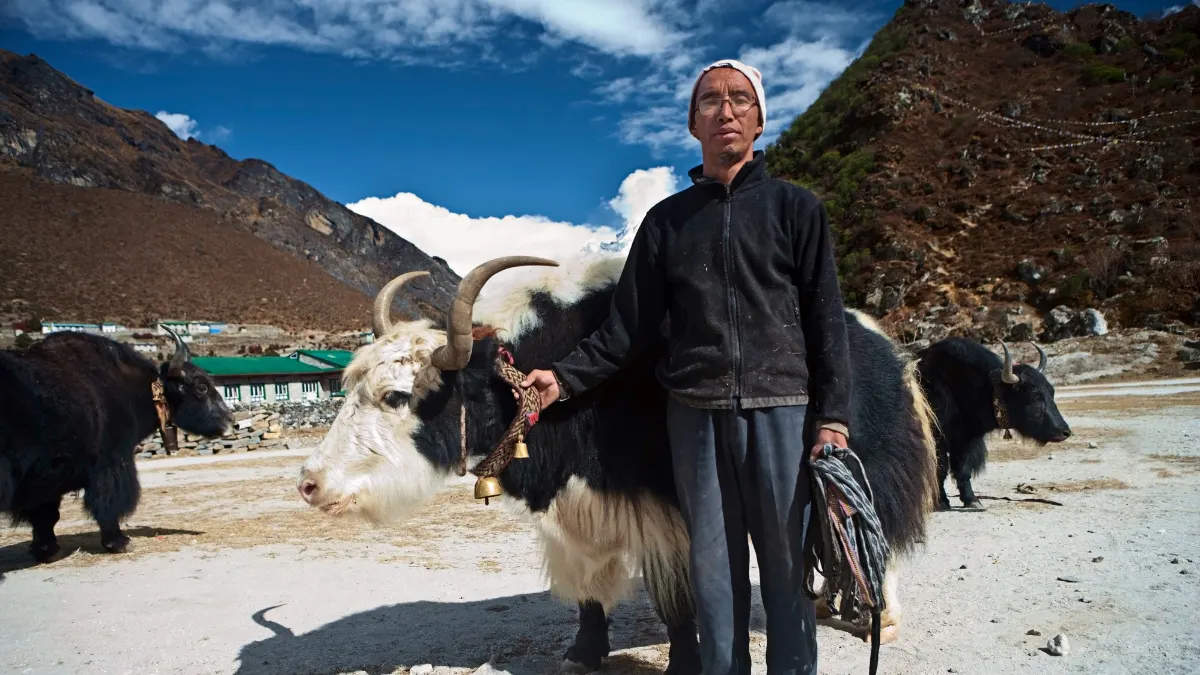
The Sherpa people are the cultural heart of Sagarmatha National Park. Often called the Guardians of the Himalayas, they make up nearly 90% of the local population living inside and around the park.
Roots in the Mountains: History & Adaptation
The word "Sherpa" actually means "people from the East.". About 500 years ago, they made a massive journey from eastern Tibet, trekking over the icy Nangpa La Pass (5,716 metres) to find a new home in the valleys we love today.
Why Sherpas thrive at altitude:
- The EPAS1 gene helps use oxygen efficiently
- Strong endurance built from high-altitude life
- Deep mountain knowledge passed through families
Today, Sherpas remain the backbone of trekking in Sagarmatha National Park, especially on the trail to Everest Base Camp Sagarmatha National Park.
The "Nawa" System: Indigenous Conservation
Long before modern environmentalism, the Sherpas established the Nawa system to protect their ecosystem.
- Traditional Governance: The Nawa is a community-appointed official who regulates the grazing of livestock and the cutting of wood.
- 2026 Sustainability: This indigenous governance is still recognized by Sagarmatha National Park as a vital tool for preserving the park’s biodiversity against climate change.
Festivals and Celebrations of the Sherpa people
- Gyalpo Lhosar (The Big New Year): This is the Sherpa New Year, and it’s a massive deal. Families hang fresh prayer flags and cook up a special nine-ingredient soup called "Guthuk. " It’s all about leaving the old year behind and starting fresh.
- Dumji (The Village Party): It honours a famous saint, Guru Rinpoche, but it’s really a time for villages like Namche Bazaar to eat, drink, and dance for four days straight. It’s one of the most authentic ways to see Sherpa culture because it’s a true community gathering, not just something for tourists.
- Mani Rimdu (The Masked Dances): This is the one most trekkers try to catch. You’ll see monks in incredible silk costumes and scary-looking masks performing ancient dances to chase away evil spirits. Listening to the longhorns echo against the mountains is a sound you’ll never forget.
If you want to trek through Sherpa villages, visit peaceful monasteries, and enjoy breathtaking mountain scenery, contact Nepal Gateway Trekking.
Biodiversity Of Sagarmatha National Park
At Nepal Gateway Trekking, we love showing the world that our home is more than just big rocks and ice. Sagarmatha National Park Nepal is a giant, natural home for some of the rarest plants and animals on Earth.
Rare and Special Wildlife
The park is a safe place for Sagarmatha National Park animals that are difficult to find anywhere else. Because the mountains are so steep, these animals can live far away from people.
- Snow Leopard: People call this big cat "Ghost of the Mountains". It is very hard to spot because its smoky-grey fur looks just like the rocks. It is a top predator in Sagarmatha National Park wildlife.
- Red Panda: These cute, reddish-brown animals live in the lower parts of the park. They love to eat bamboo and spend most of their time sleeping in trees.
- Musk Deer: You might see these shy deer in the forests. The males have long teeth that look like tiny tusks!
- Himalayan Tahr: These are strong wild goats. They are amazing climbers and can stand on very tiny ledges on steep cliffs.
- Colourful Birds: There are over 200 kinds of birds here. The most famous is the Himalayan Monal (or Danphe). It is Nepal’s national bird and has feathers that shine like a rainbow.
Plants and Forests at Different Heights
As you go trekking in Sagarmatha National Park, the trees and flowers change as you climb higher. It's like walking through different worlds!
- Lower Forests (3,000 m–3,600 m): Here you will find tall blue pine, fir, and bamboo trees. In the spring, the rhododendron flowers bloom in bright red and pink.
- Higher Woods (3,600m – 4,500m): As it gets colder, the trees grow shorter. You will see birch trees with white bark and small juniper bushes.
- Alpine Meadows (Above 4,500m): Trees stop growing here. Instead, you find tiny flowers like the Himalayan blue poppy and edelweiss.
- The Snow Zone (Above 6,000m): Near Everest Base Camp Sagarmatha National Park, it is too cold for most plants. Only moss and lichens can grow on the cold rocks.
Planning the EBC trek and unsure about timing? Read our blog about trekking to Everest Base Camp in March–April, May, October, and November, helping you choose the right season.
Trekking Routes along the Sagarmatha National Park
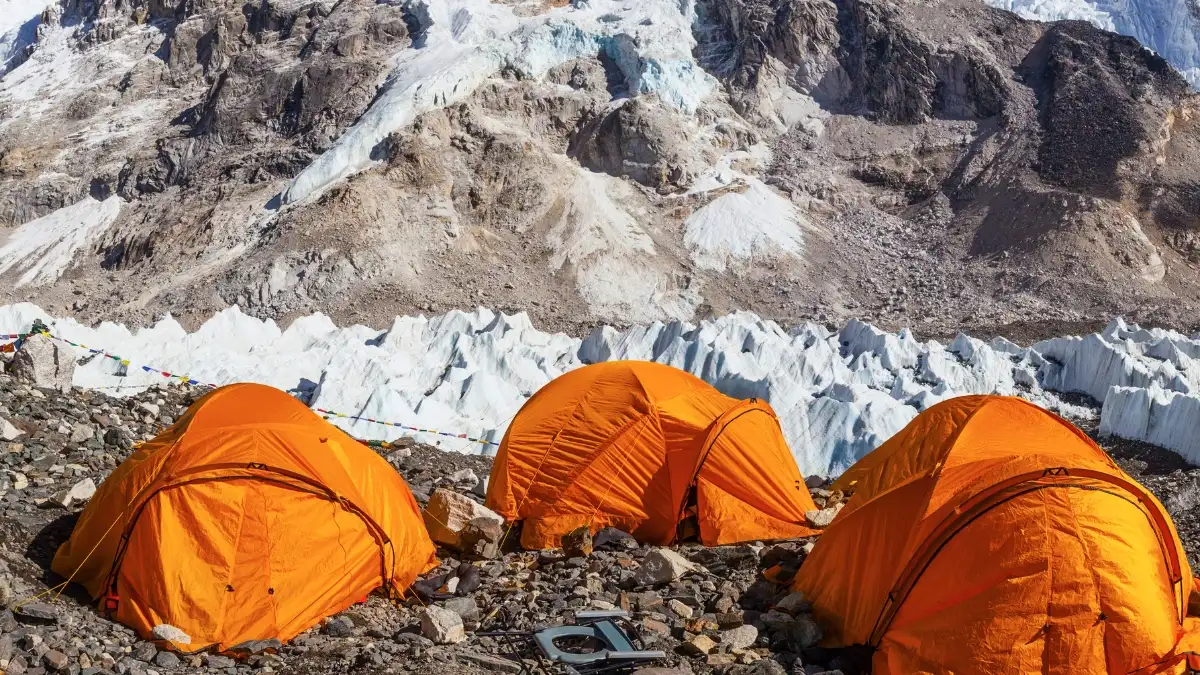
At Nepal Gateway Trekking, we have guided trekkers across the Everest region for years. Based on our on-trail experience, we offer trekking routes inside Sagarmatha National Park that suit different fitness levels, time frames, and travel goals.
|
Trek |
Difficulty |
Days |
Max Altitude |
Crowd Level |
Best For |
|
Moderate |
14 |
5,364 m |
Popular |
First-time trekkers |
|
|
Easy |
10 |
3,860 m |
Moderate |
Beginners & families |
|
|
Moderate |
12 |
5,545 m |
Popular |
Limited-time travellers |
|
|
Moderate |
12 |
5,357 m |
Quieter |
Scenic views, fewer crowds |
|
|
Moderate |
14 |
5,420 m |
Mixed |
Full Everest experience |
|
|
Strenuous |
13 |
5,360 m |
Very Quiet |
Remote trail lovers |
|
|
Very Strenuous |
19 |
5,535 m |
Quiet |
Expert trekkers |
|
|
Very Strenuous |
18 |
5,420 m |
Mixed |
Experienced trekkers & photographers |
Best Times to Visit Sagarmatha National Park
At Nepal Gateway Trekking, we always tell people that, while the mountains are always present, the experience varies greatly depending on when you arrive. The best time to visit Sagarmatha National Park are listed below:
Spring and Autumn: The Crowd Favourites
Most people aim for these two "sweet spots" because the weather is much more predictable for Sagarmatha National Park trekking.
- Spring (March to May): You’ll see forests of red rhododendrons blooming and Sagarmatha National Park animals coming out of hiding. It's also "climbing season," so Everest Base Camp feels like a tiny, colourful city full of energy.
- Autumn (October to November): For many, the fall season is the gold standard. The monsoon rains have just washed the dust away, leaving the air incredibly crisp. If you want those sharp, crystal-clear photos of Everest where the sky is a deep blue, the fall is your time.
Winter and Monsoon: The Quiet Roads
If you aren't a fan of crowds, you might consider the off-season, but it takes a bit more grit.
- Winter (December to February): It gets seriously cold; we’re talking well below freezing at night. But the trails are empty, and the daytime views can be stunning. Just be ready for heavy snow to occasionally block the high passes.
- Monsoon (June to August): It’s lush and green, but clouds often hide the peaks, and flights to Lukla get cancelled a lot. We usually suggest beginners skip this one unless they really love the rain.
Every season has its own vibe, but for first-timers, spring or autumn is usually the best option for a safe and enjoyable trip.
If you're wondering which time is best for specific trails, read our blogs on:
- Best time for Everest High Pass Trek
- Best time for Everest Base Camp Trek
- Best time for Gokyo Valley Trek
Permits and Insurance Required for Sagarmatha National Park
Before you start trekking in Sagarmatha National Park, there are a few requirements to follow while entering this area.
Required Trekking Permits
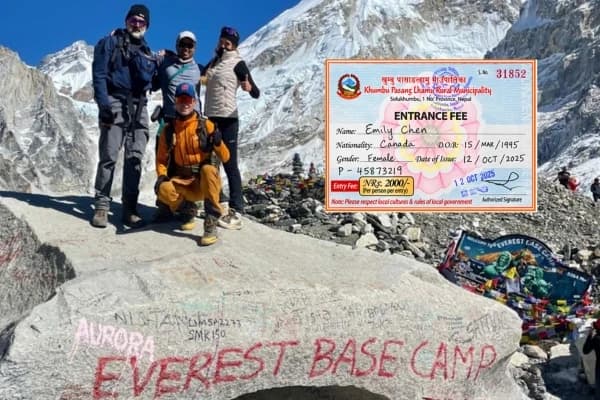
Every person entering Sagarmatha National Park Nepal must carry two special permits. These help protect Sagarmatha National Park wildlife and keep the trails in good shape. Costs vary depending on where you are from (foreigners vs. SAARC nationals from India, Bhutan, Sri Lanka, etc.).
Sagarmatha National Park Permit:
- Foreigners: NPR 3,000 (approx. $21 USD).
- SAARC Nationals: NPR 1,500 (approx. $11 USD).
- Where to Get It: You can get this at the Nepal Tourism Board in Kathmandu or at the park gate in Monjo.
Khumbu Local Entry Permit (Trek-Card):
- SAARC Nationals and Foreigners: NPR 3,000 (approx. $21 USD).
- Where to Get It: You can only get this in Lukla or Monjo. It is a digital card that helps the local office track you for safety.
Mandatory Guide rules
- Guides are Mandatory: You must hire a licensed guide or a porter-guide from a registered agency like Nepal Gateway Trekking.
- No Solo Trekking: This rule is here to keep you safe from getting lost or getting altitude sickness. Your guide will help with the new digital QR code check-ins along the way.
As Pikey Peak is also located along the Sagarmatha National Park route, if you're curious about the permits required for Pikey Peak, refer to our blog on Pikey Peak permits.
Special Travel Insurance
A normal travel plan is not enough for Sagarmatha National Park trekking. Your insurance must cover these three things:
- High Altitude: Make sure your plan covers you up to 6,000 metres. Most basic plans stop at 3,000 metres.
- Helicopter Rescue: This is the most important part! If you get very sick, a helicopter is the only way out. This can cost $5,000 to $10,000, so your insurance must pay for "Emergency Aeromedical Evacuation".
- Medical Costs: We recommend at least $100,000 in coverage for hospital stays in case you get mountain sickness.
How to Reach Sagarmatha National Park from Kathmandu?
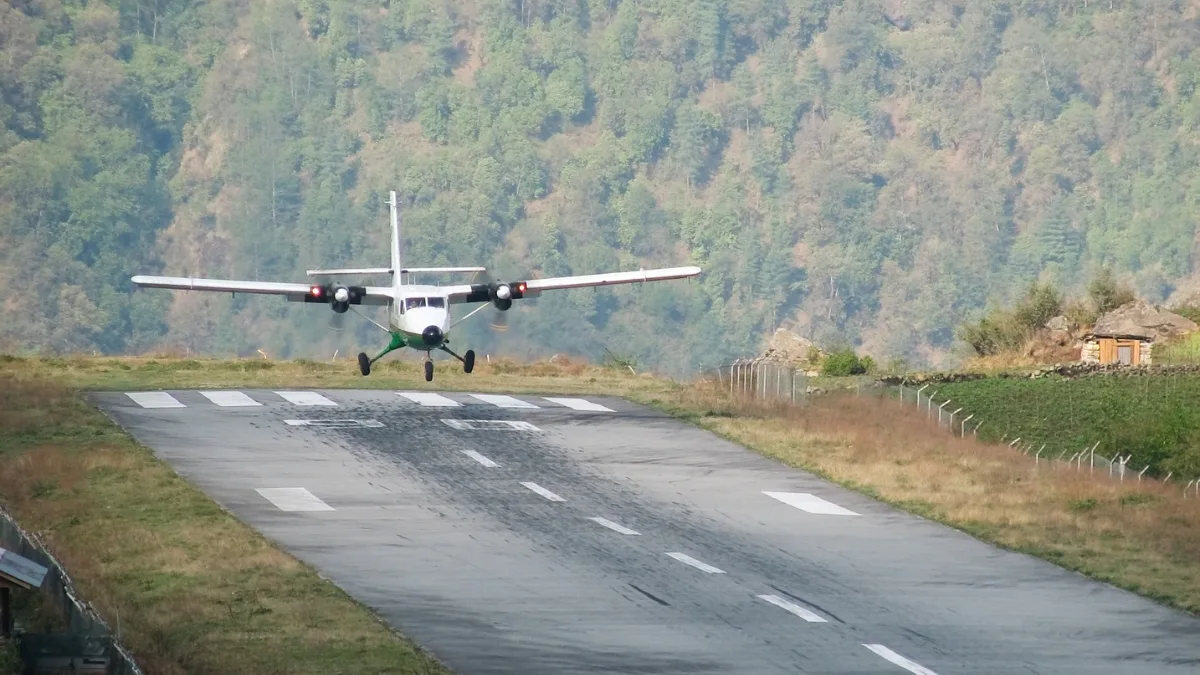
Since there are no big roads that go right into the park, you have to choose how you want to arrive. At Nepal Gateway Trekking, we help you pick the best ride for your Sagarmatha National Park trip.
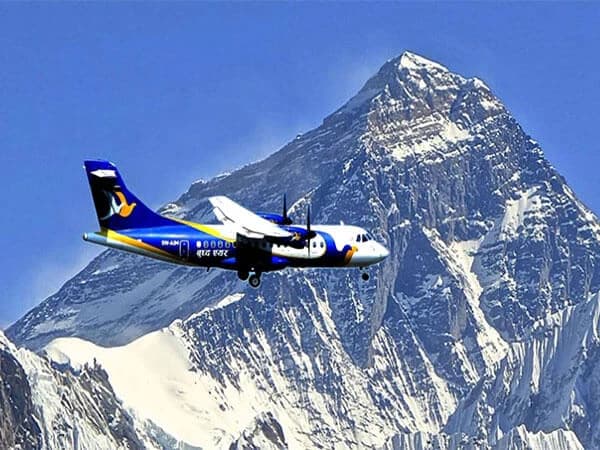
- Flying to Lukla (The Fast Route): Most people take a 35-minute flight from Kathmandu. It's a tiny plane with amazing views. In busy months like October, you might fly from Ramechhap Airport instead to avoid traffic. Once you land, it's a two-day walk to start trekking in Sagarmatha National Park.
- Driving to Salleri (The Road Route): If you don't like small planes, you can take a jeep. It’s a long, 10-hour bumpy ride. You then walk for 3 or 4 days through pretty villages before you reach the Sagarmatha National Park Nepal boundary.
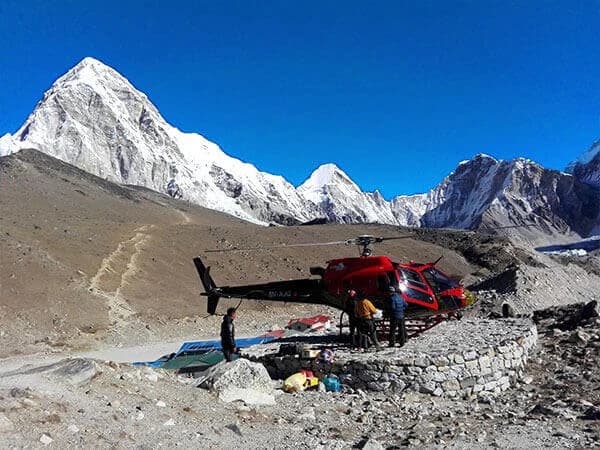
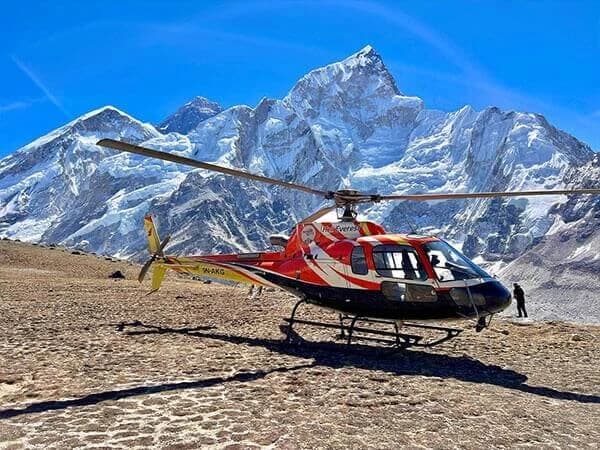
- Helicopter to Namche (The Luxury Route): This is the fancy way! You fly over everyone and land right in Namche Bazaar. You can see the whole Sagarmatha National Park map from your window.
Before you finalizing your itinerary, review Nepal Gateway Trekking's Everest Base Camp route map to ensure you're prepared for altitude and terrain changes.
Guidelines for Safe and Responsible Trekking in Sagarmatha National Park
At Nepal Gateway Trekking, we’ve learnt one simple rule over the years: if you respect the mountains, they take care of you. These easy tips will help you enjoy Sagarmatha National Park Nepal, safely and responsibly.
- Take altitude seriously: Drink plenty of water (3 to 4 litres a day), rest well in Namche Bazaar, and walk at a slow, steady pace. Going slow is the smartest way to stay healthy.
- Give wildlife space: You may spot Sagarmatha National Park animals like Himalayan tahr or musk deer. Watch quietly and take photos from far away. Let them stay wild.
- Know help is nearby: There are altitude clinics in Pheriche and Kunde. If things get serious, helicopter rescue can be arranged quickly.
- Respect sacred places: Walk clockwise around prayer walls and stupas. Always remove your shoes before entering monasteries.
- Leave no trash behind: Use a reusable water bottle and carry all non-degradable waste back to Lukla or Kathmandu.
- Be respectful to locals: Ask before taking photos, dress simply, and keep noise low.
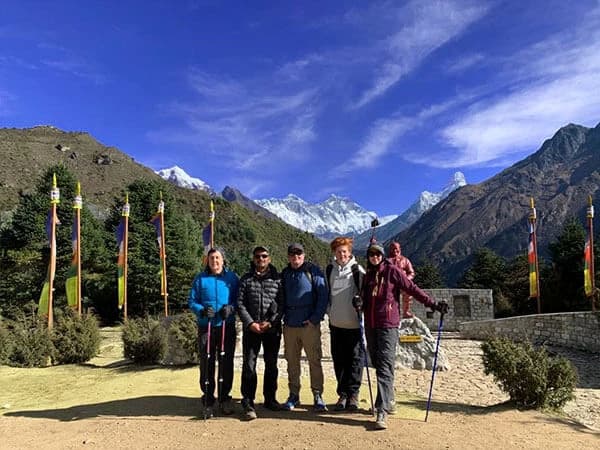
- Support the community: Travel with licensed local guides and stay in family-run teahouses. This helps local Sherpa families directly.
Follow these simple habits, and your trek through Sagarmatha National Park will be safe, meaningful, and memorable.
If you want to learn more about conservation policies and park guidelines, visit the official Sagarmatha National Park website.
Final thoughts
At Nepal Gateway Trekking, we’ve always felt that Sagarmatha National Park is so much more than just a spot on a map. To us, it’s the kind of place that actually changes you from the inside out. You’ll find that the big mountains have a way of teaching you patience, while the long trails remind you what it means to be humble.
If this is your first time visiting the Everest region, my best advice is to just take it slow. Keep an open mind. If you have the right guidance and a real respect for the land, trekking in Sagarmatha National Park becomes an experience that feels honest and deeply rewarding.
When you’re finally ready to see these trails for yourself, we’ll be right here to show you the way one step at a time, the local way.
Trekking inside Sagarmatha National Park requires proper planning, and Nepal Trekking Nepal can assist with routes, permits, and experienced guides. Contact Us Now.
Frequently Asked Questions
Why is Sagarmatha National Park famous?
Sagarmatha National Park is famous for being home to Mount Everest, the tallest mountain in the world. It also protects Sherpa culture and rare Sagarmatha National Park wildlife like snow leopards. As a UNESCO World Heritage Site, it offers some of the best high-altitude trekking scenery on Earth.
How do I get to Sagarmatha National Park?
Most visitors take a 35-minute flight from Kathmandu to Lukla, then trek for about two days to reach the park entrance. If you prefer not to fly, you can drive to Tham Danda and trek in over several days.
How much does it cost to visit Sagarmatha National Park?
You must pay permit fees to visit Sagarmatha National Park, which includes:
- Sagarmatha National Park entry fee: NPR 3,000 (about USD 25)
- Khumbu local permit fee: NPR 3,000 (about USD 25)
What animals are in the Sagarmatha National Park?
While exploring, you can spot amazing Sagarmatha National Park animals, like the red panda, the snow leopard, and colourful birds. Seeing Sagarmatha National Park wildlife in their natural home is one of the best parts of the whole journey.
Are Sagarmatha and Mount Everest the same?
Yes, Sagarmatha and Mount Everest are the exact same mountain. The only difference is the name used by different people.