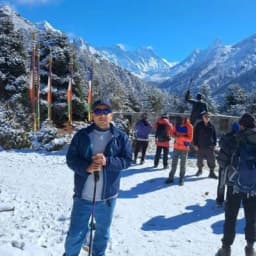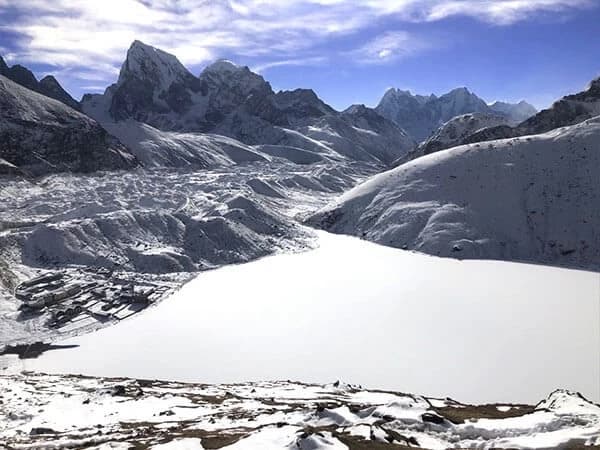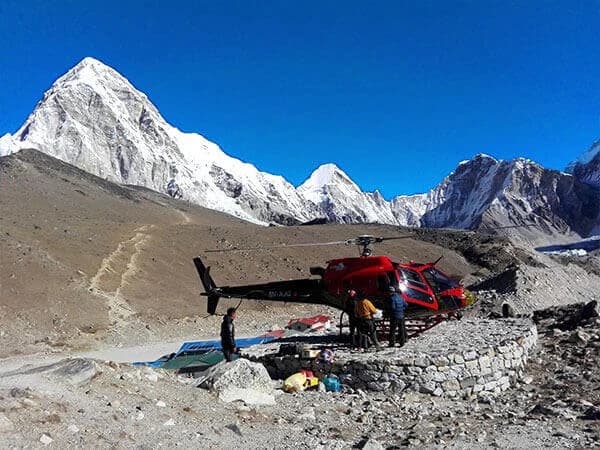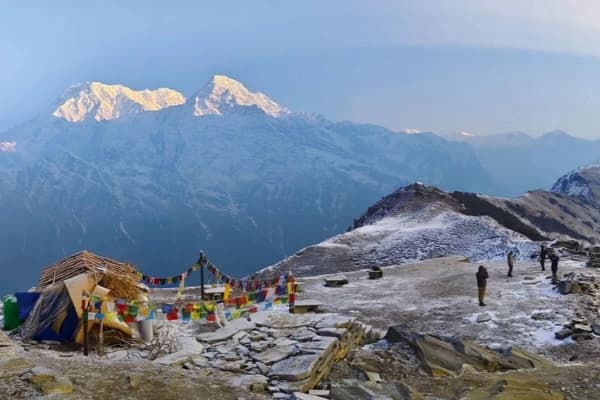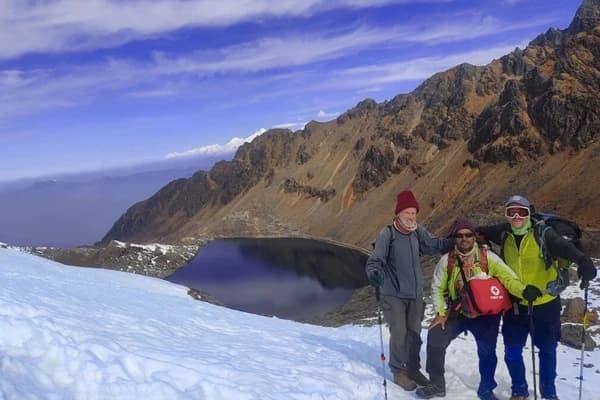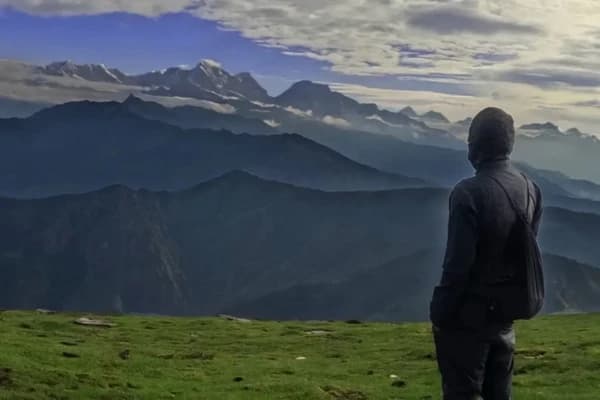
Everyone's seen the photos. That tiny figure stands on a rocky ledge, with mountains everywhere and golden light. Looks peaceful. Almost easy. But honestly, the Everest Base Camp trek reality is nothing like the Instagram version, and most travel blogs won't tell you that.
This isn't a casual weekend hike. It's a high-altitude expedition where slow wins, mental grit matters more than gym fitness, and the logistics can break you before the altitude does. So here are the real things nobody tells you about Everest Base Camp before you book.
Things to Know Before You Trek Everest Base Camp
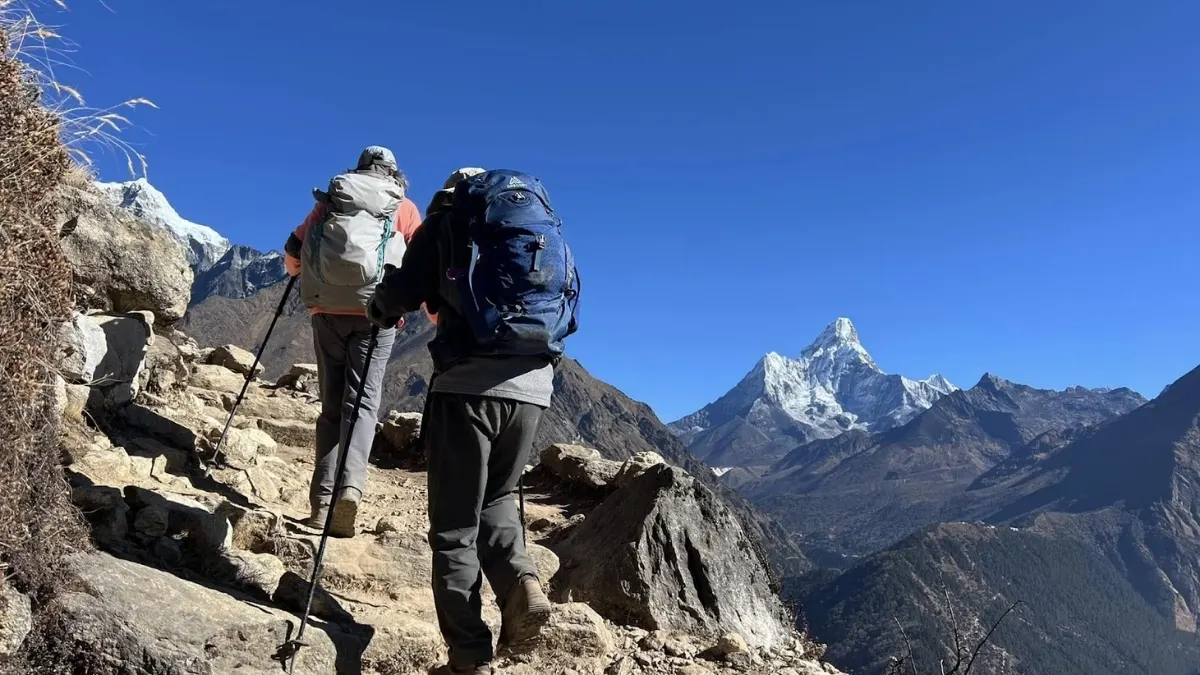 The standard trek takes 12 to 14 days. That sounds manageable. But what nobody mentions is the mental weight of waking up freezing every single morning, in a basic room with no hot shower, knowing you have another 6 to 7 hours of walking ahead.
The weather flips fast. Warm and sunny at 10 AM. Cold, windy, and miserable by 2 PM. The altitude is always there, pressing on you, even on rest days. So the real prep isn't just fitness, it's pacing, layering smart, staying mentally elastic, and building in buffer days for delays.
4 things to sort before you go:
- Pacing slow: Slow movement is the whole strategy to combat extreme altitude.
- Gear layering: Bring the right warm, moisture-wicking clothes, not just thick sweaters.
- Mental elasticity: Expect challenging days to happen, and remain adaptable when they do.
- Buffer days: Keep 2 to 3 extra days in your schedule, especially around the Lukla flight route.
Planning your first Himalayan trek? Explore the Everest trek with experienced local guides from Nepal Gateway Trekking and prepare for the trail the smart way.
Why You Need More Mental Strength Than Physical on the Everest Base Camp Trek?
Here's what makes the Everest Base Camp trek hard. Not the hills. It is the relentless grind of it.
You're up at 5 AM in a freezing plywood room. Your throat is dry from the high-altitude air. Someone in your group is in a foul mood. Your legs ache. And you still have 5 hours to walk. That's the real battle.
At high altitudes, your heart and lungs work twice as hard just sitting still. Resting feels like moderate exercise back home. So how challenging is the Everest Base Camp trek? It's not technical. There's no rock climbing.
But the psychological weight of day after cold day, that's what separates people who finish from people who turn back.
You might Like To Read: Guide To Mount Everest Base Camp Trek - A Complete Travel Tips
Top 9 Facts You Need to Know Before Trekking Everest Base Camp
Most blogs cover the basics. What to pack, which route to take, and how many days. But there are important facts about the Everest Base Camp trek that no one shares, and they will change how you prepare and what to expect. Here are the nine that count.
1. You Cannot Actually See Mount Everest From Everest Base Camp
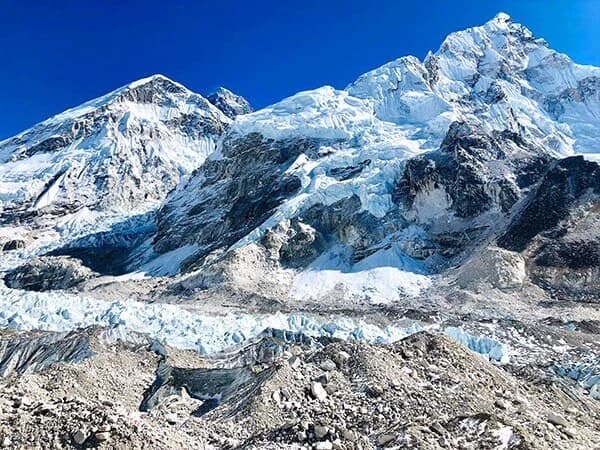
Mount Everest is the big one. You trek for two weeks to reach Everest Base Camp, but you cannot see Everest's summit. Nuptse's shoulder at 7,861 m (25,791 ft) sits right in the way. The real viewpoint is Kala Patthar at 5,545 m (18,192 ft), a side climb on the way back.
That's where you get the full, iconic panorama. Hidden facts about the Everest Base Camp trek don't get bigger than this.
|
Trek/Factor |
Everest Base Camp |
Kala Patthar |
|
Altitude |
5,364 m (17,598 ft) |
5,545 m (18,192 ft) |
|
View of Everest Summit |
Blocked by Nuptse |
Clear panoramic view |
|
What you see |
Khumbu Icefall, glacier, tents |
Everest, Lhotse, Nuptse, full range |
2. Altitude Sickness Can Hit Anyone Regardless of Fitness
Doesn't matter if you run marathons. AMS, acute mountain sickness, doesn't care. Fit athletes are often more at risk because they push too fast and their bodies can't keep up with the oxygen adaptation.
Altitude Sickness Symptoms to watch for include a throbbing headache, lack of appetite, and difficulty sleeping. If it turns severe, descend immediately. That's the only real fix. At Everest Base Camp, trek altitude sickness is the most common reason treks get cut short, and it can hit on day 2 or day 10.
Warning signs act on these:
- Headache that won't shift with water or rest
- Nausea or vomiting
- Confusion or loss of coordination
- Can't sleep despite exhaustion
3. The Secret Weapon Is Bistare Bistare Slowly, Slowly
Sherpa guides say it constantly. Bistare bistare. Slowly, slowly. Keep your heart rate under 120 bpm. Stop if you're breathing hard. Let your body adapt. It feels almost embarrassingly slow. But it's the single most effective thing you can do against Everest Base Camp trek altitude sickness. The people who rush are the ones who don't make it.
4. There Is an Irish Pub in the Himalayas
At 3,445 m (11,302 ft) in Namche Bazaar, there's a proper Irish pub. Pool table. Live acoustic music. Trekkers from all over the world gather here after a tough day on the trail. It's one of those genuinely surprising hidden facts about the Everest Base Camp trek, the kind that makes you laugh out loud the first time you walk through the door.
5. A 700-Year-Old Monastery Holds a Yeti Scalp
In Khumjung Village, there's a monastery that keeps what locals revere as a real yeti scalp. Sir Edmund Hillary actually brought it to global attention in 1960. Believe it or not, it's one of the most remarkable things nobody tells you about Everest Base Camp. Worth the short detour.
6. There Are Actually Two Everest Base Camps
Most people don't know these facts. There's a South Base Camp in Nepal, the one trekkers go to, with its glacial moraines and spring tent city. Then there's a North Base Camp in Tibet, on the other side of the mountain. You can actually drive to the North one on a paved road.
But it's heavily restricted, requires Chinese military permits, and is hit with brutal, dry northern winds. Two very different experiences. One mountain.
7. Lukla Is One of the Most Stressful Legs of the Entire Trek
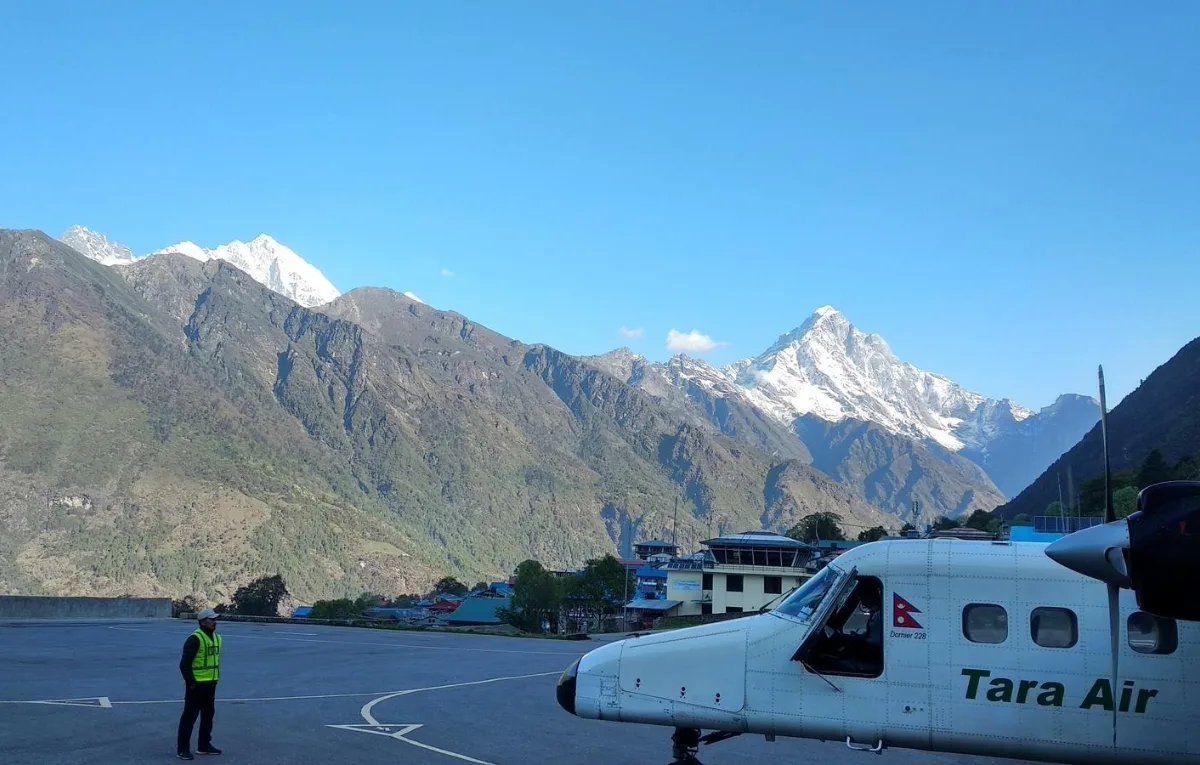
Tenzing-Hillary Airport in Lukla has a 527 m (1,729 ft) runway built on an angled cliffside. Flights only operate in clear visual conditions. Clouds roll in fast. Delays happen constantly.
What most blogs skip: the Ramechhap pivot. During spring and autumn peak seasons, flights depart from Manthali Airport in Ramechhap, a 4- to 5-hour drive from Kathmandu. That means a 2 AM departure from the city. Lukla flight delays from Ramechhap can cascade for days. What to know before the Everest Base Camp trek book 2 to 3 buffer days on both ends of your trip. Non-negotiable.
Lukla logistics timeline:
- Peak season: Flights depart from Ramechhap (Manthali Airport) instead of Kathmandu.
- Drive time: 4–5 hours from Kathmandu to Ramechhap.
- Required departure: Around 2 AM from Kathmandu.
- Flight window: Morning hours only, relying completely on clear visual conditions.
- Delay risk: High. Budget a minimum of 2–3 buffer days.
Worried about Lukla flight delays and changing mountain weather? Let Nepal Gateway Trekking handle the logistics, buffer days, permits, and backup planning so you can trek with confidence.
8. The “Nepali Flat” Is a Lie
Locals will tell you a section is "flat" with a completely straight face. What they mean is that it goes a little bit up and a little bit down. There is almost no genuinely flat ground on this whole trek. You drop hundreds of meters into river gorges and then climb straight back out. Over and over.
The return journey is especially brutal three days of steep rocky descent that absolutely destroy your knees and quads. Trekking poles aren't optional. Bring them.
9. Tea Houses Are Far More Basic Than You Expect
Unheated rooms. Plywood walls. Communal squat toilets that freeze overnight. A hot shower is a treat, not a right. Charging your phone costs extra and gets more expensive the higher you go.
Sleeping at altitude comes with its surprises. The bone-dry air causes the Khumbu Cough: a persistent dry hack that almost everyone gets.
Low oxygen can trigger central sleep apnea, where you wake up gasping for air in the night. It sounds alarming. It is alarming the first time. But it's normal. What to know before the Everest Base Camp trek: budget for the extras, and bring earplugs and lip balm.
Planning your first Himalayan trek? Explore the Everest region with experienced local guides from Nepal Gateway Trekking and prepare for the trail the smart way.
Beyond Logistics: 10 Surprising Realities of Mount Everest and the EBC Trail
There are facts no one tells you about the Everest Base Camp trek that go beyond logistics. These are the ones worth knowing, the kind you'll be repeating to people at home for years.
1. Everest Is Still Growing 4 mm Every Year
The Indian and Eurasian tectonic plates are still colliding. The mountain grows roughly 4 mm every year. It's been doing this work for millions of years, and it's not stopping.
2. The Mountain Has Two Names and Neither Is Everest
Before Western cartographers renamed it, the mountain was Sagarmatha, Goddess of the Sky, in Nepal, and Chomolungma, Mother Goddess of the World, in Tibet. Both names are older and honestly more fitting. Things nobody tells you about Everest Base Camp often start with the name itself.
3. Yaks Have Permanent Right of Way on the Trail
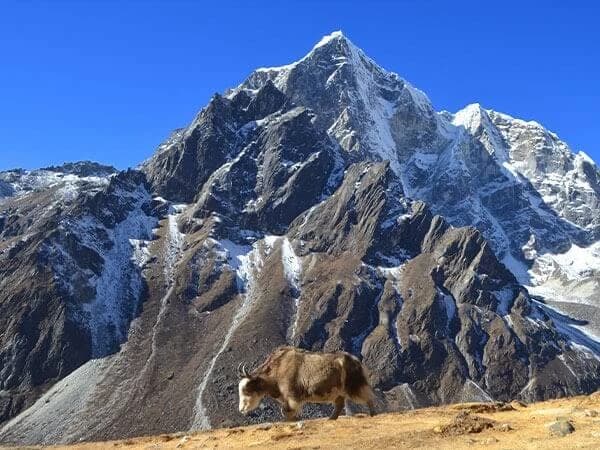
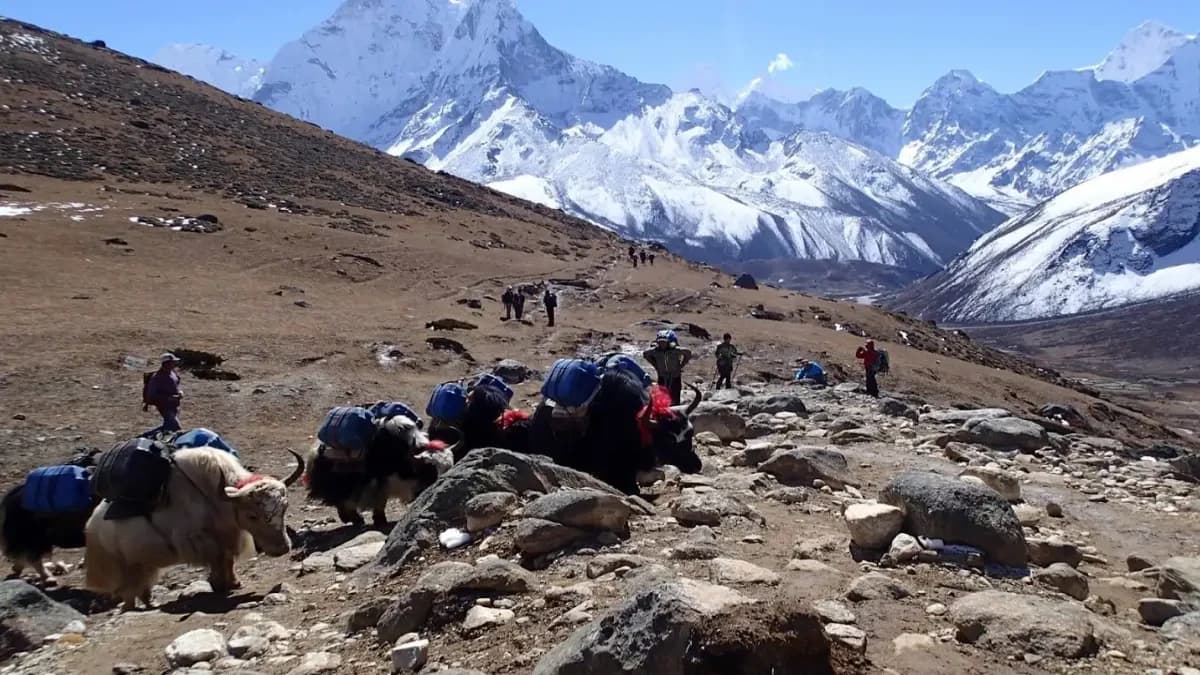
Not a joke. Yaks can't stop quickly on steep ground. When a caravan comes, step to the wall side, never the cliff side. Every time. This is what you need to know before the Everest Base Camp trek if you want to stay on the mountain.
4. Base Camp Transforms Into a 1,500-Tent City Each Spring
In April and May, that barren glacier becomes a sprawling city of over 1,500 tents. Communication hubs, full kitchens, and medical clinics pop up. The Everest Base Camp trek reality features a temporary city at 5,364 m (17,598 ft) that disappears completely by June.
5. The TIMS Card No Longer Exists. Know the New Permits
The old TIMS card is gone. You now pay the Khumbu Pasang Lhamu Rural Municipality Permit and the Sagarmatha National Park entry fee directly on the trail. This is a critical logistics update so you are prepared at a checkpoint.
6. Meat Becomes a Food Poisoning Risk Above Namche
The upper Khumbu is a sacred Buddhist region. Animals aren't slaughtered there. So all meat gets flown to Lukla and carried up by porters for days with no refrigeration. Eating meat past Namche Bazaar is asking for serious food poisoning. One of the most genuinely dangerous things that nobody tells you about Everest Base Camp is that it can be very cold and windy, which can lead to serious health risks.
7. Garlic Soup Appears on Every Single Menu and There Is a Good Reason
Every tea house, every altitude. Garlic soup. Sherpa guides actively push it because garlic is believed to act as a natural vasodilator, warming the blood and easing early Everest Base Camp trek altitude sickness symptoms. Drink it. Every day. Hidden facts about the Everest Base Camp trek don't get more practical than this.
8. Food Gets Dramatically More Expensive the Higher You Climb
Everything above Namche arrives by porter or mule. A bottle of water at Gorak Shep can cost five times the price at Lukla. Hidden costs of the Everest Base Camp trek add up fast above 4,000 m.
|
Item |
Namche Bazaar |
Dingboche |
Gorak Shep |
|
Bottled water (1L) |
$1–2 |
$3–4 |
$5–6 |
|
Hot shower |
$3–5 |
$5–7 |
$8–10 |
|
Wi-Fi (per hour) |
$2–3 |
$4–5 |
$6–8 |
|
Device charging |
$2–3 |
$4–5 |
$5–8 |
9. Camp 4 Sits in the Death Zone at 8,000 m
Above 8,000 m (26,246 ft), the human body can't process oxygen fast enough. It literally starts dying. Camp 4 sits right at that threshold. Trekking to Base Camp and summiting Everest are entirely different undertakings, and that gap is the Everest Base Camp trek reality most people don't fully grasp.
10. The 2 PM Rule: No Exceptions and No Excuses
No matter how close a climber is to the summit, they turn around at 2 PM. Deadly storms roll in fast in the afternoon. A descent in darkness with depleted oxygen kills people. One of the most sobering truths about Everest Base Camp is the difference between trekking and actually climbing the mountain.
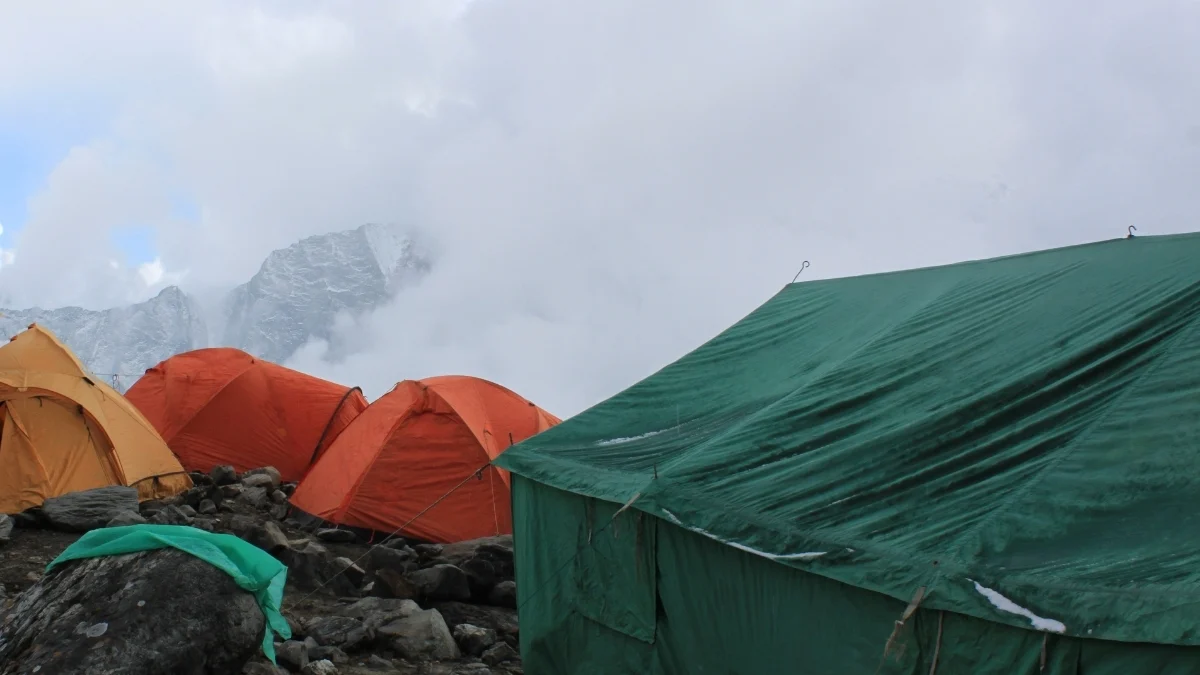
Now that you know the hidden truths behind the Everest Base Camp trek, it’s time to see the mountains for yourself. Check out Everest trekking packages from Nepal Gateway Trekking and start planning your trip today.
Plan Your Trek With Nepal Gateway Trekking's Everest Region Packages
Now that you know the real facts no one tells you about the Everest Base Camp trek, the altitude risks, the Lukla chaos, the basic teahouses, and the permit changes, you can plan smarter. Nepal Gateway Trekking builds all of these factors into every itinerary. Local certified guides. Flexible Lukla flight contingency plans. No hidden costs. Here's what's on offer.
|
Trek Package |
Duration |
Price From |
Best For |
Highlights |
|
Everest Base Camp Trek |
14 Days |
USD 1,420 |
All trekkers, solo or group |
Kala Patthar, Khumbu Icefall, Tengboche Monastery, acclimatization at Namche and Dingboche |
|
12 Days |
USD 3,220 |
Luxury and limited-time trekkers |
Full classic trek up, scenic helicopter return from Gorak Shep |
|
|
17 Days |
USD 1,640 |
Full Everest region experience |
Gokyo Lakes and Gokyo Ri panorama combined with classic EBC route |
|
|
19 Days |
USD 1,710 |
Experienced and adventurous trekkers |
Three high passes: Renjo La, Cho La, Kongma La plus EBC |
|
|
14 Days |
USD 1,390 |
Quieter trails |
Renjo La Pass, Gokyo Ri sunrise, less-crowded alternative to classic EBC |
|
|
8–9 Days |
USD 1,180 |
Beginners and short-trip travelers |
Namche Bazaar, Hotel Everest View, Tengboche: no extreme altitude |
Why book with Nepal Gateway Trekking:
- Government-certified, English-speaking guides trained in first aid and AMS prevention
- No hidden costs and lifetime deposit protection if you need to reschedule
- 24/7 support from Kathmandu local experts, not a call centre
- Flexible Lukla flight contingency plans built into every itinerary
- Free duffel bag, trek map, and oximeter on every EBC departure
Contact: +977 98510 55520 | nepalgatewaytrekking.com
Final Thoughts
The cold nights are real. The basic rooms are real. The Lukla chaos is real. The slow grinding pace, the dry cough, and the 2 AM drives to Ramechhap all real. These are the facts no one tells you about the Everest Base Camp trek because they don't fit the highlight reel.
But here's the thing. That's precisely what makes reaching the Khumbu Icefall so rewarding. You earned it. Every freezing morning, every steep drop, every bowl of garlic soup. The reality of the Everest Base Camp trek is not a flaw in the experience. It's the whole point.
Are you prepared to tackle the actual trail with complete confidence? Contact Nepal Gateway Trek today and plan a properly paced, safety-first EBC adventure with certified local Himalayan experts who know every step of this trail.
FAQs
What should I know before trekking to Everest Base Camp?
What to know before the Everest Base Camp trek: it's particularly challenging because of altitude, not technical skill. Expect cold nights, basic tea houses, long walking days, and possible Lukla flight delays. Fitness helps, but pacing and preparation matter more.
Can beginners do the Everest Base Camp trek?
Yes. Totally doable with proper acclimatization days and a slow pace. Mental preparation honestly matters as much as physical. The reality of the Everest Base Camp trek is that determination beats raw fitness.
Can you actually see Mount Everest from Everest Base Camp?
Not clearly. Nuptse blocks the summit from base camp. Kala Patthar is where you get the real panoramic view. This is one of the most surprising hidden facts about the Everest Base Camp trek, something nobody tells you until you're already there.
How difficult is the Everest Base Camp trek?
The trek is rated moderate. The altitude and reduced oxygen are the challenge, not steep technical climbing. Most healthy people can do it with proper preparation.
How common is altitude sickness on the EBC trek?
Very common above 3,000 m. Everest Base Camp trek altitude sickness can hit anyone regardless of age or fitness level. The key is recognizing symptoms early and never pushing through them.
Why are Lukla flights so often delayed?
Lukla flight delays happen because the airport operates entirely on visual flying conditions. Mountain weather shifts fast. During peak season, flights run from Ramechhap instead of Kathmandu, adding a 4- to 5-hour drive into the equation. Always budget buffer days.
What are the hidden costs of the Everest Base Camp trek?
The hidden costs of the Everest Base Camp trek include charging electronics, hot showers, Wi-Fi cards, bottled water, snacks, and guide and porter tips. These add up significantly above Namche, often hundreds of dollars over the full trek.
Is Everest Base Camp cold at night?
It is very cold. Temperatures drop well below freezing at high-altitude stops like Gorak Shep. Everest Base Camp trek reality means sleeping in a bag rated to at least -15°C. This information is core to what one should know before the Everest Base Camp trek.
What is the 2 PM rule on Everest?
A mountaineering safety rule: turn back by 2 PM, no matter how close you are to the summit. Afternoon storms and darkness on descent kill people. One of the most important things nobody tells you about Everest Base Camp when comparing trekking to actually climbing it.
Is Camp 4 really in the Death Zone?
Yes. Camp 4 sits above 8,000 m, where oxygen levels are critically low and the human body can't survive long-term. It's a key hidden fact about the Everest Base Camp trek, a reminder that trekking to Base Camp and summiting Everest are entirely different undertakings.