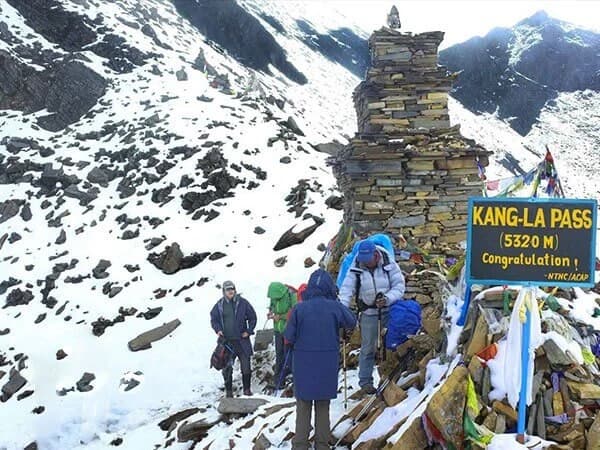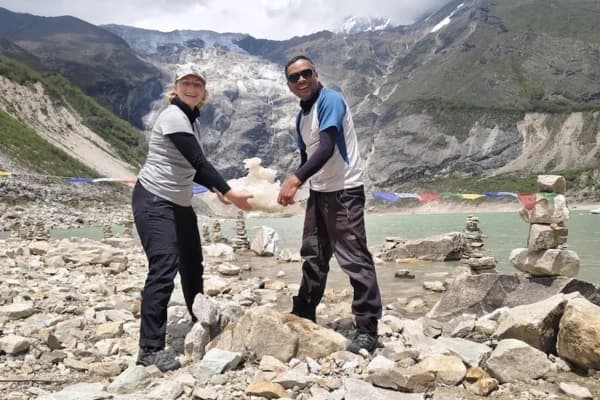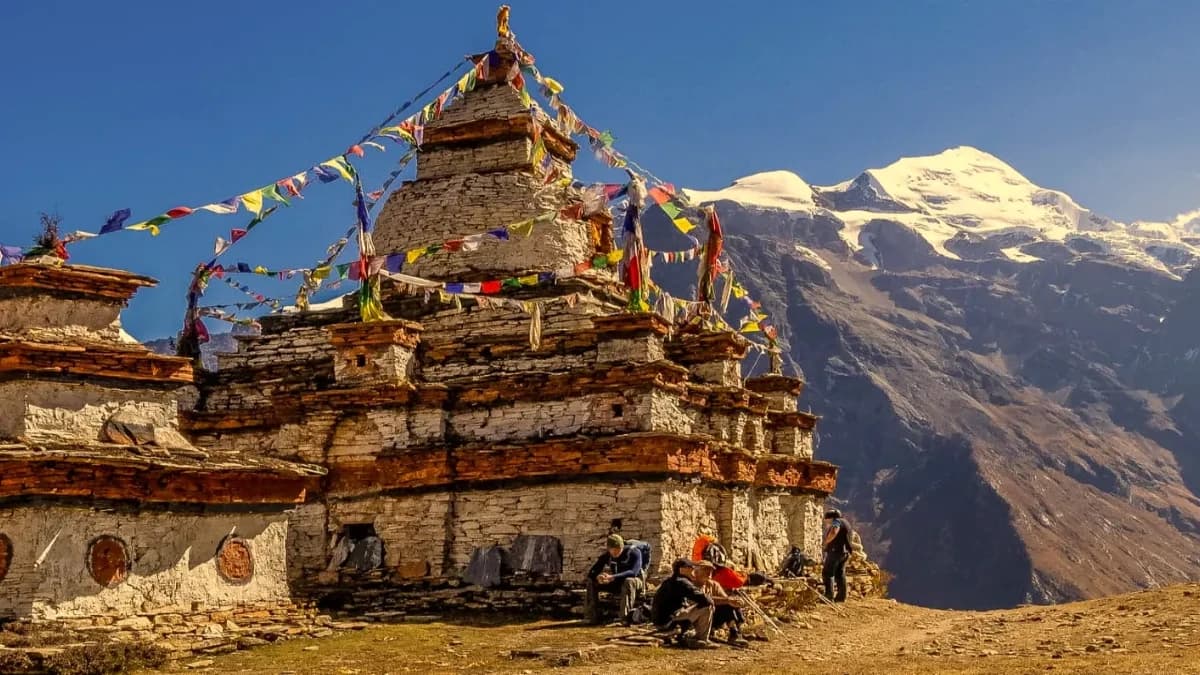
Nar Phu Valley is one of Nepal’s most remote trekking routes, and timing here is not optional: it is essential. When this isolated valley connects with the Annapurna Circuit, poor timing can increase risk, cause delays, and reduce comfort, especially near the high and exposed Kang La Pass. Spring and autumn are considered the best times for the Nar Phu Valley Trek.
The trail passes through Nar Village and Phu Village, where stone houses, monasteries, and traditional mountain life remain largely unchanged. From these villages, the route climbs toward Kang La Pass before joining the Annapurna Circuit inside the Annapurna Conservation Area.
Because this trek combines a restricted valley with a classic circuit route, weather affects more than scenery. It directly influences safety, accommodation availability, and pass access. This is why choosing the best time for the Nar Phu Valley Trek with the Annapurna Circuit is critical.
This blog explains the best time for Nar Phu Valley with Annapurna Circuit clearly, helping you choose the right months, plan around weather and trail conditions, and enjoy a safe and rewarding Himalayan trekking experience.
Not sure whether spring or autumn suits your travel dates and fitness level? Nepal Gateway Trekking can help you choose the right trekking season by matching weather, trail conditions, and crowd levels to your plan.
Seasonal Overview of Nar Phu Valley Trek
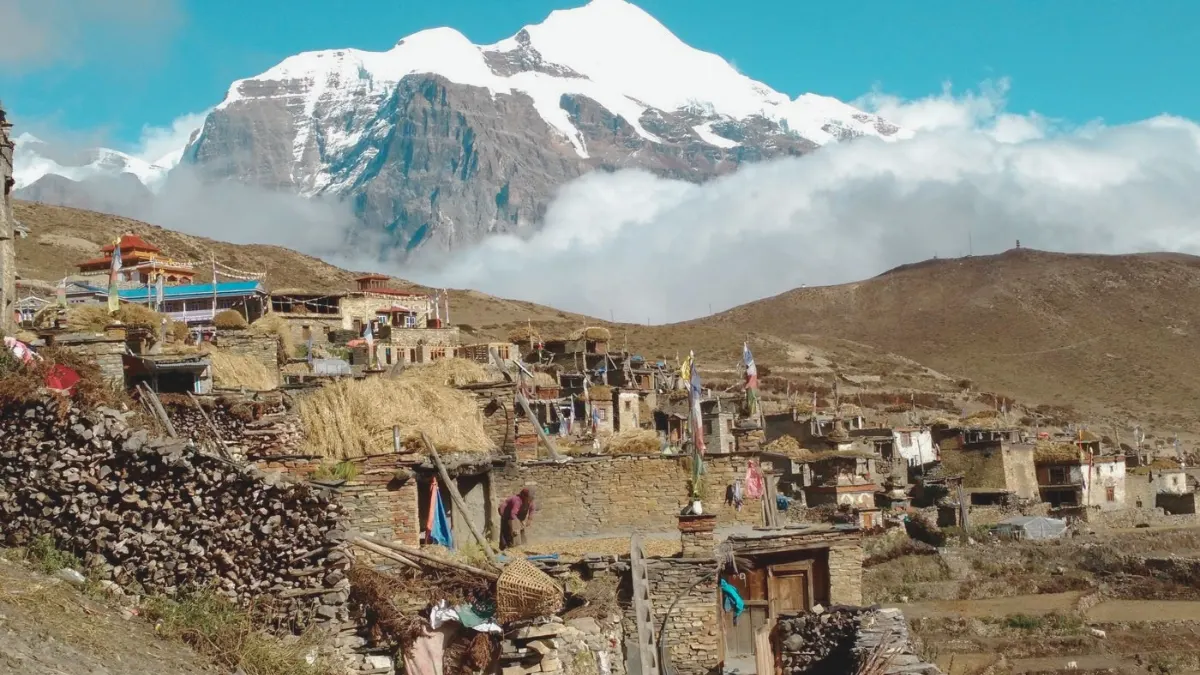
The Nar Phu Valley trekking with Annapurna Circuit directly shapes your safety, comfort, and overall experience. This trek moves through Nar Village and Phu Village, crosses the high and weather-sensitive Kang La Pass, and then links with the Annapurna Circuit inside the Annapurna Conservation Area.
Because of this mix of altitude, remoteness, and pass conditions, choosing the best time for Nar Phu Valley Trek with Annapurna Circuit is critical.
Spring (March–May)
- Temperature: 8°C–15°C in the day; cold nights at higher camps
- Visibility: Mostly clear mornings with improving views
- Trail conditions: Dry trails; some snow near Kang La Pass early season
- Pros: Stable weather, safer pass crossing, fewer trekkers
- Cons: Cold nights, lingering snow in early March
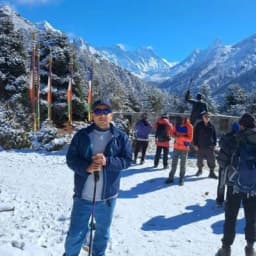
Spring trekking in Annapurna Circuit and Nar Phu Valley is one of the most balanced choices. As winter ends, trails reopen, villages become active, and weather settles gradually. By April, Kang La Pass is usually safer, which is why spring is counted among the best months to trek Nar Phu. This season also fits perfectly with the Annapurna Circuit, offering steady conditions without peak-season crowds.
For a better understanding of weather, altitude, and trail conditions, take a moment to explore our why choose Annapurna Circuit Trek from Nepal Gateway Trekking.
Summer/Monsoon (June–August)
- Temperature: 12°C–18°C; warm and humid at lower elevations
- Visibility: Cloudy skies with limited mountain views
- Trail conditions: Slippery trails; landslide risk on access roads
- Pros: Quiet trails, lush landscapes
- Cons: Safety risks, poor visibility, travel delays
Monsoon trekking Nar Phu Valley is difficult and unpredictable. While parts of the valley lie in a rain-shadow zone, heavy rainfall still affects trail safety and road access. Clouds often block views, and landslides can interrupt travel. When combined with the summer trekking Annapurna Circuit, these risks increase, making this season unsuitable for most trekkers.
Autumn (September – November)
- Temperature: 10°C–16°C during the day; cold nights
- Visibility: Very clear skies with excellent mountain views
- Trail conditions: Dry, stable trails and reliable pass crossings
- Pros: Best visibility, safest conditions, smooth logistics
- Cons: Crowds on Annapurna Circuit, advance booking needed
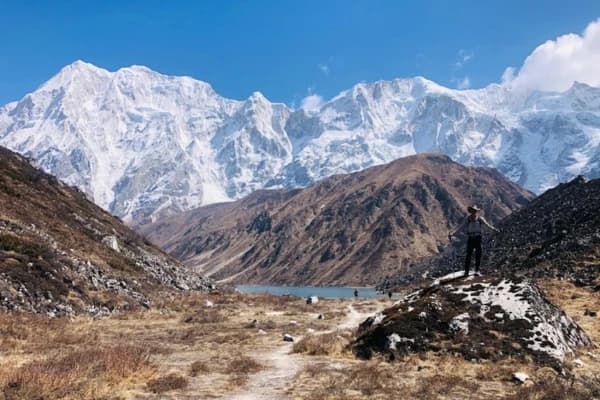
Autumn trekking in Nar Phu Valley offers the most dependable conditions of the year. After the monsoon clears, trails dry out, skies turn sharp, and visibility reaches its peak. Kang La Pass is usually in good shape, and lodges operate fully. Although this is also the peak season for trekking Annapurna Circuit, Nar Phu Valley remains quieter, making autumn the strongest Nar Phu Valley trekking season overall.
Since Kang La Pass connects with the Annapurna Circuit, knowing the November conditions can help your planning. Read our blog on Annapurna Circuit Trek in November for more information before finalising your itinerary.
Winter (December–February)
- Temperature: 0°C–8°C in the day; nights below -10°C
- Visibility: Clear on calm days; short daylight hours
- Trail conditions: Snow-covered trails; frequent pass closures
- Pros: Solitude, dramatic winter scenery
- Cons: Extreme cold, blocked passes, limited accommodation
Winter trekking Nepal is demanding in Nar Phu Valley. Heavy snowfall often blocks Kang La Pass, and many lodges in Nar and Phu villages close for the season. While clear skies can bring striking winter views, extreme cold and limited support increase risk.
A Nar Phu Valley winter trek suits only experienced trekkers with proper winter gear and flexible plans. If you want to go Annapurna Circuit but have limited time, you can explore our short Annapurna Circuit Trek Package suitable for your time.
Nar Phu Valley Trekking Season Comparison
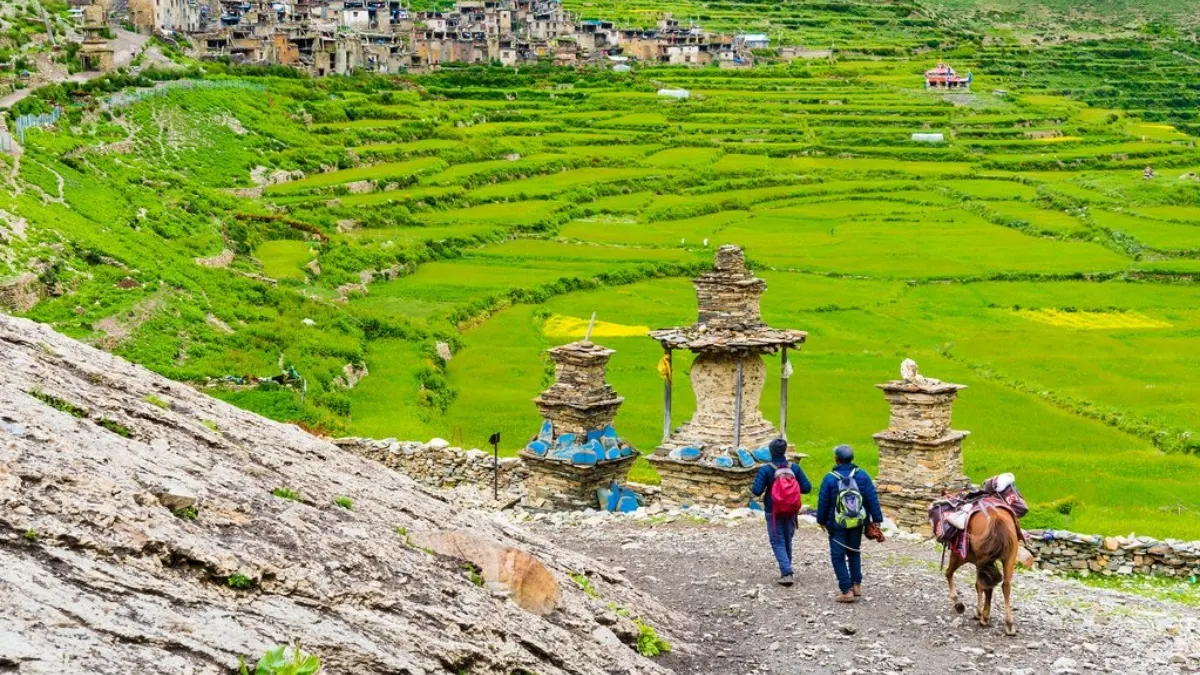
The table shows the comparison between each season based on temperatures, trail conditions, visibility, and level of crowds.
|
Season |
Months |
Weather/Temperature |
Trail Conditions |
Mountain Views / Visibility |
Crowd Level |
|
Spring |
March–May |
Mild days (8°C–15°C), cold nights |
Mostly dry trails, light snow early near Kang La Pass |
Good and improving from April |
Moderate |
|
Summer/Monsoon |
June–August |
Warm (12°C–18°C), humid, frequent rain |
Slippery trails, landslide risk on access routes |
Poor due to clouds |
Very Low |
|
Autumn |
September–November |
Cool and dry (10°C–16°C) |
Dry, stable trails, safest season |
Excellent, clearest views |
High (Annapurna Circuit) |
|
Winter |
December–February |
Very cold (0°C–8°C), freezing nights |
Snow-covered trails, frequent pass closures |
Clear on calm days, harsh conditions |
Very Low |
One wrong timing can turn a dream trek into a struggle. Contact Nepal Gateway Trekking to choose the best time for the Nar Phu Valley Trek with Annapurna Circuit, i.e., safe, smooth, and well-planned.
So, when is the best time for Nar Phu Valley Trek?
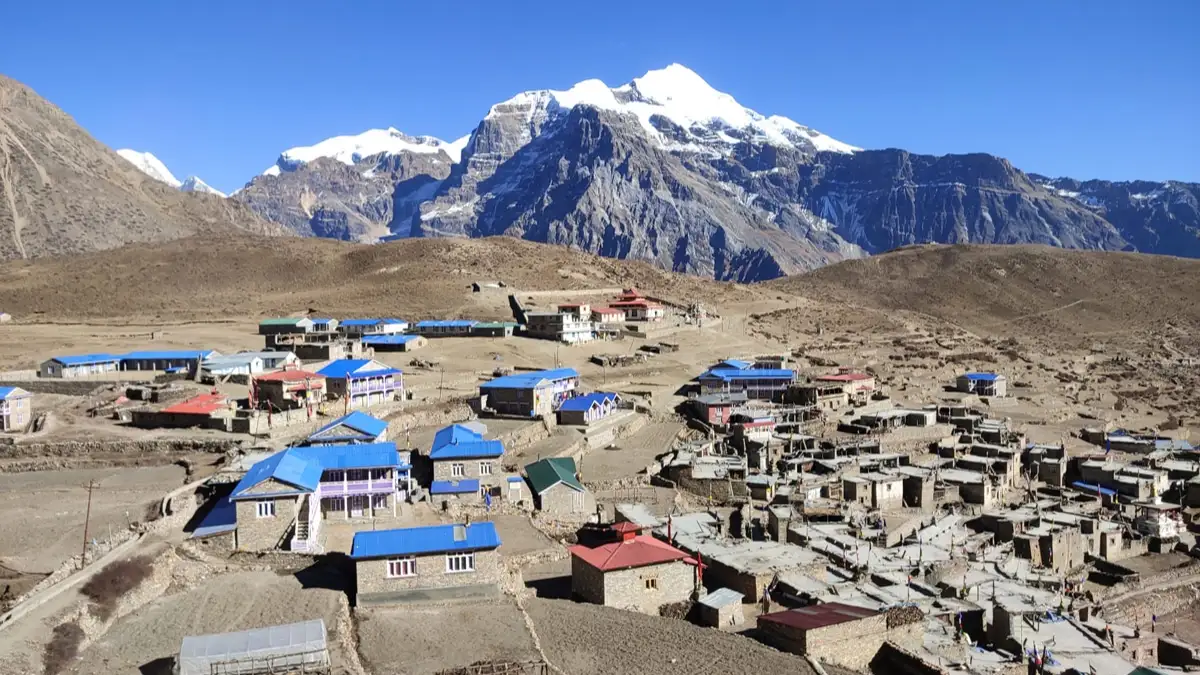
The best time for Nar Phu Valley Trek with Annapurna Circuit is spring (March to May) and autumn (September to November). These two seasons provide the most reliable weather, safer trail conditions, and clear mountain views.
If you want the best time for Nar Phu Valley Trek with Annapurna Circuit, aim for April in spring or October in autumn. During this Nar Phu Valley trekking season, trails stay dry, Kang La Pass is more likely to remain open, and accommodation in Nar and Phu villages runs smoothly. Visibility is also at its best, which makes long walking days safer and more enjoyable.
Spring is a good choice for trekkers who prefer fewer crowds and milder conditions. Autumn, on the other hand, suits those who want the clearest skies and the most stable trekking days. Both seasons work well for the combined route, making them the safest trekking season for linking Nar Phu Valley with the Annapurna Circuit.
If you would like to know more about the best time for the Annapurna Circuit Trek, our Nepal Gateway Trekking's team explains it in detail. You can download Nar Phu Valley Trek map to make journey easy.
Which Season Is Not Recommended for Nar Phu Valley Trek?
The worst time to trek Nar Phu Valley is the monsoon season (June to August). Heavy rainfall during this period makes trails slippery, increases landslide risk, and often disrupts road access to the trailhead. These monsoon trekking Nepal risks reduce visibility and raise safety concerns, especially on remote sections of the route.
Winter (December to February) is also not recommended for beginners. Extreme cold, heavy snowfall, and frequent closure of Kang La Pass make trekking difficult and risky. Many lodges close, and emergency support becomes limited. While experienced trekkers with proper winter gear may attempt it, winter conditions are unsuitable for most trekkers.
To avoid unnecessary risk and enjoy the trek fully, it is best to plan your journey during the recommended best time for Nar Phu Valley Trek with Annapurna Circuit and avoid monsoon and deep winter months.
For general travel advice, permits, and tourism updates, the Nepal Tourism Board provides reliable information.
Final Thoughts
Choosing the right season is the key to a safe and rewarding journey. The best time for Nar Phu Valley Trek with Annapurna Circuit is spring (March to May) and autumn (September to November). During these months, weather conditions are more stable, trails remain safer, and mountain views are clear. This makes it the most dependable Nar Phu Valley trekking season for most trekkers.
Before finalizing your plan, consider three things carefully: weather, trail conditions, and crowd levels. Spring suits trekkers who prefer quieter trails and mild temperatures. Autumn works best if you want the clearest skies and the most consistent trekking days. These are widely considered the best time for Nar Phu Valley Trek with Annapurna Circuit as they reduce risk and improve overall comfort.
When you trek at the right time, combining Nar Phu Valley with the Annapurna Circuit becomes a complete Himalayan experience. You enjoy remote villages, high mountain passes, and classic Himalayan scenery in one journey. Plan your trek around the best time for Nar Phu Valley Trek with Annapurna Circuit, and you will experience Nar Phu Valley at its best.
Get in touch with Nepal Gateway Trekking and plan your Nar Phu Valley–Annapurna Circuit trek with trusted local experts
FAQ
When is the best month to trek Nar Phu Valley?
The best months to trek Nar Phu Valley are April and October. This falls during the safest Nar Phu Valley trekking season, with stable weather, clear views, and a safer crossing of Kang La Pass.
Can I trek Nar Phu Valley during monsoon season?
It is possible, but the Nar Phu Valley is not recommended during monsoon season. Heavy rain, slippery trails, and landslide risks are common during monsoon season in Nepal, especially when combined with the Annapurna Circuit.
What permits do I need for Nar Phu Valley trek?
You need a Restricted Area Permit (RAP), an Annapurna Conservation Area Permit (ACAP), and a licensed guide. These are mandatory for this trek.
How do seasons affect trail difficulty and accommodation?
Spring and autumn offer stable trails and open teahouses. Monsoon increases trail difficulty, while winter snow often blocks Kang La Pass and limits accommodation in Nar and Phu villages.
Is winter trekking in Nar Phu Valley recommended for beginners?
No. A Nar Phu Valley winter trek involves extreme cold and snow, making winter trekking in Nepal unsuitable for beginners.