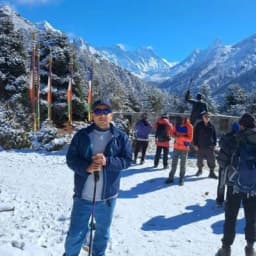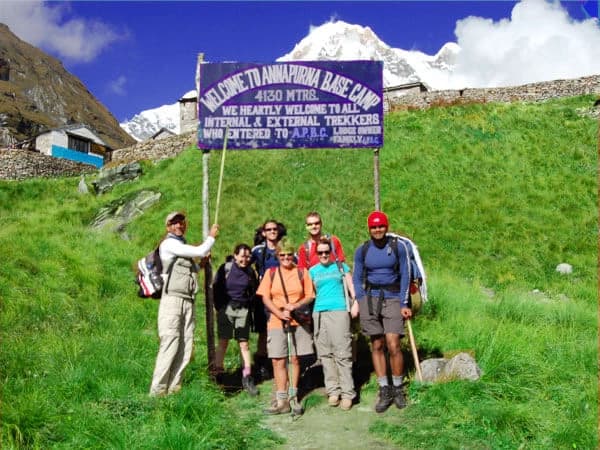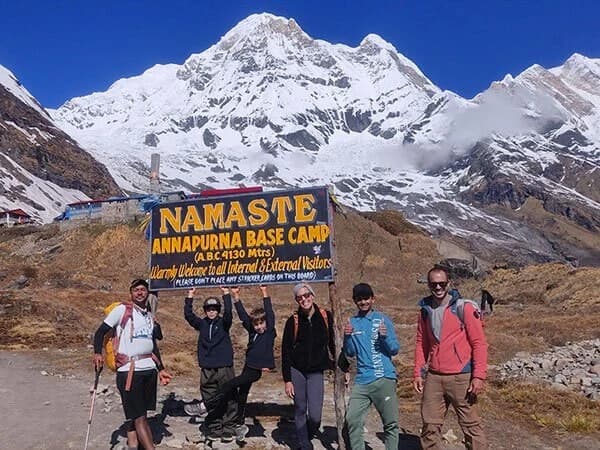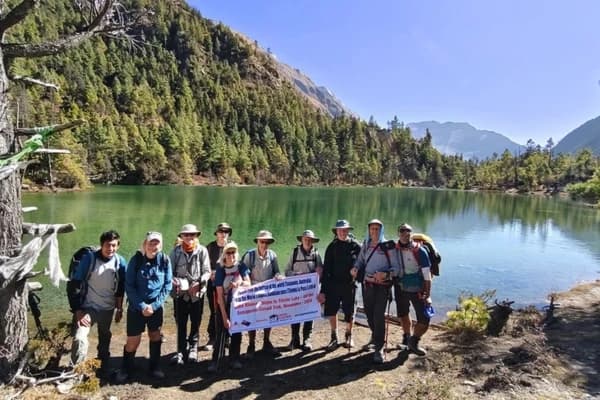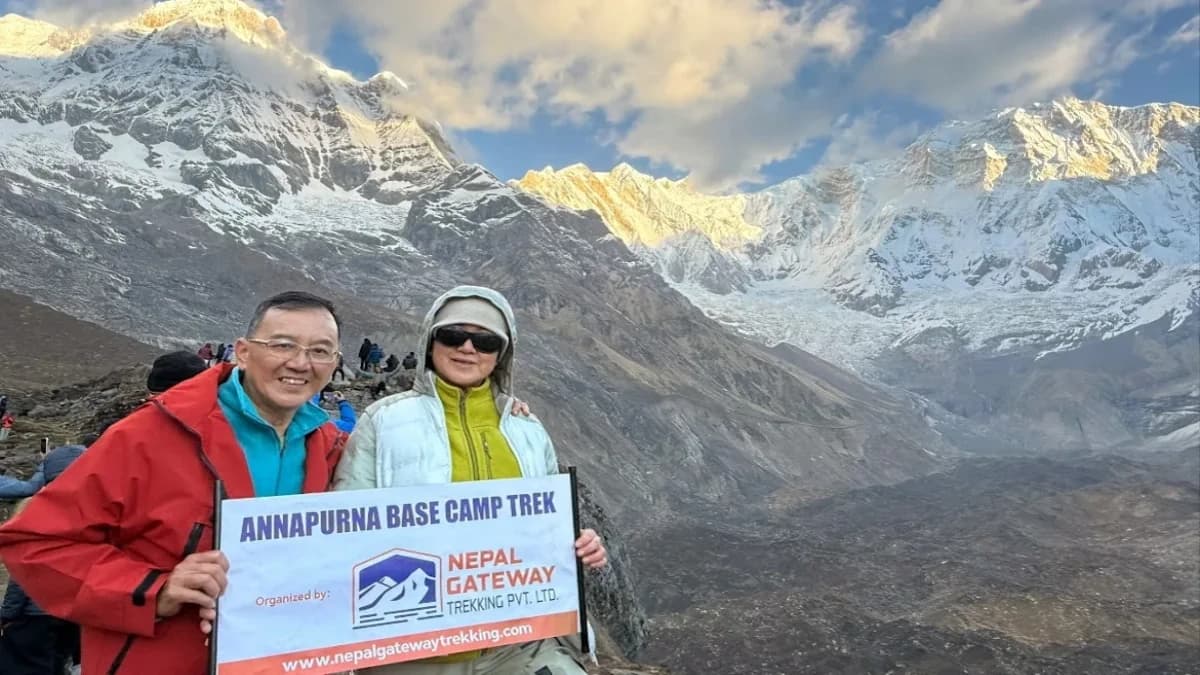
The Annapurna Base Camp Trek in autumn is widely considered the best time to experience one of Nepal's most iconic Himalayan adventures. From September to November, trekkers enjoy stable weather, clear mountain views, comfortable daytime temperatures, and dry trails, making autumn the peak trekking season in the Annapurna region.
The journey begins with a scenic drive from Pokhara to Jhinu Danda before following well-established trails through traditional Gurung villages, terraced farmlands, lush rhododendron forests, and the heart of the Annapurna Sanctuary. Along the way, you'll pass popular stops such as Chhomrong, Bamboo, Deurali, and Machhapuchhre Base Camp before reaching Annapurna Base Camp (4,130 m / 13,550 ft), surrounded by towering peaks including Annapurna I, Machhapuchhre, Annapurna South, and Hiunchuli.
Autumn offers the perfect balance of pleasant trekking conditions and spectacular Himalayan scenery. The trail is generally dry, visibility is excellent, and comfortable teahouses remain fully operational throughout the season. Most trekkers complete the approximately 64 km (40-mile) route in 9 to 11 days, walking around 10 to 13 km (6 to 8 miles) each day.
In this guide, you'll learn why autumn is the best time for the Annapurna Base Camp Trek, what weather and trail conditions to expect in September, October, and November, how each month differs, and practical tips to help you plan a safe and memorable trek.
Quick Answer
October is universally considered the best month for the Annapurna Base Camp Trek in autumn, offering flawless blue skies, bone-dry trails, stable weather, and peak mountain visibility. While September features lush post-monsoon greenery and November provides crisp, uncrowded trails with colder alpine nights, October delivers the ultimate combination of perfect trekking weather and vibrant festival culture.
Highlights of the Annapurna Base Camp Trek in Autumn
- Crystal-Clear Skies & Big Peaks treat you to jaw-dropping 360-degree views of heavyweights like Annapurna I and Machhapuchhre after the summer haze clears out.
- Safe, Dry Footing replaces the monsoon mud with stable trails, making every step up the valley infinitely more comfortable.
- Vibrant Post-Monsoon Scenery paints the valleys in brilliant shades of green through rivers and waterfalls bursting with life.
- Front-Row Cultural Celebrations let you experience Nepal's biggest festivals, Dashain and Tihar, right inside the mountain villages alongside the locals.
- Fully Stocked Teahouses keep every single lodge along the route wide open to welcome you in with a hot meal and a warm place to rest.
- Easy Side Adventures make it a breeze to tack on awesome detours like catching the sunrise at Poon Hill or soaking sore muscles in the Jhinu Danda hot springs.
Why Is Autumn the Best Time for the Annapurna Base Camp Trek?
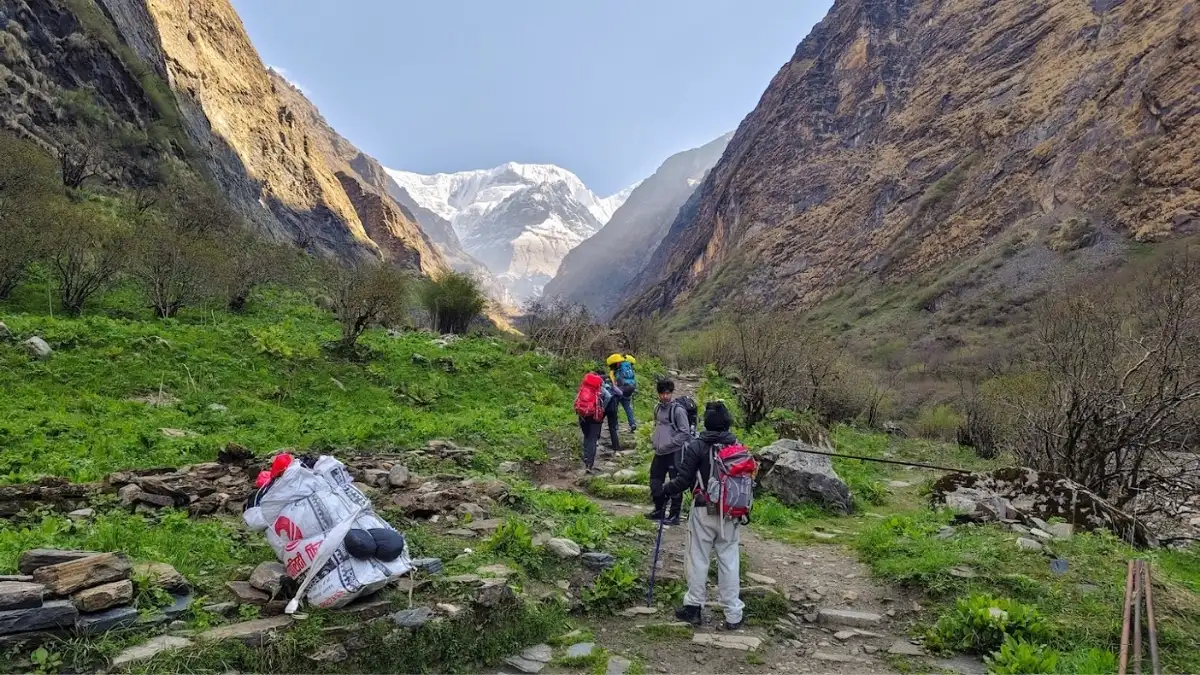
Ask any experienced guide or seasoned trekker, and they will tell you: autumn is the best time for the Annapurna Base Camp Trek. Once the heavy monsoon rains finally wash away around September, the skies open up and stay remarkably clear all the way through November. This is when you get those crisp, picture-perfect views of Annapurna I, Machhapuchhre, Hiunchuli, Annapurna South, Gangapurna, and Dhaulagiri without clouds getting in the way.
What makes this season genuinely practical, and so popular, is how comfortable it feels on the ground. You get warm sunshine for walking during the day and cool, refreshing air at night. Because the trails dry out completely, you won't have to deal with the slippery mud or leeches that plague the summer months, nor the brutal sub-zero freezing tracks of mid-winter.
The walk itself takes you right through the heart of the region. Starting from lower spots and heading up through Jhino Danda, Chhomrong, Bamboo, Deurali, and Machhapuchhre Base Camp, the scenery is bursting with green forests and roaring waterfalls left over from the monsoon. When you finally pop out at Annapurna Base Camp (4,130 m / 13,500 ft), you are standing inside a massive, 360-degree bowl of white peaks.
On top of the great weather, autumn lines up with Nepal's biggest cultural celebrations, Dashain and Tihar. Walking through local villages during this time gives you a real feel for local life and traditions. Plus, every single teahouse along the path is open, fully stocked, and ready for guests, making your day-to-day logistics seamless. Between the weather, the mountain views, and the lively atmosphere, autumn simply cannot be beaten for the ABC Trek.
Ready to experience the Annapurna Base Camp Trek in autumn? Explore our carefully planned itineraries with experienced local guides, comfortable teahouse stays, and flexible departure dates. View our Annapurna Base Camp Trek packages today.
Annapurna Base Camp Autumn Weather: Month by Month
During autumn trekking in Annapurna Base Camp, the weather changes gradually from September to November, and each month has a slightly different trekking experience. September has new post-monsoon sights, October has the best stable weather, and November has quiet trails and crisp mountain air. Here's what you'll get every month
|
Month |
Weather |
Temperature |
Trail Conditions |
Crowd Level |
Best For |
|
September |
Mild with occasional early-month showers; clearer skies from mid-month |
|
Slightly muddy early in the month, dry and greener later |
Low to Moderate |
Trekkers who enjoy lush scenery and fewer crowds |
|
October |
Stable, sunny, and dry with excellent visibility |
|
Dry, comfortable, and well-maintained |
High |
First-time trekkers, photographers, and those seeking the best overall conditions |
|
November |
Cool, dry, and crisp with excellent mountain views |
|
Dry trails with occasional frost or light snowfall at higher elevations |
Moderate |
Trekkers looking for quieter trails and crystal-clear Himalayan views |
Annapurna Base Camp Trek in September
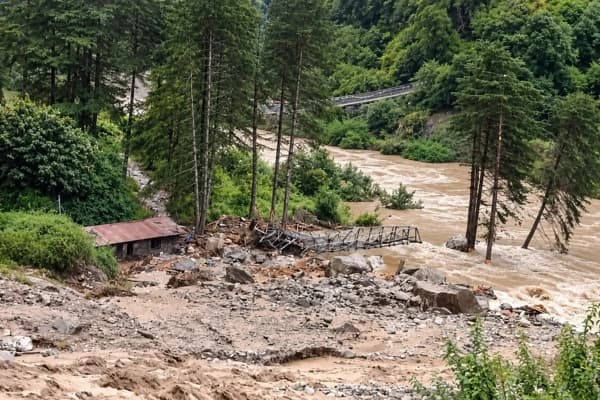
Autumn trekking starts in September. During the first half of the month, lower-altitude locations such as Jhino Danda, Chhomrong, and Bamboo may still experience occasional afternoon showers, muddy trails, and leeches. But by mid- to late September the weather is much drier, skies are clear, and the surrounding forests look lush after the monsoon.
Temperatures range from 12–24°C (54–75°F) at the lower elevations to 5–15°C (41–59°F) near Deurali during the day. Temperatures range from 2-13°C (36-55°F) at Machhapuchhre Base Camp (3,700 m) and -1°C to 12°C (30-54°F) at Annapurna Base Camp (4,130 m). Bring waterproof clothing, trekking poles, and layered clothing, especially if trekking in early September.
Annapurna Base Camp Trek in October
The best month for the Annapurna Base Camp Trek is usually considered to be October. Clear blue skies, dry trails, and comfortable temperatures make for perfect trekking conditions, with mountain views at their best. This is also the popular trekking season. So, it is highly recommended to book accommodation in advance.
Temperatures are from 10 to 25°C (50 to 77°F) at lower elevations and 2 to 12°C (36 to 54°F) around Machhapuchhre Base Camp. Nights can dip to -5°C (23°F) by late October at Annapurna Base Camp. Bring warm layers, a down jacket, a subzero sleeping bag, and sunscreen for the intense daytime sun.
Annapurna Base Camp Trek in November
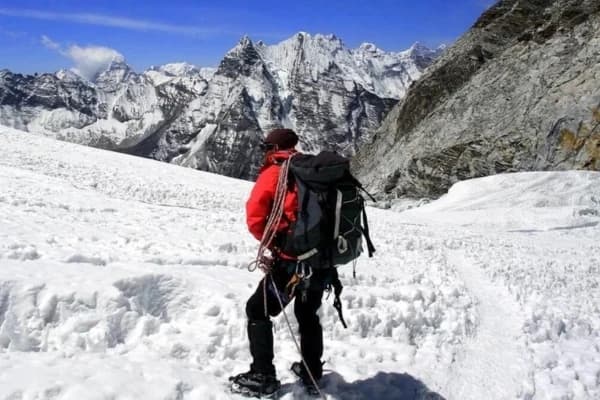
November offers stable weather, fewer crowds, and excellent visibility in the mountains. Days continue to be sunny and dry, but mornings and evenings are becoming much colder, especially above 3,000 meters. Frost is common at higher elevations, and light snowfall is possible around Deurali, Machhapuchhre Base Camp, and Annapurna Base Camp towards the end of the month.
Temperatures are typically between 10 and 20 °C (50–68 °F) at lower elevations and from about -10 °C to 5 °C (14–41 °F) at Annapurna Base Camp. A good sleeping bag and sturdy trekking boots, warm clothes, and insulated gloves are a must. While temperatures drop, November provides trekkers with peaceful trails, crisp air, colorful autumn forests, and some of the clearest Himalayan views you will find all year.
Not sure which month is right for you? Our trekking experts can help you choose the best departure date based on your schedule, weather preferences, and trekking experience.
Local Tip: October is the busiest month on the Annapurna Base Camp trekking route. If you're trekking during this period, start walking before 7:30 AM to enjoy clearer mountain views and secure accommodation before the afternoon rush.
Pros and Cons of the Annapurna Base Camp Trek in Autumn
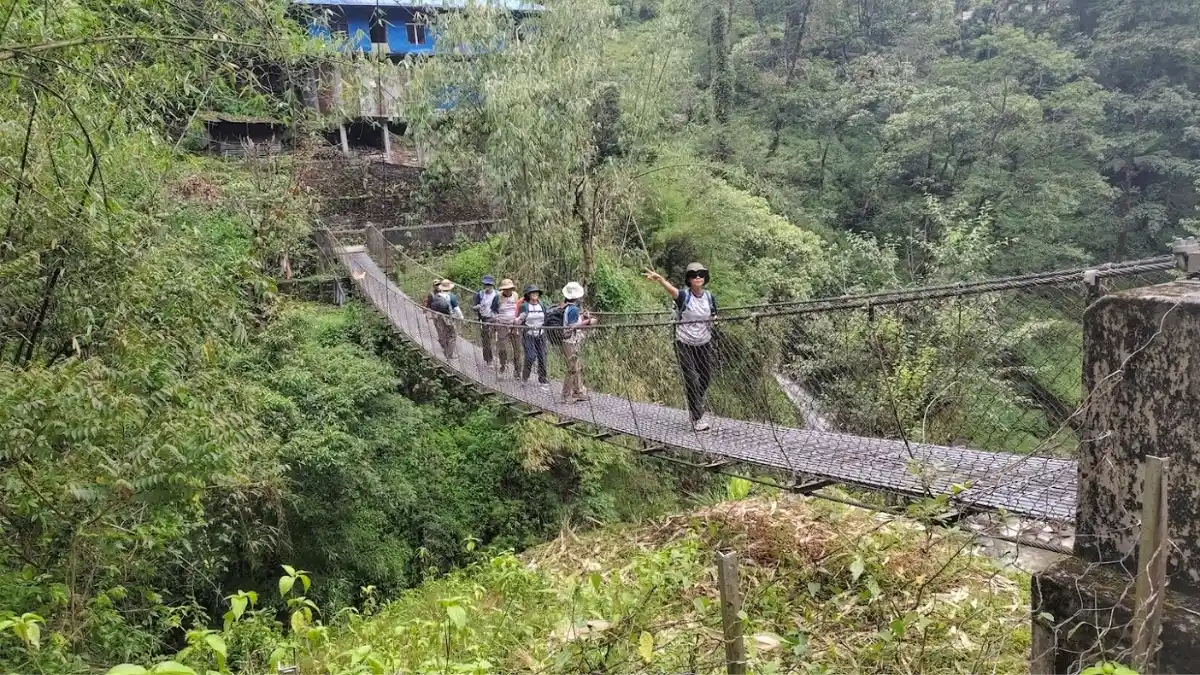
Autumn is the busiest time for the ABC route. Most people go because the skies clear up and rain stops. Still, heavy crowds change the experience. Here is what you actually face on the trail.
Pros of the Annapurna Base Camp Trek in Autumn
- Reliable Weather: September to November brings steady skies and dry paths.
- Sharp Views: Visibility peaks, showing clear sights of Annapurna I, Machhapuchhre, Hiunchuli, Annapurna South, and Dhaulagiri.
- Clean Paths: Post-monsoon ground means no thick mud, sudden slips, or leeches.
- Green Forests: Trails stay thick and colorful right after the summer downpours, complete with flowing waterfalls.
- Local Festivals: The trip runs right alongside Dashain and Tihar, bringing village celebrations into view.
- Open Lodges: Every teahouse runs at full capacity, offering hot food and beds.
Cons of the Annapurna Base Camp Trek in Autumn
- Heavy Crowds: October packs the trails and teahouses tight with hikers.
- Higher Rates: Guides, porters, gear hire, and rooms cost extra during peak months.
- Booking Stress: Beds occupy fast in October, forcing early reservations.
- Freezing Nights: Air drops below zero past Machhapuchhre Base Camp and Annapurna Base Camp, especially late November.
- Altitude Risks: Good weather doesn't stop sickness; heading over 3,000 meters requires slow pacing.
In short, the good parts outweigh the bad. Book early, pack heavy cold gear, and pace yourself to enjoy the trek.
Want a hassle-free autumn trek? Nepal Gateway Trekking takes care of permits, transportation, teahouse reservations, and experienced guides so you can focus on enjoying the journey.
How to Prepare for the Annapurna Base Camp Trek in Autumn?
Getting ready for an autumn trek to Annapurna Base Camp takes some planning because of how busy and cold it gets. Use these practical tips to set yourself up for a smooth trip:
- Pack for Wild Temp Swings: Bring layers, a solid down jacket, thermals, gloves, and a subzero sleeping bag. Days are gorgeous, but nights up high freeze fast.
- Lock Down Transport Early: September through November is peak season, so book your Pokhara flights, buses, or jeeps ahead to avoid getting stuck.
- Hit the Trail at Sunrise: October brings massive crowds. Starting your walking day early helps you beat the foot traffic and grab a good room before spots vanish.
- Reserve Teahouses Ahead: Places around Deurali, MBC, and ABC run out of beds fast. Let your agency handle bookings or make sure you roll into stops by early afternoon.
- Bring Sun and Rain Gear: Early September still catches stray downpours. Pack a waterproof shell and bag cover alongside heavy sunscreen, shades, and a sun hat.
- Train Your Legs: Spend weeks building cardio, doing stair climbing, and working on leg strength so 5 to 7 hours of daily uphill walking doesn't break you.
- Pack Smart and Light: Grab trekking poles, broken-in boots, a headlamp, purification tablets, a power bank, and a basic medical kit.
- Take Altitude Seriously: ABC sits at 4,130 meters. Drink tons of water, climb at a slow pace, and keep a close eye out for early signs of AMS.
- Watch the Festival Calendar: Dashain and Tihar happen right in autumn, shifting transport schedules and closing some local shops, so build extra buffer days into your itinerary.
- Hire Local Help: Taking a licensed guide keeps you safe, while a porter saves your back so you can actually enjoy the mountain views.
Final Thoughts
Autumn is hands down the ultimate window for the Annapurna Base Camp Trek, perfectly balancing stable weather, sharp mountain views, and rich local culture. Each month brings a distinct vibe: September welcomes you with washed, vibrant post-monsoon greenery; October delivers the classic peak-season energy; and November trades the crowds for crystal-clear, crisp blue skies.
However, a smooth trek to 4,130 meters takes more than just good weather. Success comes down to real trail smarts: respecting the grueling stone staircases around Chomrong to save your knees, pacing your ascent to dodge altitude sickness, packing proper gear for sub-zero alpine nights at MBC and ABC, and locking down teahouse rooms early.
To take the headache out of permits, transport logistics, and on-the-ground bookings, Nepal Gateway Trekking handles the heavy lifting with certified local guides, letting you focus entirely on the trail and the majesty of the sanctuary.
Make this autumn your Himalayan adventure. Whether you're trekking in September, October, or November, contact Nepal Gateway Trekking for the perfect itinerary with expert local guides, comfortable teahouses, and reliable support from arrival to departure.
FAQs
Is autumn really the best season for the Annapurna Base Camp Trek?
For most trekkers, it is the best choice. The combination of clear skies, dry trails, and festival season makes September through November hard to beat, though spring runs a close second thanks to blooming rhododendrons.
What's the difference between trekking in September versus November?
Choosing between an Annapurna Base Camp Trek in September and an Annapurna Base Camp Trek in November depends on what you're looking for. September starts off a bit wet and green as the monsoon tapers off, while November brings colder, drier air with fewer crowds. Both offer good mountain views once you're past the first week or two of transition weather.
How cold does it get at Annapurna Base Camp during autumn?
The Annapurna Base Camp Trek: September weather stays relatively mild, with nights just above freezing, while November weather on the Annapurna Base Camp Trek turns noticeably colder, with Base Camp nights dropping toward -10°C by late in the month. Daytime highs stay manageable throughout, generally between 5°C and 15°C depending on the month.
Do I really need to book teahouses ahead of time in autumn?
Yes, especially if you are going in October. The trail gets packed, and rolling into Deurali or ABC late in the afternoon without a reservation means you might lose out on a proper bed. September and November give you a bit more breathing room, but locking things down early is always the safer bet.
How many days should I budget for the ABC trek in autumn?
Plan for 9 to 13 days round trip from Pokhara. If you want to tack on Poon Hill for extra sunrise views, stretch it toward the longer side. If you are fit, move fast, and already have some altitude experience, you can wrap it up a bit quicker.
What permits do I need to actually get on the trail?
You will need an Annapurna Conservation Area Permit (ACAP) and a TIMS card. Plus, solo trekking without a guide isn't really a thing there anymore, you need a licensed local guide, which Nepal Gateway Trekking can sort out for you right along with the paperwork.