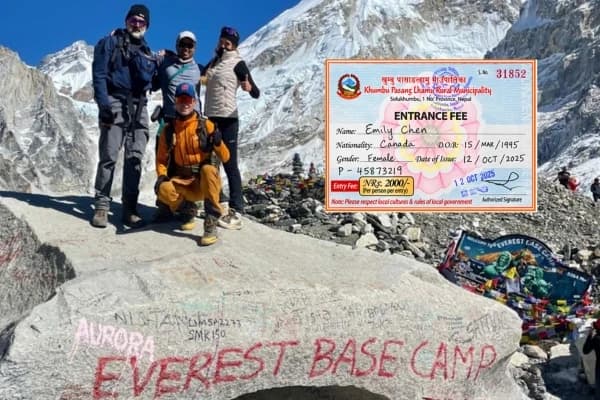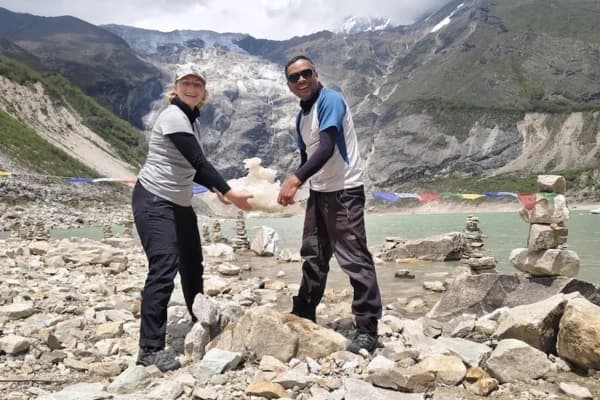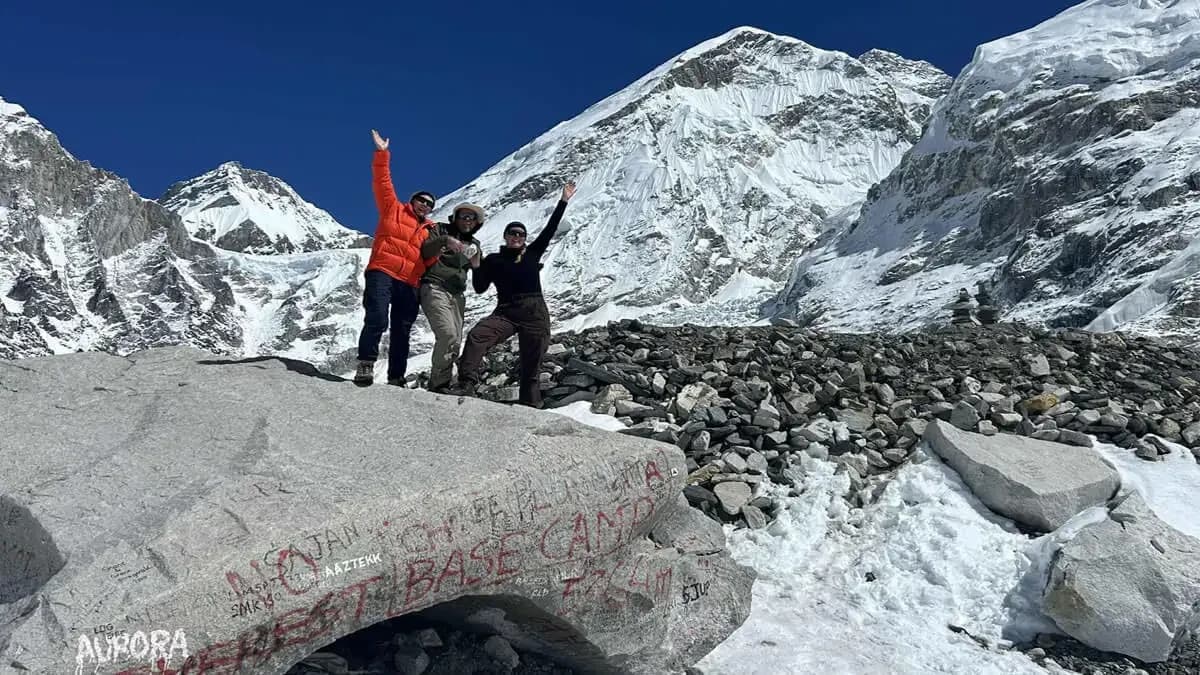
When you choose the Everest Base Camp Trek in Spring, you’re choosing the season when the Everest region feels most alive and most forgiving.
Spring is not about pushing through extremes. It’s about timing your journey right. The long winter has eased, the monsoon hasn’t arrived yet, and the trail settles into a rhythm that works with you, not against you.
As you enter the Khumbu Region, you see it immediately, open teahouses, busy trails, climbers preparing for Everest, and locals back in full motion after winter. By the time you finish trek to Everest Base Camp, you’re not standing at a quiet landmark. You’re standing inside the Everest season itself.
Trekker’s Information: Everest Base Camp Trek in Spring
|
What You Need to Know |
Clear, Practical Details |
|
Best Spring Months |
March (quieter, cooler), April (best balance, busiest), May (warmer, active expeditions) |
|
Ideal For |
First-time high-altitude trekkers, photographers, hikers wanting stable weather |
|
Daily Walking Time |
5–7 hours per day on average |
|
Max Sleeping Altitude |
Gorak Shep – 5,164 m |
|
Key Acclimatization Stops |
Namche Bazaar, Dingboche |
|
Spring Weather Feel |
Clear mornings, mild days, cold nights |
|
Temperature Range |
Day: 10°C to –5°C • Night: down to –10°C |
|
Crowd Level |
Moderate in March, high in April, moderate in early May |
|
Accommodation |
Teahouses fully open and well supplied |
|
Food Availability |
Wide menu choices; dal bhat is most reliable |
|
Internet & Charging |
Available in most places; slower and paid at higher altitudes |
|
Mandatory Permits |
Sagarmatha National Park Permit, Khumbu Pasang Lhamu Rural Municipality Permit |
|
Biggest Challenge |
Altitude, not distance |
|
Biggest Advantage |
Stable weather and clear mountain views |
If you’re planning to trek Everest Base Camp in spring and want a route designed for safe acclimatization and clear views, Nepal Gateway Trekking can help you plan it right.
What You Actually Experience on the Everest Base Camp Trek in Spring?
One of the best season to Everest Base Camp Trek is spring. From your very first day on the trail, spring shows you why it’s special.
You land in Lukla to clear skies more often than not. The air of Khumbu feels cold but fresh, not harsh. As you start walking toward Phakding, you follow the sound of the Dudh Koshi River, louder now because the snow has started to melt higher up.
In spring, the lower trail is full of color. Between Lukla and Namche Bazaar, rhododendron trees bloom along the hillsides. Red, pink, and white flowers break up the green forest, something you simply won’t see in autumn or winter.
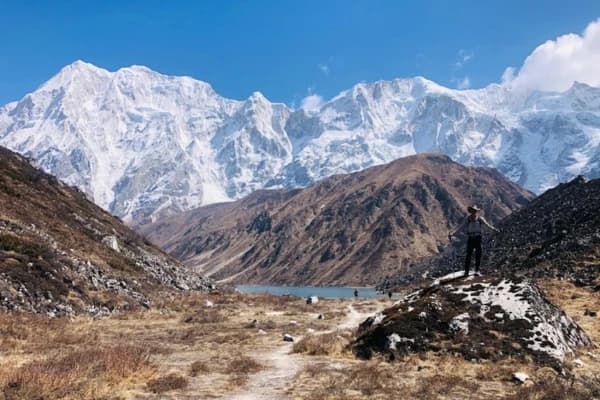
As you climb higher, the landscape changes. Forests give way to open valleys. The air becomes thinner, but the views become wider. Most mornings, you wake up to clear skies and sharp mountain outlines. That consistency is what makes spring so reliable for trekking.
You’re not guessing whether the mountains will show up. Most days, they do.
Why Spring Is Considered the Best Season for Everest Base Camp Trekking?
Spring, which runs from March to May, offers the most balanced conditions on the Everest trail. This balance is the real reason many guides quietly prefer it.
During this season:
- Trails are mostly dry and stable
- Daytime temperatures are comfortable for walking
- Teahouses are fully open and well-supplied
- Rescue services and flights operate more reliably
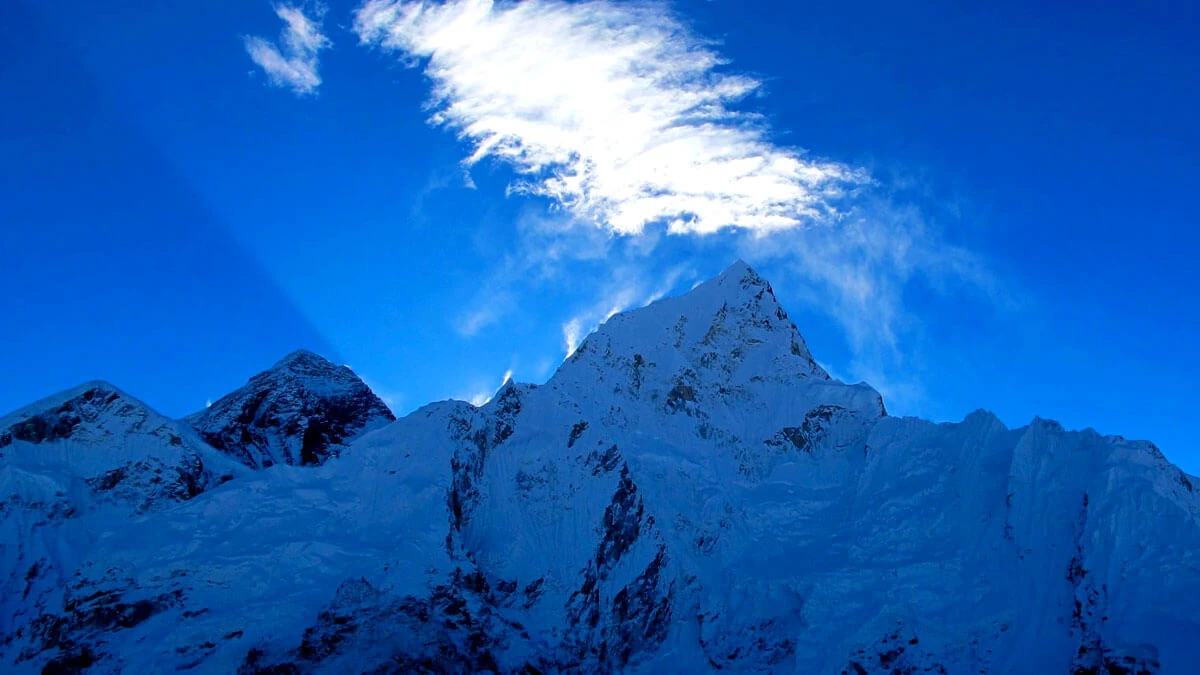
As you move higher into the valley, peaks like Ama Dablam, Lhotse, and Nuptse appear regularly, not just on lucky days.
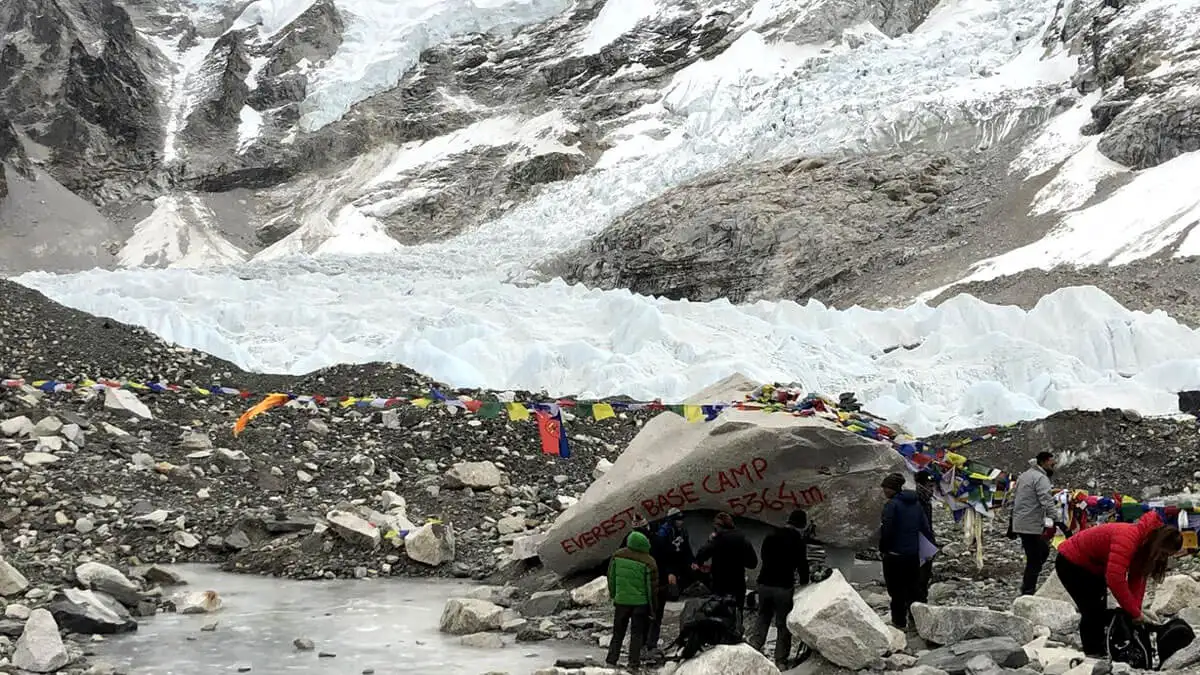
Spring is also the main climbing season for Mount Everest. That means when you finally walk into base camp, you don’t arrive at a silent, empty place. You see expedition tents, prayer flags, and climbers preparing for their summit pushes.
That atmosphere matters. It reminds you that Everest Base Camp is not just a viewpoint—it’s a working, living place during spring.
Recommended Read:Everest Basecamp Trek in March - April
Everest Base Camp Weather in Spring — What It Feels Like, Day by Day
If you’re worried about the weather, spring is when you can relax the most.
In the daytime, temperatures are usually mild. At lower altitudes, walking feels comfortable, often around 8–10°C. Higher up, near Dingboche and beyond, it drops closer to freezing, but the sun makes a big difference.
Nights are cold, especially after Dingboche. Teahouses are basic, and heating is limited to dining rooms. A warm sleeping bag is not a luxury—it’s a necessity.
What makes spring stand out is predictability:
- Clear mornings for mountain views
- Light cloud build-up in the afternoon
- Very low chance of heavy rain
- Rare snowfall compared to winter
- This steady pattern reduces stress. You spend less time waiting for weather windows and more time actually walking the trail.
And that steady weather is one of the strongest reasons the Everest Base Camp Trek in Spring has such a high success rate, especially for first-time trekkers.
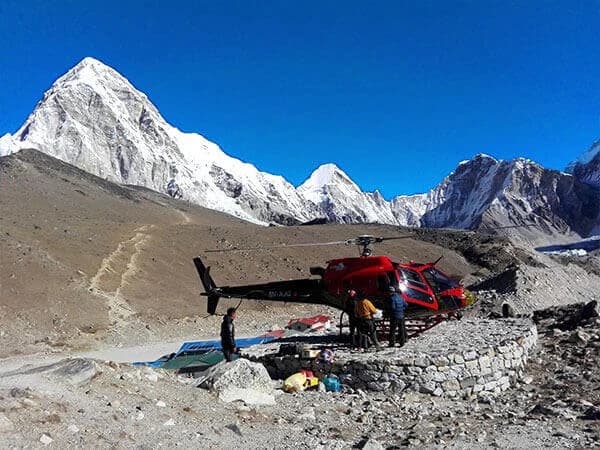
If you want to shorten the return journey while still trekking in spring, the Everest Base Camp heli trek is a popular option during clear spring weather.
Recommended Read: Everest Basecamp Trek in May
Trail Conditions in Spring — Why Walking Feels Easier and Safer
One of the strongest reasons the Everest Base Camp Trek in Spring works so well is the condition of the trail itself. You feel this difference under your boots from the very first day.
In spring, most of the winter snow has already melted at lower and mid-altitudes. The paths between Lukla and Namche Bazaar are dry, firm, and easy to follow. You are not slipping on ice, and you are not walking through mud like you would during the monsoon.
As you gain altitude, the trail becomes rocky and rugged, especially after Dingboche, but spring keeps it manageable. Ice patches are minimal, and heavy snowfall is rare. This makes spring trekking in the Everest region safer than winter and far more predictable than summer.
You also benefit from:
- Fully repaired suspension bridges after winter
- Clearly marked trails with steady foot traffic
- Reliable teahouse stops are spaced at comfortable distances
Simply put, spring allows you to focus on walking and enjoying the journey, not fighting the trail. Stable spring weather also makes challenging routes like the Everest Base Camp and Cho La Pass trek safer and more achievable for experienced trekkers.
Accommodation and Food on the Everest Base Camp Trek in Spring
One of the reasons the Everest Base Camp Trek in Spring feels easier than expected is how well the trail is supported.
Spring is the peak trekking season in the Everest region. That means teahouses are open, stocked, and ready long before you arrive.
Teahouse Accommodation in Spring
You stay in local teahouses every night, from Lukla all the way to Gorak Shep. These are simple lodges, not hotels—but in spring, they are at their best.
Here’s what you can expect:
- Private twin rooms at lower elevations, like Phakding and Namche Bazaar
- Basic rooms at higher altitudes with shared bathrooms
- Warm dining rooms heated by a stove in the evenings
- Clean bedding, though a sleeping bag is still essential
In busy months like April, popular villages fill up quickly. That’s why having lodges pre-planned matters. You don’t want to arrive tired at altitude and start searching for a room.
Spring makes accommodation available and reliable, but planning still makes the difference between comfort and stress.
Food Options on the Trail — What You Actually Eat
Food on the Everest Base Camp trek in spring is surprisingly varied, especially at lower altitudes.
Most teahouse menus include:
- Dal bhat (rice, lentils, vegetables) — the most reliable and filling option
- Noodles, fried rice, pasta, soups, mashed potatoes
- Egg dishes, pancakes, porridge, and toast for breakfast
- Tea, coffee, hot lemon, and ginger honey drinks
As you climb higher, menus become simpler. Portions remain generous, but ingredients are more limited because everything is carried up by porters or yaks.
A simple rule many experienced trekkers follow:
Eat light at altitude, eat warm, and eat what’s freshly cooked.
Dal bhat remains the best fuel during spring trekking in the Everest region. It’s fresh, energy-dense, and easy to digest after long walking days.
Drinking Water, Charging, and Wi-Fi
In spring, most teahouses:
- Sell boiled or filtered water
- Offer charging points (usually paid above Namche Bazaar)
- Provide Wi-Fi, though it gets slower and less reliable with altitude
You should carry:
- A refillable water bottle
- Water purification tablets or a filter
Staying hydrated is more important than eating big meals—especially above Dingboche.
Why Spring Makes a Difference for Comfort?
Compared to winter or monsoon:
- Lodges are fully staffed
- Food supplies are consistent
- Power systems are working
- Dining rooms feel lively, not empty
You’re not just trekking through mountains—you’re moving through a functioning seasonal community that wakes up fully in spring.
That support matters more than most people realize, especially on long, high-altitude days.
The Everest Base Camp Trek Route — Villages, Rivers, and Natural Landmarks
The Everest Base Camp trekking route is more than a path to a destination. It’s a gradual journey through changing landscapes, cultures, and altitudes.
You begin in Lukla, where excitement is high, and packs feel light. From here, the trail follows the Dudh Koshi River, crossing long suspension bridges that sway above fast-flowing water. In spring, this river runs strong and loud, fed by melting snow from higher valleys.
Your main trail stops include:
- Phakding – A gentle first day to ease your legs
- Namche Bazaar – Acclimatization hub and cultural center
- Tengboche – Home to the famous Tengboche Monastery
- Dingboche – Wide valleys and acclimatization hikes
- Lobuche – Harsh terrain and climbers’ memorials
- Gorak Shep – Final stop before base camp
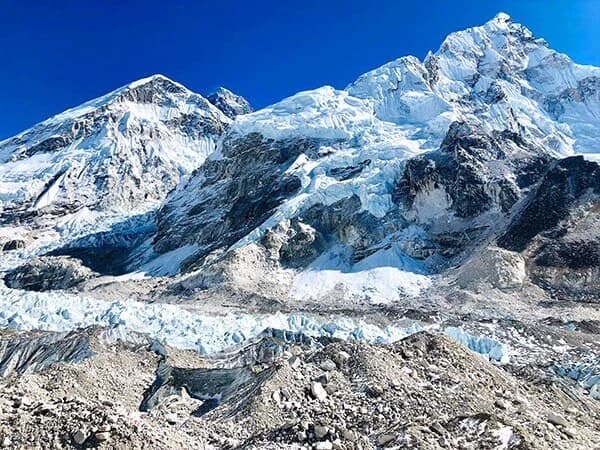
From Gorak Shep, you walk alongside the Khumbu Glacier, navigating rocky ground until you finally arrive at Everest Base Camp.
If you want spring views without going all the way to base camp, the Everest Panorama View Trek is a great lower-altitude option.
Mountains You See in Spring — Clear Views That Justify EBC Trek
If mountain views are high on your list, spring is when the Everest region delivers consistently.
Most mornings during the Everest Base Camp Trek in Spring, you wake up to clear skies. Clouds tend to build later in the day, which means your best views come when your energy is highest.
Throughout the trek, you regularly see:
- Mount Everest – Gradually revealing itself as you climb
- Ama Dablam – Sharp, elegant, and impossible to ignore
- Lhotse – Standing shoulder to shoulder with Everest
- Nuptse – A massive wall of ice and rock
- Pumori – Dominating the skyline near base camp
- Thamserku – Often visible near Namche
Spring light makes these mountains look sharper and more dramatic. Snow lines are clean, skies are blue, and visibility is often at its best.
This is also why the climb to Kala Patthar is so rewarding in spring. When conditions align, you get one of the clearest close-up views of Everest you can see without climbing.
These views are not occasional bonuses in spring—they are part of your daily routine. And that, more than anything, justifies choosing this season.
Kala Patthar in Spring — Where the Trek Truly Comes Together
If Everest Base Camp is the journey, Kala Patthar is the moment everything makes sense.
In spring, this climb feels tough, but fair. You usually start early, often before sunrise, leaving Gorak Shep in the cold, quiet dark. The trail is steep and slow, and your breathing reminds you that you’re above 5,000 meters now. But the conditions in spring work in your favor.
There’s usually less ice on the trail compared to winter. Snowfall is light or absent. The sky is often clear in the early hours, which is exactly what you need here.
As you climb higher, the mountains slowly appear. Then, at the top, Mount Everest finally stands fully in front of you—close, massive, and unmistakable. You also see:
- Lhotse rises sharply beside Everest
- Nuptse stretches wide across the skyline
- Pumori glowing in the morning light
This is why spring matters. The air is usually calm. Visibility is clear. The light is clean. You’re not racing clouds or storms, you’re watching the Himalayas wake up.
Many trekkers quietly admit this is the real highlight of the Everest Base Camp Trek in Spring, even more than standing at base camp itself.
You don’t stay long. It’s cold, and the wind reminds you where you are. But when you turn back toward Gorak Shep, you’re carrying something with you, a clear image of Everest that feels earned.
Permits, Logistics, and Why Spring Makes Everything Smoother
One quiet advantage of doing the Everest Base Camp Trek in Spring is how smoothly the logistics fall into place.
Spring is the main trekking season, which means systems work the way they’re supposed to. Flights run more regularly, trails are maintained, and teahouses are fully stocked.
Before you step onto the trail, you need two permits—no exceptions:
- Sagarmatha National Park Permit
- Khumbu Pasang Lhamu Rural Municipality Permit
These are checked near Monjo and again around Namche. In spring, this process is quick and organized because local offices are fully operational after winter.
Flights to Lukla are also more reliable in spring compared to monsoon or deep winter. Delays can still happen—this is the Himalaya—but you’re far less likely to lose multiple days waiting.
Teahouses along the route, from Phakding to Gorak Shep—are open, staffed, and prepared for trekkers. Food supplies are fresh, rooms are available, and charging and Wi-Fi systems are running.
This doesn’t make the trek luxurious, but it does make it reliable, and reliability matters at altitude.
What to Pack for the Everest Base Camp Trek in Spring?
EBC Trek packing list for spring is about balance. You prepare for cold nights without carrying your entire wardrobe.
On the Everest Base Camp Trek in Spring, you walk in mild daytime temperatures but sleep in freezing conditions. That’s why layers matter more than heavy gear.
What You Actually Need
- Warm down jacket for mornings and evenings
- Thermal base layers
- Fleece or light insulated mid-layer
- Waterproof outer shell
- Proper trekking boots (well broken-in)
- Sleeping bag rated to around –10°C
- Sunglasses and sunscreen (the sun is strong at altitude)
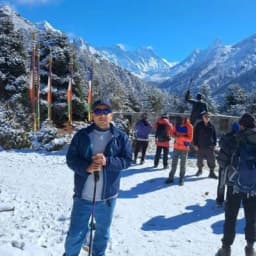
- Trekking poles for knees and stability
- Refillable water bottle with purification tablets
Spring sunshine can fool you. Even when it feels warm, UV exposure is intense, especially after Namche Bazaar. Sunglasses and sunscreen are not optional.
You don’t need crampons, heavy expedition gear, or extreme cold equipment. Spring keeps things simpler—as long as you pack smart.
Is the Everest Base Camp Trek in Spring Right for You?
This is the honest question every trekker should ask.
Spring works best for you if:
- You want clear mountain views more than empty trails
- You prefer stable weather over extreme solitude
- You’re trekking at a high altitude for the first time
- You want the full Everest atmosphere at base camp
Altitude is still the main challenge. Even in perfect weather, sleeping above Dingboche tests your patience and discipline. Walking slowly, drinking enough water, and respecting acclimatization days matter more than fitness for altitude sickness prevention.
The good news? Spring gives you the best margin for error. Conditions are forgiving, help is available, and the trail supports you when you move at the right pace.
Many first-time trekkers succeed in spring not because it’s easy—but because it’s fair.
Many trekkers who enjoy spring conditions later return for the Everest Gokyo Lake trek, which offers stunning turquoise lakes and fewer crowds.
Ready to Trek Everest This Spring?
Spring dates fill fast, especially for March, April, and early May departures. Flights to Lukla, teahouse availability, and experienced guides are limited once the season peaks.
If the Everest Base Camp Trek in Spring is on your list, now is the right time to secure your place.
Book your Everest Base Camp spring trek with Nepal Gateway Trekking today
Or reach out for a custom itinerary that matches your pace and travel dates
Book Your Everest Base Camp Trek in Spring with Nepal Gateway Trekking
By the time you finish reading this guide, one thing should be clear:
Spring is the right season for the Everest Base Camp trek.
The next important decision is who you trust to take you there.
When you trek with Nepal Gateway Trekking, you’re not just booking a route, you’re choosing a team that understands how spring trekking really works.
Here’s what that means for you:
- Your itinerary is paced properly for spring altitude conditions, not rushed
- Acclimatization days are placed where they actually matter
- Local guides know how spring weather behaves, not just what the forecast says
- Lodges are pre-planned during busy spring months, so you’re not searching for rooms
- Safety comes first, even when the trail gets crowded in April
Spring is forgiving, but altitude is not. Having the right guide, on the right schedule, during the right season makes all the difference.
A Trek That’s Planned for You, Not Just the Map
Anyone can sell an Everest Base Camp package.
What matters is how that trek feels day by day.
Nepal Gateway Trekking focuses on:
- Small group experiences
- Clear communication before and during the trek
- Honest advice about fitness, packing, and pacing
- Support from Lukla to Everest Base Camp, and back
You don’t need to worry about permits, logistics, or last-minute decisions. Everything is arranged so you can focus on walking, breathing, and taking in the mountains.
Final Thoughts: Take the Step Toward Everest This Spring
If the Everest Base Camp Trek in Spring has been on your mind, this is the moment to turn that thought into a plan.
Spring gives you the clearest views, the safest trail conditions, and the true Everest atmosphere, from blooming forests in the lower valleys to climbers preparing for the summit at base camp. You’re not rushing the season, and you’re not fighting the weather. You’re walking when everything aligns.
If you want to experience Everest the right way, at the right pace and in the right season, start planning your spring trek now. Secure your dates early, prepare properly, and choose a team that knows the trail beyond the map.
Everest will be there. Spring is when it welcomes you.
Spring is the right season. The next step is choosing the right team.
Everest Base Camp Trek in Spring – FAQs
Is spring the best time for the Everest Base Camp trek?
Yes. Spring (March to May) is one of the best times for the Everest Base Camp trek because the weather is stable, the trails are safe, and the mountain views are clear. Teahouses are fully open, and the risk of heavy snow or rain is low compared to winter or monsoon.
Which month is best for the Everest Base Camp trek in spring?
April is considered the best month for the Everest Base Camp trek in spring. It offers the best balance of clear skies, comfortable temperatures, and stable trail conditions. March is quieter and colder, while May is warmer with active Everest expeditions.
What is the weather like at Everest Base Camp in spring?
Everest Base Camp weather in spring is mostly clear and dry. Daytime temperatures range from 10°C at lower altitudes to around –5°C near base camp. Nights are cold, often below freezing, but conditions are far more predictable than in other seasons.
Is the Everest Base Camp trek in spring suitable for beginners?
Yes. Spring is suitable for beginners because of stable weather, well-maintained trails, and better altitude management conditions. No technical climbing skills are required, but trekkers must walk slowly, follow acclimatization days, and maintain good fitness.
Is Kala Patthar worth climbing during spring?
Yes. Kala Patthar is worth climbing in spring because visibility is usually at its best. Spring mornings offer clear views of Mount Everest and surrounding peaks, with less ice on the trail than in winter.