Want to get away somewhere quiet, somewhere that actually looks like a postcard? Ghandruk Village in Nepal is one of those places. The air is clean, the views are ridiculous in the best way, and every time you turn a corner you find yourself just stopping and staring.
It’s in the Annapurna region, and honestly, it packs a lot into one trip Gurung culture, a solid but not brutal trek, and mountain views that don’t quit. It’s ideal for families, first-timers, or anyone who just wants a short adventure that actually feels like something. You don’t need to climb Everest to feel the magic of the Himalayas. Ghandruk proves that.
Where is Ghandruk?
Ghandruk sits in the Annapurna region of Nepal, about 32 km from Pokhara. So it’s one of the closest proper mountain villages you can get to from the city. The ride out there takes around two to three hours by jeep or a mix of driving and walking, depending on how you want to do it.
If you’re based in Pokhara, it feels like a quick escape close enough that you’re not spending half your trip just getting there but far enough that the moment you arrive, it feels like an entirely different world.
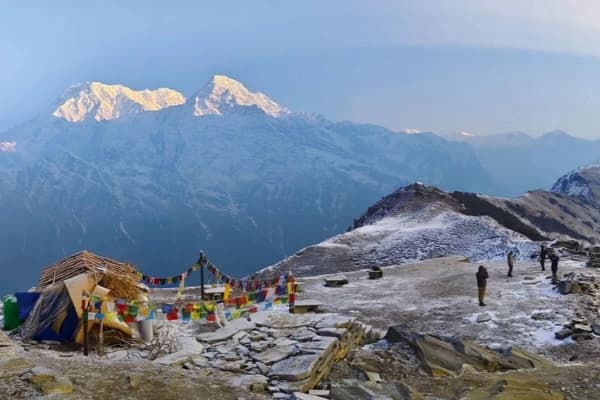
The village sits at about 2,012 meters (6,601 feet) above sea level. Not too high, not too low. From up here, you get sweeping views of the Annapurna Range and the valleys stretching out below; it’s the kind of view that makes you glad you made the effort.
Ghandruk is also right on the map for Annapurna trekking routes it’s linked to short treks and the famous Annapurna Base Camp trail. Basically, it’s a perfect starting point if you’re new to Himalayan trekking. The altitude is manageable, the trails are well-marked, and you can still experience the full feeling of being in the mountains without overexerting yourself.
History and Culture of Ghandruk
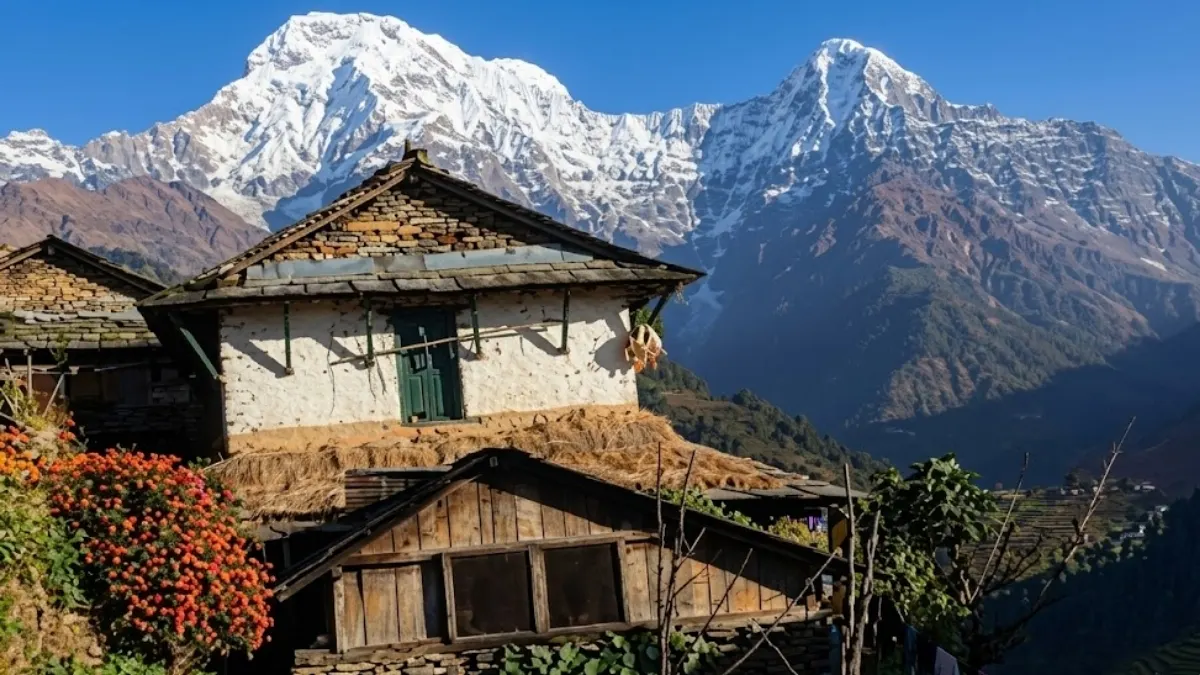
Ghandruk is this stunning Gurung village sitting at about 2,012m in Nepal’s Kaski district. It’s one of those places on the Annapurna trek that everyone talks about, and honestly, for good reason. You get these insane up-close views of Annapurna South and Machhapuchhre right from the village. The whole place is built with stone and slate, the traditions run deep, and the Gurung culture is basically alive in every corner of it.
- Origins: People have been living here for centuries. The original settlers migrated down from the Tibetan plateau way back, and the village kind of grew from there.
- Name Origin: The name Ghandruk comes from "Gana", meaning dense, and "Rook" meaning tree. So basically, the whole area used to be covered in thick forest. You can still feel that somewhat when you’re walking through.
- Military Tradition: This topic is a big one. Ghandruk has a deep connection to the British and Indian Gurkha regiments. A lot of the men from the village served as soldiers, and the money they sent back home actually helped build and shape the village into what it is today.
- Development: It used to be a trade route, which is kind of cool to think about. Now it’s grown into a solid tourism spot but not in an over-commercialized way. It still feels real.
Culture of Ghandruk Village
- Gurung Heritage: Most people here are Gurung, and they’re proud of it. They have their language, their customs, their own way of doing things. It’s not just background information, you actually feel it when you’re there.
- Architecture: The houses are compact, two-storied, stone, and slate. They’ve been built this way forever, and honestly, it just works, looks wonderful, and fits the landscape perfectly.
- Festivals: Tamu Lhosar is the main festival celebrating the Gurung New Year. Think traditional clothes, music, and dances like Ghatu and Chudka. It’s a whole vibe.
- Museums: There’s a Gurung Museum in the village with old textiles, tools, and war stuff. It’s a nice way to understand where this place actually came from.
- Local Lifestyle: Farming is still a big part of life here. Maize, millet, and potatoes plus they raise livestock. So, people here are still living very well off the land.
- Hospitality: Ultimately, Ghandruk is a welcoming place. The homestays and teahouses here make you feel welcome in a way that a hotel just can’t.
You can explore more cultures on Annapurna Base Camp Trek.
Key Cultural Experiences
- Cultural Programs: You can actually join in on local cultural programs, live music, traditional dances, and the whole thing. It’s not a show put on for tourists, it’s just what they do.
- Handicrafts: Walk through the village and you’ll probably spot women weaving traditional clothing on looms. The patterns are really intricate, and it’s just cool to watch.
- Monastery: There’s a local monastery that’s honestly a wonderful spot to slow down. It's quiet, peaceful, and a wonderful place to learn a bit more about the spiritual side of life.
How to Reach Ghandruk?
Many travelers love this trip because it's easy to get to Ghandruk and is good for beginners. The trip usually starts in Pokhara, where you can choose how much to drive and walk based on your comfort level. The path is safe, beautiful, and simple to follow, whether you go on a short trek or a longer scenic trek. It's one of those trips where the journey is just as fun as the destination.
By Road from Pokhara
- Take a shared or private jeep from Pokhara to Kimche or Ghandruk.
- It takes 3 to 4 hours, depending on the weather and the road.
- The cost of a shared jeep is between $10 and $20 per person.
- The cost of a private jeep is between $80 and $120.
- The road can be bumpy, but the views of the rivers and hills are lovely.
By trekking
- Start your journey by taking a short drive (1.5–2 hours) from Pokhara to Nayapul.
- It takes about four to five hours of walking from Nayapul to get to Ghandruk.
- The trail goes through forests, small villages, and stone steps.
- Good for beginners who are in good shape and can walk at a steady pace
- A wonderful choice if you want to enjoy nature and the whole trekking experience.
A Cultural Treasure in Annapurna Region - Ghandruk
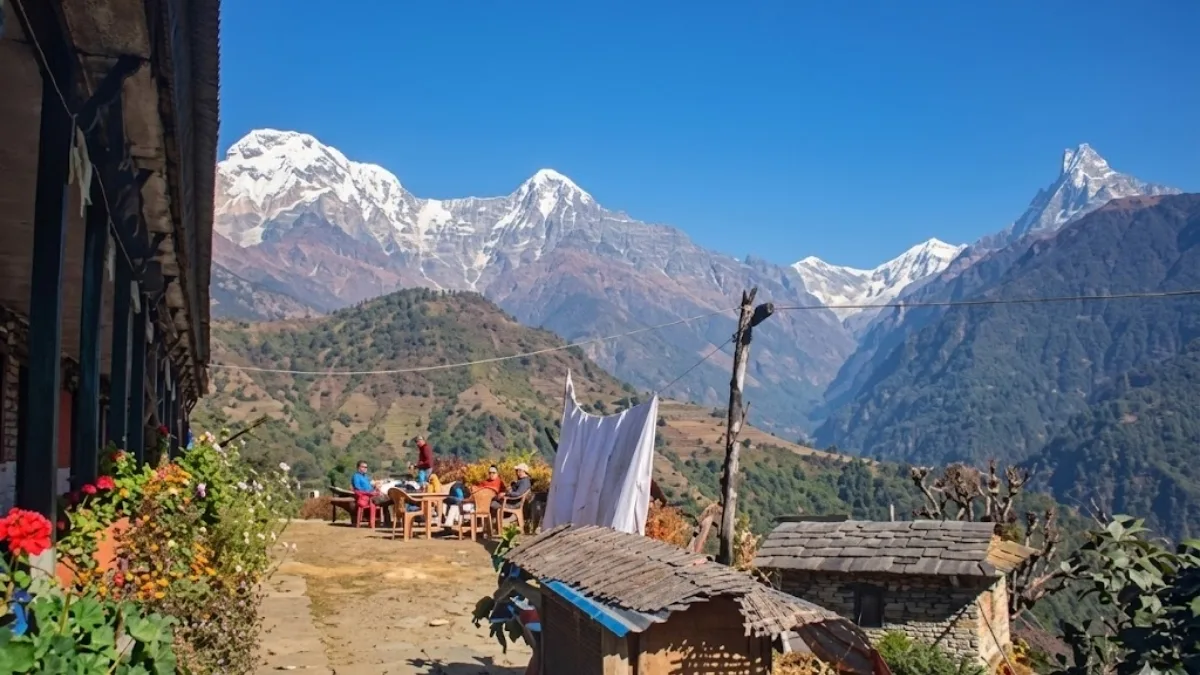
Ghandruk Village, Nepal, is a traditional mountain village in the Annapurna region. People come here for its rich culture, peaceful way of life, and stunning views of the Himalayas. It shows what life is really like in the area, especially for the Gurung people, who are proud to keep their old ways.
You feel very peaceful as you walk along its stone paths and quiet streets. It's like stepping into a simpler, happier world. Ghandruk's views of Annapurna South and its strong sense of culture, community, and peace make it special.
Permits Required for Ghandruk
Ghandruk is in the Annapurna Conservation Area, so you need a couple of simple permits to go there. Don't worry; the process is simple, and these permits help protect the environment and support local communities.
The ACAP permit, or Annapurna Conservation Area Permit, is the most important one you need. If you're trekking, you'll also need a TIMS card Trekkers Information Management System.
|
Permit Name |
Who Needs It |
Cost (Approx.) |
Where to Get |
|
ACAP Permit |
All foreign trekkers |
NPR 3,000 ( $25) |
Nepal Tourism Board office in Kathmandu or Pokhara |
|
TIMS Card |
Trekkers (mainly solo/independent) |
NPR 2,000 ( $15) |
Trekking agencies or Tourism Board offices |
Local Entry Fees
When you arrive to Ghandruk, you might have to pay a small fee to get in, which is usually between NPR 100 and 300 per person. The village committee collects this fee and uses it to help the area grow, maintain its trails, and keep it clean. It's not much, but it makes a big difference for the community.
When is the Best Time to Visit Ghandruk?
The best times to go to Ghandruk are in thespring (March to May) and the fall (September to November). The weather is clear, the temperature is comfortable, and the views of the mountains are sharp and beautiful. Spring is especially lovely because the rhododendron flowers bloom and make the trails colorful and lively.
Autumn is the best time to go if you want the clearest skies and the best trekking experience. You can still go in the winter for quiet, snowy views, but it can get freezing. The monsoon season brings greenery, but rain can make the trails slippery. So, if you want the best overall experience, spring and autumn are the safest and most enjoyable times to go.
Ghandruk Village Cost: Budget Breakdown
If you’re planning a trip, understanding the Ghandruk village cost helps you travel smart without surprises. The good news is that it's quite affordable, whether you’re on a tight budget or want a bit more comfort.
|
Category |
Cost (Approx.) |
Details |
|
Transport |
$10 – $30 (shared) / $80 – $120 (private jeep) |
From Pokhara to Kimche or Nayapul |
|
Food |
$5 – $10 per meal |
Simple meals like dal bhat, noodles, tea |
|
Accommodation |
$5 – $15 (basic) / $20 – $40 (comfortable) |
Tea houses and lodges |
|
Permits |
$15 – $25 |
ACAP + TIMS (if required) |
|
Miscellaneous |
$5 – $10 per day |
Snacks, charging, Wi-Fi |
Things to Do in Ghandruk
If you’re thinking about the best things to do in Ghandruk, just remember this place is not about rushing; it’s about feeling and enjoying every small moment.
- Watch the mountains wake up. Wake up early and see the sunlight touch the ground. Annapurna South and Machapuchare. It’s quiet, peaceful, and honestly feels magical.
- Take a slow walk around the village. Walk through stone paths, pass by old houses, and just enjoy the calm vibe around you.
- Visit the Gurung Museum. It’s a simple place, but it helps you understand the people and their story better.
- Stay like a local. Choose a homestay or tea house, eat fresh home-cooked food, and feel the warmth of real hospitality.
- Talk to locals. Even a brief conversation can have a significant impact. Their stories are simple, real, and heart-touching.
- Go for a short trek. Take easy walks nearby and enjoy nature without pushing yourself too hard.
- Sit back and just breathe. Sometimes doing nothing here feels like the best thing you can do.
Why Ghandruk?
If you're asking yourself, is Ghandruk worth visiting? The answer is clearly yes. You don't have to trek for a long time or go through a lot of trouble to see the beauty of the Himalayas here. The trails are easy and good for beginners, but the views of Annapurna South and Machapuchare are just as good.
Ghandruk is special because of its rich culture, which lets you see how the Gurung people really live and connect with their simple way of life. The tranquility, lack of crowds, and suitability for a brief trip that refreshes both your mind and heart make it an ideal destination. You can enjoy a mix of nature, culture, and peace.
Treks You Can Start from Ghandruk
Ghandruk is a place where you can explore five different directions, each of which is worth exploring. It sits right in the middle of the Annapurna region, so basically everything in ABC, Poon Hill, and quiet little village trails is within reach from here. And the views the whole way? Annapurna South, Hiunchuli, and Machhapuchhre were just sitting there the whole time. It’s a lot.
Top Treks Starting from Ghandruk
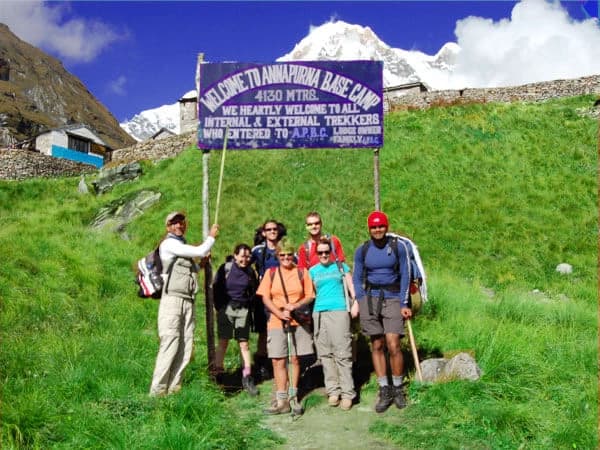
- Annapurna Base Camp (ABC) via Ghandruk: This is the big one. A shortened 5-day route takes you from Ghandruk up toward Chomrong, then through the Modi Khola valley all the way to Base Camp. It’s not easy, but it’s so worth it. You’re walking right into the mountains.
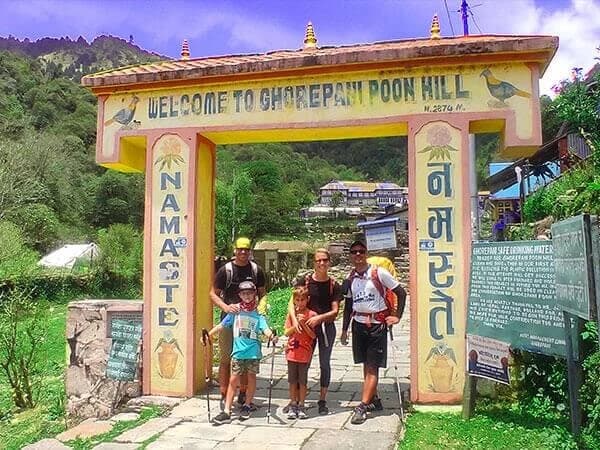
- Ghandruk Ghorepani Poon Hill Circuit:A 2–3 day loop that connects Ghandruk to Poon Hill via Tadapani. Poon Hill is famous for sunrise views, and honestly, the hype is real. You wake up early, climb up in the dark, and then the whole Himalaya just lights up in front of you.
- Ghandruk to Landruk/Dhampus: This one’s more chill. A 1–2 day lower-altitude trek across the Modi Khola valley into neighboring Gurung villages. Great if you want the culture without the big elevation gain. Honestly, it's a really underrated option.
- Ghandruk to Jhinu Danda (Hot Springs): A short hike down to Jhinu Danda, where there are natural hot springs right by the river. A lot of people use this as their last day before heading back toPokhara. After completing your trek, you can relax your tired legs and consider it a success.
- Ghandruk to Matkiu (Shortest ABC Exit): Half a day, mostly downhill, and you’re at Matkiu to catch a ride out. Nothing fancy it’s basically the quickest way to exit after completing the Annapurna Sanctuary trek. Simple, straightforward, done.
Essential Travel Tips for Ghandruk Valley
- Bring only what you need trekking shoes, warm clothes, and a rain jacket.
- Bring enough cash because there are no ATMs in the village.
- Drink enough water and eat well
- Take breaks and walk slowly
- Look at the weather before you go
- The best time to visit is in the spring or fall.
- Be respectful of the customs and culture of the area
- Stay on marked paths and follow basic safety rules
- Make sure your phone and other important things are charged
- Go on a trip with a friend or guide (optional)
Final Thoughts
Ghandruk is one of those places that stays with you even after you leave. It has a great mix of culture, an easy and fun hike, and beautiful views of the mountains without being too hard. Everything feels simple, real, and comforting, from the friendly smiles of the Gurung people to the quiet trails and beautiful views of Annapurna South and Machapuchare. It's not just about getting to a place; it's also about feeling calm, connected, and refreshed.
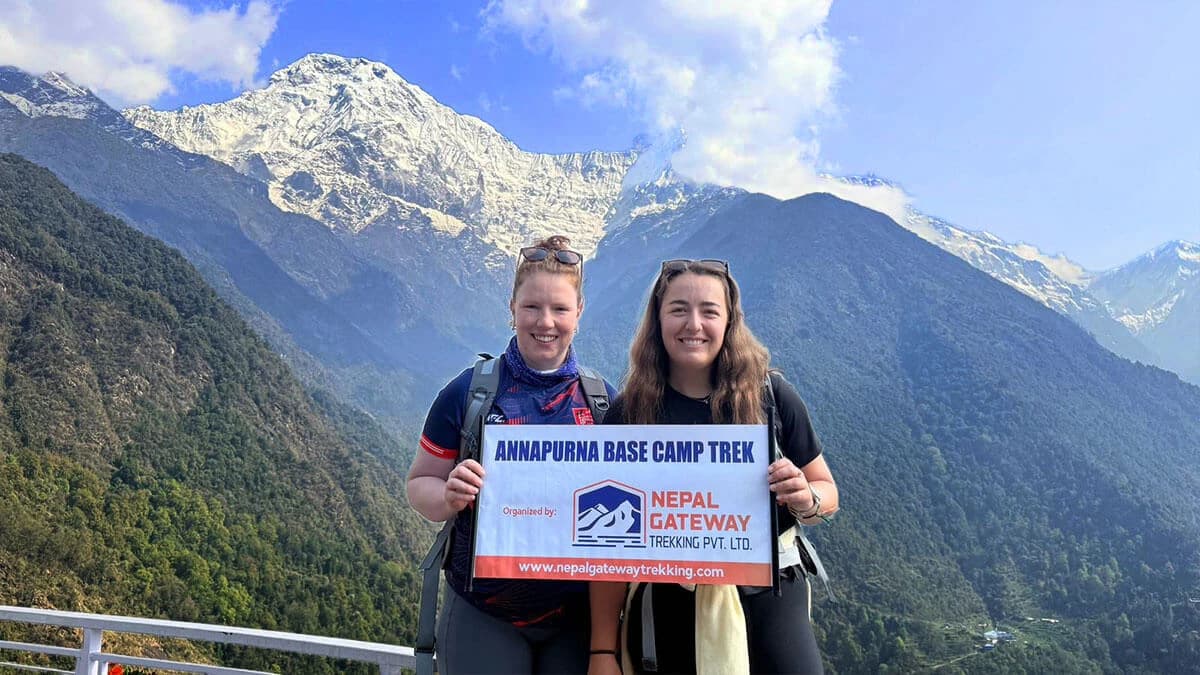
Nepal Gateway Trekking can help you plan your trip to Ghandruk Valley so that it goes smoothly, safely, and is unforgettable. Get in touch with our team today to make your ideal itinerary.
FAQs
Where is Ghandruk?
So Ghandruk is this quiet little village tucked into Nepal’s Annapurna region not far from Pokhara at all. It sits up on a hill with wide open space around it and mountains just right there in front of you. Honestly it sounds remote, but it’s one of the easiest Himalayan villages to actually get to. Which kind of makes it feel like a secret that isn’t really a secret anymore.
Is Ghandruk worth seeing?
You think it'll be nice, but it exceeds your expectations. A single trip encompasses mountains, a rewarding trek, and authentic village life. It’s simple. It’s peaceful. And at the end of the day you just feel better for having been there.
How hard is the trek to Ghandruk?
Honestly, it’s pretty manageable even if you’ve never trekked before. There are stone steps along the way, sure, but the trail is straightforward to follow and it’s not aggressively steep or anything. If you just take your time and stop when you need to, it feels more refreshing than exhausting. Don’t rush it.
How many days do you need to visit Ghandruk?
Most people find that two to three days is the ideal duration to explore the village, embark on a hike, and take a breather. However, if you prefer a more leisurely pace, extending your stay by an additional day is definitely worthwhile. You can sit and enjoy the views, eat more dal bhat, and not worry about your next stop.
When is the best time to go to Ghandruk?
Spring and fall, basically. October and November give you crisp air and insanely clear mountain views. March and April are great too the rhododendrons are blooming and the trails are really pretty. While other times of the year can be suitable, these two seasons truly feel perfect. You’ll know when you’re there why everyone keeps coming back during these months.
Do I need permits to go to Ghandruk?
Since it’s in a protected area, you’ll need an ACAP permit and occasionally a TIMS card too. The good news is they’re easy to sort out in Pokhara or Kathmandu before you head out. Plus the fees go toward protecting the area and supporting the people who actually live there, so it’s worth it.
Can I go to Ghandruk without a guide?
Many people do, and the trail is easy enough to follow on your own. So solo trekking is totally fine here. That said, going with a guide adds a lot they’ll point out things you’d never notice, share stories about the villages, and just make the whole thing richer. It's your decision, but don't dismiss it.
Does Ghandruk have electricity and internet?
Most teahouses have both, so you can stay connected if you really need to. But the Wi-Fi is slow, charging sometimes costs a little extra, and honestly, that’s kind of the point. It’s a wonderful excuse to put your phone down and just be where you are for once.
What kinds of food can you find in Ghandruk?
Simple, fresh, filling food. Think dal bhat, noodles, soups, and lots of tea. Nothing fancy, but after a few hours of walking, a hot plate of dal bhat hits differently. It’s the kind of food that just feels right.
Can I see the mountains from Ghandruk?
Oh yeah. Annapurna South and Machhapuchhre are basically right there on clear days, they look almost too close to be real. Watching them at sunrise or sunset is truly a memorable experience. Like you’re just standing there thinking, okay, this is why people come here.