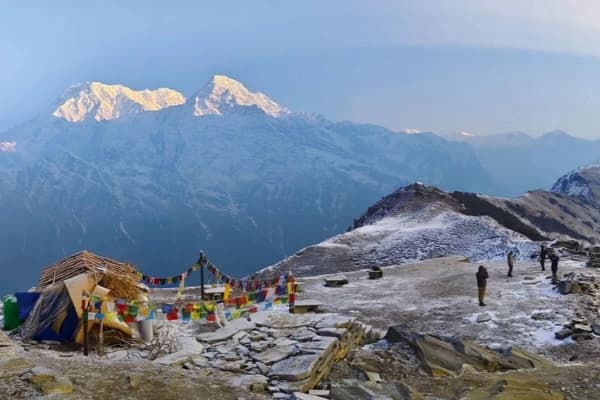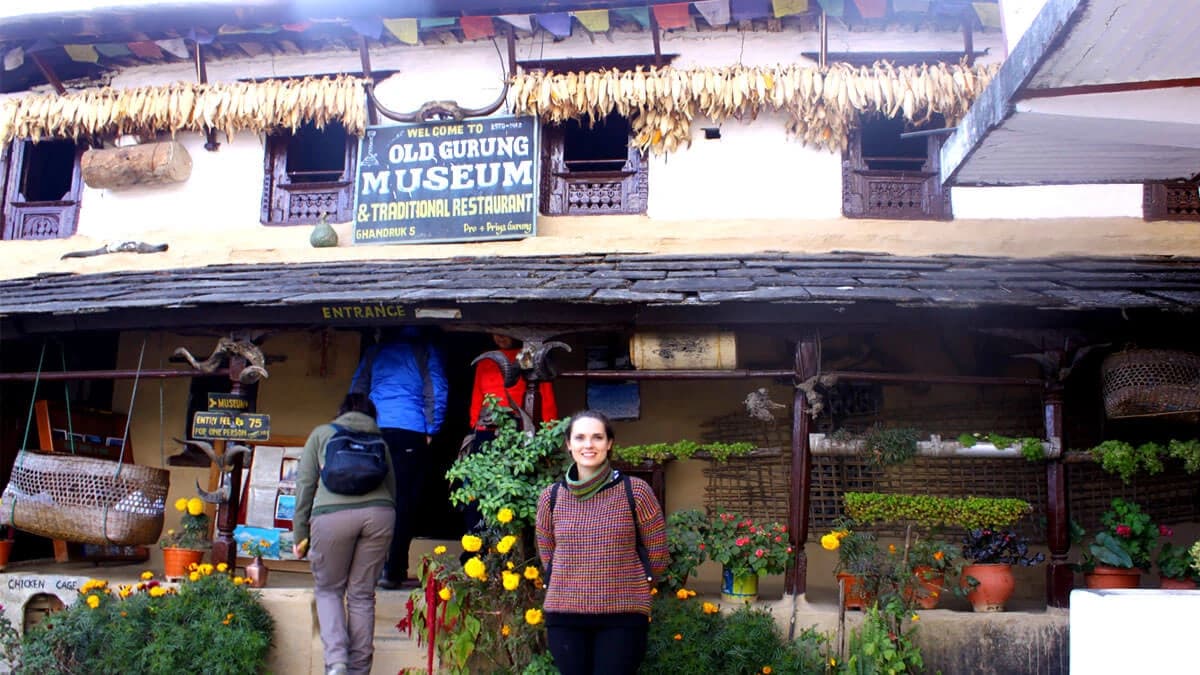
While the 8,000-meter peaks are what pull people to the Annapurna Base Camp (ABC) trek, the local culture is what actually makes them stay. This isn't just a mountain trail; it’s a walk through the ancestral lands of the Gurung and Magar communities. When you’re climbing the stone stairs of Ghandruk or Chhomrong, you aren't just a tourist; you're a guest in a living, breathing mountain home.
The "magic" of this trek happens in the unpolished, everyday moments. It’s huddling around a Bukhari (wood stove) in a dim teahouse, sharing a steaming plate of Dal Bhat, the "24-hour power" fuel that keeps every porter and trekker moving. It’s the genuine "Namaste" from a farmer tending vertical terraces and the rhythmic chime of bells from a passing mule train.
This isn't a fancy or manufactured experience. It’s rugged, raw, and incredibly welcoming. In the end, the mountains provide the breathtaking backdrop, but the warmth, grit, and heritage of the people are what turn a simple trek into a memory that stays with you forever.
Cultural Highlights on Annapurna Base Camp Trek
The culture at Annapurna Base Camp makes a simple trek into a life-changing experience. It's not just about hiking in the mountains; it's also about living like the people who live there, even if it's only for a short time. There is culture all along the trail, from the way people say "Namaste" to you to the way they cook their food and live close to nature every day.
This culture is special because it feels so real and close. People from the Gurung and Magar communities live simple lives in villages like Ghandruk and Chhomrong, where they have strong traditions and deep ties to each other. Sharing meals, talking to locals, and enjoying small moments make the trip worthwhile. The mountains are the destination, but the culture is what really makes the trip special.
Explore the mountains you will see on the way to Annapurna Base Camp Trek.
Local People You WIll Meet on the Annapurna Base Camp Trek
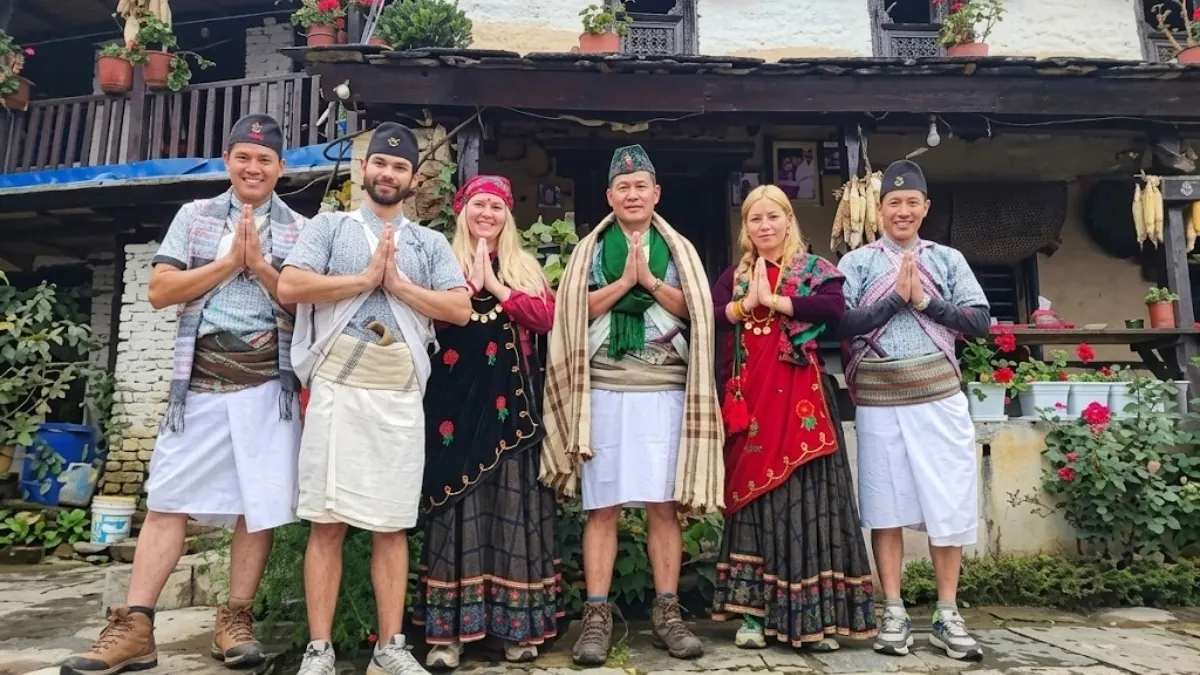
There are not only mountains around you on the Annapurna Base Camp trail, but also people who make the journey come alive. The Gurung and Magar are the two main groups that make up the Gurung culture Annapurna trek experience. These people have lived in these hills for generations, and their way of life is simple, strong, and closely tied to nature.
These are the main people you will meet on the trail
The Gurung Community
People say that the Gurung are very friendly and have strong traditions. You can see their unique culture in everyday life in villages like Ghandruk. For example, they have traditional homes and a special way of welcoming guests. A lot of Gurung families own tea houses, where they treat trekkers like family.
The Magar Community
The Magar people work hard and live simple lives. They often farm, care for animals, or run small lodges. They are always willing to help trekkers with a smile, and their way of life shows that they are patient and strong.
Families and Owners of Tea Houses
Family-run tea houses are where real connections happen most of the time. You can sit by the fire, tell stories, and eat together. These little things make you feel at home, even when you're not.
Farmers and Villagers in the Area
You will see people from the area working in the fields, carrying firewood, or leading animals along the trail. Their daily lives are simple, but they have a lot of meaning. You can really understand what it's like to live in the mountains by watching them.
Kids and young people are friendly
Kids are often curious and happy to see trekkers. A smile or wave can turn into a happy memory that lasts.
You can explore the trekking route of ABC Trek and see if you will pass cultural people or not.
A Day in Village Life on the ABC Trek
Life along the Annapurna Base Camp trail is simple and calm, moving at its own slow pace. People in villages like Chhomrong get up early in the morning to make tea, cook, and go to work or farms. The fresh air, quiet surroundings, and natural routine make the beginning of the day feel peaceful and new.
Life in the village gets busier by noon. People are busy farming, taking care of animals, or running tea houses for people who are treking. You can sit down for lunch, eat with other people, and watch how people in the area live their lives. Everything they do seems easy, but there is a deep sense of peace and purpose in it.
The village slows down again as night falls. Families get together, meals are made, and trekkers relax in warm tea houses, where they share stories. You can feel the true beauty of this life under the quiet sky and stars. It's simple, real, and full of meaning.
Cultural Festivals Around Annapurna Base Camp
Cultural festivals add color and joy to the Annapurna Base Camp trek. If your timing is right, you don’t just walk through villages, you become part of their celebrations. These festivals show the true heart of local life, full of music, food, and traditions.
Here are the main festivals you may experience:
- Dashain – The Biggest Festival
- Tihar – Festival of Lights
- Lhosar – Gurung New Year
- Maghe Sankranti – Magar Festival
These festivals are like a window into real village life. If you visit during these times, your trek becomes more than a journey; it becomes a celebration you will never forget.
Typical Daily Meals on the Trek
Breakfast on the Annapurna Base Camp Trek is usually tea or coffee with porridge, eggs, toast, or pancakes. People who are hiking usually stop at a tea house along the way for lunch and eat noodles, fried rice, soup, or momos.
Dinner is hot and filling, and it's usually like lunch but with more food. It helps your body recover after a long day of walking. Why Dal Bhat is the Best Food for People Who Hike or Trek
Why Dal Bhat is Every Trekker’s Favorite?
Trekkers love Dal Bhat because it keeps them full for hours and gives them a lot of energy for long days of trekking. It comes with rice, lentils, and vegetables, and you can usually get as many refills as you want. This is great after a long hike. Nepali culture includes this food, and people who live in the mountains eat it every day.
If you are into foods and drinks, explore the famous Nepali food and drinks that you should try while visiting Nepal.
Best Cultural Villages You Should Not Miss
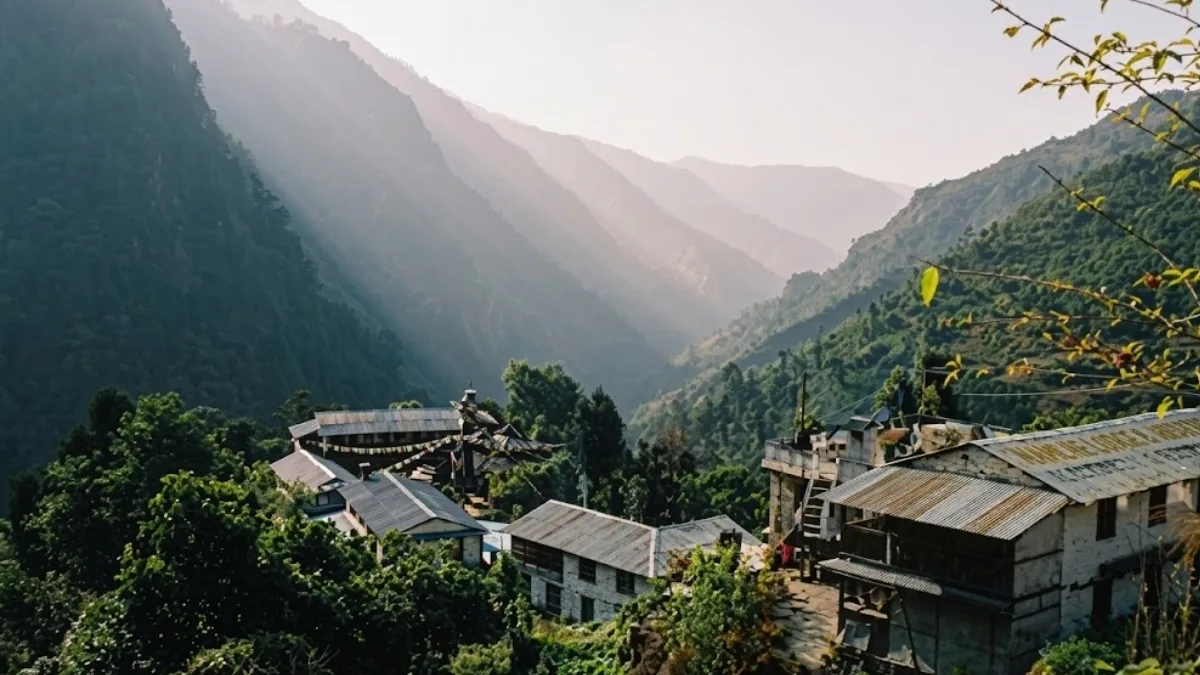
The best villages in the Annapurna Base Camp trek are the ones where you can really experience the local culture. Each village has its own unique culture, traditions, and way of life, which makes your trip more than just walking through the mountains.
You shouldn't miss these cultural villages:
Ghandruk: The Cultural Gateway
There is a specific kind of stillness in Ghandruk that hits you the moment you step onto its stone-paved alleys. It’s a place where the mountains don’t just loom in the distance, they feel like part of the neighborhood.
Walking past the traditional Gurung houses, you aren’t just a spectator; you’re witnessing a rhythm of life that hasn't changed much over the years. Between the smell of woodsmoke and the sight of locals tending to their terraced fields, it’s the perfect introduction to how deeply the people here are tied to the land.
Chhomrong: The Trail’s Heart
Chhomrong feels less like a pitstop and more like the trek’s social hub. Perched on a steep hillside, it’s a village defined by its verticality and its warmth.
You’ll likely find yourself sharing a bench with trekkers from halfway across the world or watching a local family skillfully manage a farm on a slope that would make most people dizzy. It’s busy, but in a good way, a place where the exhaustion of the trail is traded for shared stories and a genuine "Namaste" from everyone you pass.
Jhinu Danda: Rest and Ritual
Most people talk about Jhinu Danda for the hot springs, and while soaking in that mineral water is a literal lifesaver for tired legs, the village has a quiet charm of its own.
It’s a humble, relaxed spot that feels like a collective deep breath. Life here moves at a slower crawl, making it the ideal place to put the camera down, grab a tea, and just exist in the silence of the valley before moving on.
Sinuwa: Into the Quiet
Once you reach Sinuwa, the world starts to feel a bit thinner and a lot more intimate. Surrounded by dense greenery, this isn't a place for luxury; it’s a place for perspective.
The teahouses are modest, the air is crisp, and the crowds begin to thin out. It’s one of those spots where you realize how little you actually need to be comfortable, just a warm meal and the sound of the wind through the trees.
Bamboo Village: Life in the Shadows
Tucked away in a forest of towering stalks, Bamboo Village feels like a secret. Because it’s shaded and tucked into the woods, there’s a refreshing, damp coolness that you won't find in the sun-drenched villages below.
It’s simple, slightly rugged, and incredibly peaceful. Staying here feels like living in the lungs of the mountain, quiet, vital, and completely disconnected from the noise of the modern world.
The Living Soul of the Annapurna: Faith on the Trail
Spirituality in the Annapurna region isn't a performance for travelers; it is the quiet, steady heartbeat of the mountains. As someone navigating these high-altitude paths, you quickly realize that faith here isn't kept inside temples,it’s etched into the rocks and carried by the wind. It’s a lived-in devotion that shapes how the local communities treat the land and each other.
A Seamless Blend of Traditions
In the lower foothills and up through the high valleys, the lines between Hinduism and Buddhism are beautifully blurred. You’ll often find a Buddhist chorten (shrine) sharing space with a Hindu deity. This isn't just about religious tolerance; it’s a centuries-old cultural synergy. For the trekker, this means a welcoming atmosphere where the spirit of Namaste, acknowledging the divine in one another, is felt in every greeting.
Beyond the View: Sacred Peaks and Rivers
To the local Gurung and Magar communities, these mountains aren't just trekking objectives; they are the homes of protectors. Machhapuchhre (Fishtail), for instance, remains unclimbed because it is considered sacred. This deep-seated environmental ethics, treating forests and rivers as living entities, is why the region remains so pristine. When you walk these trails, you aren't just a tourist; you are a guest in a natural cathedral.
The Language of the Landscape
The trail speaks to you through symbols that require a bit of local "trail etiquette" to truly appreciate:
- Prayer Flags (Lhungta): Those vibrant primary colors represent the five elements. As they fray in the wind, it's believed their prayers are physically released into the atmosphere.
- Mani Walls: You’ll encounter long stone walls carved with the mantra Om Mani Padme Hum. Expert Tip: Always pass these on the clockwise (right) side as a sign of respect for the local tradition.
- Morning Rituals: If you wake up early in a teahouse, you’ll likely smell the sharp, sweet scent of burning juniper. This is the Sang, a daily purification ritual that clears the energy for the day ahead.
A Journey Inward
On the trek to Base Camp, the physical challenge often leads to a mental shift. The rhythm of your breath and the repetitive "click" of trekking poles eventually sync up with the spinning of prayer wheels. Spirituality here isn't something you go to see; it’s a perspective you start to carry with you long after you’ve descended.
Cultural Etiquette Every Trekker Should Know
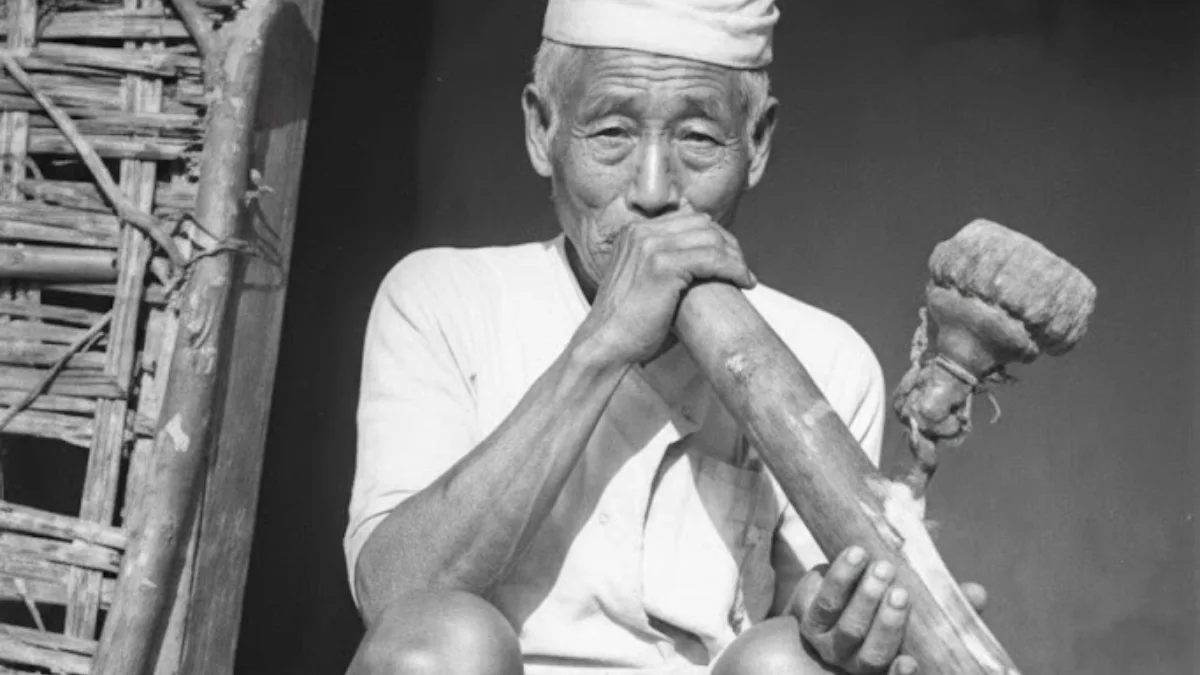
Trekking in the Annapurna region is as much about the people as it is about the peaks. Following these local customs shows you aren't just a tourist, but a respectful guest in their mountain home.
|
Category |
What to Do (The "Do's") |
Why it Matters |
|
Greetings |
Say "Namaste" with palms together. |
It acknowledges the "divine" in the other person. |
|
Body Language |
Use your right hand to give or take items. |
The left hand is traditionally considered "unclean." |
|
Sacred Path |
Always pass Mani walls and shrines on the right. |
Moving clockwise follows the ancient flow of prayer. |
|
Dress Code |
Dress modestly (shoulders and knees covered). |
Mountain communities are traditional and conservative. |
|
Photography |
Always ask permission before taking a portrait. |
It respects their privacy and builds a real connection. |
|
Dining |
Remove shoes before entering a home or kitchen. |
Keeping the living and eating space pure is vital. |
|
Public Flow |
Give way to mules and porters on the trail. |
They are the lifeline of the mountains; stay on the wall side! |
|
Environment |
Use water refill stations; avoid plastic bottles. |
The Himalayan ecosystem is fragile and lacks waste sites. |
|
Affection |
Avoid public displays of affection (PDA). |
It can make local hosts feel awkward or uncomfortable. |
|
Pace of Life |
Practice patience (Bistarai, Bistarai). |
"Slowly, slowly" is the mantra for altitude and local life. |
Expert Tip: If you see a local child, avoid patting them on the head. In Nepal, the head is considered the most sacred part of the body. A high-five or a simple wave is a much better way to say hello!
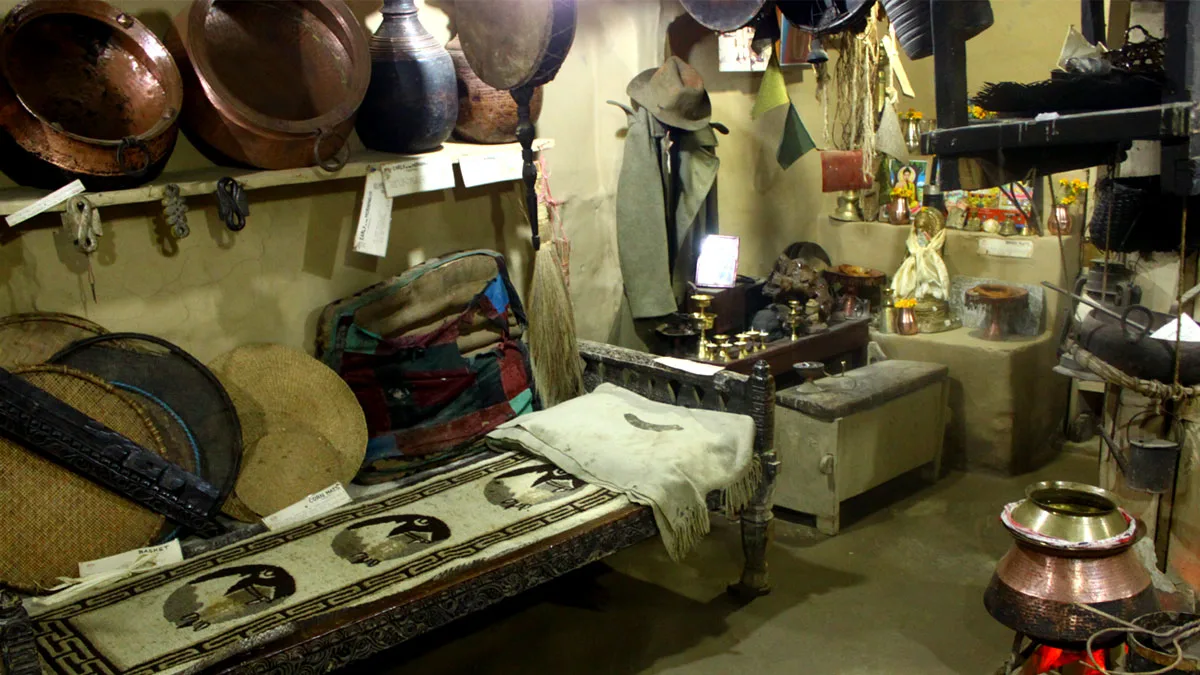
The Best Time for Local Culture on the ABC Trek
While the mountains are constant, the heartbeat of the villages changes with the seasons. Depending on when you lace up your boots, you’ll experience a different side of the Annapurna soul.
- Spring (March–May): The Season of Growth This is when the trail feels most alive. You’ll walk through forests of blooming red rhododendrons and see villagers busy in the terraced fields. It’s a season of hard work and new beginnings, offering a front-row seat to the agricultural rhythm of the Gurung people.
- Autumn (September–November): The Festival Peak If you want vibrant culture, this is the "Golden Season." It coincides with Dashain and Tihar, Nepal’s biggest celebrations. You’ll see homes decorated with marigolds, traditional bamboo swings in the villages, and families gathered for red Tika blessings. The energy is celebratory and incredibly welcoming.
- Winter (December–February): Intimate Connections The crowds thin out, and the pace slows down. This is the best time for deep conversations. With fewer trekkers to serve, teahouse hosts often have more time to share stories over a hot Bukhari (stove) in the evenings. It’s a quiet, raw, and very personal way to experience mountain life.
- Monsoon (June–August): The Emerald Heart Though the trails are wet, the landscape is a brilliant, lush green. This is the peak of the farming cycle. You’ll witness the incredible resilience of the locals working the land in the rain. It’s an unpolished, authentic look at life in the Himalayas that most travelers never see.
Know fully detail about the best time for Annapurna Base Camp Trek.
Expert Insight: If your schedule allows, aim for October. Between the clear mountain views and the festive atmosphere of the villages, it offers the most complete cultural "immersion" you can find on the trek.
Final Thoughts: The Journey Within
The trek to Annapurna Base Camp is often sold as a quest for a mountain view, but the peaks are just the backdrop. The real heart of the trail is found in a shared bowl of Dal Bhat, the quiet "Namaste" of a passing porter, and the dignity of life at 4,000 meters. These are the moments that stick with you long after the blisters have healed.
To truly see the "soul" of the trail, a local connection is everything. A great guide doesn’t just show you the path; they translate the culture and introduce you to the families behind the teahouse counters.
Walk with Nepal Gateway Trekking. Our team lives and breathes these mountains. We don’t just get you to Base Camp safely, we make sure you leave with a piece of the Himalaya in your heart.
Ready to start? Reach out today, and let's plan a journey that’s as culturally rich as it is breathtaking.
Frequently Asked Questions
What kind of culture can I experience on the Annapurna Base Camp trek?
AnYou will experience Gurung and Magar culture, local village life, traditional food like Dal Bhat, and warm hospitality. The trek is not just about mountains,it’s about people, traditions, and simple living in the Himalayas.
Is Annapurna Base Camp trek culturally rich?
Yes, it is very rich in culture. Along the trail, you will see traditional villages, local festivals, and religious practices. Many trekkers say the cultural experience is as memorable as the mountain views.
What is tea house culture in Nepal trekking?
Tea house culture means staying in small, family-run lodges. You eat, sleep, and interact with locals in the same place. It creates a warm and personal experience during the trek.
What food do you eat on the ABC trek?
The most common meal is Dal Bhat, which includes rice, lentils, vegetables, and pickles. You can also find noodles, soups, pancakes, and tea in most tea houses along the route.
How should I behave with locals during the trek?
Always be polite, greet with “Namaste,” dress modestly, and respect local customs. Small gestures like smiling and saying thank you go a long way in building connections.
When is the best time to experience culture on the ABC trek?
Autumn (September–November) and spring (March–May) are the best times. You may also see festivals like Dashain and Tihar, which give you a deeper cultural experience.
Which villages are best for cultural experience on ABC trek?
Ghandruk, Chhomrong, and Jhinu Danda are among the best villages. These places offer strong cultural identity, traditional homes, and friendly local people.
Is Annapurna or Everest better for cultural experience?
Annapurna offers more diverse village life and closer interaction with locals. Everest has unique Sherpa culture, but Annapurna feels more personal and accessible for most trekkers.
Can I experience real local life during the trek?
Yes, you will see real daily life like farming, cooking, and family routines. Staying in tea houses allows you to experience local living closely.
Do I need a guide to understand the culture better?
While not required, a guide can explain traditions, language, and local stories. This helps you understand the culture more deeply and enjoy the trek even more.