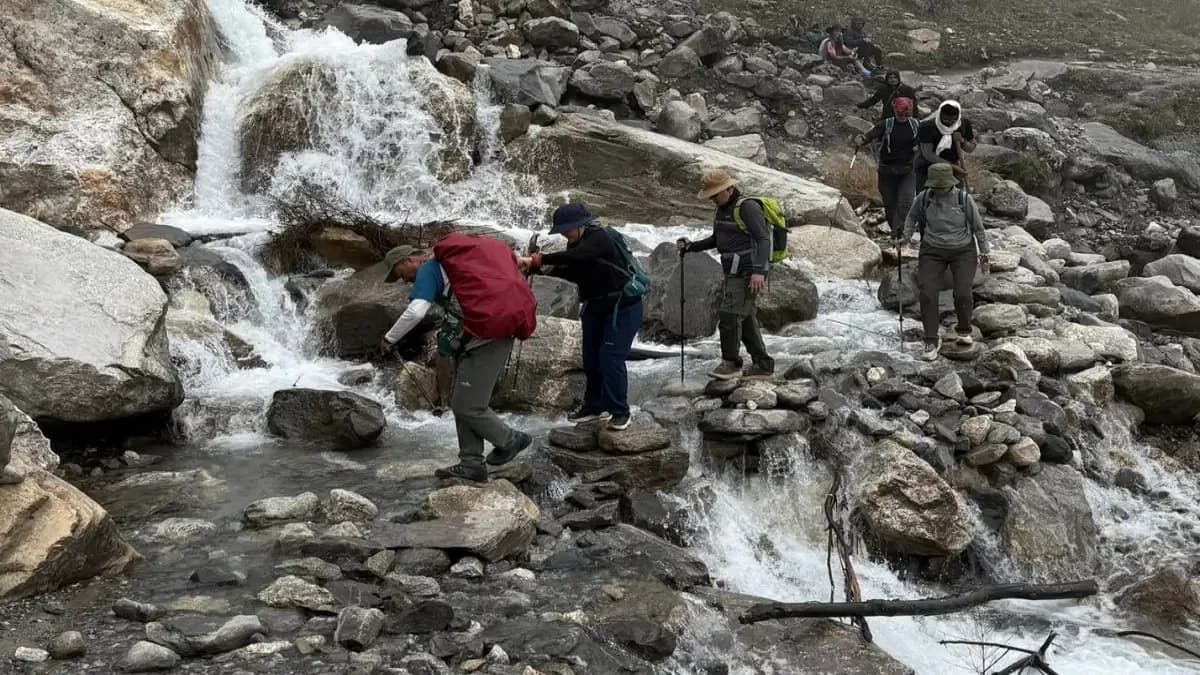
Planning a Himalayan trek can be stressful, particularly when you read stories of altitude sickness, sudden weather changes, or mountain rescue. If you are trekking in Nepal for the first time, you might be asking yourself, “Is Annapurna Base Camp Trek safe?” It can be hard to differentiate real risk from unwarranted fear with so much conflicting information out there on the internet.
These issues only become more significant when you are investing time, money, and months of preparation into your adventure. Many first-time trekkers worry about whether they’ll be able to handle the altitude, whether the trail is too dangerous, or what will happen if something goes wrong in a remote mountain area. Poor information can lead to overestimating the risks or underestimating the preparations needed.
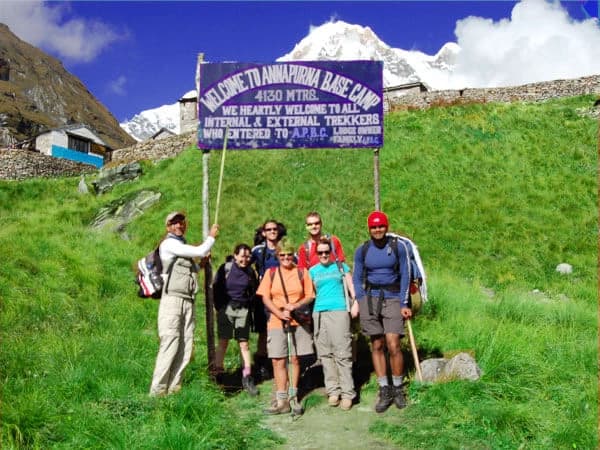
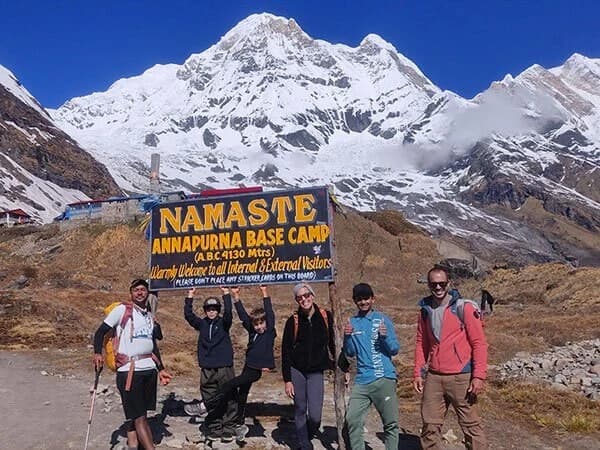
Annapurna Base Camp (ABC) Trek is considered one of the safest high-altitude treks in Nepal. Hundreds of trekkers, many of them beginners with no mountaineering experience, successfully reach the Annapurna Base Camp at 4,130 meters (13,550 feet) every year.
The route is supported by an extensive network of teahouses, marked trails, experienced local guides, and reliable helicopter rescue services in case of emergency. The trek does have some real challenges to it, including altitude sickness, rapidly changing mountain conditions, and a few risk of seasonal avalanche and landslide zones. However, these risks are very manageable with the right preparation, sensible pacing, and the right guidance.
This guide is all about Annapurna Base Camp trek safety, discussing the real risks, common myths, and practical advice to help beginners, solo travelers, and first-time Himalayan trekkers have a safe and memorable journey.
At a Glance: Is Annapurna Base Camp Trek Safe?
- The Annapurna Base Camp (ABC) Trek is one of Nepal's safest high-altitude treks, making it suitable for beginners, females and first-time Himalayan trekkers.
- The biggest risks are altitude sickness (AMS), changing mountain weather, and seasonal avalanche or landslide zones, but they are manageable with proper preparation.
- Trek during spring (March–May) or autumn (September–November) for the safest weather and trail conditions.
- Acclimatize gradually, stay hydrated, and never ignore AMS symptoms to reduce health risks.
- Trek with a licensed guide for better navigation, safety, and emergency support.
- Purchase travel insurance that covers trekking above 4,500 meters and includes helicopter evacuation.
- Prepare physically before your trek with regular walking, stair climbing, and cardio training.
- With proper planning and sensible trekking practices, thousands of people safely complete the Annapurna Base Camp Trek every year.
Is Annapurna Base Camp Trek Really Safe?
The Annapurna Base Camp (ABC) Trek is one of the safest high-altitude trekking routes in Nepal. It has a good teahouse system, marked trails, experienced local guides, and reliable emergency rescue services. For most trekkers, including beginners with proper preparation, Annapurna Base Camp Trek is a safe choice.
There are genuine dangers associated with trekking, such as altitude sickness, rapidly changing mountainous conditions, and several seasonal avalanche and landslide zones. But these are well known and can be mitigated by trekking at the right time of year, following a gradual itinerary and listening to your guide. This combination of strong infrastructure and safety measures allows thousands of trekkers to successfully complete the Annapurna Base Camp Trek every year.
Feeling confident about the trek but have limited time? Explore our guided Short Annapurna Base Camp Trek package with 10-Day itinerary along with cost and see what's included before you start planning your adventure.
Can Beginners Trek to Annapurna Base Camp Successfully?
Absolutely, most of the people who do the Annapurna Base Camp Trek each year aren't experienced mountaineers. The trek itself is based on established routes, comfortable teahouses, and gradual altitude gain and is one of the most accessible multi-day Himalayan adventures in Nepal. No previous trekking experience, technical climbing skills, or ropes necessary. It's your fitness, your preparation, and your willingness to stay on the saddle at a steady grind.
The trail does involve long days of walking, usually between 5 to 7 hours, with steep stone staircases around Ulleri and Chhomrong. These sections are physically challenging but achievable for most healthy adults who train with regular walking, stair climbing, or cardio prior to their trip. Trekking with a licensed guide gives you more confidence by helping you manage your pace, monitor altitude symptoms, and navigate changing mountain conditions.
New to trekking? Nepal Gateway Trekking's experienced local trekking guides help first-time trekkers enjoy the Annapurna Base Camp Trek safely with a well-paced itinerary and expert support throughout the journey.
How Safe Is Annapurna Base Camp Trek Compared to Other Himalayan Treks?
Annapurna Base Camp (ABC) Trek is safer than most other popular Himalayan treks, as it reaches a lower altitude, has well-established trails, excellent teahouse infrastructure, and easier access to emergency rescue services. No mountain trek is risk-free, but the moderate difficulty and gradual elevation gain of Annapurna Base Camp make it a popular choice among beginners and first-time trekkers.
|
Trek |
Max Altitude |
Difficulty |
Safety |
Primary Risk |
|
Annapurna Base Camp |
4,130 m |
Moderate |
Very High |
Moderate AMS |
|
5,364 m |
Challenging |
Moderate |
Higher AMS risk |
|
|
4,500 m |
Moderate |
High |
Ridge exposure |
|
|
3,870 m |
Moderate |
High |
Landslide terrain |
- Lower altitude: ABC is over 1,200 meters lower than Everest Base Camp, significantly reducing the risk of severe altitude sickness.
- Better infrastructure: The route has frequent teahouses, clearly marked trails, and reliable support from local communities.
- Accessible emergency services: Helicopter evacuations and licensed guides are readily available if needed.
- Ideal for first-time trekkers: The combination of gradual altitude gain, moderate difficulty, and strong safety infrastructure makes ABC one of Nepal's best introductory Himalayan treks.
Key takeaway:
While every Himalayan trek has inherent risks, the Annapurna Base Camp Trek offers a good balance of adventure and safety, making it a suitable option for beginners seeking a high-altitude trekking experience.
The Biggest Risks on the Annapurna Base Camp Trek
Understanding Annapurna Base Camp trek risks in advance is the single biggest thing you can do to avoid them.
Acute Mountain Sickness (AMS)
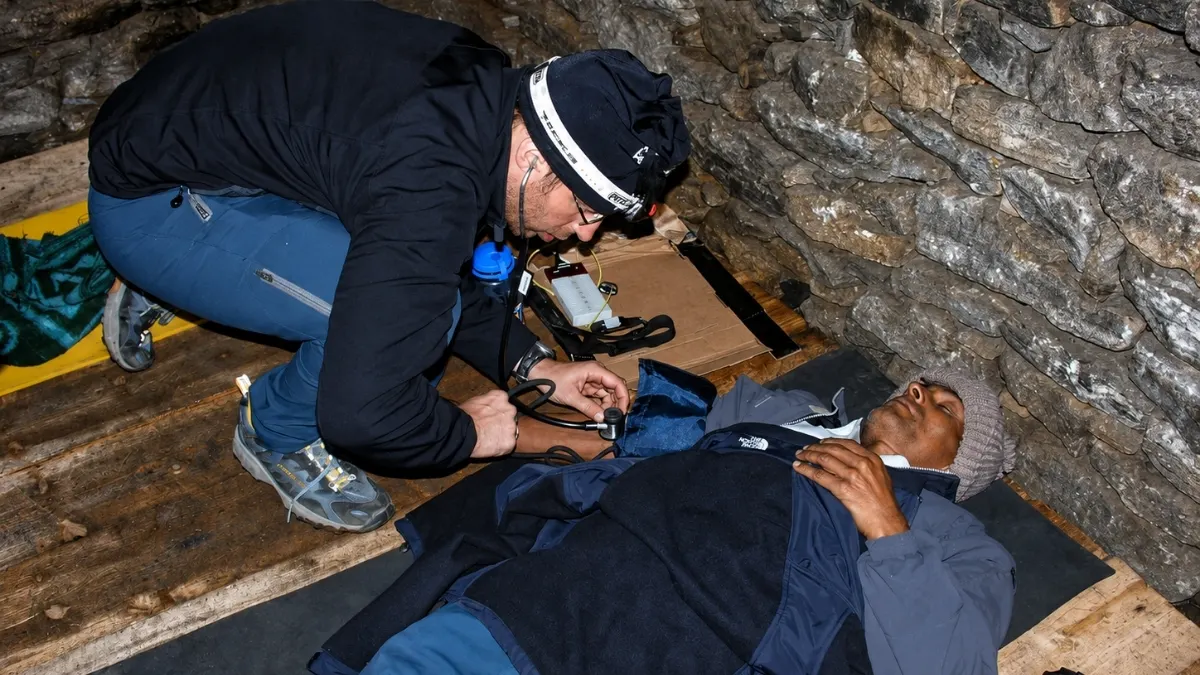
Acute mountain sickness happens when your body climbs faster than it can adjust to thinner air. Early symptoms: headache, mild nausea, and heavier fatigue than the day's walking should cause. Moderate symptoms include dizziness and appetite loss. Severe symptoms, confusion, and breathlessness at rest mean immediate descent, no exceptions.
Golden Rule:
Never continue climbing with worsening acute mountain sickness symptoms. Of all the Annapurna Base Camp trek risks on this list, AMS is the one almost entirely within your control.
Avalanche and Landslide Zones
The section between Hinku Cave and Deurali, continuing toward Machhapuchhre Base Camp, is the one genuinely hazardous stretch on the route. This narrow part of the Modi Khola valley has seen fatal avalanches, which is why guides cross it early in the morning, before the sun softens the snowpack above.
Rapid Weather Changes
Clear mornings often give way to afternoon cloud, sudden rain, or snow at higher elevations. Freezing overnight temperatures and strong winds catch underprepared trekkers off guard. Starting each day early is standard practice for a reason.
|
Risk |
Likelihood |
Severity |
Prevention |
|
Acute Mountain Sickness |
Moderate |
High |
Ascend slowly and acclimatize properly |
|
Avalanches |
Low (seasonal) |
Critical |
Cross avalanche zones early with a guide |
|
Landslides |
Low–Moderate |
High |
Avoid monsoon-season trekking |
|
Slippery trails |
High |
Moderate |
Proper boots, trekking poles |
|
Hypothermia |
Moderate |
Moderate |
Layer clothing properly |
|
Dehydration |
High |
Moderate |
4–5 liters of water daily |
|
Fatigue |
High |
Moderate |
Steady, sustainable pace |
How Dangerous Is Altitude Sickness on the Annapurna Base Camp Trek?
Altitude sickness is the biggest health risk on the Annapurna Base Camp Trek, but it’s also one of the most preventable. Your body takes time to adapt to the lower oxygen levels at 4,130 meters (13,550 feet). The majority of trekkers will experience mild symptoms that usually improve with proper acclimatization, hydration, rest, and a slower pace.
If you develop a persistent headache, nausea, dizziness, or unusual fatigue, stop climbing. If your symptoms worsen, stop, rest, and go down. Some trekkers take Diamox (acetazolamide) to help acclimatization, but the medication should only be taken after consulting your doctor prior to traveling to Nepal.
Through years of leading groups up the trail, our team has found that the safest approach is simple: listen to your body, never ignore early symptoms, and match your pace to your lungs rather than the group ahead.
Which Parts of the Trail Need Extra Caution?
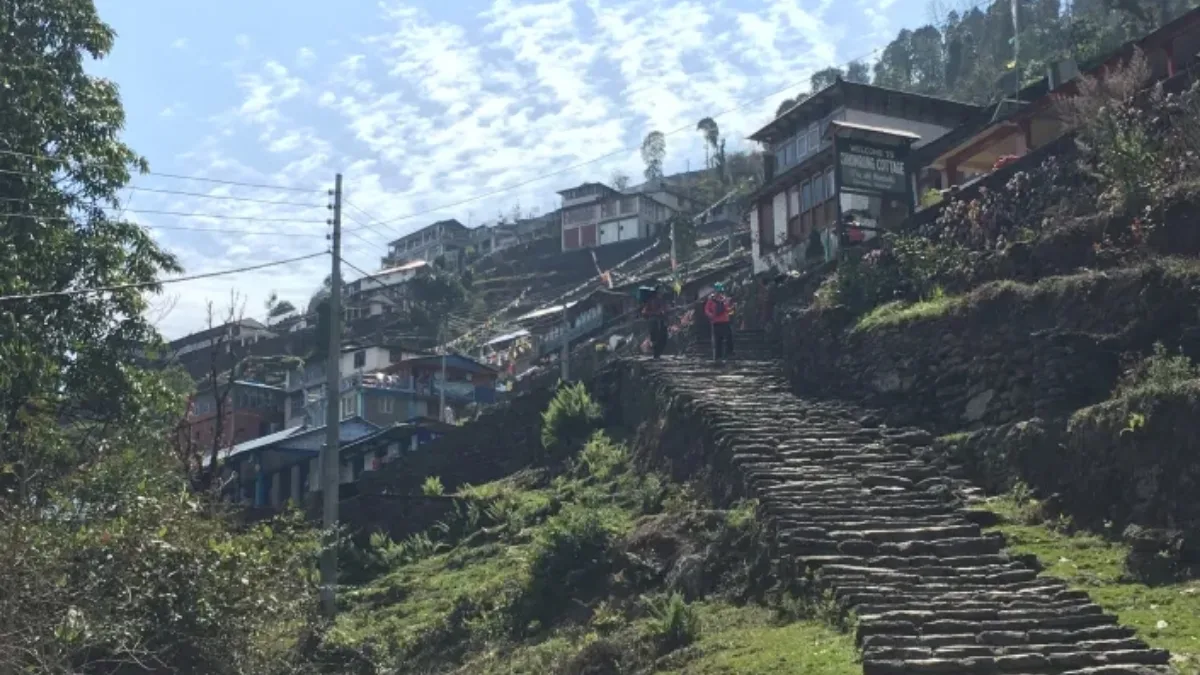
- Chhomrong Stone Staircases: A long, steep descent and then ascent. Descending is harder on the knees than climbing; trekking poles make a real difference here.
- Bamboo to Deurali: A dense, often wet forest with a muddy, root-covered trail. Solid waterproof boots matter more here than almost anywhere else.
- The Deurali to MBC Corridor: This is the main avalanche-prone section. Crossings happen early in the morning, guides set the pace, and it's not the place to linger for photos.
Is Solo Trekking to Annapurna Base Camp Safe?
Solo trekking is no longer permitted in the Annapurna Conservation Area. As of 2026, all foreign trekkers are required to be accompanied by a government-licensed guide hired through a registered trekking agency. Furthermore, the previous independent TIMS permit system has been abolished, and these current regulations are strictly enforced across the region.
You can still travel as an individual; plenty of people book alone and trek one-on-one with a guide without joining a larger group. In that narrower sense, the Annapurna Base Camp trek is safe for solo travelers who are comfortable being their guide's only client. What's no longer allowed is walking the route completely unaccompanied.
Best Time to Trek Annapurna Base Camp Safely
|
Season |
Safety | Weather | Main Hazards |
|
Autumn (Sep–Nov) |
Excellent | Stable, clear | Minimal |
|
Spring (Mar–May) |
Very Good | Mild, pleasant | Minor snow |
|
Winter (Dec–Feb) |
Moderate | Cold | Heavy snowfall |
|
Monsoon (Jun–Aug) |
Low | Wet | Landslides, leeches |
Winter adds avalanche risk along the Hinku Cave to Deurali corridor. The monsoon brings slippery trails and landslide risk. Autumn and spring are worth planning around if your schedule allows it.
Not sure which season is right for you? Nepal Gateway trekking can help you choose the best departure based on the weather, your fitness level, and the experience you're looking for.
Essential Safety Tips Before and During the Annapurna Base Camp Trek
These Annapurna Base Camp trek safety tips cover the practical side of preparation, the things that really improve your chances of a smooth trip.
- Train in cardio, stair climbing, and hill walking for two to three months before the event.
- Buy real travel insurance; confirm it covers high-altitude trekking and helicopter evacuation above 4,500 meters.
- Pack right waterproof boots, layered clothing, trekking poles, a headlamp, a first aid kit, and water purification.
- Trek smart daily: Hydrate, eat even without appetite, walk at a steady pace ("bistarai, bistarai"), and listen to your guide.
Follow these Annapurna Base Camp trek safety tips consistently, not just on the hard days, and most common trail problems simply don't come up.
Emergency Rescue and Travel Insurance for Annapurna Base Camp
Emergency rescue services are easily available on the Annapurna Base Camp Trek, but it’s important to have the right travel insurance. If you become seriously ill or injured, your guide will assess the situation and organize the best option available, whether that is coming down on foot or arranging a helicopter evacuation to Pokhara or Kathmandu.
Before your trek, make sure your travel insurance covers trekking up to at least 4,500 meters and emergency helicopter evacuation. Many standard policies exclude high-altitude rescues, which means trekkers end up paying expensive evacuation fees. One of the easiest and most important things you can do to protect yourself on the trail is to verify your coverage before you get to Nepal.
Who Should Avoid the Annapurna Base Camp Trek?
Talk to a doctor before booking if you have serious heart disease, severe respiratory illness, recent major surgery, very poor baseline fitness, or are pregnant. Older adults with significant health conditions should get medical clearance first.
Kids under 12 generally aren't a good fit given the altitude and daily walking hours. Outside these specific conditions, is Annapurna Base Camp safe for beginners in general? Yes, this list is about underlying health, not beginner status.
Final Thoughts
The Annapurna Base Camp Trek is one of the safest high-altitude trekking adventures in Nepal, which makes it a great choice for both beginners and experienced trekkers. The trek has its share of challenges like altitude sickness, changing mountain conditions, and a few danger zones that are only accessible seasonally, but these can be dealt with with adequate preparation, a well-paced itinerary, and sound judgement on the trail.
The key to a safe and enjoyable trek is not having years of trekking experience; it's about respecting the mountains, listening to your body, and planning your journey well. With the right planning, you will be able to enjoy what makes the Annapurna Base Camp Trek so special: spectacular mountain views, friendly mountain villages, and the achievement of being in the middle of the Annapurna Sanctuary.
Ready to explore Annapurna Base Camp? Contact Nepal Gateway Trekking today to plan a safe, professionally guided Himalayan adventure tailored to your experience and travel goals.
Frequently Asked Questions
Is Annapurna Base Camp trek good for beginners?
Yes, the Annapurna Base Camp Trek is suitable for beginners with some level of fitness. No technical climbing or mountaineering skills are required, but be prepared to walk 5-7 hours per day on rough mountain paths. If you train before the trek and have a slow itinerary, it will be a lot more enjoyable experience.
What are the main risks at Annapurna Base Camp Trek?
The main risks on Annapurna Base Camp Trek are altitude sickness, sudden changes in the weather, and seasonal avalanche/landslide zones. "Most incidents occur when trekkers ignore early warning signals, hurry their itinerary, or trek in unsafe weather conditions.
How difficult would you rate the Annapurna Base Camp Trek?
Annapurna Base Camp Trek Difficulty Grade The trek is said to be of a moderate level of difficulty. It means walking 5-7 hours a day on stone staircases, forest trails, and mountain paths. No technical climbing is involved, but good endurance and regular physical preparation is important.
When is the best time to trek to Annapurna Base Camp?
The best time for Annapurna Base Camp Trek is in fall (September to November) and spring (March to May). These months have excellent weather, clear views of the mountains, and less chance of heavy snowfalls, landslides, and other weather-related hazards.
Should I Get Travel Insurance for Annapurna Base Camp?
It is highly recommended that you get good travel insurance when trekking to Annapurna Base Camp. The policy should include trekking at high altitudes, emergency medical treatment, and helicopter evacuation to a minimum of 4,500 meters, as the rescue costs can be high without proper coverage.
What is the elevation of Annapurna Base Camp?
Annapurna Base Camp is at an elevation of 4,130 m (13,550 ft) from sea level. It is crucial to acclimatize well at this altitude to avoid altitude sickness and to have a safe trekking experience.
What are the safety tips for beginners trekking to Annapurna Base Camp?
Allow your body to get used to the trek. Take your own pace and never ignore any signs of altitude sickness. Trekking with a licensed guide, staying hydrated, wearing the right gear and getting travel insurance that includes helicopter evacuation coverage are important steps for a safe and enjoyable trip.
Is the Annapurna Base Camp Trek safe for first-time Himalayan trekkers?
The Annapurna Base Camp Trek is very safe for first-time Himalayan trekkers who prepare properly. Thousands of first-time trekkers do the trek every year without any prior mountain experience by preparing ahead of time, following a well-paced itinerary, and trekking with an experienced local guide.
Is the Annapurna Base Camp (ABC) trek considered safe for solo travelers?
Yes, the Annapurna Base Camp trek is widely regarded as one of the safest and most popular trekking routes in Nepal. The trail is well-established, frequently patrolled by local communities, and dotted with teahouses that provide a supportive environment for solo trekkers. While "safety" is high in terms of low crime rates and community support, trekkers must remain vigilant regarding mountain-specific risks like altitude, weather, and physical fatigue.