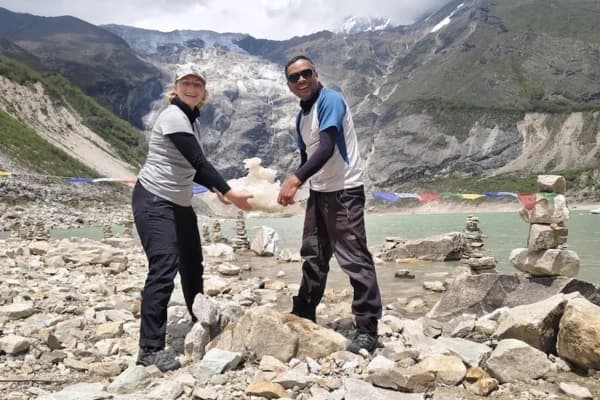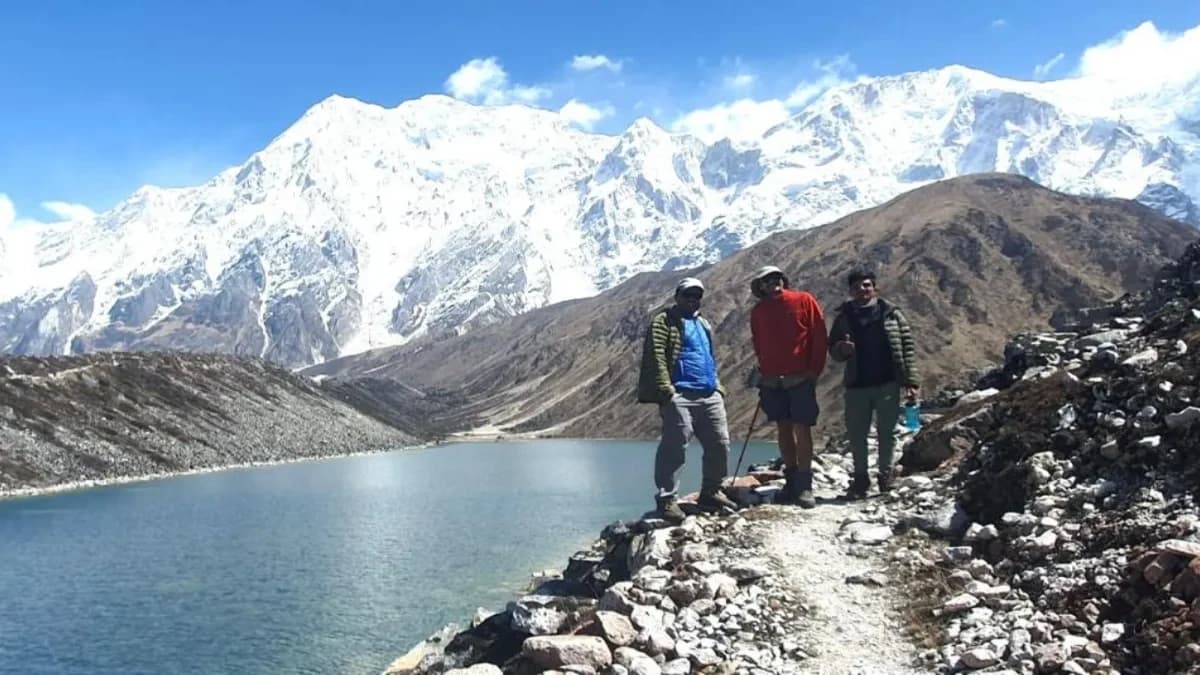
The Manaslu Circuit Trek is a challenging trek in high altitudes. Good physical fitness, proper preparation, and acclimatization are necessary. The main challenges on the Manaslu Circuit Trek are not technical climbing but long trekking days, remote mountain trails, and gaining elevation.
Over the course of the trek, you'll be walking 6–8 hours a day, ascending from Machha Khola (870 m) to Larkya La Pass (5,106 m), where the thinner air makes the journey significantly more demanding.
The Manaslu Circuit Trek is similar in difficulty to the Everest Base Camp Trek and the Annapurna Circuit Trek but feels more adventurous due to its remote location, fewer amenities, and limited exit points. The trek is challenging but possible for first-time high-altitude trekkers if they prepare well, build up their fitness, and follow a good acclimatization schedule.
This guide covers everything you need to know about the challenges and rewards of theManaslu Circuit Trek, from crossing suspension bridges and rugged mountain trails to tackling high altitude and crossing the legendary Larkya La Pass (5,106 m). This guide will help you with what to expect and how to prepare for a successful journey.
Quick Facts: Manaslu Circuit Trek Difficulty
|
Feature |
Details |
|
Difficulty |
Strenuous (8/10) |
|
Duration |
16 Days (Nepal Gateway Trekking itinerary) |
|
Highest Point |
Larkya La Pass (5,106 m) |
|
Daily Hiking |
6-8 hours (up to 7-8 on pass day) |
|
Total Distance |
Approx. 177 km, Machha Khola to Dharapani |
|
Technical Climbing |
No ropes, no glacier travel |
|
Best Seasons |
Spring (March-May) and Autumn (September-November) |
|
Suitable For |
Fit beginners with trekking prep, and experienced trekkers |
How Difficult Is It to Trek the Manaslu Circuit? The Core Factors
The difficulty of the Manaslu Circuit Trek isn't about one obstacle. It's five compounding factors: altitude, long days, rugged terrain, unpredictable weather, and thin infrastructure in a restricted region. How difficult is the Manaslu trek, in real terms? It comes down to these five factors stacking on top of each other rather than any single dramatic obstacle.
High Altitude and Low Oxygen Levels
Larkya La Pass sits at 5,106 m, where oxygen levels run close to 50% lower than at sea level. Above 2,500 m, acute mountain sickness (AMS) becomes a real risk for anyone who climbs too fast.
The trek's altitude gain from 870 m to over 5,100 m is the single biggest reason people ask how difficult the Manaslu Circuit Trek is before booking. Two acclimatization stops, at Samagaun and again functionally at Samdo, exist specifically to slow that ascent down. Skipping or rushing them is the fastest way to turn a challenging trek into a dangerous one.
Long Daily Walking Hours
Most days on the trail run 6-8 hours, with a few stretching closer to 7-8. Distances range from a short 7 km acclimatization walk to an 18-20 km day through the lower valley.
|
Trek Day |
Hours |
Notes |
|
Machha Khola to Jagat |
5-6 hrs |
Muddy trail, suspension bridge crossings |
|
Jagat to Deng |
7-8 hrs |
Longest lower-valley walking day |
|
Deng to Namrung |
6-7 hrs |
Landslide-prone sections, steep final climb |
|
Samagaun to Samdo |
3-4 hrs |
Shorter, but altitude starts to bite |
|
Dharamsala to Bhimtang (Larkya La) |
7-8 hrs |
Hardest day: 3 AM start, pass crossing |
Rugged and Remote Terrain
The trail alternates between rocky riverbank paths, steep stone-stepped climbs, and wire suspension bridges over the Budhi Gandaki. Landslide zones appear between Ghap and Namrung, and the Larkya La descent can mean walking on snow and ice with micro-spikes.
None of this is technical climbing. It is, however, a trail that demands sure footing, good ankles, and comfort with exposure on narrow paths. How hard is the Manaslu Circuit Trek from a terrain standpoint alone? Rugged, not technical that's the honest answer.
Harsh Mountain Weather
Temperatures on the Manaslu Circuit swing from around 27°C in the subtropical lower valley to -15°C near Larkya La sometimes within the same trek. Snow can close the pass in early spring or winter; monsoon rain triggers landslides in the lower gorge.
How hard is the Manaslu Circuit Trek from a packing and preparation standpoint? This temperature swing is a big part of the answer. Layering isn't optional it's the difference between a comfortable trek and a miserable one.
Limited Facilities in the Restricted Area
Manaslu is a restricted region, which is evident in its infrastructure. Teahouses at Samdo and Dharamsala have basic shared bathrooms, no heating, and patchy solar power. Medical facilities are minimal past Samagaun; mobile coverage thins out, and evacuation from Larkya La requires either a long walk down or a costly helicopter.
Not sure if the Manaslu Circuit matches your fitness level? Speak with our trekking experts for an honest assessment and personalized itinerary recommendations before you book.
Which Part of the Manaslu Circuit Trek Is the Hardest?
The hardest single stretch is the Larkya La Pass (5,106 m / 16,752 ft), which crosses from Dharamsala to Bhimtang. Everything before it is preparation; everything after it is descent. Crossing this high mountain pass involves a steep pre-dawn climb, thin air above 5,000 meters, freezing temperatures, and a long descent to Bhimtang, making it the most physically demanding day of the entire Manaslu Circuit Trek.
Machha Khola to Jagat
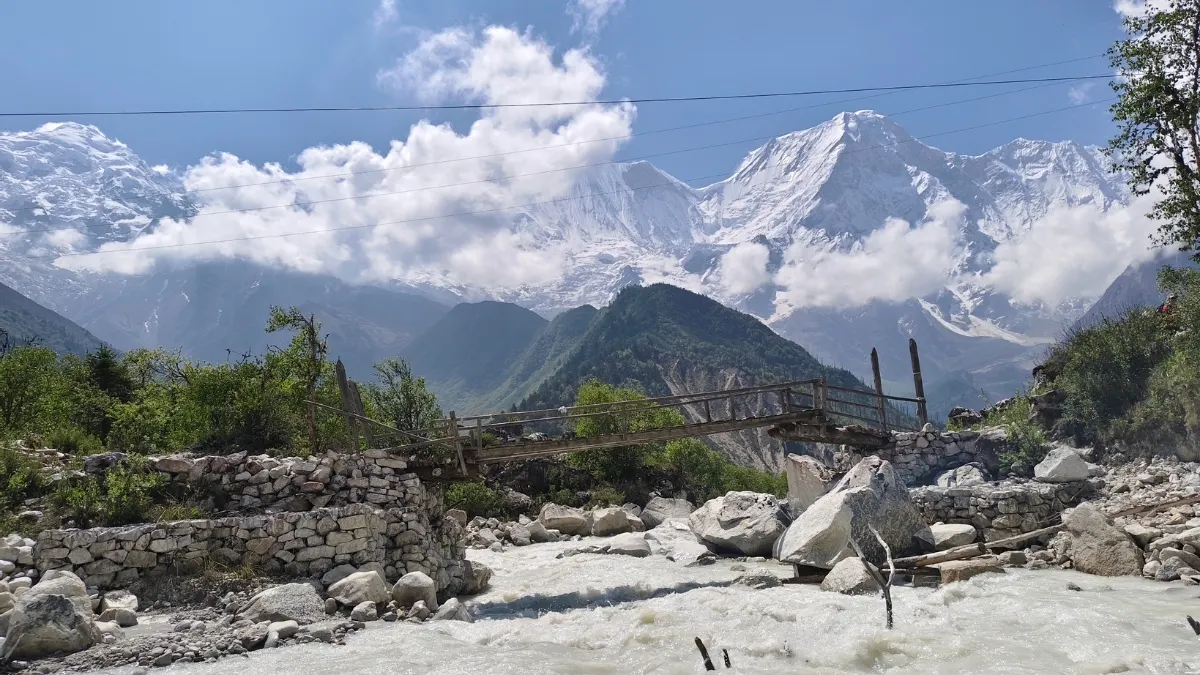
An 18 km trail through cliffside paths and river crossings, this opening day is moderate but sets the tone: muddy and slippery in places, with your first taste of suspension bridges over the Budhi Gandaki.
Jagat to Deng
At 20 km and 7-8 hours, this segment is one of the longest walking days on the entire trek, though the elevation gain is gradual rather than steep.
Deng to Namrung
Elevation climbs from 1,860 m to 2,630 m here through landslide-prone terrain, followed by a steep concrete-step ascent into Namrung.
Namrung to Samagaun
This section is where altitude starts to affect trekkers noticeably. The trail passes through Shyala at 3,500 m before reaching Samagaun at 3,530 m, the point where headaches and breathlessness commonly begin for those who've climbed too fast.
Acclimatization Day at Samagaun
This rest day is critical, not optional. Optional side hikes help the body adjust to thin air before the push toward Larkya La, including the easy 45-minute walk to Birendra Lake and the demanding 6-7 hour trek to Manaslu Base Camp at 4,800 m.
Samagaun to Samdo
It's a short, easier day of 3-4 hours, but the altitude gain to 3,860 m means the "easy" distance doesn't always feel easy.
Samdo to Dharamsala
At 4,460 m, Dharamsala (Larke Phedi) is basic and cold. This short day matters less for distance and more for what it sets up: the pass crossing the next morning.
Crossing Larkya La Pass (Hardest Day)
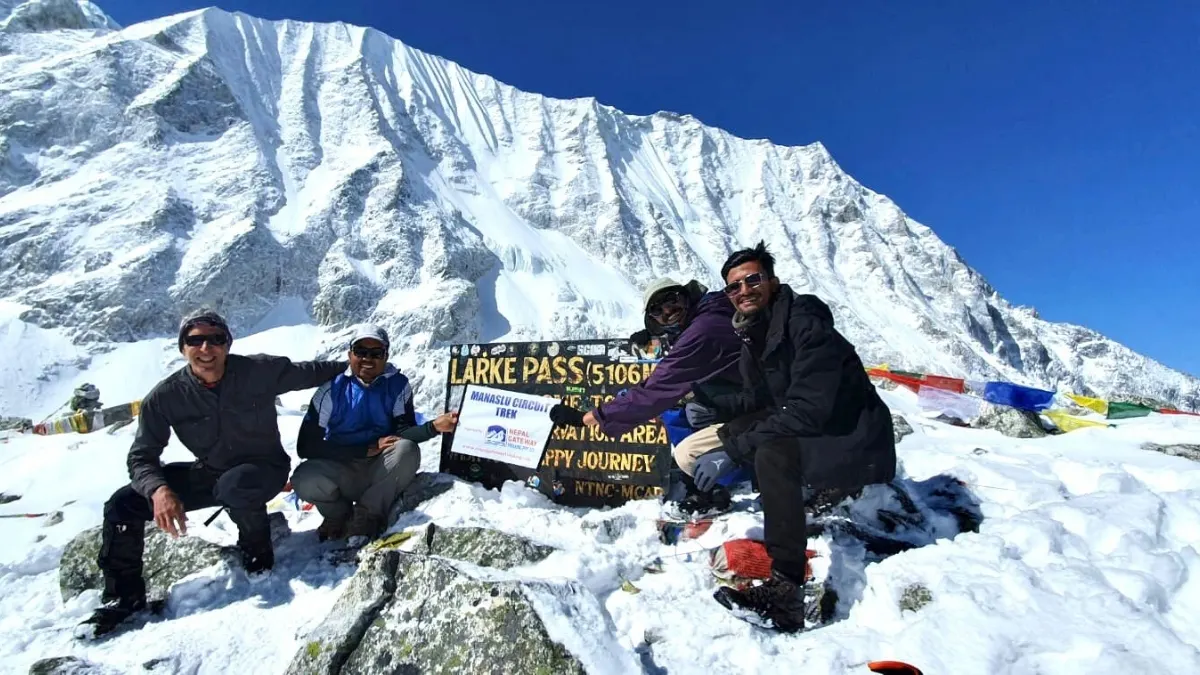
This is the day that defines the difficulty of the Manaslu Circuit Trek. Trekkers leave Dharamsala around 3-4 AM, cross rocky moraine and then snow near the Larkya Glacier, and reach the 5,106 m pass after 3-4 hours of climbing.
The descent to Bhimtang covers roughly 18 km and takes 7-8 hours total, often on snow or ice that requires micro-spikes, before the trail eases into the Manang side of the valley.
Difficulty Breakdown by Every Trekking Factor for Manaslu Circuit Trek
|
Factor |
Rating (/10) |
Why |
Tip |
|
Altitude |
9 |
Peaks at 5,106 m; oxygen ~50% lower |
Take both acclimatization stops seriously |
|
Terrain |
6 |
Rocky paths, bridges, some landslide zones |
Trekking poles help on descents |
|
Weather |
7 |
Swings from subtropical to subzero |
Pack true layering, not just a warm jacket |
|
Fitness |
7 |
6-8 hour days, back-to-back |
Train cardio and legs 6-8 weeks out |
|
Mental endurance |
6 |
Long, remote, basic accommodation |
Expect it; don't fight it |
|
Remoteness |
8 |
Limited rescue options, thin mobile coverage |
Buy insurance covering 5,500 m evacuation |
|
Accommodation |
5 |
Basic above Namrung, better below it |
Bring a warm sleeping bag liner |
|
Navigation |
4 |
Guide-led, so not self-navigated |
A mandatory licensed guide required |
Can Beginners Trek the Manaslu Circuit?
Yes, fit beginners can complete the Manaslu Circuit Trek, but it's not the easiest introduction to Himalayan trekking. Someone who has never trekked before should build a base of fitness first, ideally with a shorter trek under their belt.
Older trekkers in excellent health regularly complete this route with a sensible pace and proper acclimatization. Solo travel isn't an option here regardless of experience; the restricted-area rules require a licensed guide and a minimum group of two trekkers. Success rates are high among those who train beforehand and don't rush the acclimatization days; the trekkers who struggle are almost always the ones who skip training or push the pace too hard early on.
Beginner checklist before trekking:
- Can walk 5+ hours on varied terrain without exhaustion
- Has trained cardio and legs for at least 6-8 weeks
- Understands AMS symptoms and takes them seriously
- Has appropriate travel insurance covering high-altitude evacuation
- Is mentally prepared for basic teahouse conditions
Planning your Manaslu adventure? Read our complete Manaslu Circuit Trek Guide for detailed information on the itinerary, permits, costs, best time to visit, packing list, and everything you need to know before your trek.
Altitude Sickness on the Manaslu Circuit Trek
Altitude sickness is one of the biggest factors that affects the Manaslu Circuit Trek difficulty. Unlike steep climbs or long walking days, altitude affects everyone differently, regardless of age or fitness level.
As you gain elevation, the air contains less oxygen, making it harder for your body to perform and recover. Understanding the symptoms of altitude sickness and following proper acclimatization practices are essential for completing the trek safely.
Why Altitude Is the Biggest Challenge
Altitude sickness risk climbs sharply above 2,500 m, and the Manaslu Circuit spends its second half well beyond that line, topping out at 5,106 m.
Common Symptoms
Mild AMS shows up as headache, fatigue, nausea, or dizziness. Severe cases can progress to HAPE (High Altitude Pulmonary Edema) or HACE (High Altitude Cerebral Edema), both of which are medical emergencies.
How to Prevent AMS
To prevent it from AMS, walk slowly, drink plenty of water, eat enough calories, avoid alcohol and heavy caffeine in the first week, and never skip the Samagaun acclimatization day. Diamox is commonly carried as a preventive measure; discuss it with a doctor before departure.
What to Do in an Emergency
Tell your guide immediately if symptoms worsen. Descent is the primary treatment for AMS; guides from Nepal Gateway Trekking carry oximeters and first aid kits and can arrange helicopter evacuation if needed.
Mental Challenges of the Manaslu Circuit Trek
Physical training gets most of the attention, but the mental side of the Manaslu Circuit Trek surprises people. How difficult is the Manaslu circuit trek, mentally? It's a piece that rarely shows up in packing lists. Isolation sets in past Samagaun, where villages thin out and mobile coverage disappears.
Cold mornings, accumulated fatigue, and basic food wear on motivation by the second week. Homesickness is common on longer treks like this one. Decision fatigue builds too deciding whether to push through a headache or rest, whether to layer up or push pace, day after day.
Sleep quality drops at altitude, which compounds all of the above. None of this is unusual, and guides who work this route regularly know how to read it and talk trekkers through it.
If you're researching how difficult the Manaslu Circuit trek is from a purely physical angle, factor this mental side in too; it's part of the real difficulty picture, not a footnote to it.
How to Make the Manaslu Circuit Trek Easier?
- Train your cardio and legs for at least 6-8 weeks beforehand
- Hydrate constantly, not just when thirsty
- Eat enough calories Dal Bhat is filling for a reason
- Walk slowly, especially above 3,000 m
- Use trekking poles on steep descents
- Pack light; let your porter carry the rest
- Choose spring or autumn over monsoon or winter
- Trek with experienced, licensed guides
- Take both acclimatization days seriously, no exceptions
Need expert advice on the Manaslu Circuit Trek vs Annapurna Circuit Trek? Contact Nepal Gateway Trekking and plan the trek that suits your experience and travel style.
Best Time to Trek the Manaslu Circuit for Easier Conditions
|
Season |
Weather |
Difficulty Impact |
Recommendation |
|
Spring (Mar-May) |
Mild, blooming rhododendron, some early-season snow at the pass |
Moderate |
Excellent choice |
|
Summer/Monsoon (Jun-Aug) |
Heavy rain, landslide risk, poor visibility |
Increases difficulty |
Avoid unless experienced |
|
Autumn (Sep-Nov) |
Stable, clear, post-monsoon skies |
Moderate, most popular |
Excellent choice |
|
Winter (Dec-Feb) |
Freezing cold, possible pass closure |
Increases difficulty sharply |
Only for experienced, well-equipped trekkers |
Packing Essentials That Make the Trek Easier
|
Gear |
Why You Need It |
|
Trekking boots |
Rocky, uneven terrain for 16 days |
|
Down jacket |
Sub-zero mornings near Larkya La |
|
Sleeping bag (rated for cold) |
Teahouses above Namrung have no heating |
|
Trekking poles |
Reduces knee strain on steep descents |
|
Headlamp |
Required for the 3-4 AM Larkya La start |
|
Gloves (fleece + waterproof) |
Cold and wet conditions near the pass |
|
Base layers |
Manages the 27°C to -15°C temperature swing |
|
Water bottles |
Hydration is your best defense against AMS |
|
Micro-spikes |
Snow and ice on the Larkya La descent |
|
First aid kit |
Basic medical facilities past Samagaun |
|
Sunglasses |
UV exposure is intense above the tree line |
From permits to preparation, we've got every detail covered. Contact Nepal Gateway Trekking for expert guidance, personalized itineraries, and experienced local guides who know the Manaslu Circuit very well.
Common Mistakes That Make the Manaslu Circuit Trek Much Harder
- Walking too fast, especially above 3,000 m
- Skipping or rushing the Samagaun acclimatization day
- Arriving without any fitness preparation
- Wearing boots that haven't been broken in
- Carrying a backpack that's too heavy
- Ignoring weather warnings from guides
- Not drinking enough water
- Choosing monsoon or deep winter for the trek
- Ignoring a guide's advice to slow down or turn back
Why Trek the Manaslu Circuit with Nepal Gateway Trekking?
Talking it through with a guide team that runs the route every season is the fastest way to get a real answer. Nepal Gateway Trekking runs the Manaslu Circuit with government-licensed guides trained in high-altitude first aid and AMS recognition, alongside custom itinerary options for trekkers who want extra acclimatization or side trips like Tsum Valley or Manaslu Base Camp.
The team is based in Kathmandu, not a foreign reseller, and handles every permit, including TIMS, restricted area, MCAP, and ACAP, directly. Safety is built into the standard package: every guide carries an oximeter and first aid kit, and emergency evacuation support is included.
Wondering whether your fitness level is right for this trek? Talk to Nepal Gateway Trekking's Kathmandu-based team about a fitness assessment and an itinerary built around your pace.
Final Thoughts
The Manaslu Circuit Trek is genuinely challenging, with strenuous terrain, serious altitude, and a demanding pass crossing. It's also achievable for a wide range of trekkers, from well-prepared beginners to seasoned mountain travelers.
For most people who ask how difficult the Manaslu trek is before committing, success on this trek depends on three things: training beforehand, respecting the acclimatization schedule, and choosing the right season. With a licensed, experienced guide and the right preparation, Larkya La is a challenging day, but it is achievable.
Ready to see if the Manaslu Circuit fits your fitness level and timeline? Reach out to Nepal Gateway Trekking for a personalized itinerary, permit handling, and a guide team that knows this route in every season.
Frequently Asked Questions
How hard is the Manaslu Circuit Trek?
The Manaslu Circuit Trek is known as one of the more difficult teahouse treks in Nepal because of its high altitude, long trekking days, and its remoteness. Most days involve 6-8 hours of walking on steep rocky trails, and the route crosses the Larkya La Pass at 5,106 m (16,752 ft). The trek itself is not technically demanding in terms of climbing or mountaineering skills, but to complete it safely, you must be physically fit, properly acclimatized, and mentally prepared.
Is the Manaslu Circuit tougher than the Everest Base Camp Trek?
Both are physically demanding and reach similar heights, but many find the Manaslu Circuit Trek more challenging due to its remoteness. There are fewer teahouses, the roads are less accessible, there are fewer evacuation options, and the permits are more restrictive. However, the infrastructure and facilities along the route of the Everest Base Camp Trek are more developed and have better facilities, making it slightly more comfortable even though it has a similar altitude.
Can beginners do the Manaslu Circuit Trek?
Yes, with the right preparation many beginners successfully complete the trek each year. No previous trekking experience is necessary, but you should build up your endurance prior to the trip by hiking regularly, improving your cardiovascular fitness and strengthening your legs. You can increase your chances of completing the trek safely by having a well-planned itinerary that includes acclimatization days and an experienced guide while trekking.
What is the toughest day on the Manaslu Circuit Trek?
The hardest day is crossing Larkya La Pass from Dharamsala to Bhimtang. Trekkers usually start before sunrise to avoid the strong winds of the afternoon. The day involves a steep climb to 5,106 meters and a long descent, taking around 7-9 hours depending on the weather, trail conditions, and your pace.
Does the Manaslu Circuit Trek demand technical climbing skills?
No. The Manaslu Circuit Trek is a trek route, not a climbing expedition. No ropes, no harnesses, no ice axes, and no glacier travel are required. Snow can build up around Larkya La Pass in late autumn, winter, and early spring, and your guide may recommend microspikes for extra traction. You will usually only need basic trekking experience and to be sure-footed.
How fit do I need to be for the Manaslu Circuit Trek? .
You should be comfortable hiking with a light daypack for 5-6 hours on uneven and hilly terrain. Hiking, stair climbing, cycling, running, or strength training are all great ways to prepare for your trek 6-8 weeks in advance and will make the journey far more enjoyable. Fitness won’t stop you from getting altitude sickness, but it will help you cope better with the long trail days.
What is the highest point of the Manaslu Circuit Trek?
The highest point of the trek is Larkya La Pass at 5,106 meters (16,752 feet) above sea level. The views of the surrounding Himalayan peaks from the pass are spectacular, and it is said to be the highlight of the Manaslu Circuit Trek.
Is altitude sickness common on the Manaslu Circuit Trek?
Keep in mind that altitude sickness is a real possibility as the trek spends several days above 2,500 meters, where oxygen levels start to drop. Symptoms can include headaches, nausea, dizziness, fatigue, and sleep disturbance. A slow itinerary, plenty of water, walking at a steady pace, and taking the recommended acclimatization day at Samagaun can help greatly reduce the risk. An experienced guide will also be able to spot and deal with any signs of altitude sickness early on.